
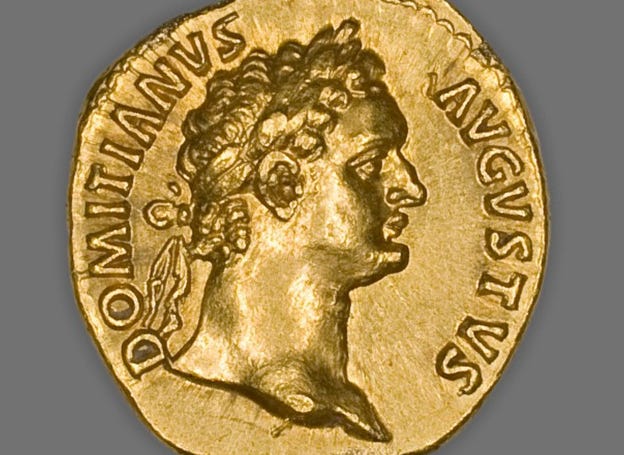
“A just king gives stability to his nation, but one who demands bribes destroys it.”
— Proverbs 29:4
Autocrats want power for a reason.
We often talk about authoritarianism as a struggle over ideology, identity, law, or violence. It is all of those things. But underneath the pageantry and the cruelty is something very old and very simple: the desire to steal.
Autocrats seize control of government because government is where the money is. It is where contracts are awarded, investigations are dropped, regulations are gutted, enemies are punished, loyalists are rewarded, and national wealth can be redirected into private hands.
“Corruption is the baseline principle of autocratic regimes everywhere. Economic destruction is its inevitable byproduct,” writes Katherine Stewart, the author of Money, Lies and God.
And yet, somehow, we often miss this point.
We miss it because the authoritarian playbook is designed to make us look somewhere else. Autocrats target vulnerable groups: immigrants, Jews, Muslims, LGBTQ people, racial minorities, religious minorities, and political dissenters. They manufacture panic. They tell their followers that the nation is being stolen from them by the weak, the foreign, the queer, the secular, the “woke,” the disloyal.
All the while, it is the autocrat and their cronies who are doing the stealing.
And while everyone is fighting over who belongs, they raid the coffers.
That is why corruption deserves far more moral and political attention than it is getting. It is not abstract. It is not merely a legal question for ethics experts. It is not just “conflict of interest” language that makes people’s eyes glaze over.
Corruption is theft from the public. It is a betrayal of the common good. It is the conversion of public office into private enrichment.
Isaac Saul at Tangle made a list of the many stories of corruption surrounding Trump and his family in one place.
His conclusion was not subtle:
we are witnessing the most corrupt presidency in the history of America.
The scale of alleged self-dealing, foreign entanglements, crypto profiteering, and pay-to-play politics is so large that it becomes difficult for the public to process.
There are the Trump family’s crypto ventures, launched while the administration deregulates the very industry from which the family is profiting.
There are foreign investors, crypto billionaires, and companies with interests before the federal government.
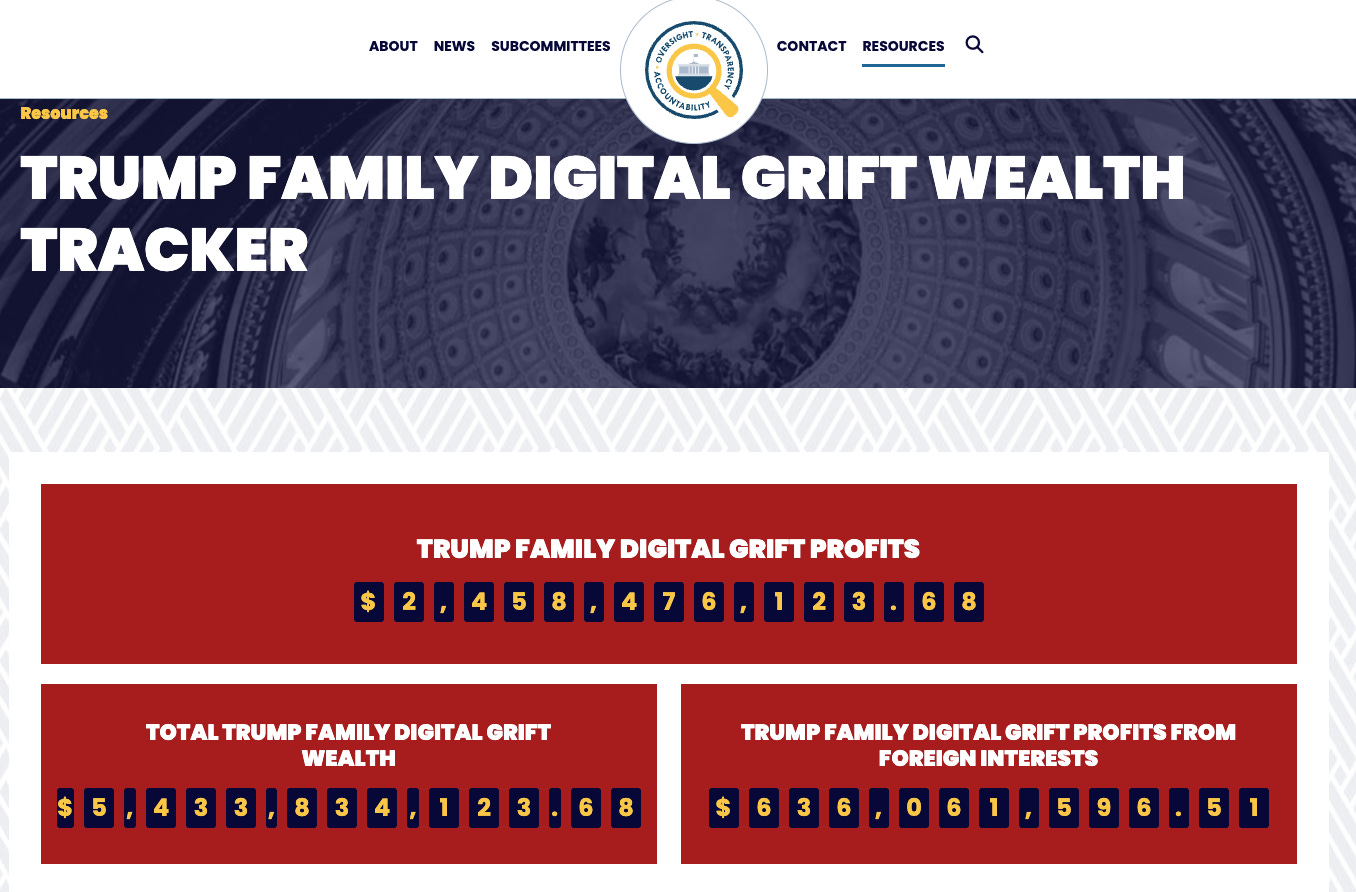
There are the Trump-branded deals abroad, foreign governments spending money at Trump properties, and new business arrangements unfolding while foreign policy decisions are being made.
The domestic examples include branded phones, exclusive clubs, stock holdings tied to political fortunes, business ventures involving Trump family members, and a web of likely purchased pardons and commutations that signal a new moral order: loyalty matters more than law.
Watchdog systems have been weakened. Inspectors General have been removed, ethics rules rescinded, and enforcement priorities narrowed in ways that reduce the government’s ability to police corruption from within.
Not every conflict of interest is a proven crime. But from a moral perspective, we do not need to wait for a court ruling to recognize the pattern.
The presidency is being treated not as a public trust, but as a profit center.
It is often corruption that brings autocrats down. One reason corruption is politically powerful is that it offends across party lines.
People may disagree about immigration. They may disagree about taxes. They may disagree about gender, education, foreign policy, or the role of religion in public life.
But most people understand that public leaders should not use public office to enrich themselves, their families, and their friends.
Corruption creates justifiable outrage because it hurts everyone. It drains resources from schools, hospitals, infrastructure, wages, disaster relief, and public services. It turns citizenship into spectatorship and government into a private club. It tells ordinary people that the rules are for them, while the powerful live by another code.
That is why exposing corruption can become one of the most effective ways to interrupt authoritarian power.
We saw this in Hungary. Viktor Orbán spent years consolidating power, demonizing LGBTQ people, attacking migrants, controlling media, and wrapping his project in Christian nationalist language. But underneath the culture war was a system of enrichment for family, allies, and loyalists.
Eventually, more and more Hungarians began to see the connection. The culture war was not only about values. It was also a cover story for kleptocracy.
Civil society began to widen its coalition. LGBTQ rights groups spoke to the broader public about family, dignity, and belonging. Religious leaders helped build broader democratic alliances. The corruption story helped people understand that authoritarianism was not protecting them. It was robbing them.
That is the opening we need here.
This is where we see how Christian nationalism functions to shore up autocracy.
Christian nationalism does not merely provide slogans. It provides moral anesthesia.
It tells people that the leader is chosen by God. As I explained in my most recent Substack, it turns criticism into persecution. It frames accountability as an attack on Christianity. It teaches followers to see cruelty as courage, domination as strength, and greed as a blessing.
In that world, corruption can be excused because the leader is supposedly defending “us” against “them.”
The actual teachings of Jesus have to be dismantled for this to work.
You cannot build a movement around the Sermon on the Mount and also bless a politics of vengeance, greed, and domination. You cannot take the prophets’ denunciations of unjust rulers seriously while cheering leaders who exploit public office for private gain. You cannot worship the God who hears the cry of the poor and then turn a blind eye while the powerful sell access, pardon fraudsters, and enrich their own families.
So Christian nationalism must replace Christianity with something else.
It replaces discipleship with tribal loyalty.
It replaces repentance with grievance.
It replaces love of neighbor with suspicion of empathy.
It replaces the cross with the flag, the market, and the strongman.
This is why I keep coming back to Revelation.
Christian nationalists love to misuse Revelation as a fantasy of divine violence against their enemies. But Revelation was written by a dissident under empire. John wrote from exile, likely under the shadow of Rome, about a system that fused political power, religious devotion, and economic exploitation.
The “whore of Babylon” has often been interpreted in sexist and harmful ways, and we should say that plainly. But I do not want to lose the passage because beneath the imagery lies a furious moral indictment of empire.
What enrages John is not sexual immorality in the narrow way modern readers often imagine it. It is economic exploitation. It is luxury built on violence. It is wealth accumulated through domination. It is the merchants and kings who grow rich from a system that devours human lives.
Revelation 18 gives us a haunting picture of an imperial economy collapsing under the weight of its own corruption:
The merchants mourn because no one buys their cargo anymore: gold, silver, jewels, fine linen, ivory, marble, spices, wine, oil, cattle, chariots — and finally, chillingly, “human lives.”
Empire turns everything into a commodity. Even people.
John is raging because he sees what empire has done. He sees how religious spectacle and political domination have been used to sanctify greed. He sees how the powerful clothe themselves in splendor while human beings are bought, sold, crushed, and discarded.
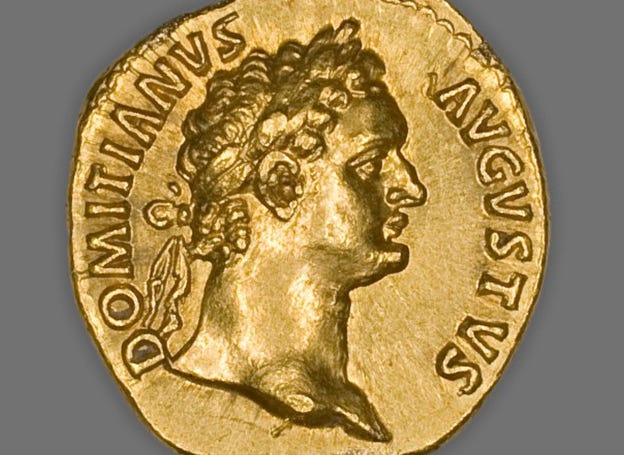
That is not just ancient history. It is a warning about what we become when we lose sight of who God created us to be. It is an age-old story of tyranny and corruption, one our faith calls us to counter.
I write because I believe faith still has something vital to say in public life — not as a weapon of domination, but as a source of courage, truth-telling, and repair. If that kind of voice matters to you, I hope you’ll become a paid subscriber and help sustain it.
In a democracy, public office is not a throne. It is a trust.
Leaders are entrusted with power so they can serve the common good. They do not own the state. They do not own the courts. They do not own the military, the pardon power, the regulatory agencies, or the public purse. They serve us, the people. Autocrats want to flip that power structure.
When leaders use public power to enrich themselves, they are not simply violating ethical norms. They are profaning something sacred.
They are treating the people’s government as personal property.
This is why the biblical witness is so severe about bribery, exploitation, dishonest scales, and rulers who crush the poor. Scripture understands something we have forgotten: corruption is not victimless. It destabilizes nations. It destroys trust. It teaches the powerful to prey and the vulnerable to despair.
“A just king gives stability to his nation,” Proverbs says, “but one who demands bribes destroys it.”
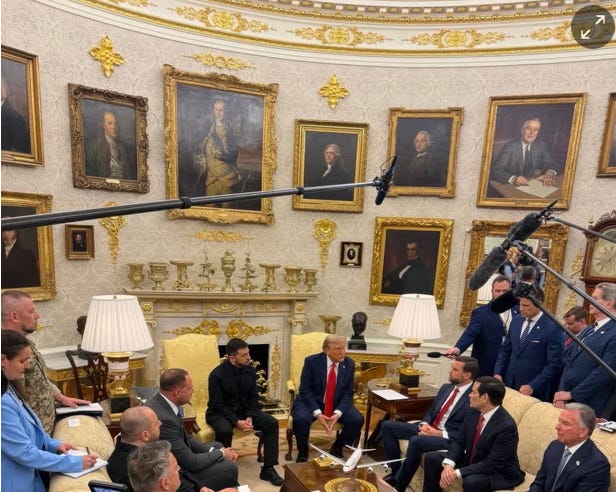
We see that unfolding now as leaders, seduced by wealth and power, bow to a reckless president who is systematically dismantling democracy’s legal and cultural guardrails while destabilizing the economy ordinary people depend on.
One way to defeat autocrats is to expose what they are actually doing.
To expose not only who they hate and what they say, but what they are taking.
This does not mean abandoning the defense of vulnerable communities. Quite the opposite. It means showing how scapegoating functions. It means helping people see that attacks on immigrants, LGBTQ people, religious minorities, and dissenters are not isolated cruelties. They are part of a broader strategy to divide the public while the powerful consolidate wealth and control.
The antidote is not despair. It is moral clarity.
We need clergy, faith leaders, journalists, organizers, and ordinary citizens to say plainly: this is corruption. This is greed. This is betrayal. This is what Scripture warns us about.
We need to refuse the false piety that blesses plunder.
We need to remind Christians that faithfulness does not mean defending a strongman. It means defending the widow, the orphan, the stranger, the poor, the targeted, and the truth.
And we need to tell a better story.
A democracy is not merely a system of elections. It is a covenant of mutual responsibility. It is a commitment that public power should serve the public good. It is a promise that no leader is above accountability and no office is an instrument of private wealth.
That promise is being tested.
It is a promise we can and must defend — with moral clarity, public courage, and faith that refuses to bless corruption in God’s name.
Katherine Stewart‘s Money, Lies, and God, for the monied interests and corruption of Christian nationalism. See also her Substack.
Ruth Ben Ghiat, Strongmen: How They Rise, Why They Succeed, How They Fall.
Walter Wink, The Powers that Be, for a theological understanding.
Walter Bruggeman, The Sabbath, to understand the spiritual practice of rest as resistance to the economics of empire.
Continue to preach, teach, and discuss with those in your community.
Call for elected officials to hold the White House accountable, to call for investigations.
No posts
Comments
Nothing yet. Say the first thing.
Sign in to join the conversation.