
This interview with the late Bad Brains producer and sound man Jerry Williams was conducted in the fall of 2008 for a Village Voice article promoting the A7 reunion show at the Knitting Factory that December, which featured Urban Waste, The Abused, and many other first-wave NYHC bands. None of this interview appeared in the original article; this marks its first publication.
In the interview, Williams discusses his move from North Carolina to New York, his discovery of the 171A rehearsal space and the A7 club, and the many formative nights he spent there. Feel free to dig in.
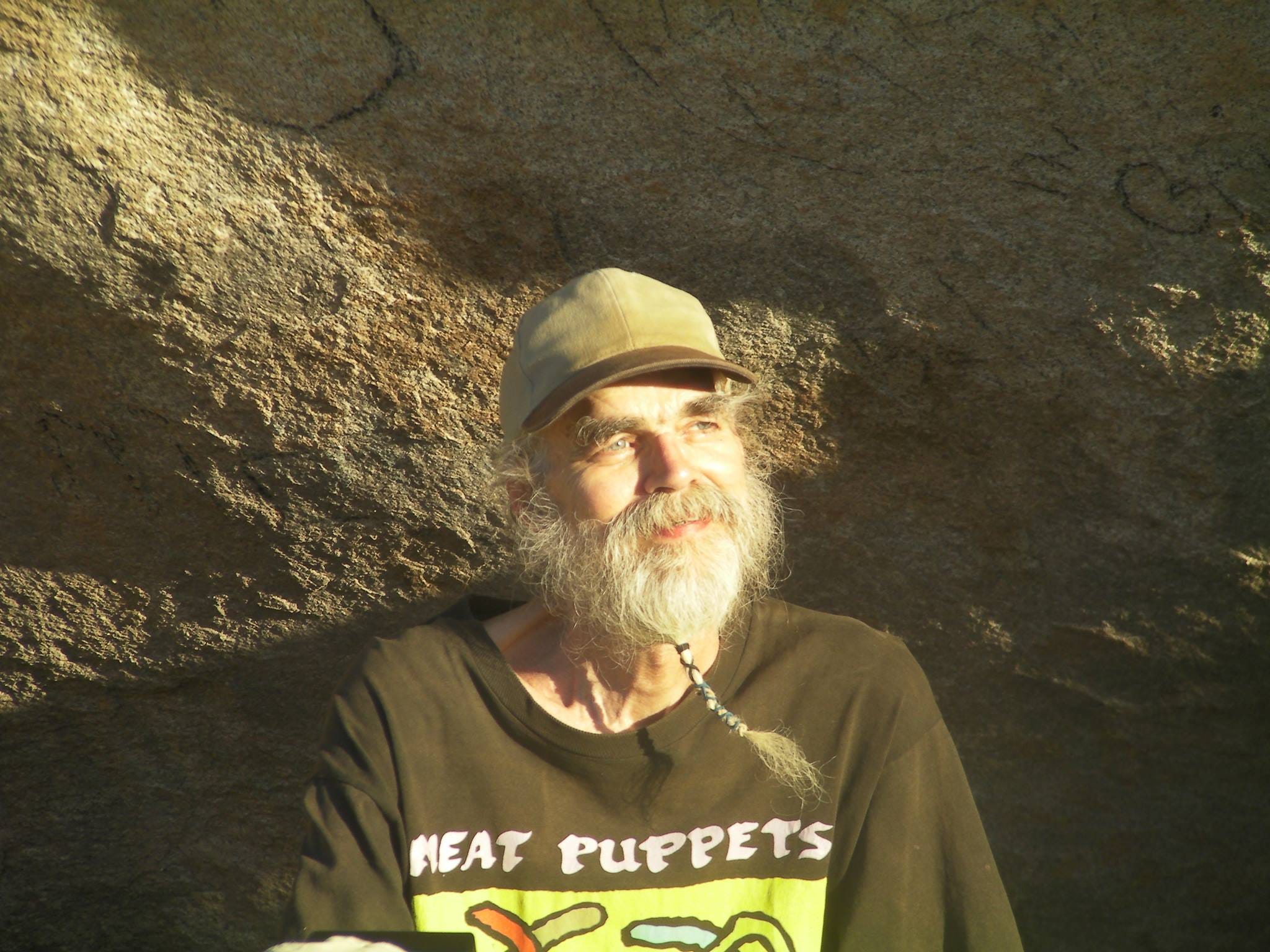
Photo: Facebook
I moved to New York from North Carolina after spending my entire life there. In May of 1979, the band I was working with, Th’ Cigaretz, relocated to Long Island so we could be closer to the city. We stayed there until September, making frequent trips into Manhattan and getting to know the scene. North Carolina had limited options for pursuing music seriously, and New York—especially the Lower East Side—felt like opportunity, crude and dirty as it was.
When we finally moved into Manhattan, we initially crashed at the apartment of Holly George-Warren on St. Marks Place. She was a former Rolling Stone editor and was instrumental in helping us early on, including getting Th’ Cigaretz our first New York gig. Eventually, we found an apartment on East 3rd Street. While we were living there, Holly helped us secure a rehearsal space at 171 Avenue A. That’s how we ended up becoming part of that building.
In October of 1980, my band and several others began rehearsing at 171A. At the time, the surrounding area was largely quiet—most people didn’t go east of Avenue A without a good reason. But things began to change in early 1981. One of the bands rehearsing at 171A, Eyewitness News, whose guitarist was a guy named Rob, landed a gig at a nearby venue called A7. That was the first time I heard about the club. Since 171A and A7 were only about two-and-a-half to three blocks apart, a natural pipeline quickly formed between the rehearsal space and the venue.
When A7 first opened, hardly any New York hardcore bands existed yet. Early shows leaned more toward punk and new wave. Around that time, The Stimulators were starting to move in a harder direction, Reagan Youth were just beginning to play out, and The Mob started performing in June of 1981. As 171A hosted showcase gigs and A7 began booking shows, Avenue A suddenly had young, affordable places to play and hang out. With decent bands and low cover charges, A7 caught on quickly simply because there were no real alternatives in that part of town.
A lot of credit goes to Dave Gibson, who owned the space. Once he started booking shows, the club practically ran itself. Crowds came because there was nowhere else to go, and Lower East Side bands were desperate for places to play. Bands would ask to go on at five in the morning and didn’t care about the hour. Nights regularly stretched from late evening until well past dawn.
Eventually, nearly every downtown punk band played A7. One of my favorite memories was the night the Circle Jerks played and couldn’t find Chuck Biscuits, their drummer—either he was missing or too intoxicated to perform. Jack Rabid ended up sitting in on drums, and it was honestly the best I ever heard the Circle Jerks sound. Jack knew all the songs and played them better than any of their regular drummers.
A7 was a tiny venue—maybe a few dozen people fit inside, certainly not 100—which means moments like that will never really be known outside of those who were there.
Things shifted dramatically once the Bad Brains moved to New York and began hanging out at 171A. Late nights often turned into jam sessions at A7, and once the Bad Brains had a presence there, every aspiring hardcore band wanted to play that room. That was when the scene truly took shape.
No posts
Comments
Nothing yet. Say the first thing.
Sign in to join the conversation.