
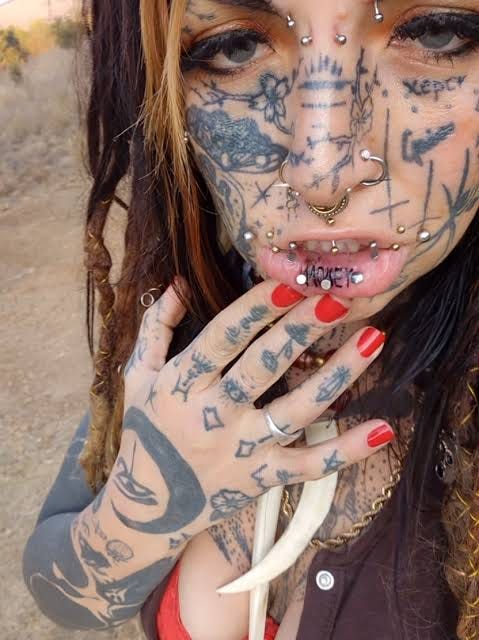
Last week we published Under the Skin: Why Are So Many Young Women Getting Tattoos? It generated much-needed conversation. But it’s the bigger question underscoring it all that keeps nagging at me.
Why are young women doing this to themselves?
Tattoos are just one part of a larger pattern. It is also linked to fashion.
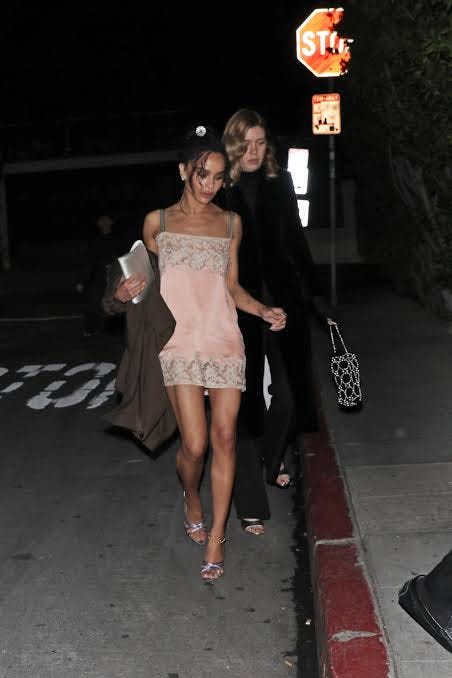
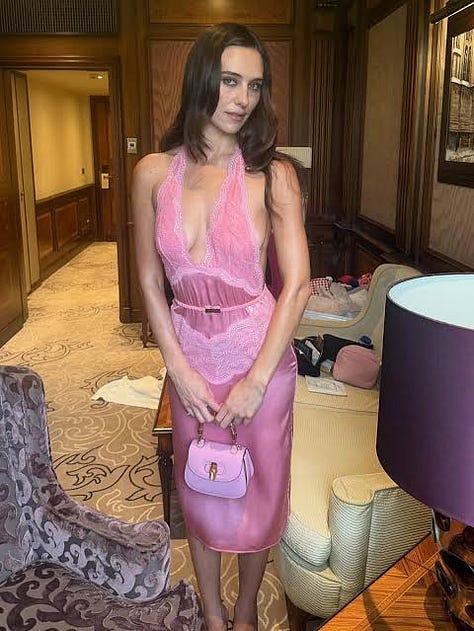
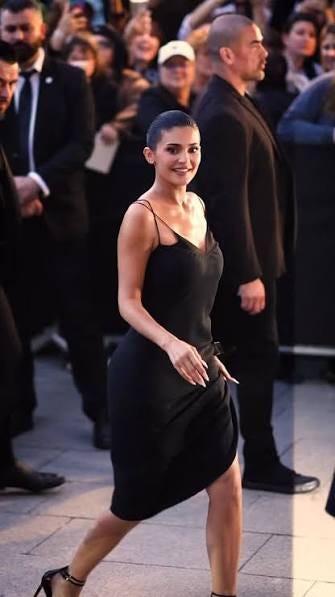
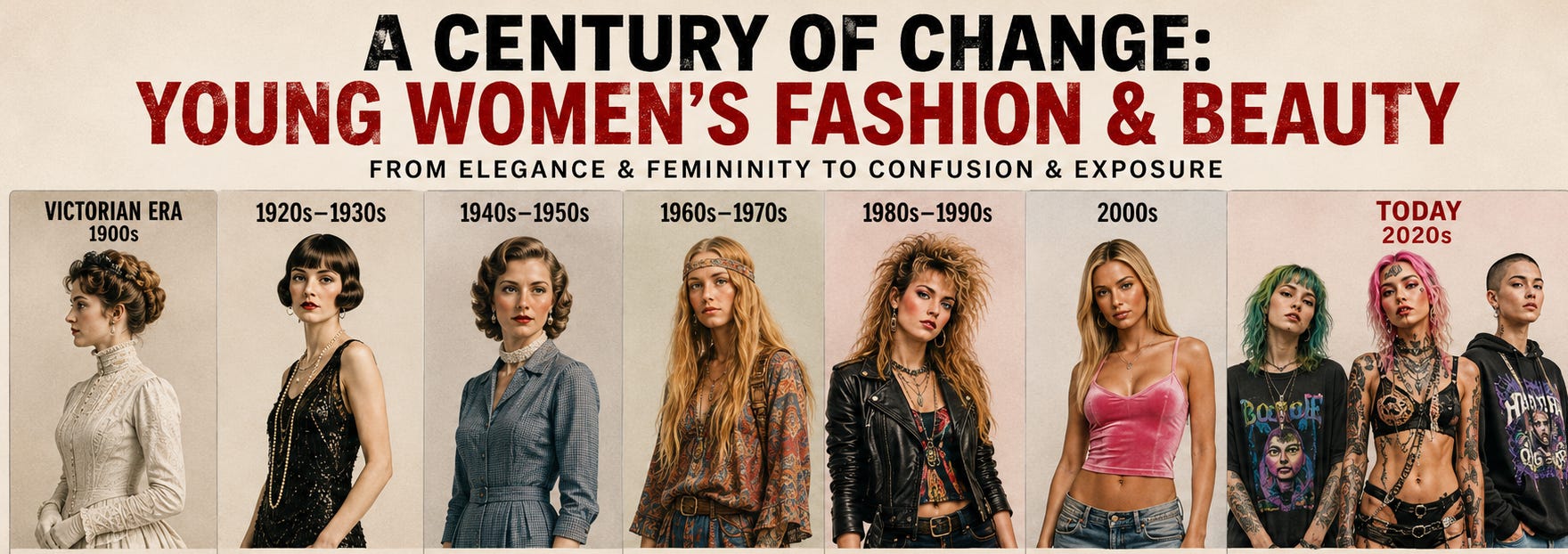
I see two types of clothing on young women now, in Manhattan and at the airport in Denver and all around the country. The first one shows a great deal: slip dresses, bralettes worn as shirts, sheer panels over the ribcage, clothing that used to go underneath other clothing and now goes on top of it.

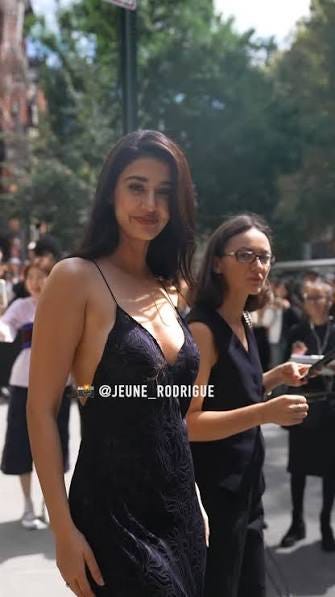
The second shows almost nothing. Loose layers and hoods and fabric that hides the shape of a body completely.
I’ve seen both looks at the same time on the same block and it is dizzying, schizophrenic, even.
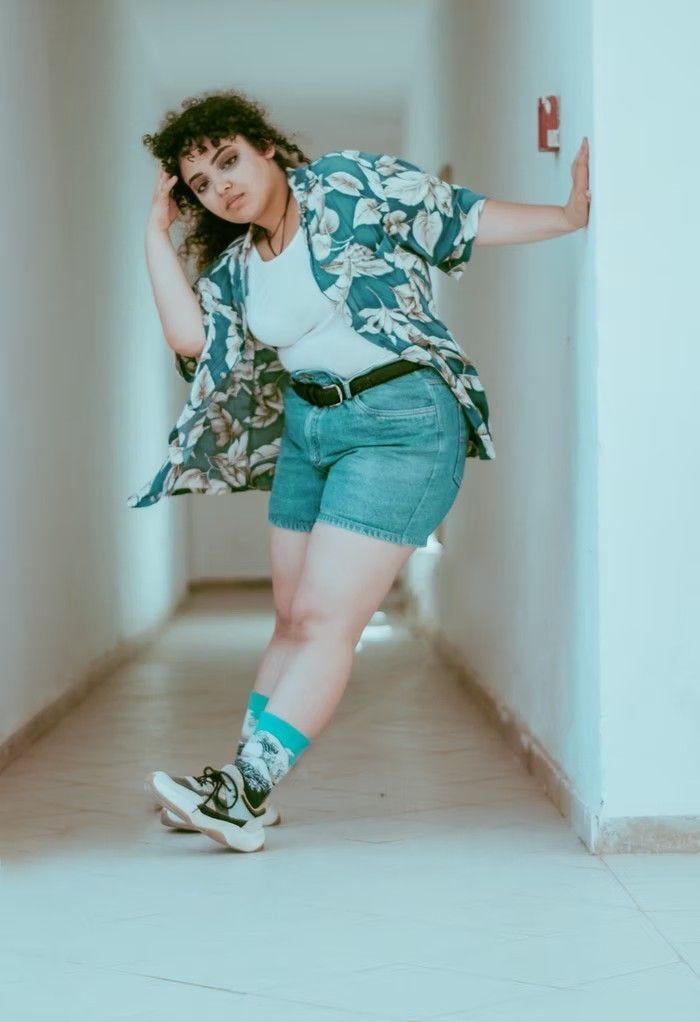
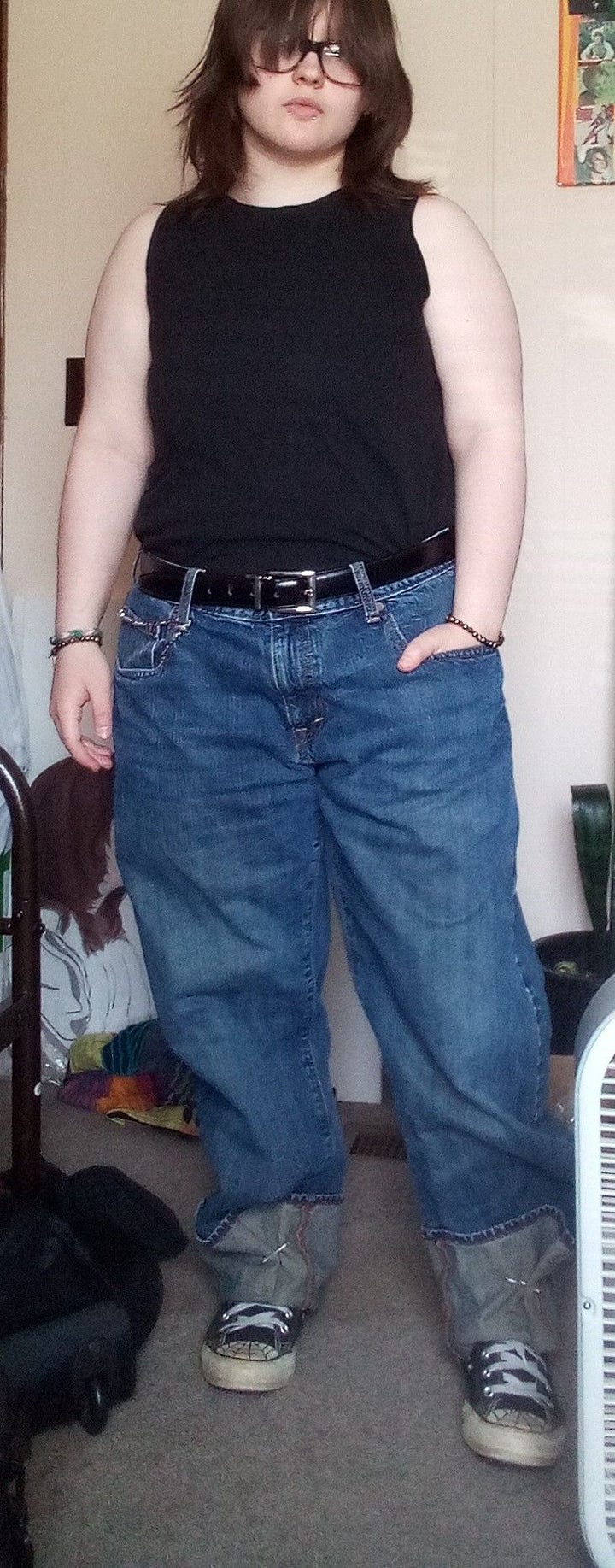
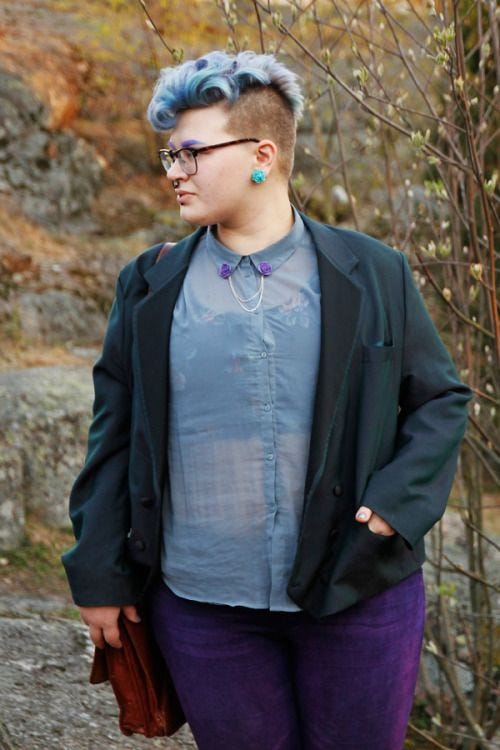
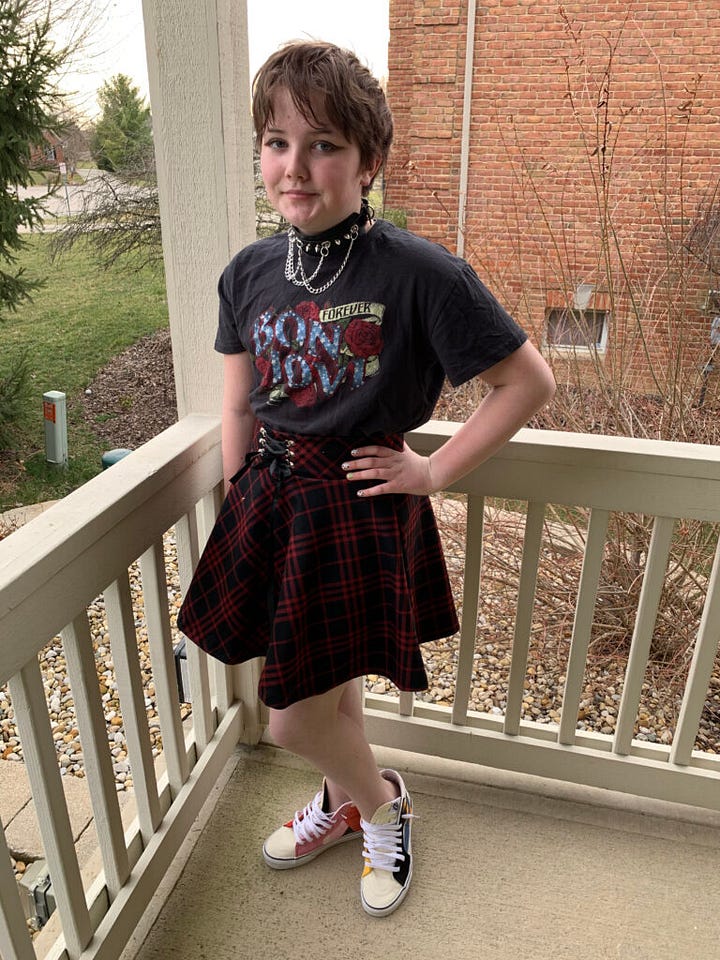
And it’s not just the oversized, amorphous clothing. Face piercings. Hair in unnatural colors, ink from wrist to shoulder and even on the face.
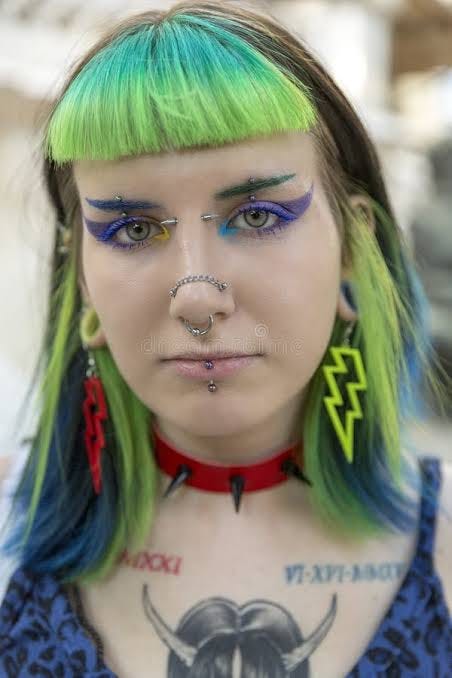
What does beauty mean today, is it to be aspired to or avoided at all costs?
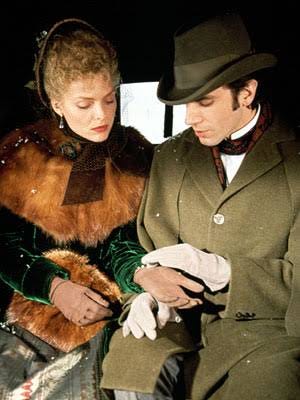
Edith Wharton published The Age of Innocence in 1920, and it won the Pulitzer Prize the following year, making her the first woman to take the prize. In 1993, Martin Scorsese (my favorite director of all time) released the film version starting Daniel Day-Lewis and Michelle Pfeiffer.
The most talked-about scene in that film contains almost no skin.
Newland Archer, played by Day-Lewis, sits in a carriage with Countess Ellen Olenska, played by Pfeiffer. He removes his own glove, unbuttons hers slowly, and kisses the inside of her wrist. Nora Ephron called the scene better than sex. One critic described it as demure and profane at the same time.
That glove carried information, which is why the scene works. Someone chose it, knew how to fasten it and when to wear it, and everyone in that carriage understood what its removal announced. Gabrielle Pescucchi, the costume designer for the film won the Academy Award that year, and the glove scene was certainly a driver of this!
Women used to pass that knowledge down.
What do you wear to a funeral?
What do you wear to meet his parents?
What does a hemline say about you, and what you hold back, and why?
These are the things we stopped teaching. Girls are now left to figure this out on their own, but it is clear they need support…
In 2011, Kurt Gray published a study in the Journal of Personality and Social Psychology showing viewers pictures of the same people, some revealing and some not. When viewers looked at a body, they credited that person with less agency and less self-control, they credited her with more raw feeling instead, and they judged her as less morally responsible.
Showing more of your body changes what strangers assume about your mind. They assume there’s less of one.
A sixteen-year-old posting in a bralette wants to look confident but her audience may read it as less smart.
Young women already sense this, honestly, because they’ve started defending themselves against it.

New Yorkers came up with the subway shirt. A girl carries an oversized layer and pulls it on over whatever she wanted to wear, so she can cross town without the stares and the comments, and the hashtag has millions of views. The behavior predates the name. A French transport survey in 2016 found that 48 percent of women changed their clothing to move around the city, trading a skirt for pants or covering themselves with a scarf.
So she dresses to be seen in the morning and packs a shirt to stop being seen on the way there.
I always come back to my childhood in the 1980s, when we all seemed to be reaching towards something, musically, fashion, cinematically, it was so good to want things, both aesthetic and material.
Beauty was aspirational. The women in my college class and on the Manhattan-bound D train to NYU, put effort into how they looked, and I could see it— it was contagious.

But things have taken a darker turn.
Fashion writers call the current mood ugly dressing. They describe it as deliberately unflattering, a rebellion against filtered perfection. It also sells. Ludovica Cesareo at Lehigh looked at more than 10,000 Amazon products and found an ugly luxury premium. From an ordinary brand, shoppers pick the prettier thing. From a luxury brand, they pick the ugly one just as often. It only works when the ugliness looks like a choice.
Ugly on purpose says you know something the rest of us don’t.
I still see aspiration in plenty of young women. Both things are happening at once in one generation.
Which will win? I don’t know.
For a decade now, young men have heard that the old male virtues are dangerous. Physical strength. Providing for someone. Taking responsibility for people who depend on you. We called much of that toxic masculinity, and a lot of young men gave it up.
So boys apologize for wanting to be strong, and girls apologize for wanting to be beautiful.
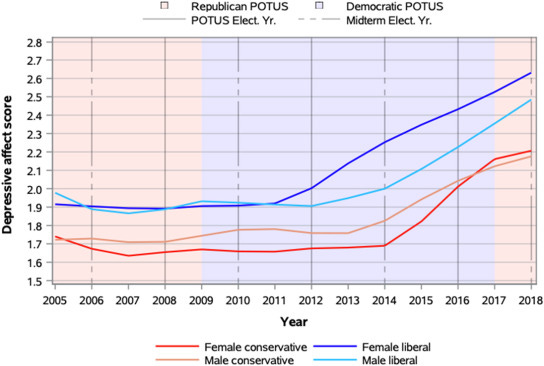
In 2022, Catherine Gimbrone and her colleagues at Columbia looked at 86,138 twelfth graders in SSM Mental Health. Depression rose for everyone after 2010. It rose fastest for liberal girls, and the widest gap was on self-esteem. Put that next to the tattoo numbers. Pew asked 8,480 adults in 2023. Among women 18 to 29, 56 percent have a tattoo.
Pew found 41 percent of adults with no religion have a tattoo, as opposed to 29 percent of adults who are faithful. Jerome Koch and Kevin Dougherty found that the denomination hardly matters but the commitment does.
Ying Chen and Tyler VanderWeele at Harvard tracked more than 5,000 young people for eight to fourteen years. The children who went to religious services every week were about 18 percent more likely to call themselves very happy in their twenties, and they reported a stronger sense of mission and purpose.
Mission and purpose. A girl who has those already knows who she is, and she can leave her skin alone.
Parents need to step in, though it is not easy.
I talk to my children about everything including norms, and what is and is not acceptable clothing. They know what I find beautiful, because I tell them (though we often disagree and that is great, too). They know I would like to be a grandmother. I wrote in May about telling children we hope they will have children. My own parents told me constantly, on the drive to school and over dinner and again at the door. I resented it for years. They were overbearing and they were right.
I have spoken to so many parents who keep quiet so their daughters won’t call them old-fashioned or overbearing.
Our daughters are paying for that quiet.
A girl learns norms of what beauty is from the adults around her, from what they wear, do and say. From stories of their own youth.
If we don’t say these things, have these conversations, TikTok fills that void.
I hope I can convince you that we can and should begin to be more confident about our voices and our experience and embrace authoritative (not authoritarian!) parenting again.
For the sake of our daughters (and sons, too).
If posts like this one matter to you, please consider becoming a paid subscriber to Restore Childhood. We are a 501(c)(3) nonprofit, and we work hard to keep most of our content free.
Comments
Nothing yet. Say the first thing.
Sign in to join the conversation.