
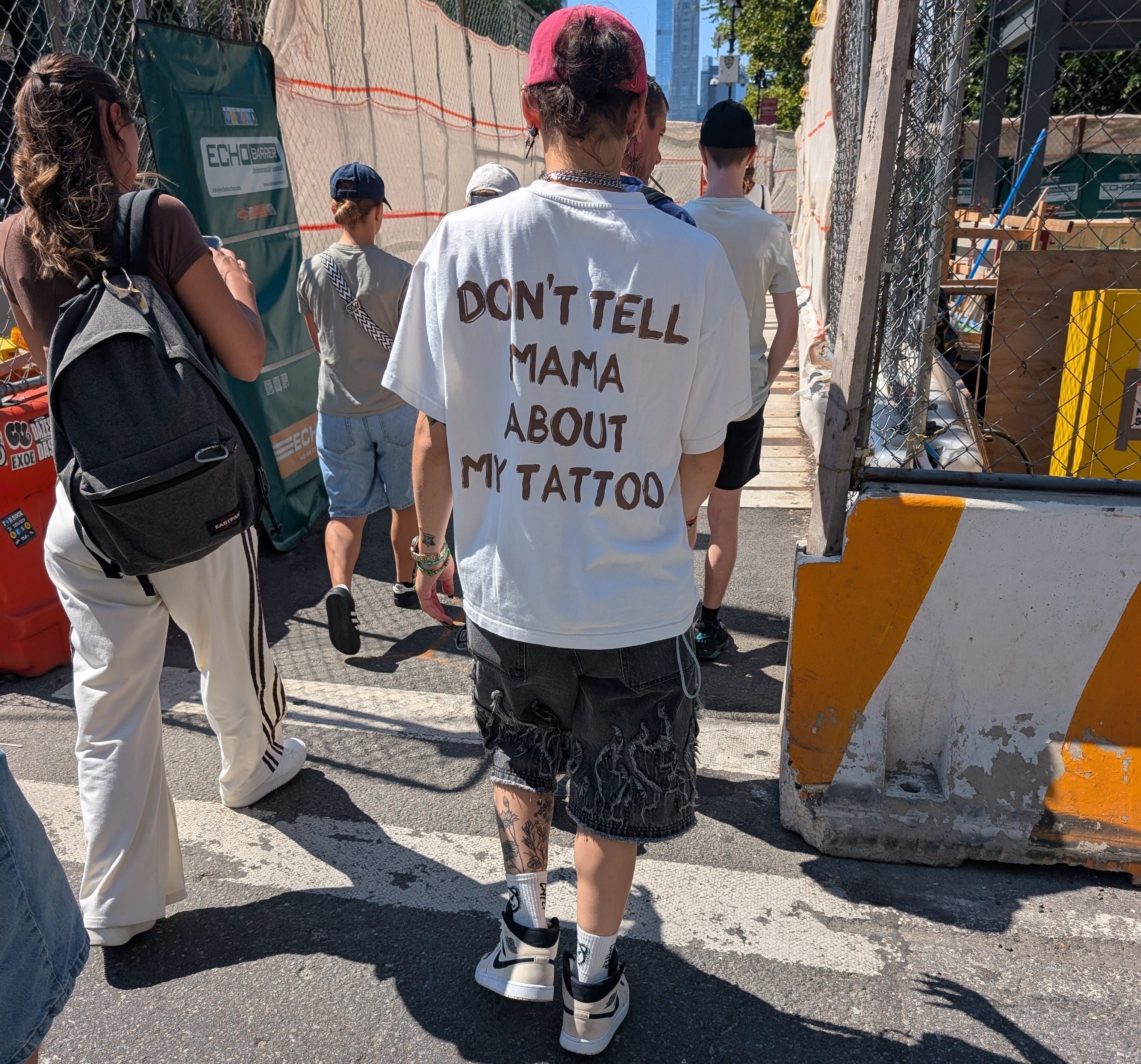
Last week The Free Press ran a report by Suzy Weiss on the fight over face tattoos. It follows a First Amendment lawsuit against South Carolina, which bans ink above the shoulders.
For several years now, I have also noted the dramatic rise in extreme tatooing among young people. Why is this spreading so fast, and why fastest among young women?
The best-known face tattoo in America may hold the answer, at least part of it.
In 2011, rapper Gucci Mane got an ice cream cone on his cheek. For years his team sold it as branding.
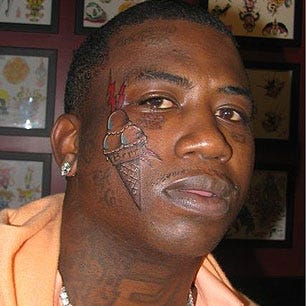
But in his 2025 memoir, Episodes, he told a different story. He got the tattoo days after a court-ordered stay in a psychiatric hospital, in the middle of a mental health and addiction crisis. He calls it “an act of rebellion, but it was also a cry for help,” and writes that he wanted the world to see he was in distress.
That face tattoo was distress made visible.
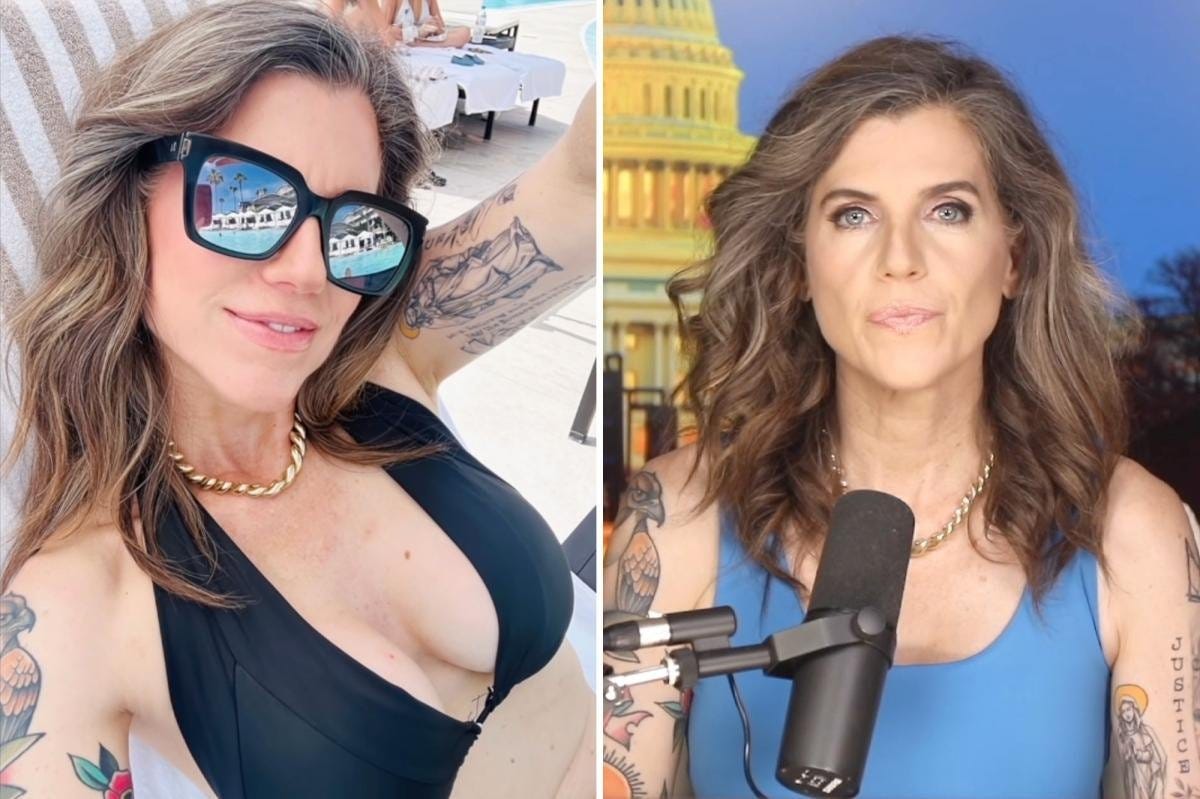
Just yesterday, Nancy Mace, a Republican Congresswoman from South Carolina, the state noted in Weiss's story, revealed she has gotten nine tattoos while in office. They give her "the pain I need to feel," she told Politico, and a way to reclaim her body.
One of the tattoos is the opening line of Virginia Woolf's Mrs. Dalloway. Mace describes herself as broken, and living with PTSD.
Mane calls it “an act of rebellion, but it was also a cry for help,” and writes that he wanted the world to see he was in distress.
Fifty-six percent of American women ages 18 to 29 now have at least one tattoo. A decade ago, about one in five adults did. The steepest line in the data belongs to young women.
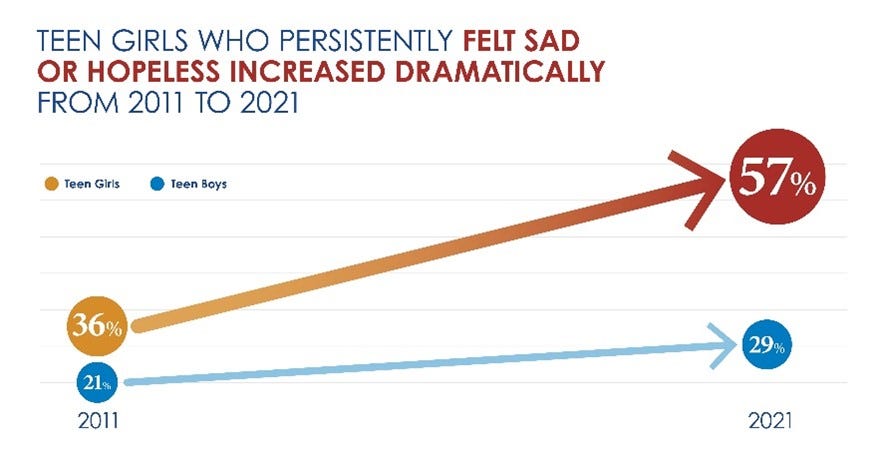
At the same time, according to the CDC, the share of teen girls reporting persistent sadness or hopelessness rose from 35 percent in 2011 to 57 percent in 2021. Nearly a third had seriously considered suicide. Emergency-room visits for self-harm among girls 10 to 14 are roughly five times higher than in 2009. Boys stayed flat.
The most common form of self-injury among adolescent girls is cutting.
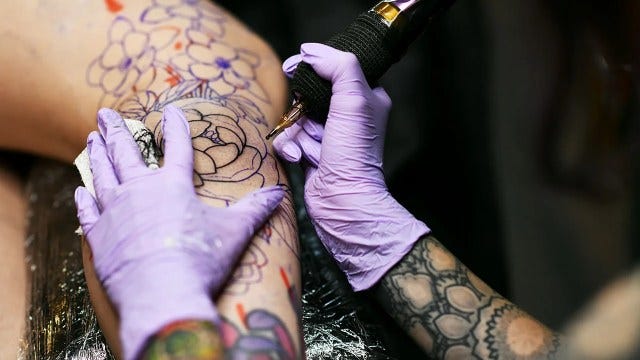
Set that beside a generation of young women marking their own skin with needles. One type of cutting is rightfully considered a crisis.
The other type- tatooing- is a burgeoning industry that calls itself self-expression.
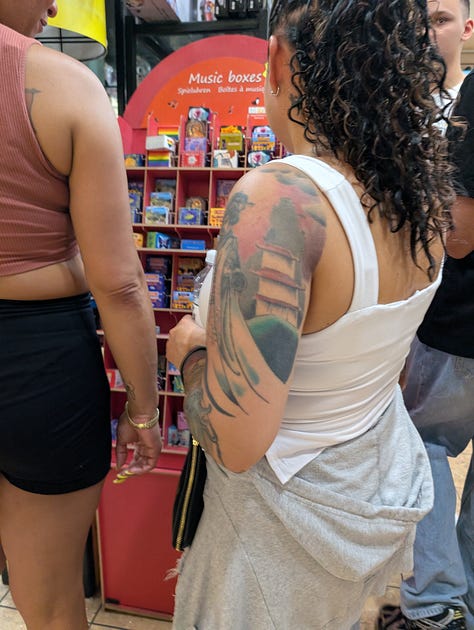
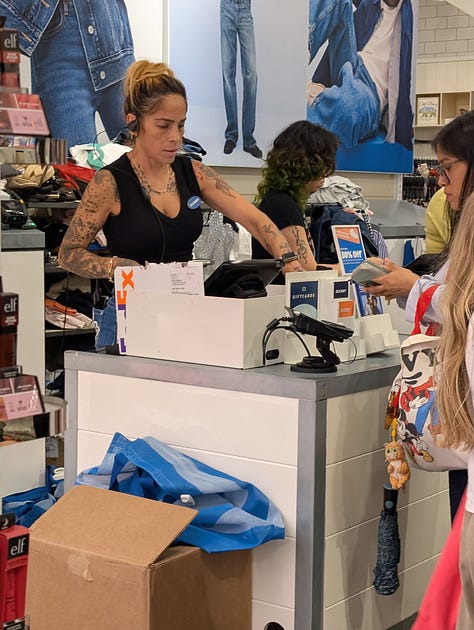
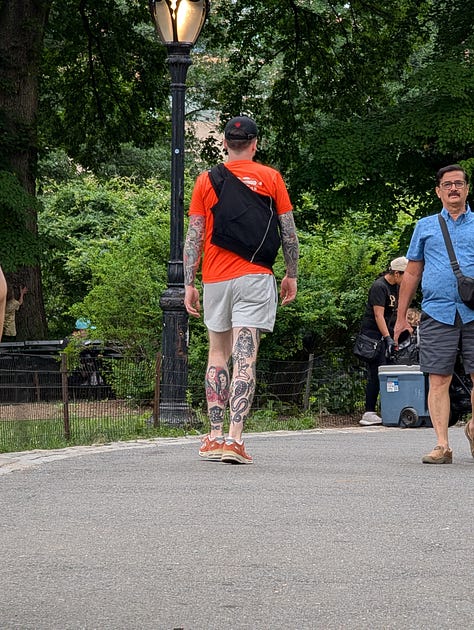
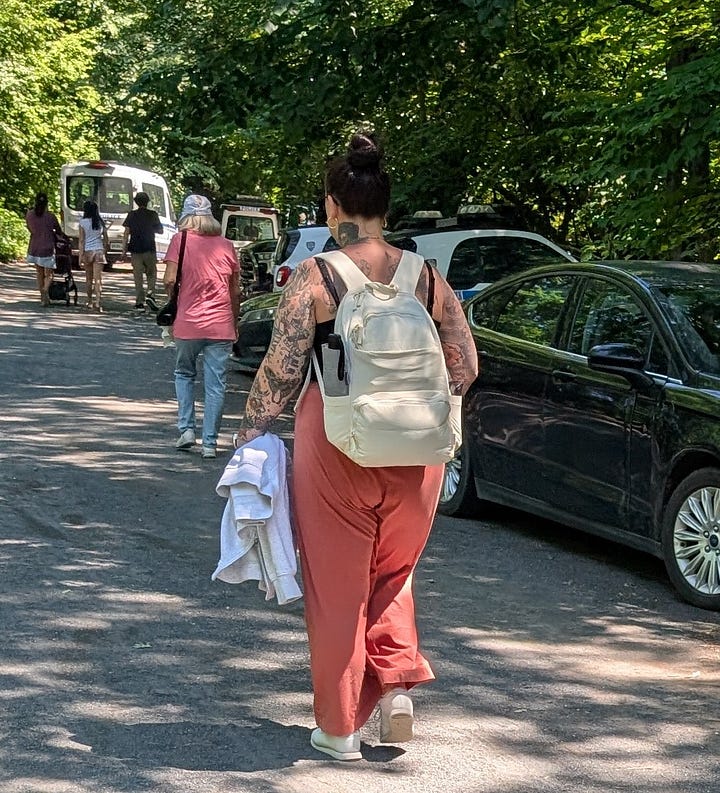
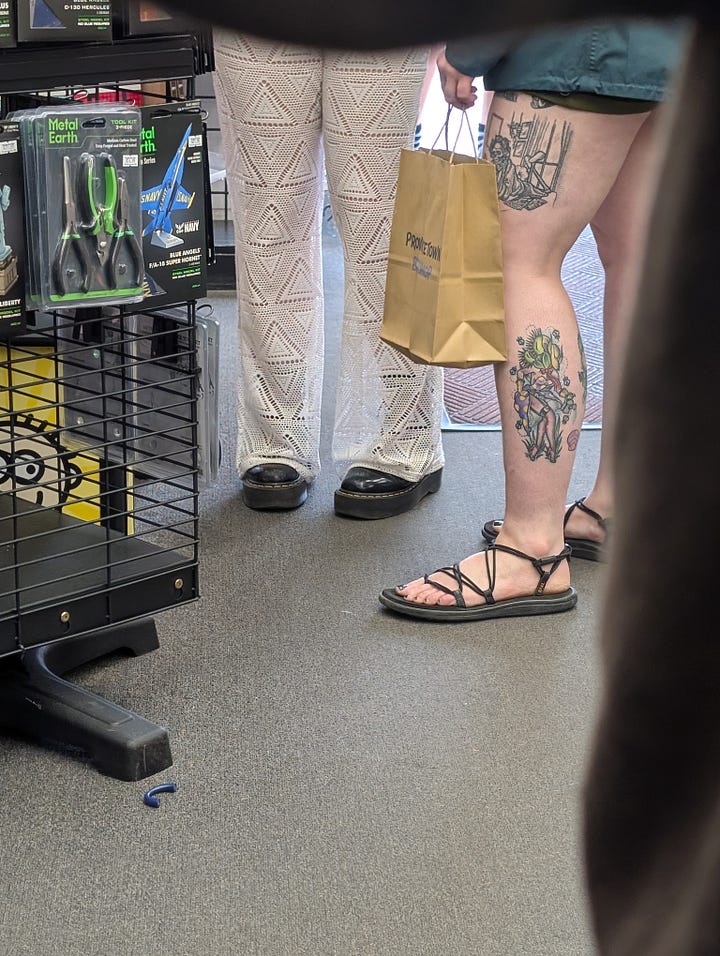
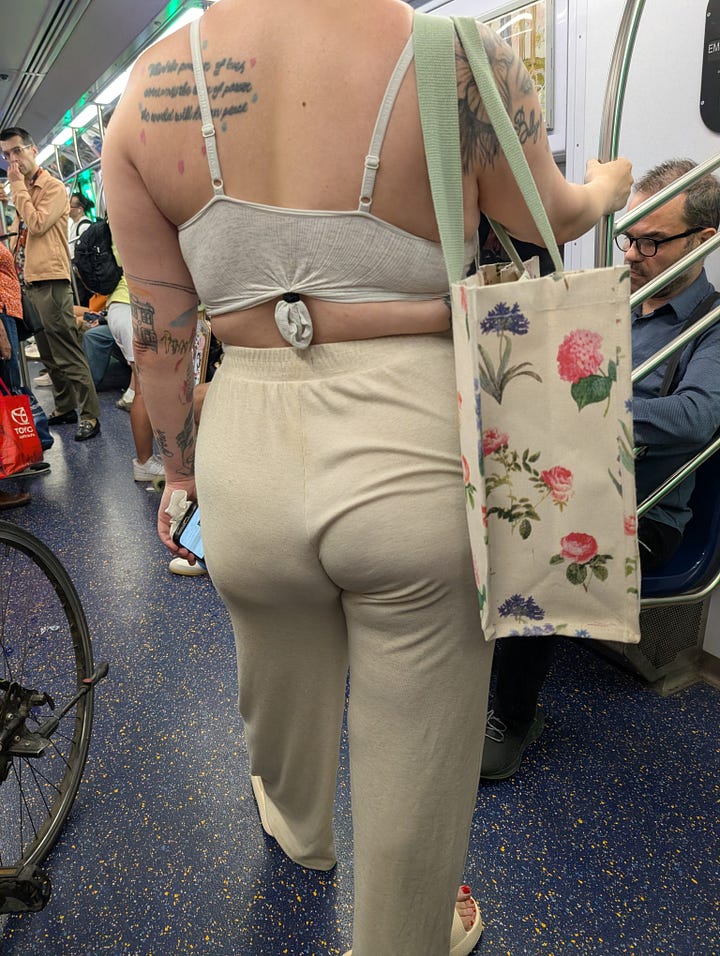
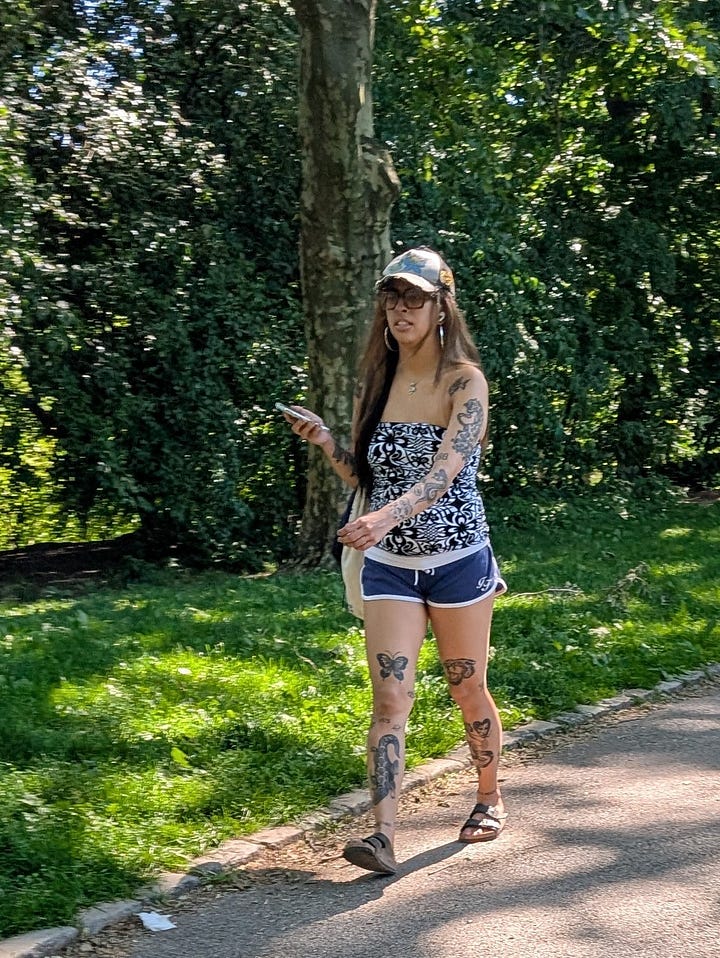
One might guess that this rise in tatooing is due to activism, but it is not that simple.
Tattoos split almost evenly across left and right. The sharper divide is religion, with the unaffiliated far more inked than the faithful.
What the research keeps finding instead is belonging.
The tattoo now works as membership in a self-assembled tribe, a private badge of who you are.
That badge often marks a wound.
Among adults who report childhood abuse, 48 percent have a tattoo or piercing, while 35 percent of those who do not, and the rate climbs as the abuse gets worse.
Start with what these girls learn about themselves.
During the pandemic, childhood was expendable. Schools closed and stayed closed while the rest of life reopened. Schools have taught them to treat the body as something to be modified and that femininity, like masculinity is toxic and should be rejected.
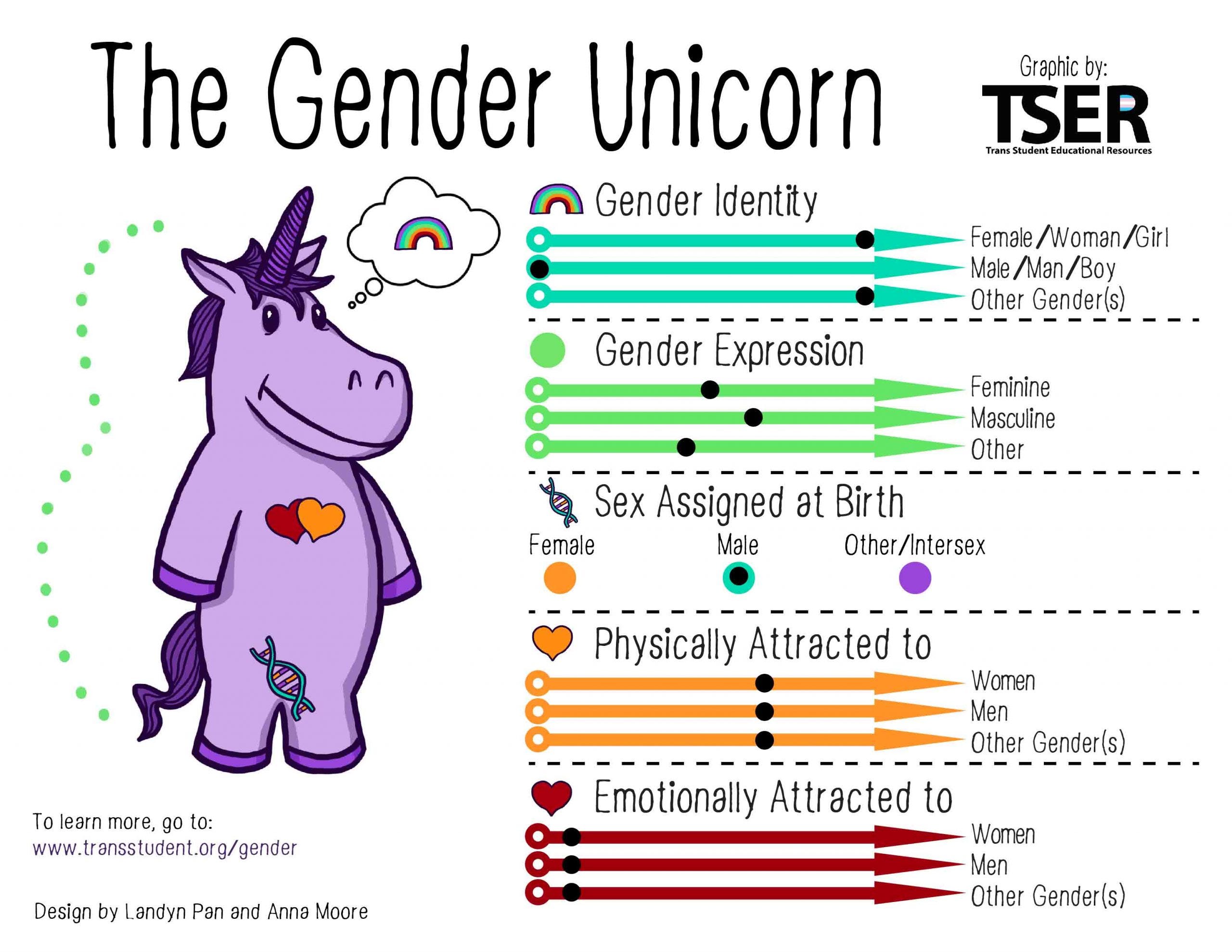
One common lesson makes the point. A graphic called the Gender Unicorn, used in classrooms from kindergarten up, teaches children that the sex on their birth certificate is only “assigned,” separate from the gender they feel inside, with sliders they can move to pick their own. The lesson tells a child that her body is raw material and the real self is something she selects, then makes the body match.
It teaches children that their shape is fluid, they can mark their skin, change, transform.
A tattoo gives a fixed shape to girls, while they are being taught that everything is maleable.
A tattoo is easy to regret and hard to remove. A quarter of tattooed adults regret at least one, and women make up about two-thirds of removal patients. Removal takes many laser sessions, real pain, hundreds or thousands of dollars, and skin that rarely comes back clean. It is a hard mistake to undo…
Medical gender procedures on a child cannot be undone. Puberty blockers, cross-sex hormones, and surgery can leave a girl sterile for life, remove healthy breasts and organs that never grow back, and deepen her voice for good. A tattoo costs money and pain. Gender surgeries can cost children their future fertility and destroy their healthy bodies.
Smartphones and social media facilitate all of this. Apps feed accounts registered to 13-year-olds self-harm and body-image videos within minutes, the same pipeline that pushes gender content at them. And the faces they study belong to influencers. Cardi B wears her son’s name across her jawline and holds more than 37 million followers on X.
Many of these stars were in real distress when they marked themselves.

Cardi B@iamcardib
Hmmmmm… why not?
12:35 AM · Jul 28, 2026 · 15.7M Views
4.54K Replies · 14.8K Reposts · 155K Likes
We hand the young to the most followed and least steady people in the culture.
A young woman (18+) has the right to a tattoo.
The question is why so many want one (or many more than one, even in the most visible and impossible to hide parts of their bodies).
Why does a generation of girls long to cover or carve their own skin instead of living in it? What are they trying to show, and what are they trying to hide?
Is it grief, or trauma, or the loss of a faith and a belonging that once held them? Is it the guilt we taught this generation, about its history and even its own bodies, until covering the skin they were born in starts to feel like relief?
These are the questions to ask, and to put to our own children, plainly, before they mark themselves.
Comments
Nothing yet. Say the first thing.
Sign in to join the conversation.