
“Greatness didn’t come from an existing system. It came from people who built one inside two ordinary rinks.”
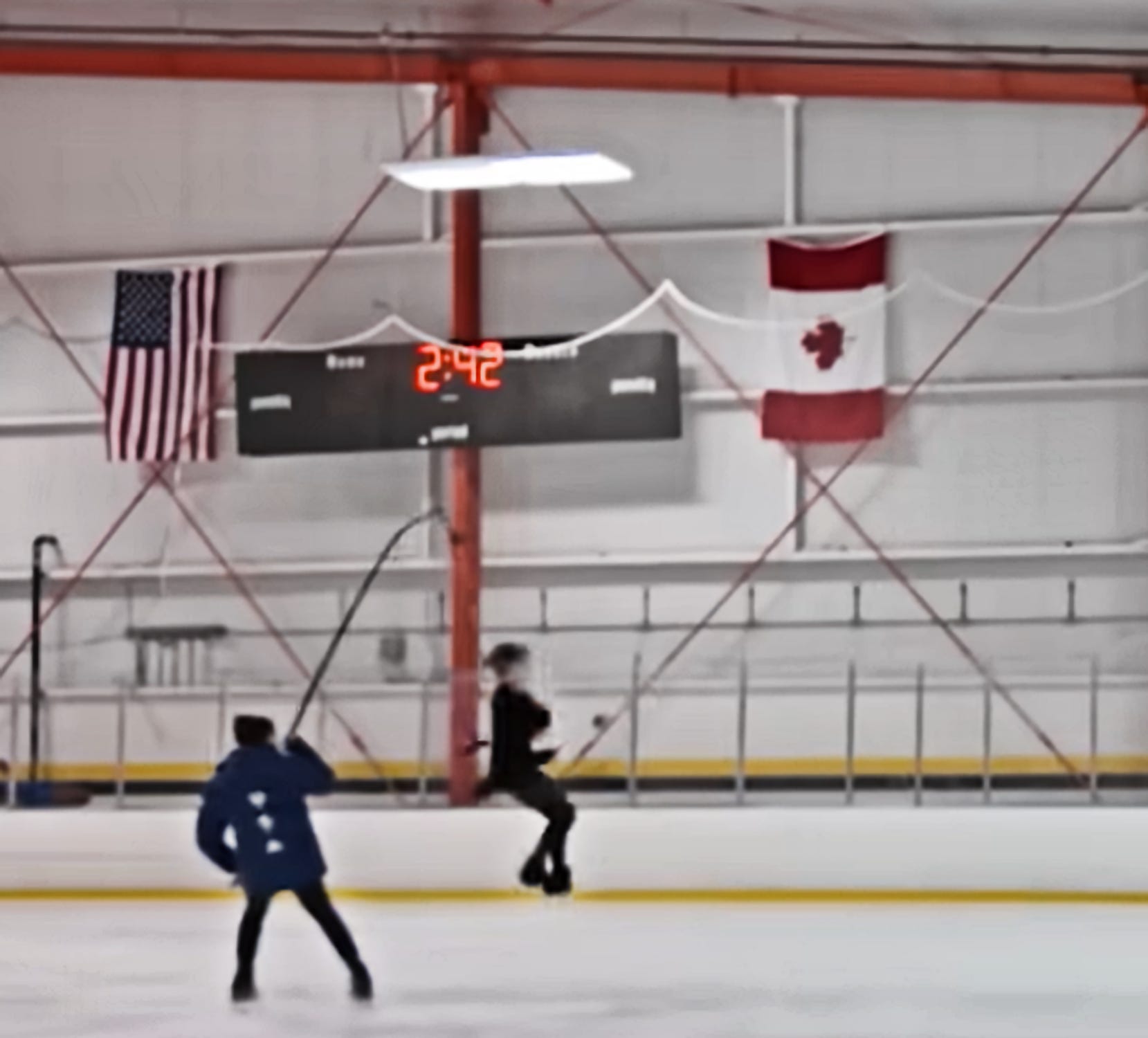
https://youtube.com/shorts/tEsHkspGXpI?si=DqqRPgmzz1C7otmk
To listen to this post, press the play button below:
0:00
-10:12
For years, the Americans — both the United States and Canada — struggled to climb the rankings in ice dance. No matter how hard they worked, they continued to fall short against the Soviet teams. Like their counterparts in pairs, their breakthroughs were rare, and medals at major international events remained frustratingly out of reach.
Then something momentous happened — not on the ice, but on the world stage.
The Soviet Union collapsed in 1991.
The collapse of the Soviet Union triggered two seismic changes in figure skating. Overnight, the single Soviet powerhouse fractured into more than a dozen independent nations — each sending its own athletes into international competition. The result was a sudden surge of skaters trained under the same rigorous Soviet system, flooding the field with depth and technical mastery.
At the same time, many of the Soviet Union’s top coaches and elite skaters left for new opportunities abroad. They arrived in the United States, Canada, and Europe carrying the secrets of the system that had dominated the sport for half a century. Their influence would reshape North American skating in ways no one could have predicted.
“The Michigan ice dance hubs weren’t built by U.S. Figure Skating — they grew out of private rinks, visionary Soviet‑trained coaches, and families willing to invest everything to train with them.”
Unlike the USSR, where rinks and training centers were fully funded by the state, American ice rinks have never been supported by either the U.S. Figure Skating Federation or the federal government — and that remains true today. The Canton and Novi training hubs in Michigan were not federation projects or national centers. They grew out of privately owned commercial rinks and the vision of Soviet‑trained coaches who settled in the Detroit metro area and built their own training ecosystems inside them.
The key figure was Igor Shpilband, who emigrated to the United States in 1990. He began coaching in the Detroit area in the mid‑1990s, first at smaller rinks and eventually at the Arctic Edge Ice Arena in Canton. When Marina Zoueva joined him in the early 2000s, their partnership transformed Canton into a world‑class ice dance center.
In other words, the Michigan hubs were coach‑driven, not federation‑driven — built through rented ice time, cooperative rink owners, and the expertise those coaches brought with them, rather than through any formal U.S. skating infrastructure.
Once the private rink owners in Canton and Novi realized what elite ice dance teams could bring to their facilities — prestige, steady revenue from high‑level coaches, and the guaranteed income of large blocks of purchased ice — they became enthusiastic partners in the coaches’ vision.
To support the growing training groups, the owners offered Shpilband and Zoueva priority scheduling, discounted block‑ice rates, and dedicated training sessions carved out of the daily rink schedule. They also provided office space for the coaching staff and made practical accommodations that allowed the coaches to build a Soviet‑style training environment inside a public rink. It was a mutually beneficial arrangement: the coaches gained the stability and structure they needed, and the rink owners gained a thriving, high‑profile program that elevated the reputation of their facilities.
Once Shpilband and Zoueva had stable ice time and cooperative rink owners, they began transforming these ordinary public rinks into high‑performance training environments. Unlike the Soviet system, where the state built purpose‑designed facilities, the Michigan centers evolved piece by piece, shaped by the coaches’ expertise and the demands of elite ice dance and the other disciplines benefitted from these as pairs and single skaters used them as well.
1. Off‑Ice Training Spaces
The first major change was the creation of dedicated off‑ice areas. Rink owners converted unused rooms or storage spaces into ballet studios with mirrors and barres, dance floors for choreography sessions, and conditioning rooms for strength and flexibility work. These weren’t lavish, but they were functional — and they allowed the coaches to replicate the ballet‑heavy off‑ice training that defined the Soviet system.
2. Harness Systems and Technical Equipment
To teach complex lifts, twizzles, and step sequences safely, the coaches installed overhead harness rigs, pulley systems for lift entry training, padded flooring for off‑ice lift practice, and video‑analysis stations for frame‑by‑frame review
Some of this equipment was purchased by the coaches themselves; some was installed by rink owners who recognized the long‑term value of supporting elite programs.
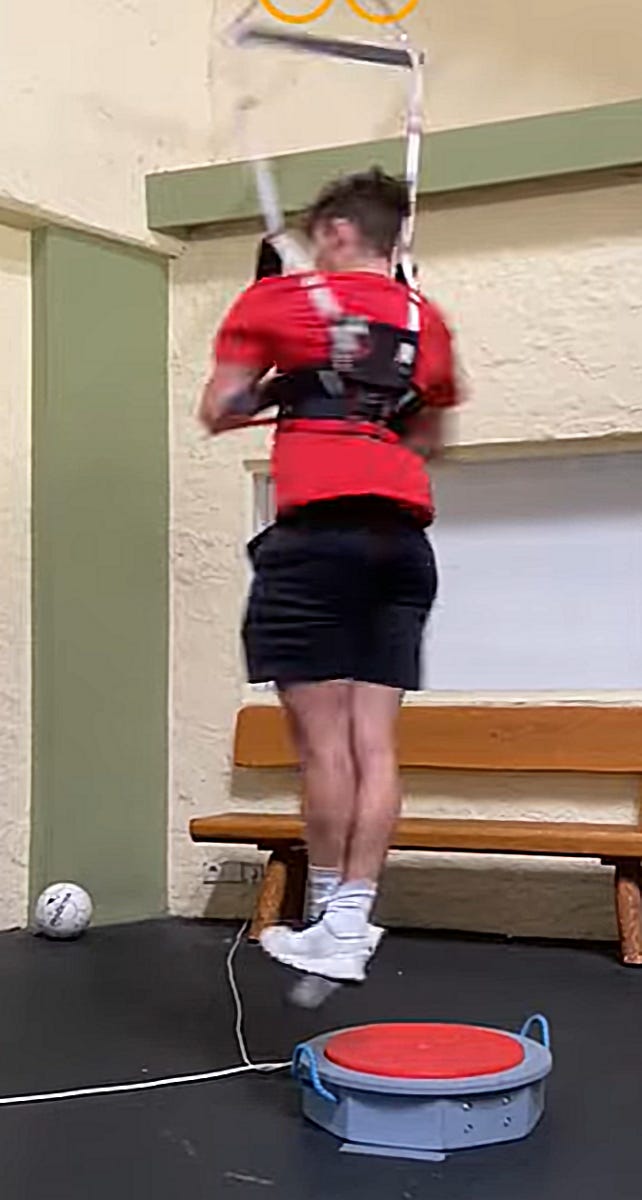
3. Structured Training Blocks
The biggest transformation wasn’t physical — it was organizational. Shpilband and Zoueva introduced a Soviet‑style daily structure, including morning warm‑ups, group stroking sessions, rotating ice blocks for specific skills –lifts, footwork, and twizzles, — off‑ice ballet, choreography sessions, and conditioning and recovery work.
These systems weren’t cheap. Installing a ceiling‑mounted harness or a dedicated lift room could cost thousands, but coaches and rink owners made the investment because they understood what it would unlock
This was radically different from the typical American model, where skaters trained independently and rented ice by the hour.
A Critical Mass of Elite Teams
As more top teams arrived — Belbin/Agosto, Davis/White, Virtue/Moir, the Shibutanis, Weaver/Poje — the environment changed again. With multiple world‑class teams sharing the ice. The training pace accelerated, the technical bar rose, skaters pushed each other daily, and innovation became constant.
This “iron sharpens iron” effect is exactly what the Soviet system had relied on for decades.
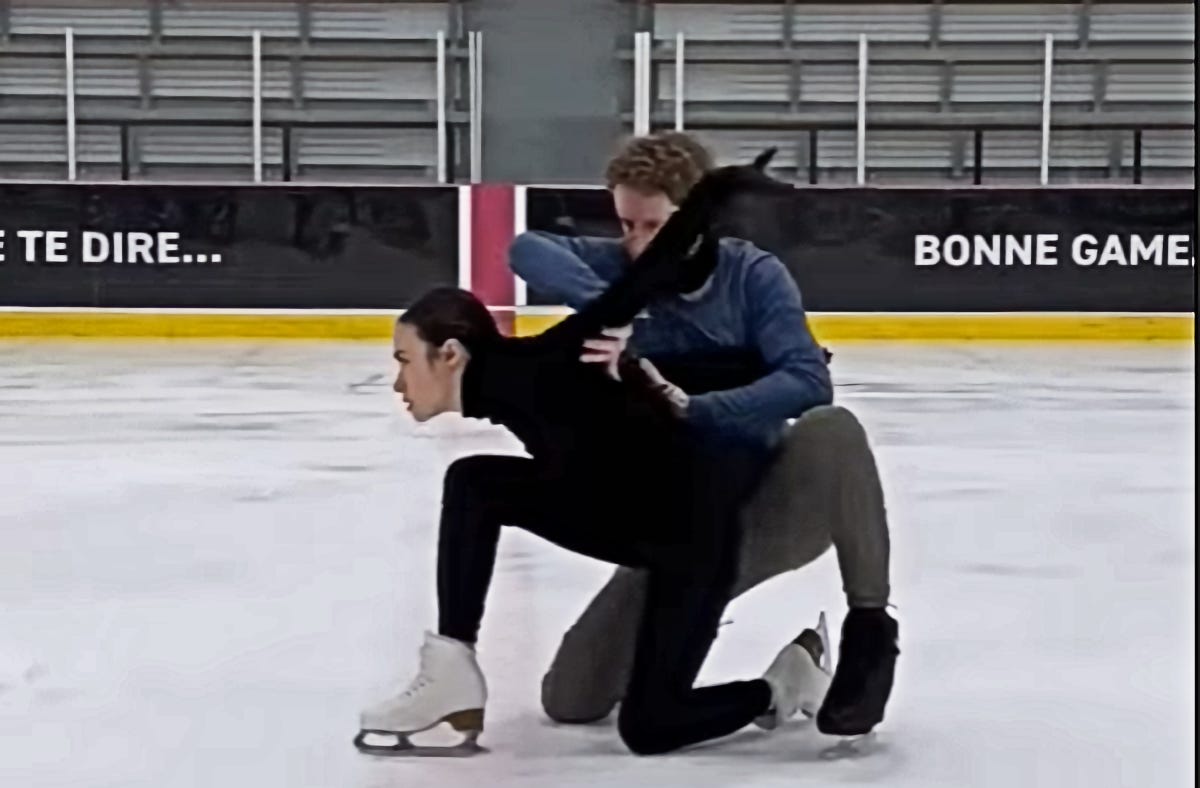
A Culture of Excellence
By the mid‑2000s, Canton had become something rare in North America: a rink where excellence was the norm, not the exception. Expectations were high, discipline was strict, and the coaches demanded the same precision they had learned in the Soviet system.
When the Shpilband–Zoueva partnership split in 2012, Novi became a second hub — and suddenly Michigan had two elite dance academies operating within 30 miles of each other.
Why This Changed the Matrix
The Michigan centers succeeded because inside ordinary American rinks, they recreated the training culture that had once powered the Soviet Union. They now had centralized coaching, deep technical expertise, structured daily training, multiple elite teams training together, rigorous off‑ice work, and long‑term partnership development. This structure was the missing piece in American and Canadian ice dance. Once it existed, the results followed quickly.
One of the most transformative changes was how quickly these tools and methods elevated the technical level of North American dance. With Soviet‑style structure, deep technical expertise, and a critical mass of elite teams training side by side, Canton and Novi became the most influential ice dance centers in the world — and the results appeared almost immediately.
These tools, combined with the structured, Soviet‑style training culture, turned Canton and Novi into the most influential ice dance centers in the world and laid the groundwork for the North American dominance that followed.
If the Michigan training centers provided the technical foundation, it was the skaters themselves who turned that foundation into something unforgettable. What set the North American champions apart wasn’t just their precision or their athleticism — it was their style, their personality, and their ability to fuse Soviet technique with a distinctly Western sense of storytelling.
Where Soviet and Russian teams excelled in discipline, power, and technical purity, the North Americans brought something different: warmth, emotional accessibility, musical intelligence, and a willingness to innovate artistically. They didn’t just skate programs; they created characters, moods, and narratives. They invited the audience in. They made ice dance feel human.
And each champion team did it in their own way:
Belbin & Agosto brought charm, charisma, and a modern theatricality that made dance feel fresh again.
Davis & White fused relentless athleticism with sweeping, cinematic storytelling.
Virtue & Moir embodied emotional nuance and romantic realism, redefining what connection on ice could look like.
The Shibutanis introduced a new kind of intimacy — sibling synchronicity, musical precision, and a quiet, elegant confidence.
If you’re enjoying this series or have any questions, please let me know. I love writing about figure skating as much as I love watching it. Don’t forget the World Championships are beginning this Wednesday (03-25-26) and you can watch them on NBC and Peacock in the USA.
No posts
Comments
Nothing yet. Say the first thing.
Sign in to join the conversation.