
Directed by Bi Gan
China & France, 2018
In dreams, you’re mine, all of the time…
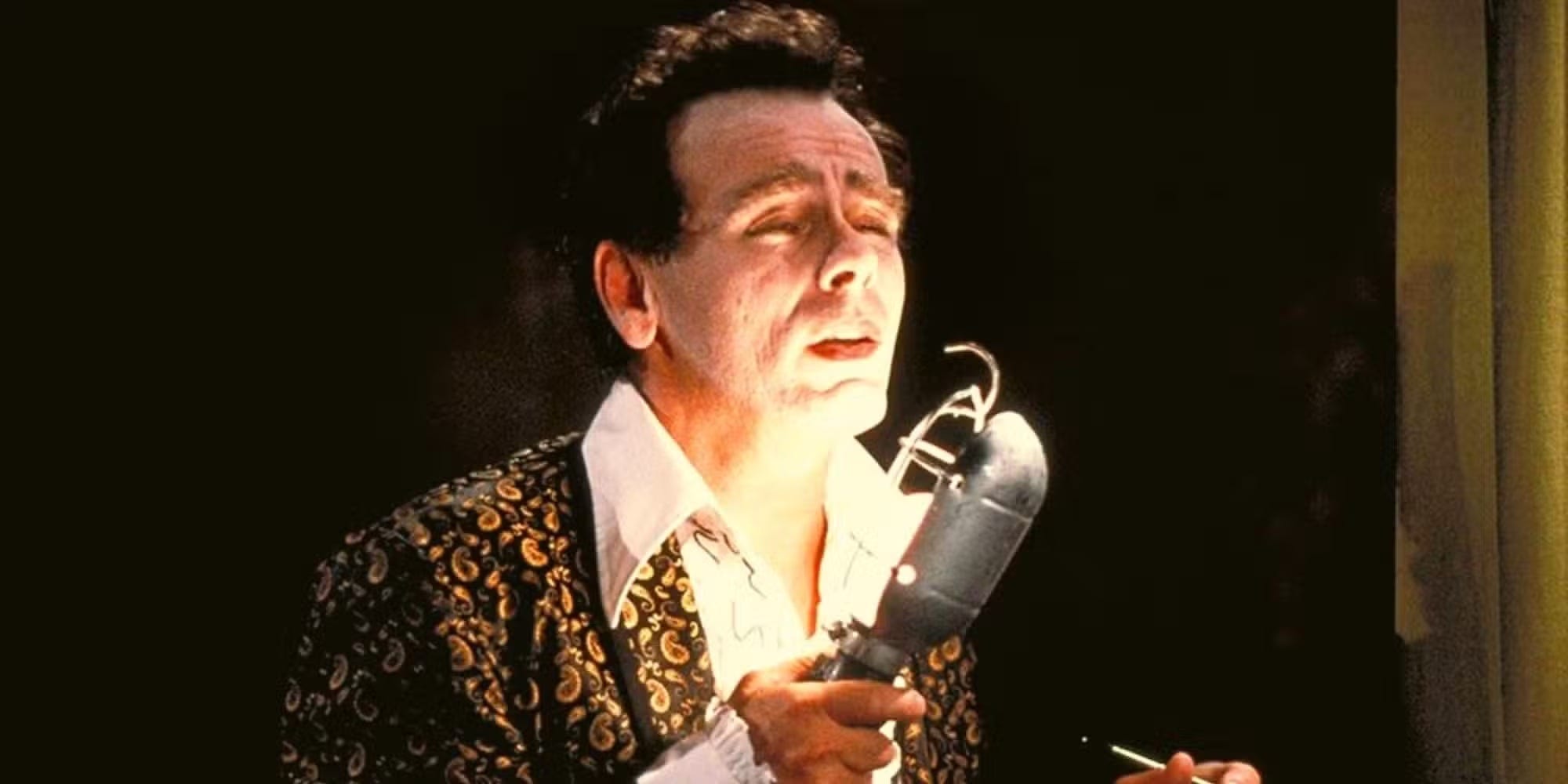
So sings Roy Orbison in Blue Velvet, the defining work by David Lynch, the director that many consider the master of dreams on film. Of course, Orbison doesn’t actually appear in the film; In Dreams is instead lip-synched by Dean Stockwell in one of the most ‘Lynchian’ of scenes.
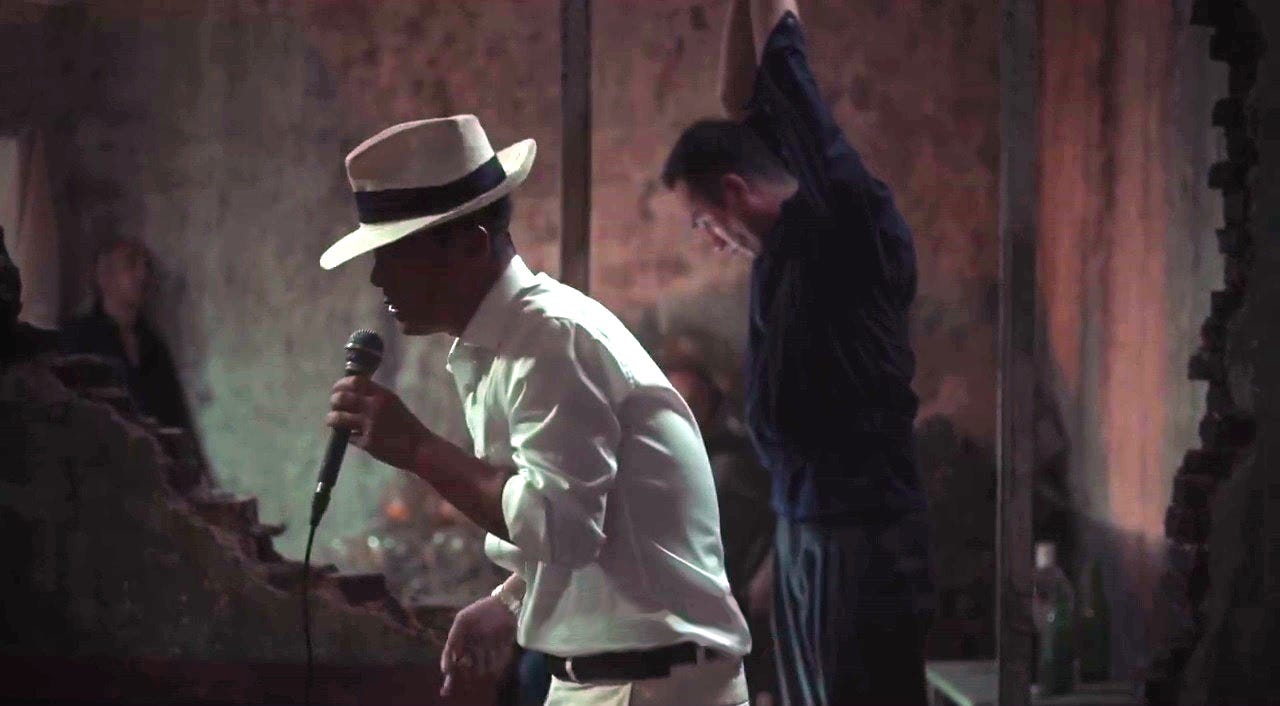
In Long Day’s Journey Into Night, director Bi Gan stages an obvious homage when midway through the film Zuo (Yongzhong Chen), a local gangster, sings karaoke while the film’s narrator, Luo Hongwu (Huang Jue), hangs suspended from the ceiling in the background. Orson Welles once described cinema as ‘a ribbon of dreams’: match cuts, flashbacks, jump cuts, and montages – the grammar of film that you see on the screen mirrors that of dreams. It’s an axiom that Bi Gan has taken to heart.
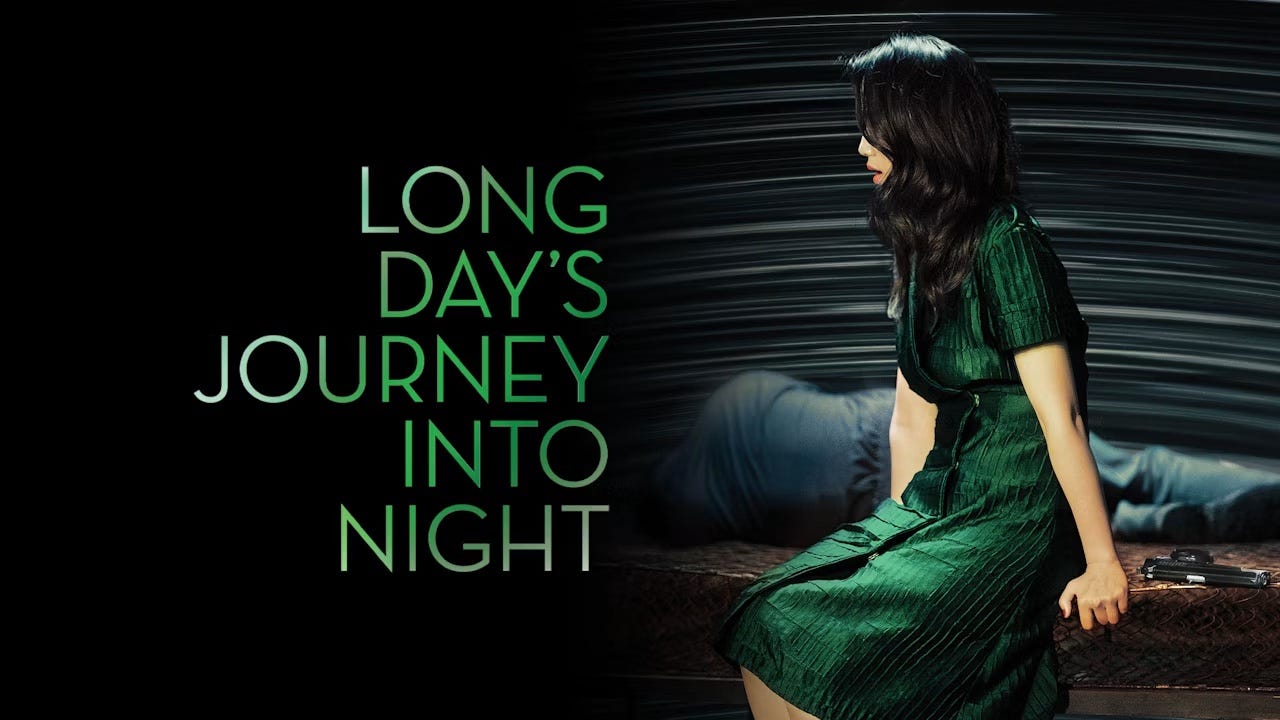
Long Day’s Journey is a gorgeously shot, languorous, melancholic film that plays with the viewer, teases and confounds them. It is art-house cinema with a capital ‘A’. The story will be a familiar one for anyone who has whiled away the hours of a rainy afternoon lost in the world of film noir: a man returning home, a lost woman, and a past that refuses to settle.
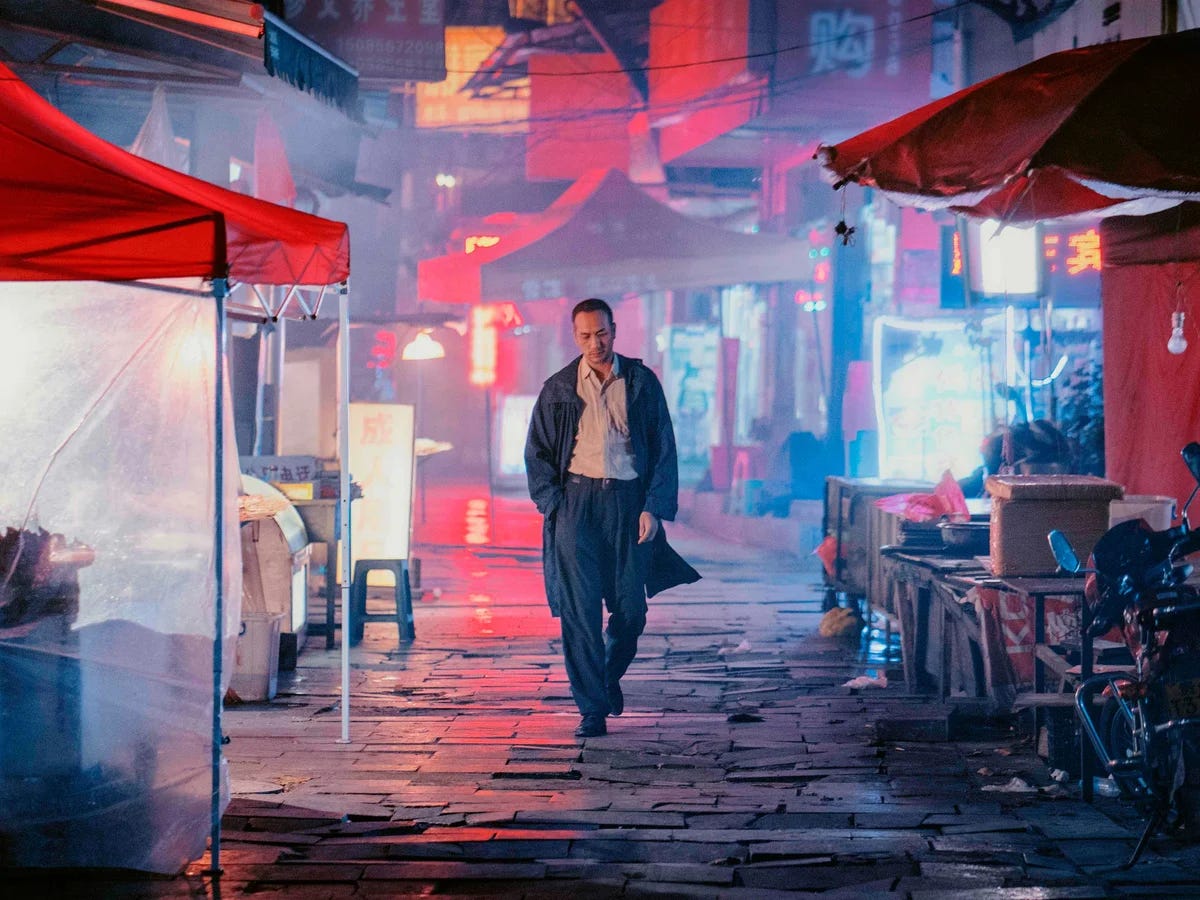
Everything began with the death of a friend.
So begins the voiceover of Luo as he leaves the sweaty, seedy hotel room where he has spent the night with an anonymous woman. He is returning to Kaili, the town of his birth, for his father’s funeral. Among his father’s belongings, he comes across a clock that holds a photograph of a woman whose face has been burned away. This triggers a search for a figure from his past: Wan Qiwen, played by Tang Wei, a woman who he once loved and who now haunts his dreams. Wearing a green silk dress, she is – dare I say it – a femme fatale.
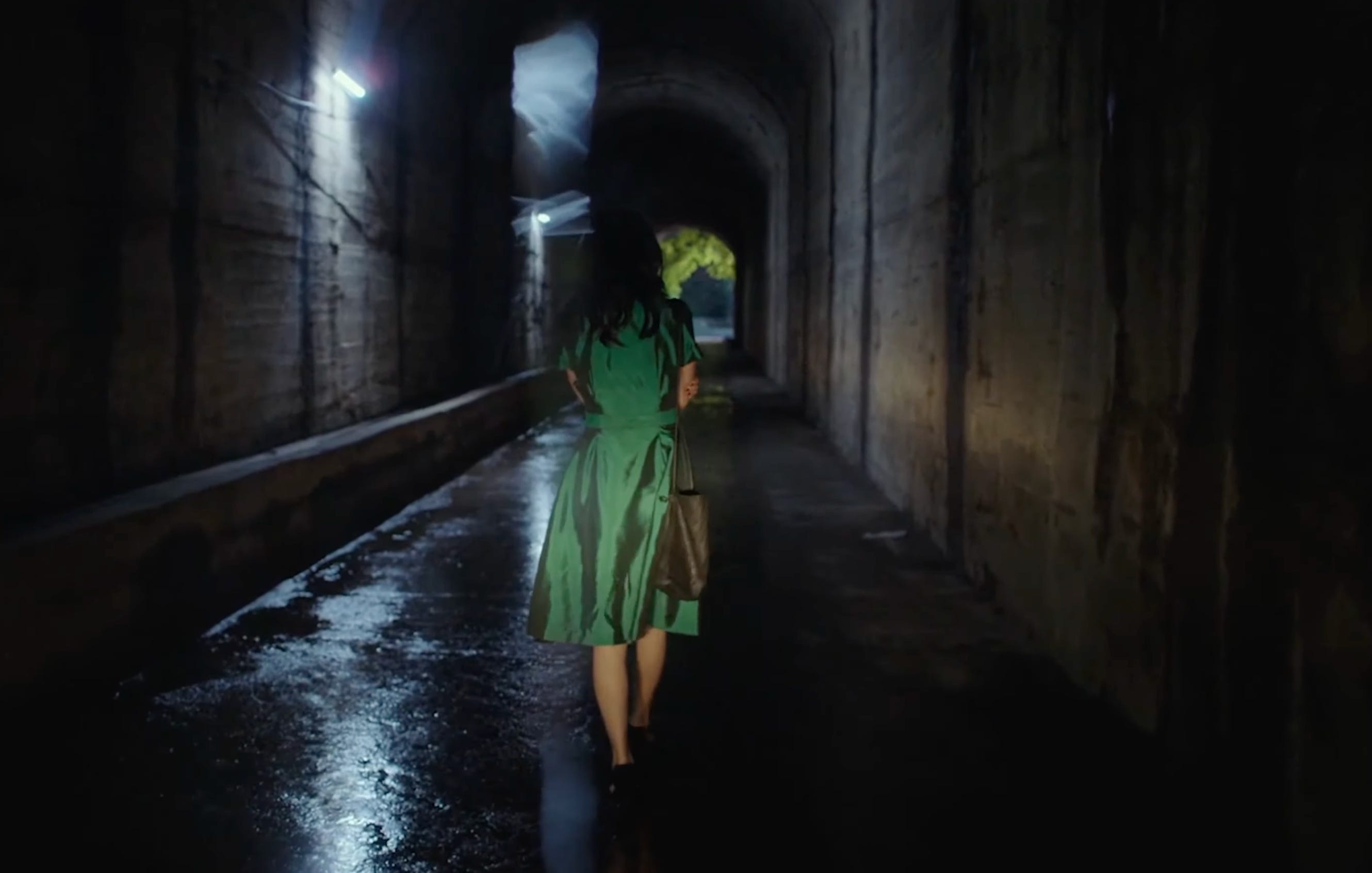
Wan was once the girlfriend of Luo’s childhood pal, Wildcat, but she left him for the crime boss Zuo, who goes on to kill Wildcat. Confused? Well, that is just the start as to make the plot more ‘interesting’ Bi shuffles the narrative like a pack of cards so that you’re jumping backwards and forwards in time. Just when think you have a hold on the story it runs through your fingers like grains of sand.
This does start to become wearing, but as you begin to share the seemingly pervasive sense of ennui that cloaks the film, Luo takes a seat in a cinema, puts on a pair of 3-D glasses, and a title card appears: Long Day’s Journey Into Night. The film has been running for ninety minutes which must make this the longest pre-credit sequence in cinema’s history.
Do we know when we are dreaming?
What follows next however, is Bi’s dazzling display of cinematic spectacle. An hour-long, single extended tracking shot through Luo’s dreamscape. There are no cuts as the camera follows him through a world where memory and fantasy collapse into one another. And if that trickery was not enough the rest of the film was actually shot in 3-D – although ReidsonFilm’s resources don’t cover the necessary tech for that on a home screen. This is certainly an impressive feat: a surreal voyage where we first encounter a boy wearing the mask of an ass who challenges Luo to a game of ping-pong. A slow motion zipwire trip then takes us down into the saturated colours of a karaoke town illuminated by fairy lights.
Toto, I’ve a feeling we’re not in Kansas anymore.
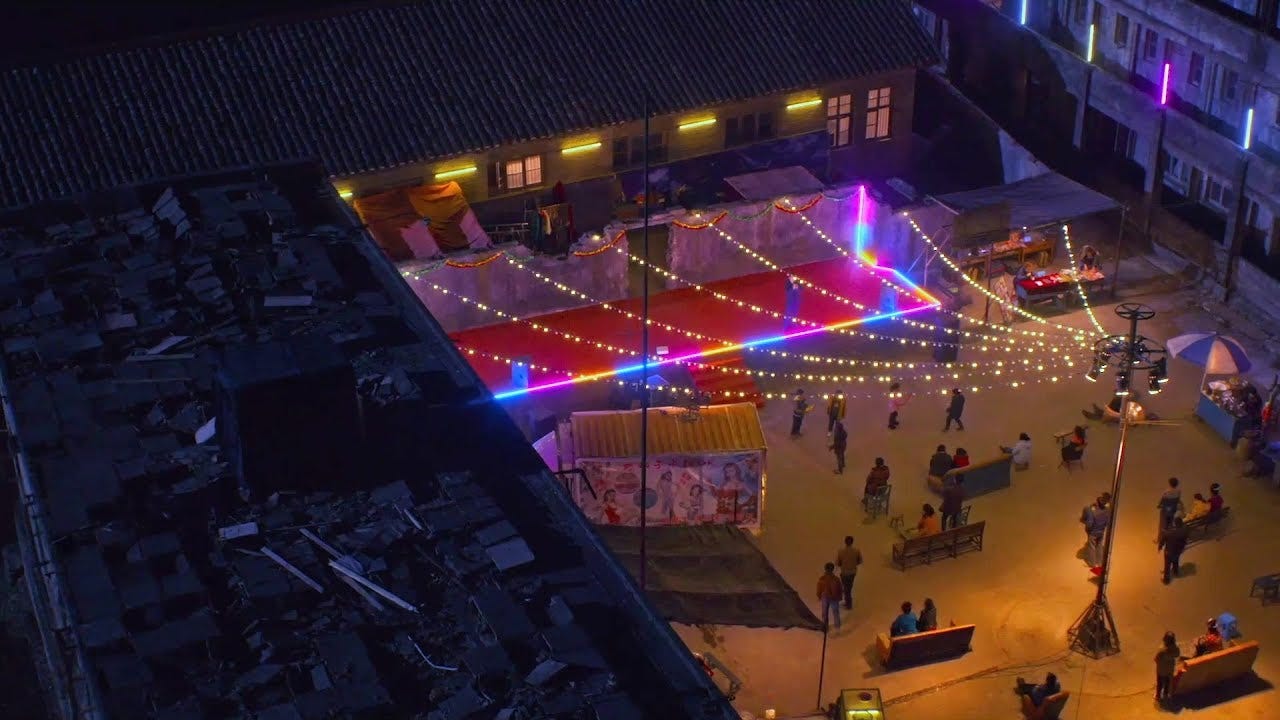
Faces and figures from earlier in the film appear, including of course the subject of Luo’s search, Wan. In this world though, rather than the green silk dress she’s sporting a shock-red leather jacket and cropped hair. Baffling stuff for sure – so much style, but where’s the substance? As Luo wanders through a haze of symbols and motifs, the cast speak in enigmatic aphorisms and non-sequiturs, lines of dialogue are repeated and recycled. It is clear that framing a shot is more important to this director than narrative coherence. And that might not be such a problem, after all dream-logic is a kind of logic isn’t it?
And yet, Bi is so besotted by the medium of cinema that it seems his dreams are made of other films’ memories and as a consequence, Long Day’s Journey almost collapses under the weight of those influences – The Wizard of Oz is the least of them. The fracturing of time, the voiceover, and the longing for a lost love all hark back to the world of Hong Kong filmmaker Wong Kar-wai (see our review of Chungking Express). Next stop, foggy mirrors; water splashing through every scene; long, slow tracking shots, and a glass of water mystically sliding across the table under its own steam? Tarkovsky’s Stalker – check. Add to that, a piece of Blue Velvet, and then the unattainable woman in a green dress – surely Vertigo must be the most riffed-on film in cinema history? It starts to become a distraction.
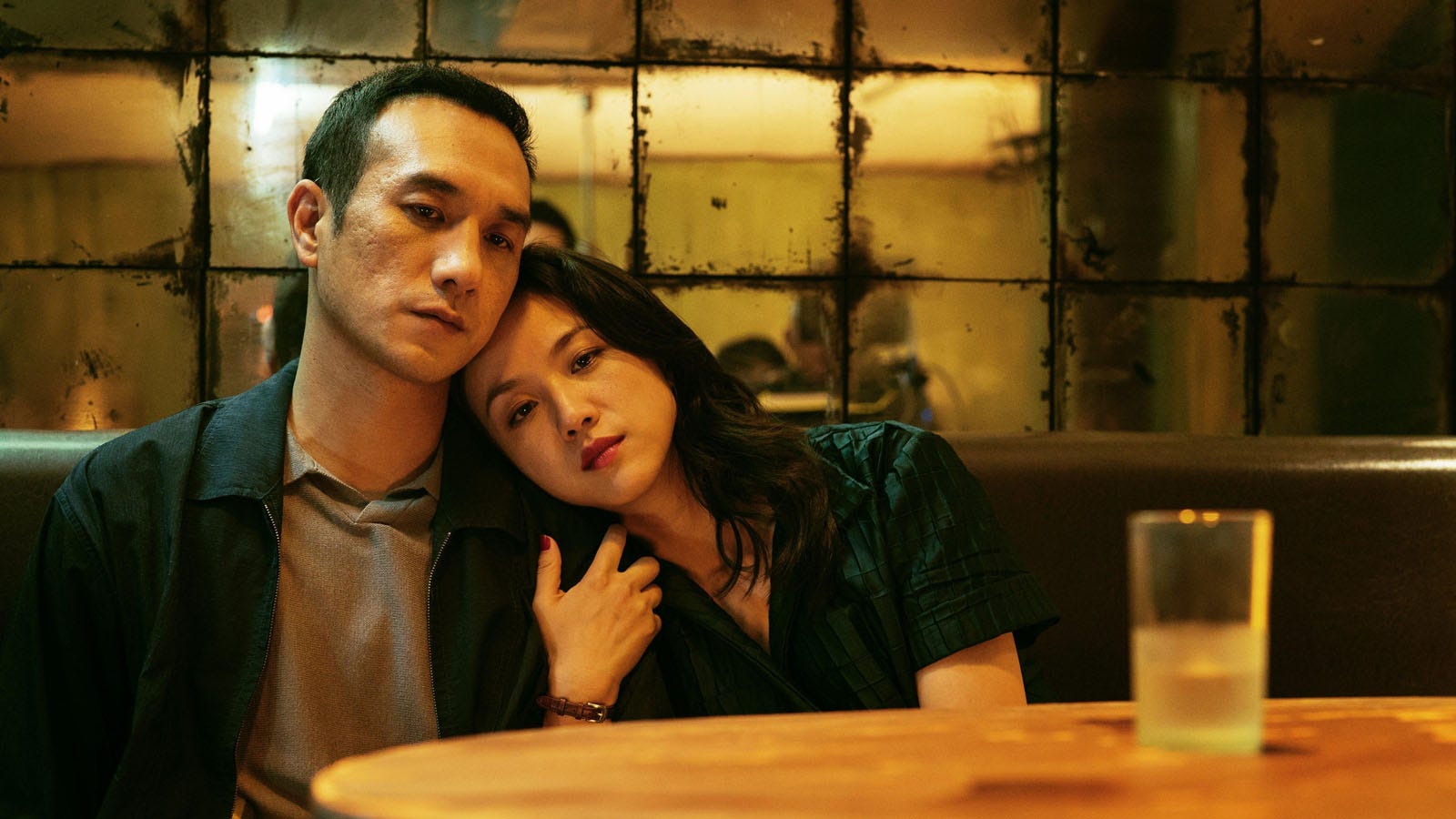
Long Day’s Journey Into Night borrows its title from Eugene O’Neill’s classic American play. Here there is no homage, Bi simply liked the title. The stories are unrelated, although at a stretch you could argue that Luo, like O’Neill’s characters, is haunted by lost possibilities and a surrender to memory. The play is considered a masterpiece. By contrast Bi Gan’s film is a folly, albeit a grand and ambitious folly. There is no doubt about his command of the camera, but I leave this film hoping that with his future work he manages to escape the shadow of his heroes.
Reids’ Results (out of 100)
C - 75
T - 78
N - tbc
S - 73
Thank you for reading Reids on Film. If you enjoyed our review please share with a friend and do leave a comment.
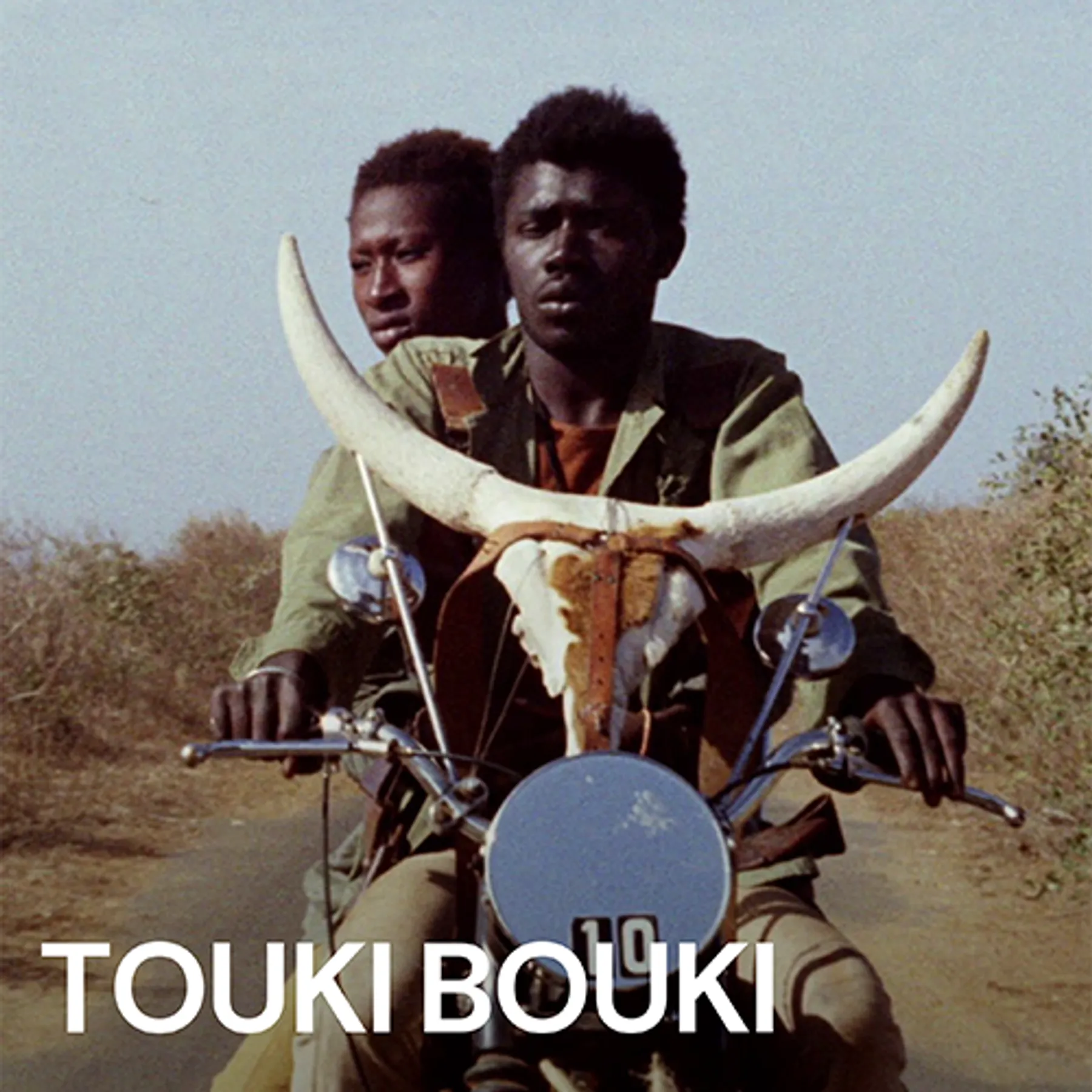
Coming next to ReidsonFilm… Touki Bouki(1973)
No posts
Comments
Nothing yet. Say the first thing.
Sign in to join the conversation.