
Directed by Ken Loach
United Kingdom, 1990
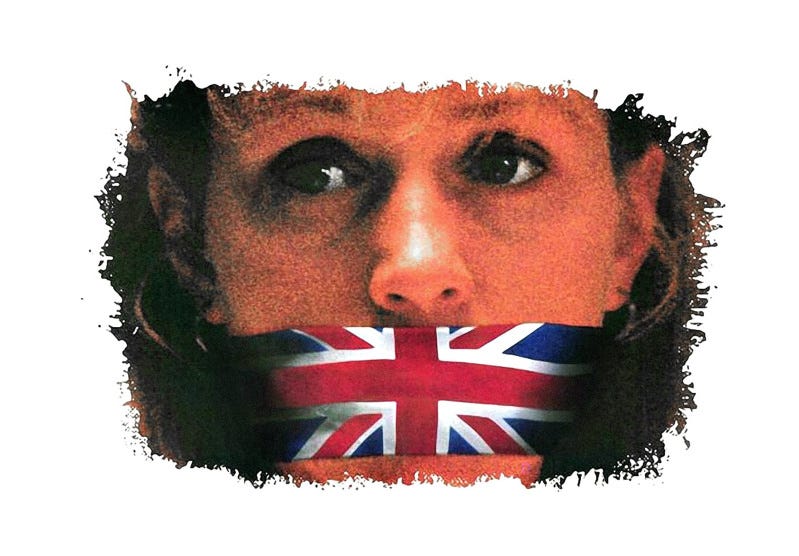
Ken Loach has never been the most subtle of filmmakers. Some of his work feels less like cinema than a combination of political agit-prop and a GCSE drama project. Avowedly socialist, his films are unapologetically Marxist in their analysis of society and usually take the form of either kitchen-sink social realism or historical drama. With Hidden Agenda, however, he tries something very different: a conspiracy thriller set during the Troubles in Northern Ireland.
But this is still a Ken Loach film so it’s a thriller with very few thrills. Yes, there is a car chase and yes, there is a shooting, but both are defiantly downbeat. This is no Hitchcockian tale of suspense with labyrinthine plotting, although there is a MacGuffin of sorts in the form of a missing secret tape. Hidden Agenda written by Loach’s longtime collaborator, Jim Allen, is really a film about men in suits talking behind closed doors.
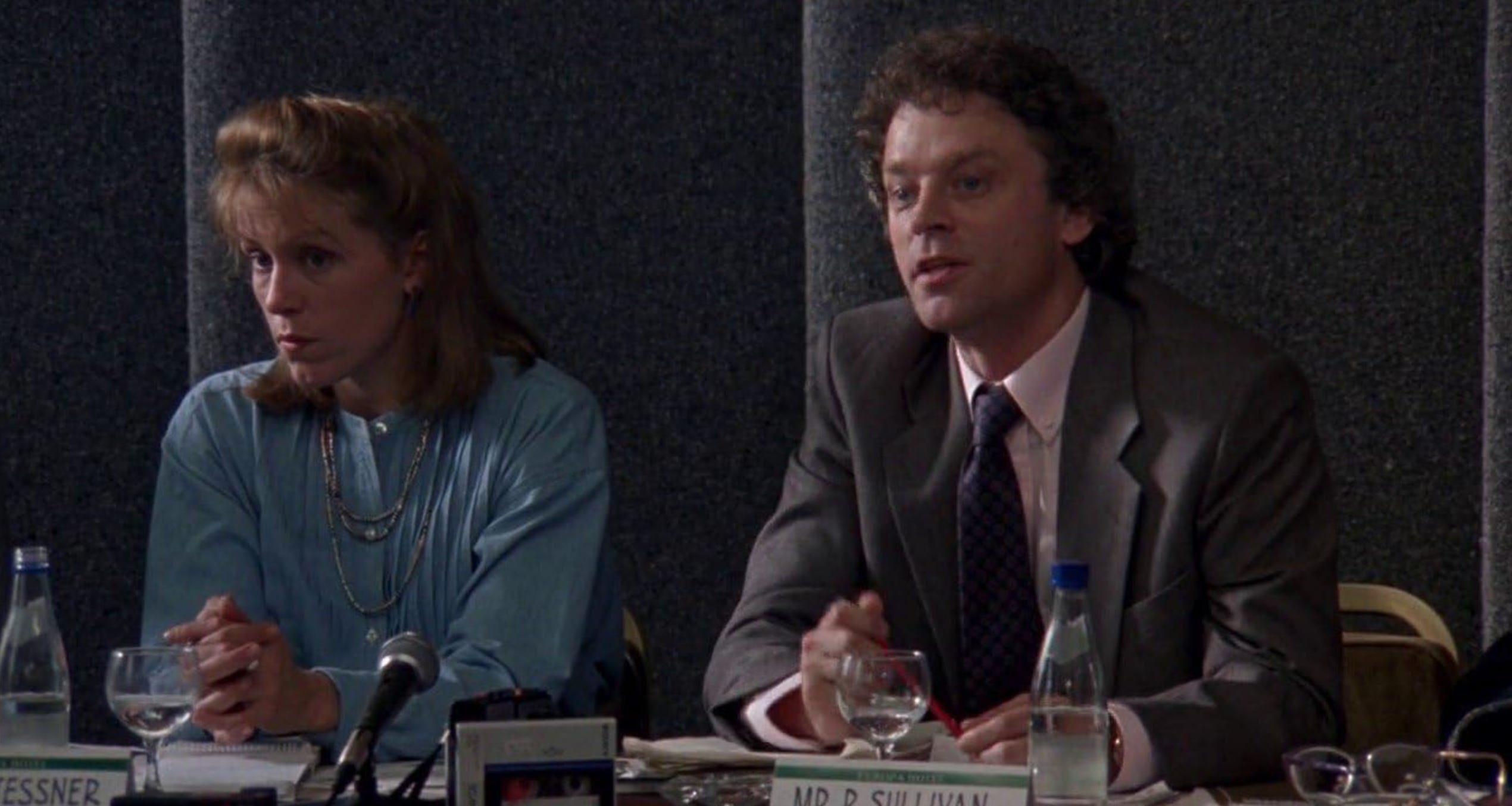
The story begins in Belfast with the shooting of an American human rights lawyer, Paul Sullivan (Brad Dourif), by British security forces. What follows is the investigation into his murder, led by a supposedly independent police inspector, Kerrigan (Brian Cox), brought over from the UK mainland. He’s assisted in his efforts to get to the truth by Sullivan’s partner and fellow lawyer, Ingrid Jessner (Frances McDormand).
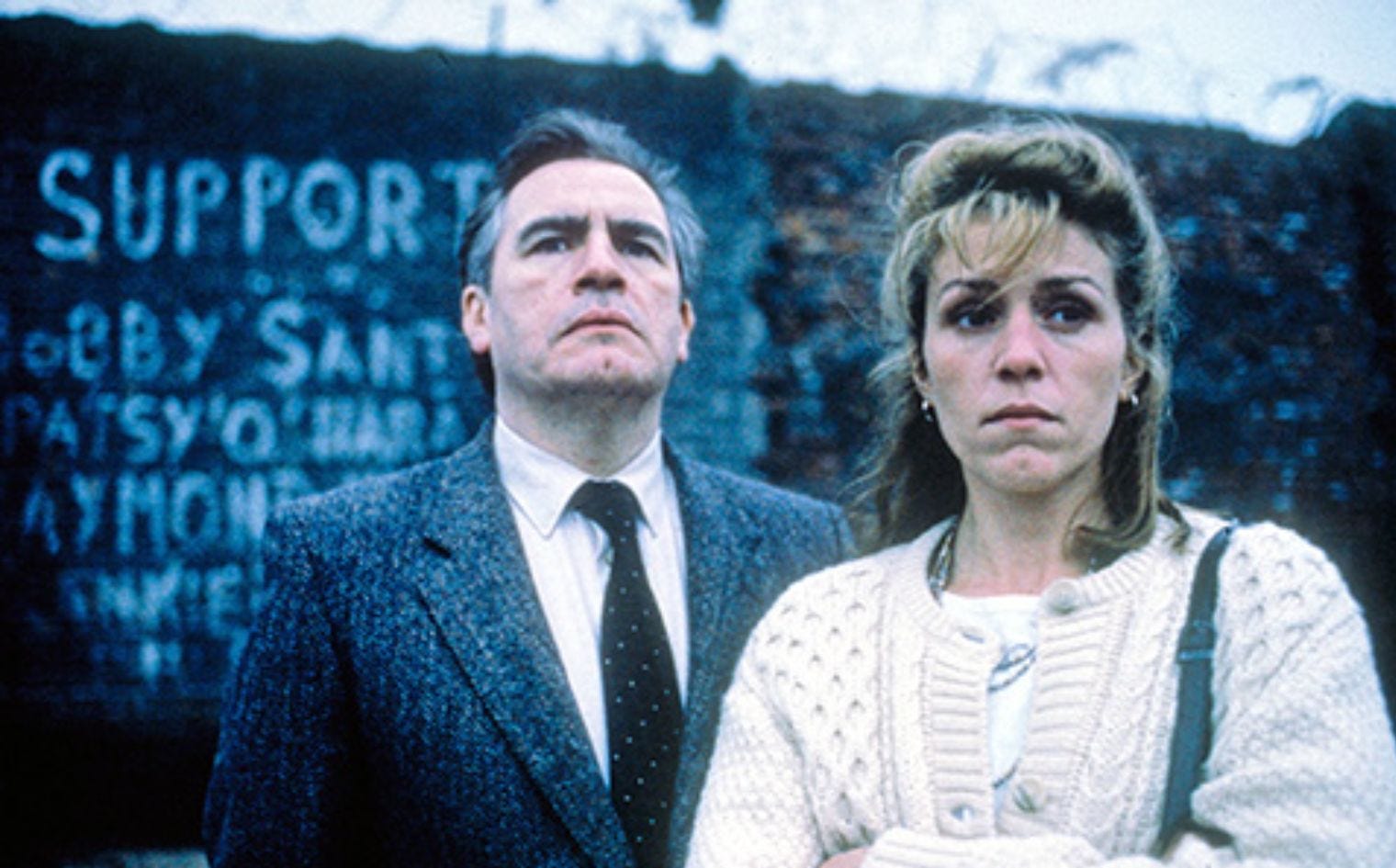
The plot is loosely based on real events: the Stalker Affair. In 1982, John Stalker, Deputy Chief Constable of Greater Manchester Police, was appointed to investigate allegations that the Royal Ulster Constabulary had adopted a shoot-to-kill policy after six suspected IRA members or associates were killed in disputed circumstances. Before he could submit his report, Stalker was suspended amid allegations of misconduct – allegations from which he was later cleared. The inquiry findings were never made public and the political and public reaction was loud and predictably partisan. Countless books and documentaries followed, perhaps most notably Peter Kosminsky’s four-hour docudrama Shoot to Kill, highly regarded for its rigour and nuance.
With so much reportage already out there, why did Loach feel the need to make a feature film? Well, here the agenda is not so ‘hidden’ at all – his real target is the British Establishment. Grafted onto the Stalker Affair is a conspiracy theory reaching back to the 1970s: a cabal of Conservative politicians, senior businessmen, the military, MI5, and of course the CIA, all plotting to unseat the Conservative Prime Minister of the time, Edward Heath. The aim? To replace him with their own hard-right candidate – Margaret Thatcher.
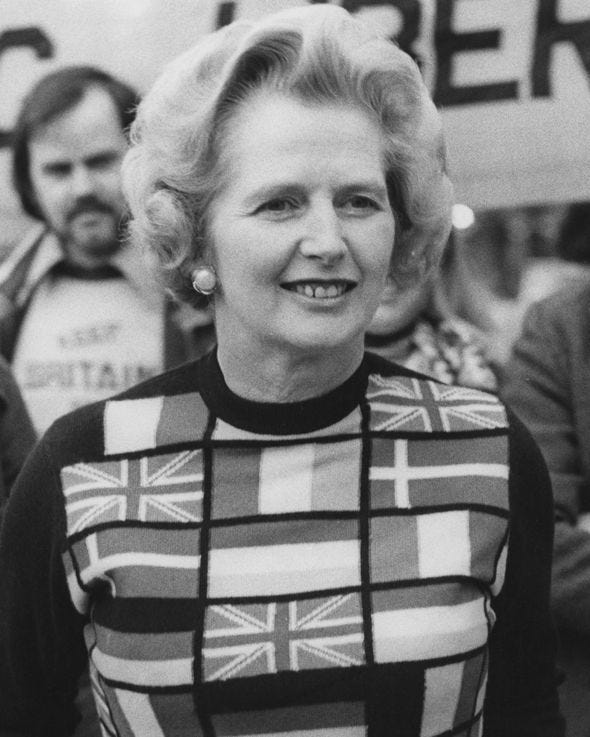
Now, I was never a fan of Margaret Thatcher or her politics, but I’m not convinced that in the 1970s she counted as ‘hard-right’. And as for plots to remove politicians, was it not the Labour PM Harold Wilson, who was supposedly the target of a potential coup?
Is Loach really expecting us to swallow this? When a whistleblowing intelligence officer, Captain Harris (Maurice Roeves) discloses the plan to Kerrigan, like us he finds it implausible:
You want wrapping up in a blanket.
However, his scepticism is shattered when over a glass of sherry in the wood-panelled drawing room of a country house, the head of MI5 confirms that what sounds like fiction, is in fact, true. Today of course, with widespread cynicism toward government and an almost reflexive suspicion of hidden powers, a film would barely need to ask us to suspend our disbelief. Contemporary conspirators have simply acquired different motives: less for king and country and more for cryptocurrency billions.
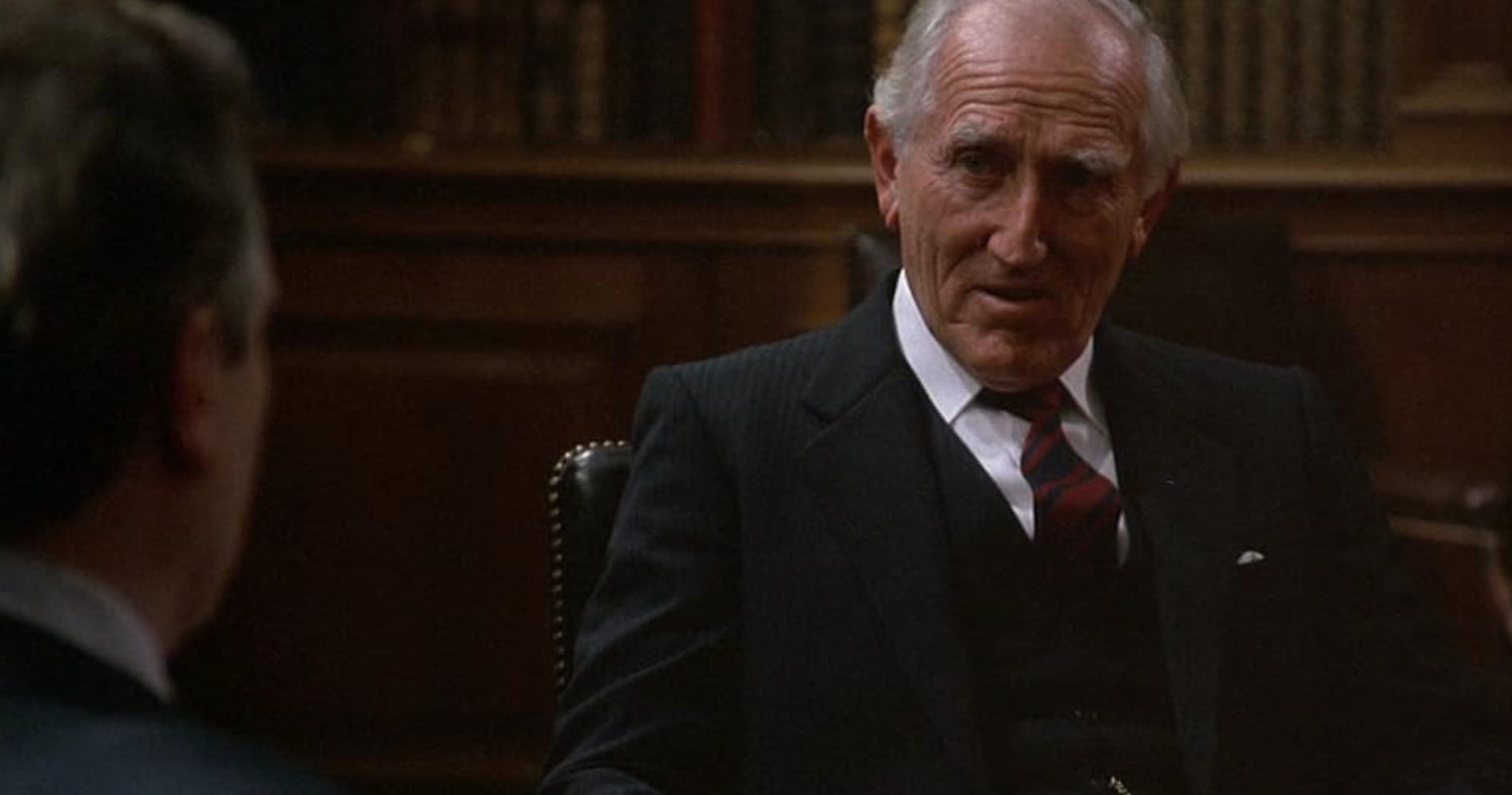
As Inspector Kerrigan, Brian Cox does his best to introduce shades of grey into a character surrounded by innocents on one side and sadistic, sneering villains on the other. Hidden Agenda’s best scenes are those featuring his head-on confrontations with Jim Norton’s obstructive pragmatist RUC chief. As for the American lawyers, Brad Dourif and Francis McDormand seem to have signed on as an act of penance. Just two years earlier they both appeared in another reality-based film about the murder of civil rights lawyers, Mississippi Burning – playing a racist Klan sheriff and his wife in the Deep South of the 1960s.
At its best, Loach’s naturalistic style succeeds in evoking something that feels like a sense of 1980s Belfast, but then pops up another caricature or cliché:
But if you look at all the colonies, for instance, America. George Washington was called a terrorist in his time. Jomo Kenyatta was a terrorist. Archbishop Makarios was a terrorist. Unfortunately, colonies appear to have to fight for their freedom. It is never granted willingly. They must struggle for it.
This recitation of the old maxim, “One man’s terrorist is another man’s freedom fighter”, is part of an unlikely conversation between Kerrigan and a Sinn Fein representative in a Falls Road social club. At moments like this, Loach’s camera seems to have been swapped for a blackboard and a stick of chalk. Hidden Agenda stops being a thriller and becomes a seminar.
Whether you liked Hidden Agenda or not, track down Ken Loach’s Kes. It really is a masterpiece – S
And remember, if you're looking for a new film to watch on a warm summer evening – or if the World Cup is of absolutely no interest – give our personalised film recommendation engine a try:
Reids’ Results (out of 100)
C - 66
T - 68
N - 78
S - 64
Thank you for reading Reids on Film. If you enjoyed our review please share with a friend and do leave a comment.
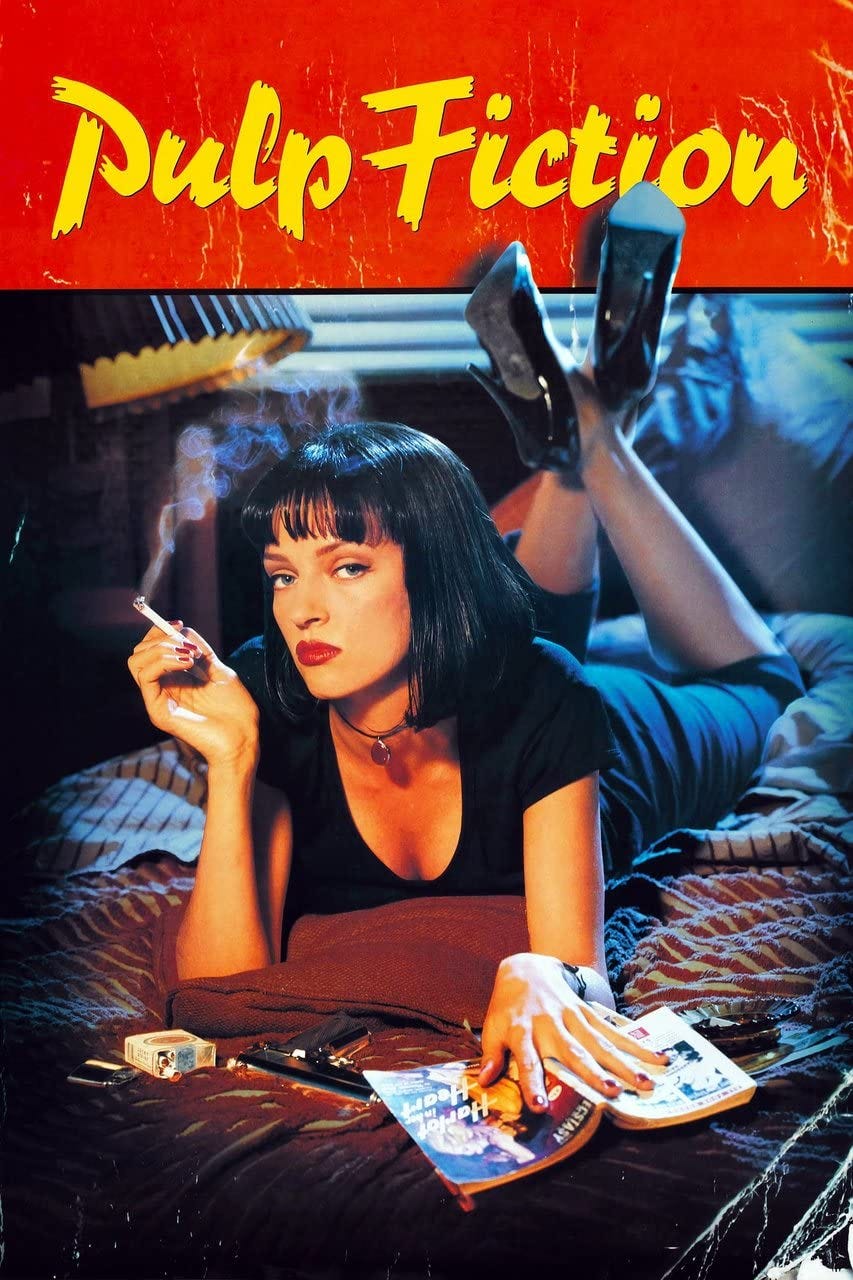
Coming next… Pulp Fiction(1994)
No posts
Comments
Nothing yet. Say the first thing.
Sign in to join the conversation.