
If you're over 50 and trying to get in shape or improve your performance in endurance events, there's a powerful, underutilized tool that can enhance your cardiovascular fitness, recovery, and resilience: heat training.
No, it's not just for professional athletes or sauna-obsessed influencers. It's for anyone, especially older athletes, who want to train smarter and get more benefit from the time they already spend exercising.
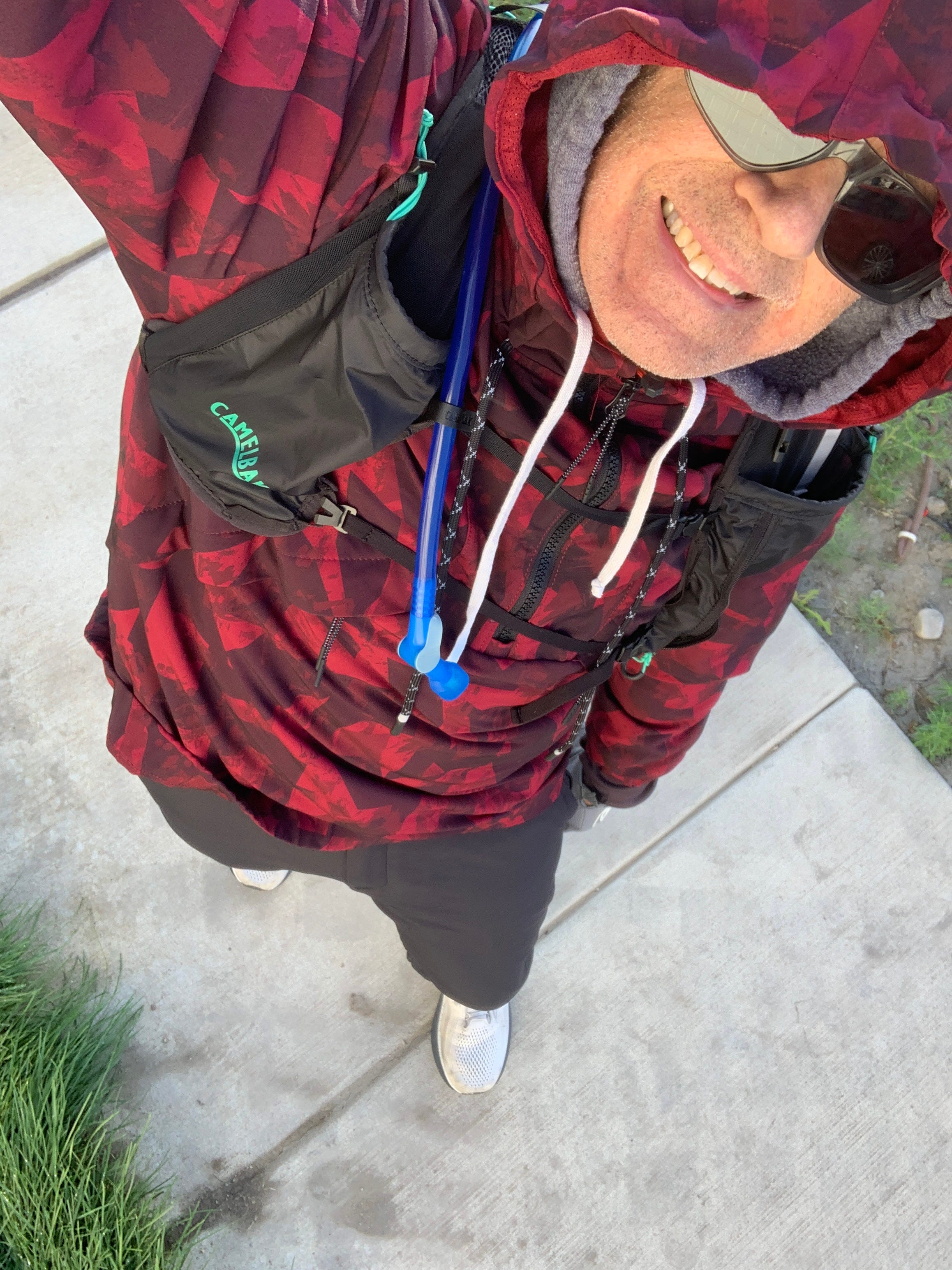
(active heat training, wearing my amateur heat suit while walking in Zone 2)
Heat training means exercising in warm or hot conditions or adding heat after your workouts. It's a way of putting controlled stress on your body so it can adapt and become more efficient at cooling, circulating blood, and handling fatigue.
There are two main approaches:
This involves doing your regular workouts, such as walking, cycling, and using the Stairmaster or treadmill, while wearing extra layers (sometimes called a "heat suit") to trap body heat.
You don't need special equipment. A sweatshirt and rain gear in a closed garage or sunny path can be enough. The goal is to raise your core temperature to around 101.3–102.2°F and maintain it safely for 30–60 minutes.
This means using an infrared sauna or hot tub after your workout while your body is already warm. It extends the training effect without adding more physical strain.
Research shows that heat training, especially post-exercise sauna use, can trigger many of the same cardiovascular benefits as altitude training or high-intensity interval training, with a lower impact.
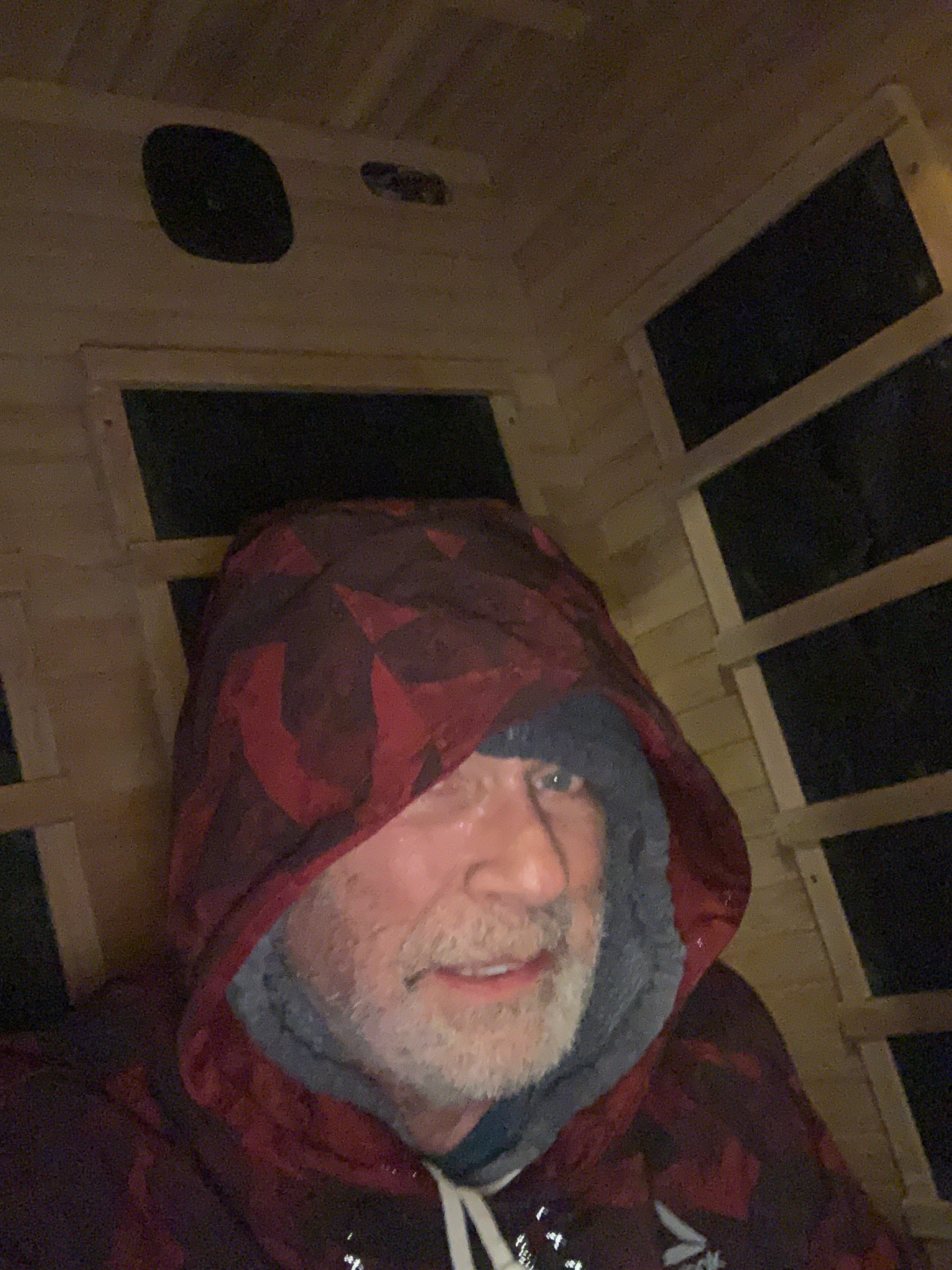
(infrared sauna in my heat suit after a 45 minute Stairmaster zone 2 workout)
Increased plasma volume (more blood = better cooling and endurance)
Lower resting and exercise heart rate over time
More efficient sweating and cooling
Improved recovery and fatigue resistance
Potential performance boost even in cool conditions
World-class ultrarunner Kilian Jornet uses active heat training by wearing full layers on a treadmill in a closed room. He treats it like high-altitude training: low intensity, long duration, high sweat.
Coach and athlete David Roche recommends a more accessible approach: passive heat training in a sauna after easy Zone 2 runs. This is especially helpful for aging athletes who want to avoid adding mechanical stress but still reap cardiovascular benefits.
Yes, but it must be done thoughtfully.
If you overdo it, you risk:
Dehydration
Electrolyte imbalance
Poor sleep or overtraining
Core temp getting too high (>102.5°F), which can lead to heat exhaustion
Start with shorter sessions (30–45 minutes), hydrate with water and electrolyte-rich beverages, and monitor how you feel in the 24 hours following. If your sleep, mood, and performance are holding up well, you can progress.
For older athletes like myself (I'm nearly 66), it's essential to start slowly and listen to your body.
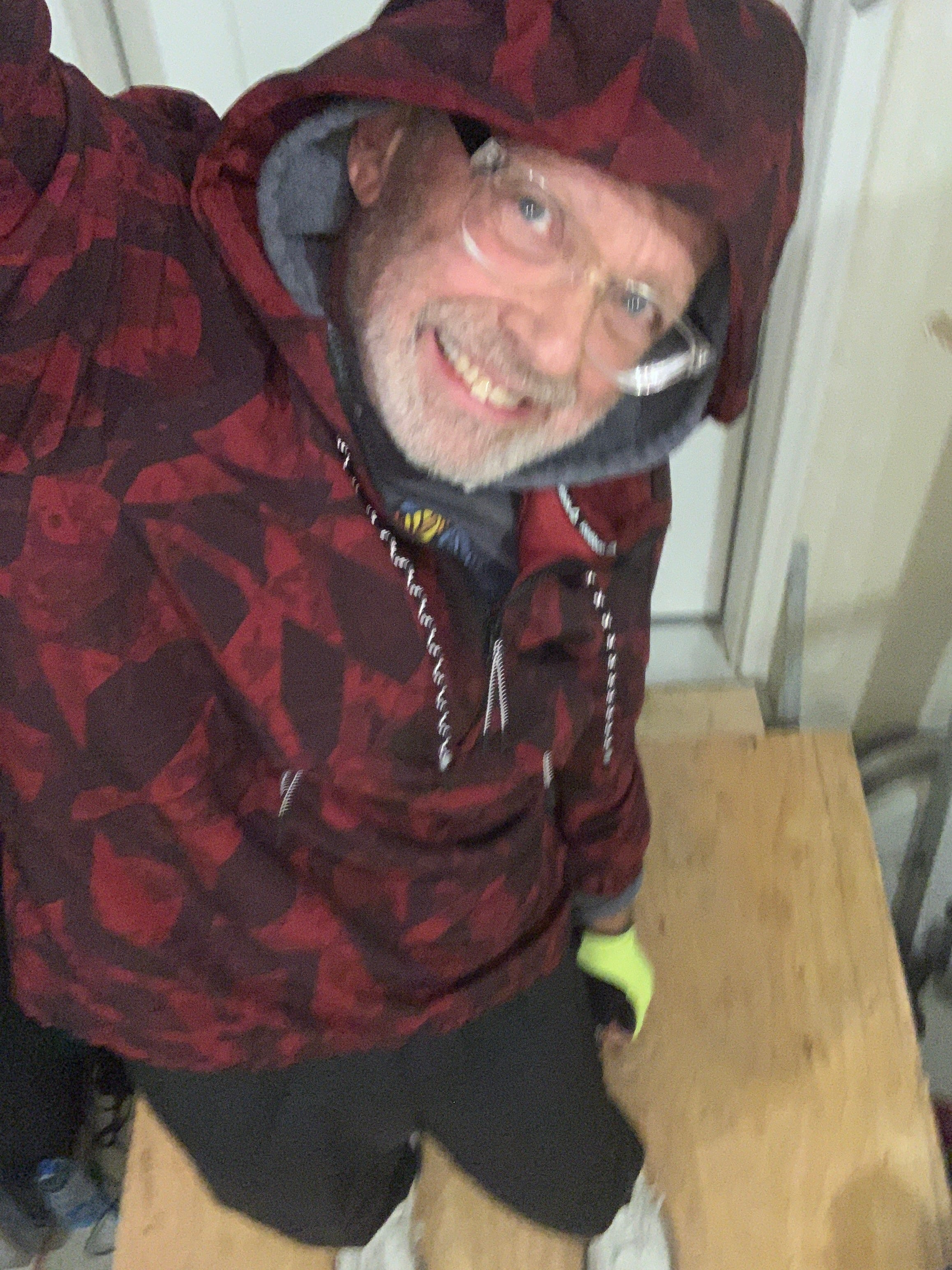
(heading to the Stairmaster down our homemade wheelchair ramp in the 90F garage)
I'm preparing for the Speedgoat 28K mountain race this summer. To improve my endurance and prepare for the possibility of race-day heat, I've added heat training twice a week on the Stairmaster in my garage (in sweats and a rain suit), once a week walking outside in full sun and layers, and occasional post-training sessions in an infrared sauna.
It's not as brutal as it sounds. I drink a carbohydrate drink while training and cool down carefully. The results? Lower heart rate during regular workouts, better sweat response, and more confidence heading into summer.
If you're walking, hiking, rucking, or cycling for fitness and want to:
Improve your cardiovascular conditioning
Adapt to summer temperatures
Train smarter without going harder
...then heat training is worth exploring. You don't need to be a pro. You need to be consistent and cautious.
Start with one session a week. Wear a light hoodie. Try 30 minutes on the bike or walk, no fan, and see how you feel. Then, build from there.
Want to see what it looks like? I've posted photos of my setup indoors, in the sauna, and outside. Please let me know if you have any questions or would like to try it yourself.
#fitnessover50 #heattraining #zone2training #endurancetraining #trailrunning #rucking #healthspan #activeaging #ultrarunning
No posts
Comments
Nothing yet. Say the first thing.
Sign in to join the conversation.