
If you are viewing this in your email inbox, you may not be able to see all the footnotes. I would recommend opening it in a browser window so you don’t miss any of the details!
When we look at culinary history, it’s impossible to understate how new our current way of baking is. Just 100 years ago, half of American homes didn’t have electricity.1 At the opening of the 1930s, only 8% of Americans had refrigerators in their homes.2 Thermometers in ovens didn’t debut until the 1910s and took decades to become standard.3 Within the last century, the technology we use in our kitchens has progressed in ways we often take for granted.
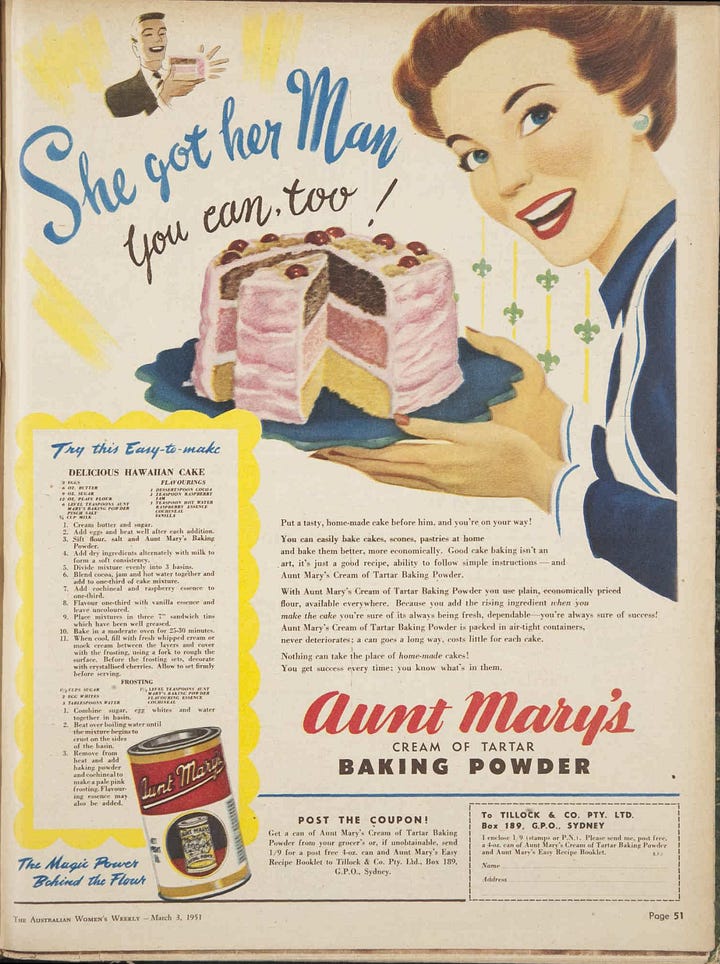
But it’s not just technology that transformed our understanding of what baked goods could be. For hundreds of years, humanity has sought ways to create light, delicious textures in their food. The introduction of chemical leavening agents less than 200 years ago made those textures possible, in a fraction of the previously required time.

It’s important to mention that there are ways to make dough rise that don’t involve the use of expedited leavening agents. Sourdough starter, for example, utilizes a maintained culture of yeast added to dough as part of a long fermentation process, creating carbon dioxide bubbles. Salt-rising bread45 starters can bring you from starter to bread in less than 24 hours, and cultivate Clostridium perfringens which forms hydrogen bubbles in the dough.
Both of these processes work to get a good rise, however both create bready textures with distinct, not-sweet flavors. Sourdough creates a sour, yeasty flavor and salt-rising bread is know for its distinctive “cheesy” taste caused by the incidental creation of butyric acid.6 Both can be tricky to turn into enriched doughs, as the presence of excessive fat and sugar can negatively impact rise. So while they make tasty bread, neither scream “dessert”.7
Bakers have also traditionally created a light texture in batters by using mechanical forms of leavening8. One of the most common processes required whipping egg whites to stiff peaks to create a protein matrix and gently folding it into the batter9. This was an incredibly time consuming task prior to the invention of the Dover egg beater in the 1870s, which reduced the time it took to whip egg whites to firm peaks from 90 minutes to 5 minutes.10
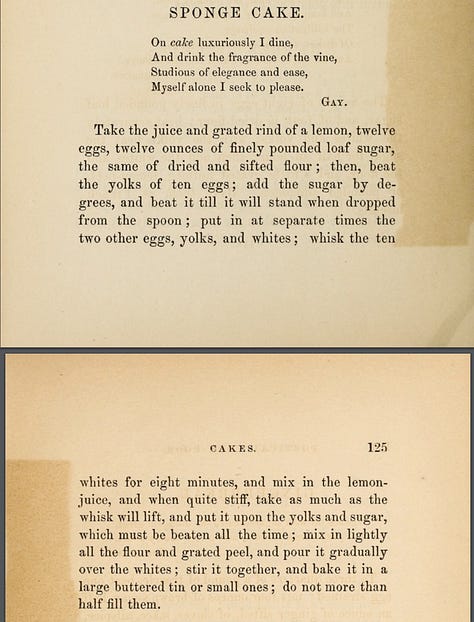
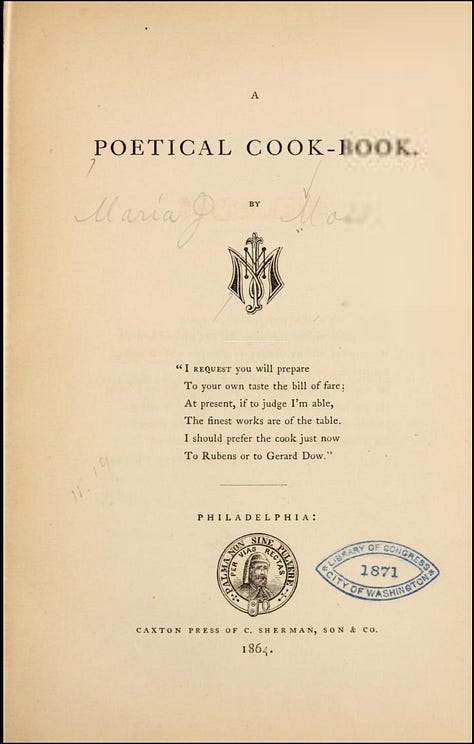

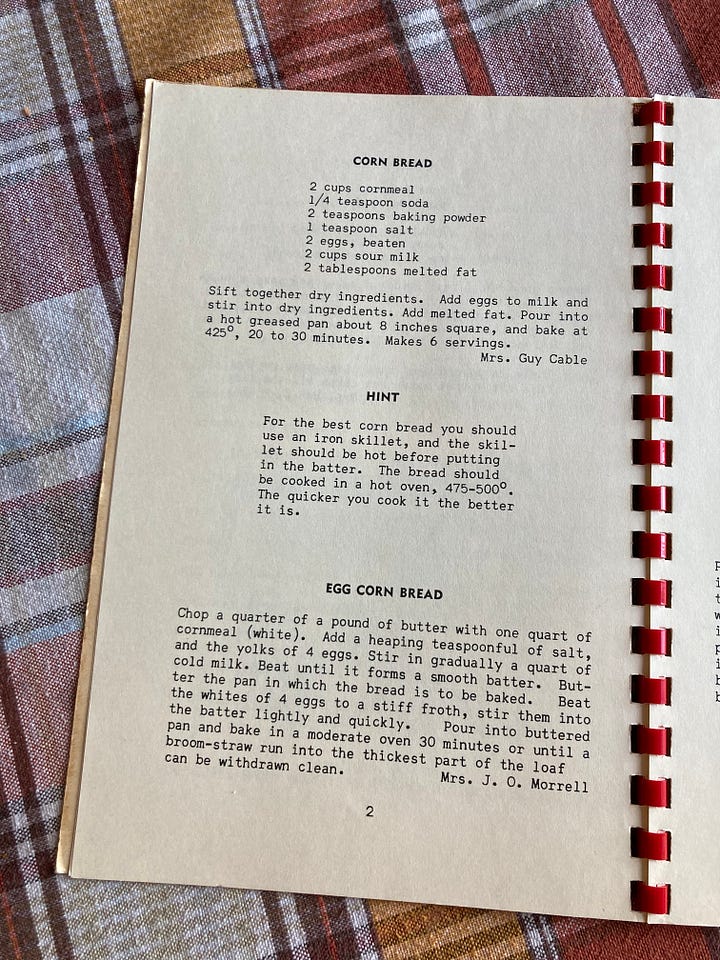
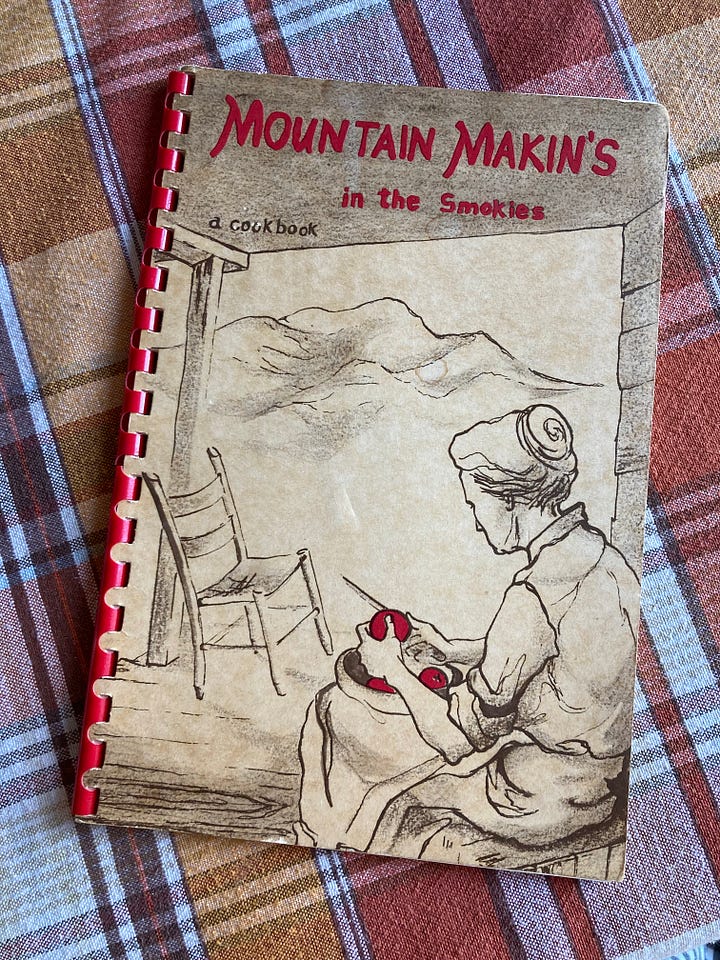
Since the 17th and 18th century12 (and some even estimate as early as the 14th century!!13), crude chemical reactions have been used to create a lighter texture in baked goods and to save time. Liquid lye (created by running water through hardwood ashes) was evaporated until just the solids remained, leaving behind what was called potash. Potash was used as a form of leavening, but contained impurities that left a smokey or bitter flavor in baked goods. Pearl ash, also know as potassium carbonate, is a refined version of potash that when combined with a liquid (such as water or sour milk) and baked creates carbon dioxide bubbles in batter14. These early chemical leavening agents created a fluffier, softer texture than what had previously been possible.
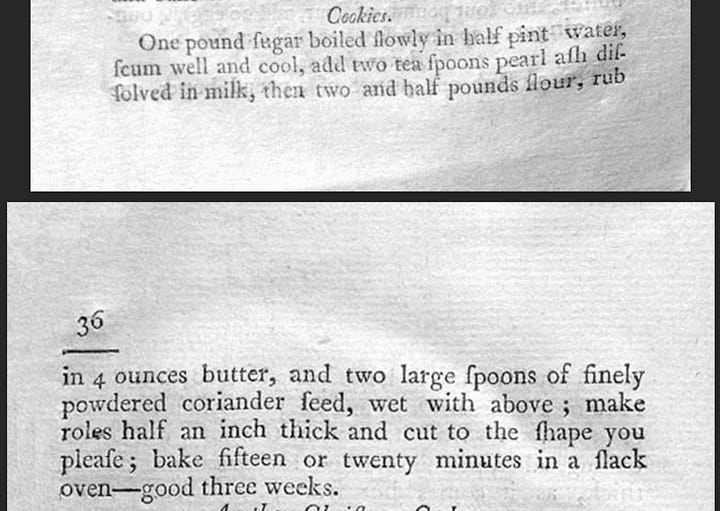
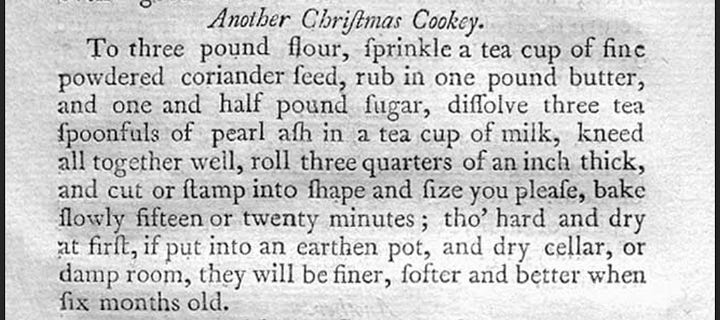
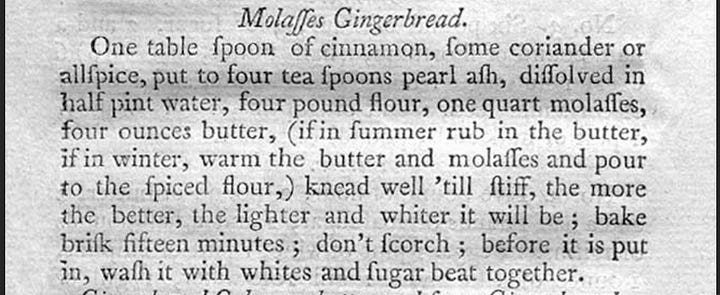
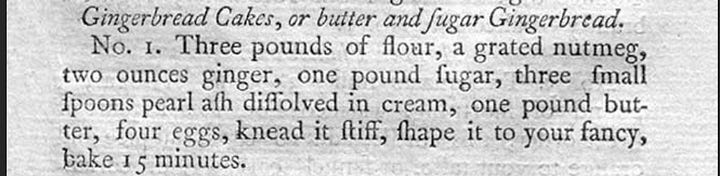
While the clear upside of pearl ash was the quickness and lightness with which you could now make dough, the downside was its harsh aftertaste. Many of the recipes that called for pearl ash, before it lost popularity, were for gingerbread and heavily spiced cakes. The strong flavors would have helped mask the bitter taste.
If you’re curious about baking with pearl ash17, it is possible to buy food grade potassium carbonate online from home brew stores and other specialty shops. You can also experiment with recipes that call for pearl ash by substituting 1/2tsp of baking soda for each teaspoon of pearl ash1819. A similar leavening effect can be created by substituting ash water from hardwood ashes for a portion of the liquid in a recipe20. You can also make potash at home using hardwood ashes, water, and a heat source21.
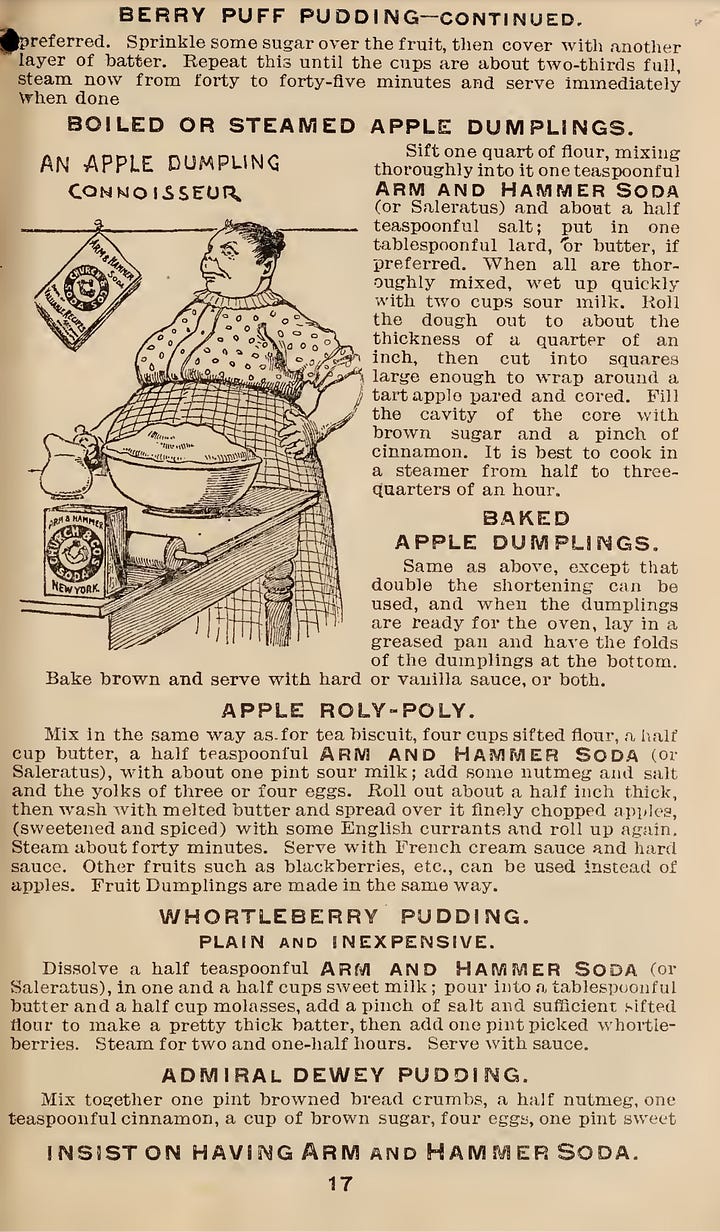
In 1846, the world of American baking was changed forever when John Dwight, along with his brother-in-law Dr. Austin Church, began selling bicarbonate of soda as a leavening agent22. It was originally marketed as “saleratus”, which at the time was used to reference both potassium bicarbonate (which left a bitter taste similar to pearl ash) and sodium bicarbonate (which is identical to modern day baking soda)23. Today, baking soda can be industrially made, or mined and refined from large, naturally occurring deposits.24
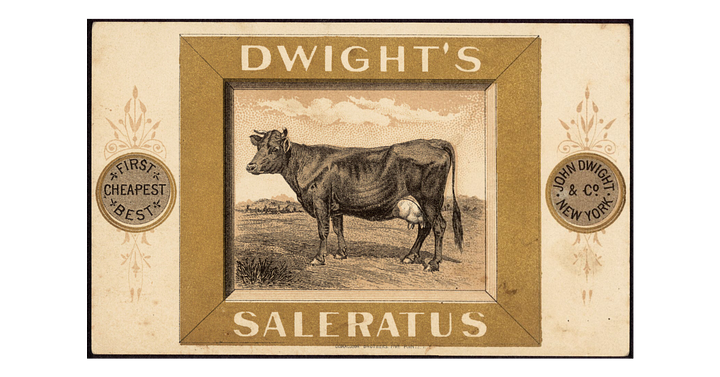
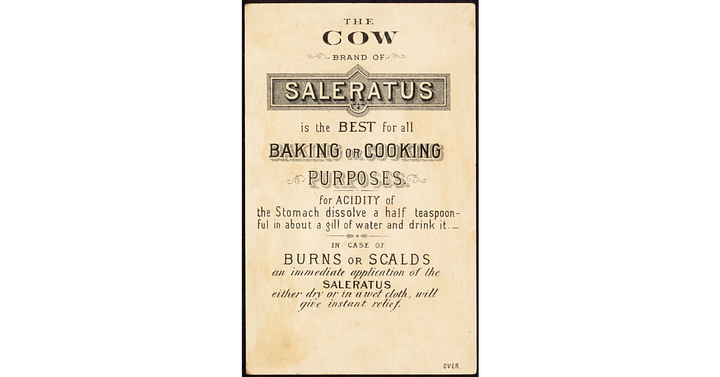
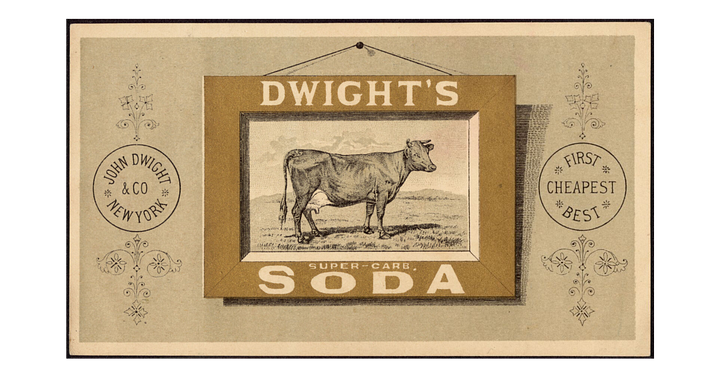
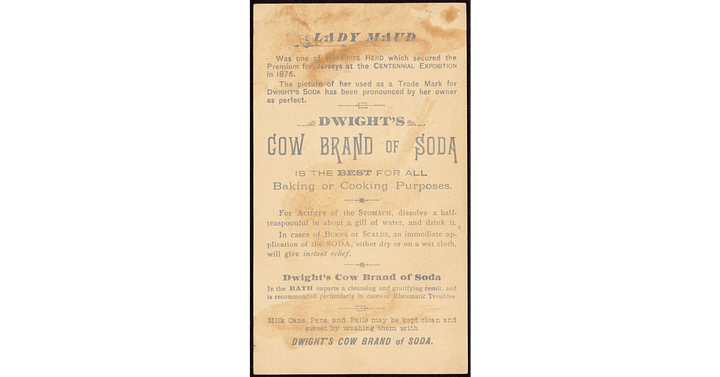
So what’s with the cow25? Besides Lady Maud being an absolute unit (check the fourth photo in the gallery above for more information about her), baking soda requires the presence of an acid to cause the chemical reaction that creates carbon dioxide bubbles (just like in science fair volcanoes). When saleratus first hit the market, sour milk and buttermilk were the two most common acids used in baking. Thus, Dwight picked a cow for his company’s logo. Eventually the saleratus line was retired, and the Arm & Hammer bicarbonate of soda brand has continued on.
In the late 1940s, English chemist Alfred Bird was on a quest to make bread that his wife (who had a yeast allergy) could consume. He combined cream of tartar (an acidic compound leftover from making wine) and sodium bicarbonate to create the first single-acting baking powder.2728 When combined in the batter, carbon dioxide bubbles were created causing it to rise. The two compounds were sold together but packaged separately, and combined when the batter was made29.
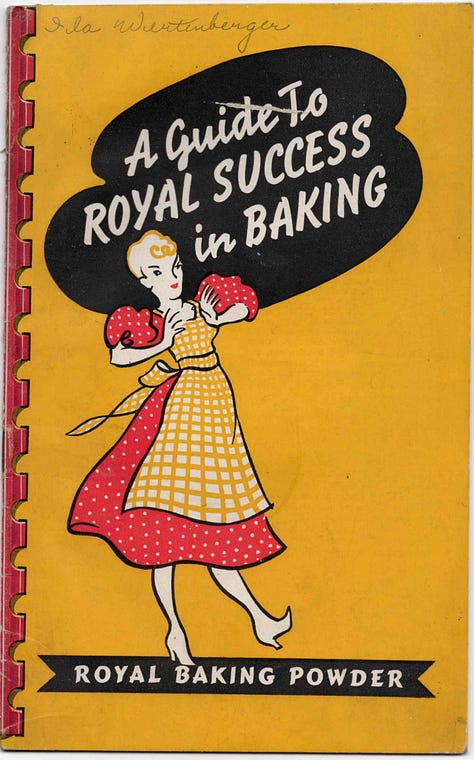
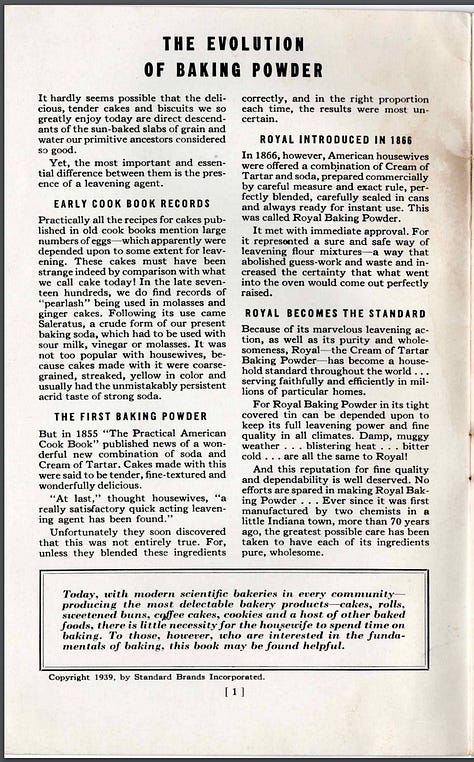
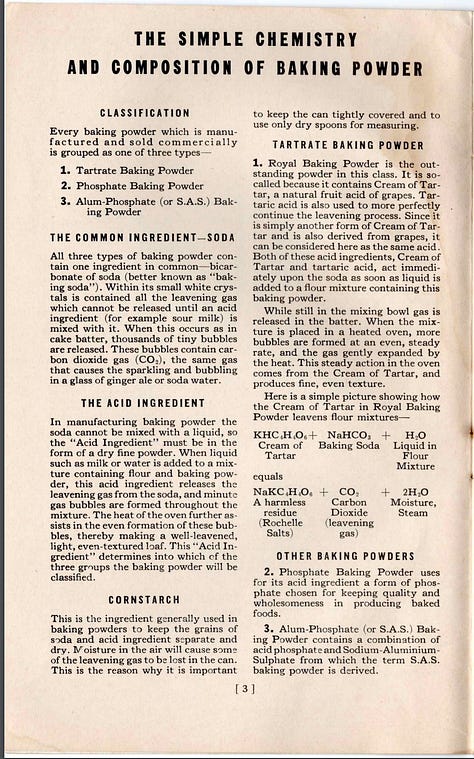
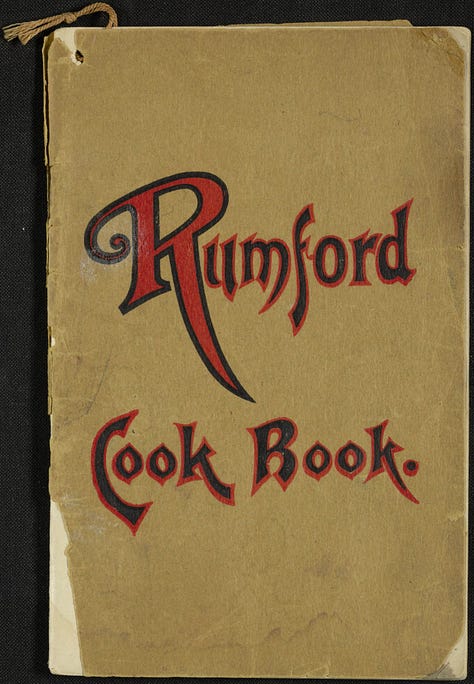
A decade later, Harvard chemist Eber Norton Horsford created the first pre-mixed baking powder. Because cream of tartar was incredibly expensive to import to the United States, in 1856 he patented a process for creating monocalcium phosphate from animal bones treated with sulfuric acid31. This was then combined in an appropriate ratio with sodium bicarbonate (a base) and cornstarch (a desiccant) to create the first double-acting baking powder32. Horsford founded Rumford Chemical Works in 1859, and his success in the industry funded all sorts of escapades.33

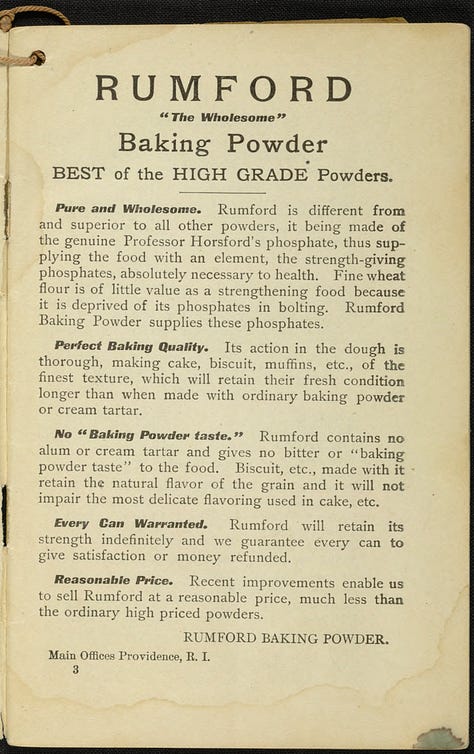
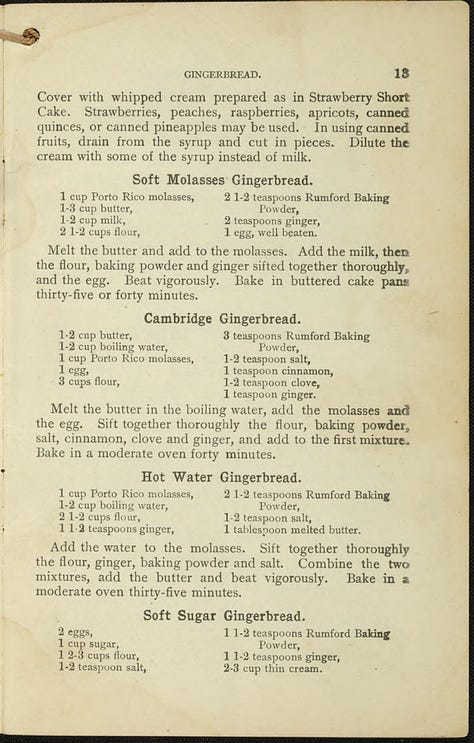
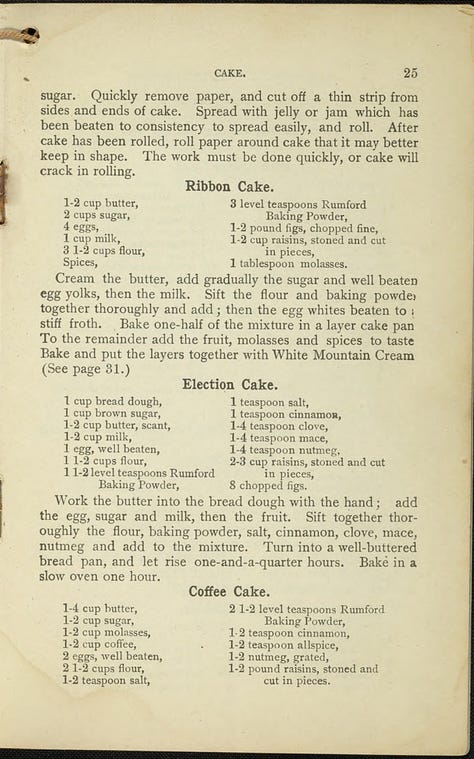
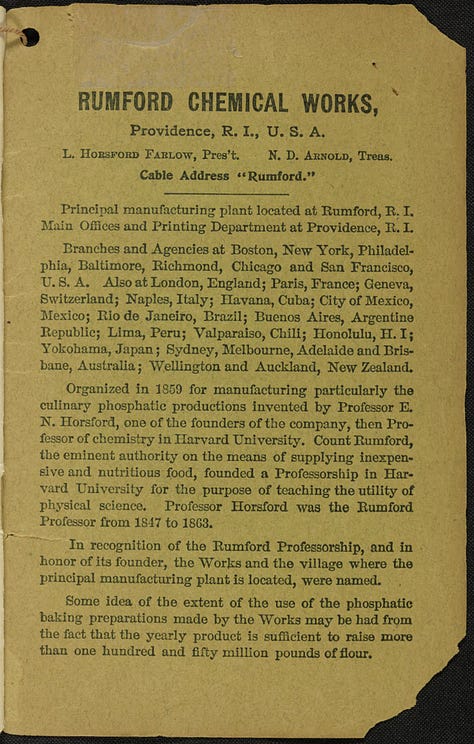
To say this magical white powder changed the world would be an understatement. Suddenly, cakes and quick breads could rise without having to wait hours for it to proof, and there was no longer a bitter aftertaste. It took decades for these innovations to take hold, and the field was fraught with controversy35, but it was clear: American baking as we know it had been born.
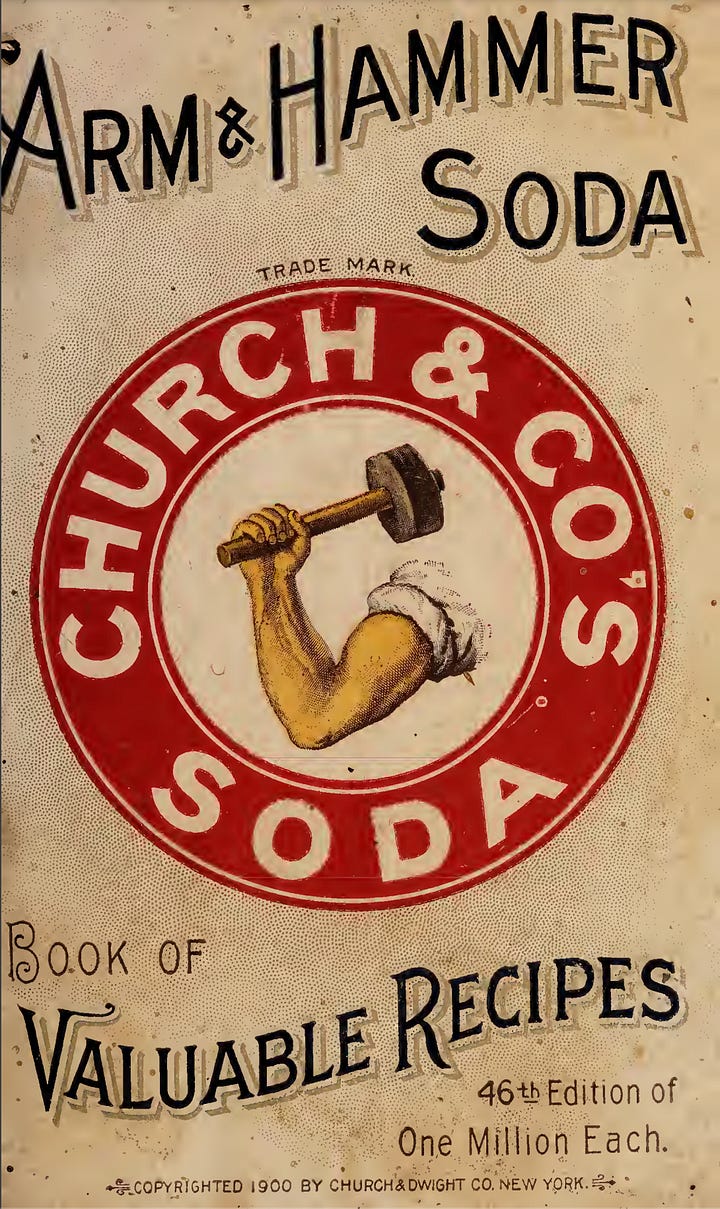
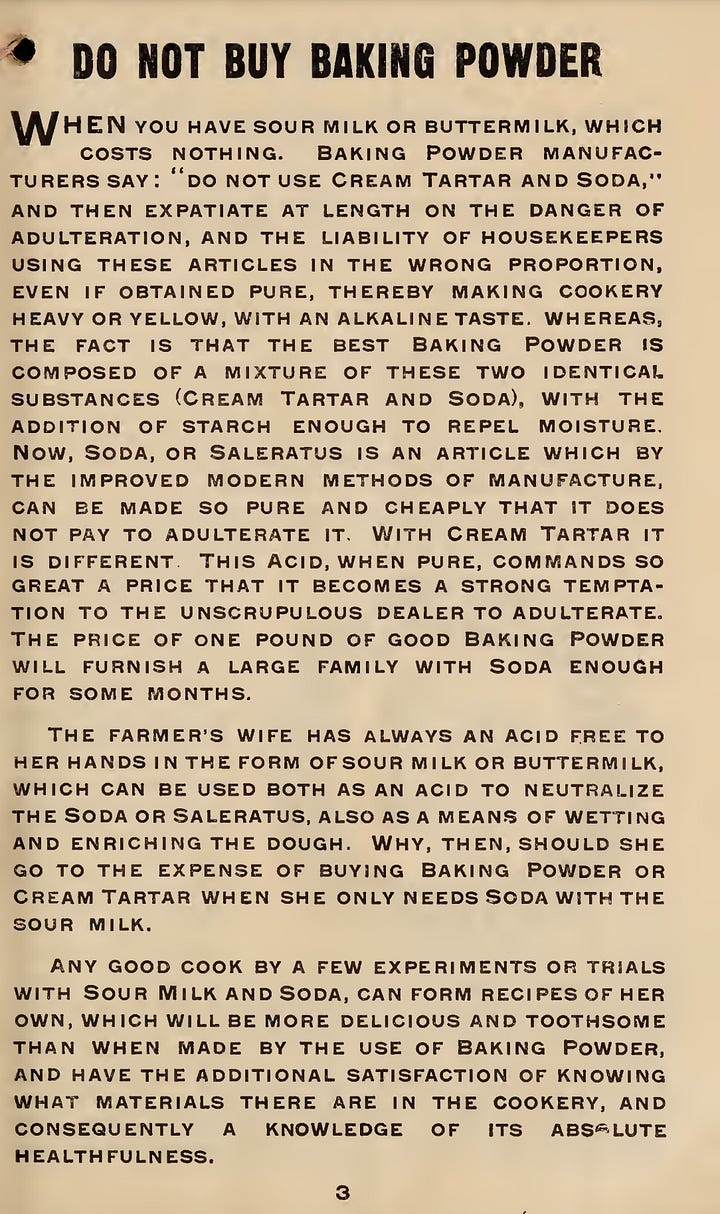
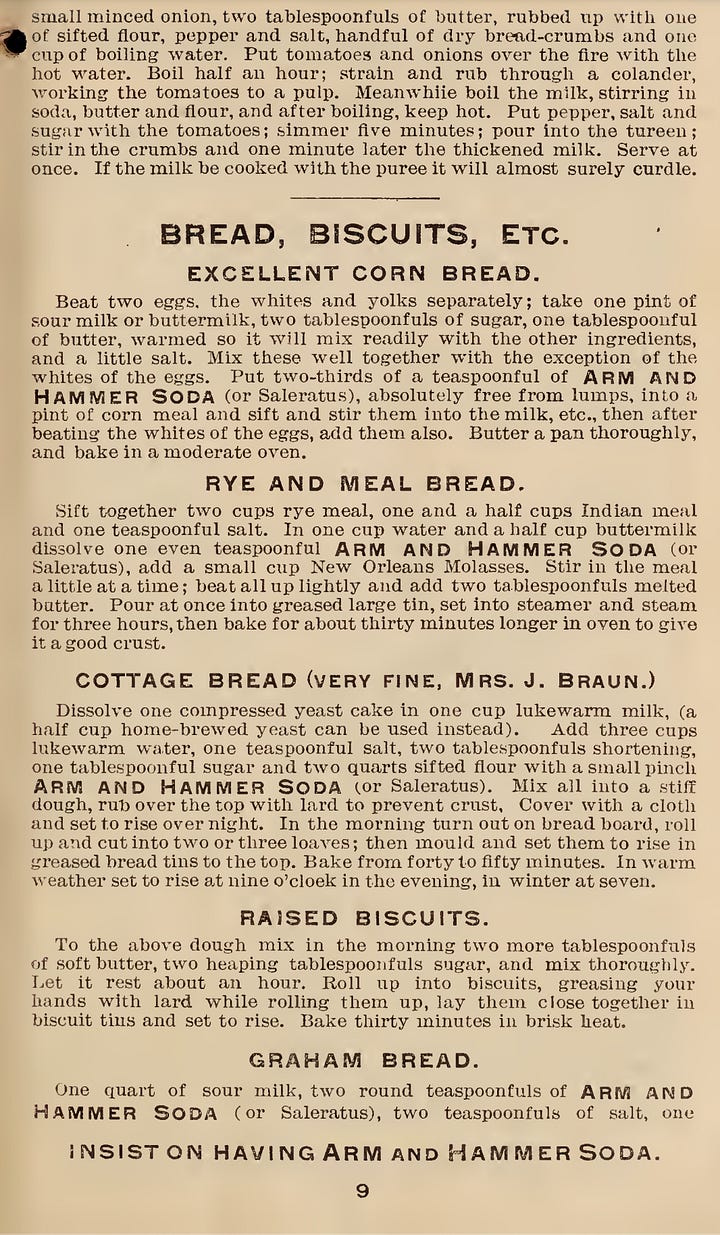
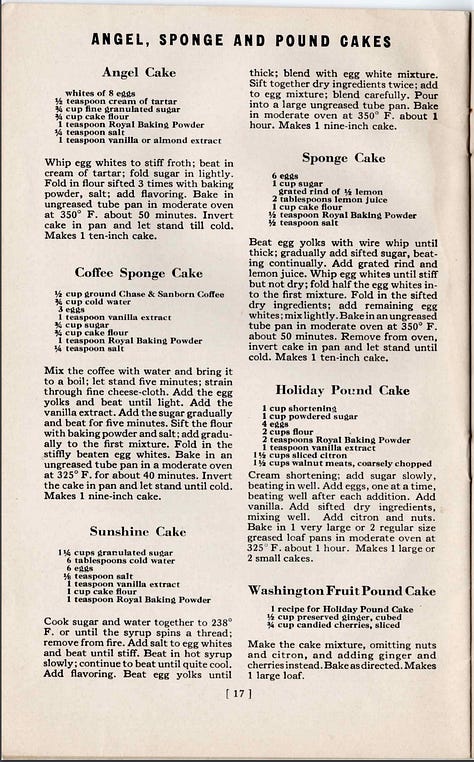
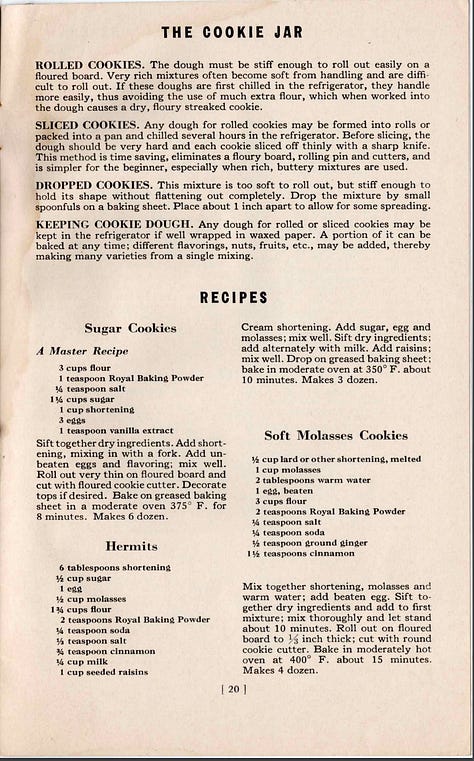
I have two recipe pamphlets in my collection that are public domain, one baking soda and one baking powder, that I’ve included for you for free below! Definitely check out the history section in the baking soda one and the “What Your Government Says” in the baking powder one for a peek into the aggressive marketing chemical leavening agent companies used.
In case you haven’t heard, the Internet Archive is slowly coming back online! Right now, there are still intermittent outages as they continue updating security, however I have been able to add a link to the books I personally digitized and uploaded to the Archive to the Free, Open Access Cookbook Index. Once uploading is allowed, I’ll be adding more books and updating here. For now, you can check out the books I’ve uploaded under my username at archive.org. If the landing pages are loading slowly, click the “PDF with Text” on the bottom right of the document landing page to open the full, searchable PDF in a new window (it loads faster).
Free, Open Access Cookbook Index!
This week there are four new terms in the Recipe Terms Glossary:
Baking powder (single acting)
Baking powder (double acting)
Pearl ash
Potash
I’ve been refreshing the Internet Archive Twitter Feed multiple times a day to see how things are progressing. That is the fastest way to stay informed on the current state of the Archive, if you’re as curious as I am!
I would also encourage you, if you are able, to donate to the Internet Archive via PayPal to help support all of their hard work as they’re getting back online. The resources they offer are vital to many, and they deserve all of the support we can give them.
Thank you so much for reading and supporting The Recipe Graveyard!
I’m committed to providing this work to all of you lovely readers for free, but here are some ways you can support my work if you appreciate what I’m doing around here and want to pitch in:
Donate through Ko-Fi! You can make a one-time or recurring monthly donation through Ko-Fi to help me purchase more public domain/non-copyrighted community cookbooks to add to the Internet Archive.
Buy a cookbook! I often batch buy vintage cookbooks at estate sales, garage sales, and flea markets to cost-effectively grow my collection, so I sometimes end up with duplicates. These will be listed over on eBay sometime this weekend!
Visit the site! If you have a spare minute, perhaps catch up on back posts of the blog or look through the resources available in the Free, Open Access Cookbook Index!
Like, comment, or restack this note! As much as we all rue the algorithm, it is the bedrock of getting this work in front of new faces. If you would be so kind as to like, comment, or restack, it will help push my work to a broader audience completely for free!
Follow along on Instagram! If you are on social media come find me and say hi! Substack is a lovely place, but it is one of the smaller fish in the social media sea.
Regardless of whether you’re able to help support this little project or not, I’m so grateful you’re here and reading along! I hope you’ve learned something fun or remembered a long-lost, nostalgic food memory. If you’ve made it this far without subscribing, I hope you consider doing so! Have a fantastic weekend, friends.

Since starting this project, I’ve had people reach out offering me cookbooks and recipes! Sometimes they’re duplicates from personal collections, books found at garage sales, or books they were given and aren’t quite sure what to do with.
If that sounds like you, and you have cookbooks or handwritten recipes you’d like to donate, now you can! Community cookbooks that are either public domain (most books pre-1923) or not copyrighted, as well as handwritten recipe collections, will get uploaded in the order they’re received to an online repository hosted by The Internet Archive for everyone to access freely.
For copyrighted items, I’ll catalog them in my public facing collection catalog and should be able to help people with research requests in the future on a case-by-case basis. Unfortunately I won’t be able to publish those in full at this time.
There is absolutely no pressure to send me anything, but I wanted to set this up since so many of you have kindly offered books! Thanks for being here, and believing in this little project. Together we can help save some of these recipes, preserve their legacy, and make them accessible for all.
If you’re unfamiliar with salt-rising bread, a longstanding Appalachian tradition, checkout this article from Popular Science for the science behind it here.
Susan Ray Brown’s Salt-Rising Bread Project has done an incredibly thorough job detailing the history and traditions of salt-rising bread. Check out her book and website here.
Many recipes prior to the development of chemical leavening agents called for brewer’s yeast, baker’s yeast, emptins, and other yeasty substances to create a rise in cakes. I’m planning on eventually writing a whole article about *just* the development of yeast, so we’ll talk about that a different day.
For a few examples of mechanical leavening in early American cooking, see The Virginia House-wife Project’s post on pound cake here.
For the reference to the “17th or 18th century” date (that is pretty commonly held) and additional information about potash/pearl ash production, check out this Bob’s Red Mill article stored in the WayBack Machine here.
Townsends YouTube Channel has a thorough video explaining the likelihood that potash was first utilized by the Dutch to make gingerbread as early as the 14th century.
For a more detailed description of the chemical reaction caused by pearl ash in a recipe, check out the “Functions of Potash and Pearlash” section here. Many articles and books mistakenly claim an acid is required for pearl ash to work and that’s false. Using an acid helps mask the flavor of the pearl ash, but is not required for leavening to occur.
If you want to explore American Cookery in its entirety, read a free digital version here from Michigan State University. A printed facsimile copy is also available for purchase here.
If you are hesitant to try this historical baking experiment yourself, the blog Four Pounds of Flour baked a tray of cookies using pearl ash and you can read about it here.
For an example of someone updating a recipe calling for pearl ash by substituting baking soda, check out History Quester’s pancake experiment here.
5 Acres and A Dream did an experiment creating ash water and using it in biscuits, see Part 1 here, Part 2 here, and Part 3 here.
Caveman Chemistry has a thorough explanation on how to make homemade potash here. The only thing I would mention is that his instructions call for running the liquid through hardwood ashes once, while many historical sources state to repeatedly run the liquid through hardwood ashes “until an egg can float on the residue”. See footnote 12.
Here is a great YouTube video about how baking soda is mined today:
To view the full recipe pamphlet at the Internet Archive, click here. CW: Racist depictions of Black people.
See footnote 32 for more information about the differences between single-acting and double-acting baking powder.
Because single-acting baking powder was initially popular in Europe and double-acting baking powder was the first on the market in North America, often older European recipes will call for single-acting baking powder while older North American recipes may call for double-acting baking powder. When reading old recipes, it’s important to take note of the brand of baking powder called for and the location they were writing in. Today, almost all baking powder is double-acting and recipes are tested with double-acting baking powder unless otherwise specified.
For more information on the history of baking powder, check out this Smithsonian article here and this MIT article here.
If you are vegan and are slightly panicking after this sentence, do not fret! The acid in baking powder today is synthesized in a lab without using animal products. You can read more here.
Double-acting baking powder creates carbon dioxide bubbles when introduced to the liquid in the batter, as well as when it is baked. The first reaction helps create small bubbles that give the batter structure, so that when the second reaction occurs during a longer bake in the oven your baked goods are less likely to crack. Single-acting baking powder only creates carbon dioxide bubbles when initially added to the batter, meaning baked goods using it should be cooked right away. This is helpful in quickly cooked items like donuts, that would likely crack during the second reaction if double-acting baking powder was used.
To view the entire Rumford Cook Book at the Science History Institute Museum & Library Digital Collections, click here.
Comments
Nothing yet. Say the first thing.
Sign in to join the conversation.