

Lemons and limes! This means that your child will have the
opportunity to interact with, eat, and share this food with
their peers during lunch, cooking groups, and sensory-based
activities. See below for ideas to incorporate lemons and
limes into language learning experiences at home!The Rebecca School Speech and Language Therapy Department
recognizes that mealtime can be challenging for many of our
students due to their oral-motor challenges, limited diets, and
difficulties with relating and communicating. Because mealtime is
such a central part of our everyday interactions, we feel it is
important to address our students’ needs in a manner that is
respectful and developmentally appropriate in order to help them
grow in this domain. In order for our students to develop well-
rounded diets, they must first experience food from a sensory
perspective, having the opportunity to touch, taste, feel, and smell
foods in a manner that is pleasant. Because it can take several
presentations of food before an individual accepts it, the Speech
and Language Therapy Department presents a monthly
“Community Food” which is generally a whole food that is
nutritious and can be explored and prepared in multiple ways
over the course of a month.
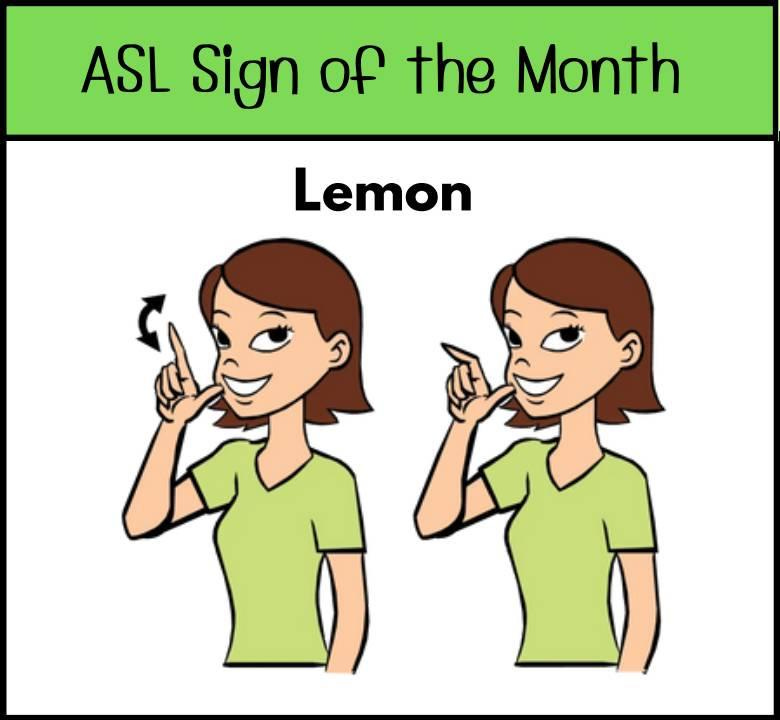

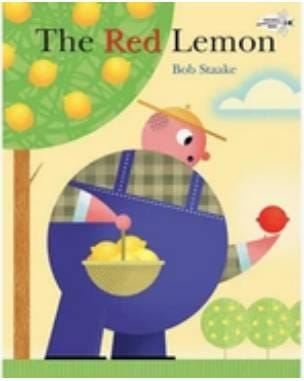
How to Grow A Lemon Tree at Home
Old- Fashioned Lemonade Recipe:
6-7 Lemons
1 Cup of White Sugar
6 Cups of Water
Directions
Wash and cut lemons in half
Juice lemons to get 1 cup of juice
Fill pitcher with 6 cups water
Strain, then pour lemon juice into the pitcher
Add sugar to pitcher and stir until blended
Pour the mixture over ice and serve
Building Vocabulary
When interacting with your child, talk about or narrate what you and your child are doing and what you are experiencing using single words (e.g., “cut”), short phrases (e.g., “cut the lemon”) or sentences (e.g., “The lime is green”). Be sure to speak slowly and clearly while emphasizing key and/or new words. The same is true when reading to your child! While reading, point to the more important images on the page. For example, point to the lemon when saying the word “lemon” in order to help create a mental image of the word. It’s okay to “improvise” or “make up” a story if you have books that seem difficult or if your child loses interest. Here are some examples:
Nouns: names of foods, ingredients or equipment (e.g., lemon, sugar, juicer)
Verbs: names of actions (e.g., mix, cut, pour)
Adjectives: words to describe the look, feel, smell, noise or taste of something (e.g., fresh, round, sour, bumpy).
Sequencing concepts: (e.g., first, next, then, finally, before, after)
Quantity concepts: (e.g., all, none, one, few, many, half, whole)
Location concepts: (e.g., where things are kept in the kitchen: under, inside, on top, next to, behind, between, in front, above)
Synonyms: words that are similar in meaning (e.g., mix/stir)
Antonyms: opposites (e.g., bumpy/smooth, big/small, heavy/light, empty/full)
Social Communication skills: (e.g., waiting, taking turns, asking for help)
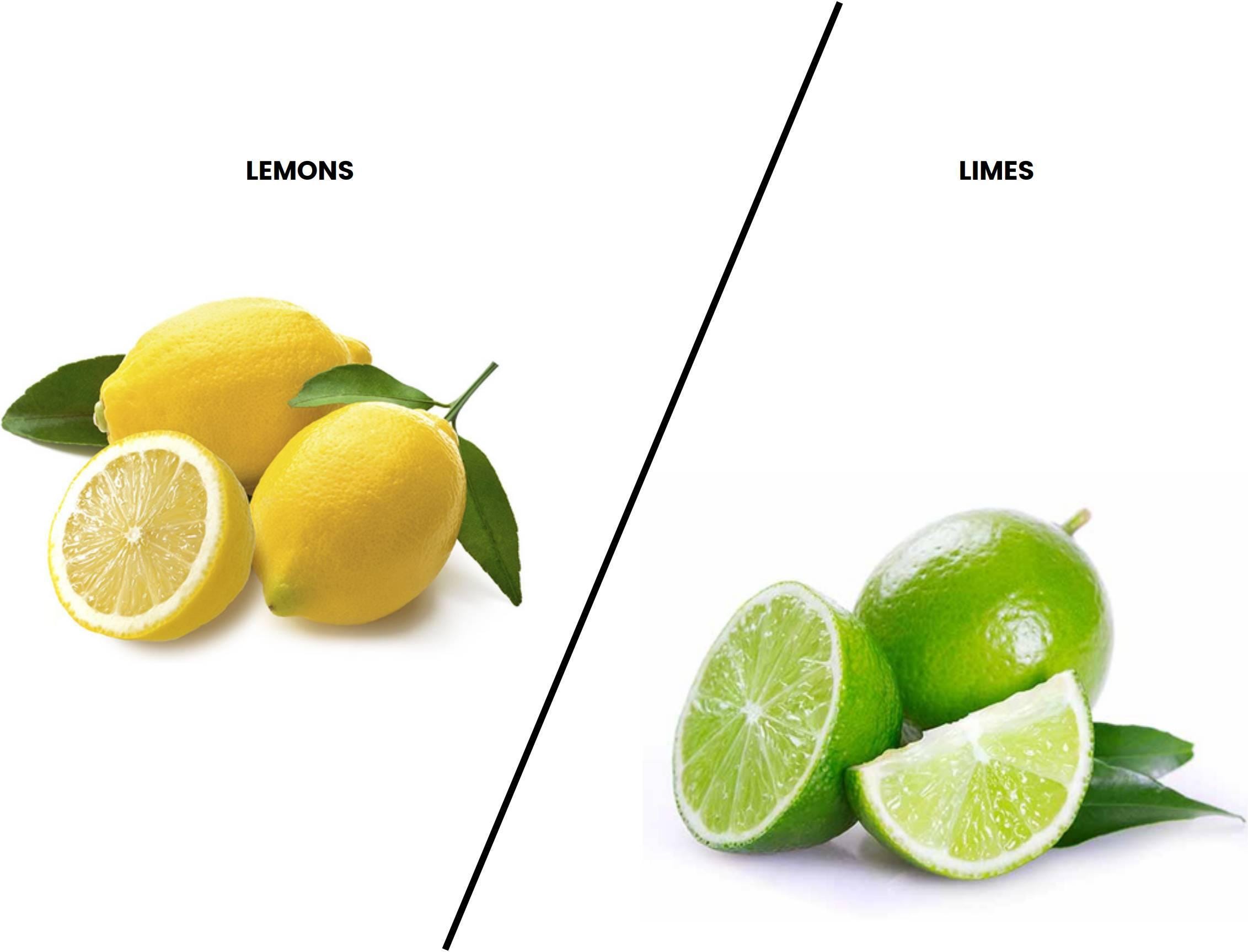
Lemons and limes have a lot in common but they are also different! This is a great opportunity to talk about similarities and differences. If you don’t have these foods at home, use these visuals of fresh lemons and limes to explore and describe together!
JAPAN DAY PARADE AND STREET FAIR ON CENTRAL PARK WEST (FREE)
1-4 PM | MAY 11
SHEEP SHEARING FESTIVAL | QUEENS COUNTY FARM
11AM – 4PM | MAY 11 $15 ADULTS, $12 CHILDREN
BIG TRUCK DAY ON RANDALL’S ISLAND (FREE) 12-3 PM | MAY 18
SOUND & COLOR! SPRING FESTIVAL IN BROOKLYN BRIDGE PARK (FREE)
11-5 PM | MAY 18
MAY 22 - MAY 28 (MOSTLY FREE)
May is National Speech-Language-Hearing Month. At Rebecca School, the Speech and Language Therapy Department celebrates all communication with the Annual Lemonade Stand. This event provides a space for students to share attention around lemons and limes and engage in games, music and fun with peers!
Comments
Nothing yet. Say the first thing.
Sign in to join the conversation.