
The stories come in a steady trickle.
“There’s no future for him here,” my tax consultant just told us about his son. “He joined his brother in LA. Now all the kids and grandkids are there, and my wife and I are alone here.”
At a recent shabbat dinner several friends, all with adult kids, also bemoaned the departure or pending departure. A third friend just decided to pack up her family and move back to America. Thailand, I’ve heard, seems to have a growing Israeli expat community. As might Spain, judging from the report of a friend who visited friends who moved to a small village in the countryside, their loneliness easing as other Israeli families moved there too.
And it’s both Arab and Jewish citizens. An Arab friend just told me mournfully over coffee that more and more people from within her community circles are leaving. Anyone with a professional degree or connection to get out of here.
Each story I hear is like another slice of a knife.
I understand, of course. Israelis have no shortage of reasons to leave. The ongoing war and endless rounds of fighting across multiple fronts. The missiles and sirens and perpetual uncertainty which undoes so many plans. The skyrocketing cost of living. And perhaps most of all, this government and the fundamental struggle taking place over what kind of country this will be.
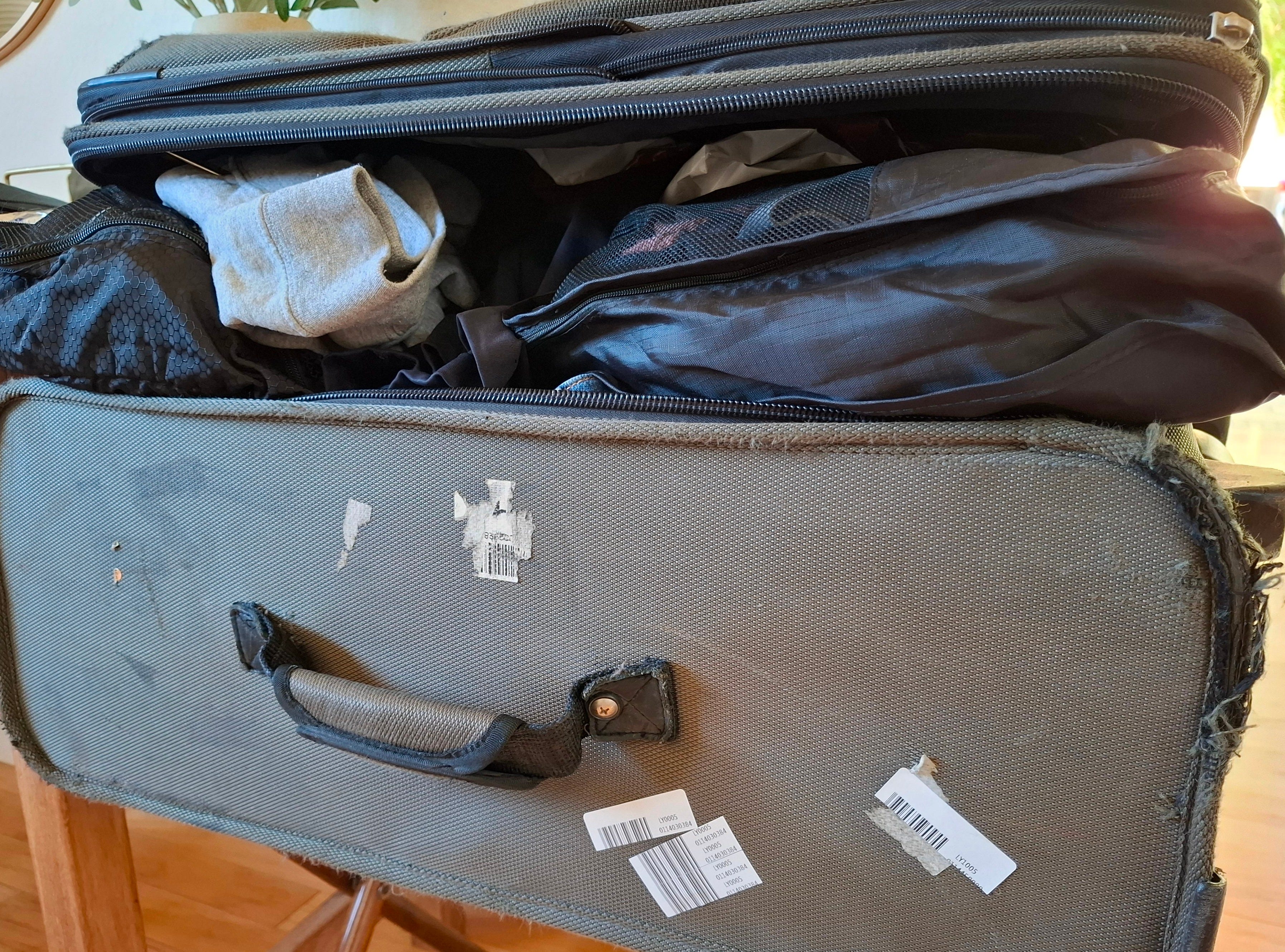
These are the push factors that bring some people to the always excruciating decision to pack up their lives into boxes and bags and trudge out into the world in the hopes of something better. I know it all too well from my many years of working with refugees and migration issues. But understanding it does not lessen the pain of it – neither for those who leave, nor for those left behind. And in so many cases, the people leaving are needed to help keep this place strong and decent.
One of the latest stories hit particularly close to home: that of Hagai Agmon-Snir’s decision to leave Israel, in a recent piece in Haaretz. Hagai is a long-time activist who has done creative, constructive, impactful work to make Jerusalem a better city, much of it under the auspices of the Jerusalem Intercultural Center (JICC), which he established in 1999. I first heard about the JICC when my husband, through his work at JDC, helped them obtain the seed funding which launched their efforts. The late 1990s was a still hopeful time that Israelis and Palestinians were on the path to peace - albeit a rocky path, and that Israeli democracy felt vibrant - surrounded, as we were, by so many people wrestling with the gaps between aspiration and a troubling reality. Hagai was one of those deep in there taking on problems and finding ways to do something meaningful about them.
As I read the article about Hagai’s work I was flooded by my own memories of the related events.
“He helped initiate the talks between the LGBTQ and ultra-Orthodox communities to let the Pride parade happen in Jerusalem.” How moving it had been at the time, when the gay pride parade was held for the first time in Jerusalem in 2002, under heavy police protection, despite fears that the Haredim would never permit it, to the celebration of many of our friends.
“He trained thousands of police officers in nonviolent methods in a city with a large Palestinian community.” I had been thrilled to hear about the police training program and had friends working on it. It was a hands-on constructive approach to preventing the tensions of this divided-united city from spiraling into greater violence.
“He spent dozens of nights in Zion Square to argue with youths from the far-right Lehava movement and prevent them from harassing Palestinians.” I found myself back in the summer of 2014, during that earlier war between Israel and Hamas in Gaza – which was so awful then, and now seems like the quick skit version of the drama of what we’ve dealt with for the last three years. The tensions of the time were felt on the city streets in Jerusalem, and Zion square felt like one of its epicenters. And then there was Hagai and others – taking to the streets week after week, talking, engaging, questioning the young people who were riled up for action and helping divert them.
“And he assisted in hundreds of tolerance initiatives, including a project that taught tens of thousands of Israelis to speak Arabic.” I was among them, taking my first beginning Arabic class at the JICC many years ago. A few years later my Arabic teacher, Suha, and I became parents together at Hand in Hand, and our sons were friends.
Hagai has done so much good for this city. His decision to leave is a blow. His reasons are the ones troubling so many of us. He was a tireless activist – until he couldn’t be anymore. He spoke up, stood up, showed up, again and again – until he couldn’t anymore.
There’s a framework for this, from the economist Albert Hirschman: when people are unhappy with an organization, a business, a country, they have two options. Voice — stay and push for change. Or exit — leave. Hagai used his voice for as long as he could. Now he is choosing exit.
So many of us have been choosing voice - actively participating in a million ways, protesting, social change work, fighting, writing, speaking out – to try to improve the situation here. The fact that the threat is two-fold – both an external threat from Hamas, Hezbollah and Iran, and an internal threat with the growing power of ultra-nationalist ultra-religious forces – makes it all even more challenging because we’re up against so much.
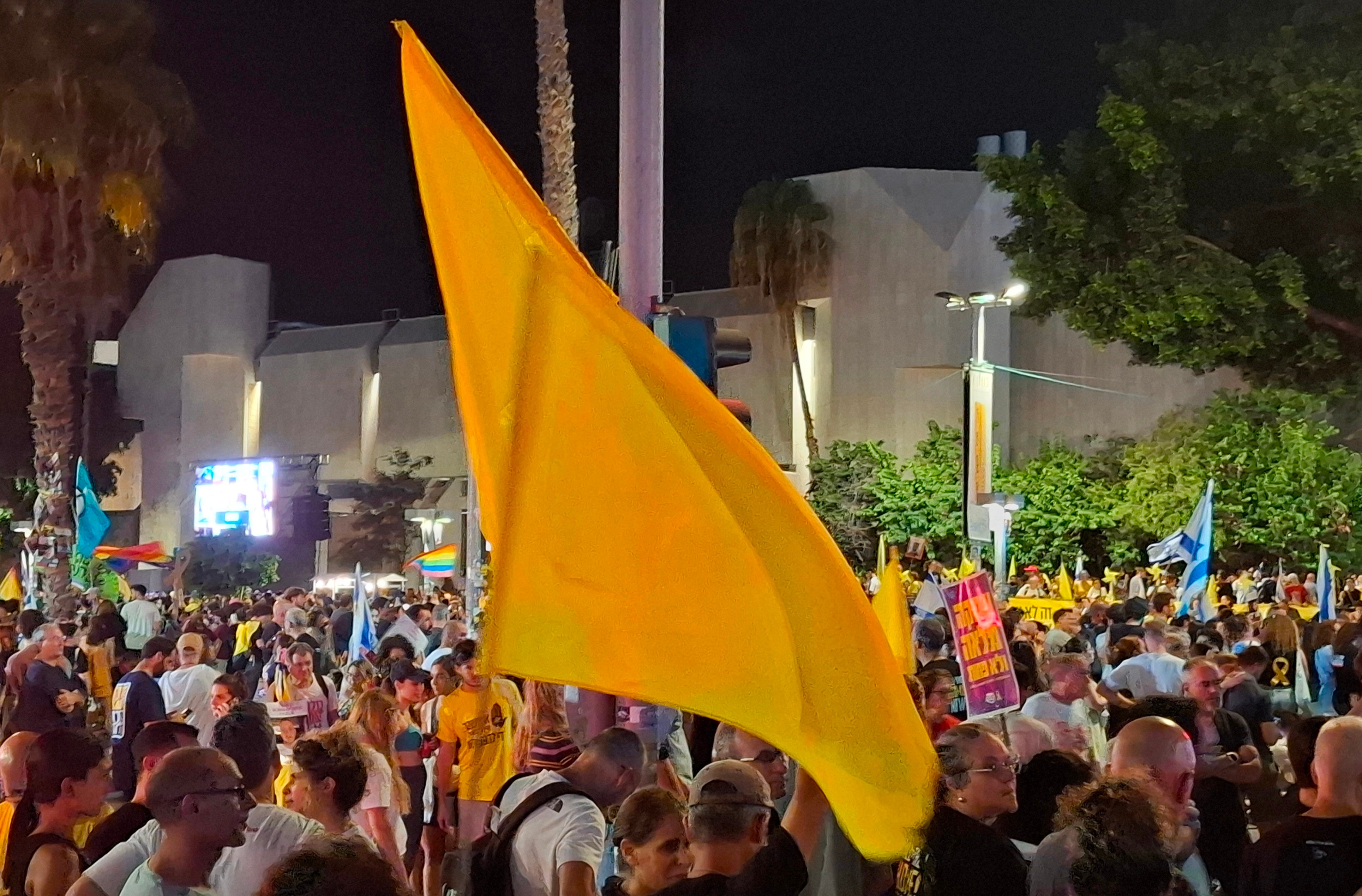
It’s exhausting. There’s only so much people can do to keep coping and pushing and trying and hoping. We’re all beyond exhausted and worn down. Just over the last week I found myself in several conversations with friends who teared up as they described how completely worn out they feel. Hagai is certainly entitled to step back. But for those of us who remain here, and are still trying to address the problems, it only makes things harder.
So I am trying to remember to focus on those who are here, and all that we are doing and need to do. One such example actually lies in the work that Hagai started. Even as he chooses to leave, he leaves behind a strong institution doing good work which makes a difference, as the JICC continues to be one of many still active players in Jerusalem.
Just a few weeks ago I had a chance to see some of it up close, at a conference JICC and its partners held on a community safety project in Jerusalem’s seamline neighborhoods, where some half a million Jewish and Palestinian city residents live alongside each other. The project brings Jewish and Palestinian community leaders together with city authorities and police to work through what actually shapes daily life there — parking, lighting, streets, parks, who uses them and how. The nitty gritty of life – and coexistence.
It’s just a glimpse into one little example of what people are still trying to do, even when things have become so overwhelming.
These are the stories I need. These are the stories we need. Stories about the people doing the work of change. Who are still rooted in their hopes for something better, and still trying to shape what they can around. Who are still finding the words and ways to try to improve things.
No posts
Comments
Nothing yet. Say the first thing.
Sign in to join the conversation.