

When I was sixteen, my friend Jenae and I used to park my 2005 Pontiac Grand Am in the lot of an Albuquerque skatepark and watch the boys skate.
We never got out of the car. Not once. We just sat there, windows cracked, pretending to look at our phones while my crush — a boy named Sam — rolled back and forth.
And that was enough.
I didn’t know it then, but this was the start of a long, informal research study on skater boys — one I would continue into adulthood, mostly against my better judgment.
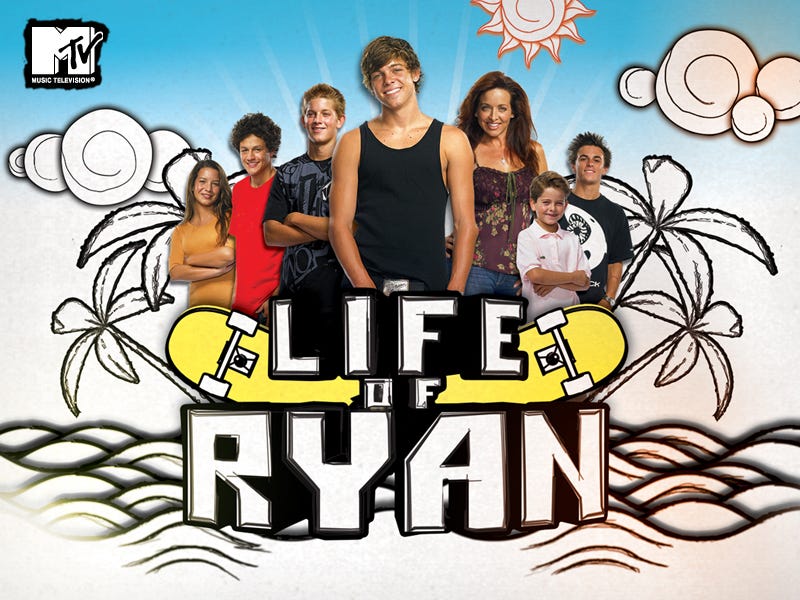
My interest in skater boys did not stay in the Pontiac. Unfortunately, it followed me into my twenties, where I discovered that the distance between “mysterious” and “emotionally unavailable” is roughly the width of a skateboard deck.
After several accidental case studies, a few patterns emerged: texts sent only after sunset, plans treated as ‘concepts,’ and a lifelong exemption from committing to anything that isn’t their board.
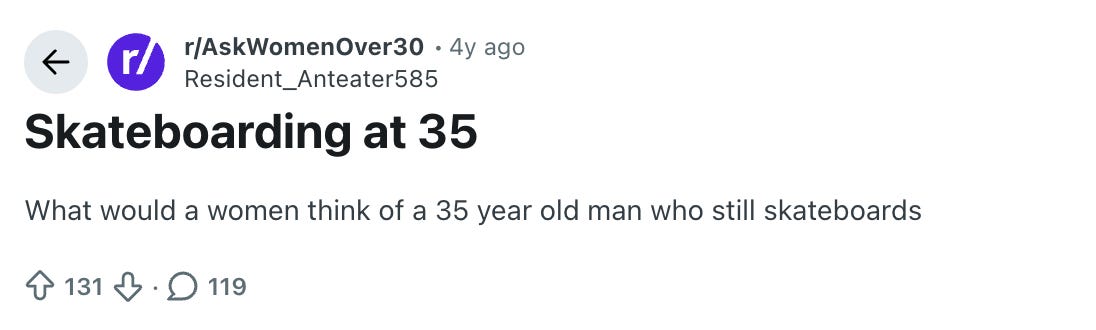
At one point, I genuinely believed men over 30 should not be allowed to skateboard — not for safety, but for the well-being of all women.
That was supposed to be the story. A simple, petty PSA.
But then I remembered my Pontiac. And Sam doing small acts of gravity defiance while two girls watched from inside a car with the AC blasting.
So instead of writing a takedown, I conducted an investigation to understand the skater boy.
I spoke with several subjects: a skate videographer, one former skater boy, a woman whose dating history qualifies as fieldwork, and a guy from my high school who had absolutely no idea we were ever watching him from the parking lot.
All anonymous. All surprisingly cooperative.
Interview 1: The Videographer
This interview began the moment I stepped into an East Village skate shop for the premiere of my his new skate film — I was in the belly of the beast and wasn’t sure I was ready. Ryan and Stacey joined as witnesses.
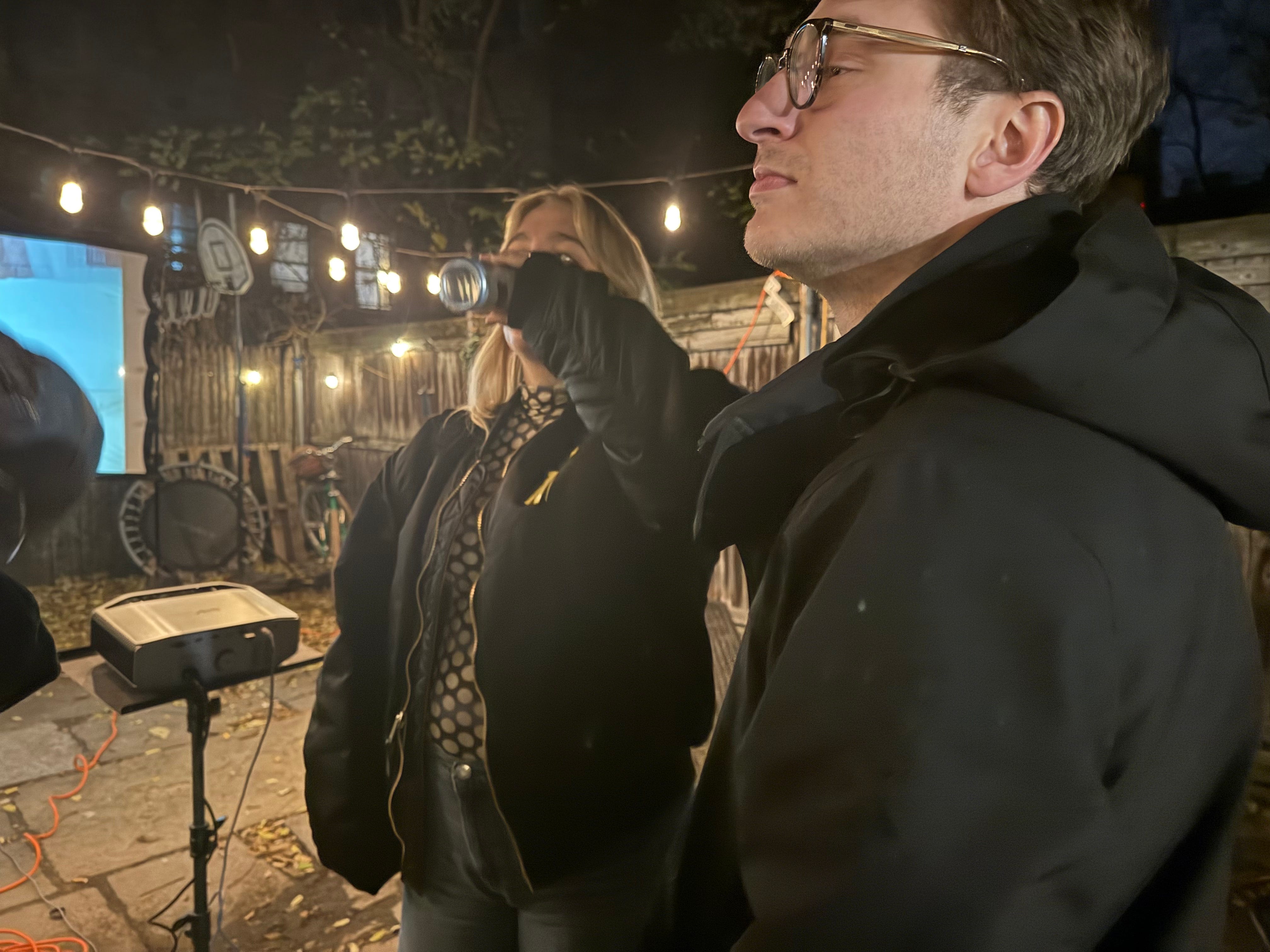
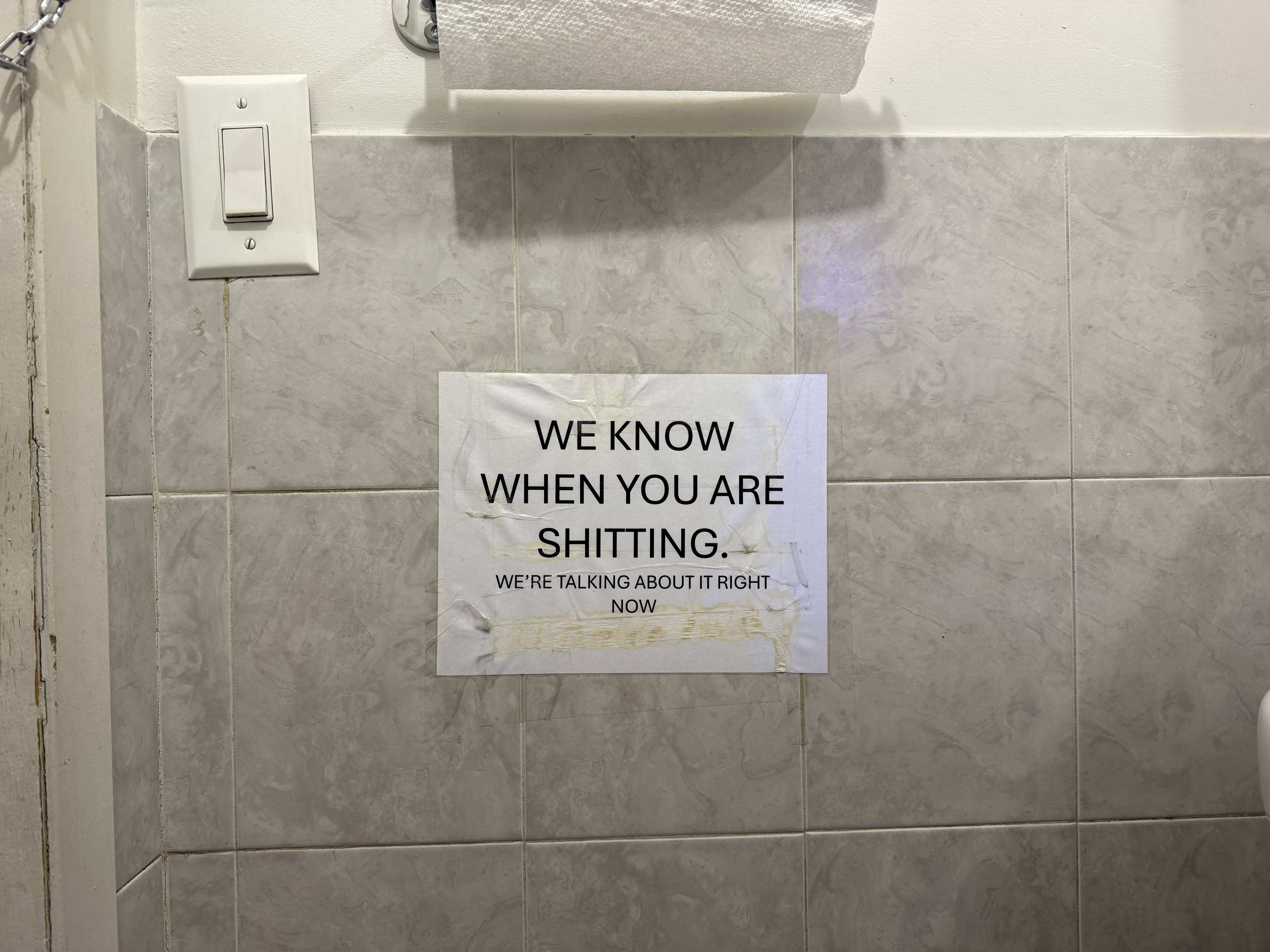
Inside, the room was full of skateboards, a concerning amount of Carhartt WIP, and wardrobes that could power a dream Depop shop for years. A sign on the bathroom door read “We Know You’re Pooping,” which felt like the perfect thesis statement for the evening.
My first subject has been skating for more than half his life. According to him: “Skateboarding accidentally became my whole life.”
A charming sentence, until you remember it’s being said by someone old enough to have a 401(k).
When asked about dating, he described his romantic landscape as: “Hopeful? Inconsistent.” A combination normally associated with weather.
He also acknowledged that yes, skating affects relationships: “My partner will likely never be my primary focus as long as skateboarding is in my life.”
According to him, any partner must accept that they may never outrank the skateboard.
He listed common skater stereotypes — selfish, scared of commitment, financially irresponsible, lacking hygiene — and dismissed them as “not universally true.” Which is fair, but the specificity of the list suggests he has personally met every man who fits it.

Beautiful, really.
Interview 2: The Ex-Skater Boy Adult Who-Still-Sometimes-Skates
This subject wishes to clarify that he has not “stopped skating,” he simply “skates less.”

He still keeps up with the culture, still critiques skate videos, still hands decks to teenagers. He just no longer spends five hours trying to land a trick.
According to him, skating shaped:
his worldview
his creative instincts
his tolerance for pain
his inability to accept authority
and presumably, his joints
He rejects the stereotype that skaters have no drive. In his view, skaters are extremely driven — just not necessarily toward activities that generate income, build stability, or create long-term romantic relationships.
He describes skating as “obsession,” which feels accurate.
He describes past relationships as “obsessive,” which also feels accurate.
He describes the combination of both as “challenging,” which is the understatement of the century.
But his main point was simple: Skaters are not lazy.
Skaters are exhausted from caring too much about something the rest of the world refuses to take seriously.
Interview 3: The Serial Skater Dater
This subject was raised in the scene, dated in the scene, and approaches it with true expert-level insight.
She confirmed several patterns, including but not limited to:
skaters centering their lives around “nothing is that serious”
skaters being emotionally unavailable unless the emotion is “stoked”
skater communities functioning like cults, complete with customs, rituals, and spot coordinates
gifts that are actually free product from sponsors
a non-zero probability he’s also messaging multiple women with the same name
According to her, partners of skaters often become accessories to the skater’s world — like tote bags, how cute.
Her official advice for dating a skater: “Have a strong identity, or else you will be absorbed into theirs.”
Her unofficial advice: “You may have to check their phone. Or don’t. Depends on your tolerance.”
Her summary of the skater boyfriend archetype:

Chef’s kiss.
Interview 4: The Skater I Knew from High School
This subject was someone I once watched from the safety of my Pontiac.
His recollection of high school skate culture made me a softie. He described it as “a tight crew,” “three generations,” and “super sick.”
(Notably absent: noticing two girls sat in a car conducting an unauthorized long-term behavioral study.)
Socially, being a skater meant nothing to him. He just liked riding his board.
He did not think the group was cool. He simply thought his friends were cool — which is arguably the cutest possible POV.
When asked about crush culture, he confessed “I liked this one girl so much it was insane. I also liked when you talked to me. No girls ever talked to me.”
His testimony revealed something no one ever mentioned:
Skater boys are often just shy, earnest children with asymmetrical haircuts.Not rebels. Not heartbreakers. Just boys who want to land a trick and maybe impress Ann Jaramillo.
This was the crack in my thesis.
At this point, the data began to conflict with the hypothesis.
I entered this investigation prepared to indict an entire group of men. Instead, what emerged was a portrait of guys who:
are deeply about one thing
fall down a lot
get back up a lot
express affection through video links
and are, for reasons still unclear, extremely bad at communication
The problem wasn’t “skaters.” The problem was that I had confused a pattern with a personality type, and a personality type with a universal truth.
My nostalgia and my heartbreak had simply been sharing a bowl, grinding the same coping mechanism back n forth.
When I think back to Albuquerque now, I don’t picture the heartbreaks that came later. I picture the Pontiac. I picture Jenae. I picture Sam doing the same trick five times in a row.
I picture the sweetness — not the stereotype.
Because the truth is this:
Skaters aren’t emotionally stunted Peter Pans. They’re just people who found something that made them feel brave and never let go of it. And honestly? I get it.
Growing up is hard.
Skating is hard.
Dating is hard.
We are all just trying to land something.
x
Catch ya next time.
No posts
Comments
Nothing yet. Say the first thing.
Sign in to join the conversation.