
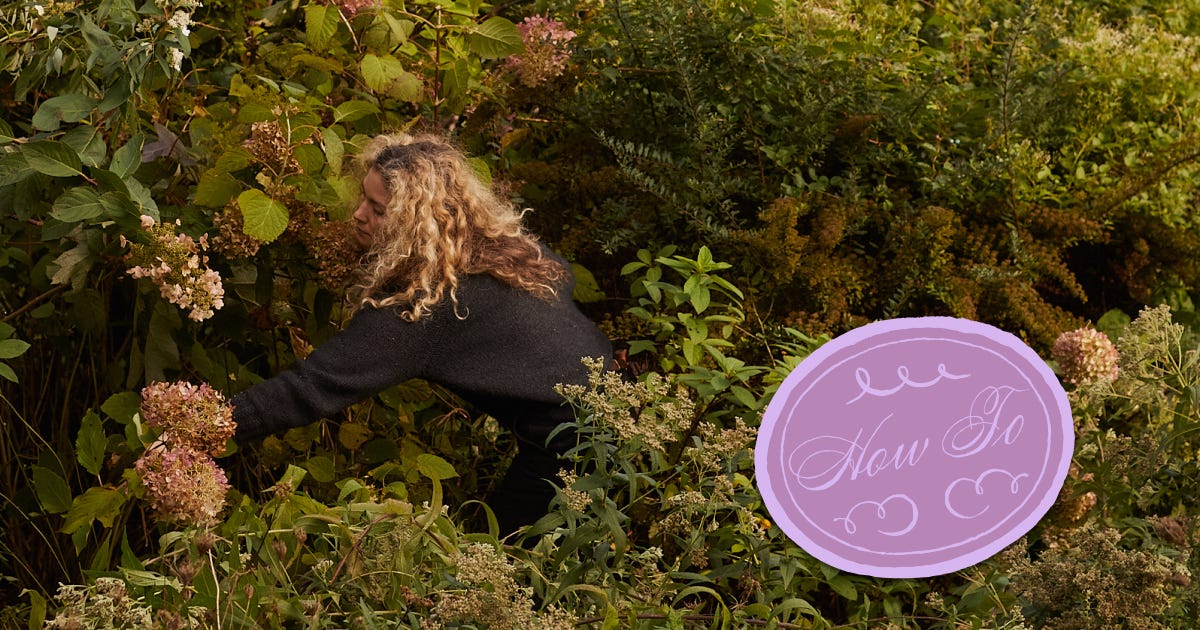
Alex Crowder is a New York–based florist and the founder of Field Studies Flora, a design studio known for its rigorous approach to plant work, grounded in horticultural knowledge, environmental responsibility, and a deep sensitivity to material. Her practice moves fluidly between ecological inquiry and creative discipline, with a focus on expanding conventional definitions of flora and rethinking the systems that support the floral industry.
Her work has been featured in publications including Vogue, Cultured, The New York Times and Architectural Digest, among others, reflecting a growing influence at the intersection of floristry, ecology, and contemporary design.
Today, she walks us through how to “forage” right in your neighborhood.
Go Outside and Meet Your Neighbors: Most people, when asked to list a few plants growing within a mile of their home, have great difficulty recalling the names of their most verdant neighbors. What are wildflowers near the mailbox called? Or the ancient tree at the end of the block? Who is that resilient sprout that continues to appear right outside your doorstep?
Every one of us, if we venture outside our front doors, will pass by countless members of the plant world. Whether we notice them or not, both cultivated and wild varieties grow all around us. As someone who has dedicated my life to the practice, I can attest that spending time noticing the natural world is time well spent.
Field botany begins not in a meadow but with the decision to actually look at those enterprising plants that seem to thrive where nothing else does, like from a pothole in the asphalt. In most of the northern hemisphere, that opening in the street contains Oxalis stricta — yellow wood sorrel — a plant with clover-like leaves and a sharp, citrus bite that most of us have eaten (by accident) and few have recognized. It’s perfectly edible, abundant beyond any reasonable need, and encouragingly tenacious. There are many books that help with plant identification. Even handier, I often use the app PlantNet to help me identify and learn.
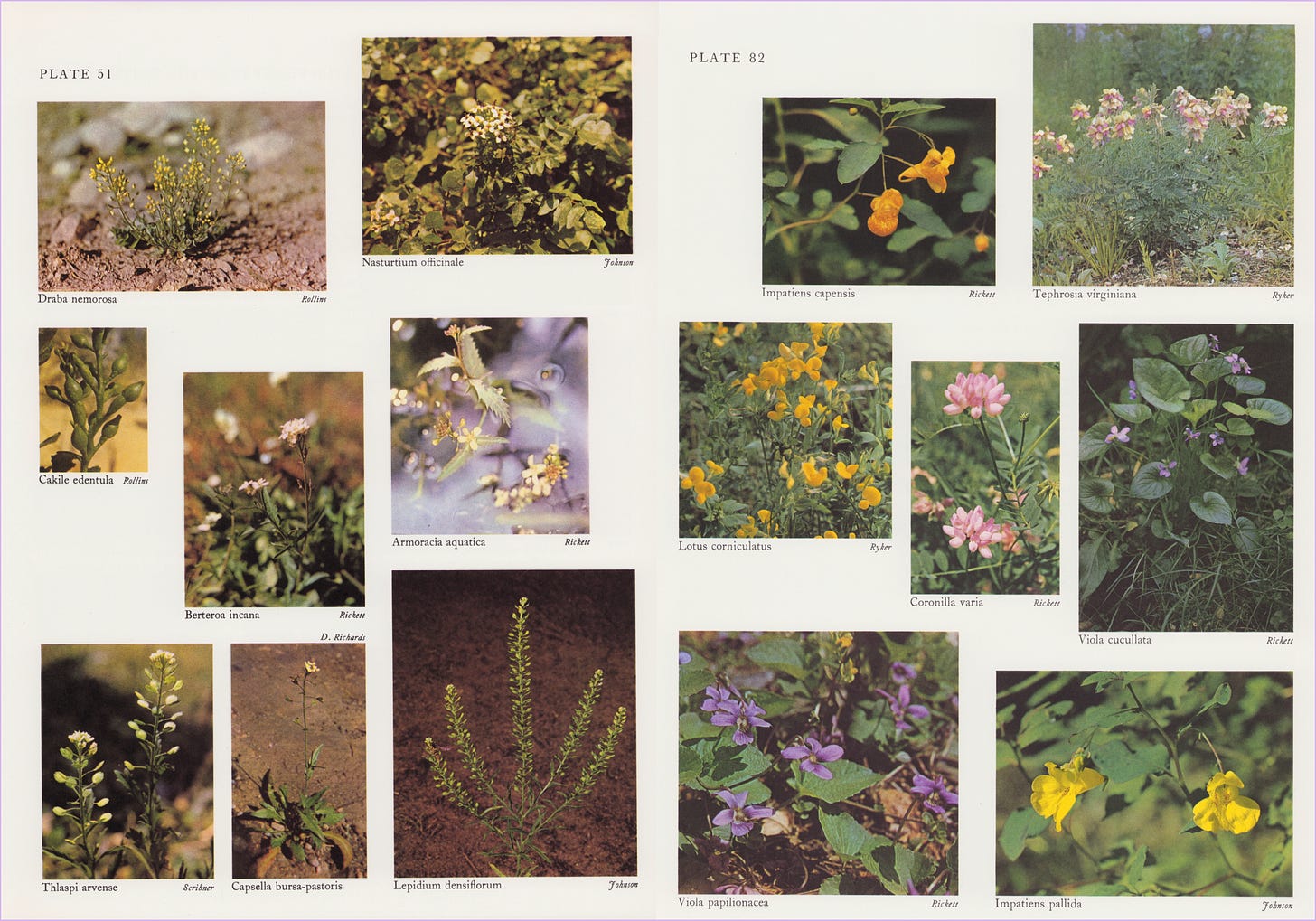
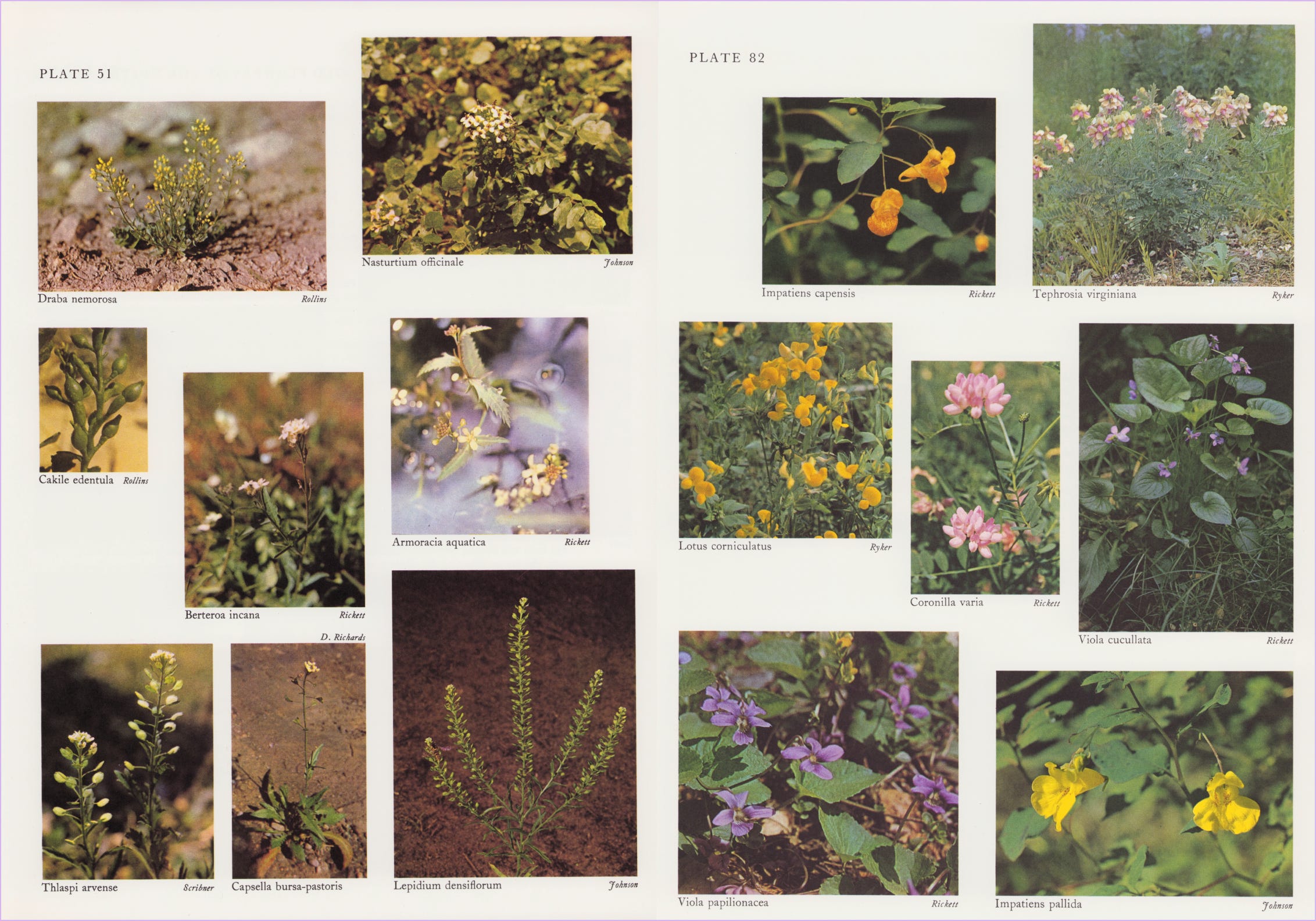
Scanned pages from Wild Flowers of the United States: The Northeastern States
There Are More Than Four Seasons
If you begin to observe your plant neighbors for longer than a few weeks, you’ll notice tiny and often not so tiny shifts each week. Within summer, autumn, winter, and spring there are microseasonal shifts that are wonderful to witness. The observation and record keeping of microseasons can be traced back to Ancient China. Known as the 24 solar terms, they have been so elemental in international understanding of seasonality that they have been added to UNESCO’s list of Intangible Cultural Heritage. This understanding made its way to Japan in the 6th century, and in both cultures’ seasonal studies, each term is divided further into three chapters, totaling 72 microseasons. Each microseason is given a wonderfully poetic name — for example, August 13–17, “Evening cicadas sing,” or November 2–6, “Maple leaves and ivy turn yellow.”
The study of when things bloom, fruit, and drop is called phenology, and learning it for your specific place, takes time. It also shifts from year to year, particularly during this time of such rapid climate fluctuations. As I write this, New York has just moved through another punishing heatwave, and the smoke from the wildfires in Canada has swallowed the city, and much of the northeast, in a sickly smog. As the climate changes, so will our seasons and our understanding of local phenology, and I find it more important now than ever to understand and note these shifts. How are we to repair what we do not see?
Parameters Are Good
Some of my best work has come from working with strict sourcing parameters like a small procurement radius or a monochromatic color palette. When foraging, it’s crucial to also understand others’ parameters or boundaries. Never take from someone else’s garden or land without asking permission of the land steward. You might be given a gift rather than a harvest, which is its own special procurement. I love learning what a garden friend thinks is exquisite over my own biases.
Think more broadly than human scale — we share an ecosystem with many other living creatures who depend on the plants for survival. The waxwings are coming for the serviceberries the same week you are. This isn’t a reason to refrain entirely, but be mindful of what you take. We are one part of a whole. The difference between someone who forages and someone who strips a ramp patch to bare soil isn’t technique; it’s their point of view.
Most importantly, if you find something rare or scarce, leave it. I like to prioritize ingredients that are abundant at the time of cutting. Right now we’re using a lot of Queen Anne’s lace, vetch and teasel.
Search Out the Overlooked
Try to widen your gaze. Weeds that have volunteered in your garden, the prunings from a tomato plant weighted with fruit, grasses that have begun to dry in the hot sun, a branch fallen from the storm the night before, kale from the farmers market, clippings from trimming a flowering bush — these are all ingredients that fall outside typical floristry and ones that I have used in my arrangements. The organizing principle is: look for plants that others aren’t seeing! Making an arrangement is a lot like creating a collage. The whole is greater than the sum of its parts, and the more interesting the parts, the greater the whole.
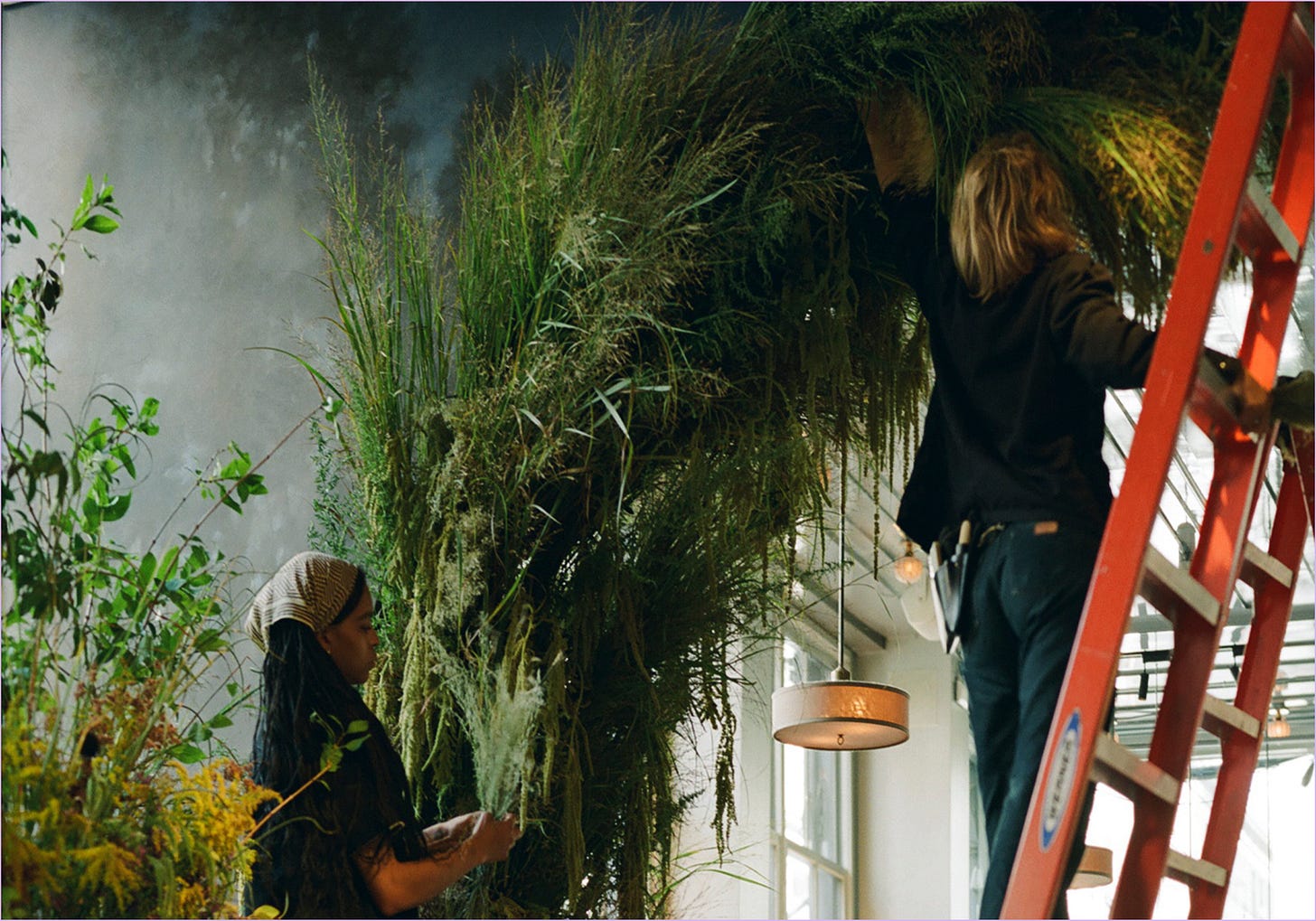
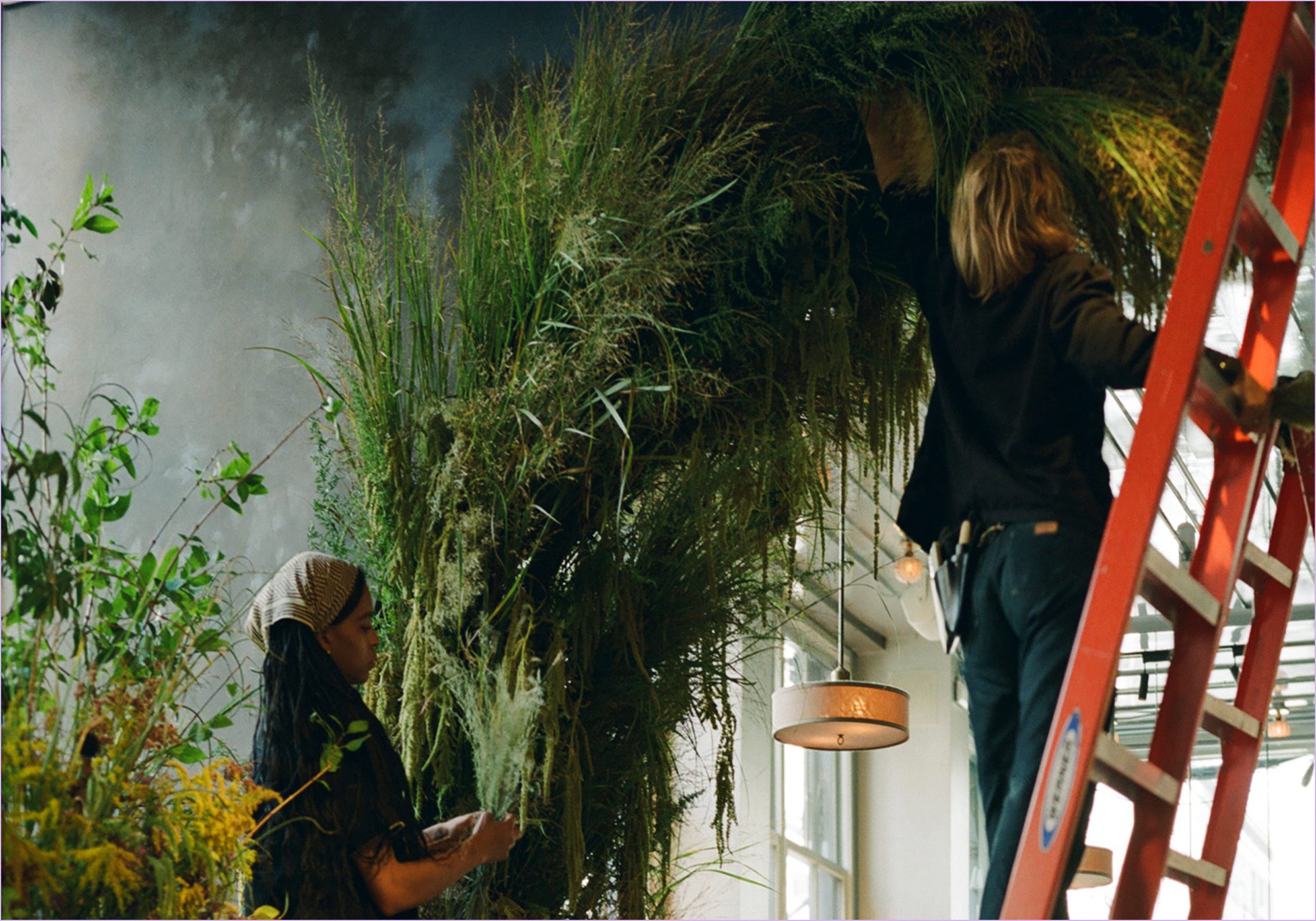
Field Studies Flora arranging an arc at La Mercerie Say Thanks
There are many ways to show gratitude toward the earth for the beauty and bounty it has provided us. Indigenous cultures around the world view gratitude as a key piece of reciprocity with the earth, often saying thank you directly to the land or leaving gifts of appreciation. Saying thank you to the place where you have sourced flora helps remind us that we are not alone on this planet; we exist alongside many other living things, and our livelihood is bound up in each other. We need to remain grounded in a mindset of collaboration instead of ownership. For me, this practice of considered collaboration guides my daily choices. Saying thanks can also extend beyond verbal acknowledgment, such as volunteering at a local farm or garden or donating to an organization working to restore balance to our planet.
August is a beautiful time to gather both flora and friends. It’s the peak of our bounty in the Northeast. Fruits bursting with juice (I’m conjuring images of fat tomatoes and stonefruit) sun bleached grass, too many wildflowers to count, and evenings filled with cooler air and frog-song. I feel like a child, running through the fields again hoping against all odds the long days of summer never end. Admiring the subtle changes in the color of grass and finding sanctuary in the shade of giant trees. It’s also one of my favorite times of year for our work.
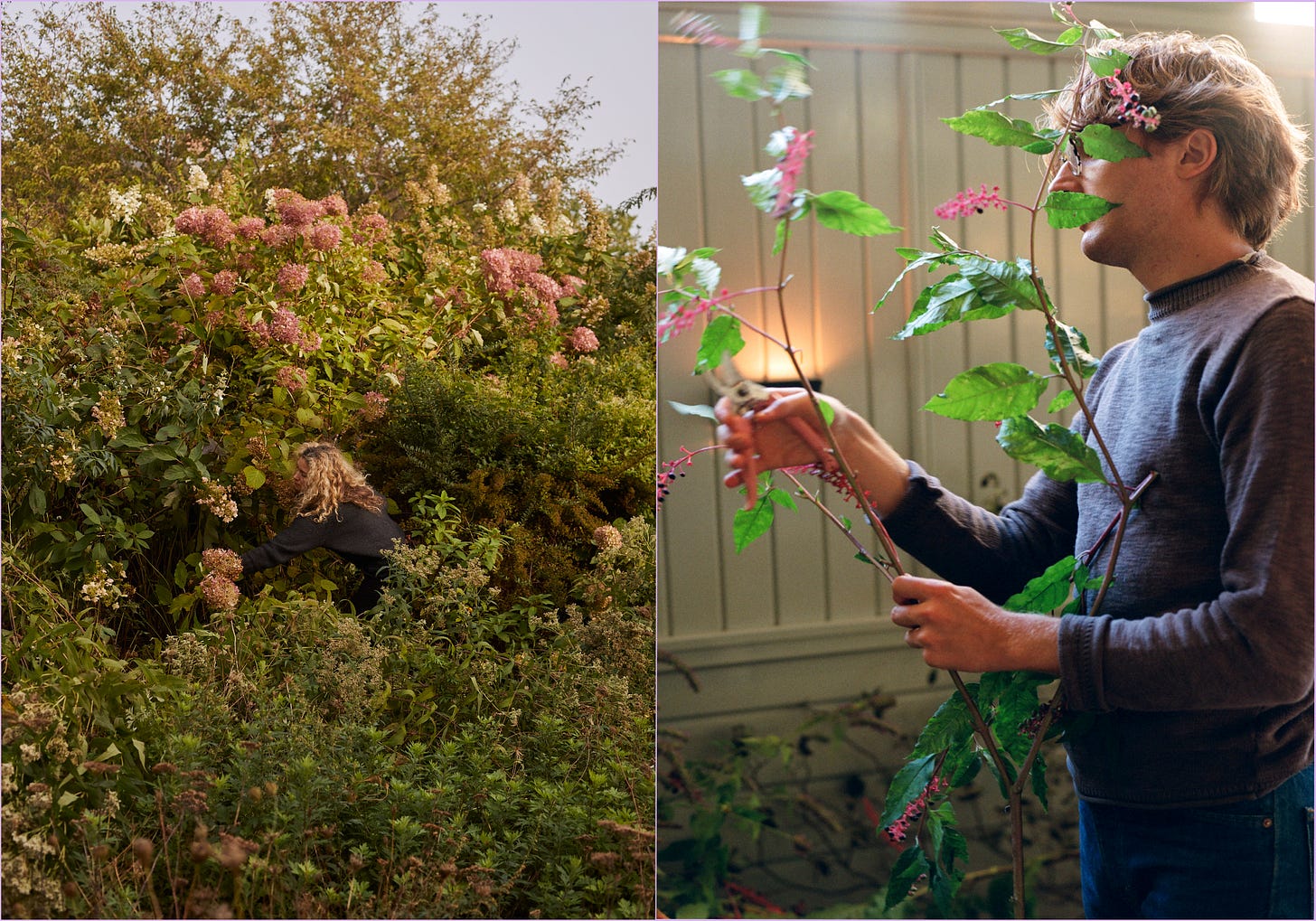
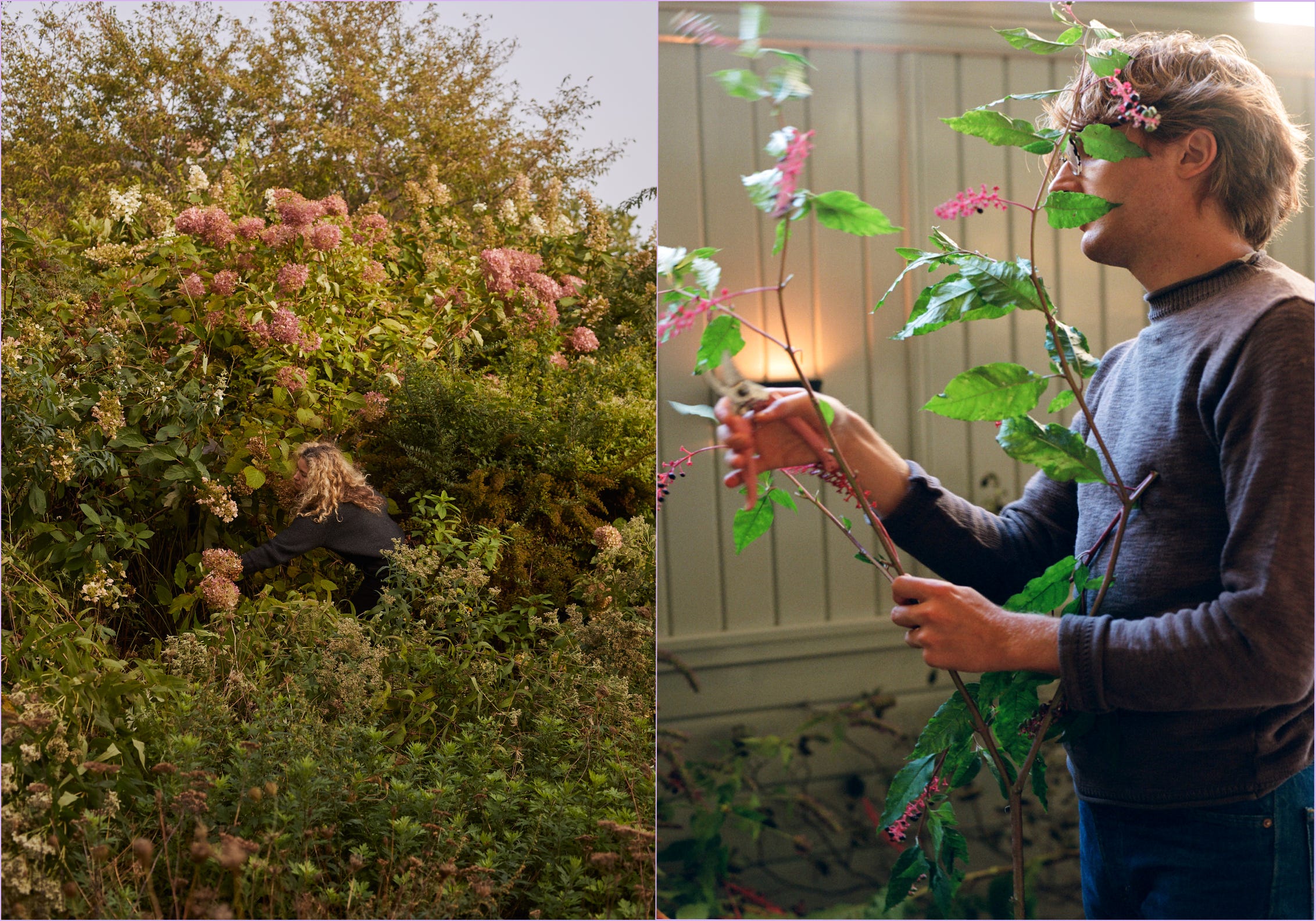
To enquire about working with Alex, email studio@fieldstudiesflora.com
Please note: this interview has been edited for length and clarity.

Today’s etiquette lesson offers some wonderfully blunt responses from Miss Manners on the proper etiquette for paper napkins and carryout boxes. From “Miss Manners’ Guide to Excruciatingly Correct Behavior” by Judith Martin (1982).
We hope you enjoy them as much as we do…
Dear Miss Manners: Why can’t I use paper napkins — the heavy kind — at a dinner party? They look all right, do the job, and it’s more practical to be able to throw them away instead of cleaning them, but some people are fussy about them.
Gentle Reader: The identical claims are made for paper underpants. How come you don’t wear them?
Dear Miss Manners: What is the proper way to serve carry-out Chinese food or pizza? I don’t want you to think that I don’t know how to serve a proper meal that I cook myself, but what about impromptu gatherings, when you just send out for something? Should I try to pass it off as mine — which is difficult if everybody hears the doorbell ring when it’s delivered — or should I just put it out the way it arrives?
Gentle Reader: Many Americans are under the mistaken impression that small paper cartons with metal handles are correct serving dishes in China (or Taiwan), and that large flat cardboard boxes are in Italy. Transfer the carry-out food into your own serving dishes. This does not imply you cooked it yourself. The cow gets credit for having produced the milk, even if it is put into a glass before serving.

Our favorite florists to spruce up any special moment.
Comments
Nothing yet. Say the first thing.
Sign in to join the conversation.