
Consider your gut reaction to this statement:
There are 134 days remaining in the year.
As of this writing, we have 134 days left in 2026. 134 days to decide how we will close out the year, what we still want to accomplish, and what we will say when we look back on 2026 overall.
If your reaction involves a bit of freaking out at how quickly time flies, I’m right there with you.
But if you’re freaking out because there’s not enough time to make 2026 meaningful, to achieve a top-priority goal, or to accomplish what’s truly important to you, fear not - that’s what today’s article is here to address.
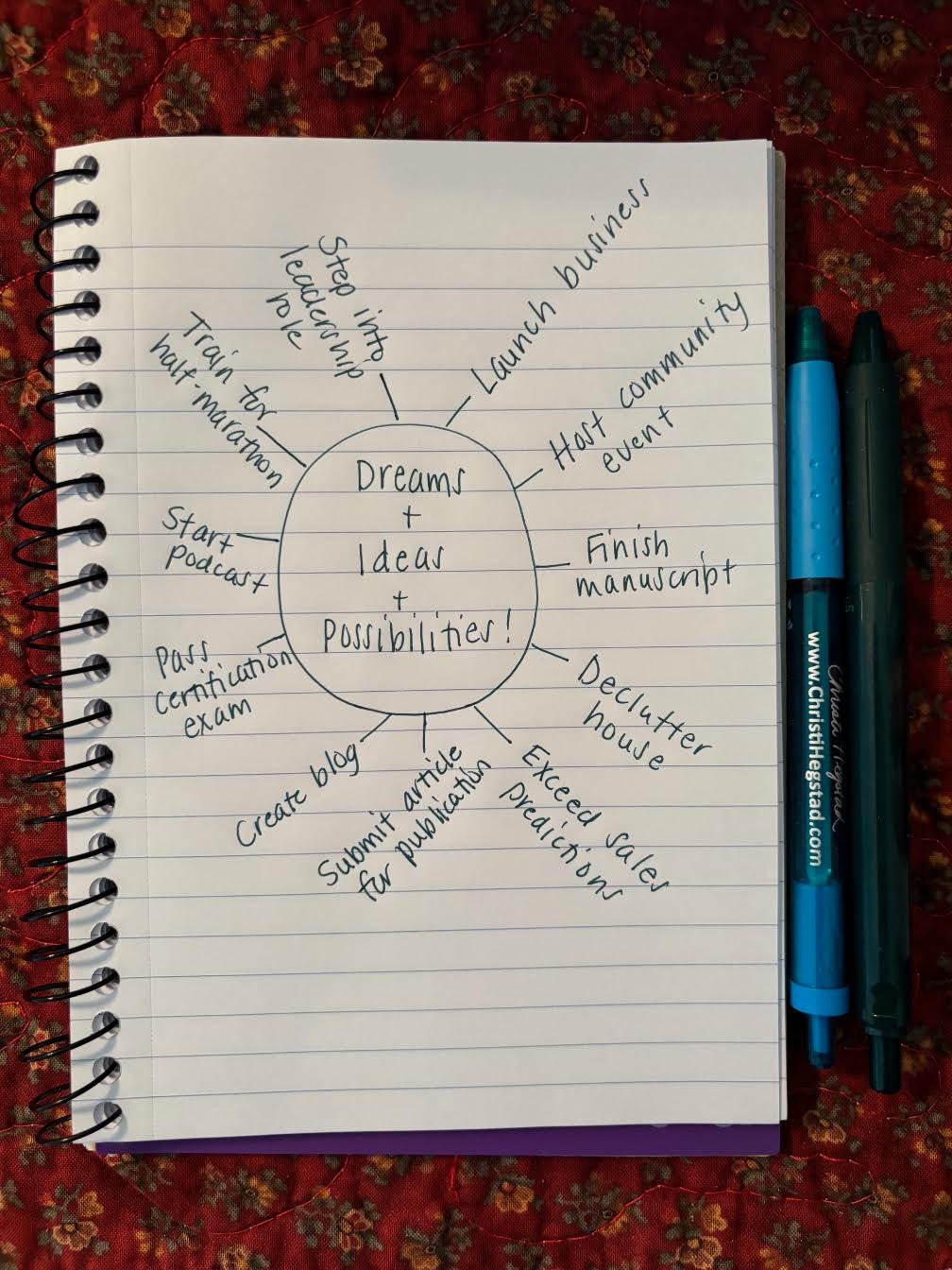
134 days is still plenty of time to achieve a bold and meaningful goal. I often work with clients for an even shorter time frame (90 days) and have coached them to really profound achievements: launching a business, hosting an event, successfully stepping into a leadership role, finishing their book, starting a podcast, increasing their revenue, growing their team, fundraising for an important cause, designing an employee engagement initiative, and so many others.
It’s astonishing what we can accomplish when we decide what matters most and set our minds - and actions - to it!
So if you have a goal or project you want to accomplish in 2026, there’s still time. 134 days is nothing to sneeze at! But I’d also suggest setting it into motion sooner rather than later. These five steps can help you start strong - and finish the year stronger.
Vague and fuzzy goals tend to lead to vague and fuzzy results. When you know exactly what you are moving toward, the actions to get there also become much more clear. Consider the differences in each of the examples below:
“Grow my business” … or … “Enroll 20 new clients and serve them exceptionally well.”
“Write a book” … or … “Complete a 70,000-word draft via a consistent daily writing practice.”
“Be happier” … or … “Pursue at least 5 concrete ways to help enhance my well-being.”
Getting really clear on your goal may take a moment, but it will be time well spent - and will likely save you time (not to mention frustration) in the long run.
Once you’ve clarified what you’re moving toward, don’t fall into the ‘set it and forget it’ trap. Take a moment to decide a few milestones along the way to help you assess your progress and course-correct when necessary.
I like to reverse-engineer my milestones, taking the end goal and working backwards from there. I encourage you to give this a try, too; it can provide helpful perspective and also prompt you to look at your goal from different angles and time frames. For example, using one of the examples above, if you set the goal to enroll 20 new clients by the end of December, what will that look like at the end of November? End of October? End of September?
Side note: Without getting too deep into the weeds here, keep in mind your milestones don’t just have to be the goal broken into equal parts (ie, five new clients per month for four months). You might incorporate a variety of touchpoints into the mix: the number of functions you’ll attend to meet new people, by when you’ll have hired your coach, how frequently you’ll share helpful videos or host informational calls, or how many branded gifts you’ll distribute to spread some joy while getting your name out there, for instance.
Your goals can be much more robust, creative, and enjoyable than simply setting a number and dividing it into equal segments.
Have you ever heard of Someday Isle? I’ve mentioned it in workshops for over 20 years and it’s as prominent now as it was way back when. I think of Someday Isle as the place where all those ideas and good intentions go - often indefinitely - when we dream them up but then don’t take any further action. Think of Someday Isle - or, as it’s more commonly recognized, Someday I’ll - in this context: Someday I’ll … apply for the leadership role. Declutter the office. Sign up for the half-marathon. Enroll in the certification program. Hire the coach. Finish writing the book.
One of the best ways to prevent your goal from landing on Someday Isle - or to bring it joyfully back home if it’s hung out there long enough - is to pull up your calendar and start assigning dedicated time for it.
Begin by honestly assessing how much time you think the goal will require. Then double that. :-) Then start blocking time on your calendar solely for this goal, and honor that time like you would a doctor’s appointment. (Blocking the time and honoring the time are two separate activities, as we discussed earlier this spring. Commit to becoming a pro at both.)
Depending on the nature of your goal, I’d suggest dedicating at least a weekly session to it. Many of my clients find Friday a great day for this, such as a two-hour block on Friday mornings when they are less likely to have conflicts or interruptions appear, but do what works within the realities of your schedule.
Prior to each reserved time block, decide what you will walk away from that block having completed. Like we discussed above in #1, vague goals tend to lead to vague outcomes - and the same goes for time blocks. Consider these examples:
“Work on book” - vs. - “Complete the draft of chapter 4.”
“Plan workshop” - vs. - “Create the outline for the first 90-minute workshop segment.”
“Prepare podcast” - vs. - “Generate a list of questions to ask the guest, then prioritize the top five.”
I like to define my time block when I conduct my weekly planning session, which usually occurs on Sundays. I’ll reflect on what I’ve accomplished with the goal already, determine the next step that I can complete within my time block, then label the block with that outcome.
This seemingly small step will help you make better use of your time, as you won’t spend the first 20 minutes of your block trying to decide what to do and the next 20 minutes gathering the necessary supplies to do it. A bit of forethought goes a long way.
Look again at your goal. Why does it matter to you? Why does it matter now? What will look, feel, and/or be different once it’s achieved?
Check to ensure your answers compel you into action. A goal rooted in your values and purpose will likely serve you better (and be much more motivating) than, for example, one you’re only doing out of a vague sense of ‘should’ or some random societal expectation.
Once you’ve walked through these five steps, you can devise your detailed achievement plan, note your one-off and routine actions, and set it all in motion. Achieving bold and meaningful goals is my area of expertise - not to mention my great passion! - so if you’d like help with any of this, please contact me (see below) about coaching possibilities.
So, what will you focus on in these next 134 days? What will you be able to say at the end of the year with a true sense of meaningful achievement? What will make you look back at 2026 with satisfaction, contentment, and delight, knowing you did what you set out to do?
And what will you do today to start making it happen?
****************
Dr. Christi Hegstad is a Professional Certified Coach (PCC) specializing in meaningful work, purposeful living, and achieving bold + difference-making goals. If you’d like expert help crafting your goals and action plans for meaningful achievement, you can learn more about coaching here or send an email (ReadingAndPurpose[at]gmail[dot]com) to discuss possibilities.
Thank you for being here!
No posts
Comments
Nothing yet. Say the first thing.
Sign in to join the conversation.