
My family and I are fans of The Pitt. In its second season, the HBO show depicts one shift at an overwhelmed emergency department in Pittsburgh. Each episode is one hour in that shift. The day the creators choose to tell the story around is, of course, quite dramatic. In this second season/shift, there is a power outage due to a cyber attack, a collapse of a slide at a water park, and it’s the 4th of July.
Possible spoiler alert, if you plan to watch the show but haven’t yet…
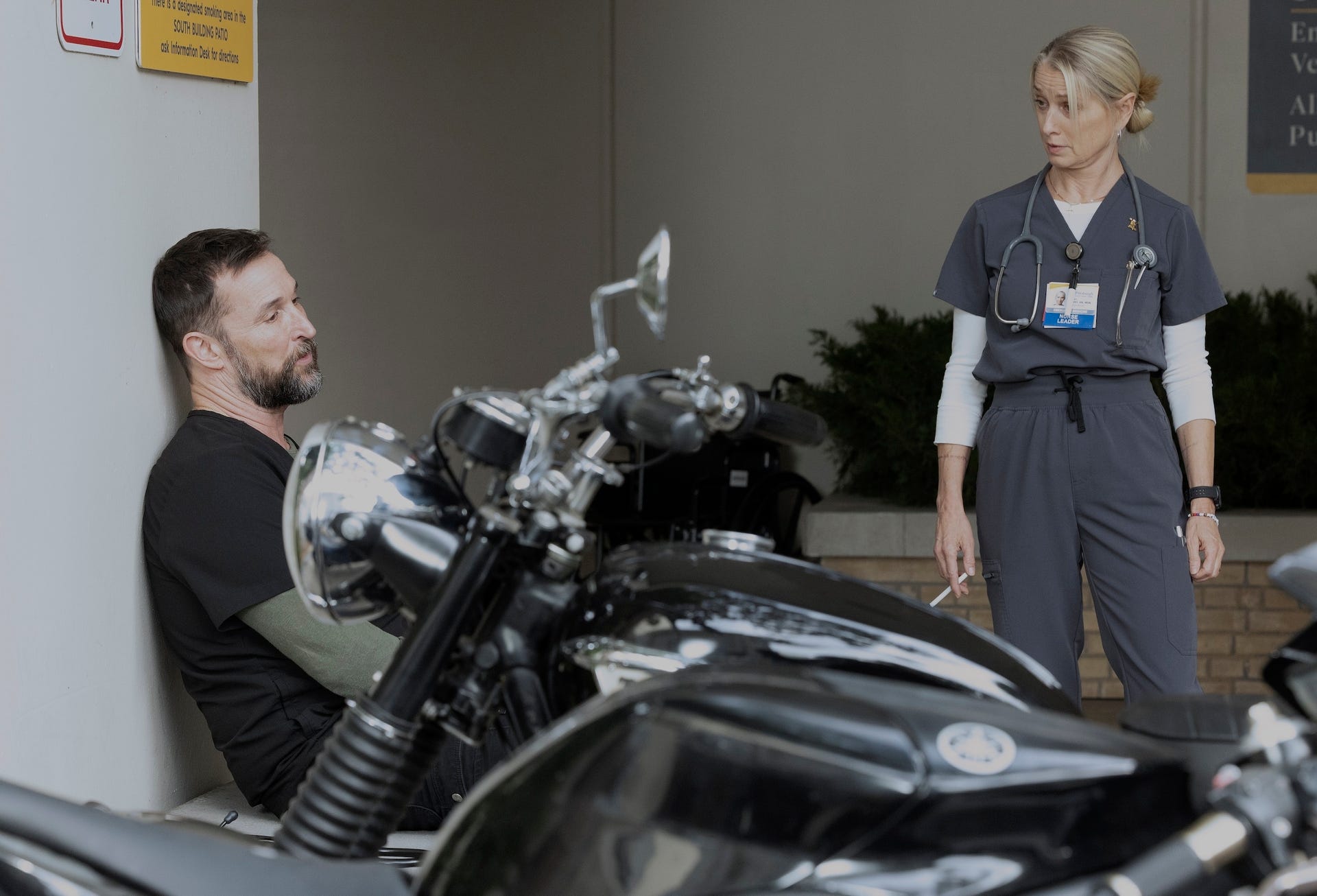
In one of the most recent episodes. Nurse Dana (Katherine LaNasa) confronts Dr. Robby (Noah Wyle) about why he hasn’t left yet. He is taking a three month motorcycle sabbatical to avoid burnout, yet is hanging around hours after his final shift leading the emergency department (ED).
At first, Dr. Robby states that he can’t trust that the emergency department is not going to fall apart. "I’m just making sure the handoff is clean. I don't want to come back to a mess I have to fix." Nurse Dana calls him out on this, noting that the ED is still running in between his shifts.
Dr. Robby later opens up to his motorcycle buddy, Duke. "I have purpose in there. I can be distracted in there.” By omission, he also admits that he has no purpose outside of his role leading the emergency department.
What makes this scene, and this show in general, so relatable is you don’t have to be in the medical profession to understand what Dr. Robby is going through. A dysfunctional system that asks so much of individuals at the expense of their own well-being is universal.
Recently, I came across a social media post from a classroom teacher. They shared their situation:
28 students, with over half of them having some level of social, emotional, and/or academic need beyond what universal instruction provides.
Higher-than-average levels of poverty (50%-70%) represented in the classroom.
Professional development that reminds teachers to see problematic behaviors through a trauma-informed lens, yet doesn’t provide adequate support.
I can remember similar experiences as a principal, for example arguing against reductions in support staff in my school while another school in the same district was making plans to renovate their athletic complex.
I don’t have great answers or solutions for these types of situations in education, just as Dr. Robby knows at some level that a motorcycle sabbatical is just a distraction from the bigger issues that will be there when he gets back. However, I do have some thoughts on how we might reclaim some of our humanity and identity outside of our profession. Sometimes, I even apply these ideas with consistency.
As a principal, I put a lot of pressure on myself to have our school “look good”: high-quality student writing on the walls, clean floors, a well-curated selection of books in the school library. All these outcomes are important, but I also didn’t leave a lot of room for the process of learning. Mistakes weren’t always valued. The pressure I felt to perform, especially on standardized tests, translated to stress on the teachers.
A healthy question to ask ourselves when the pressure feels too high is “What is good enough?” Not in five years, but right now. This involves being aware of where our students and staff are at right now in terms of skills and level of commitment, and paying more attention to progress and effort toward our long-term goals.
One of the many benefits of instructional walks as a principal was it gave me an excuse to get out of the office. I’d get off the phone with an upset parent, and I know I could leave right after I hung up to observe teaching and learning in action. I easily got 10,000 steps a day just by physically channeling any pent-up frustrations.
I spent the morning sitting with district leaders, learning about supporting neurodiversity. When an opportunity came up, I mentioned an upcoming MTSS training. No immediate takers.
It would be easy to call it a failure of a day. But I would be basing that one a single event, one moment in time. I cannot predict the future. I don’t know if an interaction that morning with a leader won’t pay off down the road.
Education is about playing the long game. Each lesson we deliver, each conversation we have with another has an influence on future events. To create a story that we failed based on a single data point is what we resist on behalf of our students. Like drawing a conclusion based only on a standardized test score, our simple stories are likely wrong.
For the last two years I was a principal, I hired a coach. This was in 2021-2023, coming out of the pandemic (and in some ways a harder time than the pandemic itself). Although my coach was a former principal, he had little idea what it was like to be a public educator while COVID-19 was still rampant.
What he did have was another perspective. It was a point of view outside of my current bubble I was living and working in. He could see things that I couldn’t. My emotions colored a lot of what I observed. His lens, communicated through active listening and thoughtful questions, helped ground me in objective reality. I didn’t have to take on all the responsibilities of the school when I was reminded that everyone was struggling at some level, and so much was beyond my control.
If a coach is not in the budget, consider therapy (I’ve taken advantage of this, too), or at least a regular meet up with a trusted, honest friend.
This is an out-from-left-field exercise, but worth trying.
Pretend you are scheduled to give a short talk at a conference. They are asking for a short bio. Here’s the catch: you can’t share about our work. This is for a conference for…anything you feel halfway qualified to talk about outside of education. Gardening, pilates, whatever.
If you are struggling to write that bio, maybe it is a sign that your personal life needs more attention.
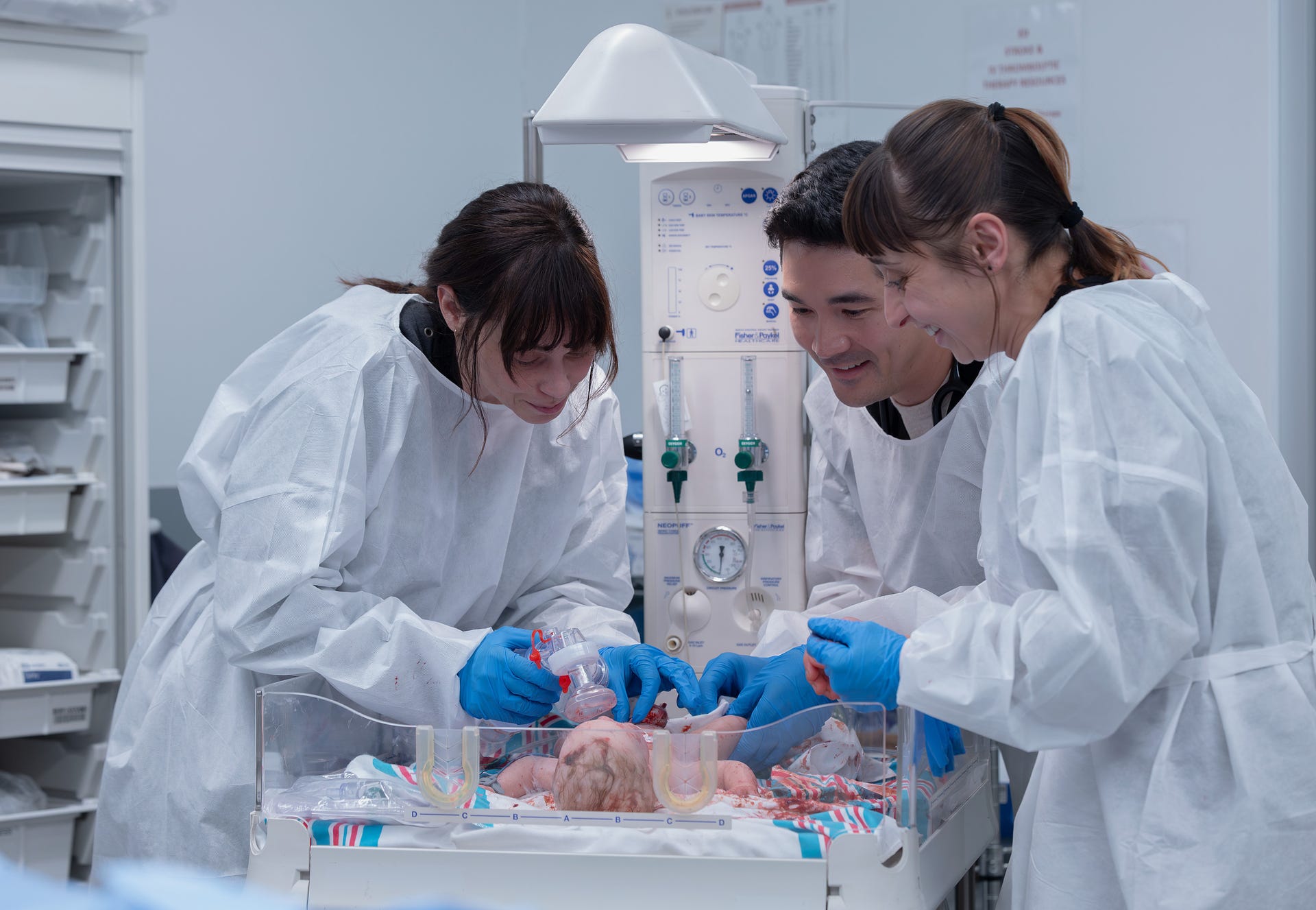
What I appreciated about Season 2 of The Pitt is how well-being and recovery are presented. Some of the healthiest individuals working in the emergency department have substance use disorders or PTSD. They aren’t perfect, but they are doing the work to take care of themselves. This self-care allows them to take care of others.
They are also models for others who aren’t taking advantage of the supports available. In one scene, a doctor just out of drug treatment confronts Dr. Robby and his need to create an idealized view of himself. “I met a lot of people in recovery who reminded me of you. The only difference between them and you is they are getting the help they need.”
I don’t like acknowledging this, but if our students are struggling (and we are struggling alongside them), then the instruction comes second.1 At least for a while. Maybe you can take a couple of days to rebuild community and relationships in the classroom. What if one half day a week is spent teaching others how to take on one of your leadership responsibilities?
We can't outwork a broken system. But we can decide how much of ourselves we give to it, and how we choose to work within it.
How do you retain your humanity in a dysfunctional system?
Full subscribers can post comments and participate in live virtual events, such as conversations with literacy and leadership experts. Join us!
Enjoyed this post? Share it with a colleague!
The phrase “the instruction comes second” is adapted from one of the writers on The Pitt. In The Pitt Podcast, a medical consultant/writer talks about how “the medicine comes second” when they develop the stories. Each major character needs to overcome some type of challenge. The medicine is the vehicle for this journey. It’s an interesting way to think about storytelling, as well as teaching and learning.
Comments
Nothing yet. Say the first thing.
Sign in to join the conversation.