
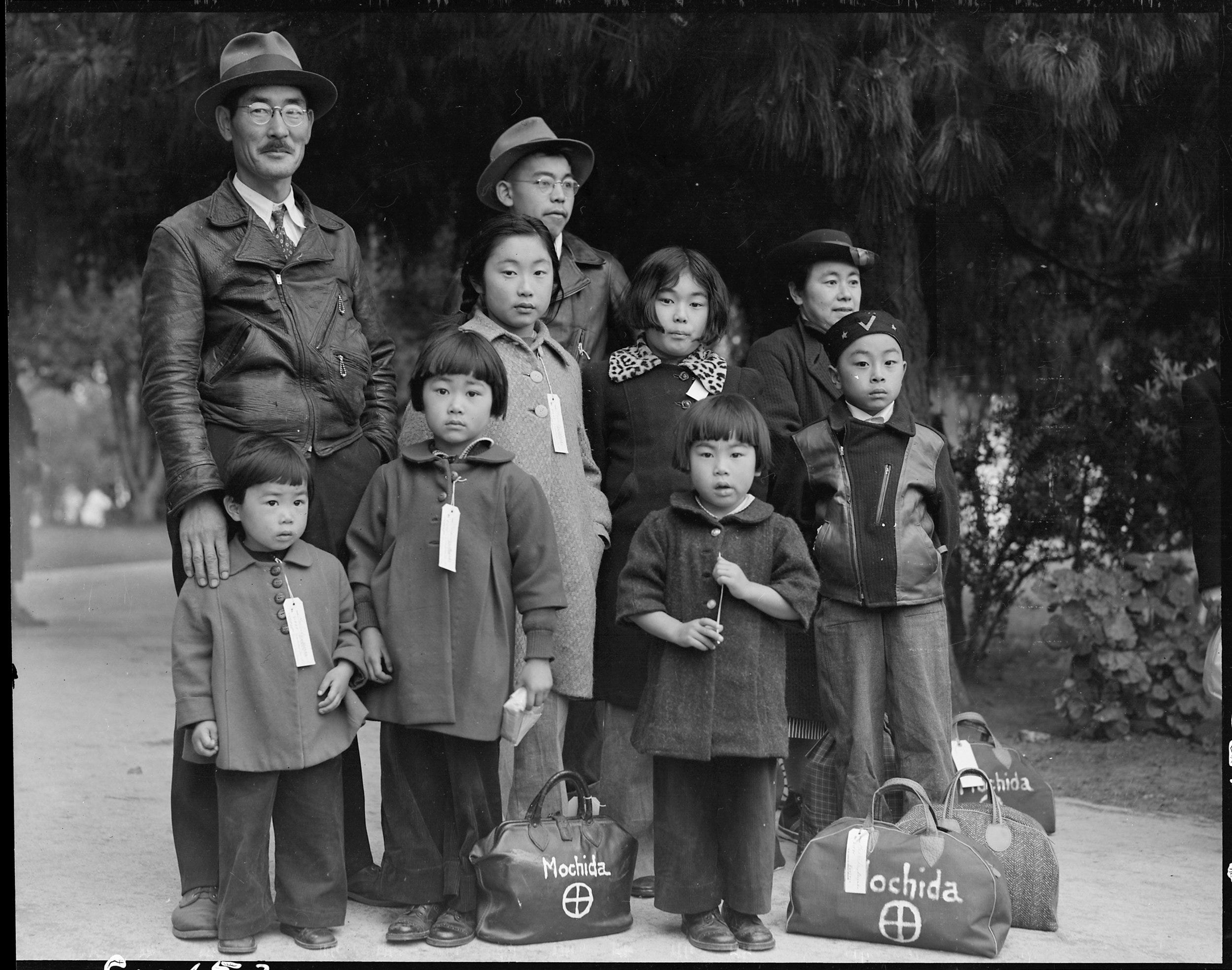
The historic images captured by Dorothea Lange (1895-1965) have burned into my psyche my entire adult life. I am, of course, far from the only one.
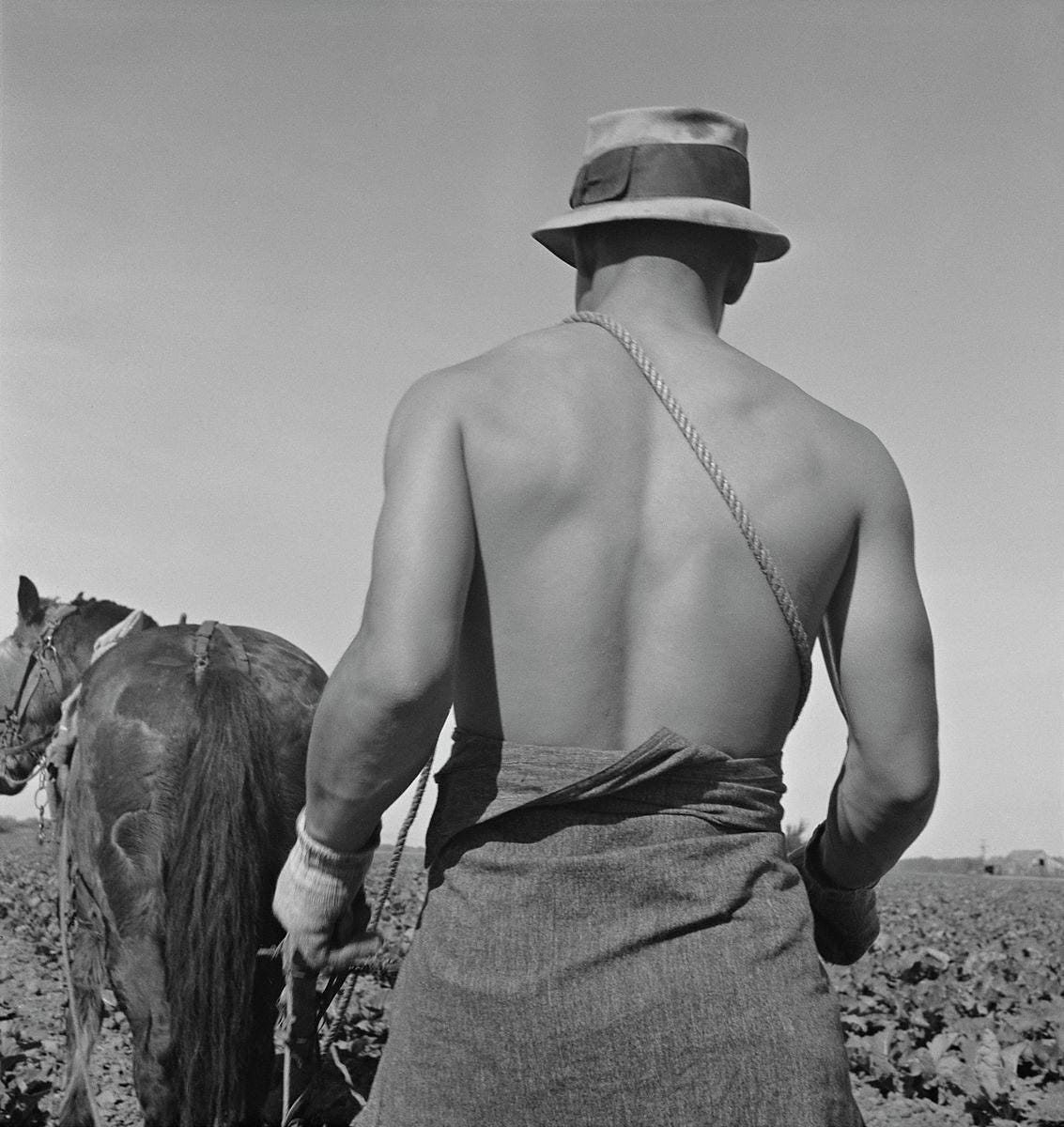
Although I have recently been making part of my living as a photographer—a necessity attached to my transition into a full-time wine journalist in 2009—it wasn’t until a couple or so years ago that I’ve figured out a word for the kind of photographs I take. Since my technical abilities are still limited, I only take photographs I am capable of, which fall into genres that could be described as documentary or humanist.
Whereas my frequent subjects have been gnarled trunks of old vines, plump berries, pruners in winter fog, harvest crews in motion, calloused hands stained by grape juice—the authenticity of these images largely untouched by manipulations (the complete opposite of most of today’s “art photography”)—my work cannot even begin to plumb the depths of Dorothea Lange’s. Particularly her work from the mid-1930s to mid-1940s in the vicinity of my most recent residence (2010-2026), the farmlands of California’s Central Valley.
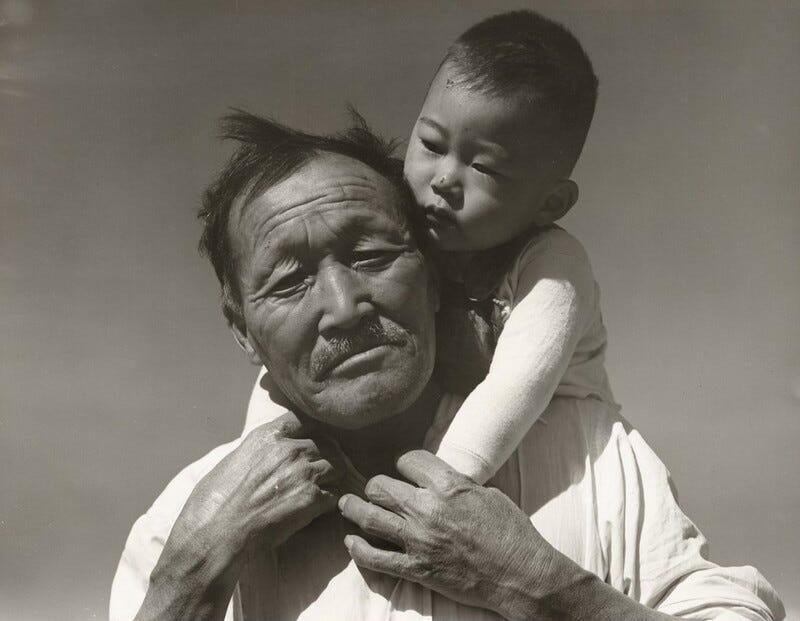
It has only been since 2006, however, that most of Lange’s photos of the Japanese American evacuation, taken primarily in 1942, were made available to the public by the U.S. National Archives and Records Administration. According to Impounded: Dorothea Lange and the Censored Images of Japanese American Internment, the U.S. Army seized most of her work, quietly depositing it in the National Archives where they remained unseen.for over 80 years. “They wanted a record,” Lange later wrote in a memoir, “but not a public record.”
There is more to it. As a person of color, I’ve always felt, like the Japanese Americans Lange was tasked to document, that I’ve lived with the sting of racism all my life. Most times it is well hidden, and on occasion it wells up, like vile black oil. The feeling never goes away. The photographs of Dorothea Lange are permanent reminders. You can say all you want about the 1940s being a time of war, and fear. As far as I’m concerned, the locking up of Japanese Americans documented by Lange was an act of pure, systemic racism.
True, a good number of Americans of German ancestry were either detained or interned during World War II—the number given is “at least 11,507” (out of over 12.2 million Americans either born in Germany or with at least one German-born parent)—for the same precautionary reasons. Questionable German and Italian Americans, however, were handled on a case by case basis. And not entire families from 1 to 99, as a matter of course. It helps to be white skinned.
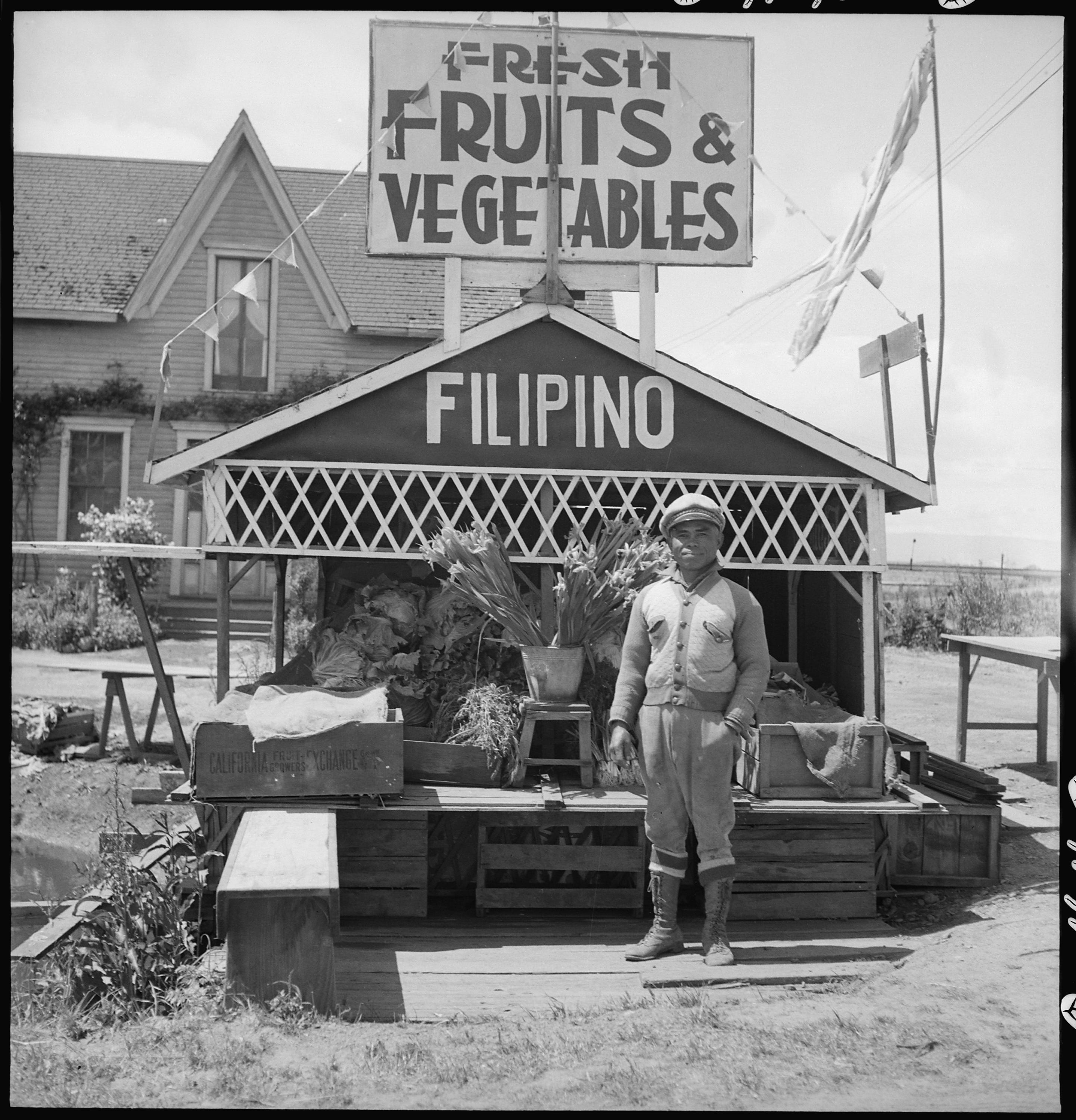
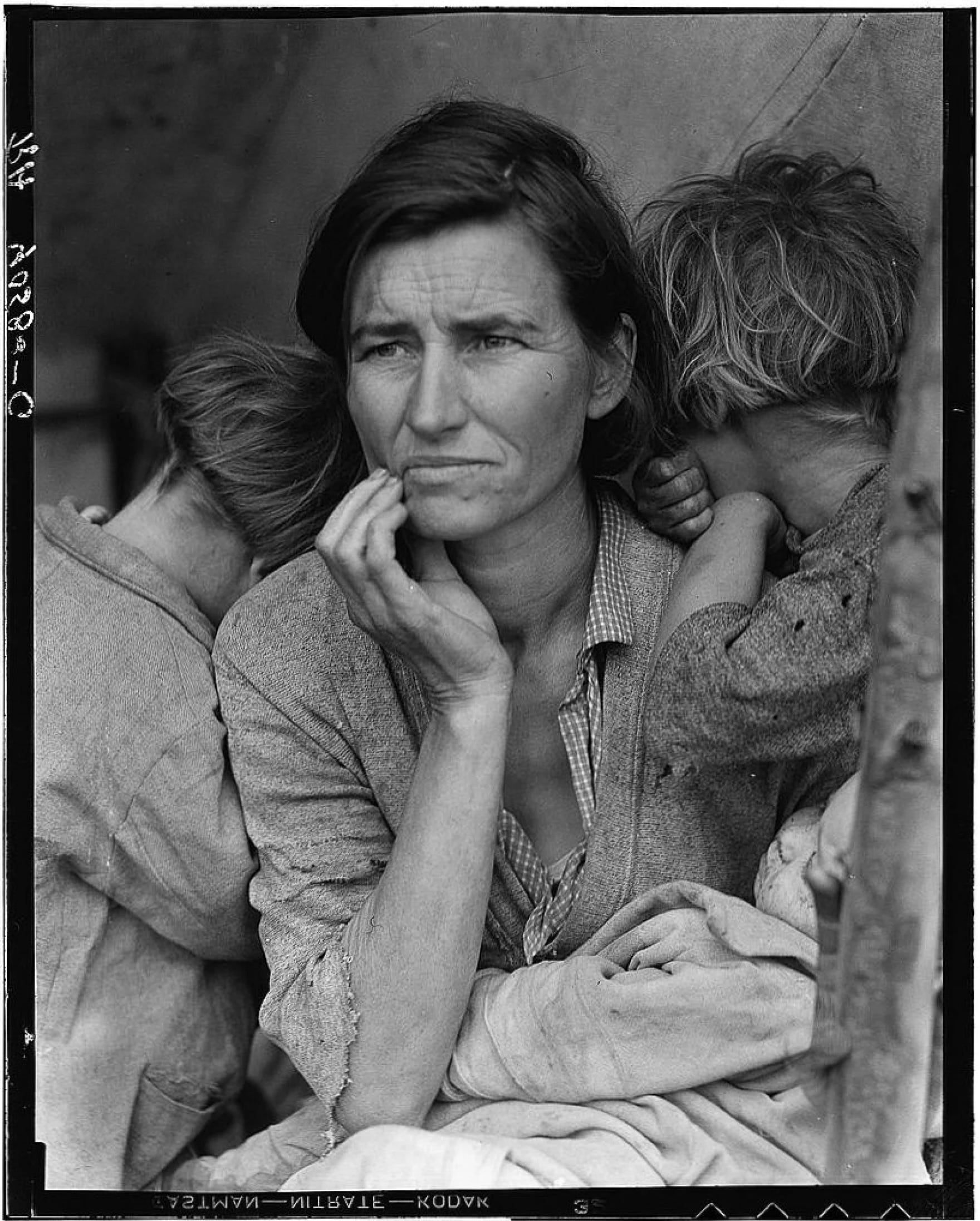
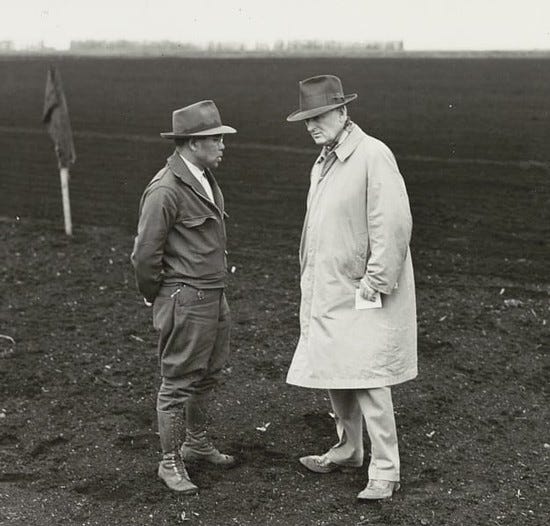
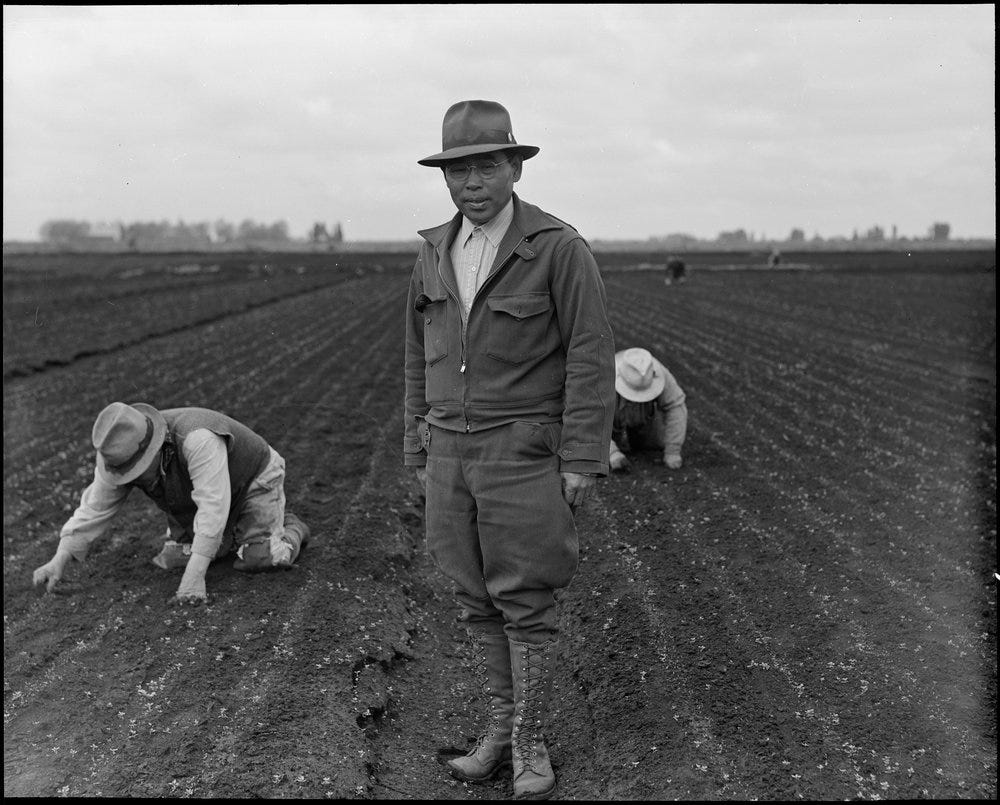
The single most famous photograph in the annals of Americana is undoubtedly that of the “Migrant Mother,” taken in 1936 by Lange. Now, almost as famous is the large volume of photos taken by Lange of Japanese American faces and farms in California during the early 1940s; including, of particular interest to me, during a short period of time spent in Lodi in the spring of 1942.
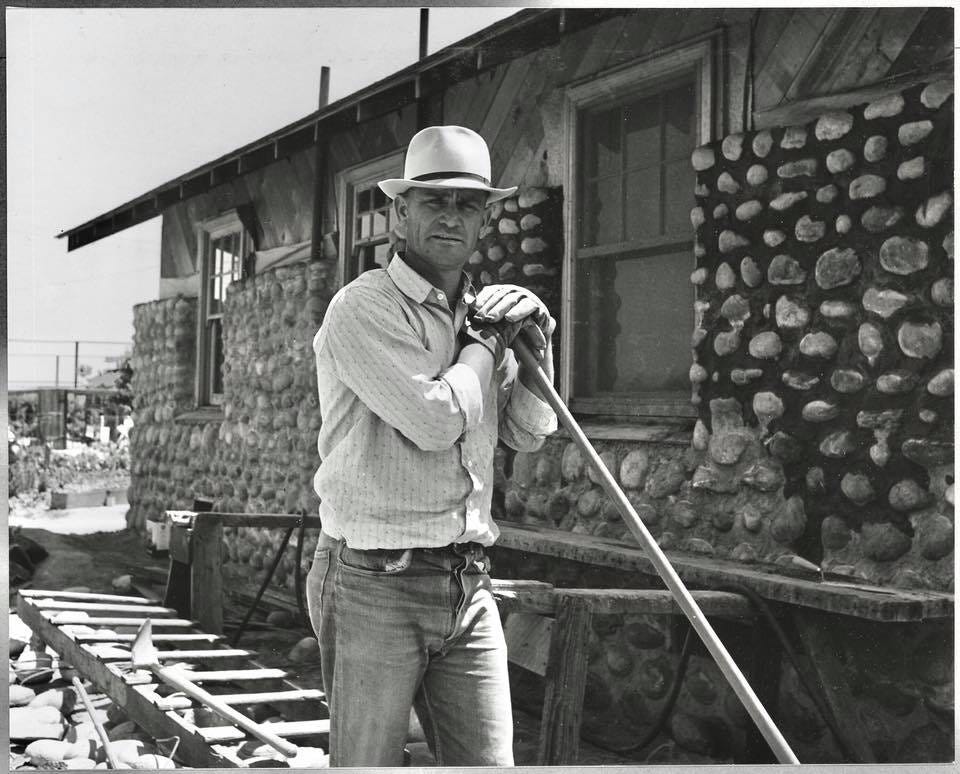
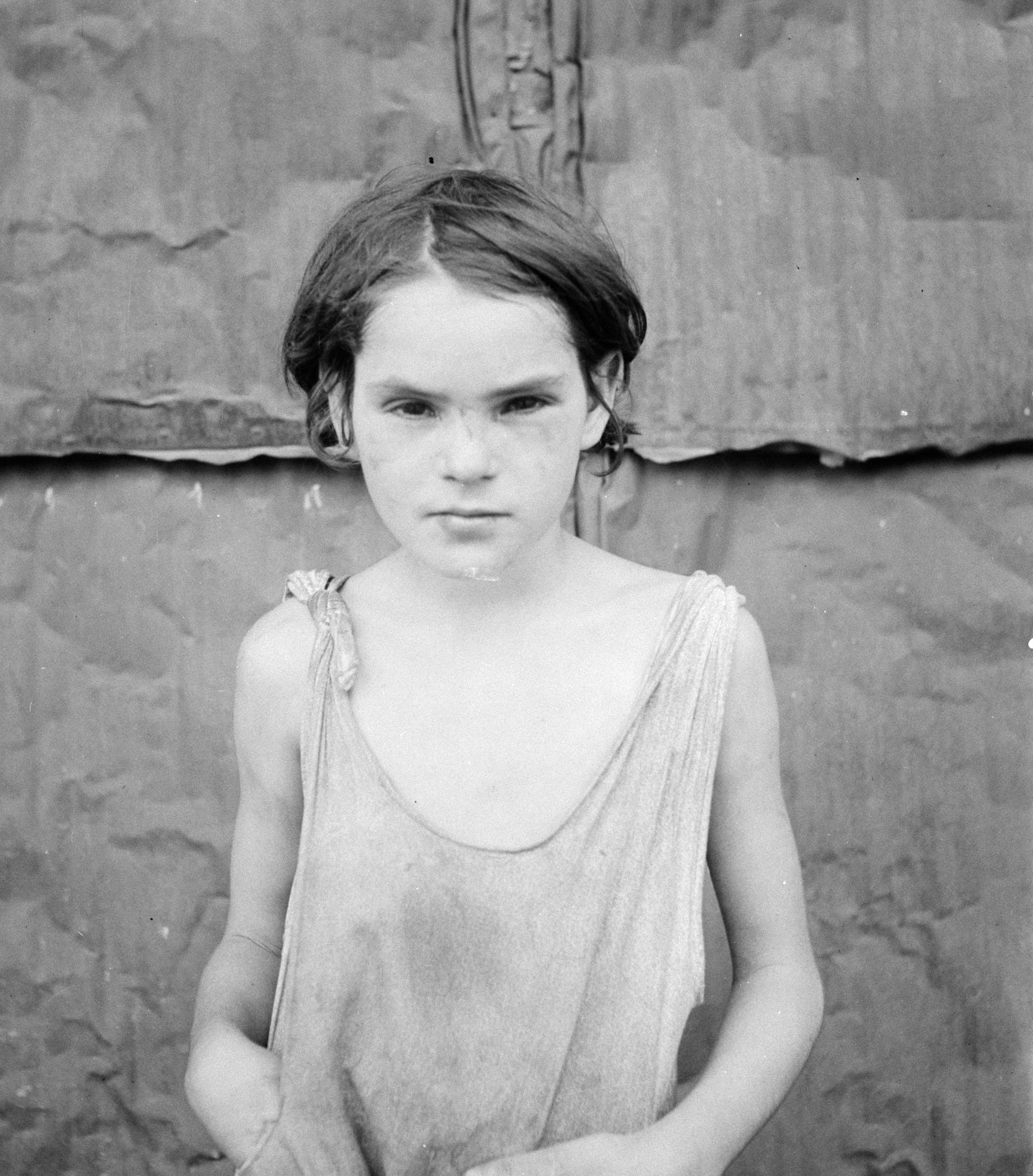
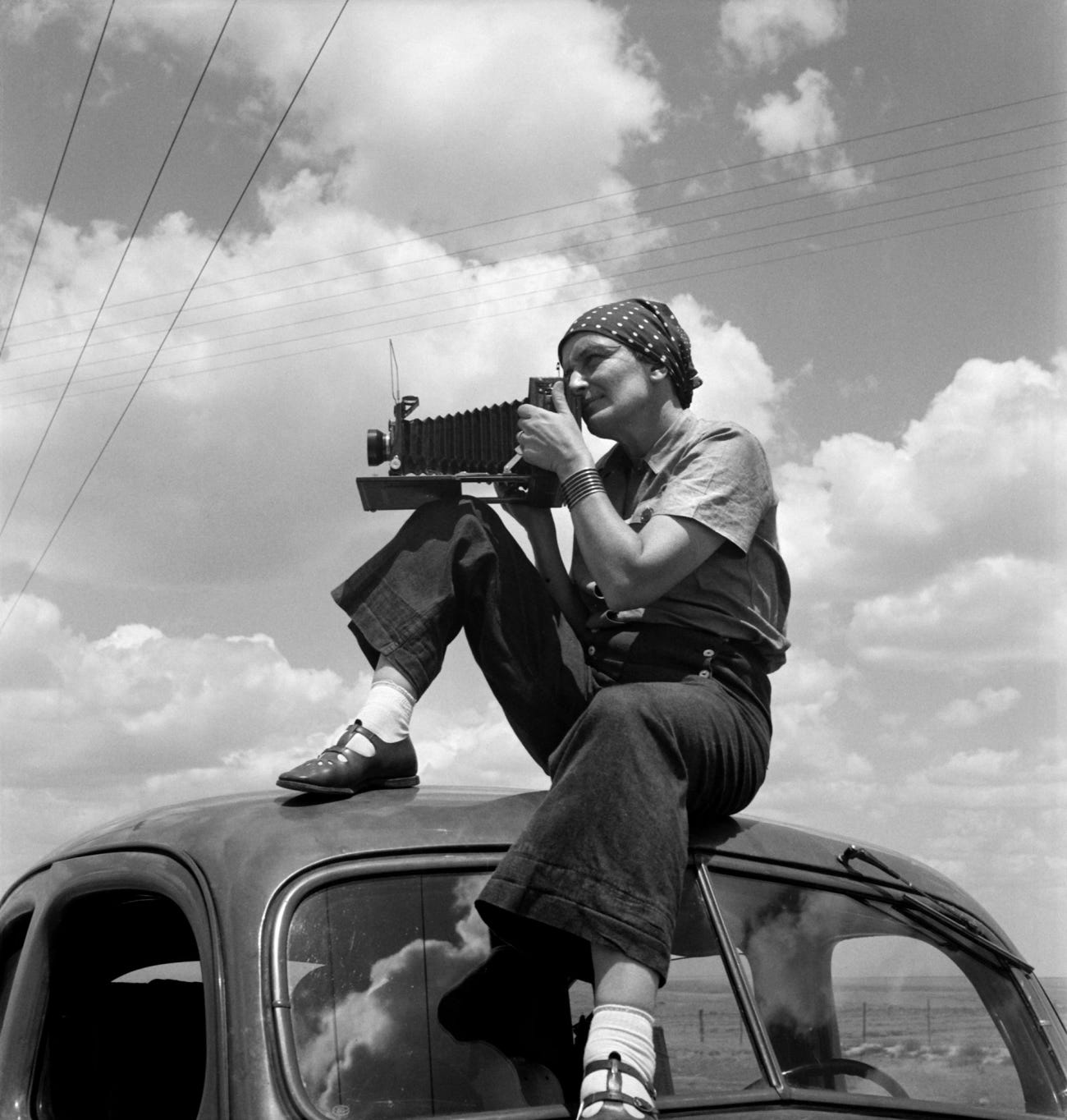
Lange’s story is well known. She was operating a portrait studio in San Francisco when the country was paralyzed by the Great Depression (1929-1939), exacerbated by the devastating succession of droughts unleashing the Dust Bowl (1934 through 1940). On behalf of the U.S. government’s Resettlement Administration and Farm Security Administration (FSA), which wanted a record of its battle against rural poverty, Lange traveled from coast to coast taking thousands of photos which have since defined American documentary and humanist photography.
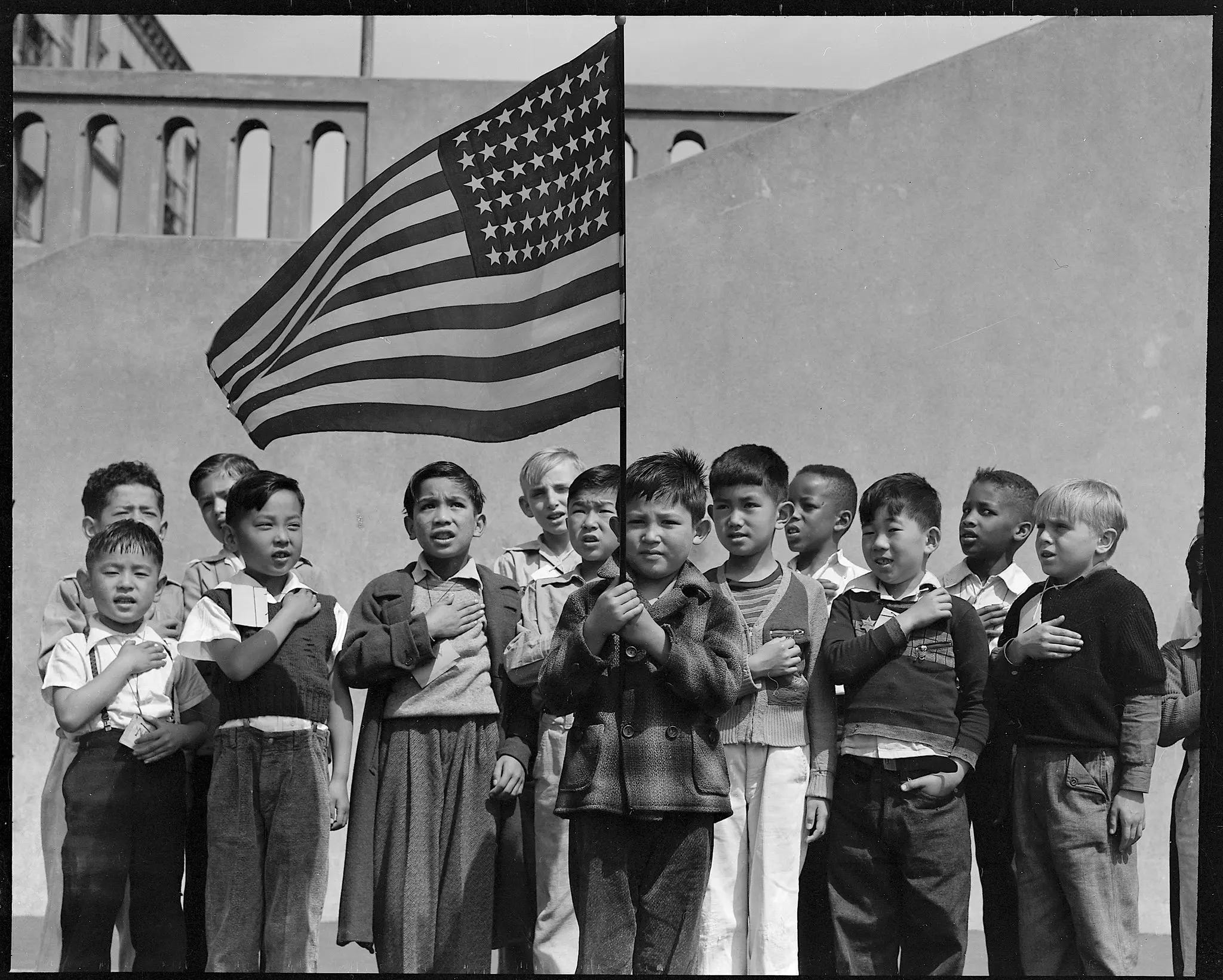
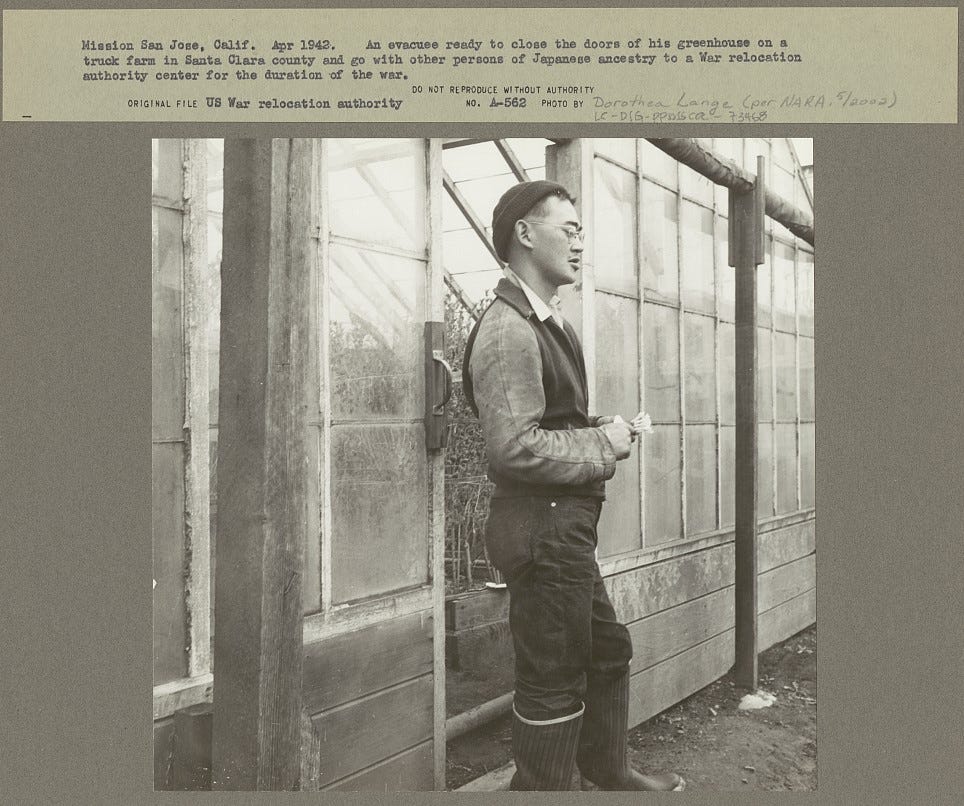
In 1941, following the attack on Pearl Harbor, the U.S. government once again called upon Lange’s acclaimed skills as a documentary photographer. She was engaged by the War Relocation Authority (WRA) to photograph the forced evacuation of Japanese Americans living on the West Coast. The intention was to demonstrate how humanely the internment was being executed. More than 80 years after the fact, you can clearly see that Lange had other ideas.
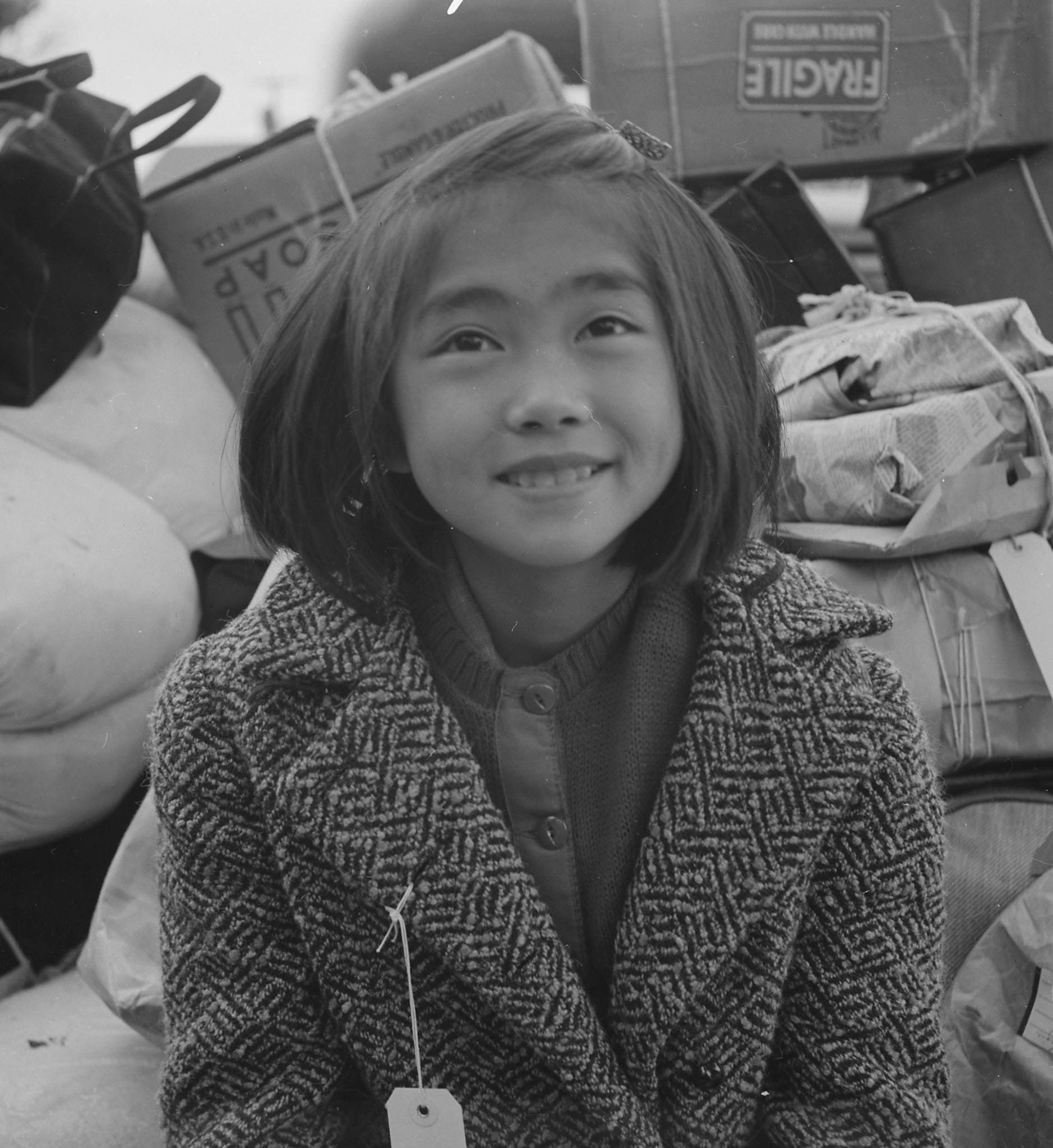
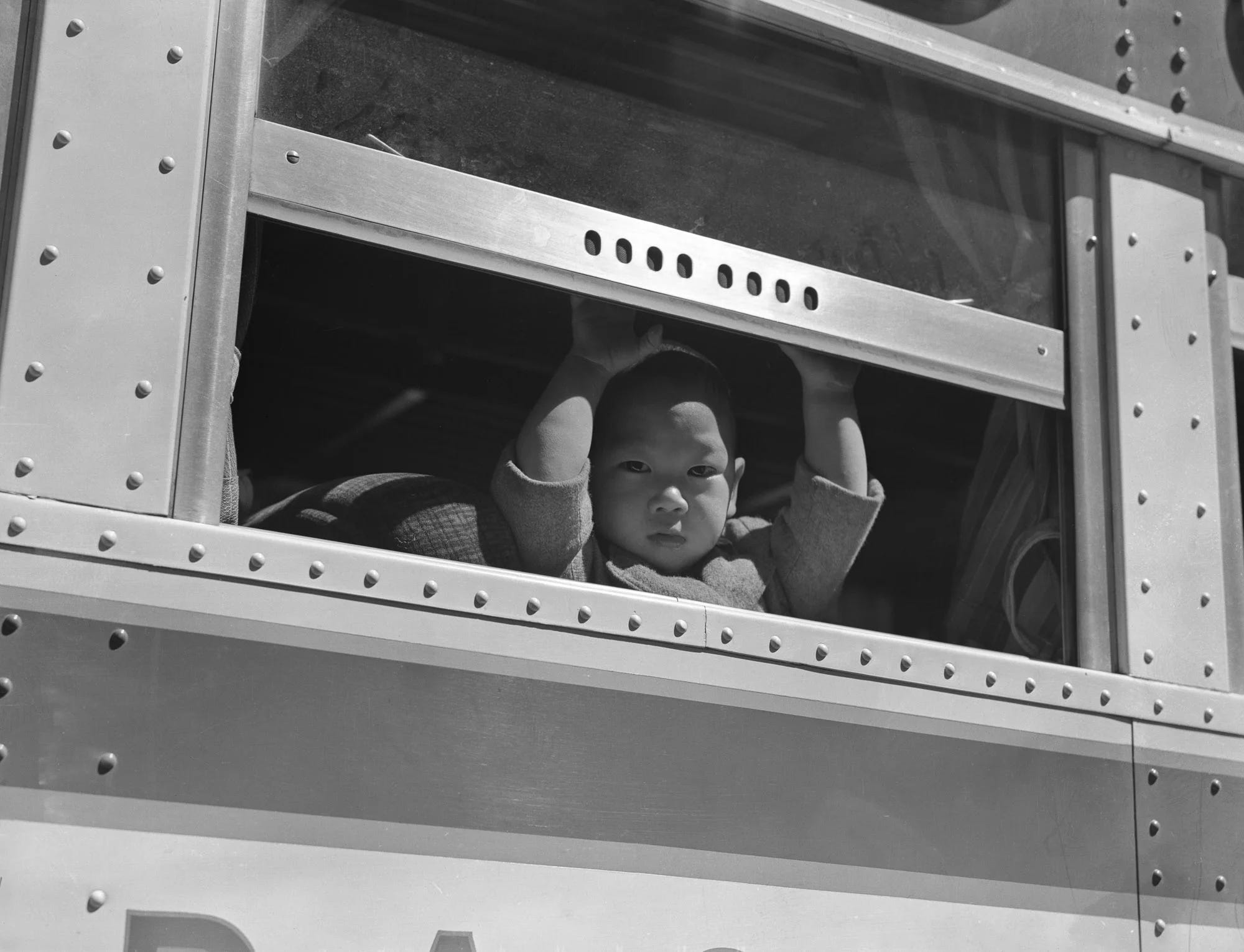
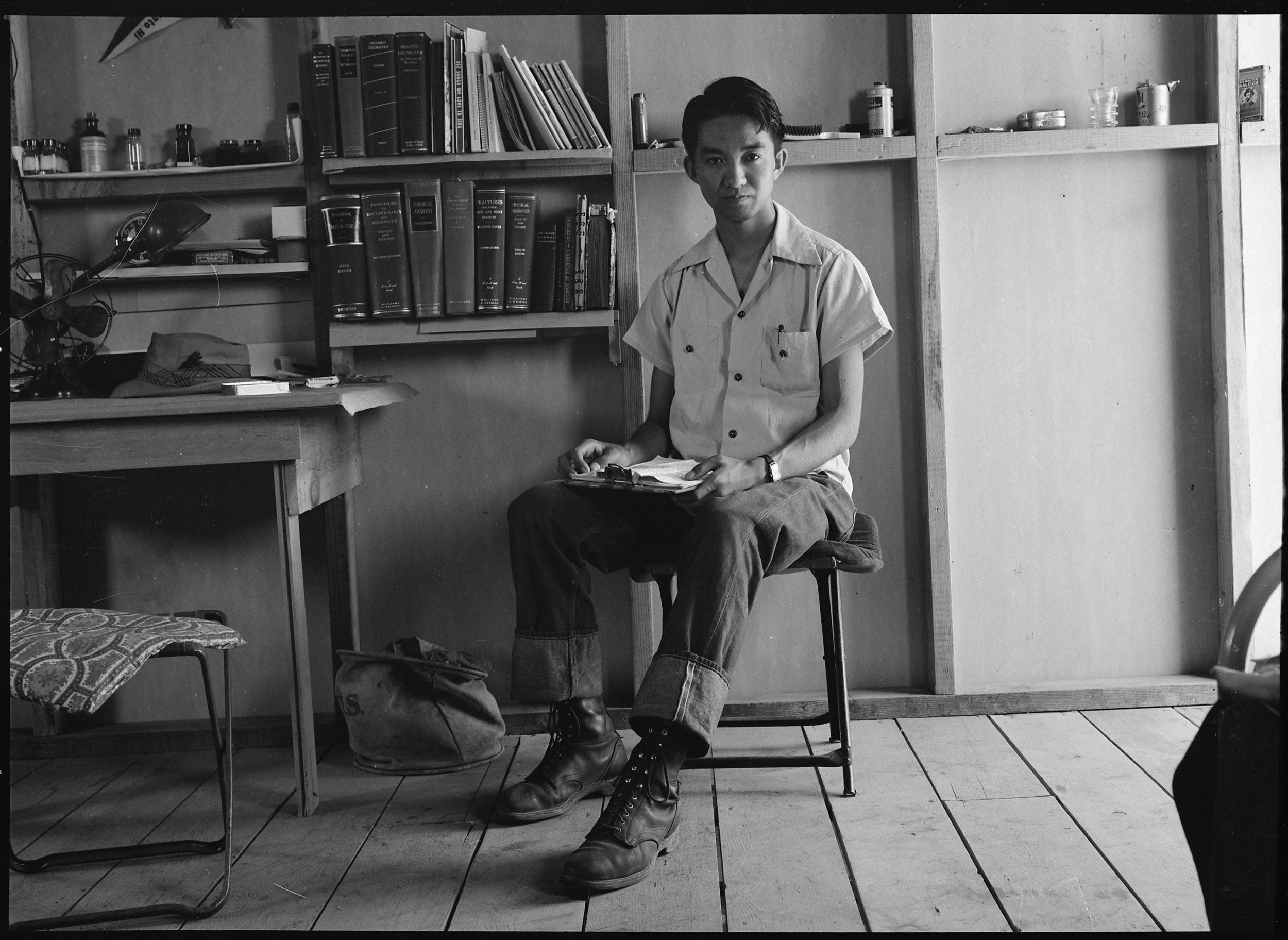
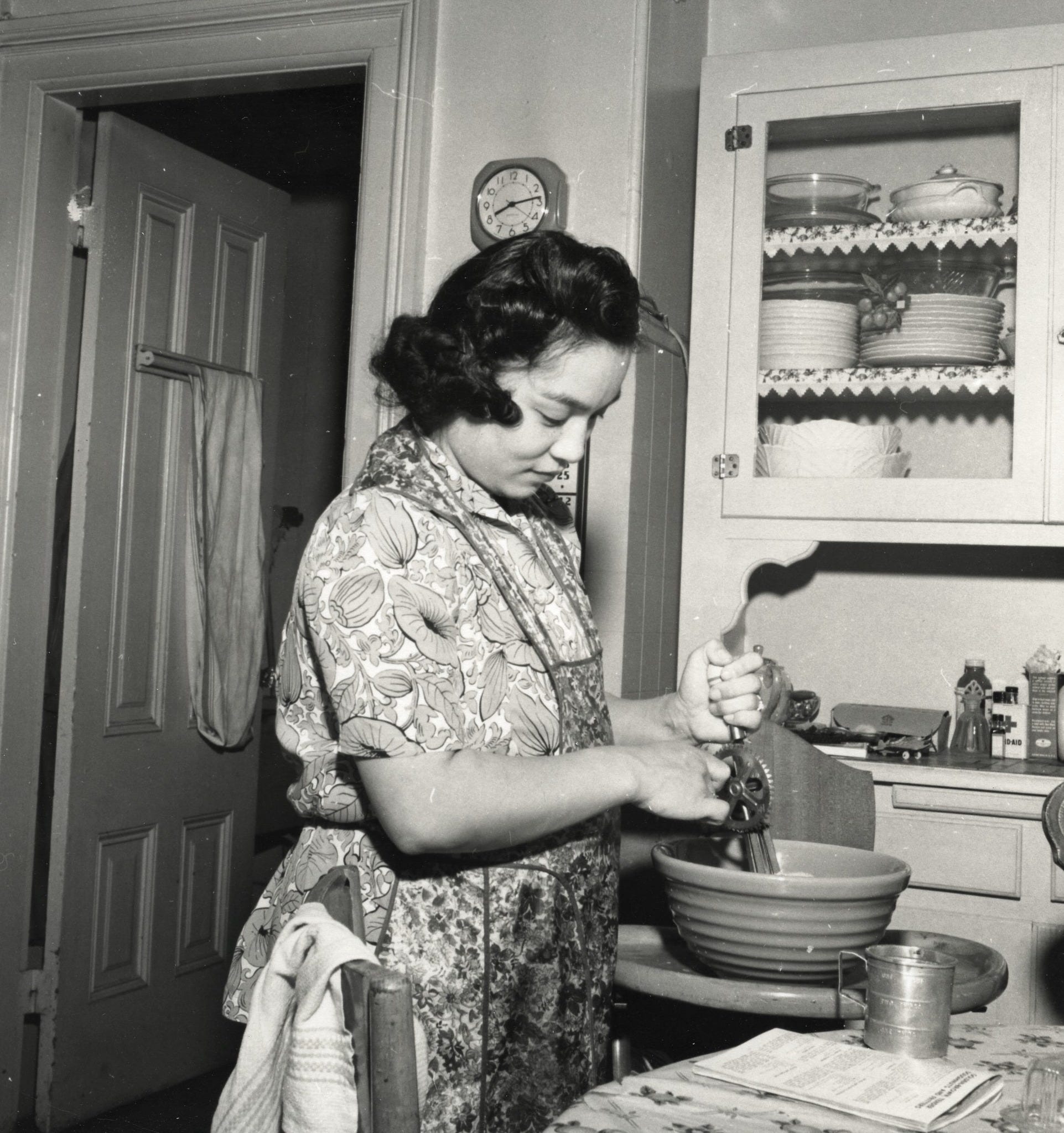
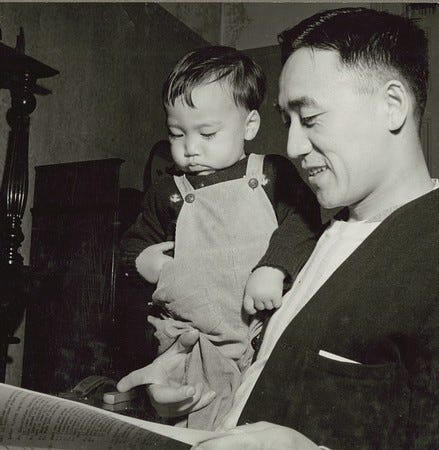
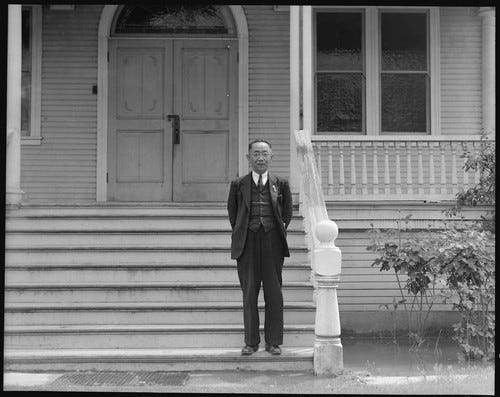
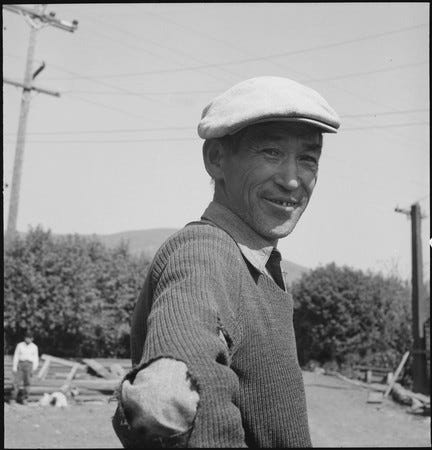
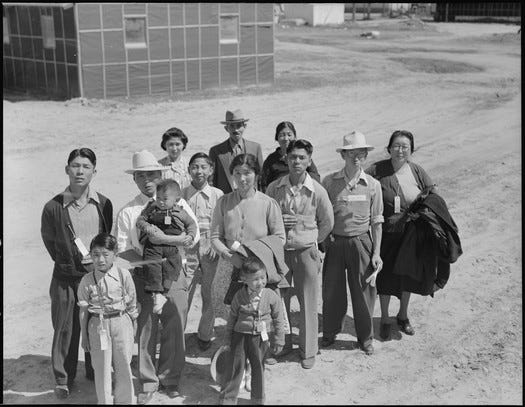
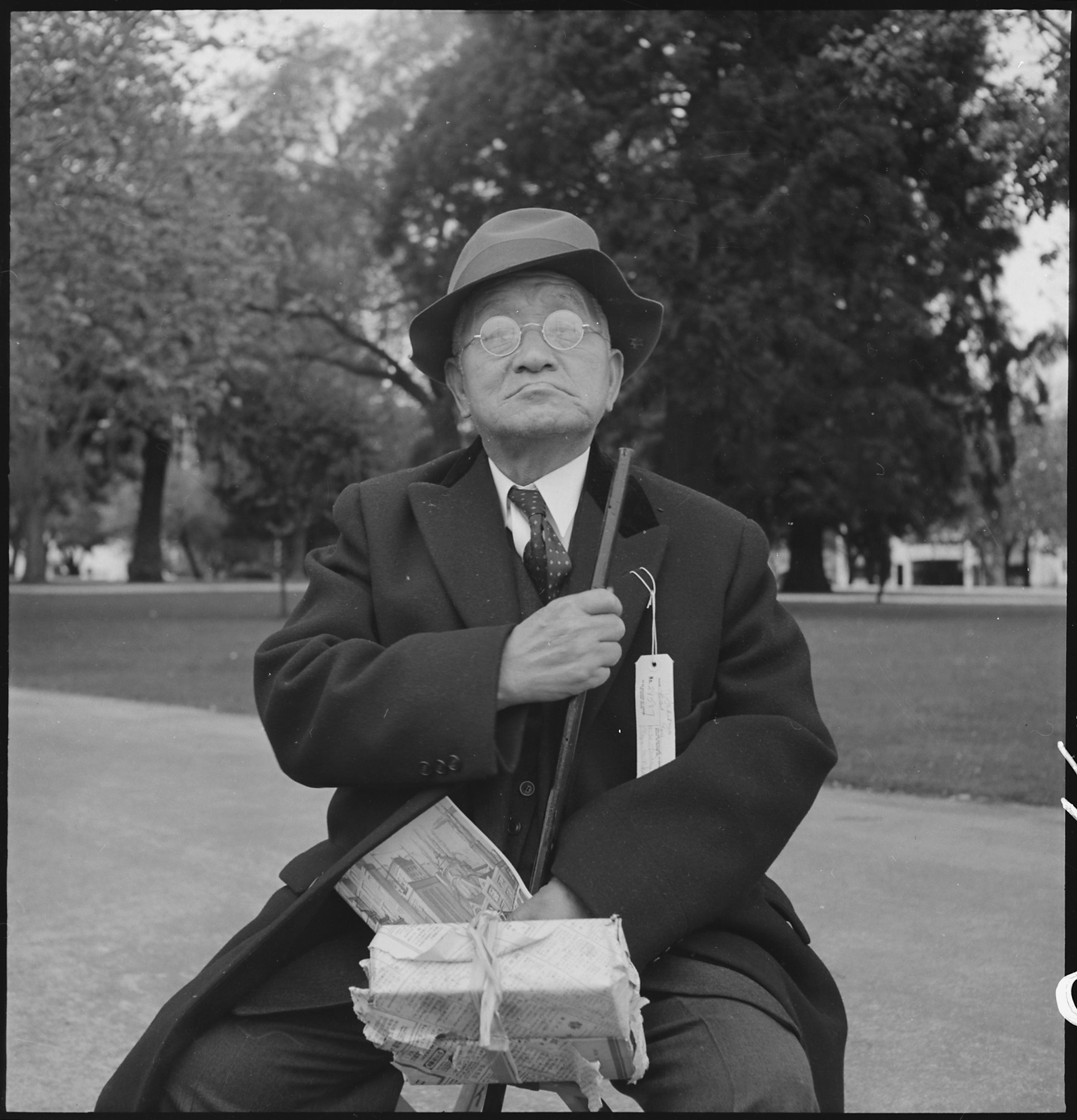
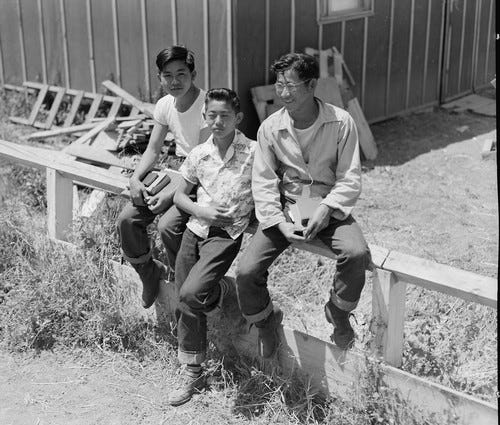
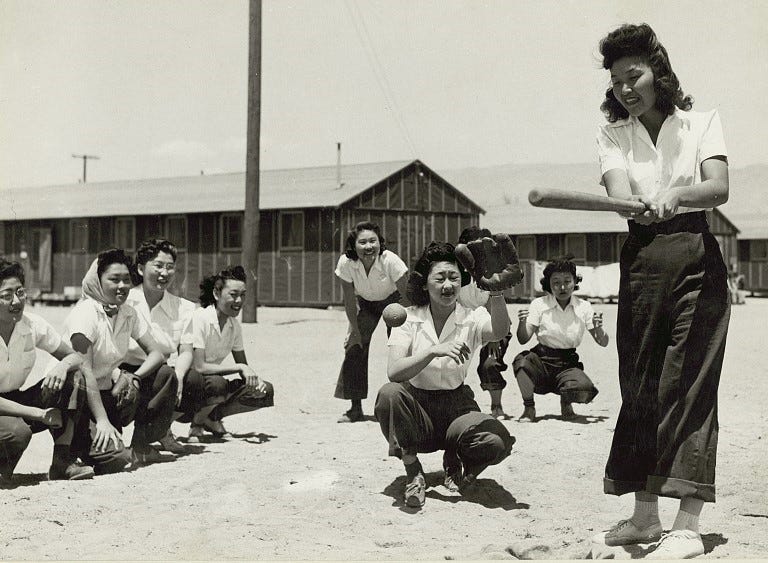
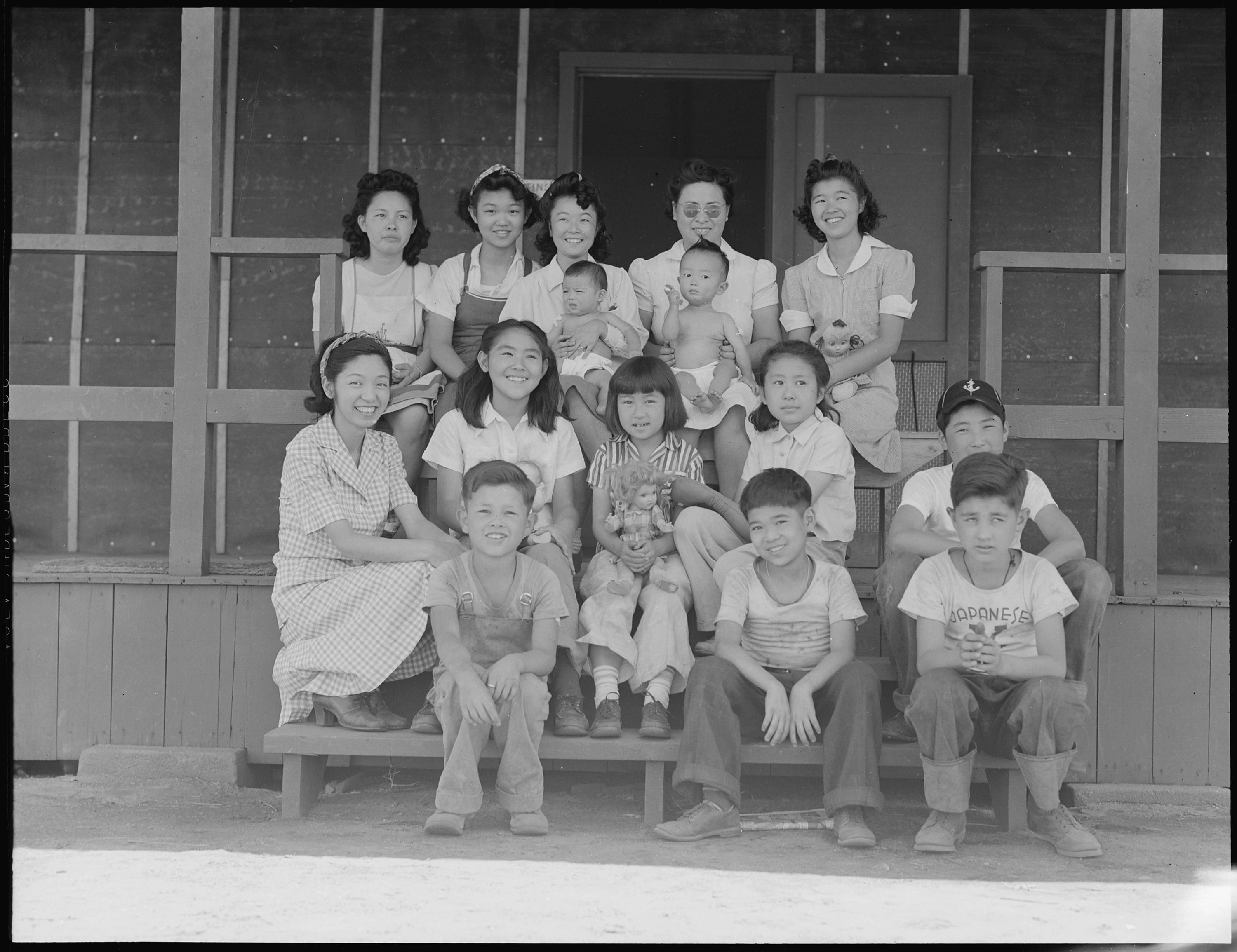
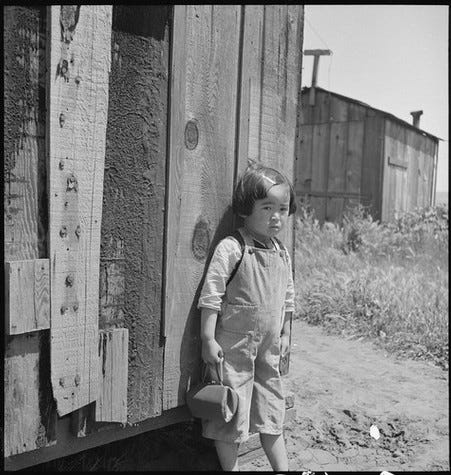
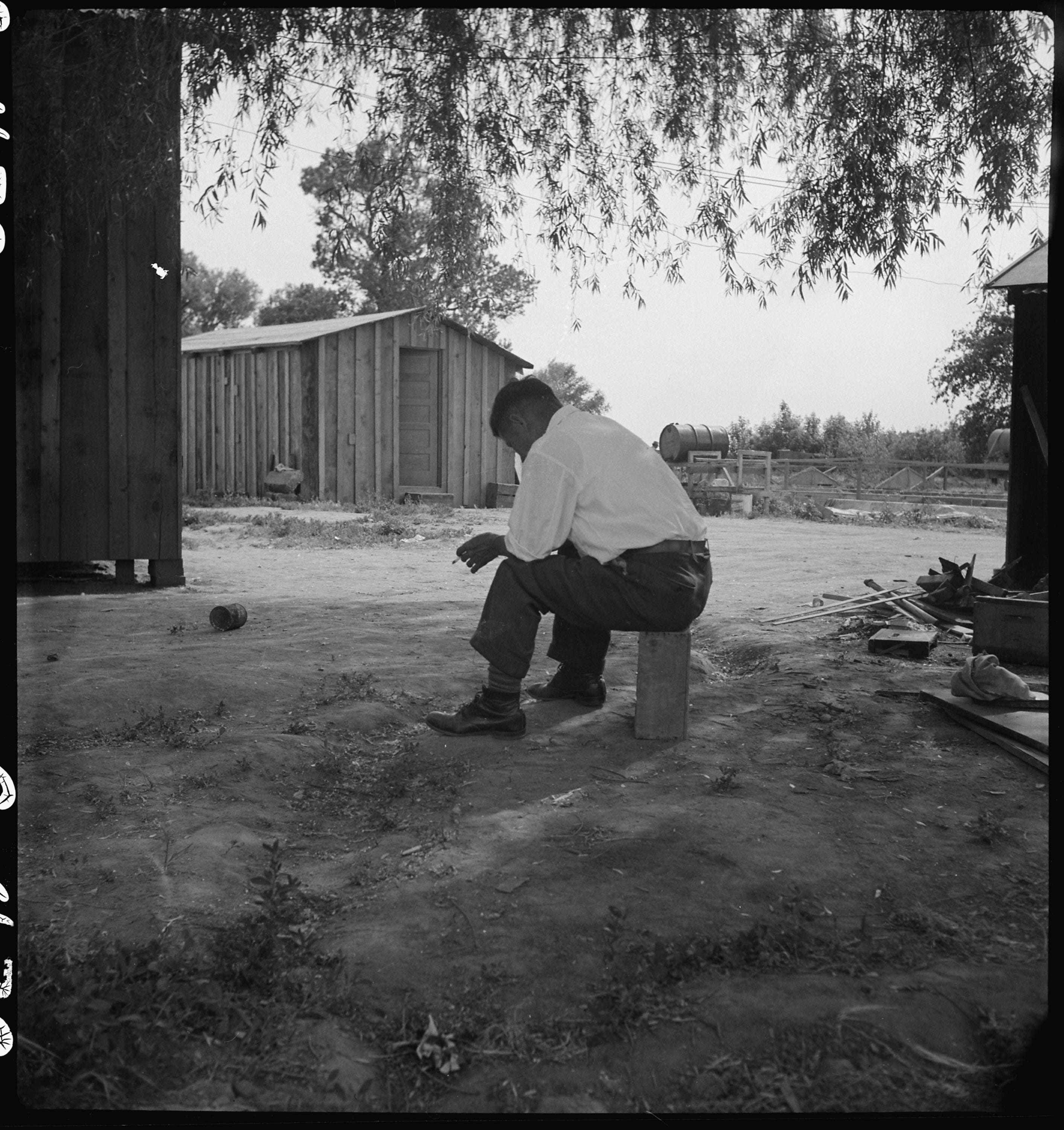
Lange’s documentation is both devastating and inspiring. The humanity she endeavored to capture was not that of government authorities, but rather the indomitable spirit, dignity and even positive attitude portrayed by the Japanese Americans themselves, throughout the entire ordeal. And as a journalist at heart, Lange took pains to record names and circumstances of almost all her subjects.
Thanks for reading photography with feeling! This post is public so feel free to share it.
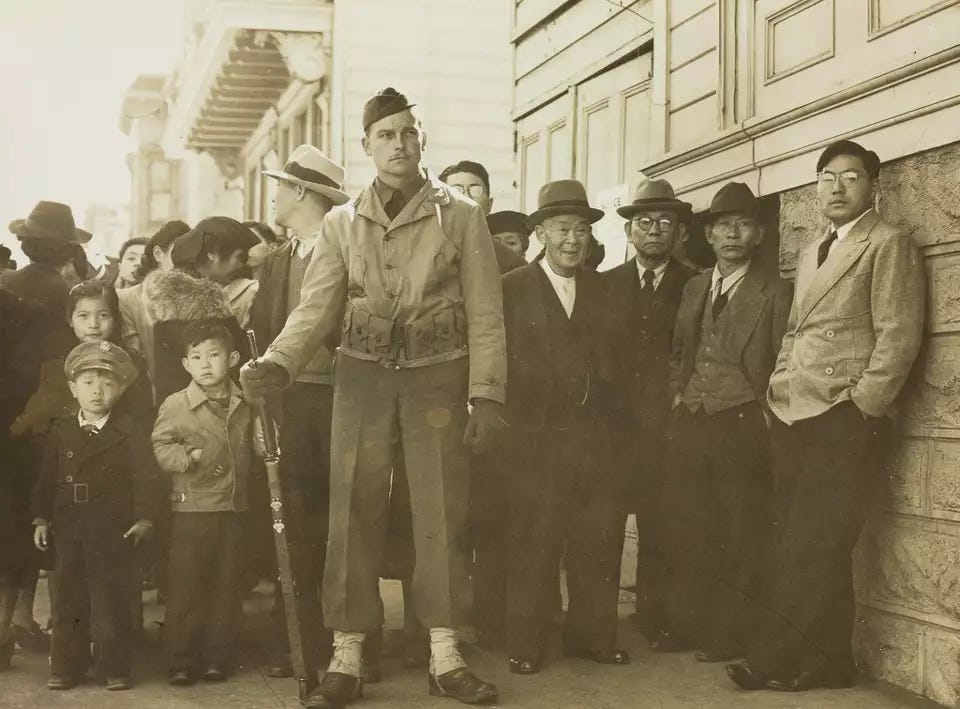
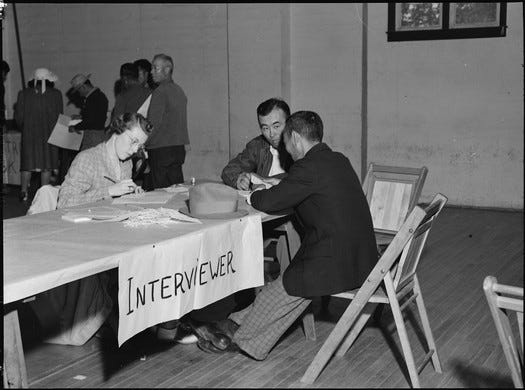
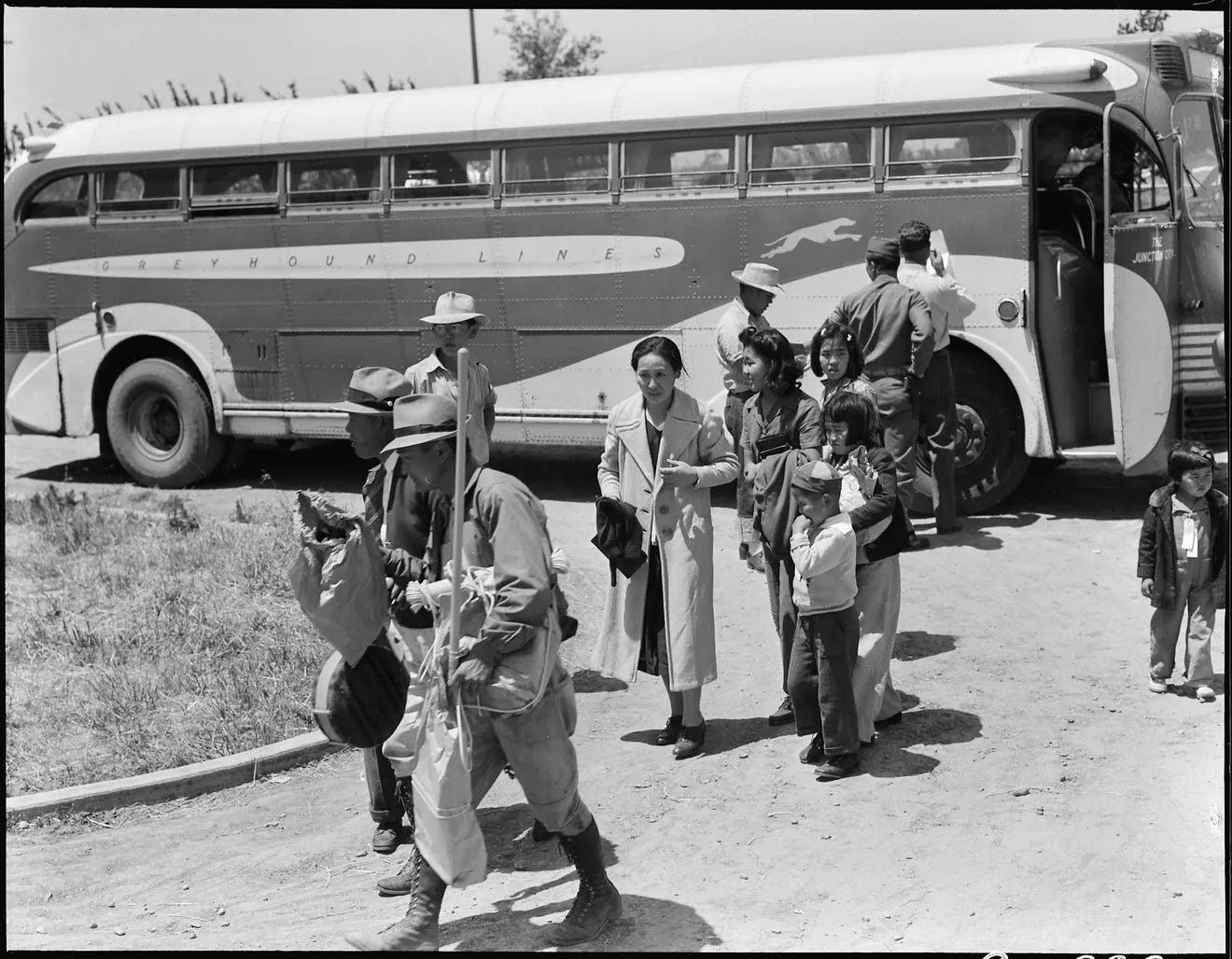
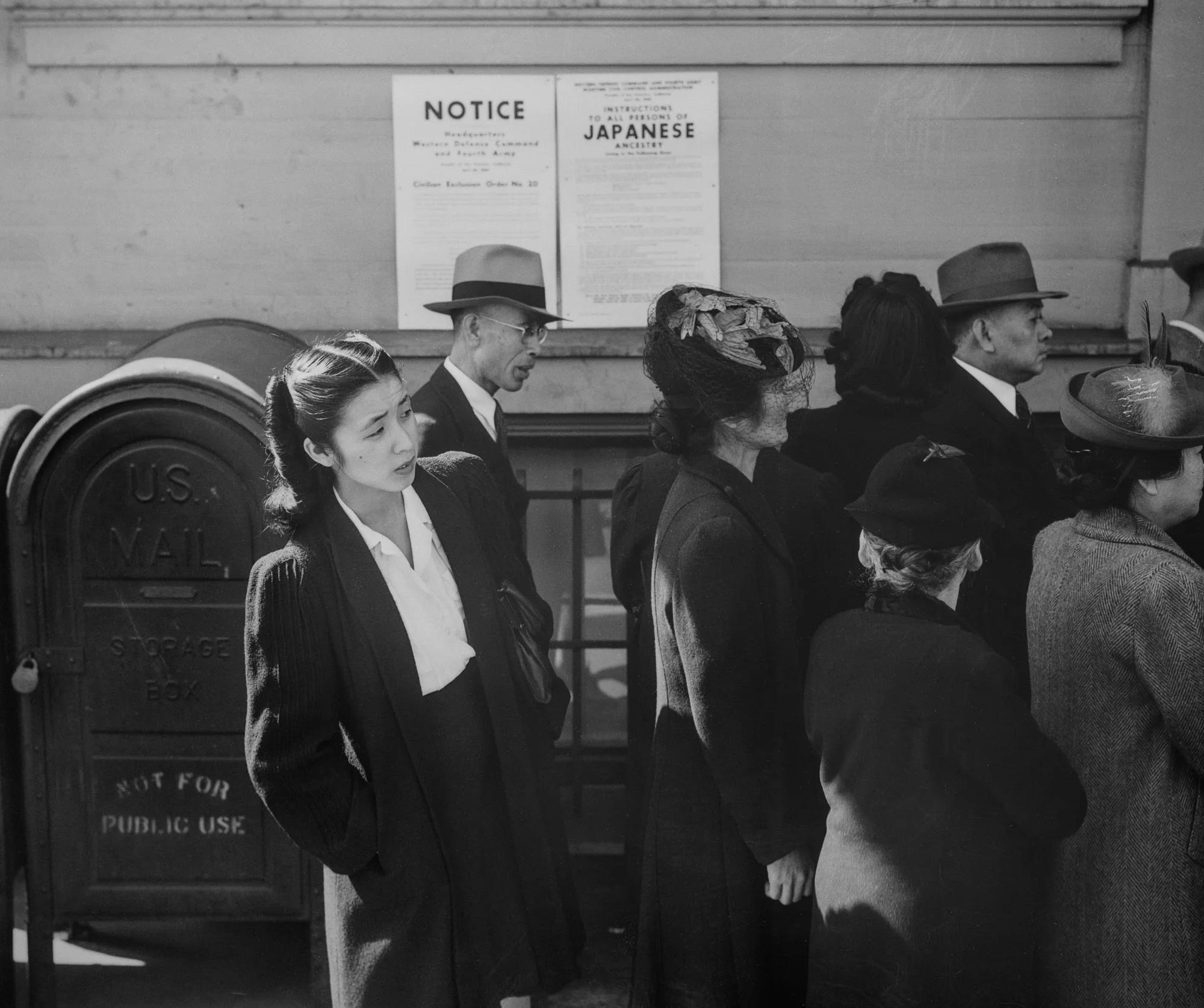
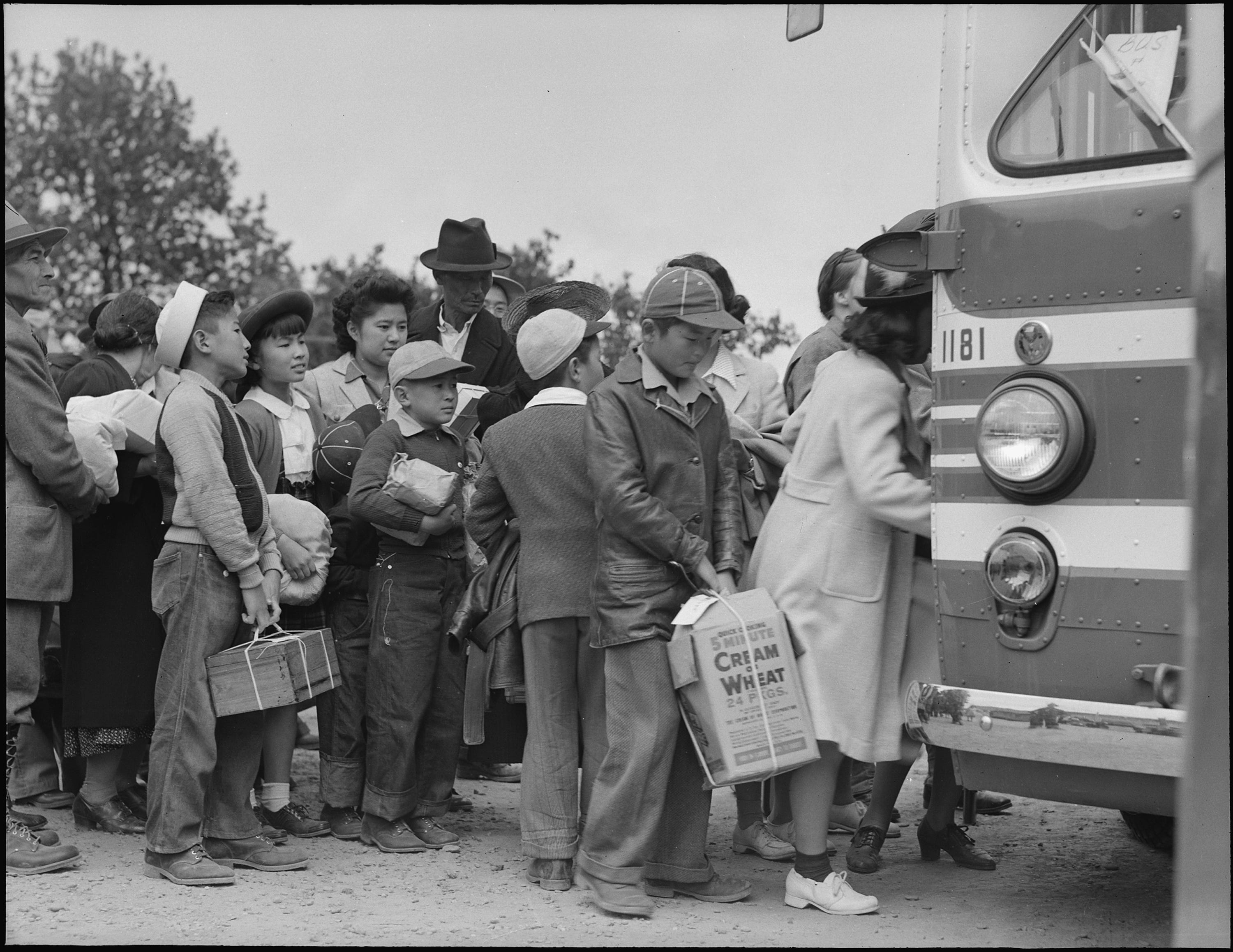
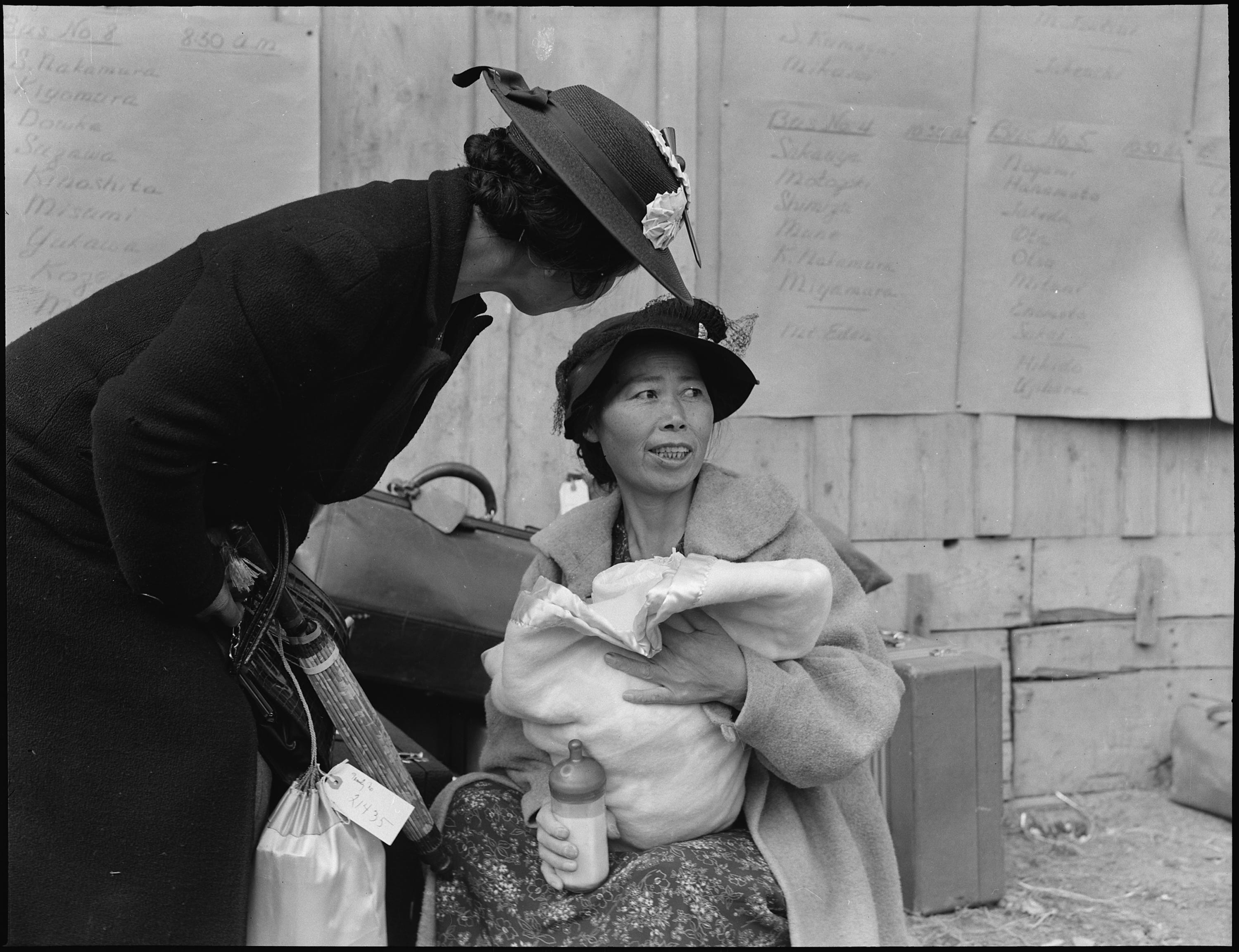
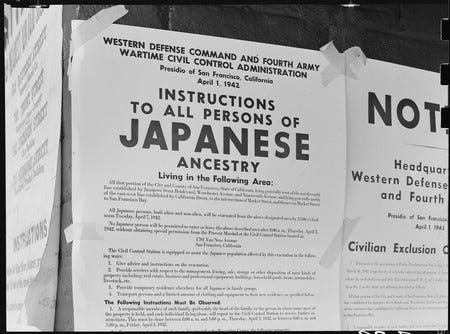
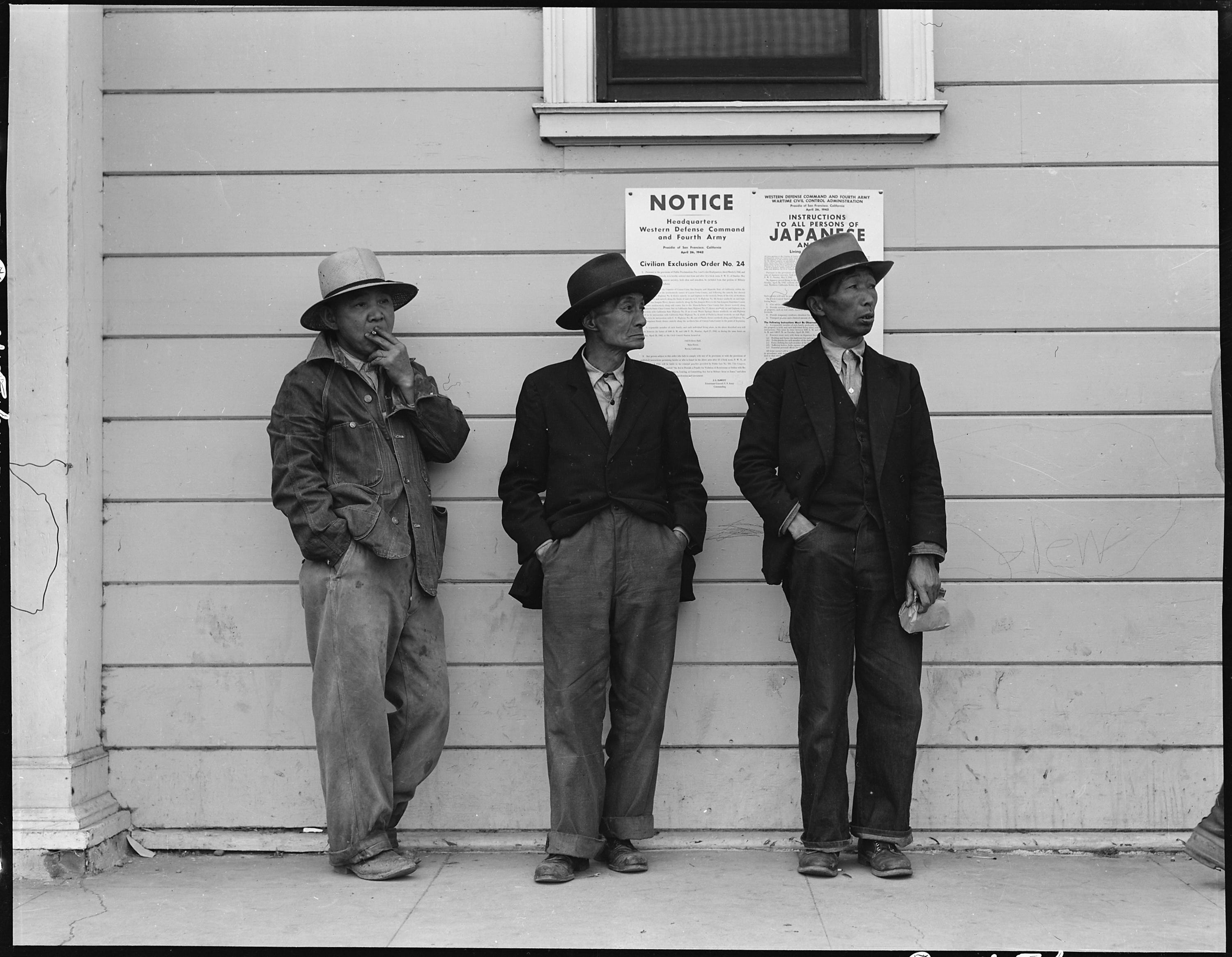
On February 19, 1942, President Roosevelt signed Executive Order No. 9066 mandating the evacuation (the term used at the time) of approximately 127,000 people of Japanese ancestry living in the continental United States. They received immediate orders to register themselves and their entire families, and to report to local assembly centers from where they were transported by bus or train to 10 camps in California and elsewhere across the country, in states as far flung as Arizona, Wyoming, Idaho, Colorado, Utah and Arkansas.
At the time, approximately 112,000 Japanese Americans lived on the West Coast, mostly in California. Out of that number, about 80,000 were nisei (i.e., a second generation, born in the U.S.) or sansei (children of Nisei), and thus full-fledged American citizens. The rest were issei (first generation immigrants born in Japan). Without exception, they were all compelled by the U.S. War Relocation Authority to relocate into fenced, guarded, barrack-style camps, where most of them remained until after December 17, 1944, when the incarceration orders were finally rescinded
Since I’m Hawai’i born and raised, it is interesting to me that at the start of World War II more than 150,000 people of Japanese ancestry also lived in the Territory of Hawaii (which did not become a state until 1959)⏤more than a third of the Islands’ population, thus essential to the Hawaii economy. Therefore, it is estimated that only between 1,200 to 1,800 Islanders of Japanese descent were forced into camps. The vast majority were left alone.
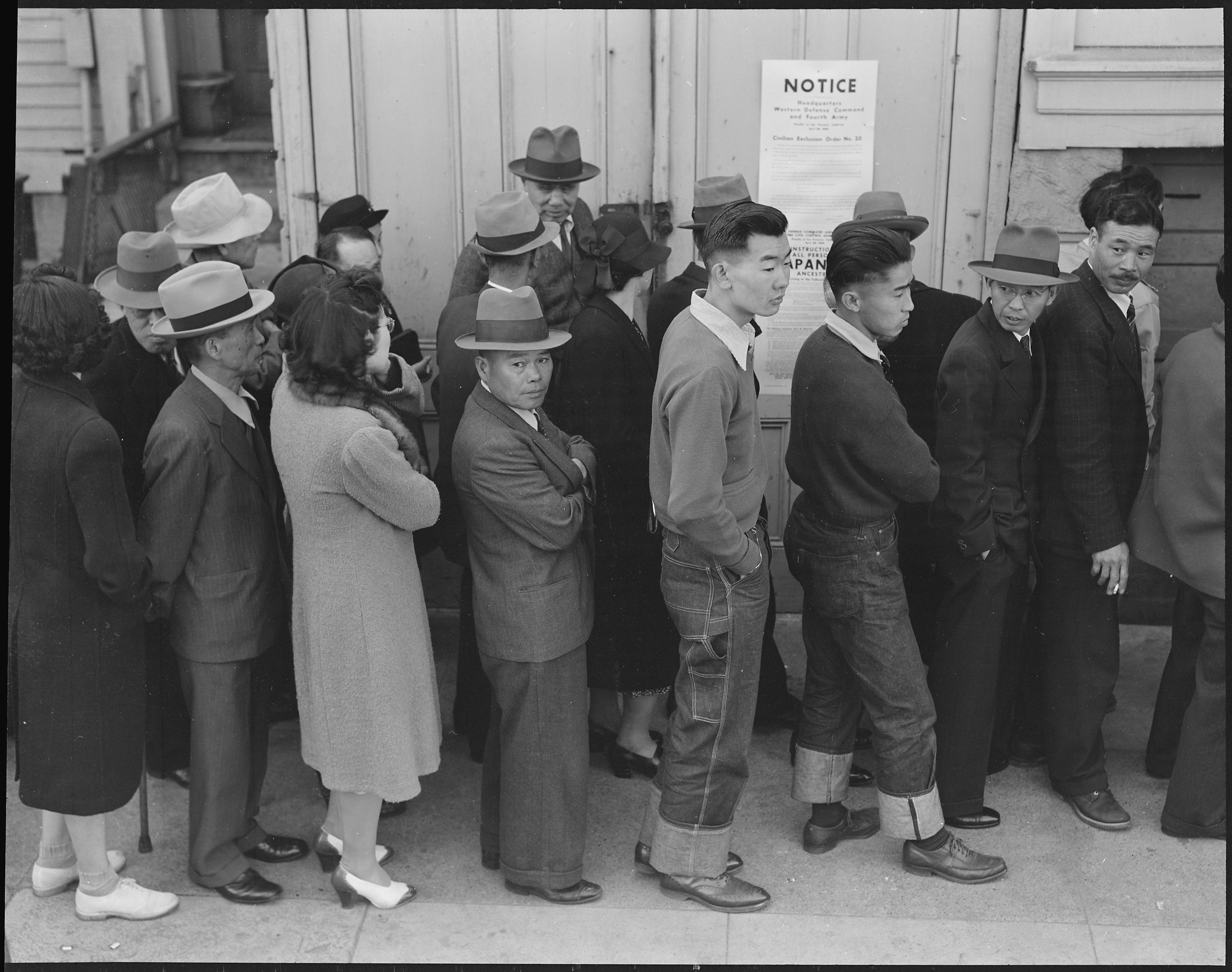
Notably, during or after World War II no Japanese Americans from any state were ever charged or convicted of espionage or treason against the United States. Not one person was considered a danger or imminent threat to the American people.
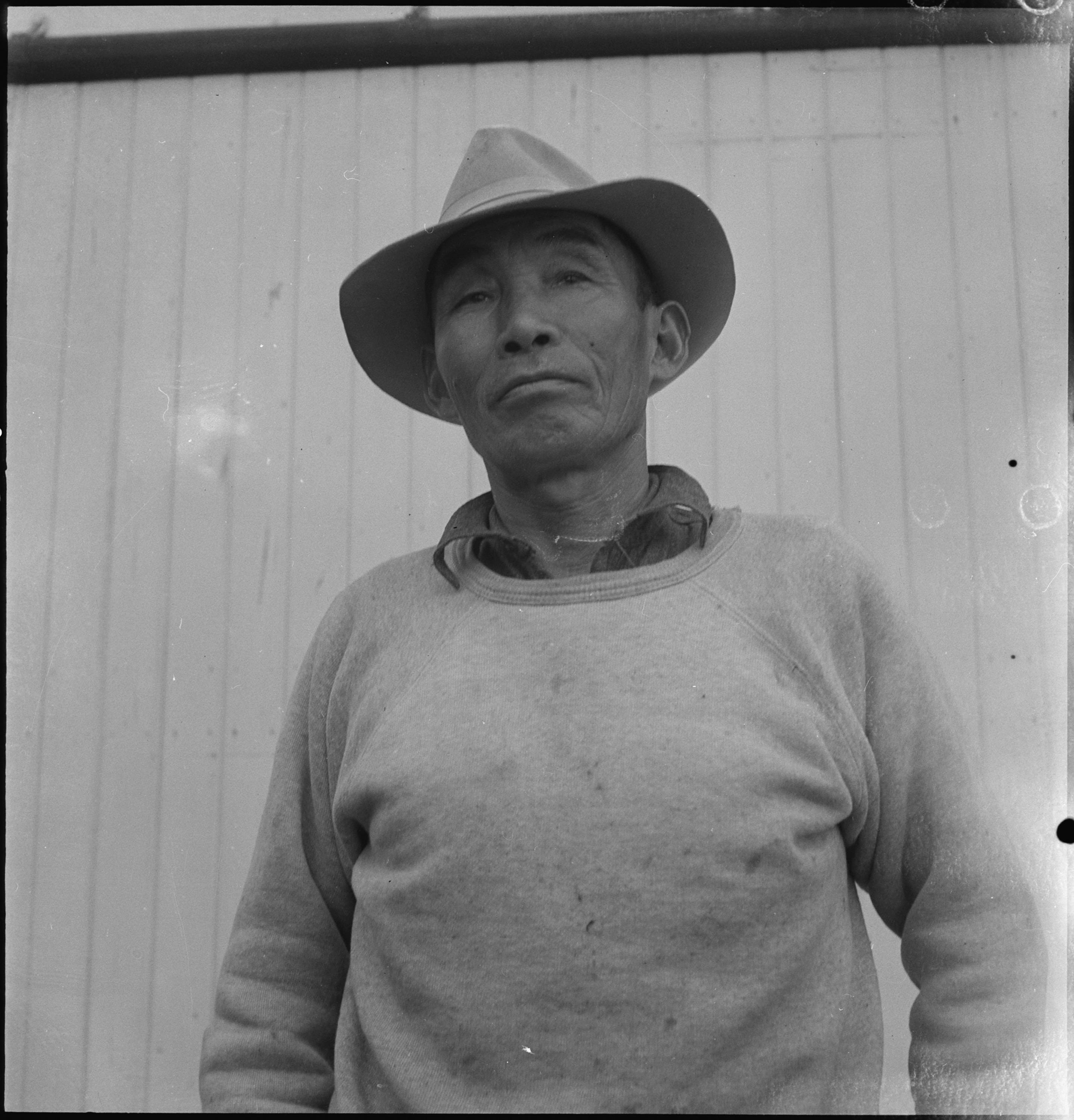
I write about the Lodi wine region because I plied my trade as a wine journalist there for 16 years. What I learned is that the first immigrants from Japan arrived in this farming community in 1869 to work in Delta sugar beet fields, and by the 1890s a growing number were playing an active role in the rapid expansion of Lodi’s vaunted agricultural industry, increasingly dominated by grapes. Accordingly, by the time Lodi was incorporated as a city in 1906, there was already a thriving Japantown established along Main St., just east of Downtown Lodi’s Union Pacific Railroad depot.
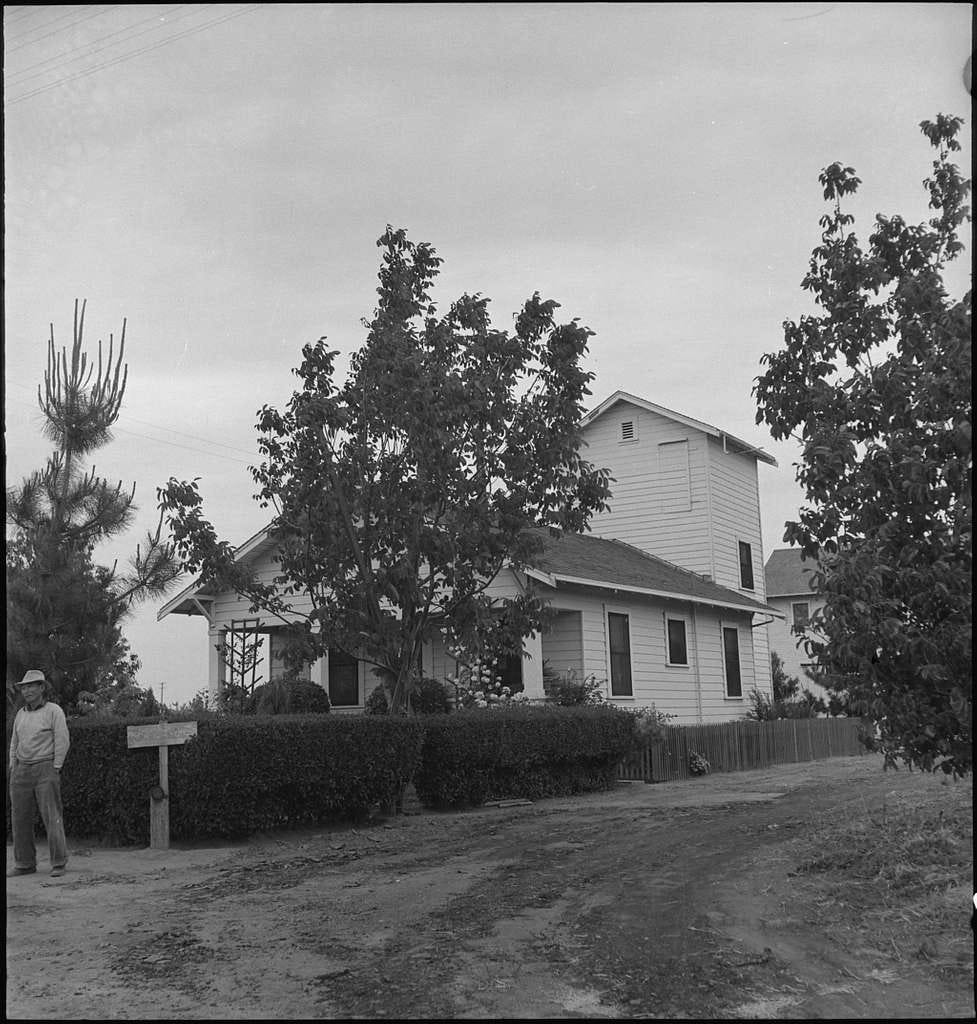
Lodi’s Japantown consisted of two full blocks of Japanese American owned or operated hotels, restaurants, fruit/vegetable icehouses and packing sheds, pool halls, bathhouses, a fish market, dry goods and drug stores, a Buddhist Church, social halls and services for the thousands of seasonal farm and vineyard laborers attracted to the region.
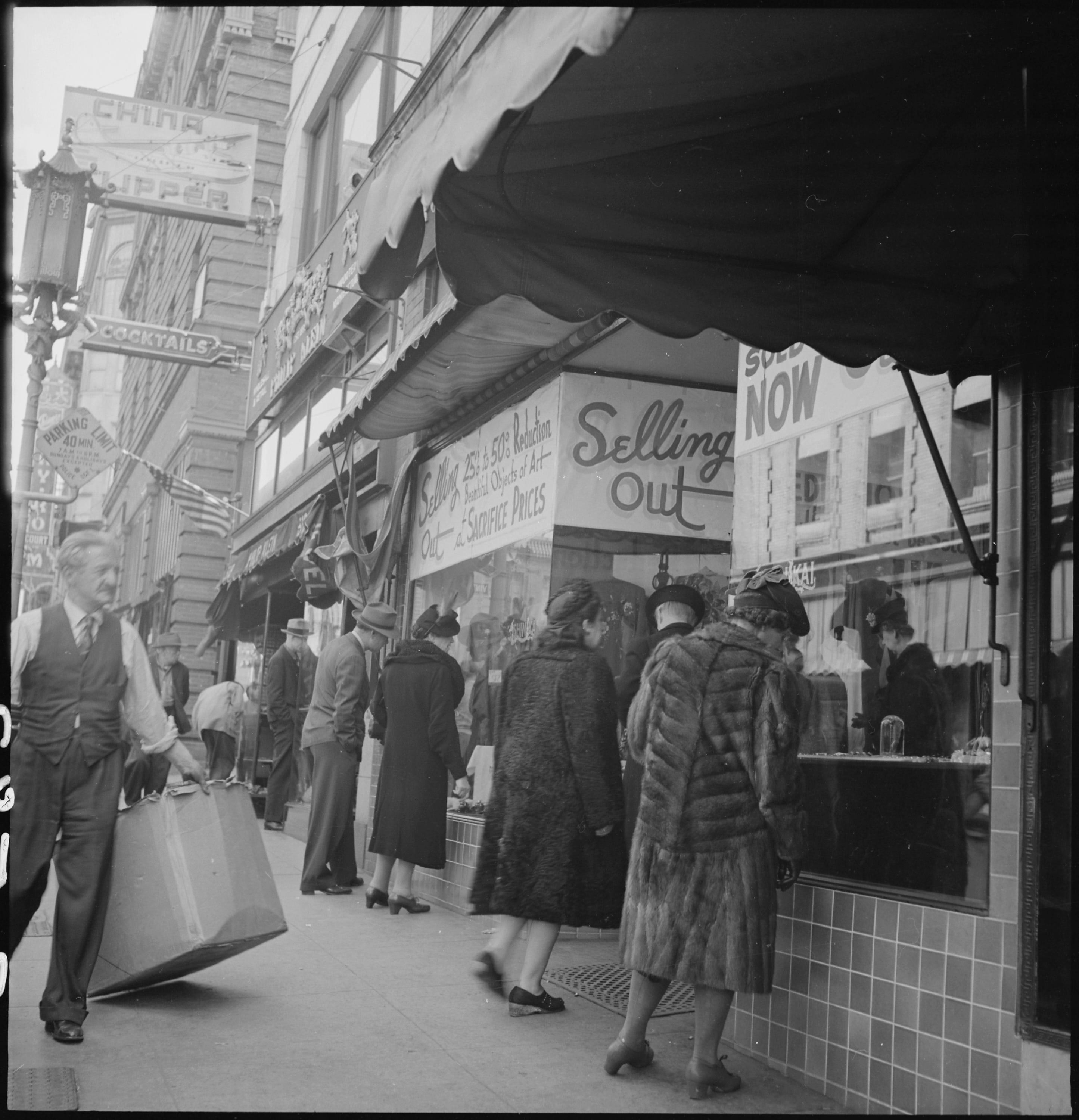
By 1940 Lodi had approximately 800 residents of Japanese heritage⏤amounting to just 7.2% of Lodi’s total population (11,079) at the time, yet still a significant percentage compared to today. According to the most recent U.S. Census, just 1% of Lodi’s current population is currently registered as “Japanese”; in the entire state of California, it is just 1.25%.
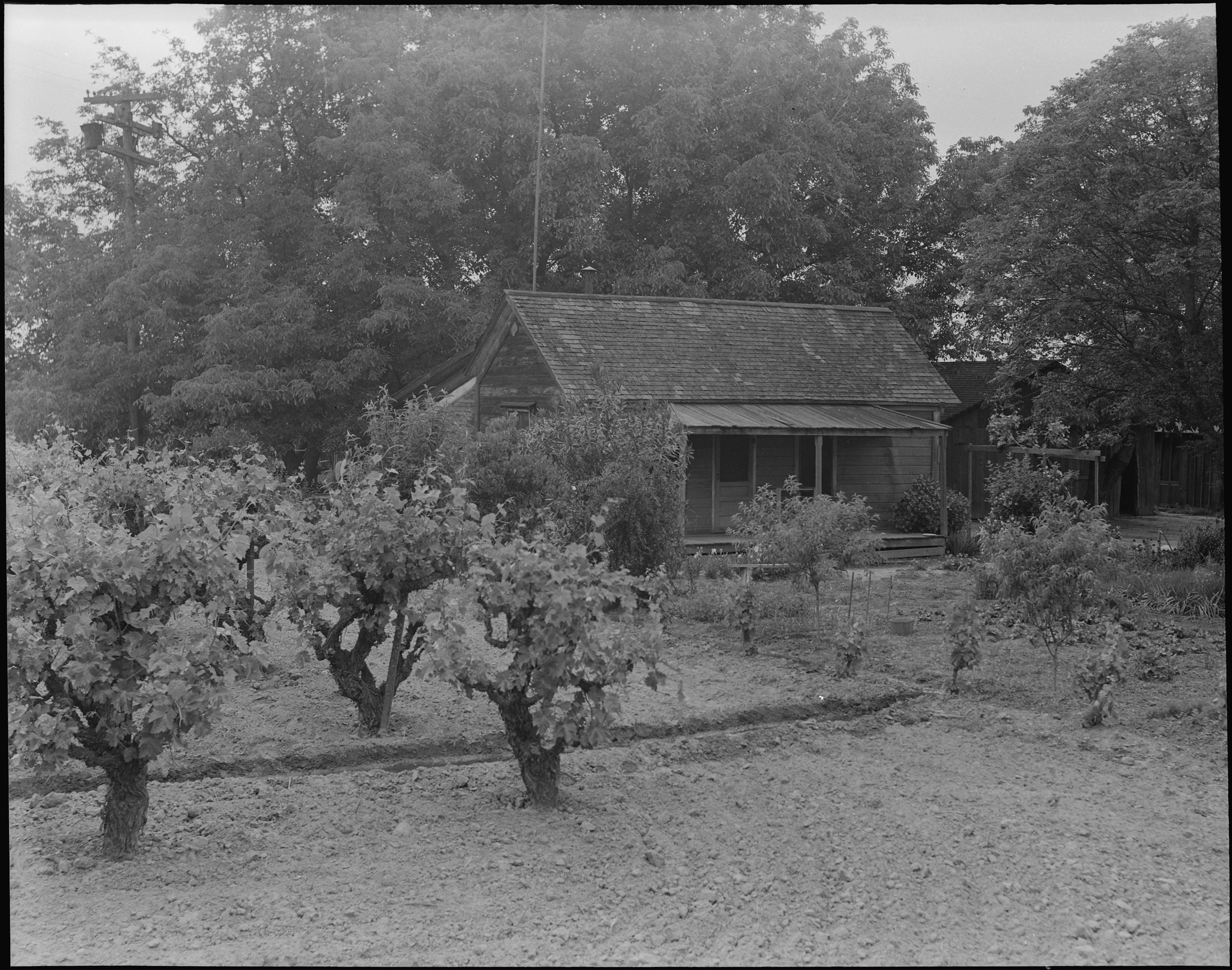
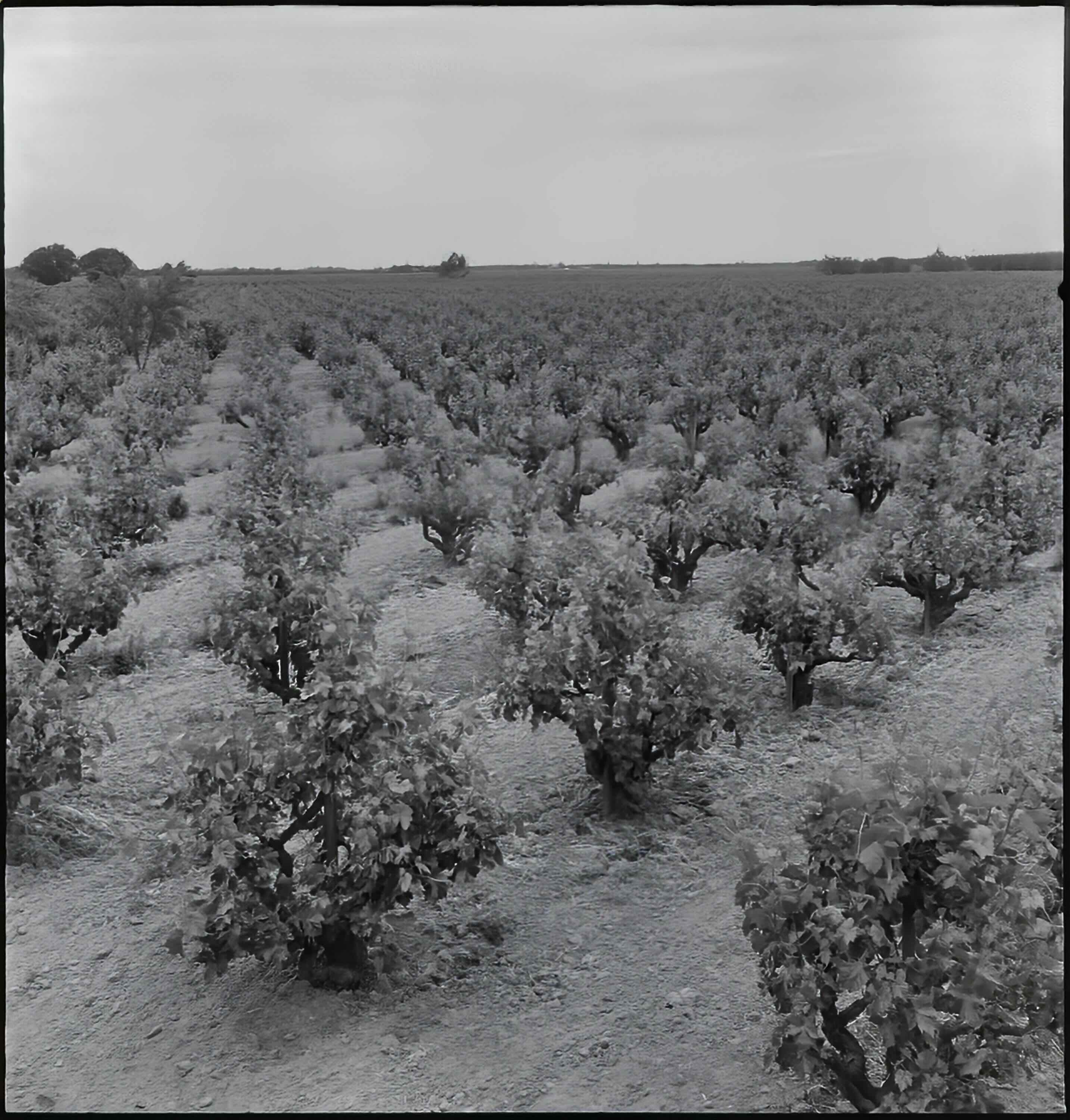
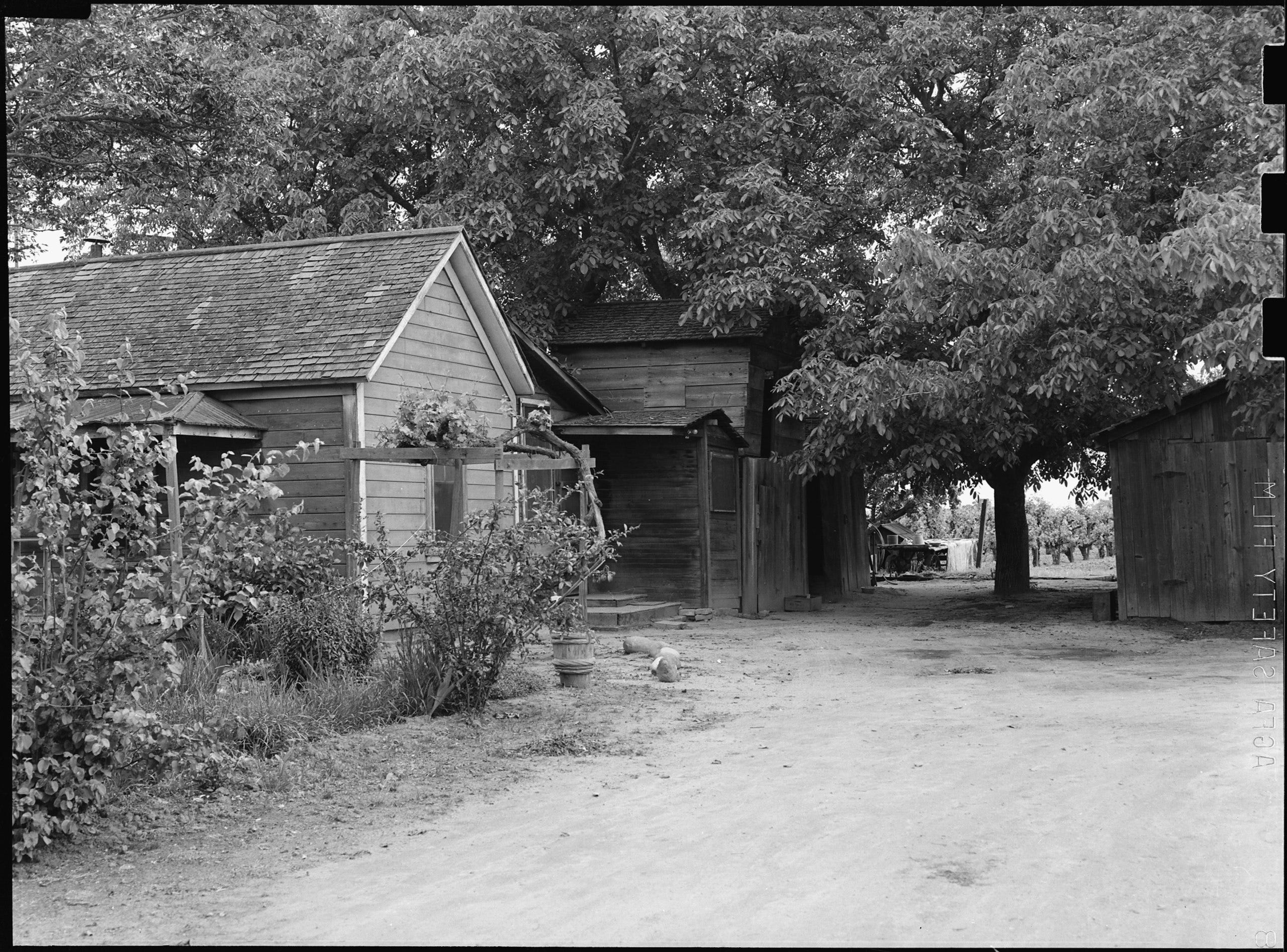
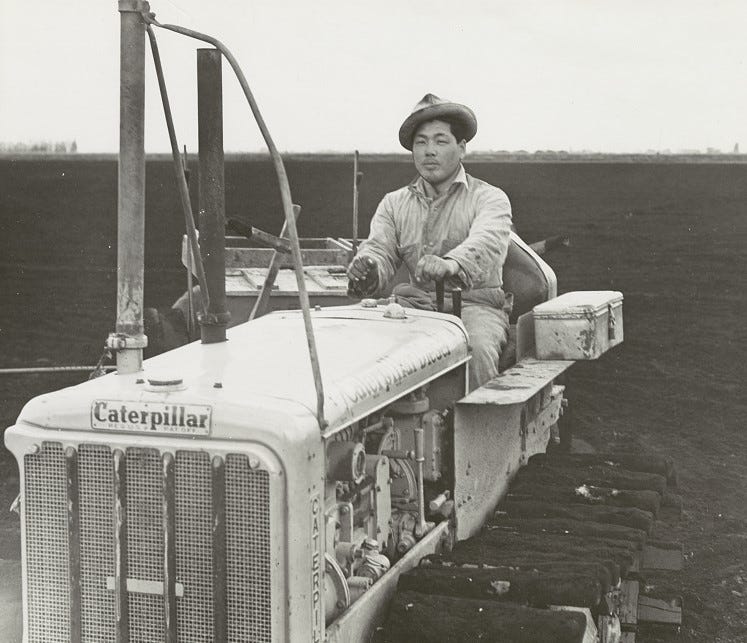
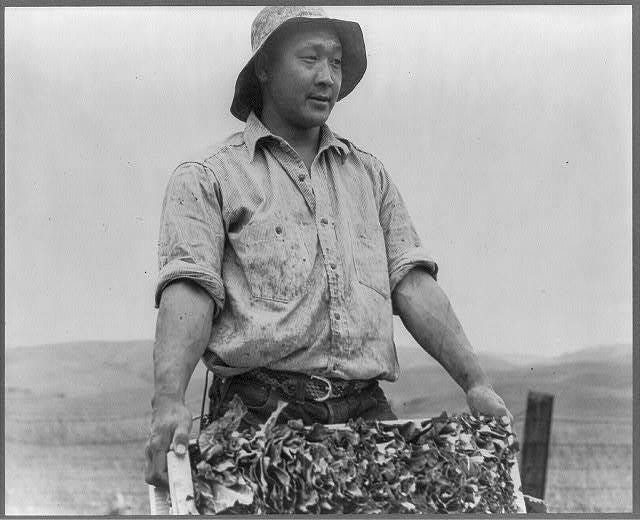
At the start of World War II, many of Lodi’s Japanese Americans owned or leased farmland and homes in the area; most of them forced to sell before going into internment camps (a small number, according to records, were able to retain property as absentee owners during the war, primarily through non-Japanese proxies). At that time, U.S. Census reports showed that 45% of Japanese Americans in California were working in agriculture.
Over the past ten or twelve years one of Lodi’s most successful small, independent wine brands has been Mikami Vineyards, owned by third generation Japanese American grape grower Jason Mikami.
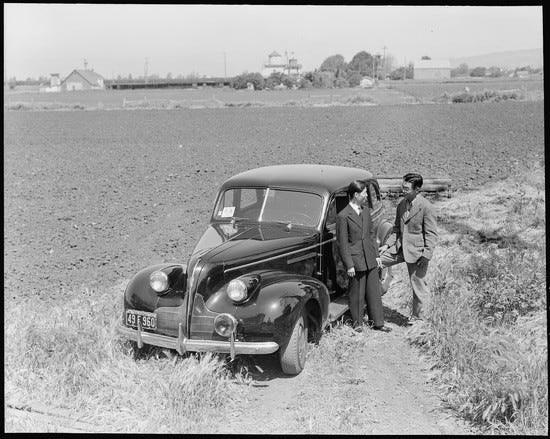
Mr. Mikami recalls conversations with his father Jim Mikami about the period leading up to his family’s incarceration. “One of his saddest memories was how, in June 1941, he and his family had just purchased a new car, which represented a huge amount of money, only to have Executive Order 9066 issued in February 1942. With that, they had to sell the vehicle for pennies on the dollar, since they had no means of keeping it.
“For the Japanese in Lodi, relocation meant being incarcerated in Rowher, Arkansas [over 2,000 miles from Lodi]. For context, prior to the war, my grandfather Teruichi Mikami [who first arrived in Lodi in 1896 at the age of 15] was a grape farmer, working for various ranchers in the Lodi area.”
Adds Mikami, “In addition, my Uncle Joe Mikami served in the 442nd Infantry Regiment, one of the most decorated units in U.S. history, which was comprised of Japanese Americans who willingly fought for their country despite the discriminatory acts of the relocation.
“Despite hardships on the home front, an estimated 33,000 Japanese Americans served in the U.S. military during World War II; most of them young Nisei, some 20,000 of them volunteering for the Army. Both the 442nd and the 100th Infantry Battalion, in fact, were famed for being the most decorated units in all of U.S. military history, while Japanese Americans in the 522nd Field Artillery Battalion and Military Intelligence Service served with equal valor.
Says Mikami, “After the war, the entire family returned to Lodi to continue farming, and eventually purchased a vineyard on Turner Road. That vineyard is still owned by my Uncle Joe’s family. My father purchased his own vineyards on Sargent Road, which is where I was raised and now source the fruit for the Mikami Vineyards wines.”
Mikami’s late mother, Aiko Mikami, has her own, perhaps even more compelling, story: “My mother was born in Hiroshima and witnessed the first dropping of an atomic bomb. She suffered burns and the loss of a brother but eventually immigrated to the U.S. after marrying my father.
“Despite the war and the fact that the U.S. had caused her family harm, my mom wanted to be an ambassador of Japanese culture. So during her time in Lodi she taught many of the Japanese arts to local communities, including tea ceremony, koto (a Japanese harp), and ikebana (flower arrangement). She also participated in many Obon festivals in Lodi and is remembered on one of the murals on the Buddhist Church annex [named “Japantown Memories” by local artist Tony Segale]. In the mural she is the lady on the far right, playing the Japanese shamisen guitar.”
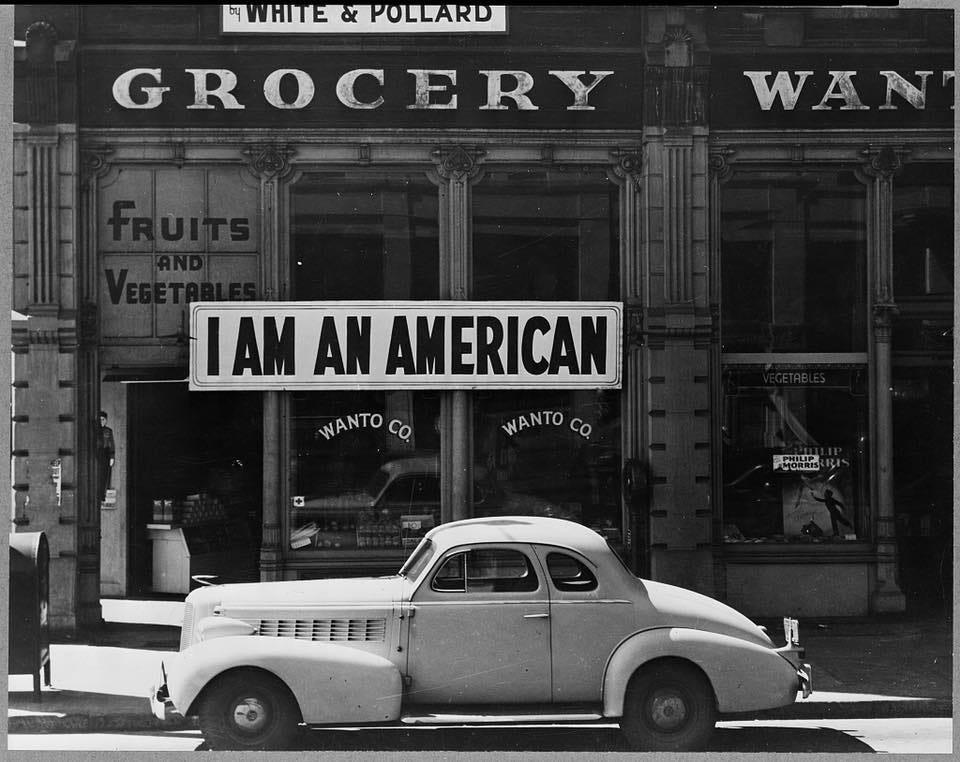
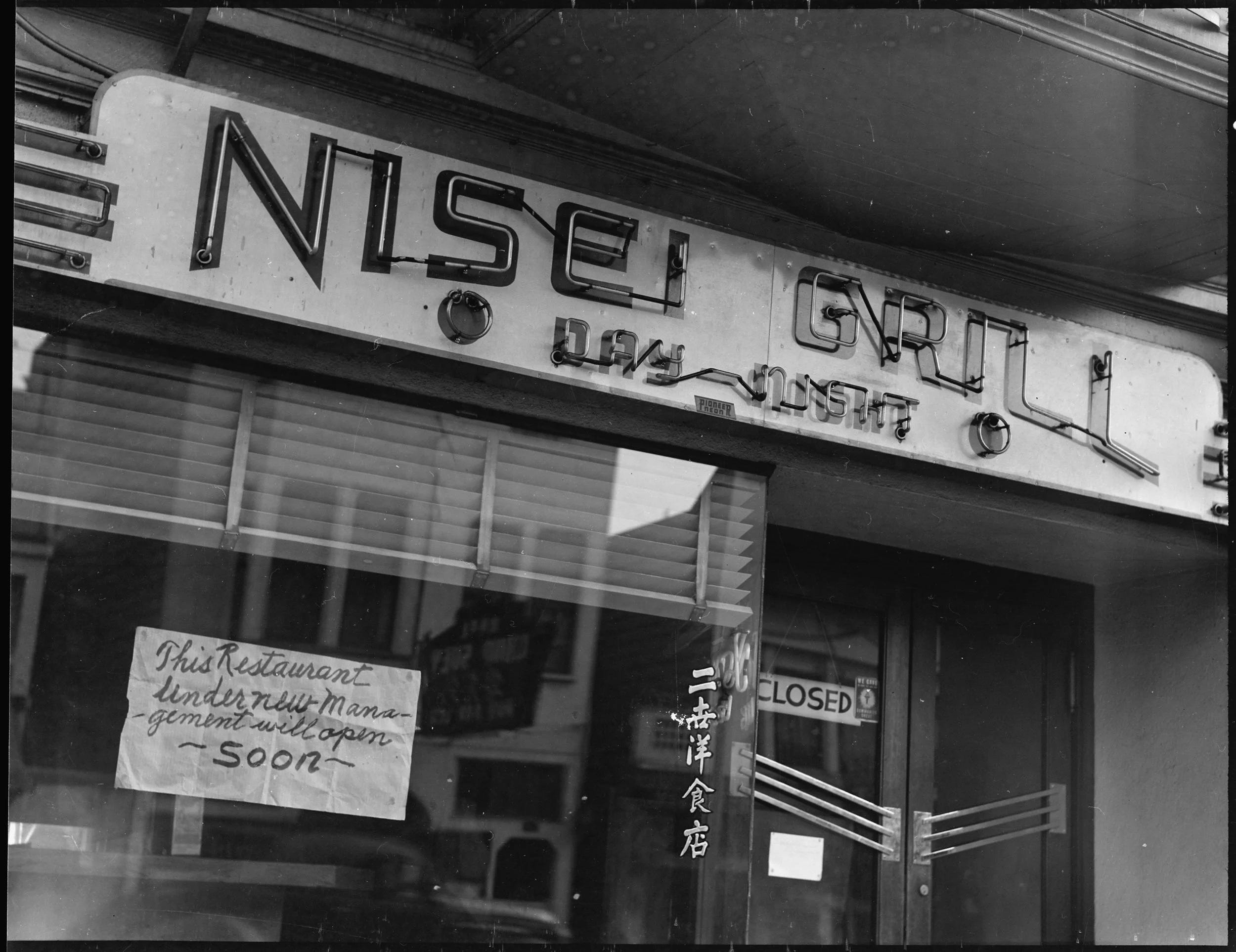
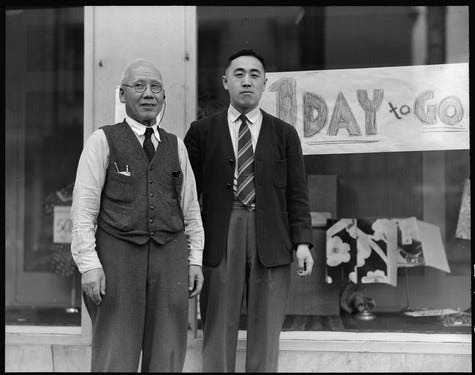
In March 1942, when Lange set out to document the evacuation process in California, she began in San Francisco where hundreds of Japanese Americans were forced to dissolve their businesses and abandon their homes. From there, she took a spin through Centerville , San Leandro and Hayward in Alameda County, as well as Stockton.
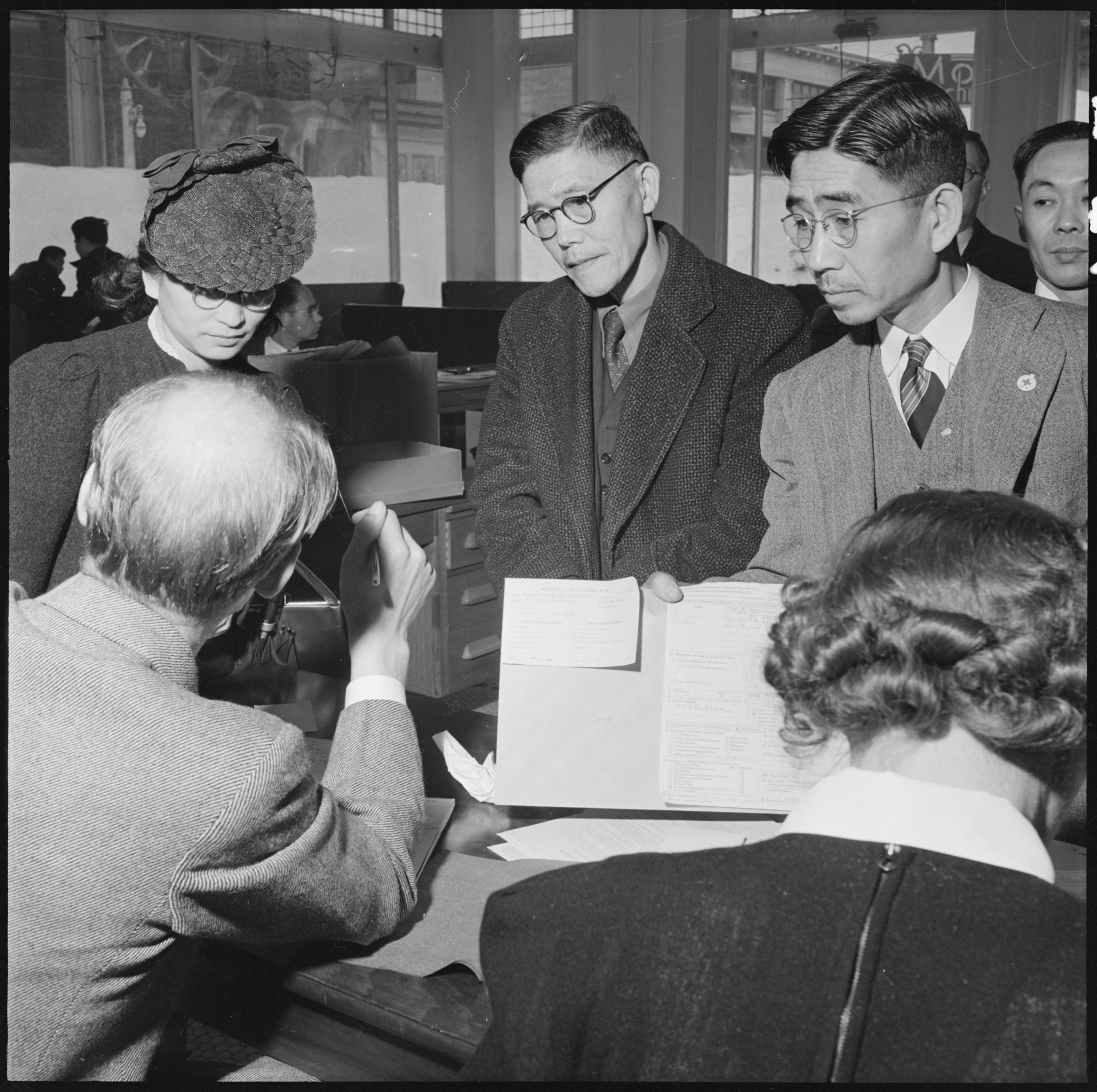
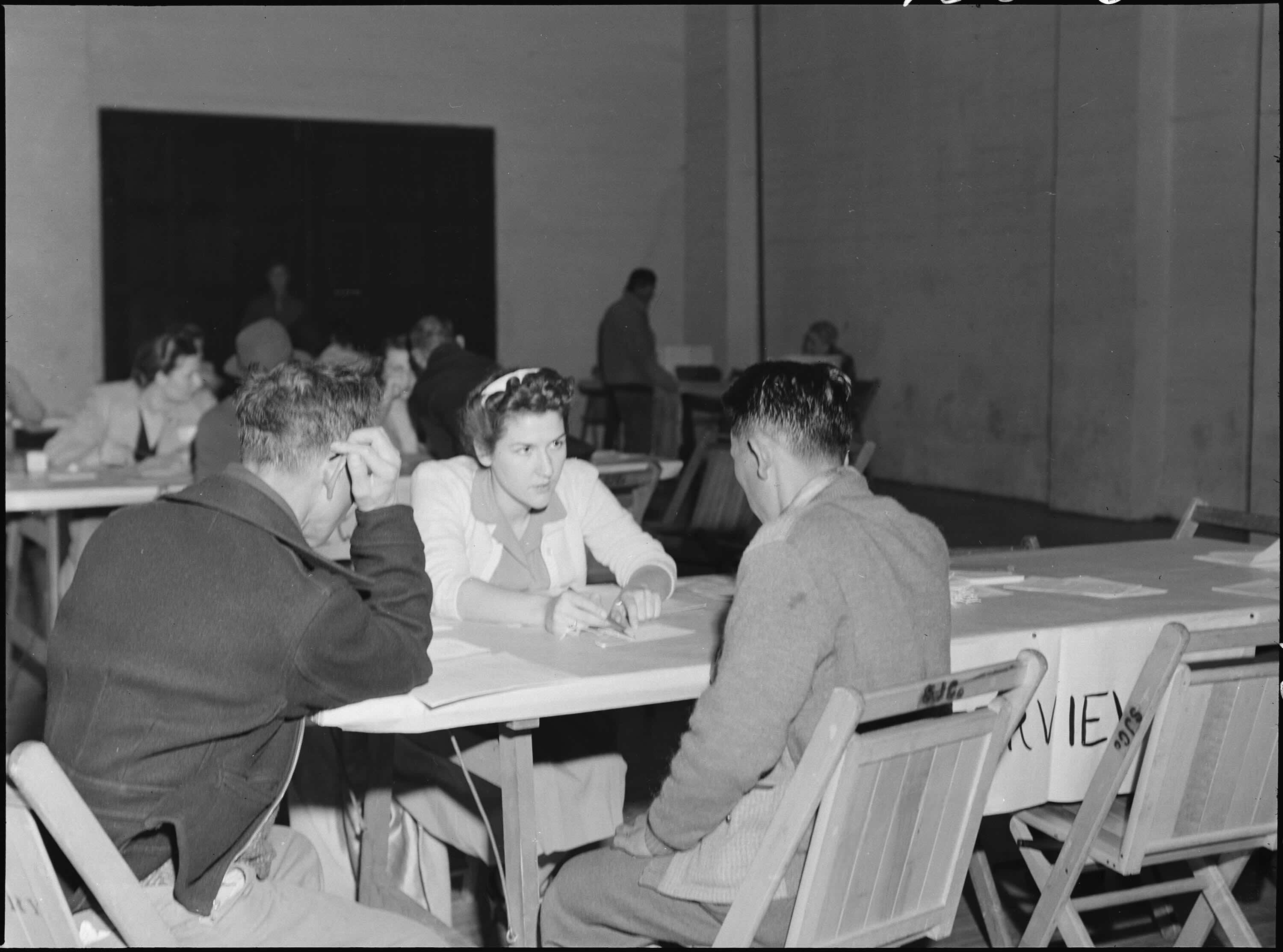
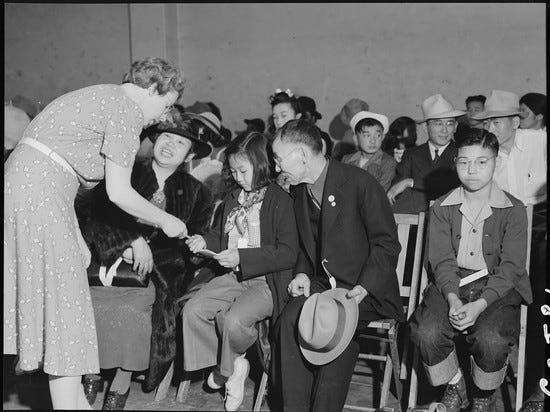
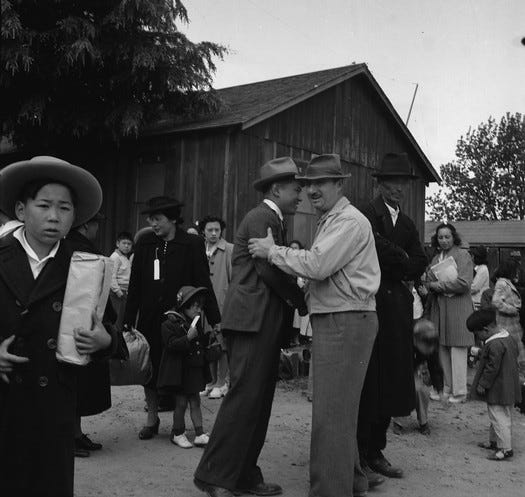
After returning to the Bay Area to document the registration process in April 1942, Lange went out to Sacramento and Florin in Sacramento County to chronicle the emotional separation of Japanese-Americans from their farms, businesses, homes, longtime friends, colleagues, fellow students and church members in their communities.
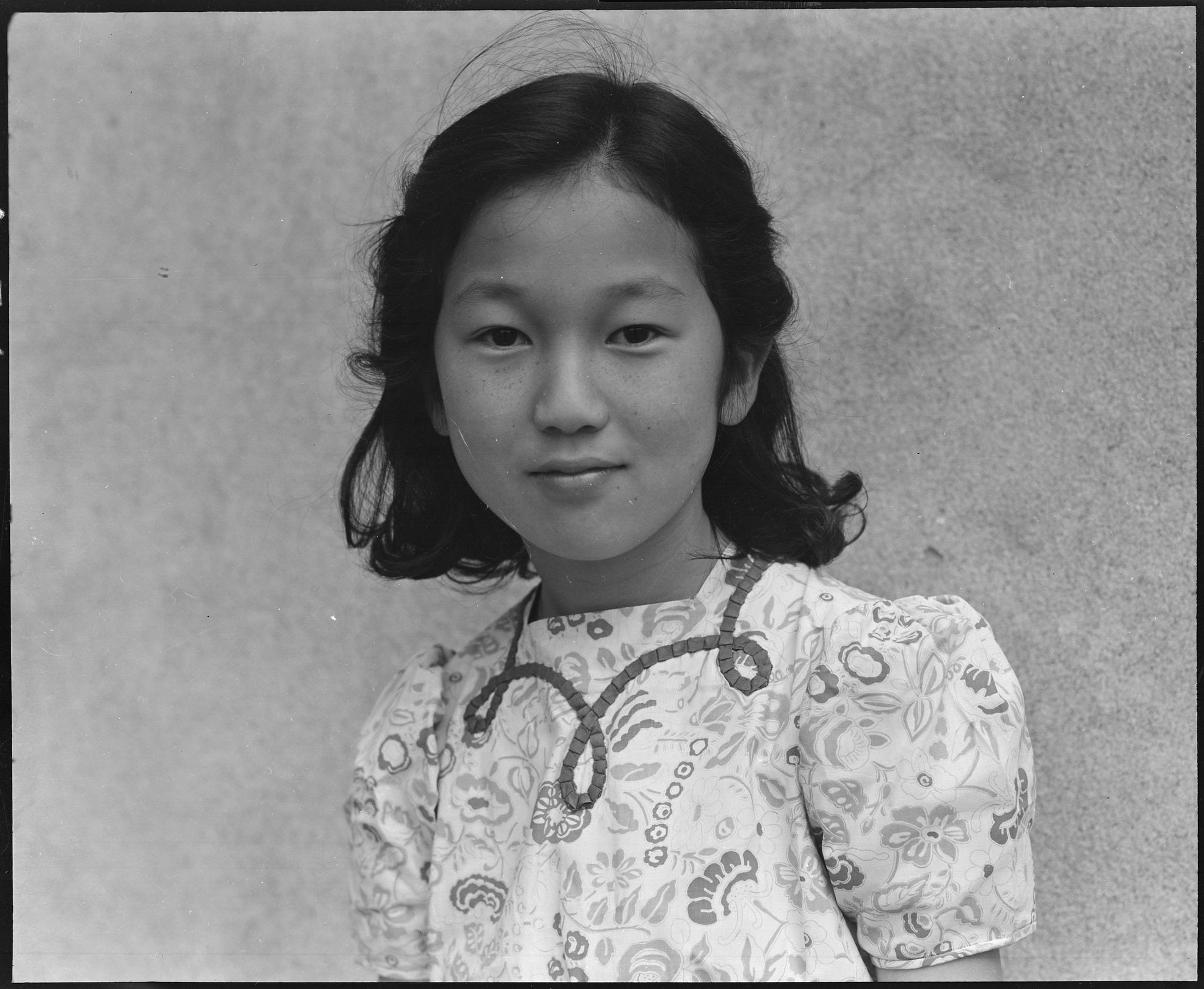
In subsequent months Lange would take her camera through Berkeley, Oakland, Byron (Contra Costa County), San Bruno (San Mateo County), Mountain View (Santa Clara County), San Jose, Santa Cruz, Watsonville, Salinas, Monterey, Paso Robles and Guadalupe (Santa Barbara County).
In the Central Valley, Lange logged hundreds of miles going through farming communities in Woodland(Yolo County), Lodi, Stockton, Tracy (San Joaquin County), Modesto, Turlock (Stanislaus County), Merced, and Fresno.
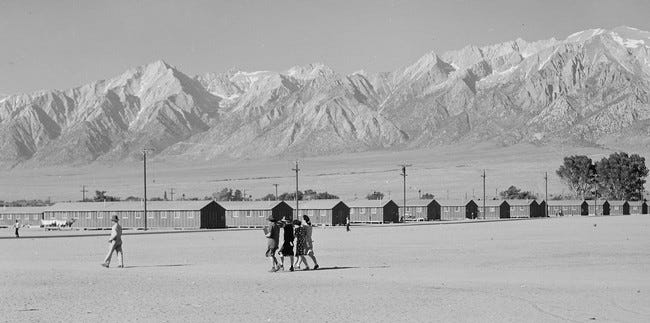
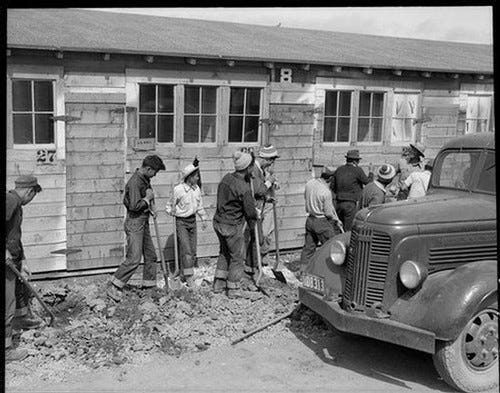
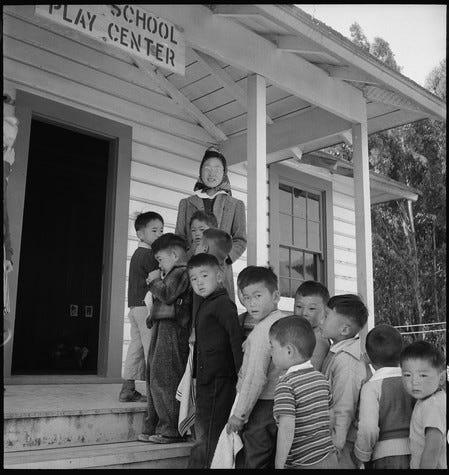
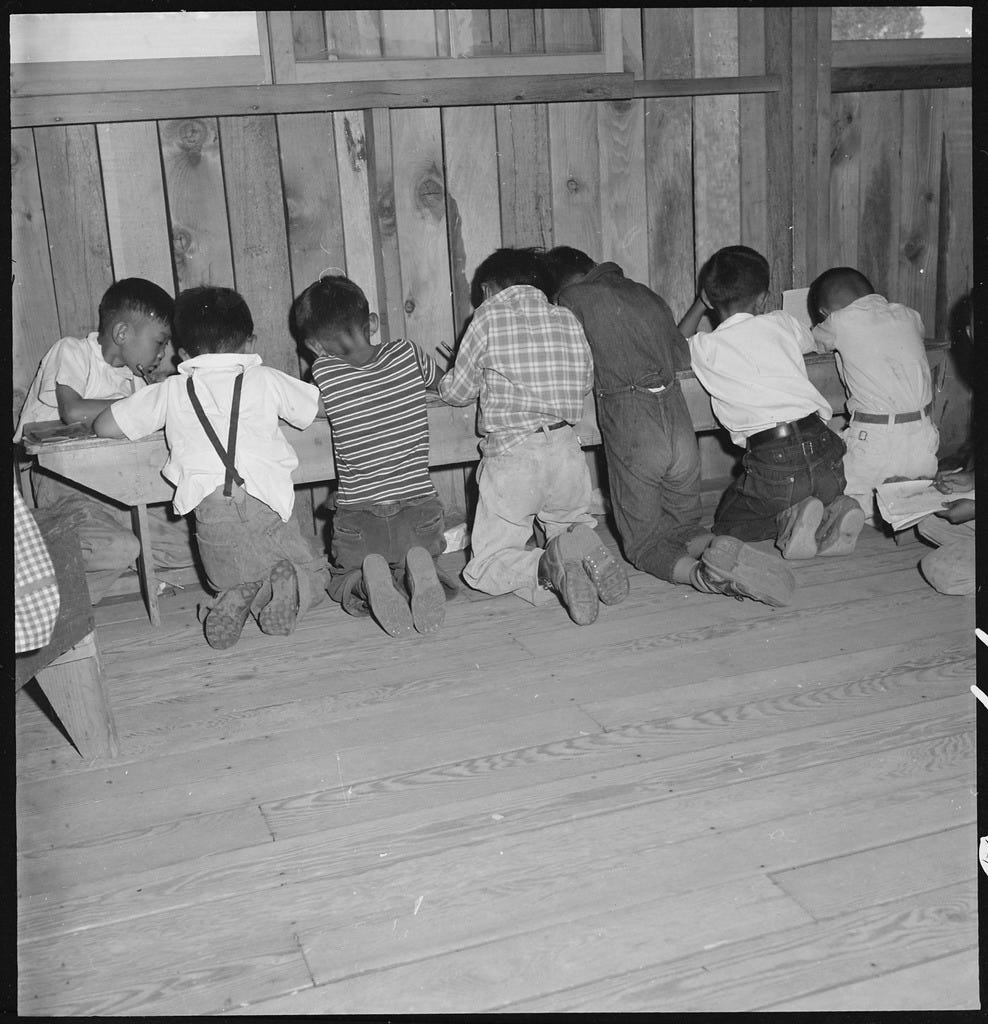
Once Japanese American families were on the move, Lange spent considerable time at the Tanforan Assembly Center in San Bruno where over 10,000 evacuees were temporarily housed before dispersal across the country. In spring/summer of 1942 she documented living conditions at the Manzanar Relocation Camp, where as many as 10,000 Japanese Americans at a time were interned on a barren plain east of Fresno, at the foot of the Sierra Nevada.
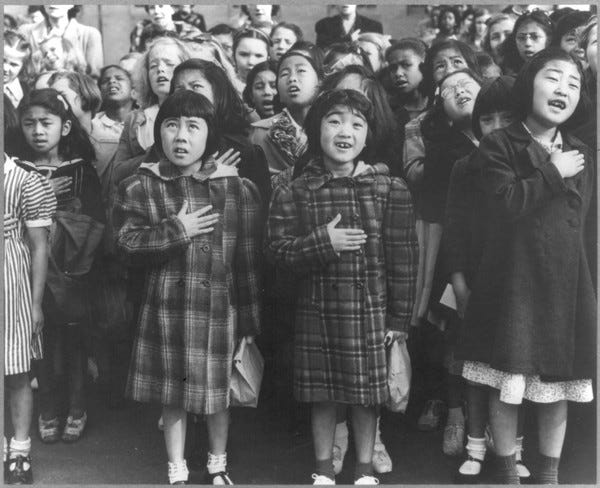
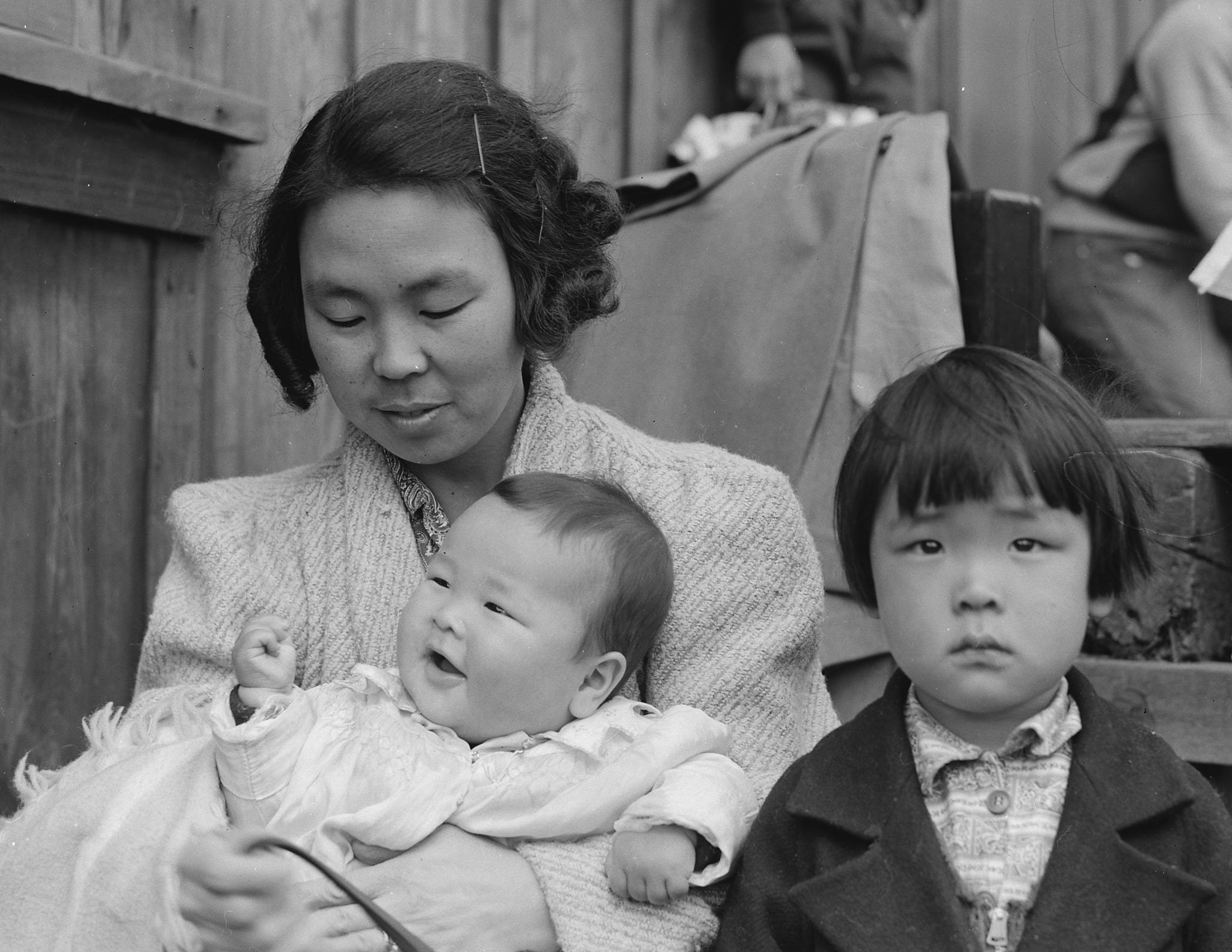
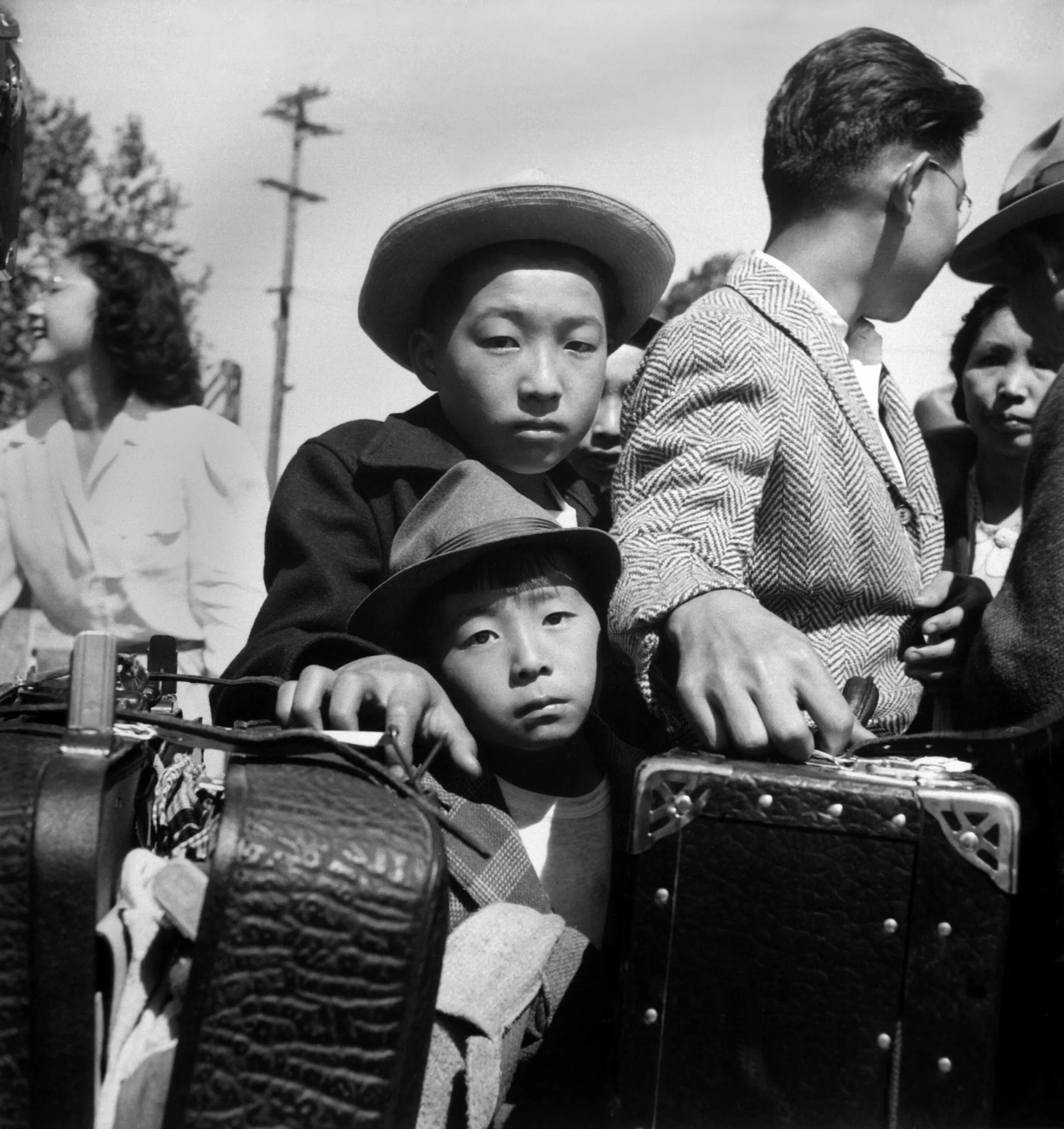
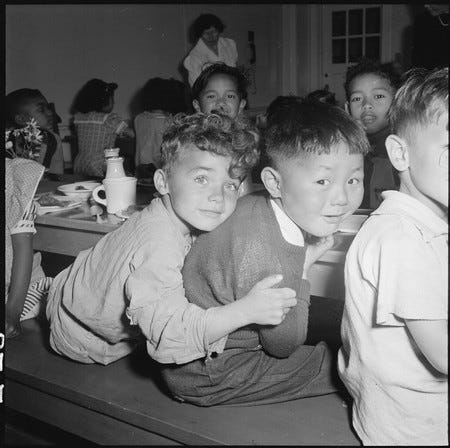
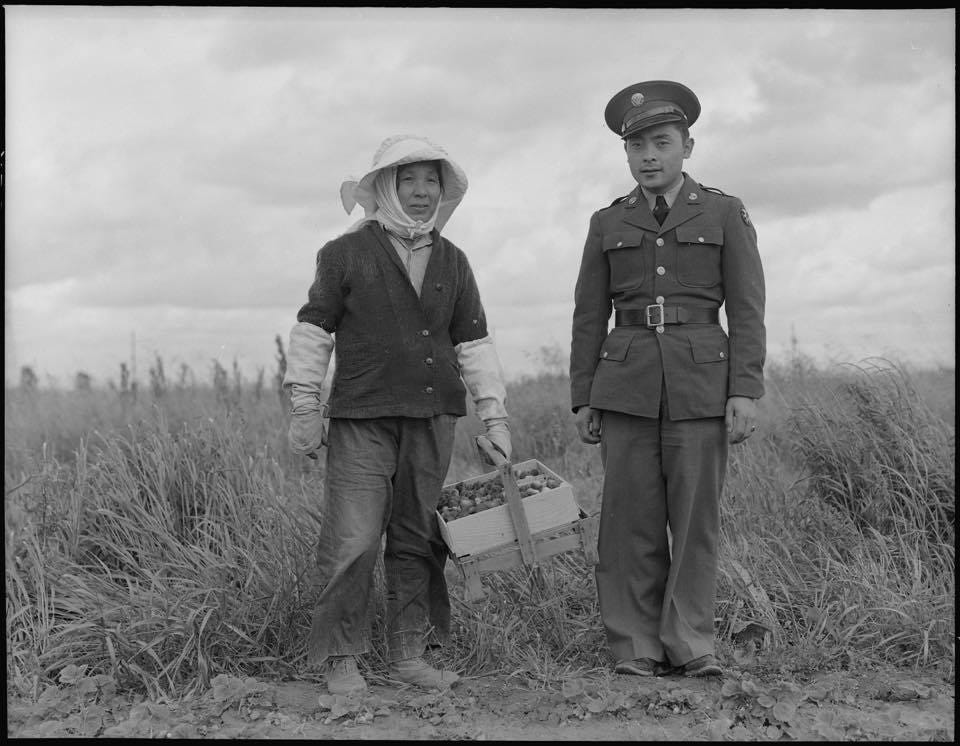
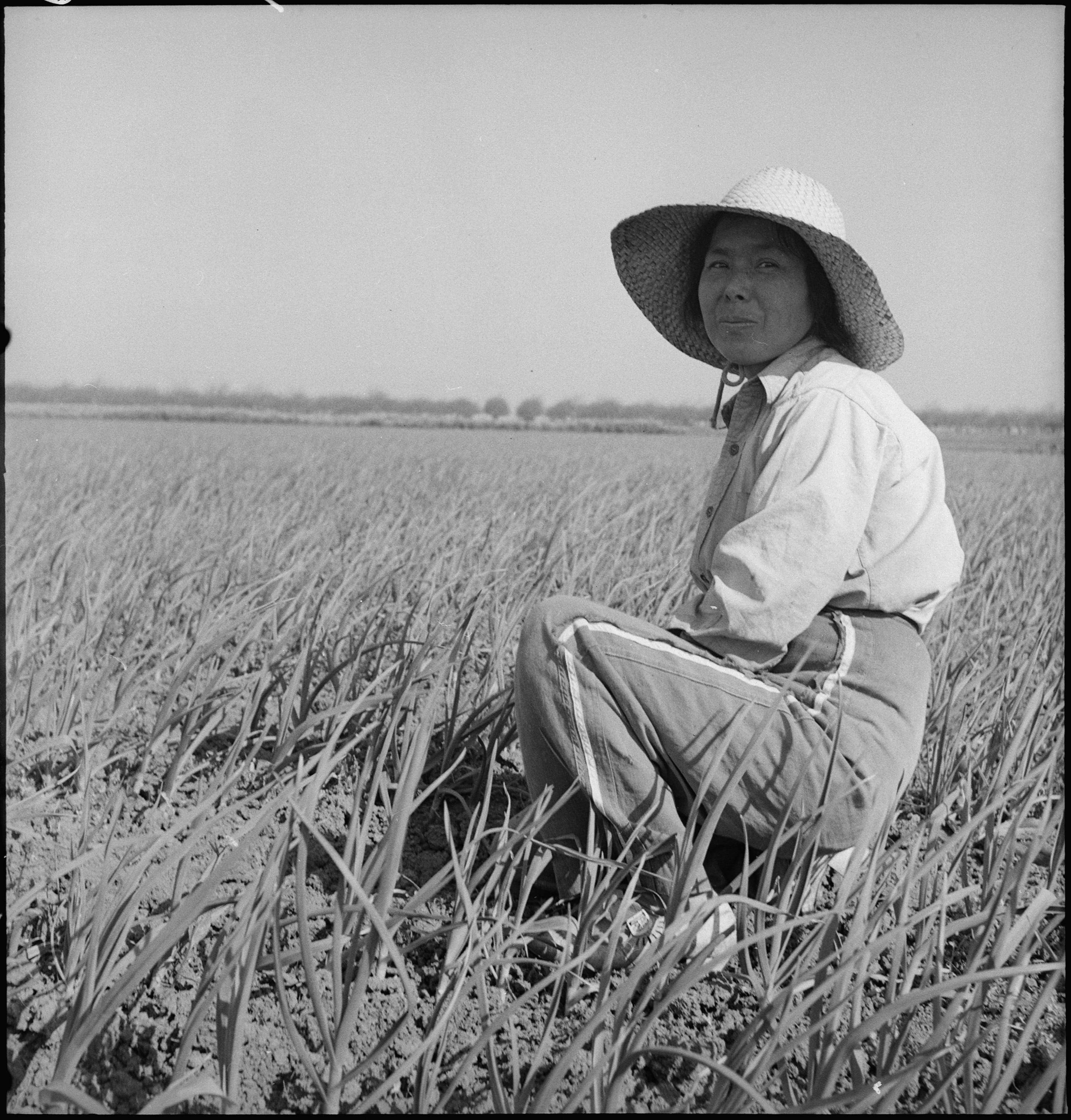
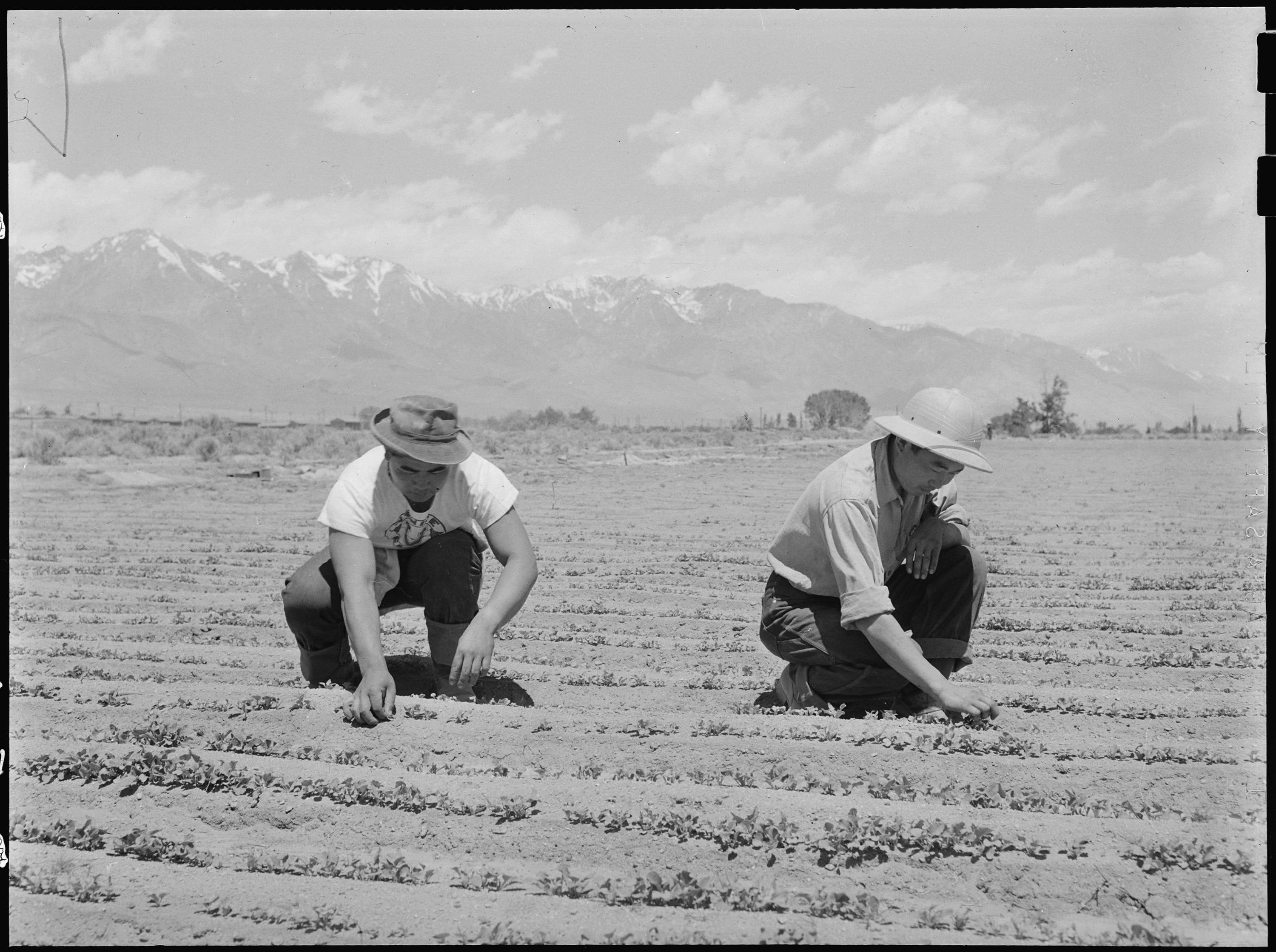
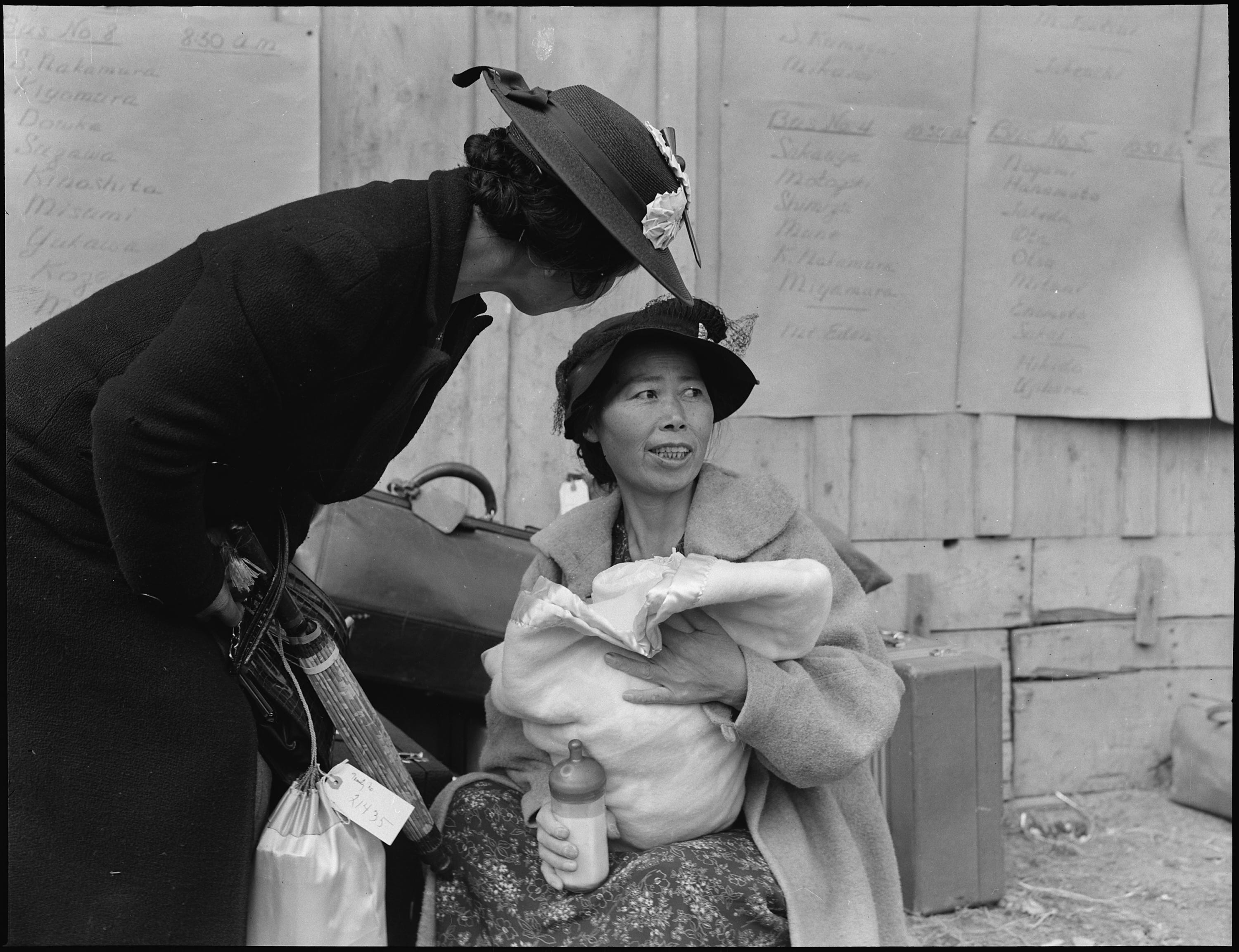
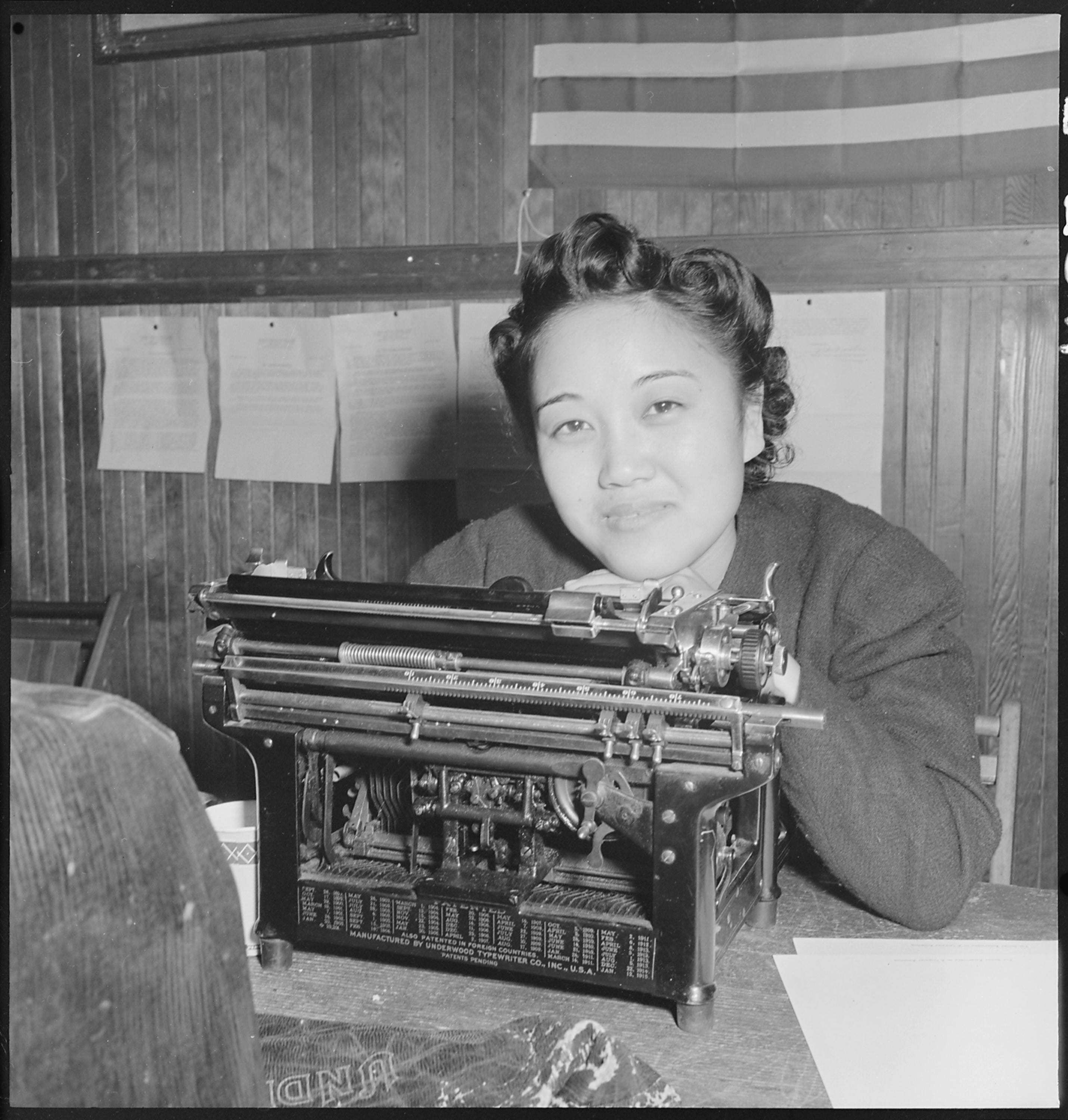
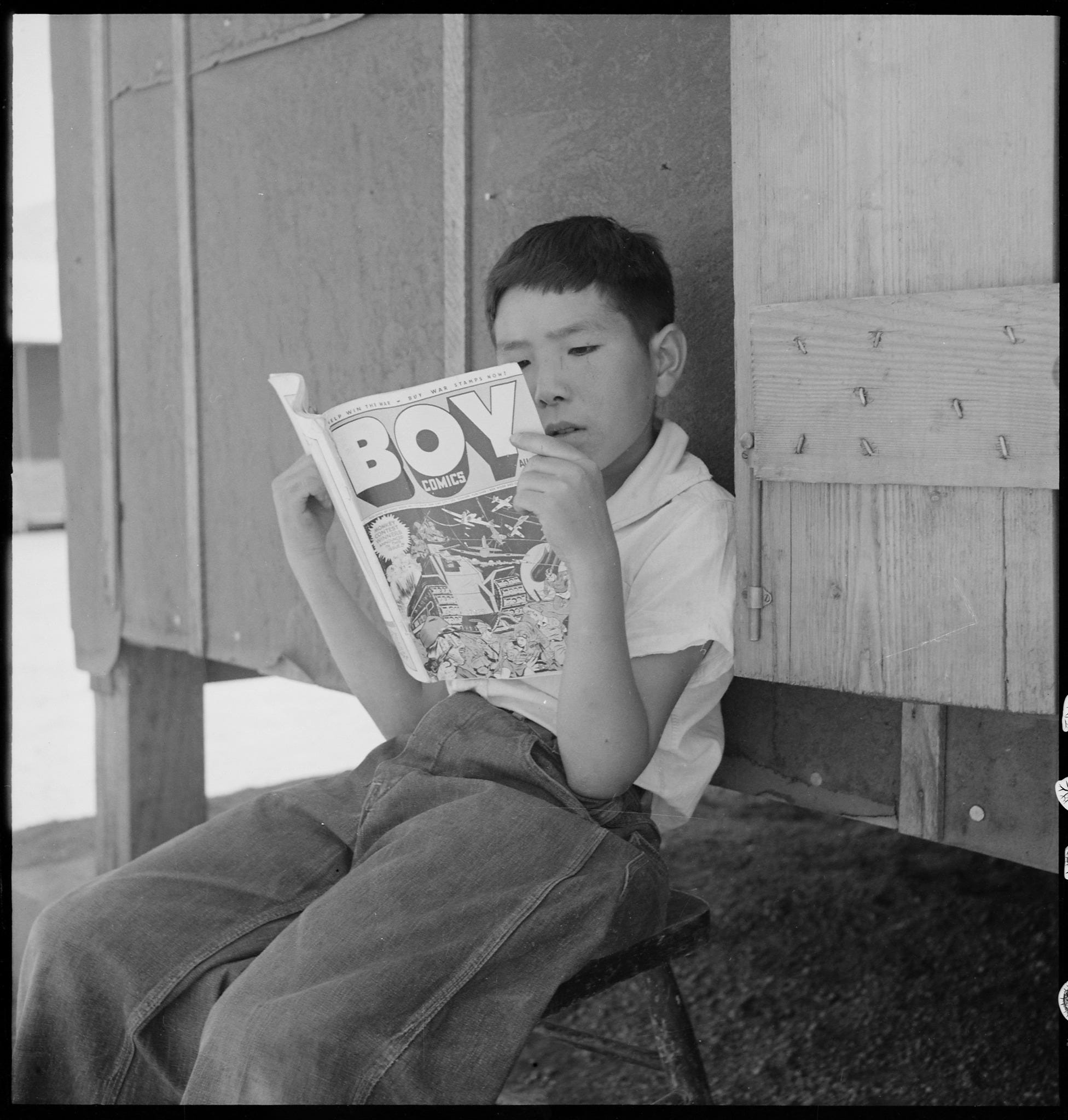
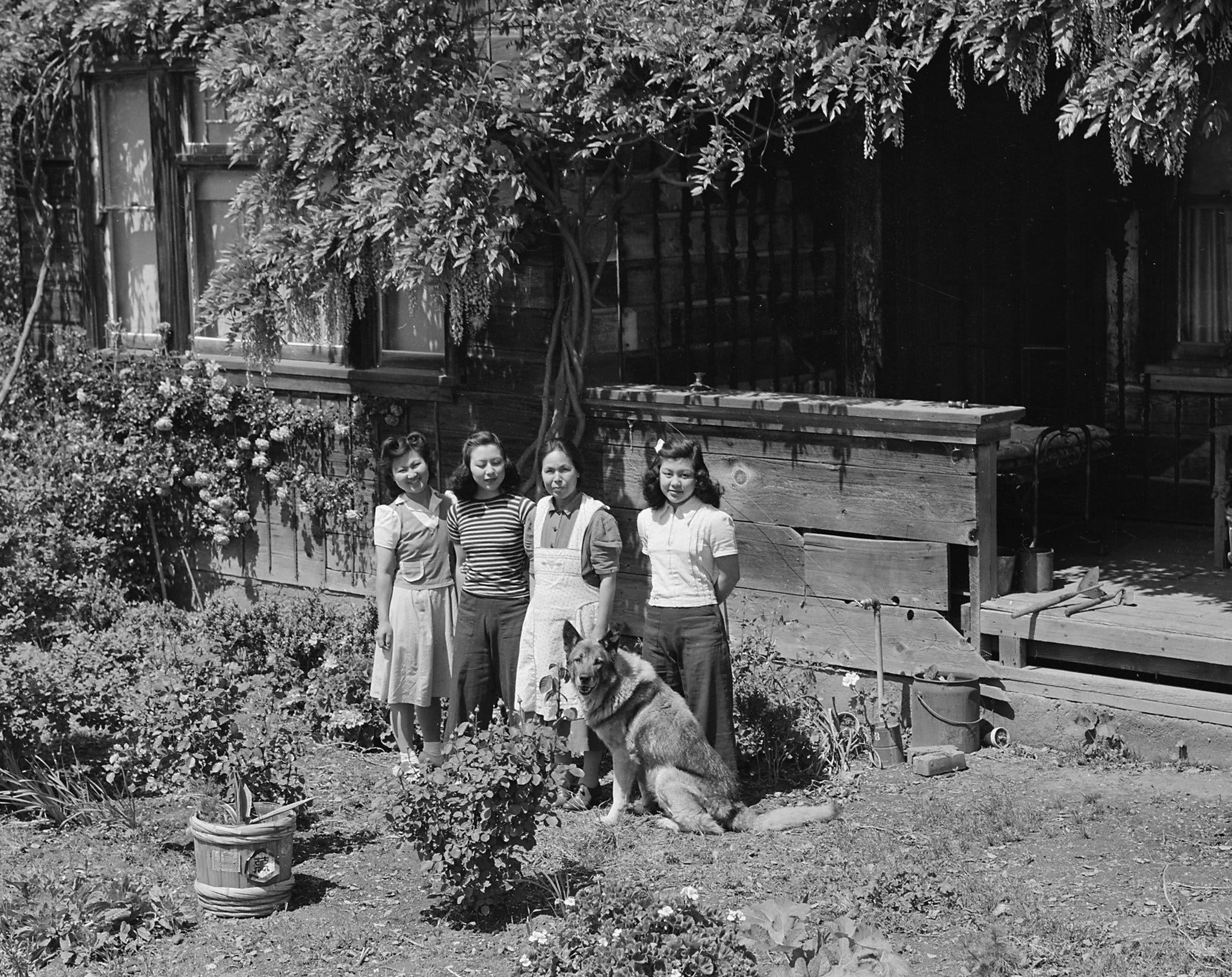
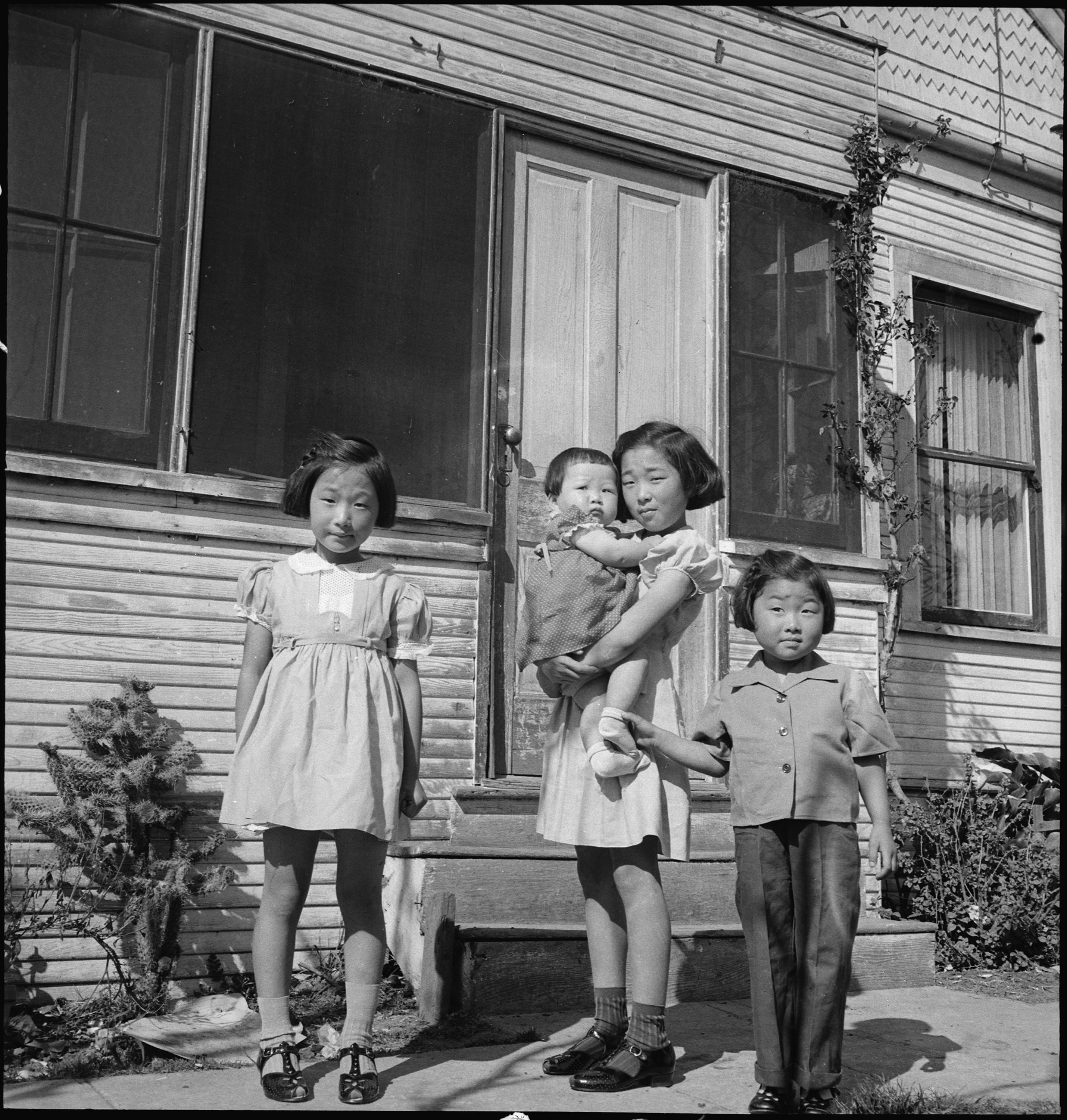
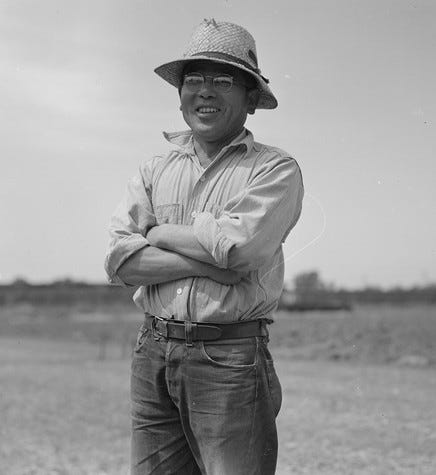
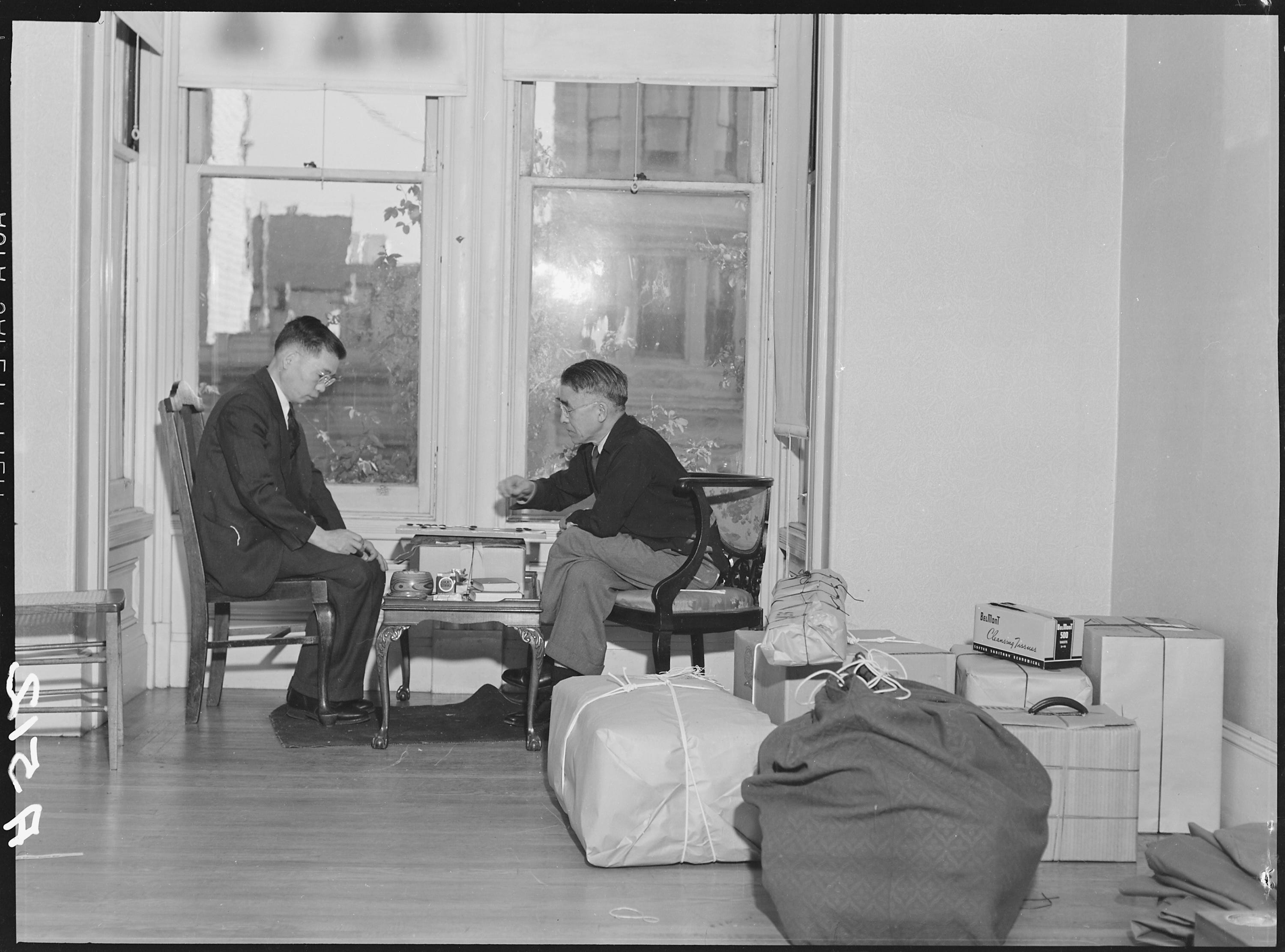
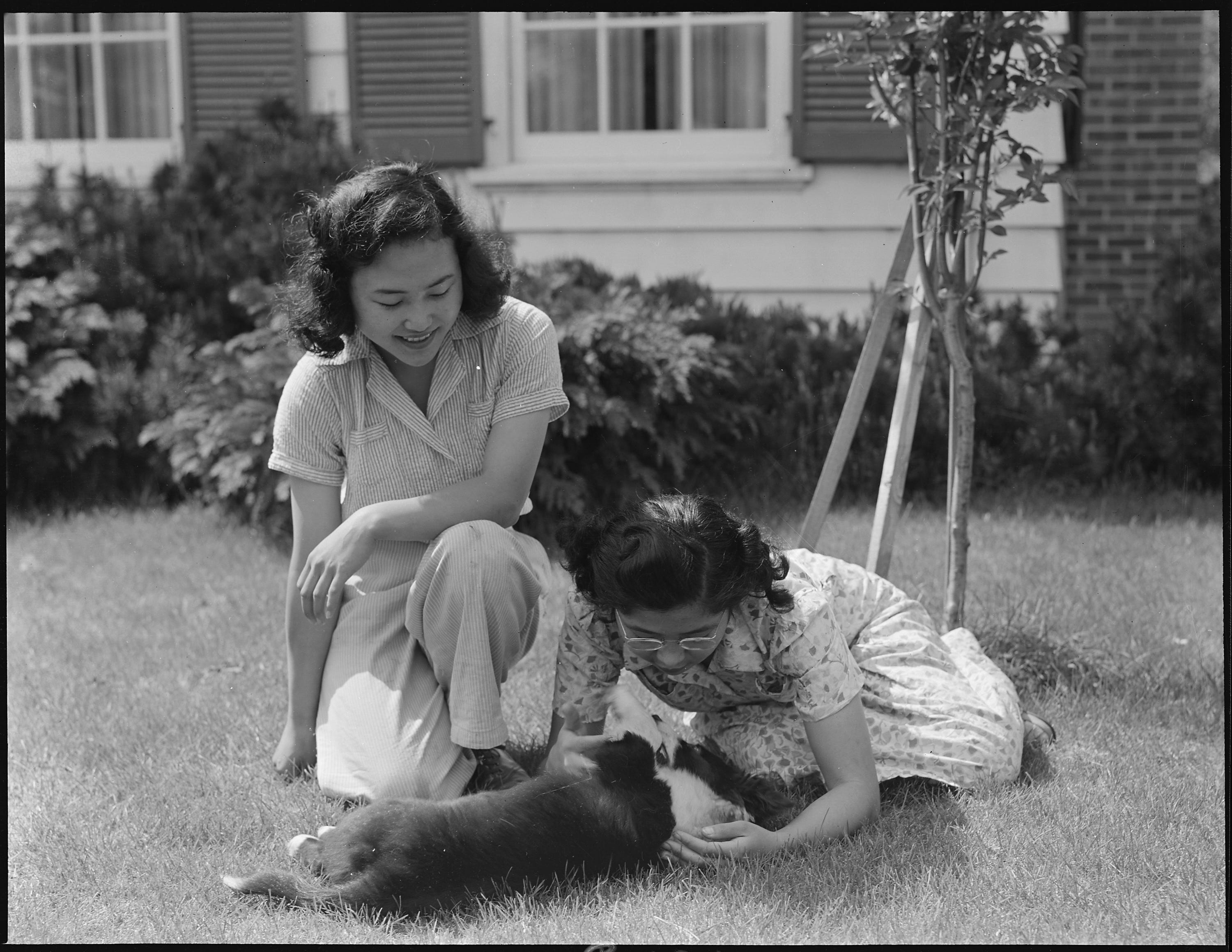
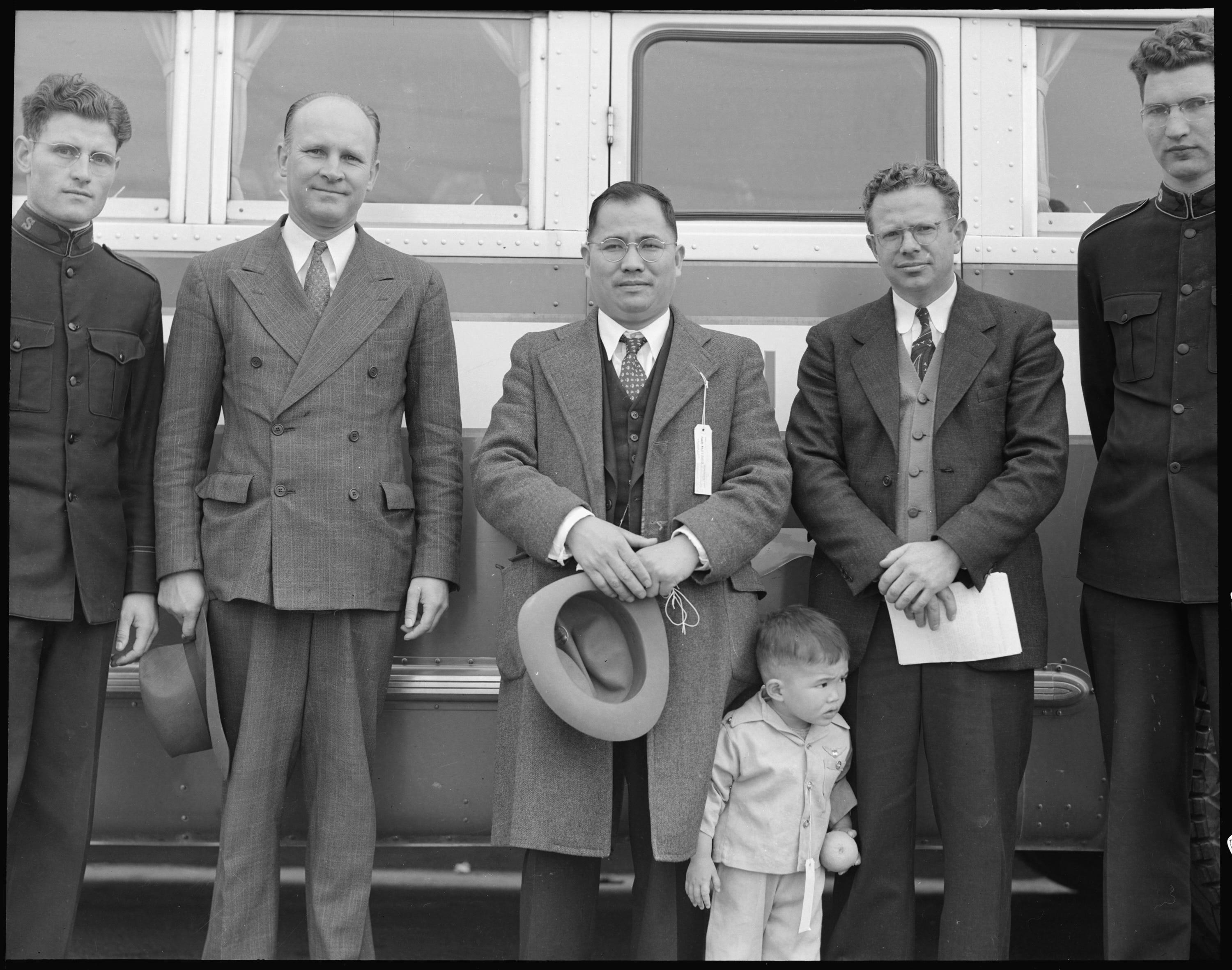
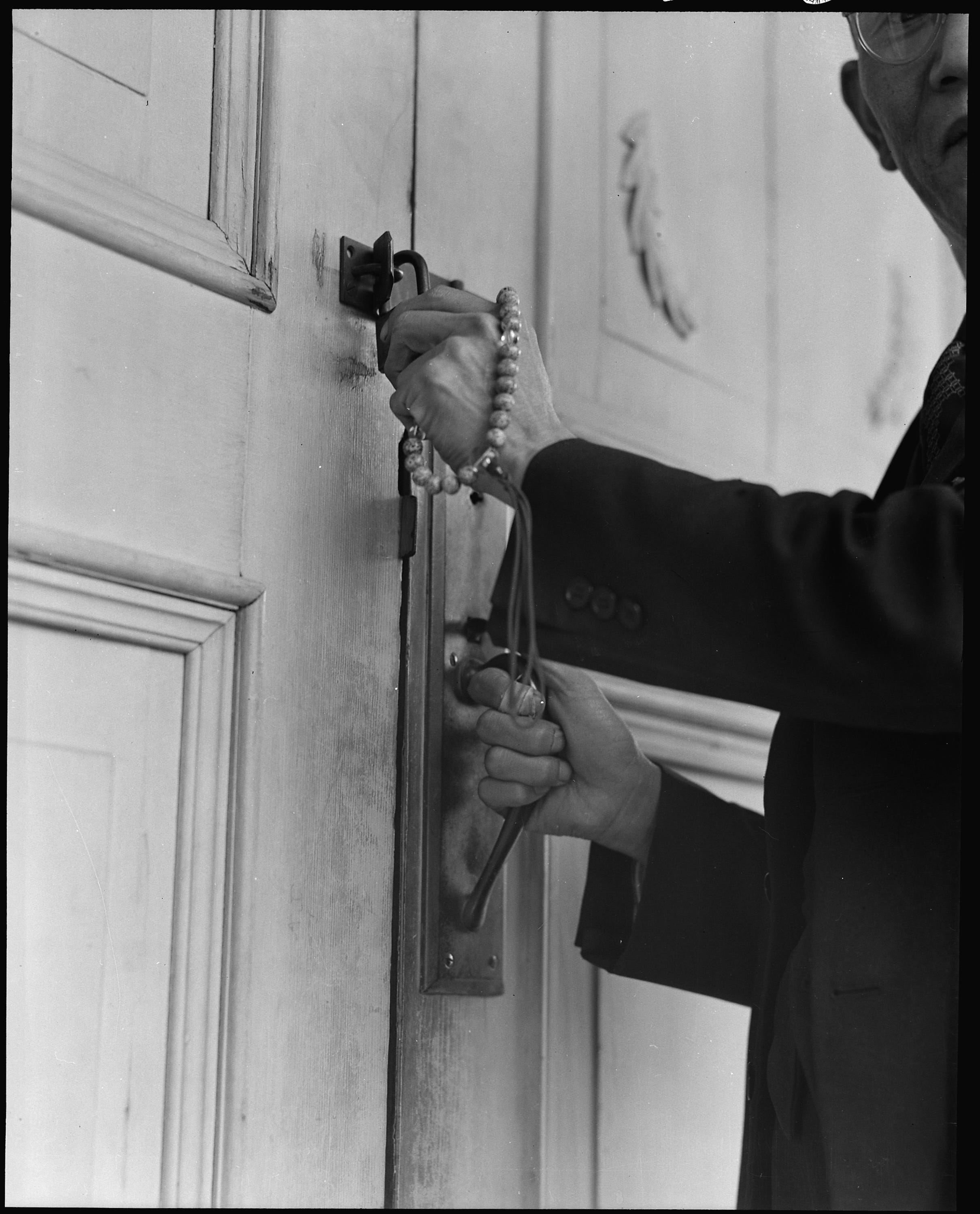
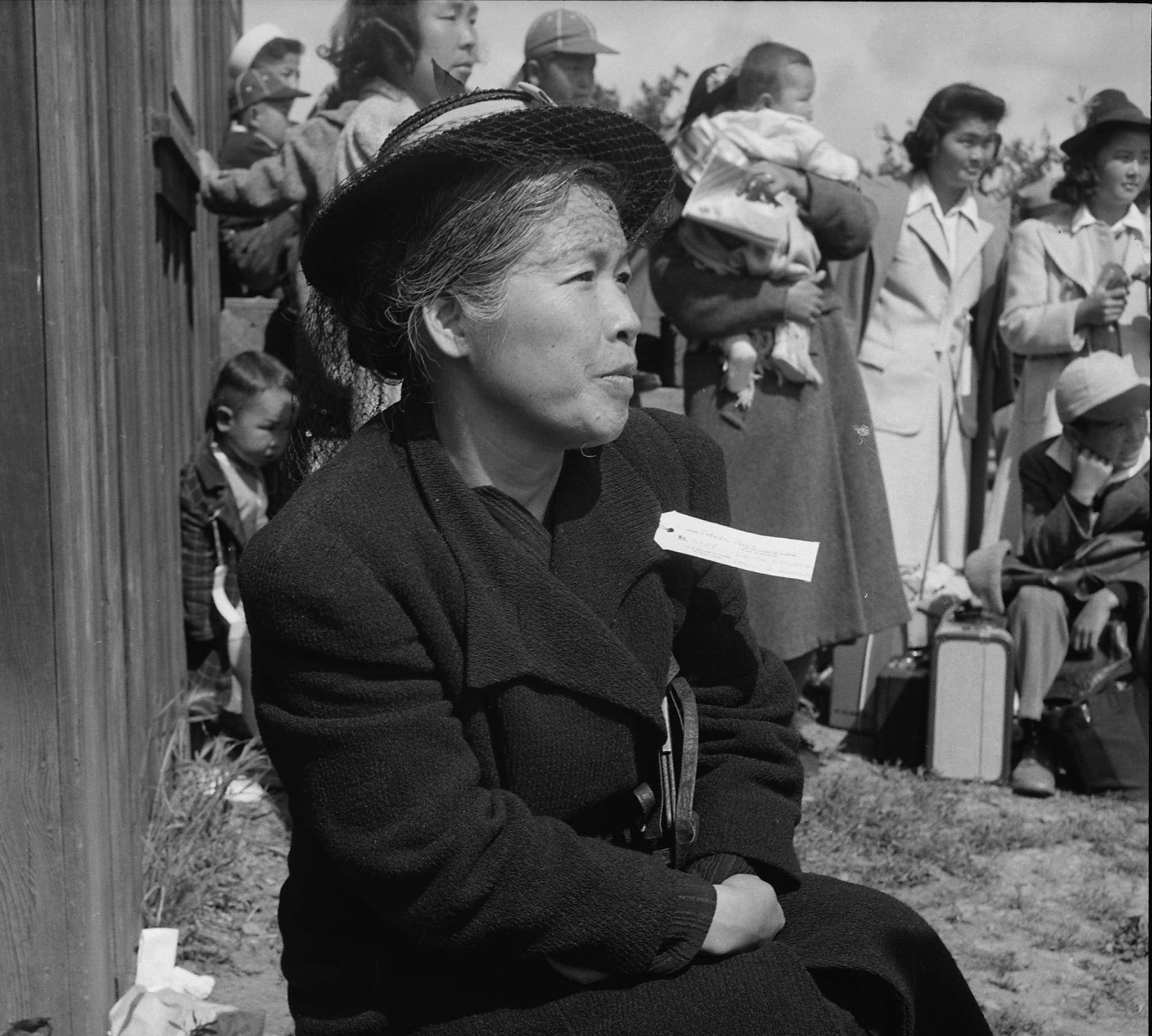
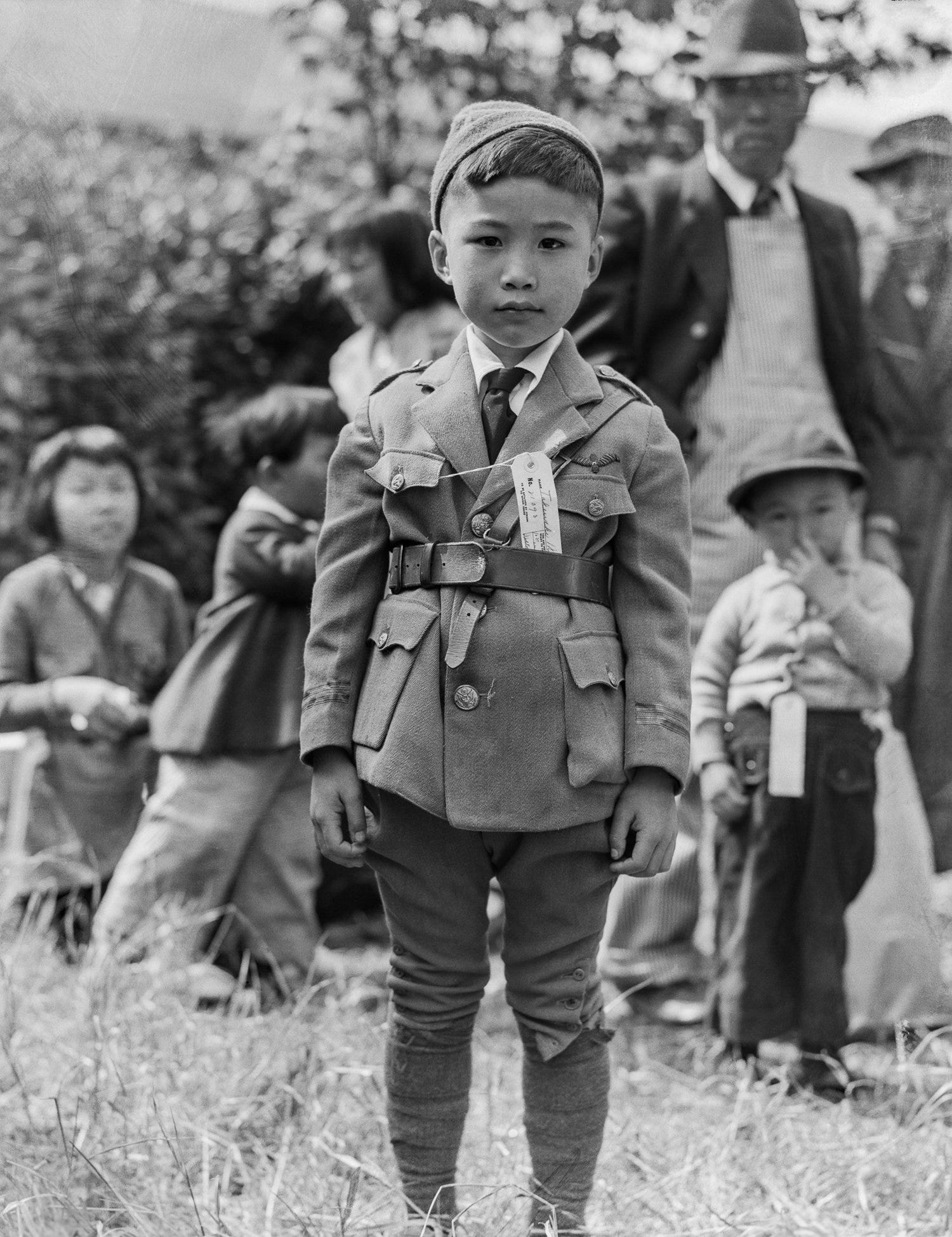
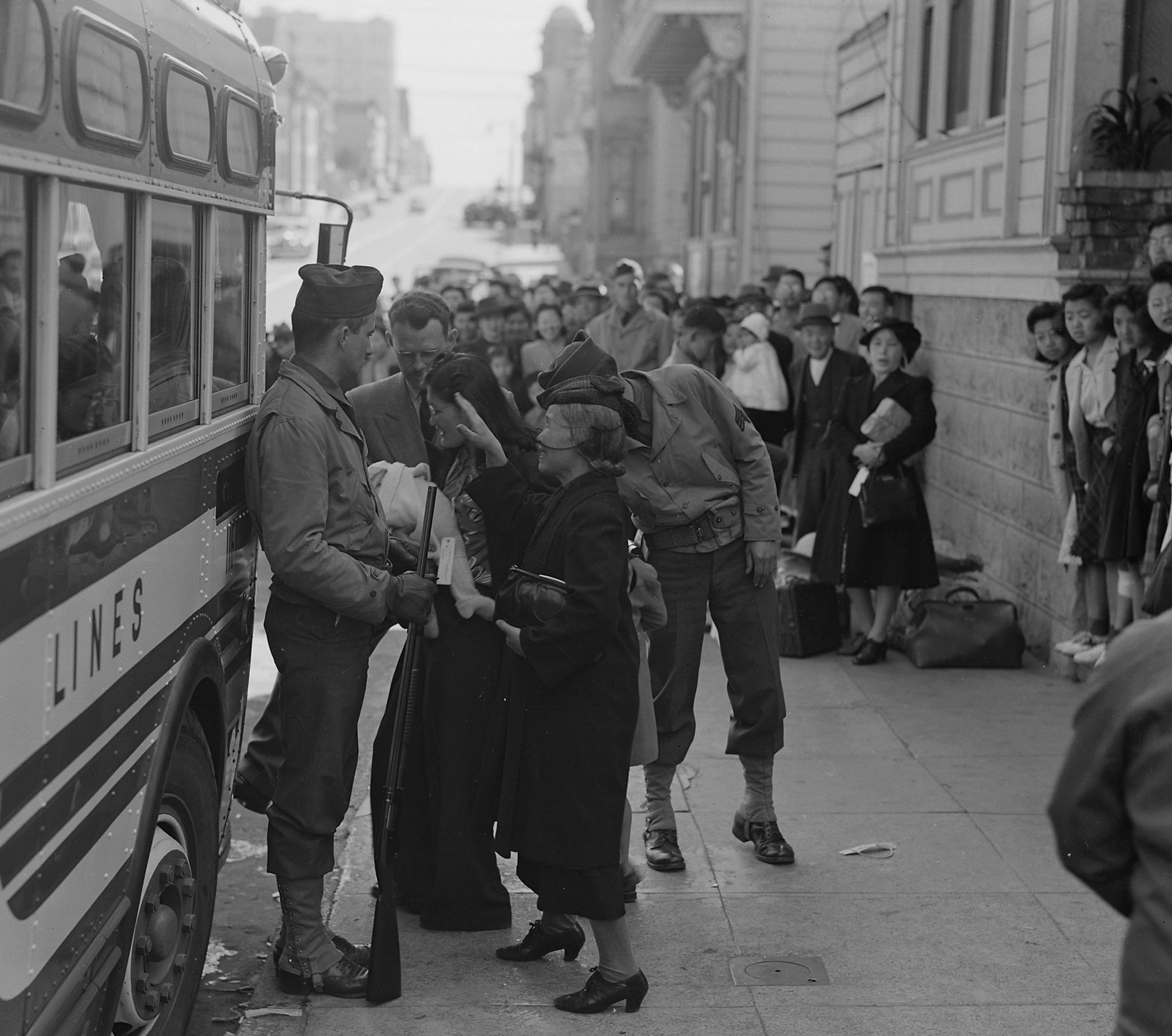
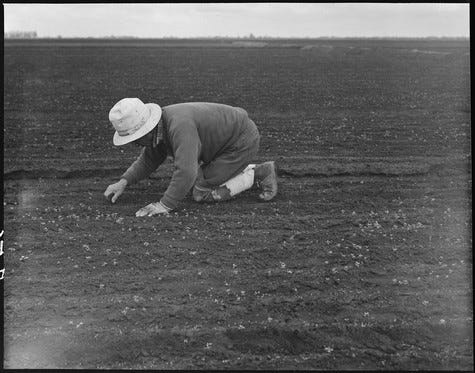
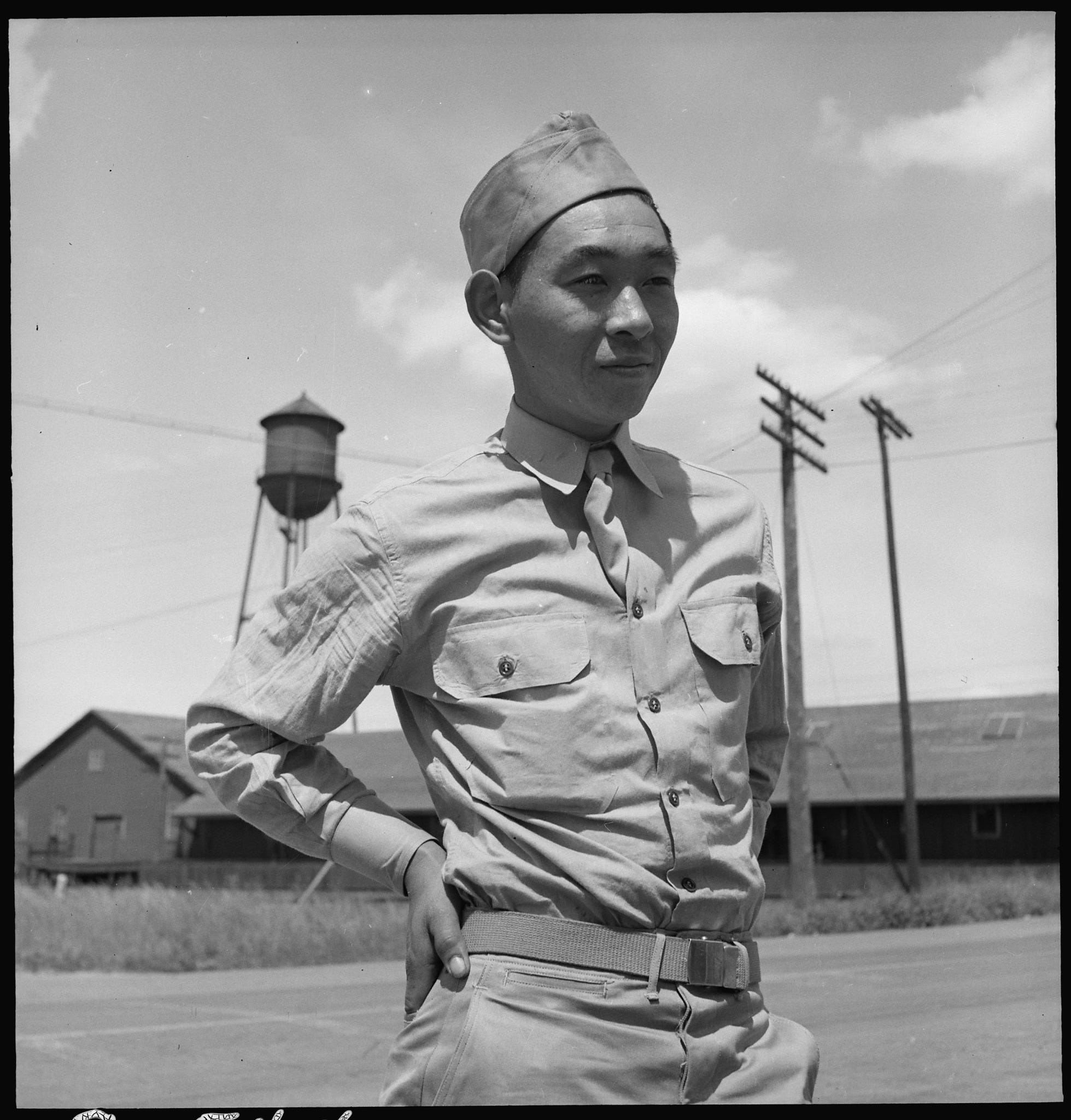
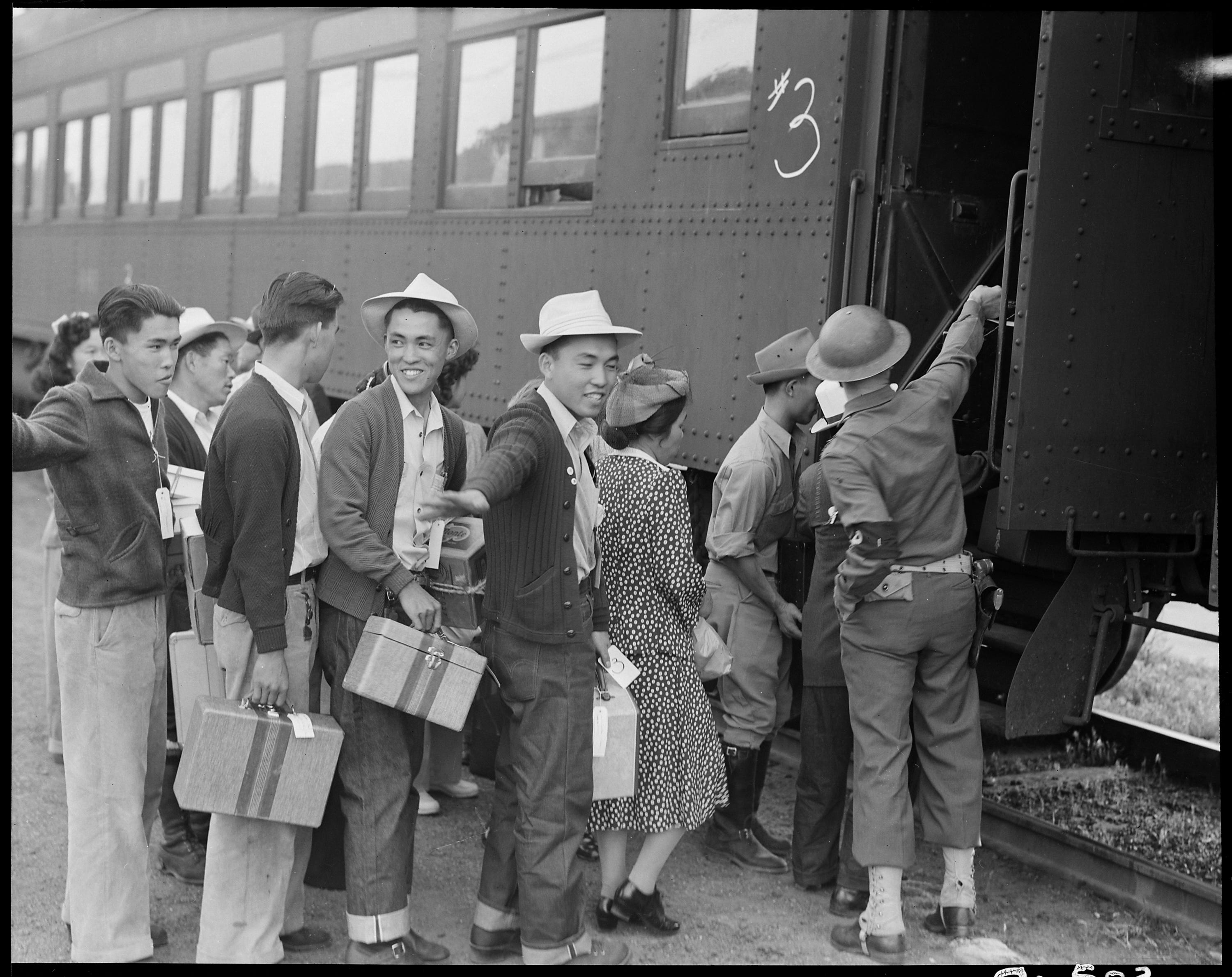
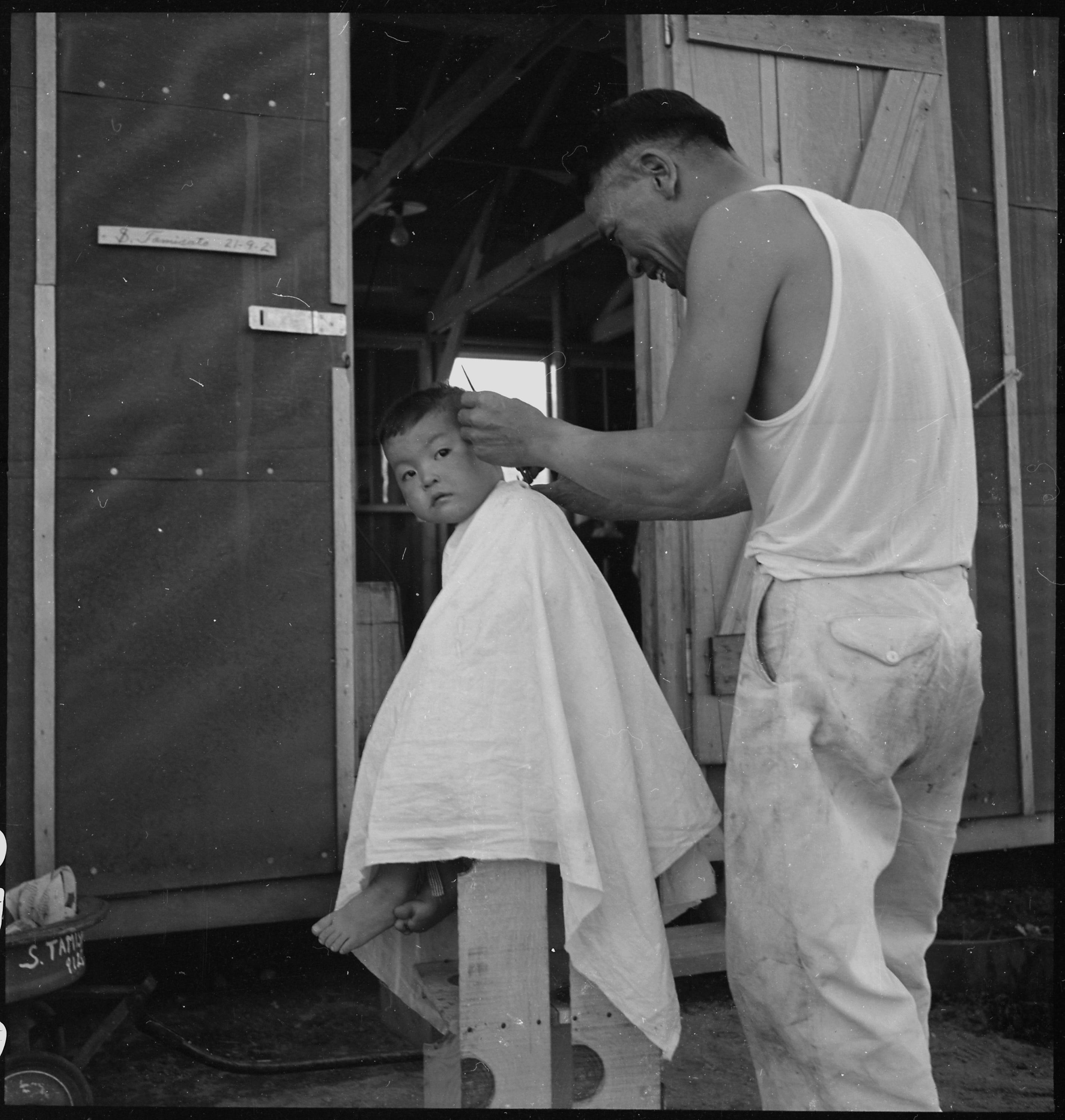
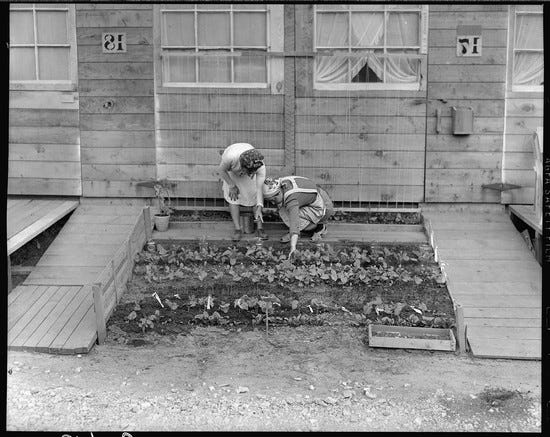
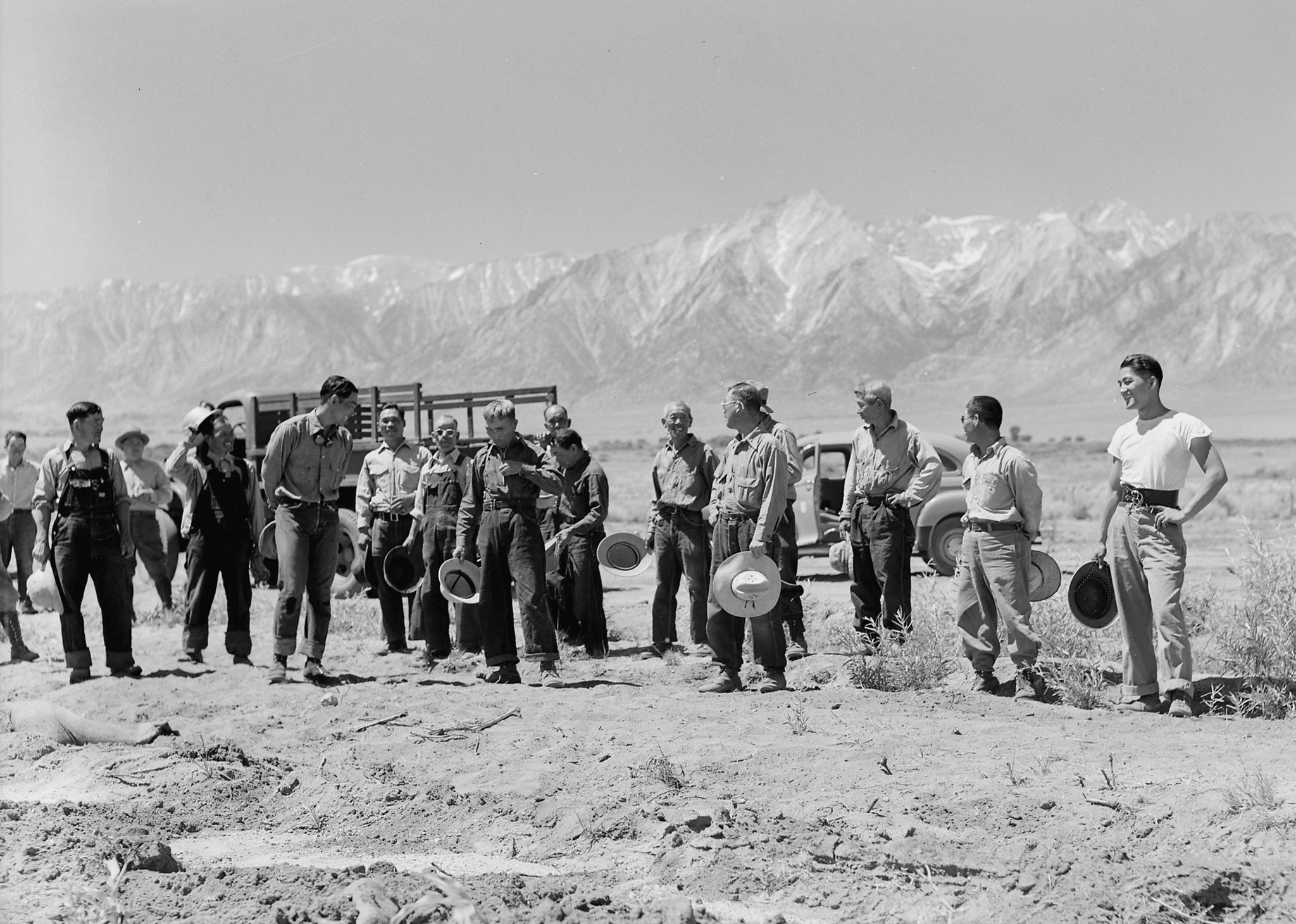
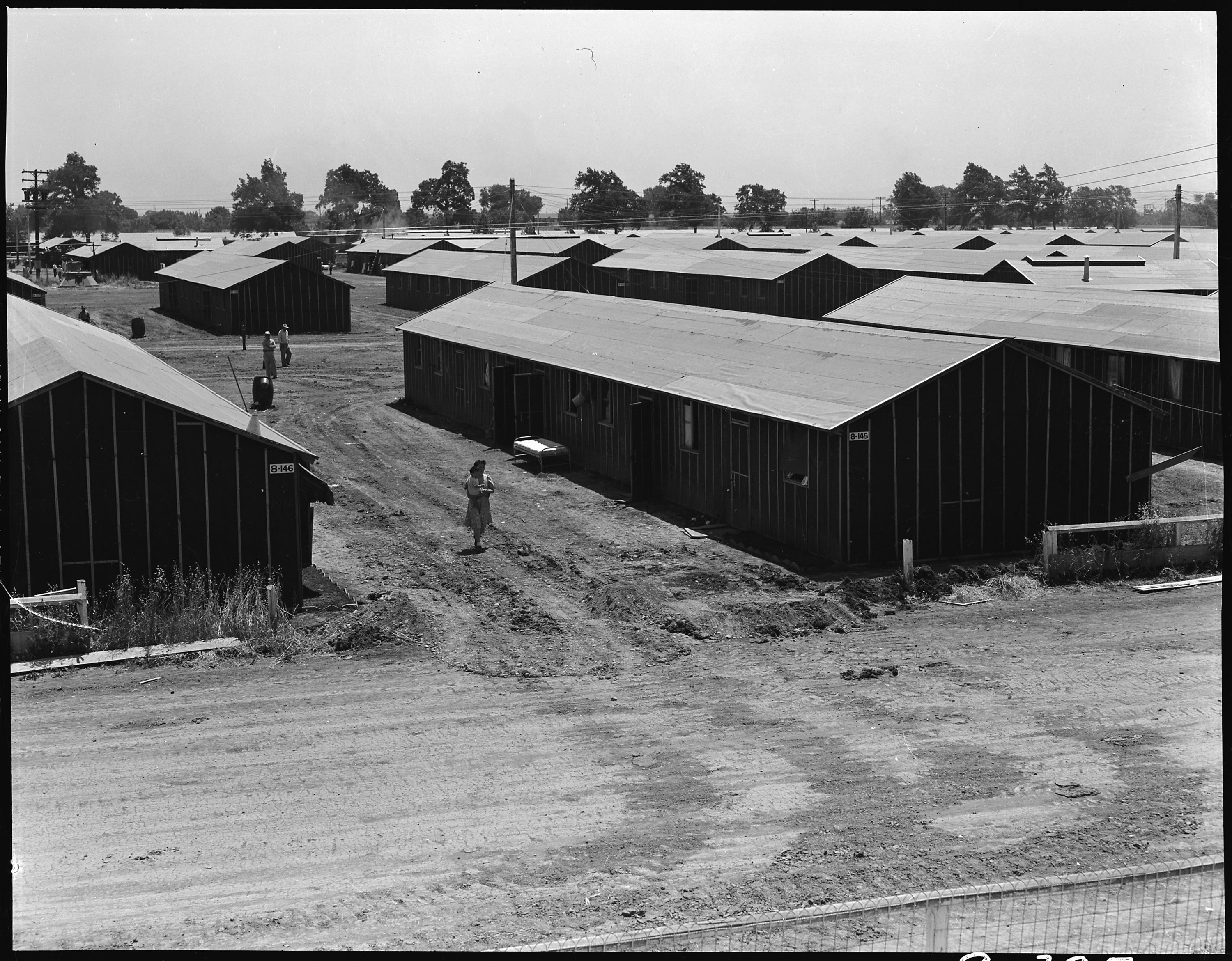
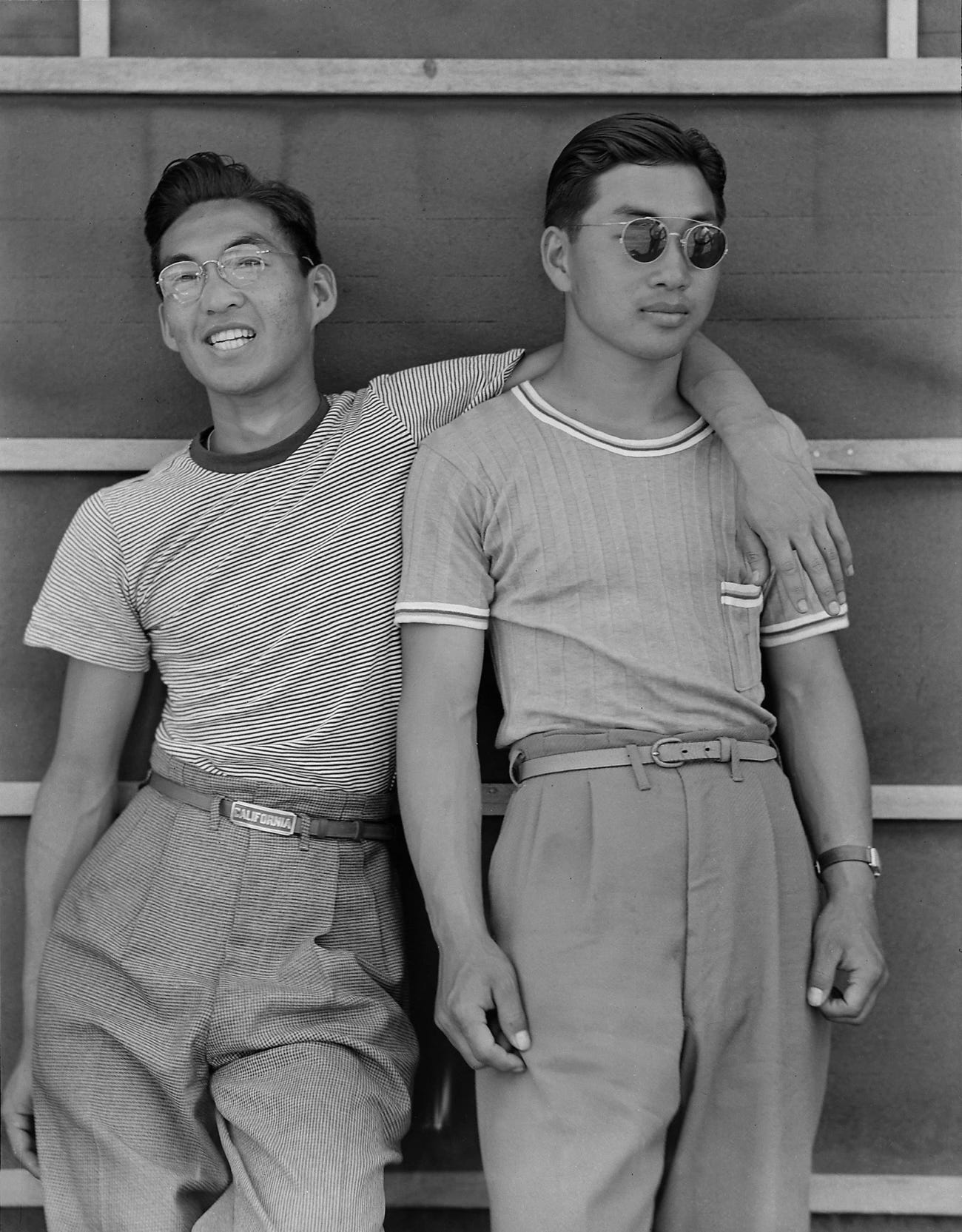
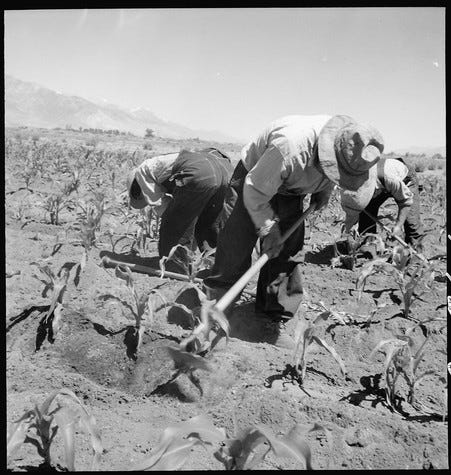
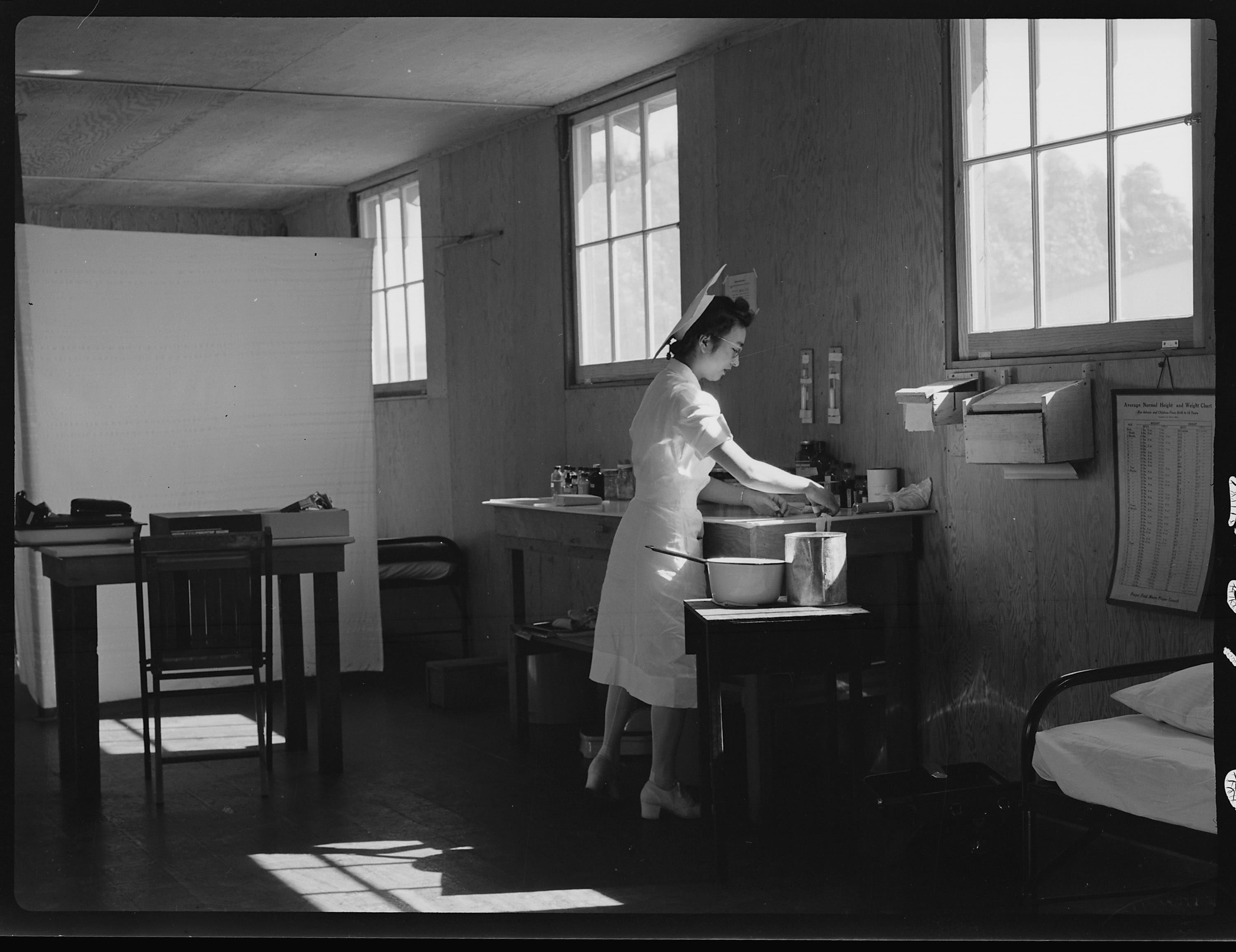
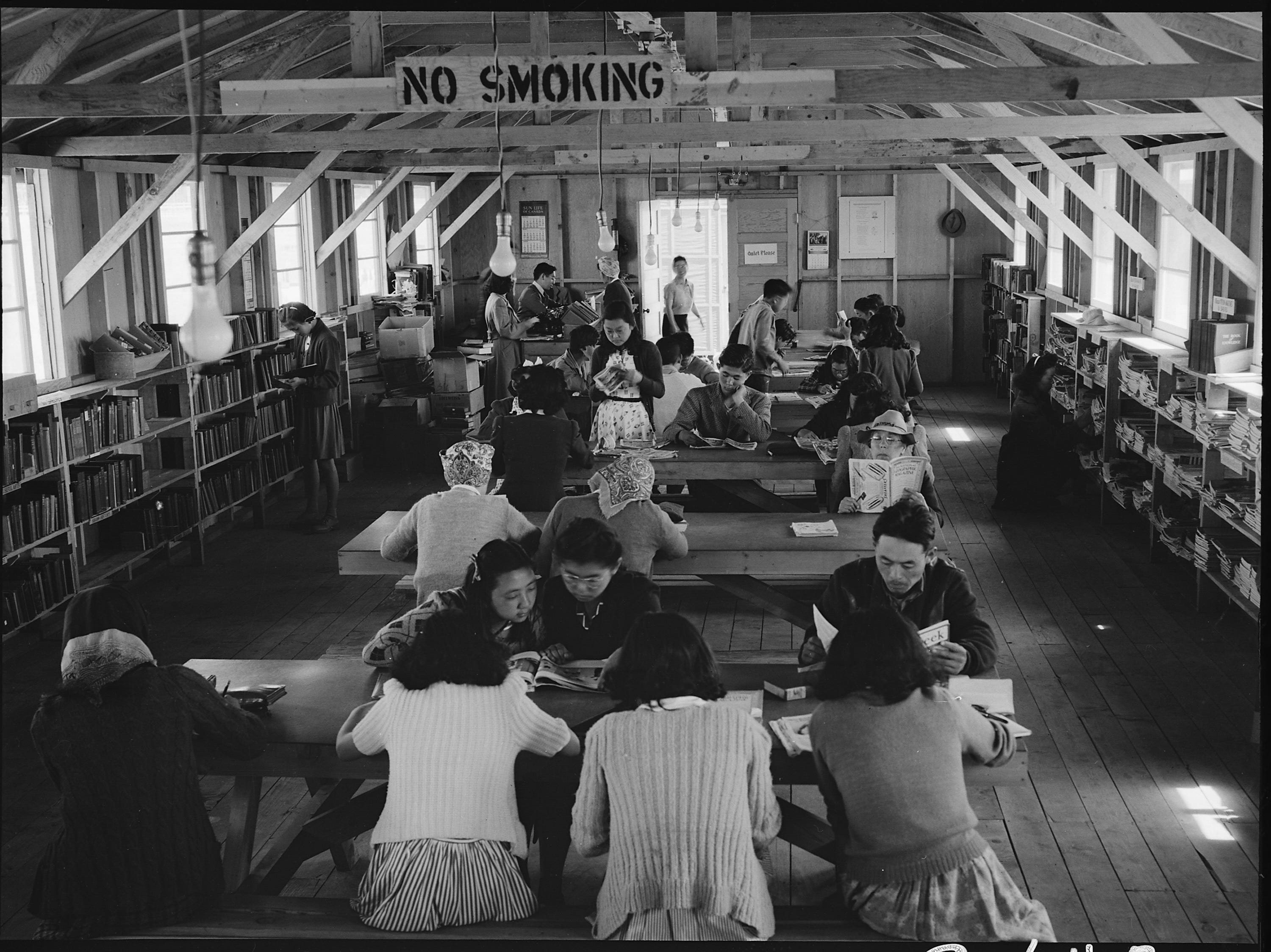
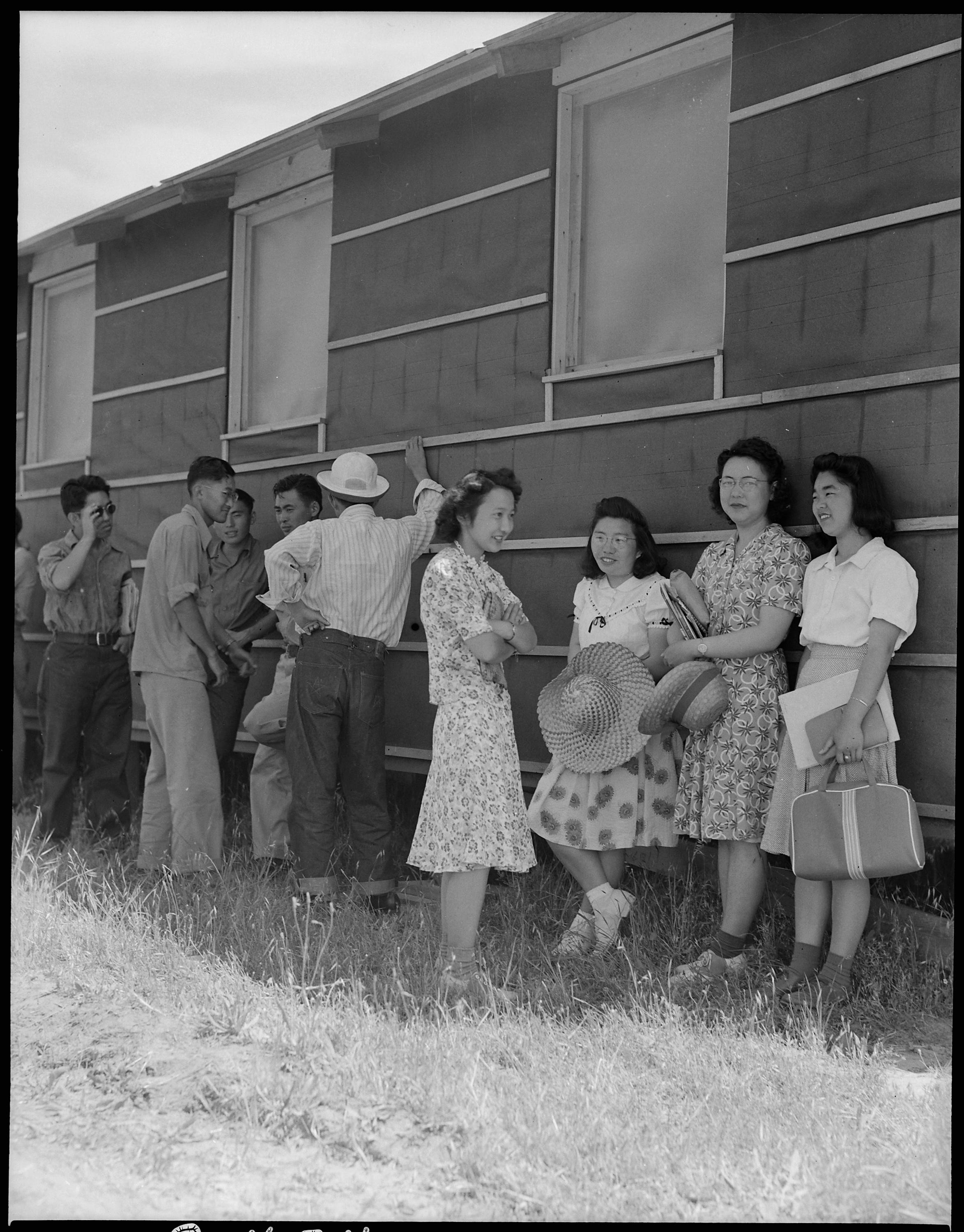
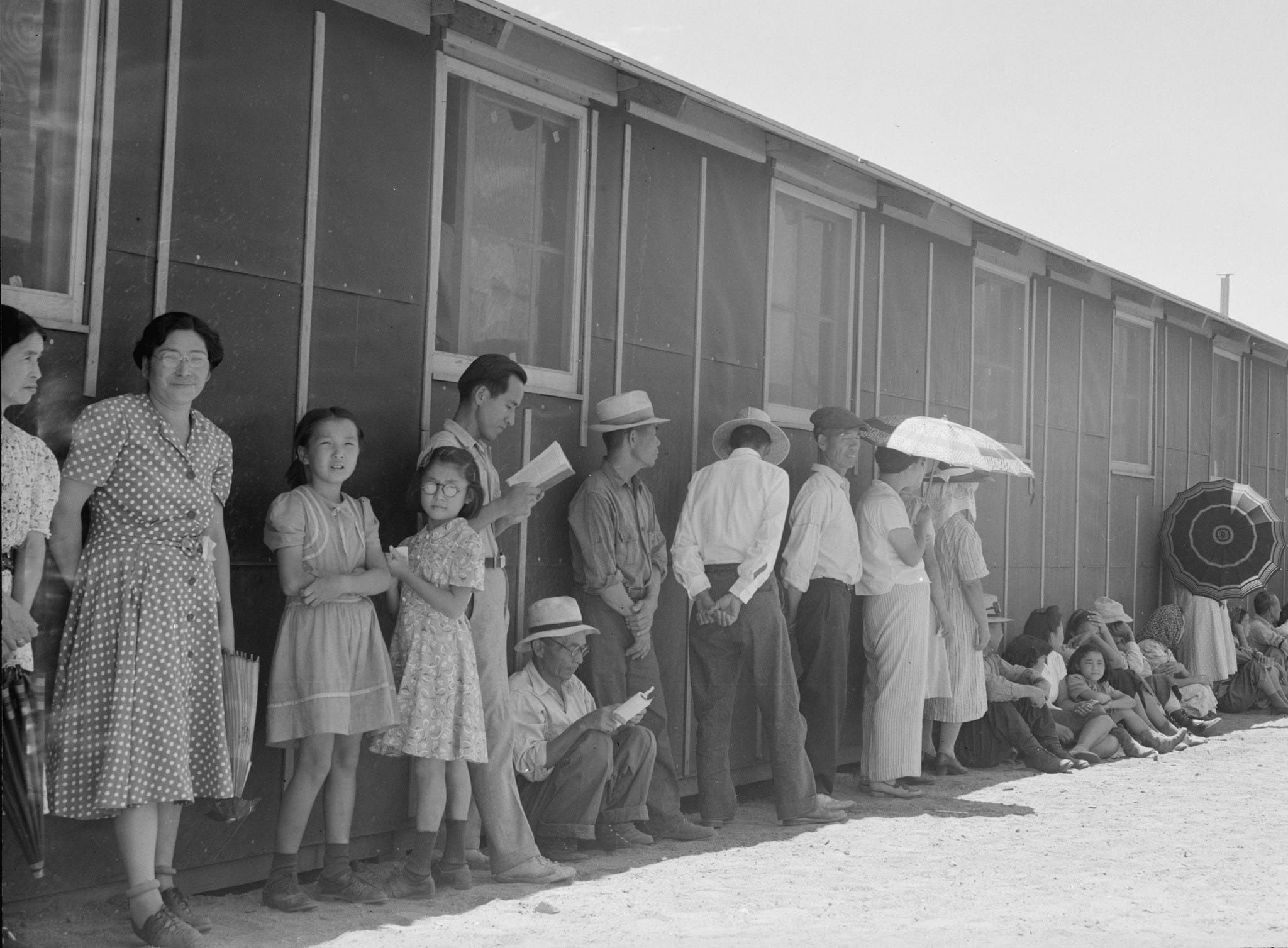
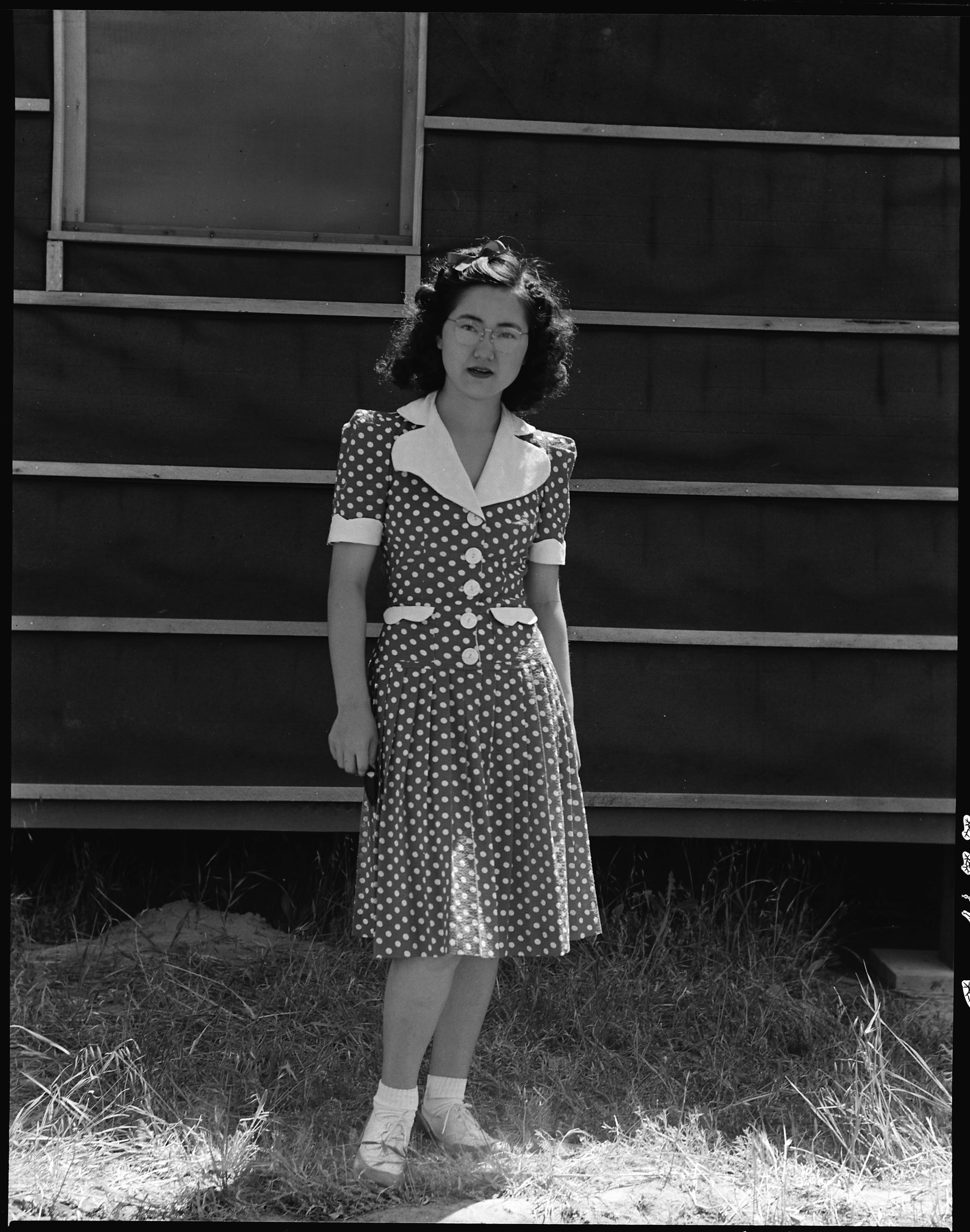
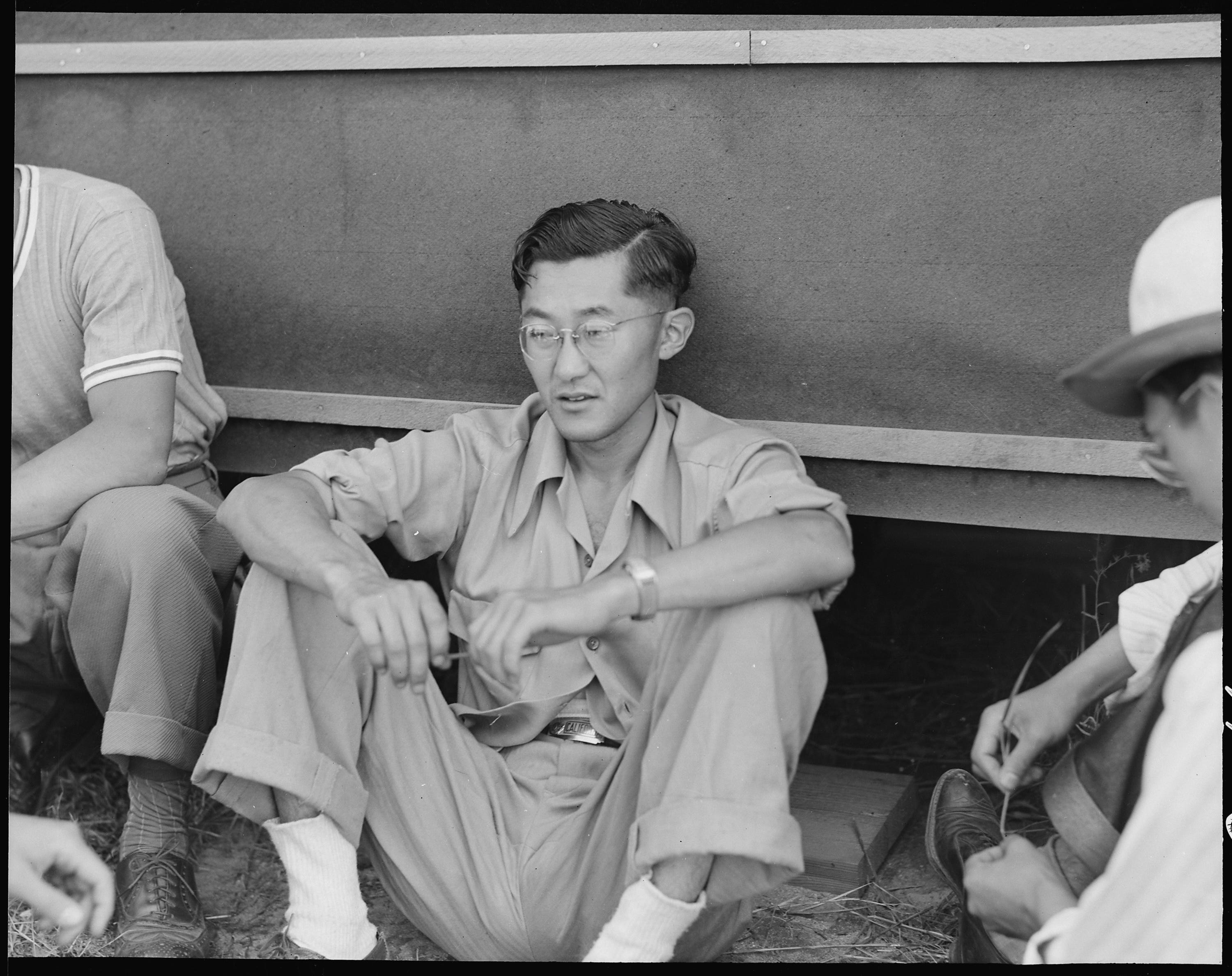
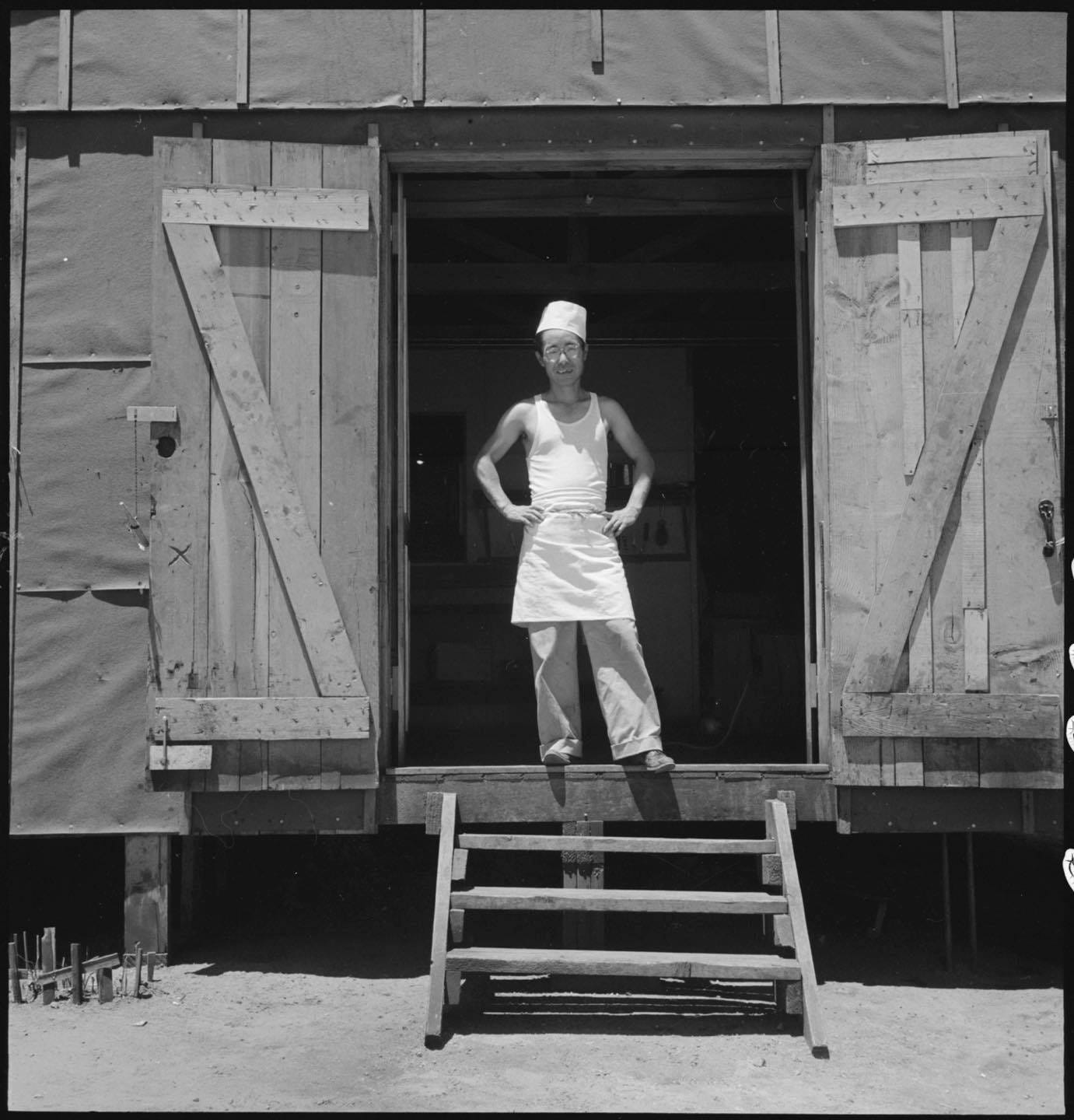
The following photographs constitute my curated selection of Lange’s most iconic images—there are probably hundreds more to choose from—of Japanese Americans before and during their evacuation, mostly from California’s Bay Area and Central Valley.
No posts
Comments
Nothing yet. Say the first thing.
Sign in to join the conversation.