
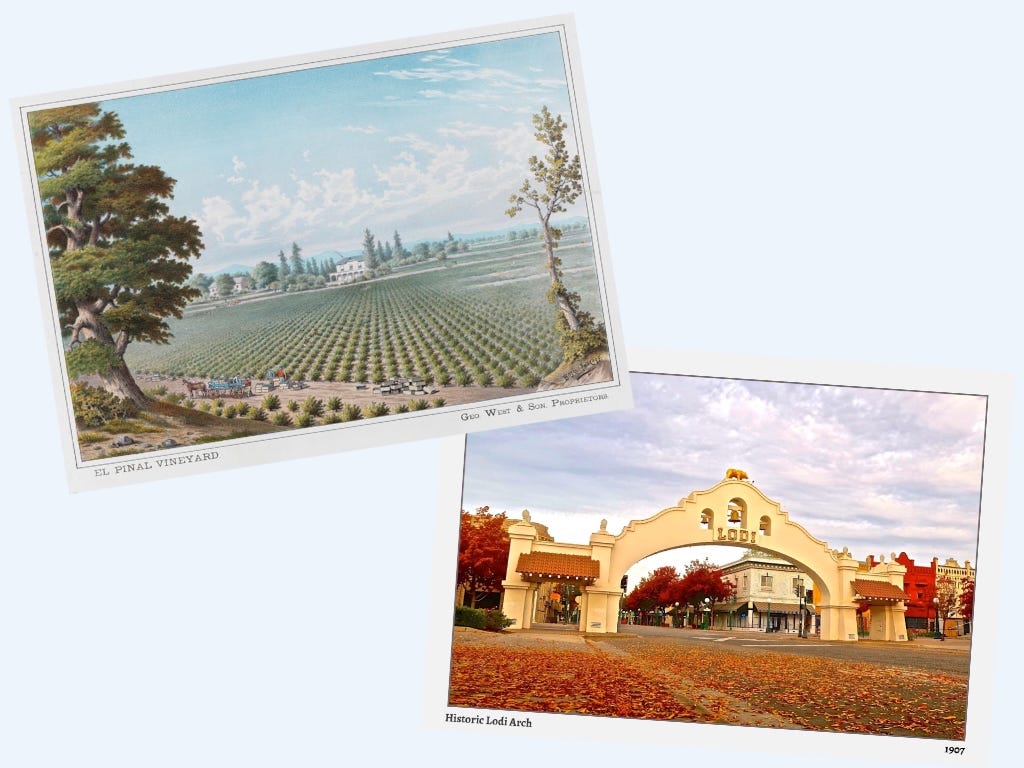
During the years when I did writing for the Lodi grape growers, one thing I noticed was that whenever I needed images of the region going back a hundred years or earlier, a large percentage of them were copies of postcards.
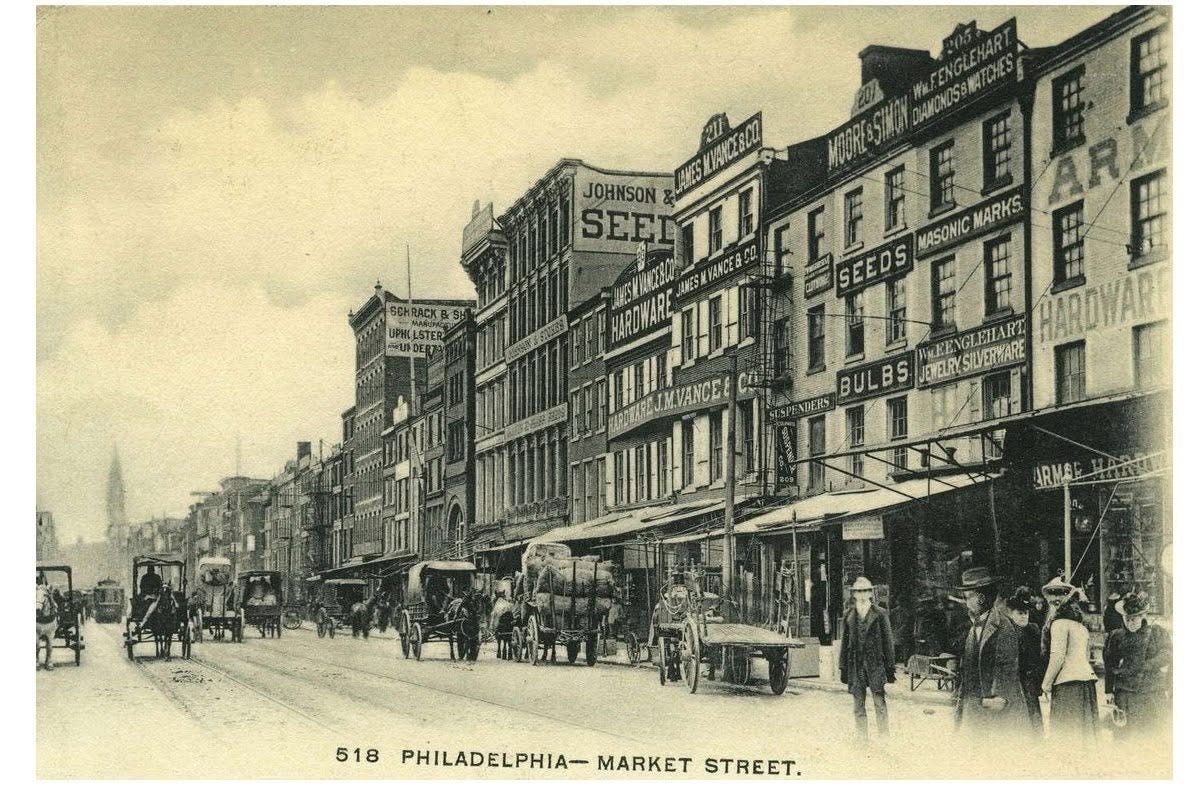
Postcards, according to historians, have been utilized as a form of communication since the mid-1800s. The first private commercial postcards, printed without any images, came out of Philadelphia in 1861, and usage of postcards quickly spread around the world. It was in France, in 1870, when the first picture postcards appeared.
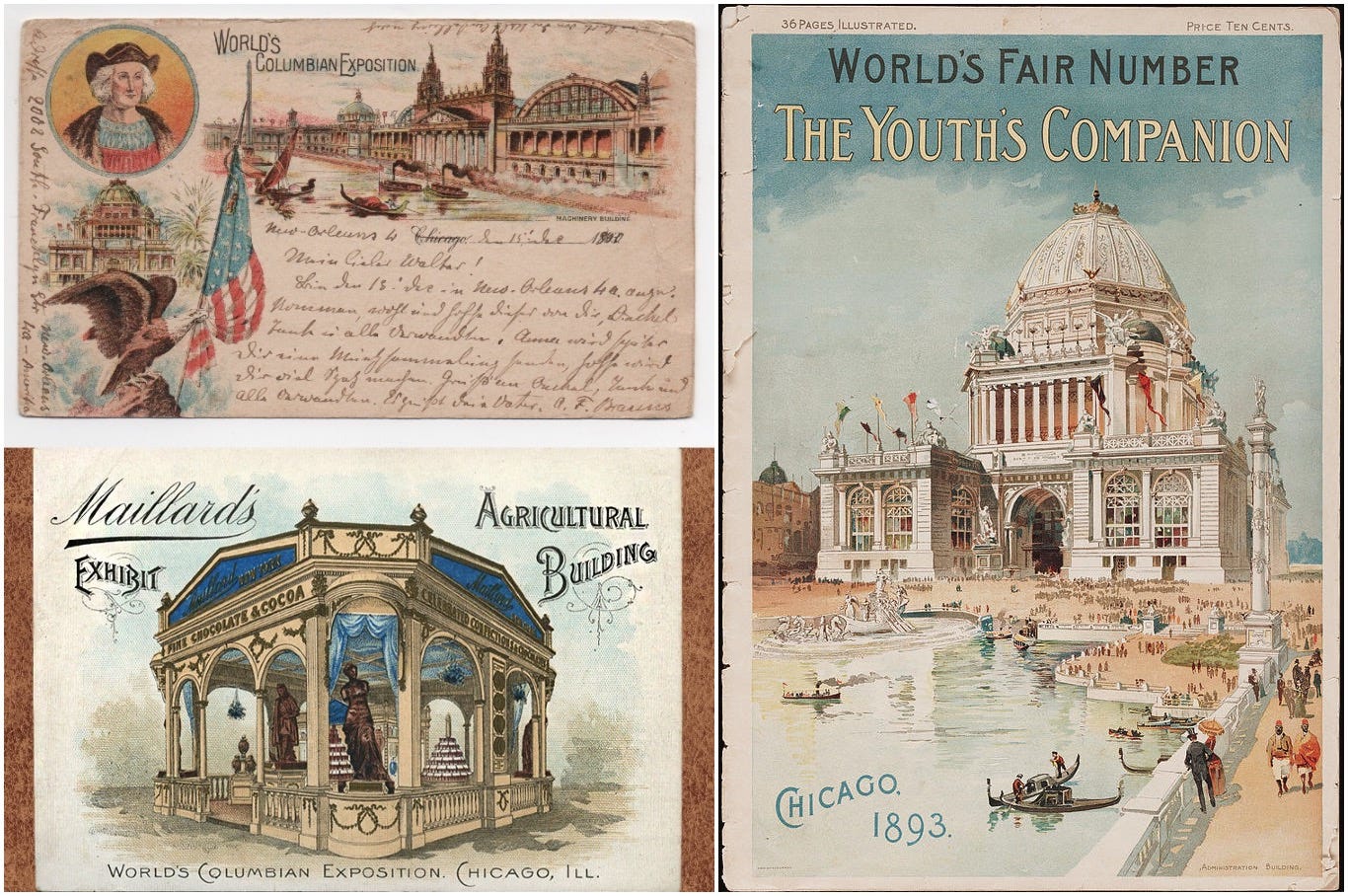
The “Golden Age of Postcards” is said to have been between 1890 and 1915. The 1893 Chicago World’s Fair was undoubtedly a huge impetus. For many Americans, the souvenir images sent from Chicago were their first experience with picture postcards. It is said that over 27.5 million people attended the exposition between May 1 and October 30, 1893. Three examples of the numerous choices of postcards made available to visitors anxious to write “wish you were here” to friends, family and neighbors all around the world:
Technical advances in photography and mass printing helped explode the popularity of the medium. Think of this as a way of sharing experiences that were as fun and exciting as any advances in communication—books, radio, moving pictures, picture magazines, television, all the way up to the social media of today.
In 1905 alone, an estimated 7 billion postcards were mailed from state to state and all around the world and across every continent. As it were, the turn of the last century was also a pivotal time for the California wine industry, and both illustrated and “real photo” postcards depicting wine regions became particularly popular among travelers.
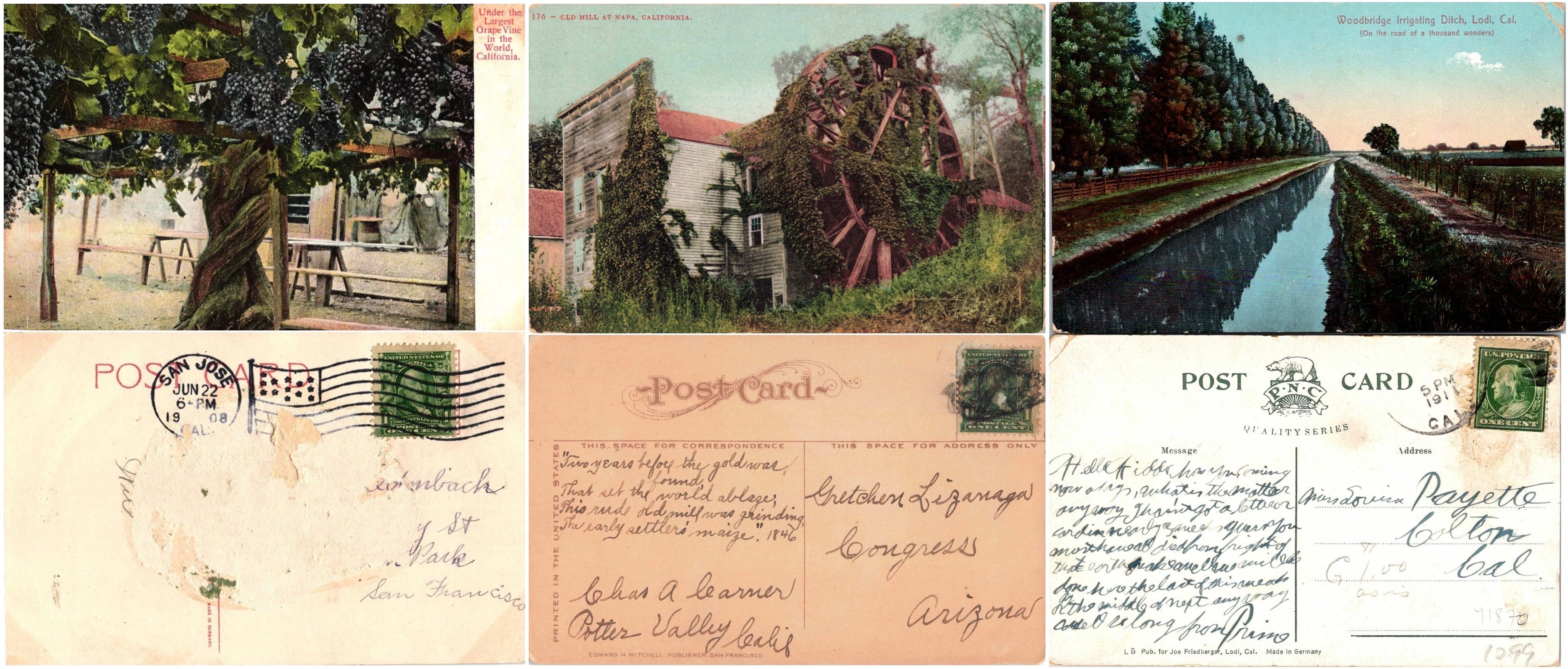
Above are three examples of early 1900s California wine country postcards along with their postmarked back-sides, including (from left to right):
One postmarked in 1908 from San Jose with an image purporting to show “The Largest Grape Vine In the World.”
An early 1900s colorized photo of an “Old Mill” in Napa Valley.
The “Woodbridge Irrigating Ditch” (drawn from ice cold Mokelumne River waters from the Sierra Nevada) flowing through the heart of Lodi wine country in 1911, through blocks of grapevines still in existence today.
Thanks for reading photography with feeling! This post is public so feel free to share it.
Lodi, in fact, was hugely popular as a postcard destination because of its colorful, multifaceted history. Three examples of particular interest to sightseers:
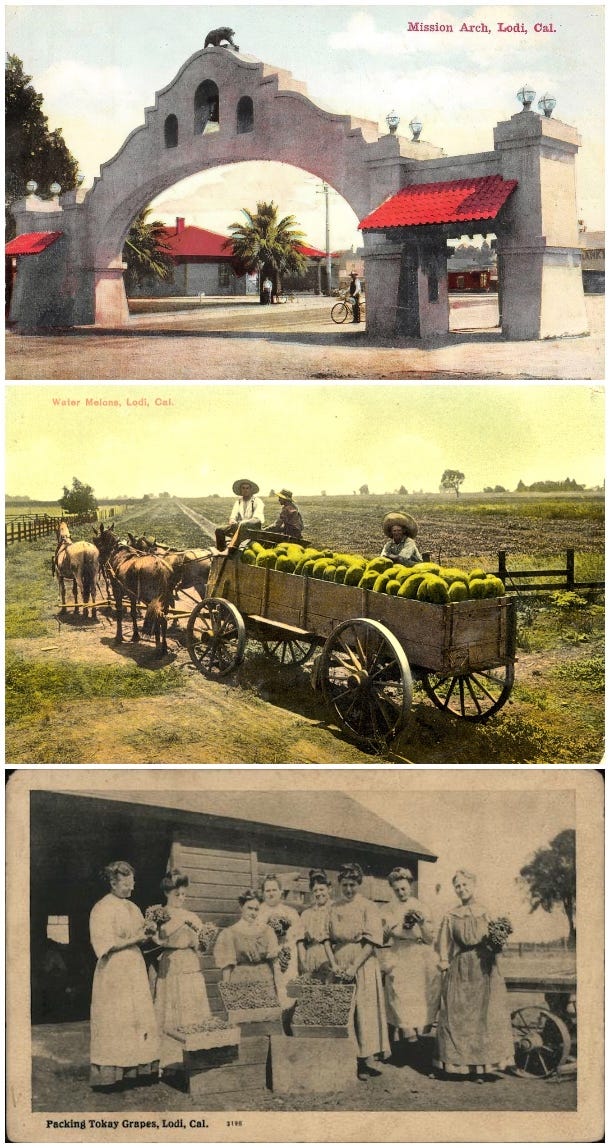
At the top (above), a 1914 iteration of Lodi’s landmark Mission Arch—a perennial postcard favorite—originally erected in 1907 for the burgeoning city’s historic Tokay Carnival.
A colorized “Water Melon” harvest harking back to the 1890s when Lodi was still actually known as the “Watermelon Capital of the Country” (by the early 1900s, grapes overtook watermelons as the region’s top agricultural commodity).
A 1910 black and white picture-postcard entitled “Packing Tokay Grapes,” Lodi’s leading industry at the time.
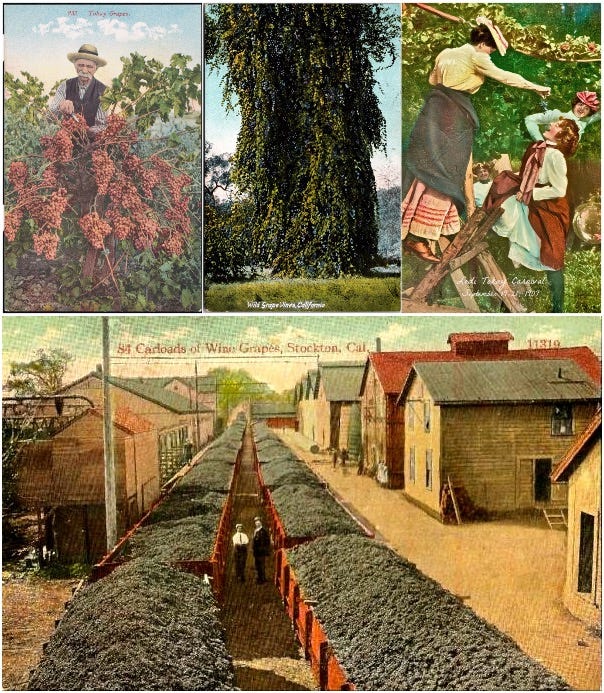
Below are four more early 1900s examples depicting what the Lodi region grows best, table and wine grapes; including (in the bottom panel) “84 Carloads of Wine Grapes” being hauled by train to the historic El Pinal Winery (in operation from 1858 to the early 1920s) in Stockton, a scant 12 to 16 miles away from most of the vineyards:
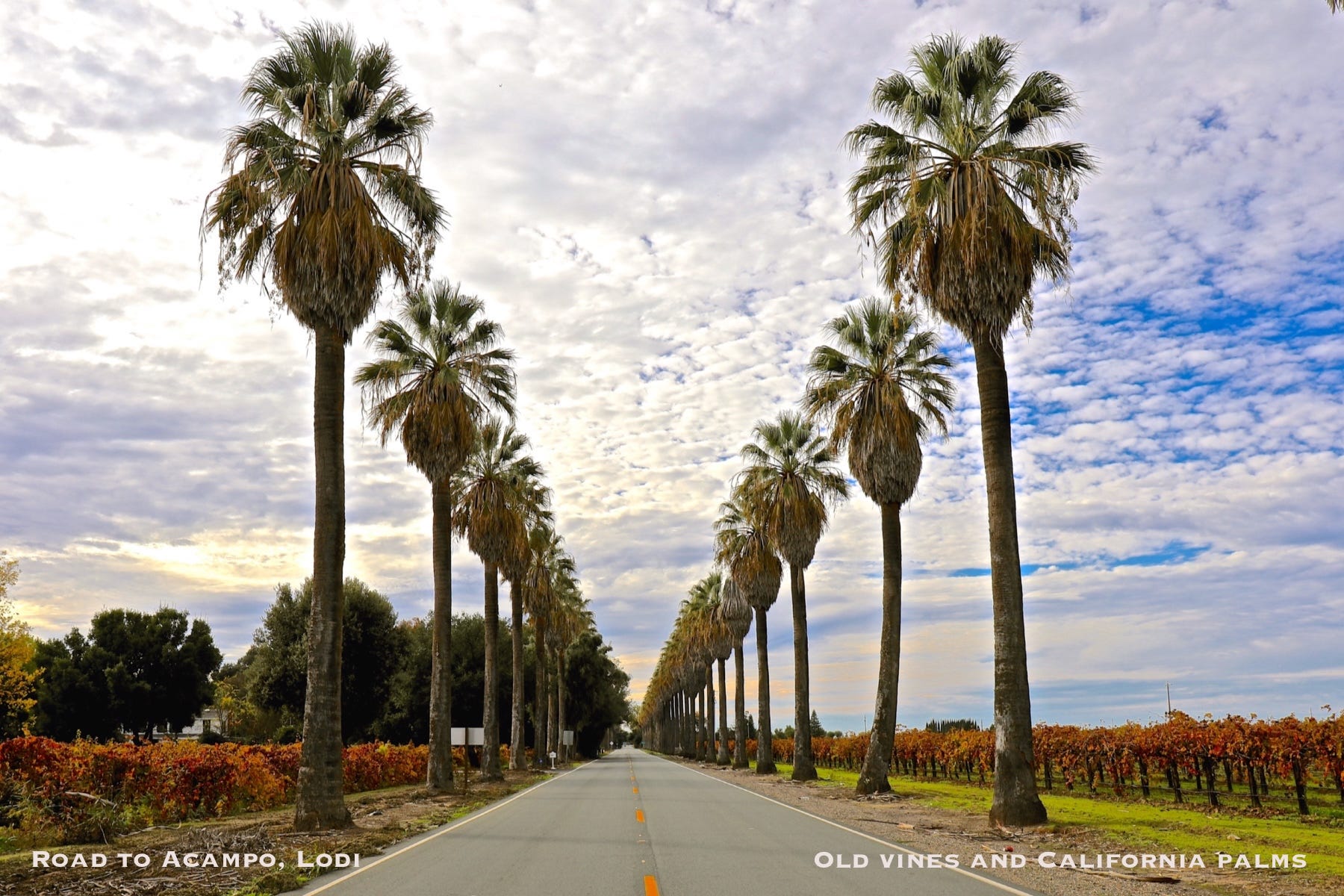
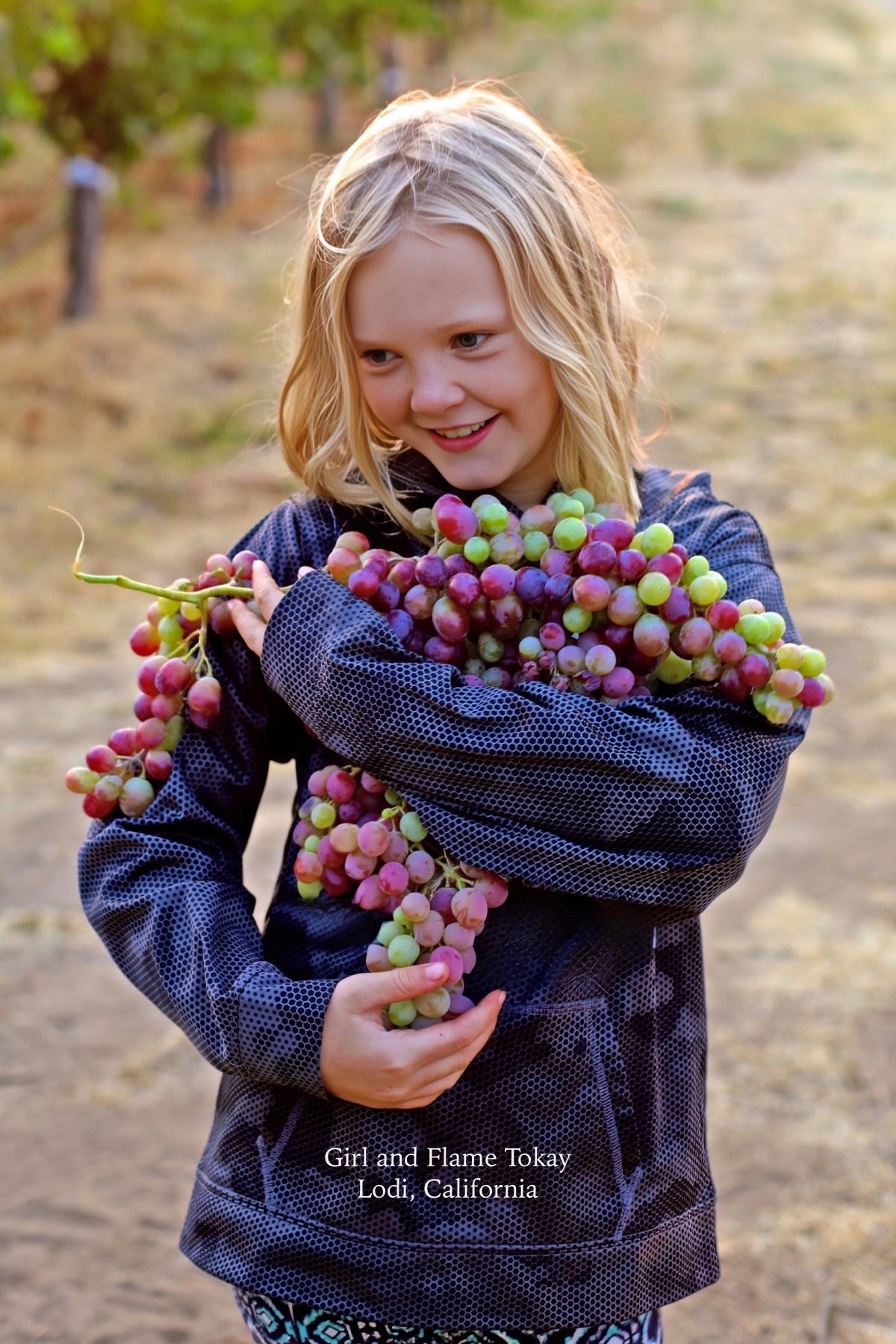
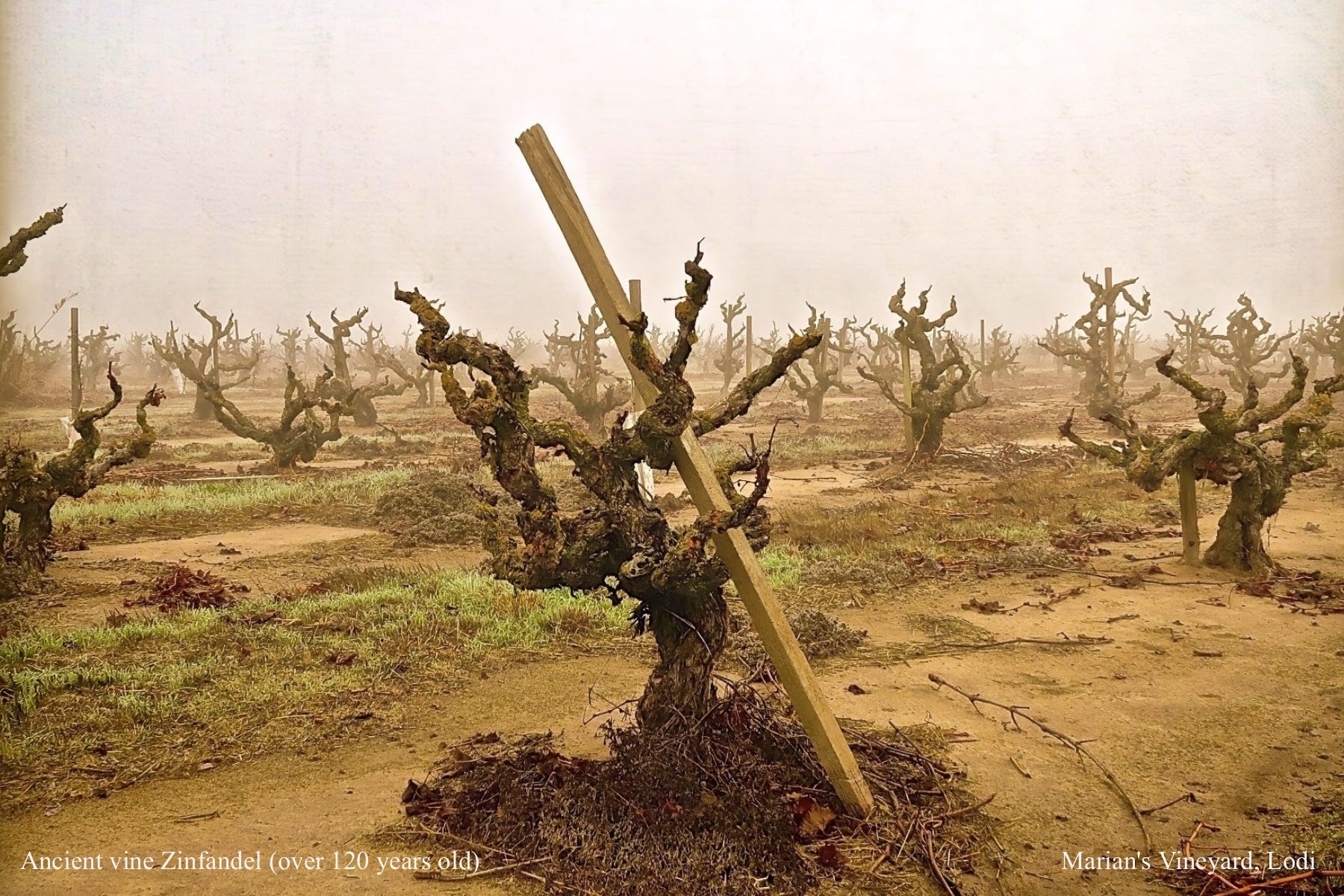
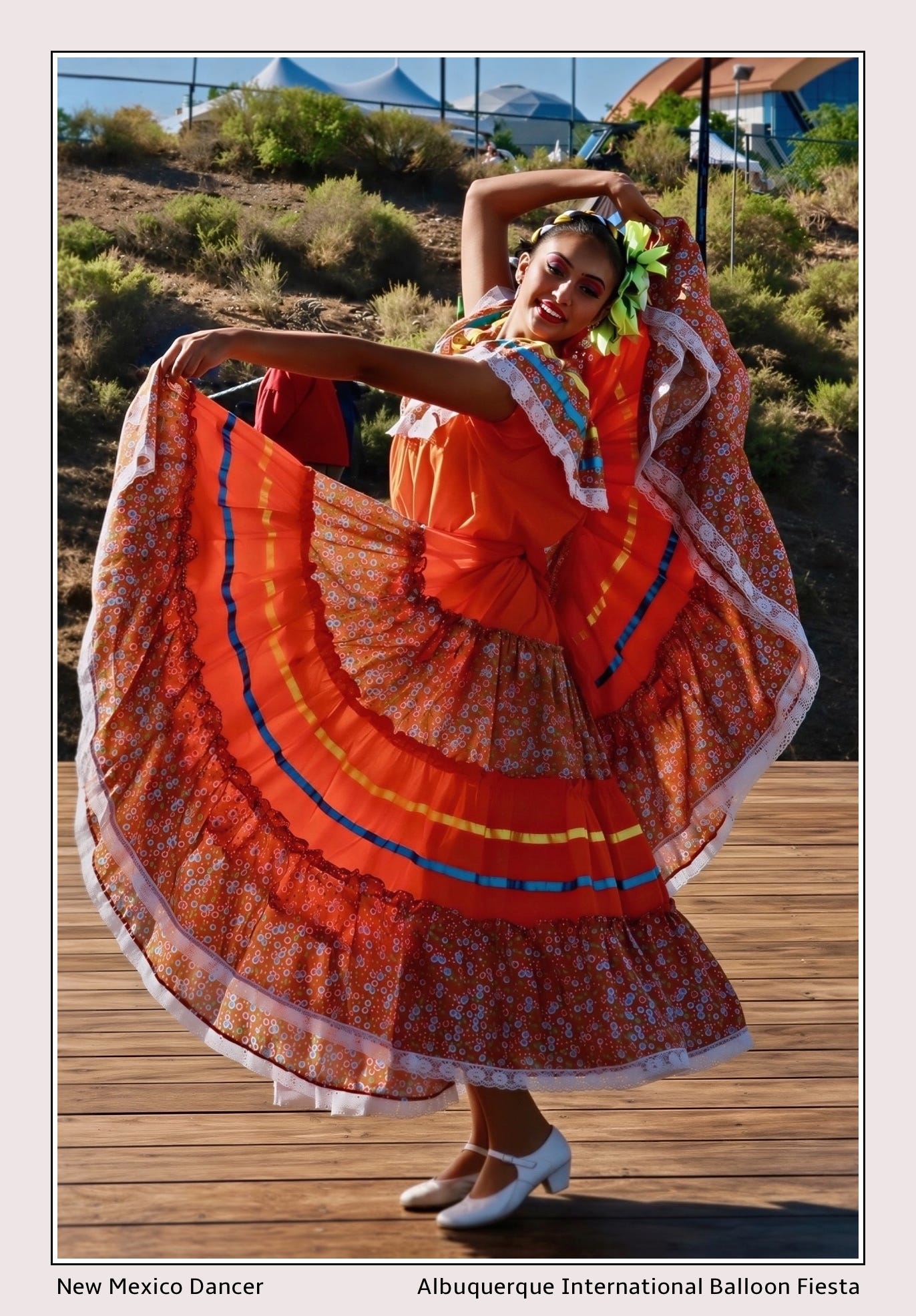
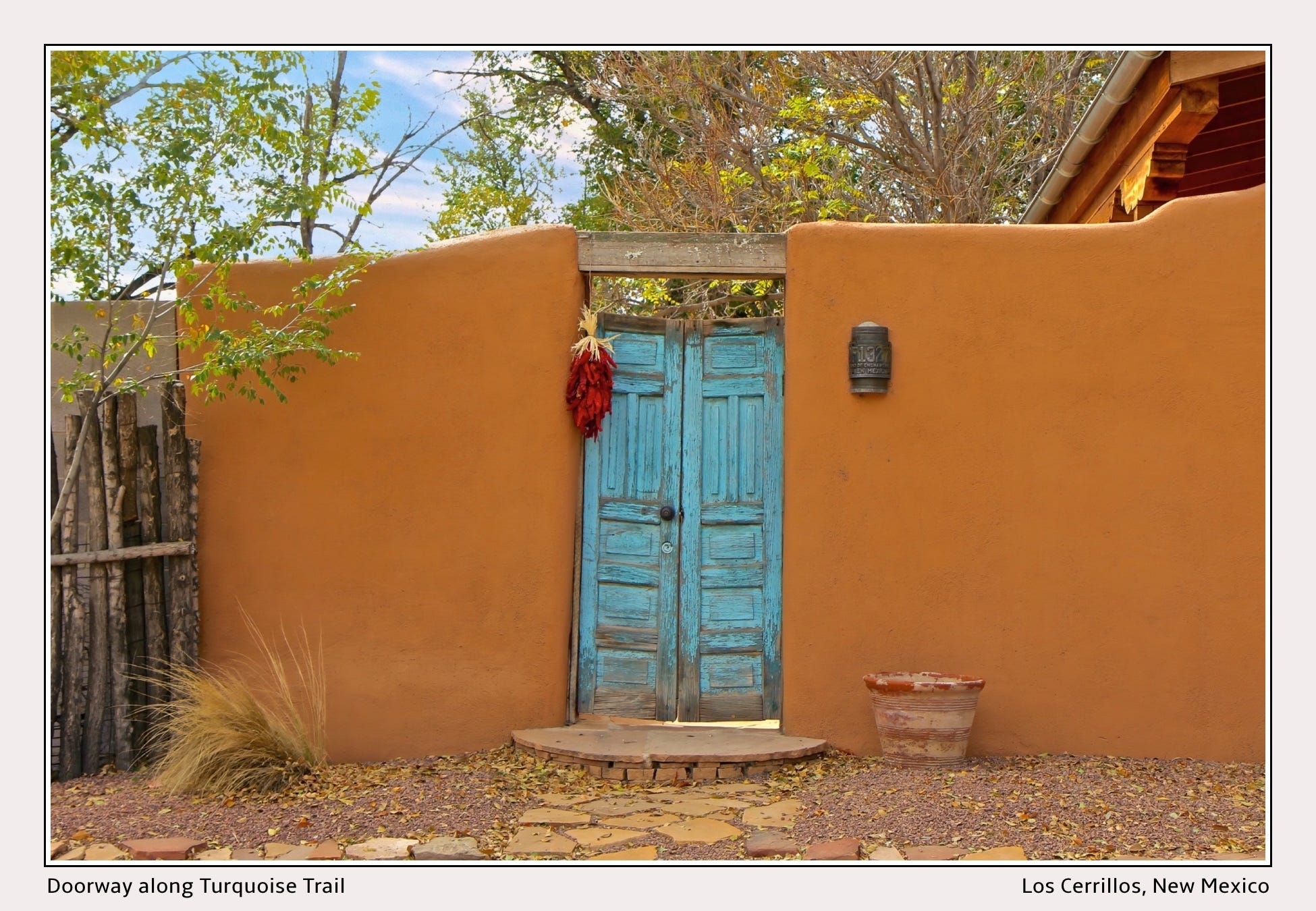
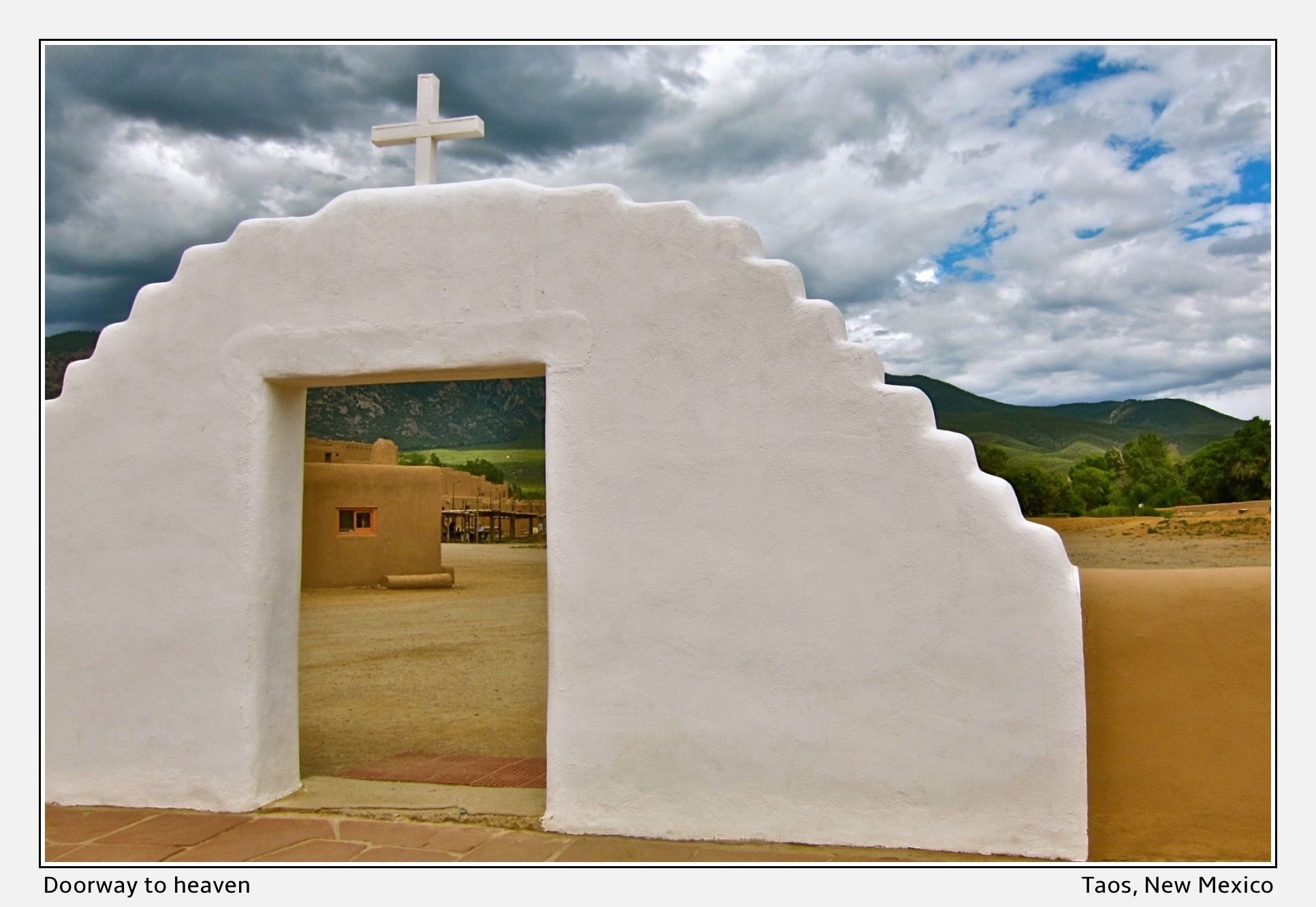
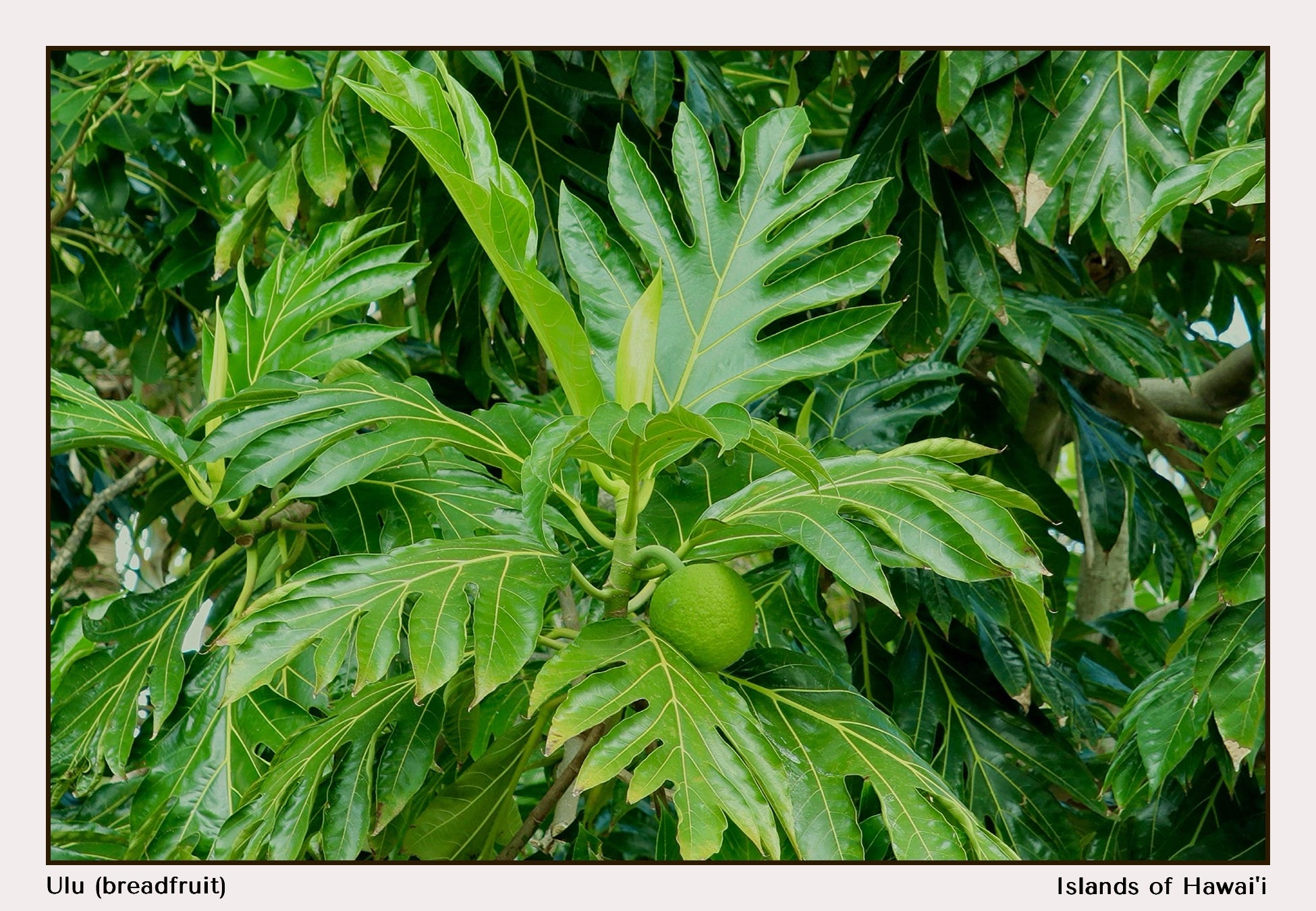
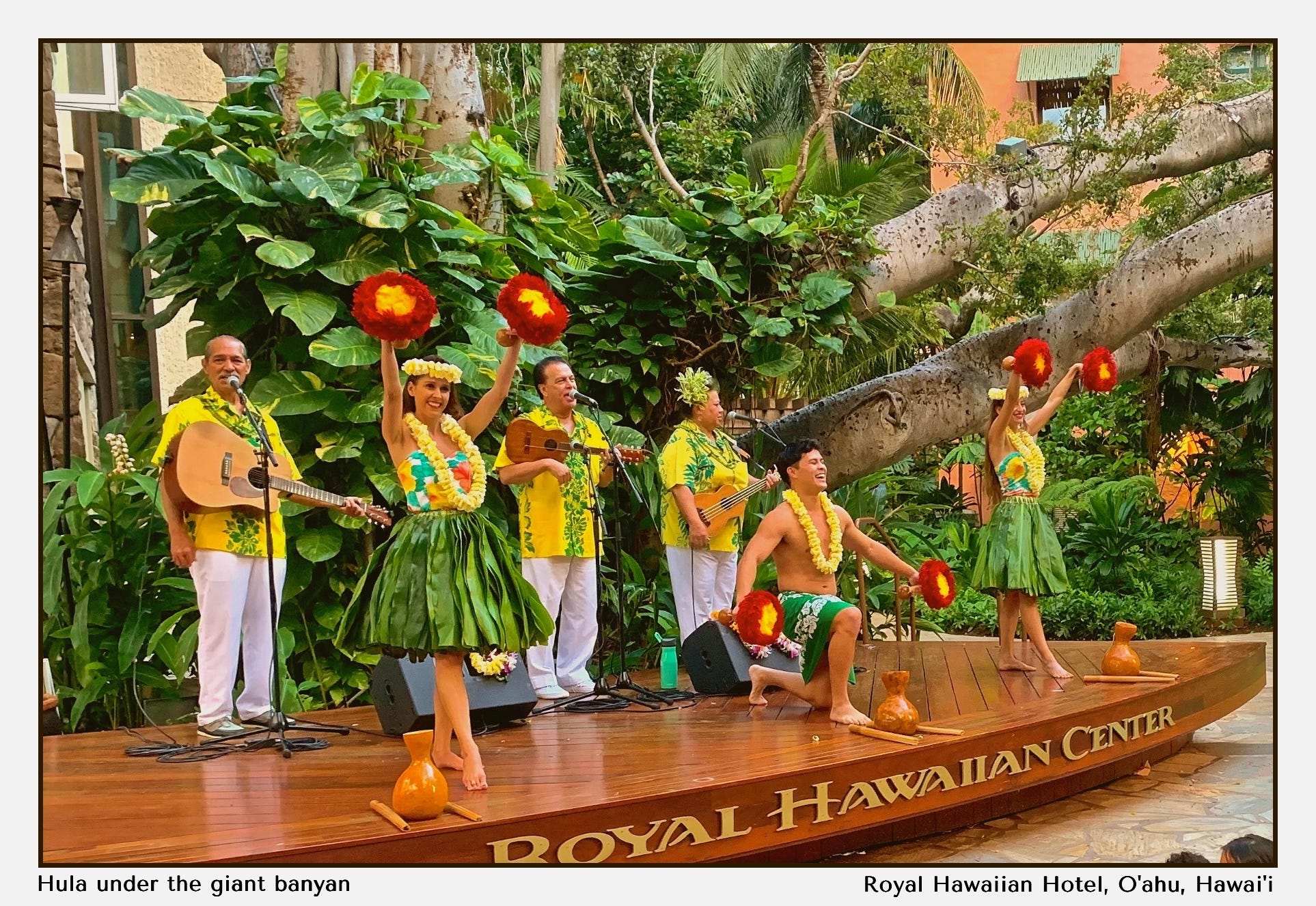
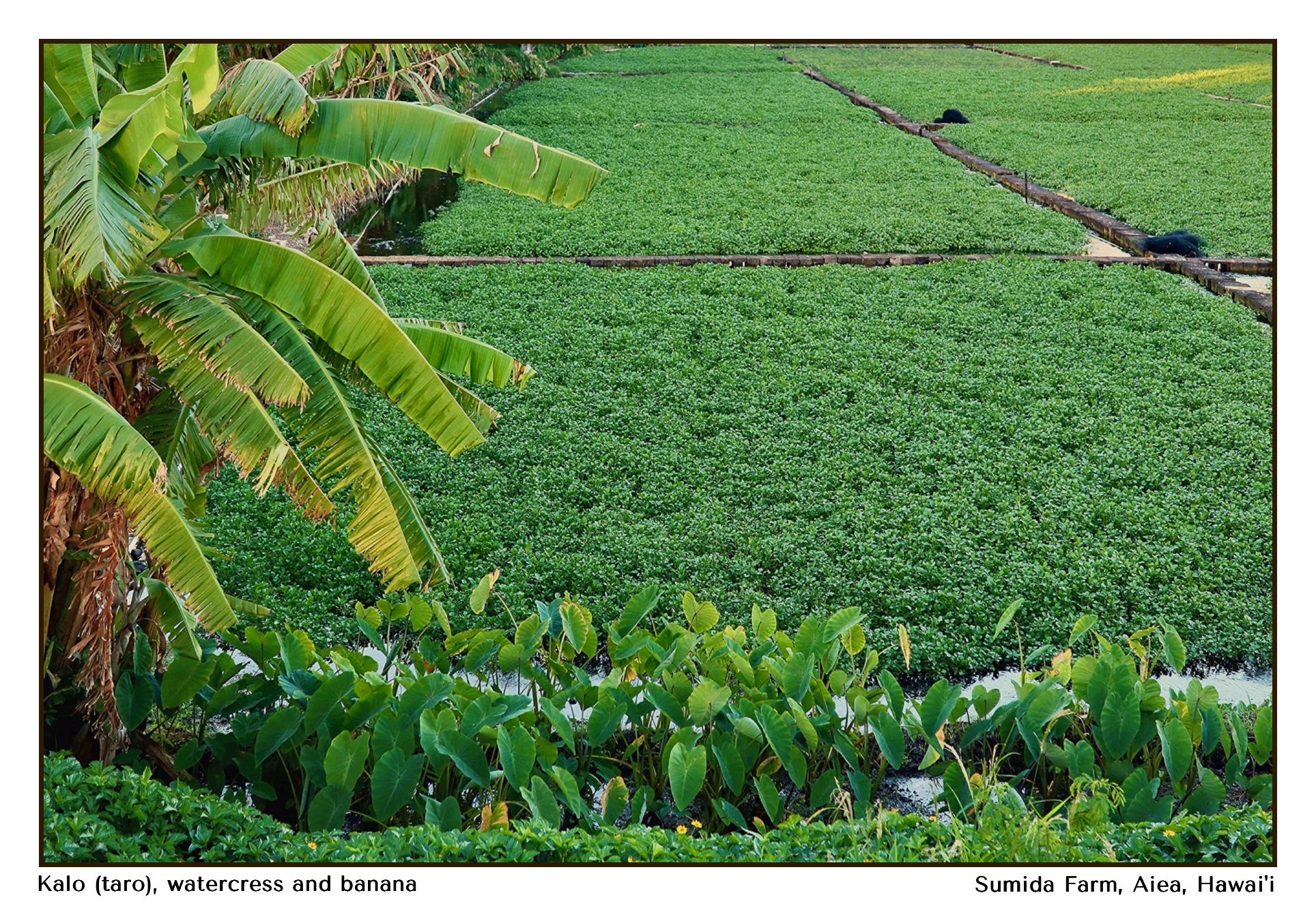
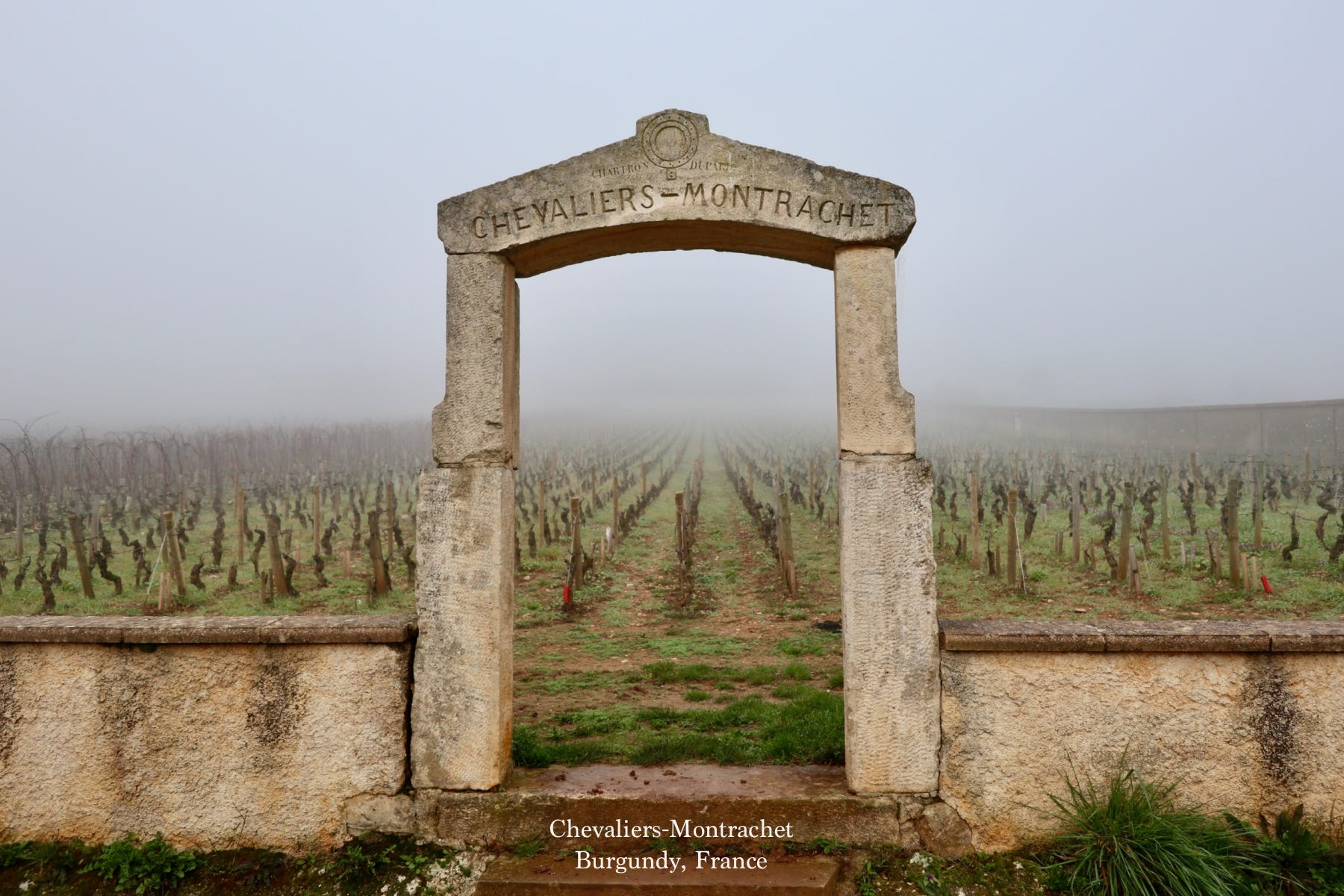
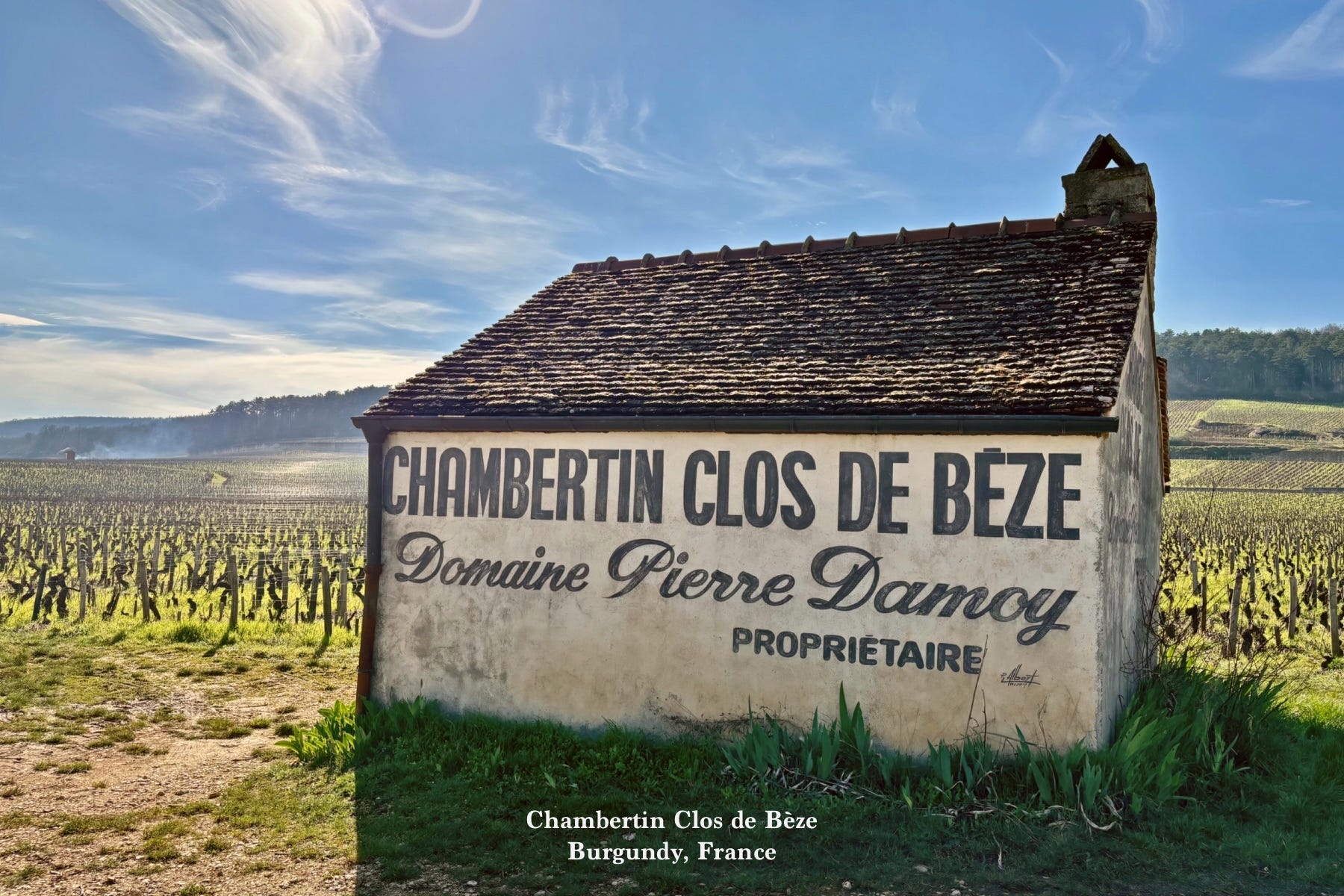
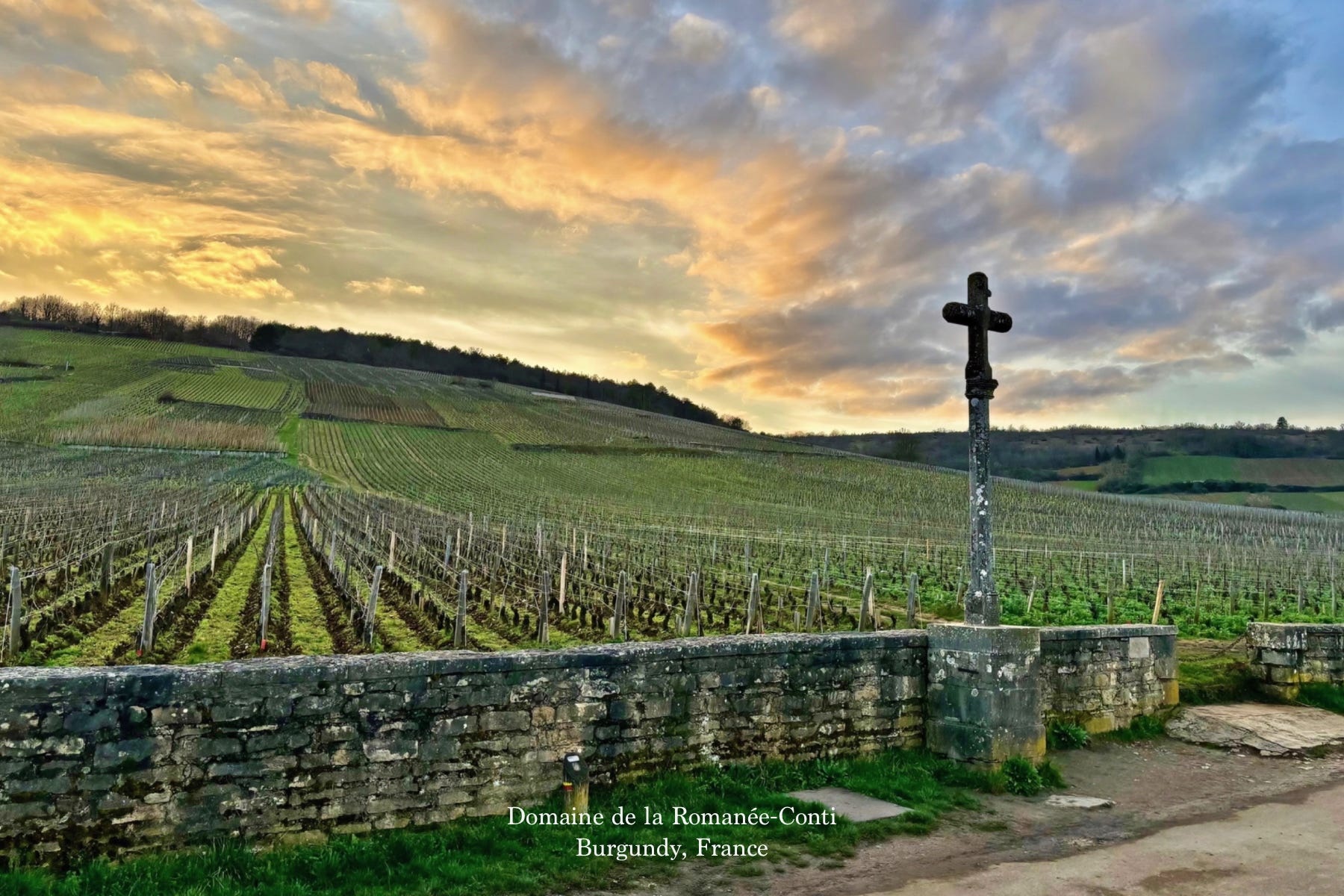
Inspired by the late eighteenth century/early nineteenth century art of postcards, I can’t help but wonder how my own favorite photographs would look like in classic 4 by 6 inch postcard formats. In fact, I’ve printed up a few of them for various exhibits over the past year or so.
The following is how I imagine “Randy Caparoso Photography” postcards might look like, depicting places I’ve lived, worked or visited. “My life,” so to speak, in 65-cent postage images. Enjoy!
No posts
Comments
Nothing yet. Say the first thing.
Sign in to join the conversation.