
For building audience, nothing compares to an Oscar win. In our media-drenched culture, artists must fight for audience, for attention.
Today, film or music is just a click away. But artists know that someone else’s film or song is just the next click away. The challenge is to build a large and loyal fan base, and to keep them dialed in.
Social media, worldwide tours, merch, talk shows and, now, podcasts—constant publicity—are part of the loyalty-building mix for Jesse Buckley or Taylor Swift, Zendaya or Beyoncé, George Clooney or J-Z.
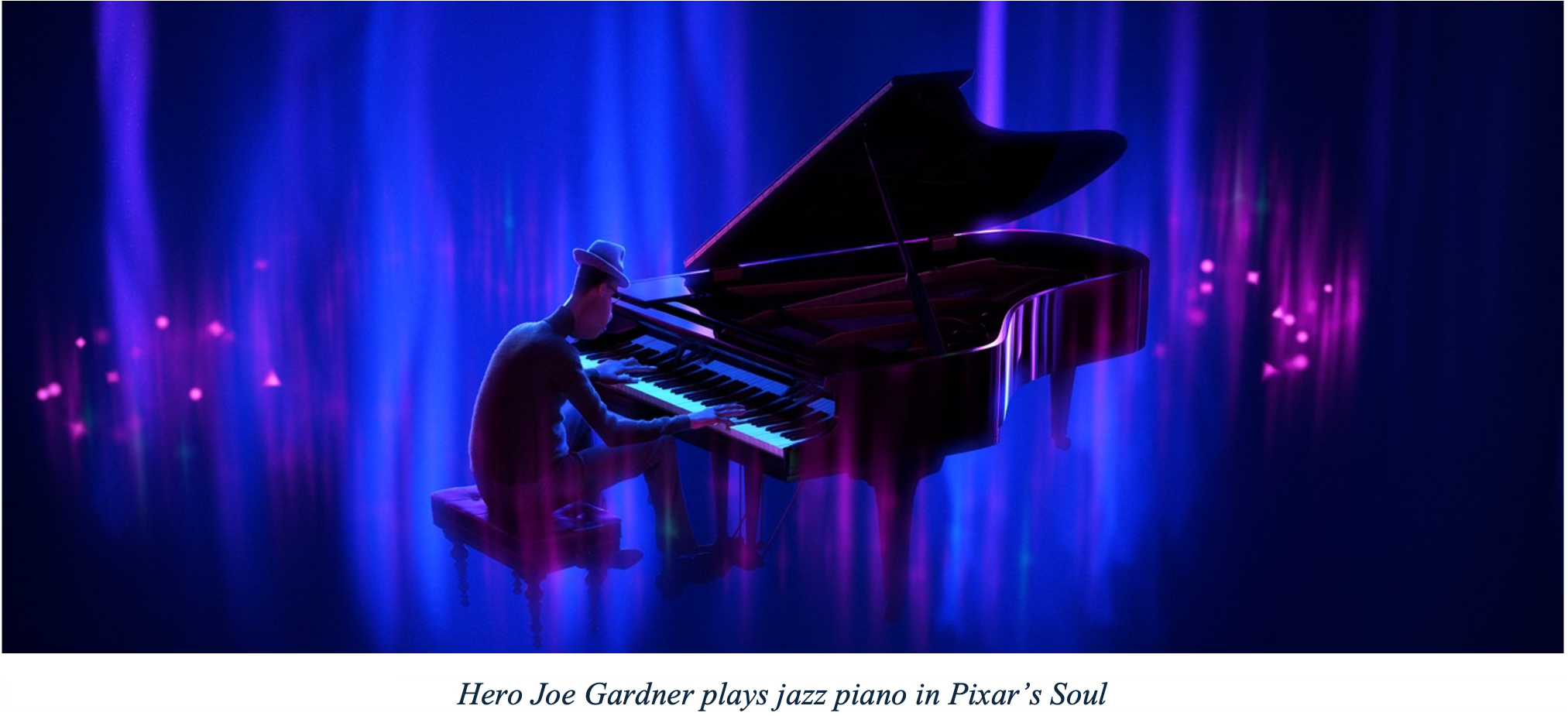
But awards don’t hurt. New Orleanian Jon Batiste, who has won 7 Grammys and shared an Oscar in 2020 with Trent Reznor and Atticus Ross for Pixar’s Soul (Original Score), also works hard album after album, concert after concert to create a spirit of community, loyalty not just to him but to one another.
Invented in New Orleans, jazz is intrinsically collaborative. Coming from a long family line of jazz musicians, Batiste seems innately collaborative. One way to jumpstart community is to join with like-minded musicians. On World Music Radio (2023) Batiste teamed with the K-Pop girl group NewJeans among others to sing “Be Who You Are.” There’s a backstory connection between NewJeans and Netflix’s highest-streaming feature ever, K-Pop Demon Hunters, which won Best Original Song (“Golden”) at the 98th Oscars Monday night.
Teaming with NewJeans on “Be Who You Are,” Batiste showcases his versatility in pop, R&B, and funk. The song brings together his master themes, the problem of loneliness and its solution, authenticity:
Lonely one out there on an eagle’s wings
You’re bringing something they can’t bring
And singing something they can’t sing
I know it’s lonely when saying something
They ain’t heard
Don’t want to share a mumbling word
But just follow me and we will learn
That you can only be who you are.
“Be Who You Are” was commissioned by Coke Studio, a global music platform first launched in Pakistan in 2008 to nurture new talent. Rather than a traditional endorsement deal or a simple licensing of music (think of Michael Jackson promoting Pepsi), Coca-Cola describes this collaboration as a “creative collision” and a “value exchange” designed to foster long-term loyalty and engagement. I guess that’s as authentic as a multi-national can manage. Jon Batiste took it in hand and to the next level. As Tulane University’s newspaper crowed: “The album achieves pop apotheosis with the song “Be Who You Are” (Ian Paul, The Tulane Hullabaloo, August 30, 2023).
Coke Studio used the “Be Who You Are” video in its second season global rollout. How much Batiste was paid is not known. What is known is that Coca-Cola’s spent over ten billion dollars in 2023 and 2024 on worldwide advertising expenses. That’s a lot of reach to a lot of audience.
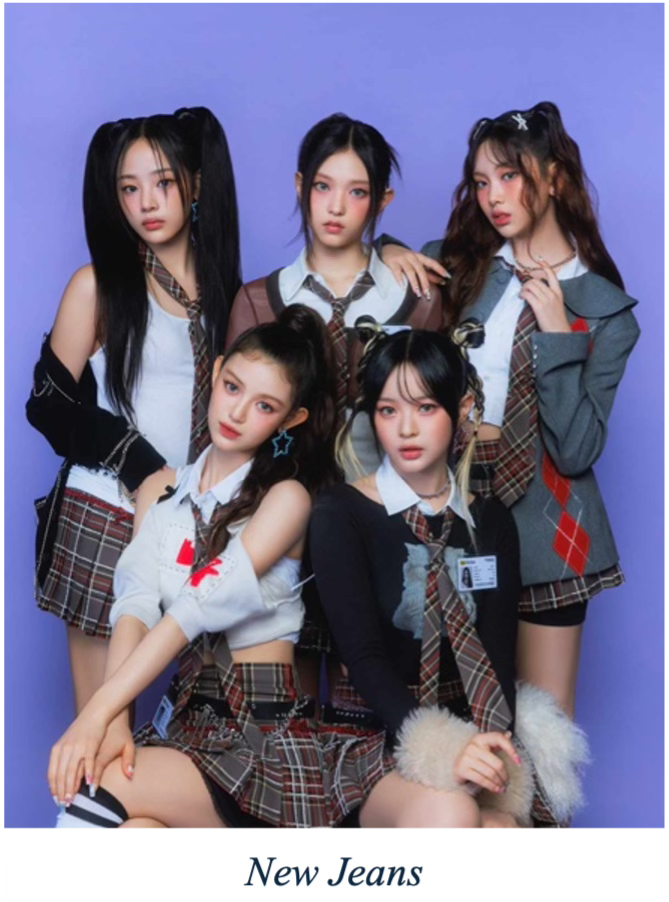
NewJeans’ performance on “Be Who You Are” brought their huge audience to Batiste’s table. They are part of the global K-Pop phenomenon, but an especially spicy part. As The New York Times notes “The K-pop industry is highly restrictive, highly regulated creatively and largely managed top-down” (Joe Caramanica, “In 2025, K-Pop Battled Its Demons, December 25, 2025). NewJeans, however, is known, contrarywise, for pushing back against the corporate suits. Like Batiste, they are bottom-up artists.
NewJeans lost their legal battle against their label over issues about workplace hostility and creative sabotage. But if they lost in the de jure courts, they won in the de facto court of fandom. Their creative battle inspired Netflix’s highest-streaming title ever, K-Pop Demon Hunters, where a K-Pop band performs not only as singers but as hunters—the Huntr/x—pursuing the film’s antagonist, the evil spirit Gwi-ma.
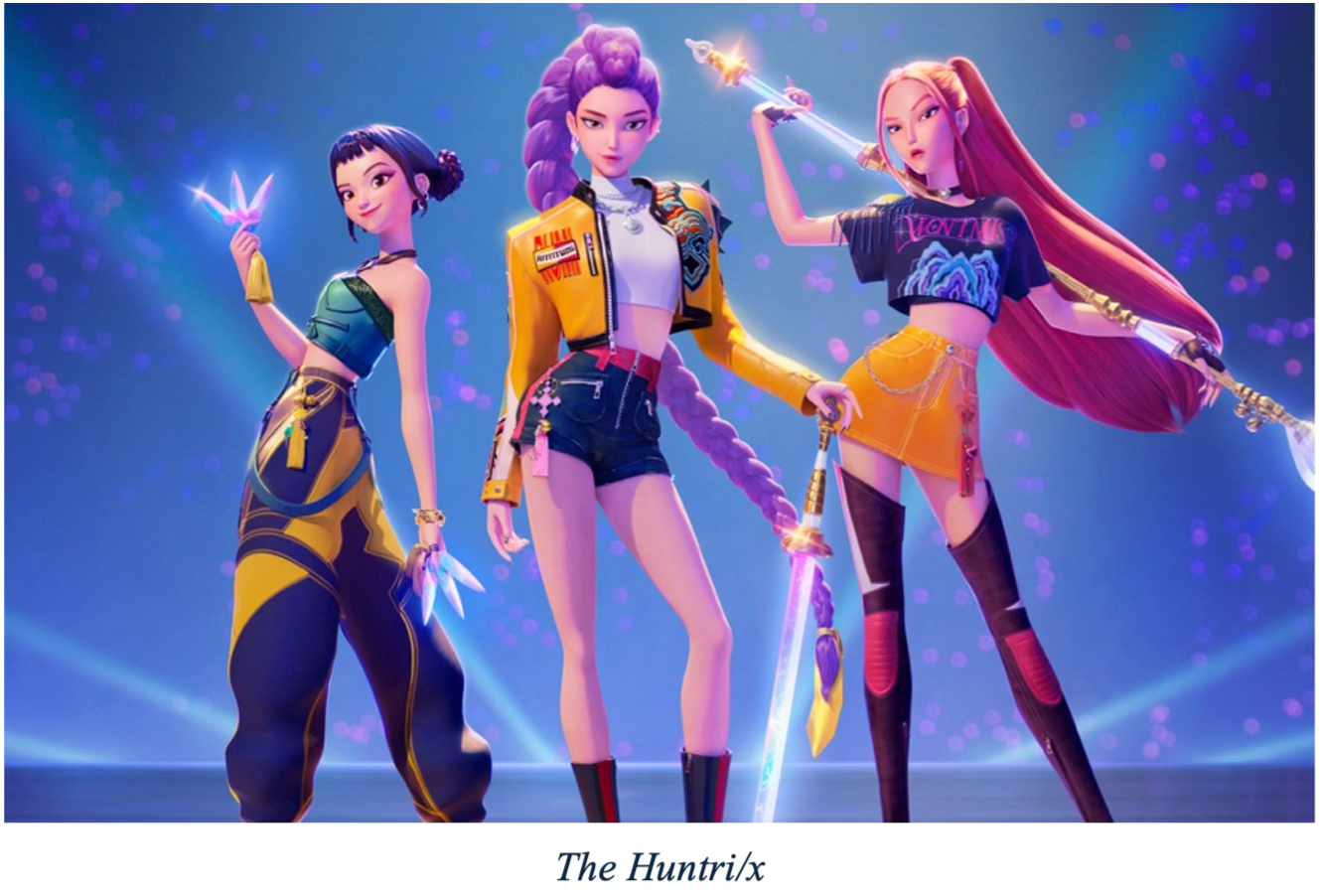
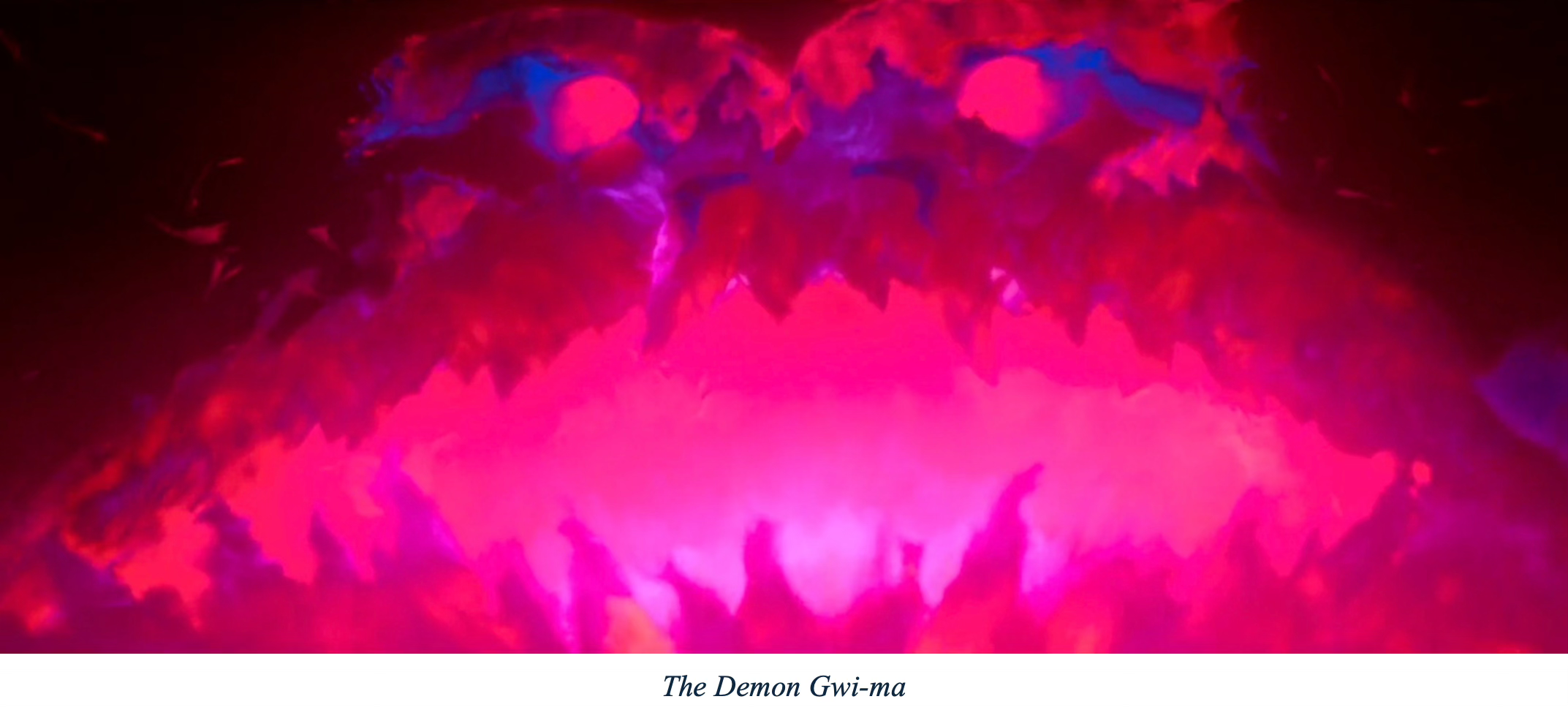
Gwi-ma—which means Ghost Demon in Korean—seeks not to inspire but to steal fans’ souls, their agency. He symbolizes K-Pop’s top-down managers and producers. Gwi-ma seeks by means of his zombie-like demon army to create a universal soul-less cult. He is voiced by South Korean actor Lee Byung-hun, famous for playing the villain in the 2022 dystopian series Squid Game—six Emmys, 14 nominations—another narrative about the loss of agency and community. In K-Pop Demon Hunters, The Huntr/x are out to stop him: “Our music ignites the soul and brings people together.”
How to do so? By achieving authenticity. Like the boy-group BTS who made K-Pop a global phenomenon, the Huntr/x address the problem by improvising a Jungian solution. BTS directly referenced Jungian analyst’s Murray Stein’s Map of the Soul for 2019 their concept album, Persona, and its 2020 follow-up, Map of the Soul: 7 (a direct reference to Stein’s Jungian book).
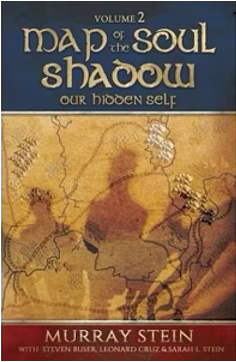
In K-Pop Demon Hunters, plagued by self-doubt, the singers embrace their Jungian Shadow—which Jung defines as formed by everything in us that we deny. In the film the Shadow is everything Gwi-ma shames to destroy creative voice and agency. Their souls empowered, The Huntr/x defeat Gwi-ma. Their audience invigorated, a community is created.
The film, and Batiste’s music, are about the recovering creativity’s sources: the soul’s repatriation. As Batiste tells a crowd at an early concert: “We create music to communicate unspoken pain and joy.”
To repatriate, to find one’s charismatic voice and agency, is not just a matter of understanding the traditions of Americana—a key Batiste theme—but the pain those traditions came out of, and one’s own pains, easy to deny, harder to shoulder and embrace.
Inviting NewJeans, K-Pop’s latest mega-stars, to collaborate on “Be Who You Are” now by proxy adds the fans of K-Pop Demon Hunters—perhaps the largest global audience in history—to Batiste’s coalition.
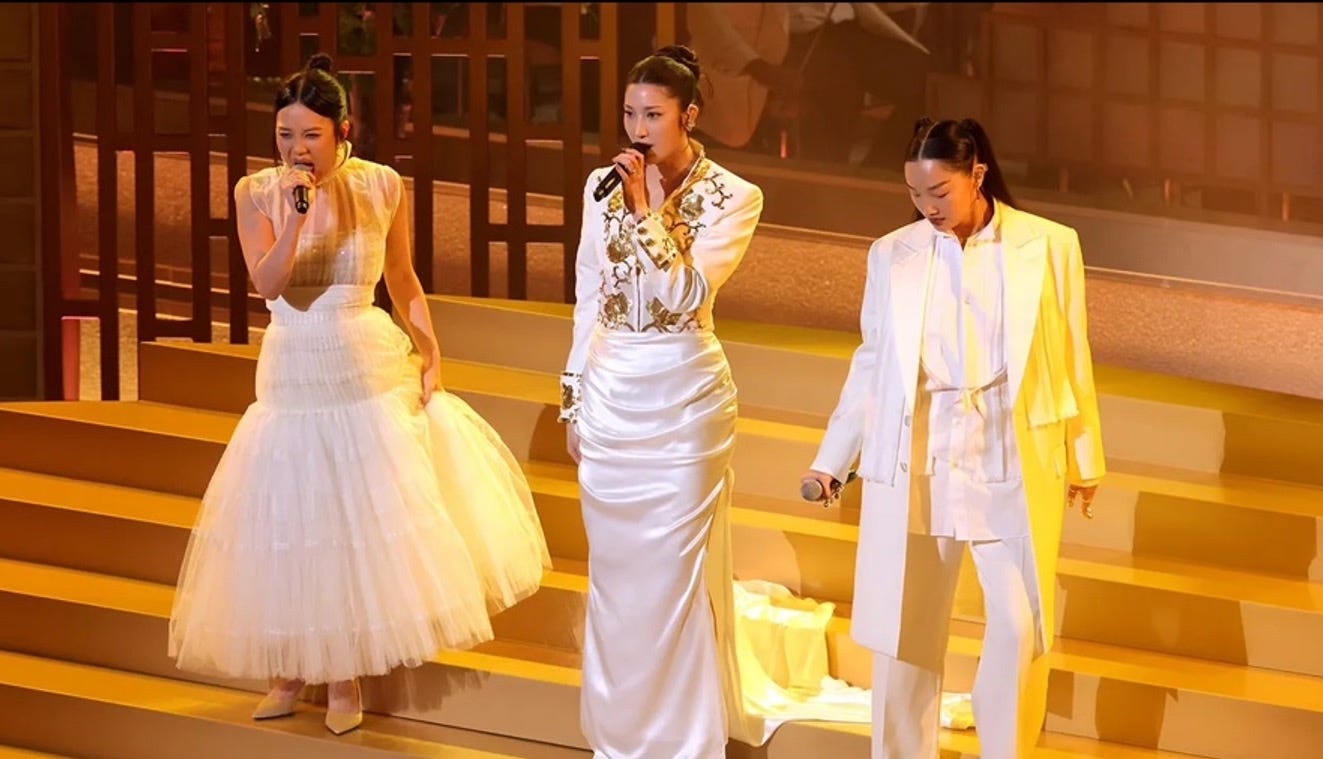
At the Oscars the actors who voiced the pop heroes of K-Pop Demon Hunters performed “Golden” beautifully. But the songwriting team—which consists of EJAE, Mark Sonnenblick, Joong Gyu Kwak, Yu Han Lee, Hee Dong Nam, Jeong Hoon Seo and Teddy Park—were cut off mid-acceptance speech by the Academy’s suits.
Overcoming our Shadow, authentic creativity generates a flourishing community. Fake creativity—driven by Shadow and denial—creates cult that is out for mayhem. Is there anything less authentic than an Orange Tan?
Which do you want to be part of?
No posts
Comments
Nothing yet. Say the first thing.
Sign in to join the conversation.