
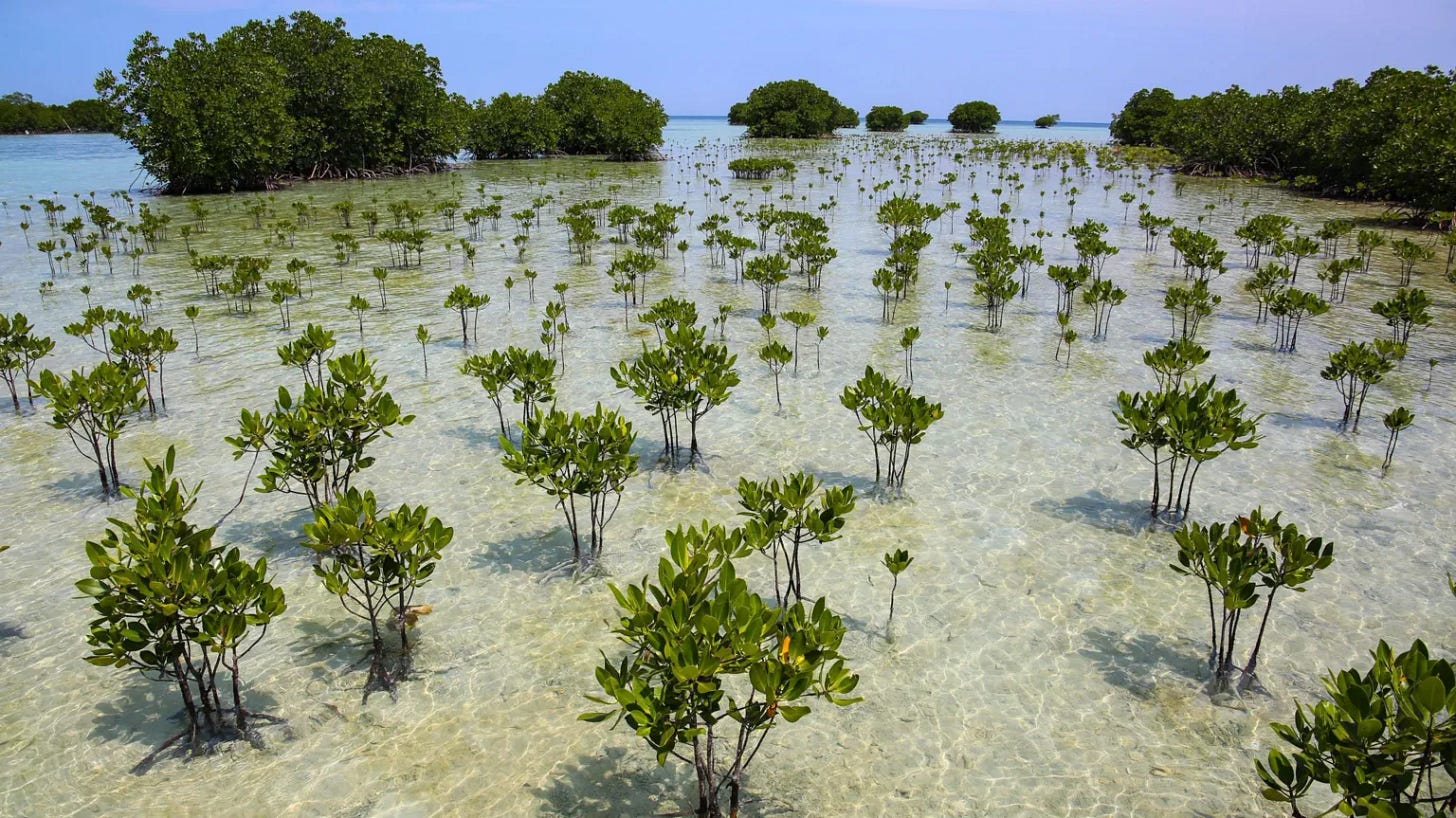
Think big. By bundling solar, wind, and batteries “firm power” could soon be delivered 24/7, the UN General Assembly just overwhelming adopted a resolution that makes member states legally responsible to protect the environment from greenhouse gas emissions, a record-breaking recent geothermal IPO signaled continued investor confidence in clean energy, and carbon-storing mangroves have regenerated to levels last seen in the 1980s. (Photo: BBC)

And global: In Europe, new analysis of raw-materials demand shows 50% could be supplied by “urban mining” waste streams. Germans can now plug panels into a solar storage unit that costs less than $500 to power up homes overnight and, after UK coal plummeted to levels last seen in 1666, greenhouse gas emissions dropped to those of 1872. (Chart: CarbonBrief)
A pause to say that this is literally the raison d’être for the Good Newsletter…
“Millions of people across the globe are finding joy in regenerative opportunities…If we allow our attention to nourish those loops as much as it currently nourishes the panic loops, they have the potential to build with staggering momentum.” - Tom Crowther in Atmos
…and I can’t wait to read his new book.
Onward! Last year, Africa tripled the amount of renewable energy capacity over what was added in 2024, electrotech factories are scaling to renewably sustain Asia, and China just opened the world’s first wind-powered underwater data center that uses cool water to reduce energy consumption by over 20%.
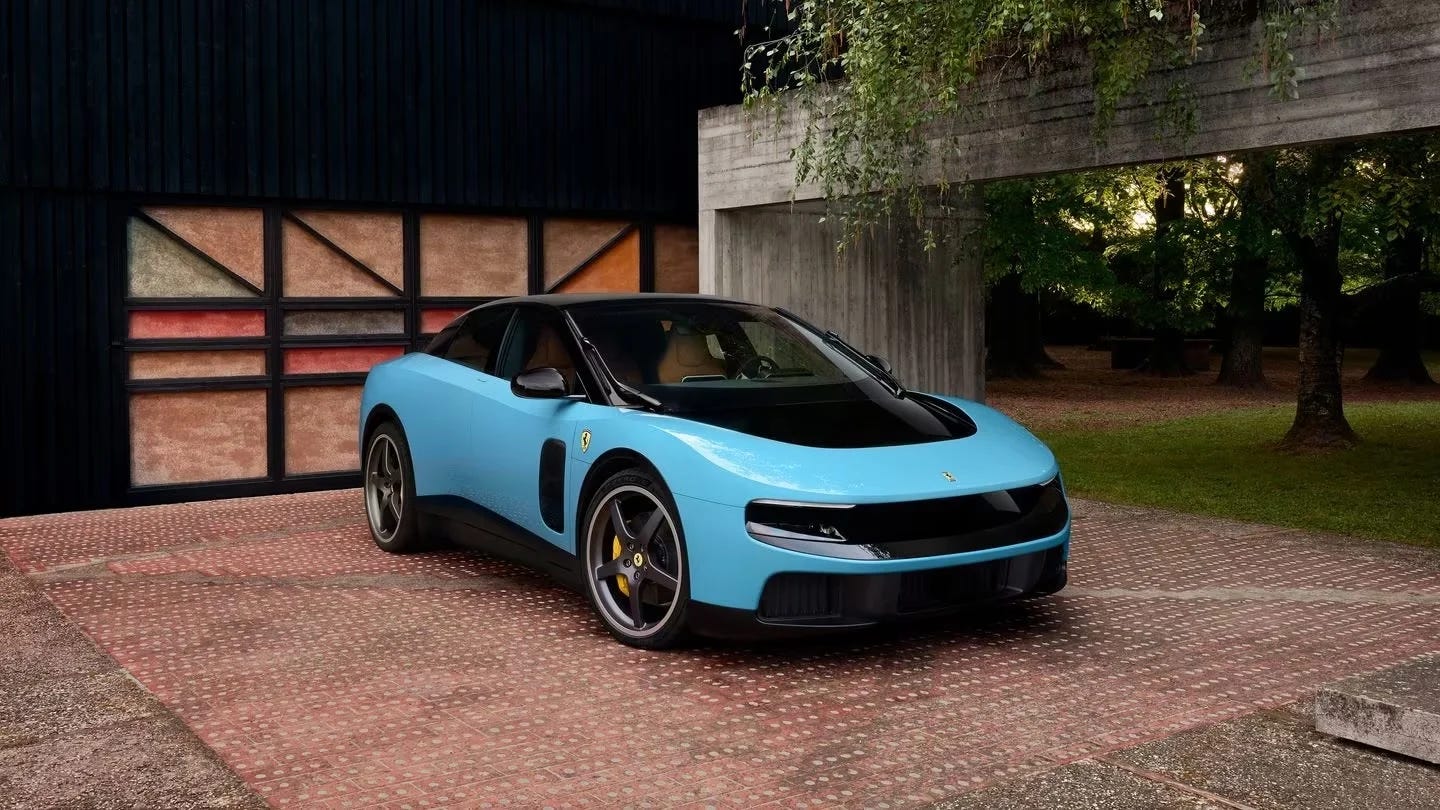
Did someone say EVs? Consider this: Every 30 miles on a gas-powered engine costs (at least) $3 more than in an EV (which adds up to $20k per 15 years) and now, even the WSJ wants you to buy a used one. As U.S. automakers block inexpensive Chinese imports, sales are surging globally to the point that analysts predict 28% of new cars sold this year will be electric. Also carrots work: After rolling out incentives like free parking, last November, nearly 100% of cars registered in Norway were EVs.
In the U.S., choices range from TELO’s promised hat trick — “the capacity of a Tacoma, range of a Tesla, and footprint of a MINI Cooper” — to a smooth-as-silk Ferrari, designed by Apple exes. In related news: Hybrid-electric ferries are set to upgrade summer commutes nationwide and, in Massachusetts, parked EV school buses now feed the grid. (Photo: Gizmodo)
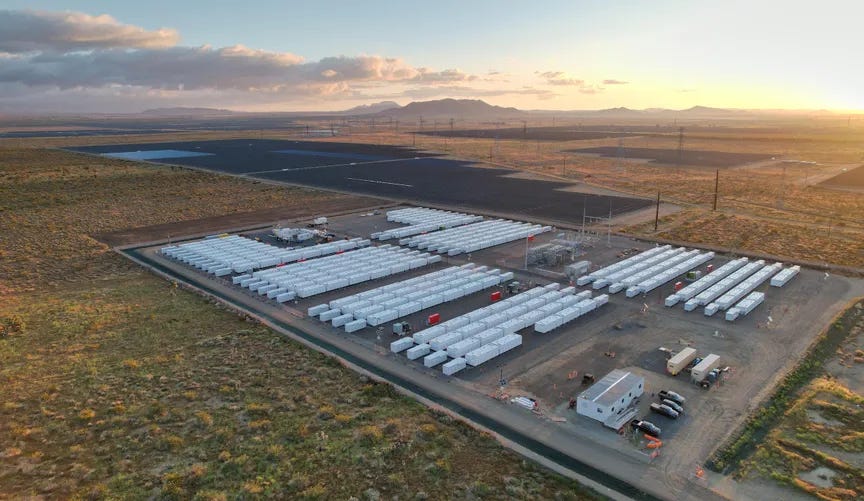
Think local, too: Last year in the U.S. renewables supplied 88% of new power generation,* solar met 61% of U.S. energy demand, and despite federal setbacks to wind, clean energy can now power 80 million homes. The largest wind farm in the U.S. is coming online in New Mexico, capable of generating 3,650 megawatts of energy, and a California project just became the first U.S. battery installation capable of discharging power for up to eight hours at a time. (Photo: Canary Media)
Trump may pay companies to abandon wind projects, but California is betting big on offshore and nobody really wants Alaska’s oil. That’s a little salty so how about this: The Knicks, the Mets — now New York City’s clean energy lines are flowing, too! And in May, another record was broken when U.S. solar supplied more energy than coal.
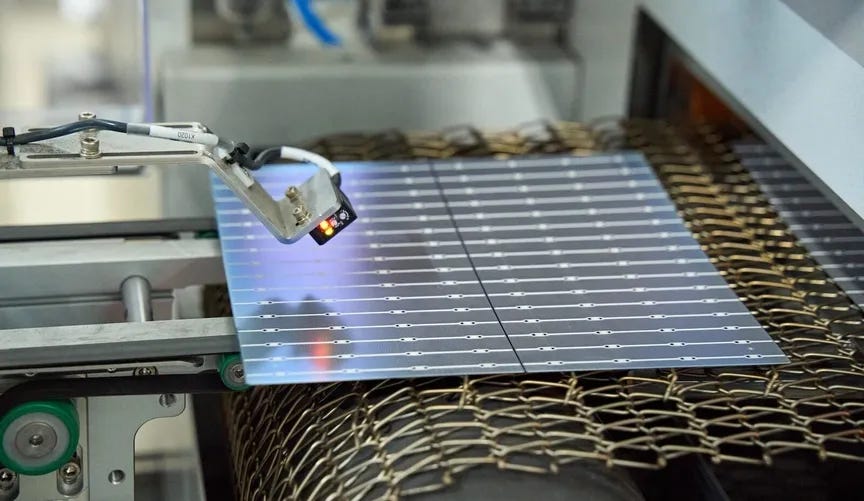
In fact, over the past five years, we’ve opened enough solar panel production to assemble nearly 70 gigawatts of them, so a new Georgia factory, which recently started producing solar cells, is critical. That’s because we’re scaling, people! And most solar projects in the U.S. now move forward without public opposition in both red and blue states. (Photo: Canary Media)
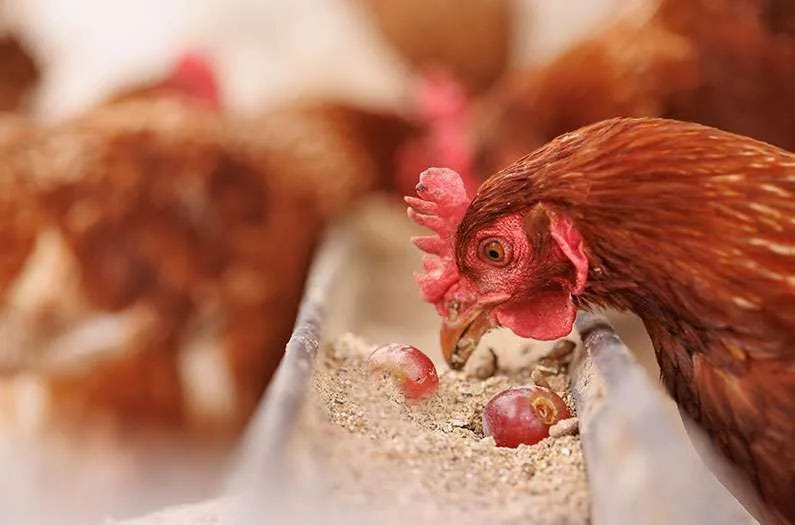
How cool is science? Solar-powered, brine-free desalination is now scalable, chemists tweaked bioluminescent sea algae to glow like living light bulbs, and after researchers fed them winemaking waste, chickens no longer needed antibiotics (and were also realllly relaxed). Also, connecting with nature yields a more positive body image, a new study shows. (Photo: Anthropocene)

In eco fashion, a new startup uses enzymes to recycle nylon, a vegan apparel insulation crop could replace goose down and synthetics, and an iconic brand’s signature leather weave might soon be made of mushrooms. Plus, regulation works: Levels of PFAS in textiles plummeted after bans in California and New York took effect; next month, and the EU’s ban on the destruction of unsold clothes and shoes will force brands and retailers to take responsibility for overproduction. Meanwhile, I’m over here celebrating as Vinted’s secondhand model just outperformed regular retail in the UK on nearly every consumer metric. (Photo: EcoTextileNews)

I got pumped for the 2026 #RevPit winner showcase, spent ten hours on Canva, and made a trailer for the BOOK OF HOURS, in which a 42-year-old woman accidentally travels from 2019 Los Angeles into her 22-year-old body in 1999 Paris and must race back through time to save the man she loves. As you’re a subscriber, I’d love to know:
Speaking of books, next month as part of my “Ask An Author” interview series on Instagram, Jill Bronfman and I will talk about THANKS FOR MEETING ME HERE, which pubs August 5 and is currently available at Bookshop on pre-order. Friends, if you like slightly speculative fiction that throws you off-kilter in the best possible way, this book — and conversation — is for you.

Finally, if you’re a reader in Los Angeles (or just like to travel), sign up for next month’s Santa Monica Silent Book Club on July 14! I host this event each month on the cozy couches at Juneshine and it’s a great way to meet fellow bibliophiles and make headway on your real book-club book. Cheers!
*NPG — if you know you know.
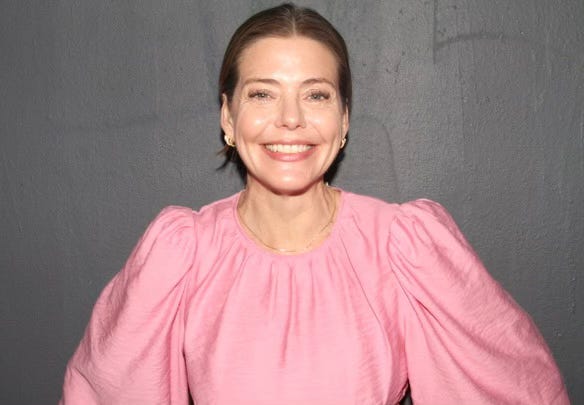
WHO’S THIS? Rachel Lincoln Sarnoff is a writer whose fiction, journalism, and essays reflect her career in sustainability. As a climate communicator, Rachel took the TEDx stage twice, was interviewed on the “Today” show and published in the Washington Post, among others. She holds master’s degrees in fiction and journalism, hosts “Ask an Author” on Instagram, and leads the Santa Monica Silent Book Club IRL.
Comments
Nothing yet. Say the first thing.
Sign in to join the conversation.