
My next residential writing retreat is themed around ‘Making Herstory’: researching and writing women’s history, whether you’re writing fiction, non-fiction, poetry, drama or other genres. For more information and to book, please click on this link. I’d love to meet you in person, and the retreats are great fun and very life-affirming! The closing date for enrolment is fast approaching, so don’t delay!
And the next meeting of our monthly FREE feminist writing group will take place from 8pm-9.30pm on Monday 31 August. It’s proving to be a really invigorating group and I’m loving the conversations and creating approaches that it’s generating. Whether you’ve joined us before, or not, you’re MORE than welcome (as long as you’re female), so please do sign up!
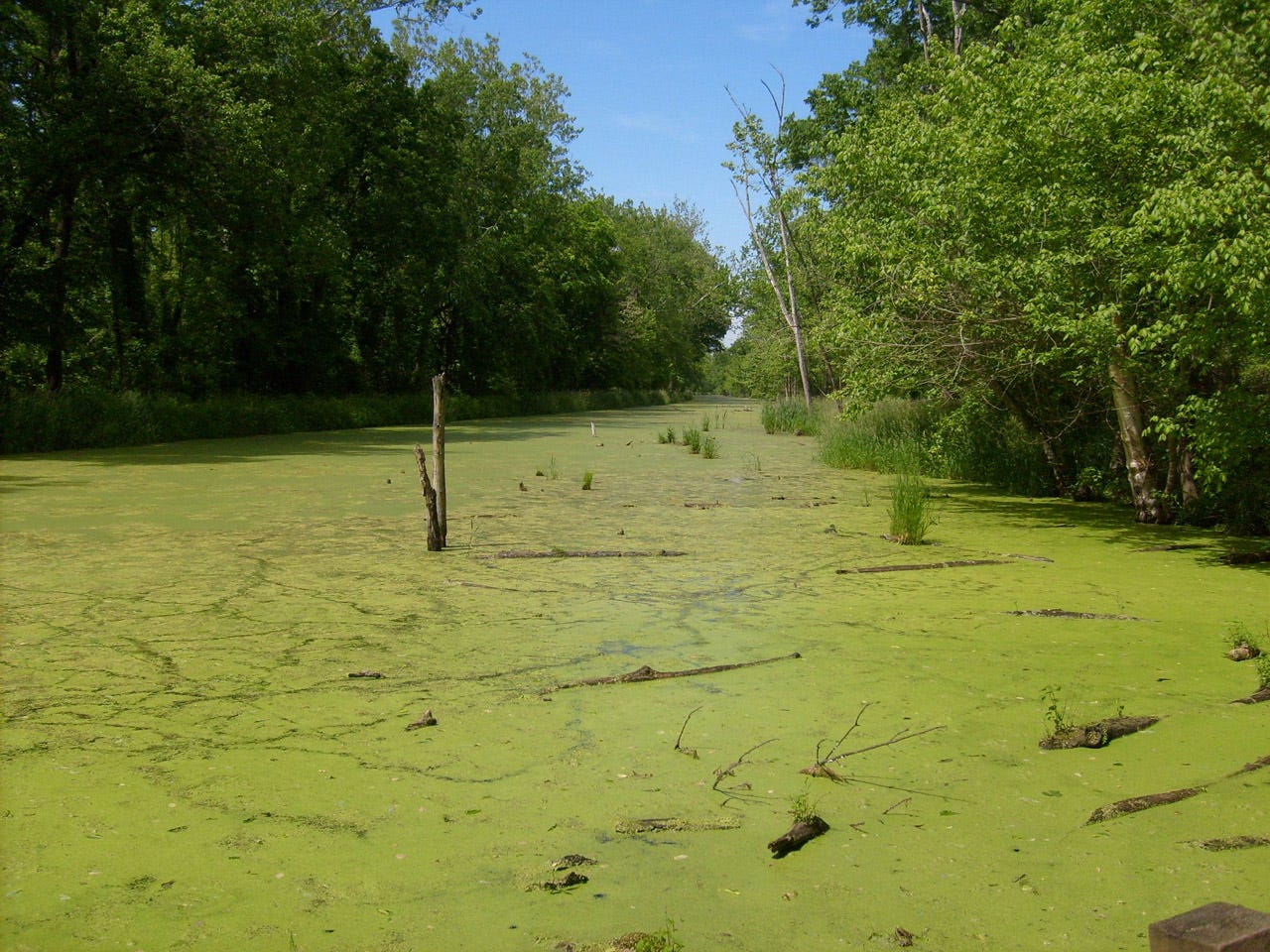
When I started writing this Substack, I hoped that - among other subjects - I’d be able to offer some insights into how loss can upend a life. I wanted to write about rebuilding, about finding new directions of travel and new points of orientation. But recently I’ve realised that there are stages of life and grief which are actually much harder to write about than rebuilding, and these are the periods in which it feels as if no progress is being made at all, and in which everything seems to have stalled.
It feels very difficult to be writing about this period of stuckness in my life. It feels embarrassing, frankly, to be writing a Substack which claims to offer ‘feminist life lessons’, when I am going through a phase in which I feel that I have no lessons at all to impart. So, for months now, I’ve avoided writing or thinking much at all. But it occurs to me that maybe the first step towards leaving the doldrums is to look, unflinchingly, at the stuckness and to try to see what it looks like and why it’s come about. And I hope that doing so might speak to some of my readers who may also be experiencing a comparable sense of stuckness, and that, in turn, you might be willing to share some of your own experiences of getting unstuck in the comments.
Show your appreciation with a tip
In the four years between my husband’s death and the beginning of 2026, I underwent a lot of shifts, some major - going a bit mad for a while, leaving my job, attaining a certain clarity of understanding about male secrecy and woman-hatred - and some more minor. Writing about such changes and the discoveries and insights that attended them felt like significant creative consolation, as if I was making something new out of a landscape of loss. Even though I’d lost my husband and then, in the wake, pretty much all of my friendships, I liked the idea that I might be able to connect with people through my writing, and by sharing my experiences with the intention of, hopefully, helping others going through something similar. Writing about change felt buzzy and exciting. It felt like something I could hold onto, and be proud of.
But throughout 2026, I’ve felt like I’ve been stuck in a Dead Calm. It feels as if the changes that were percolating have played out as far as they were able, but have gone no further, and have become stuck in their infancy. I left a job that was making me unhappy, but I haven’t yet found an equivalent professional structure to replace it. I lost a lot of friendships, but haven’t been able to forge new ones. I’ve been disillusioned by men, but I haven’t found a new source of hope or connection in the world. Instead, I’ve become stuck, in suspended animation during an early stage of change, and, within that terrain, I’ve hardened, in terms of my attitude to other people, and in terms of the day-to-day realities of my life. Sure, I’ve learned how to live, day by day, in this new life that was thrust upon me 4.5 years ago, but its current configuration doesn’t make me particularly happy, and I have little excitement about the future, and I don’t know how to change any of that.
Stuckness is partly driven by personal psychology, but it’s also a response to material circumstances, and it’s important to acknowledge this. In a world in which so many of us are increasingly constrained by the cost of living crisis and stagnating wages, one consequence is that making any changes becomes harder. Tightened finances constrain freedom in so many ways: reducing the time that’s available to us to reflect and experiment with alternative ways of doing things; heightening stress levels so that the prospect of stepping off the hamster wheel of day-to-day life feels impossibly terrifying; and decimating the financial and personal resources we are able to throw at new ways of living. As I’ll discuss below, stuckness is partly driven by fear, which can make us cling especially hard to the very behaviours that are making us feel so stuck, and, as a consequence, to become even more stuck. Stuckness is also intensified by material circumstances, because making change requires taking risks, and taking risks can require the existence of a certain space and freedom and relaxedness in our emotions and imagination and finances which can be lacking in times of impoverishment. So, in this current period of history, I’m sure that I’m not alone in feeling so stuck, nor in finding it hard to see a way out of it.
In a collection of talks entitled Getting Unstuck, the Buddhist teacher Pema Chödrön sees ‘stuckness’ as being constituted by habitual patterns: repeated behaviours which feel safe or familiar or reassuring, to a certain extent, but which can become rigid and profoundly unsatisfying. She discusses how such behaviours can range from the compulsions of full-blown self-destructive addictions, to cravings for different forms of pleasure (endless online consumption, for example), to actions that serve to numb us. Behind all these habitual behaviours which contribute to us feeling stuck is the need for temporary relief from something very uncomfortable, she suggests. There is clearly something deeply troubling occurring within us from which we need to distract ourselves, and we become stuck by the difficulty of letting go of behaviours that, in and of themselves, aren’t very nourishing, but which at least have the benefit of protecting us from that something which, it seems, will be far more unpleasant to confront.
Comments
Nothing yet. Say the first thing.
Sign in to join the conversation.