
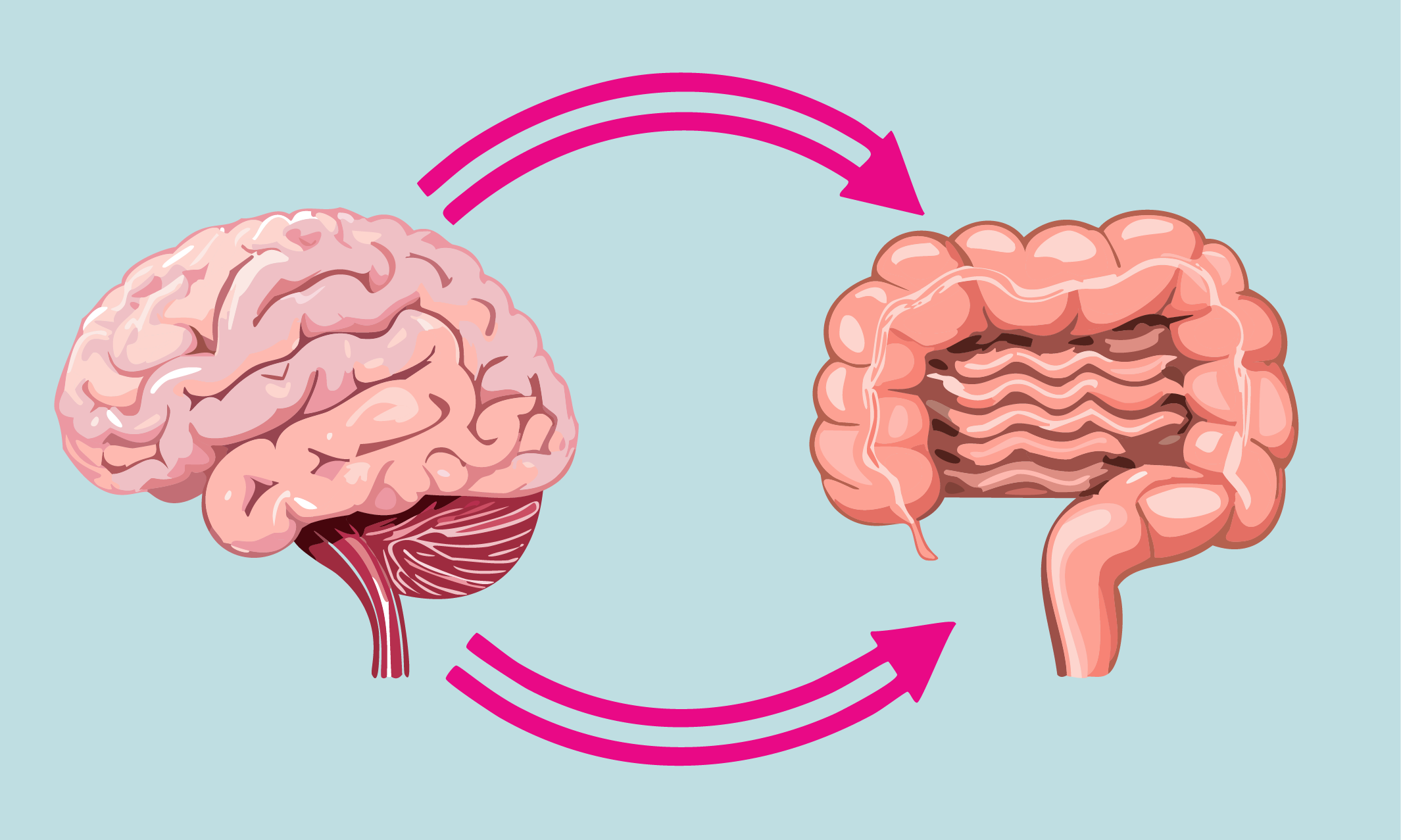
Did you know that your gut can be the “angel” or the “devil” on your shoulder?
It’s all in your head…I mean your gut.
Yup, it’s back to the gut… We all know the story; the gut is involved in everything. Its got its fingers, I mean, its endotoxins in every pie.
Hippocrates, the Father of modern Medicine, said in 400 B.C., “death sits in the bowel”. He also said, “all disease starts in the gut”.
But in this article, I’ll specifically be discussing how insanity, or more like most (if not all) mental conditions that are heavily influenced by the gut.
How are you feeling today?
Is it possible that it’s influenced by your gut?
You bet it is!
When we talk about things going on in the gut, we are referring to bacteria, fungi, parasites, etc., that live inside the gut. But I want to talk specifically about the gut bacteria…the microbiome.
There are over a hundred trillion bacteria in the body of an adult human, which contain roughly 9 million genes, with more than 95% of them located in the large intestine.
It’s been shown that our DNA and genes are actually 99% of bacterial origin.
So, hello my alien reader.
On average, the gut hosts microbes comprising of five phyla, more than 60 genera, approximately 160 species in the large intestine and contains more cells than the human body.
In a 70-kg individual, the human gut microbiota would weigh in at an impressive 0.2 kg.
In short, we are more bacteria than we are human.
Gut bacteria create all kinds of things than can have an effect on the body.
Gut bacteria are “separated” from the body by a gut lining. When the lining isn’t in optimal shape anymore, then bacteria and their creations can gain access in the body and cause havoc.
And it’s not only a “leaky gut” that’s the issue, but also gut dysbiosis. This means that there are either too much in total (e.g. SIBO) or too much of the wrong kind (e.g. H. pylori, candida, etc).
SIBO for example can also contribute to leaky gut.
An unhealthy balance of gut bacteria is involved in Parkinson’s disease (over 80% of PD subjects have GI dysfunction, Alzheimer’s disease, autism, brain fog, depression, anxiety, schizophrenia, ADHD, bipolar, multiple sclerosis, insomnia or hypersomnia, hyper-reactivity to stress, etc.
Gut bacteria influence memory, mood, behaviors (fear, violence, anger, irritability, helplessness (germ-free mice are much less probable to get learned helplessness, etc.) and cognition and are clinically and therapeutically relevant to a range of disorders, including alcoholism, drug abuse, chronic fatigue syndrome, fibromyalgia, and restless legs syndrome.
Bacterial products include lipopolysaccharide (LPS; aka endotoxins), lipoteichoic acid, (short and long) fatty acids, neurotransmitter precursors, neurotransmitters, D-lactate, ammonia peptidoglycan, flagellin, formyl peptides, unique nucleic acid structures and the extended plethora of microbial virulence factors (i.e., pigments, proteases, nuclease, toxins, haemophores).
All of these things have the potential to be harmful to us.
Bacteria can synthesize neurotransmitters. For example:
Lactobacillus species produce acetylcholine and gamma-amino butyrate (GABA)
Bifidobacterium species produce GABA
Escherichia produces norepinephrine, serotonin and dopamine
Streptococcus and Enterococcus produce serotonin
Bacillus species produce norepinephrine and dopamine.
Even beneficial metabolites such as short-chain fatty acids may exert neurotoxicity.
Short chain fatty acids and autism
MacFabe has identified potential neurotoxicity of propionate and studied its possible role in autism.100 His group found that pathological changes in the brains of animals exposed to intra-ventricular propionic acid were identical to abnormalities found in the brains of autistic children and adults. Depletion of glutathione and increased markers of oxidative stress accompanied neuroinflammation. Butyrate demonstrated similar but much milder effects. MacFabe believes that gut-derived propionate contributes to the pathogenesis of autism and that SCFA-induced neurotoxicity explains the sensitivity to dietary carbohydrates noted by physicians treating children with ASD. In support of MacFabe’s hypothesis are the findings of Wang et al. of elevated SCFA101 and propionate102 in the stool of autistic children.
So there are quite a few ways the gut bacteria can have an effect on the body and brain, and that includes via the synthesis of metabolites and neurotransmitters, activation of the vagus nerve, and activation of the immune system.
One of the most well known bacterial products (of gram-negative bacteria) is endotoxins. If endotoxins are absorbed in large amounts, it activates the TLR proteins, which cause an immune reaction and inflammation. The immune reaction and inflammation that endotoxins cause are known to promote autoimmune conditions.
In terms of the microbiome-gut-brain connection, endotoxins damage enzymes and neurons and promotes inflammation, which leads to many neurological disorders.
Endotoxins -> neuro-inflammation -> neurodegeneration -> neurological disorders.
Alterations in dopaminergic transmission have been related to severe CNS disorders, such as anxiety, Parkinson’s disease, and compulsive food intake just to name a few.
Even a small amount of endotoxins can increase inflammation, cortisol and norepinephrine. These changes are accompanied by depressed mood, increased anxiety, and impaired long-term memory for emotional stimuli, etc.
Ammonia (NH3) is a lesser-known gut-derived neurotoxin. Most people think that its an excess of protein that leads to elevated ammonia. However, if you got elevated ammonia producing bacteria, such as Candida albicans, then you’ll have elevated ammonia if you eat protein or not.
Ammonia’s neurotoxic effects are due to inducing astrocyte swelling and by triggering a reaction cascade.
NH3 widens junctions in the blood-brain barrier, allowing not only pathogens, but also small molecules like glutamate along with neutrophils and water to penetrate the barrier [7]. Hyperammonemia may also result in irreversible brain damage [8]. Exposure to high level of NH3 can alter several amino acid pathways and neurotransmitter systems, cerebral energy metabolism, nitric oxide synthesis, oxidative stress, and signal transduction pathways in the brain.
Ammonia is involved in many mental side effects, such as brain fog, fatigue, migraine, anhedonia, autistic behaviors, etc.
Another lesser known gut-derived harmful molecule is lactate.
Lactate isn’t only produced during exercise, but also by gut bacteria. The gut bacteria, such as Lactobacilli can create L-lactate and D-lactate.
The unabsorbed carbohydrates act as a substrate for colonic bacteria to form D-lactic acid among other organic acids. The acidic pH generated as a result of D-lactate production further propagates production of D-lactic acid, hence giving rise to a vicious cycle. D-lactic acid accumulation in the blood can cause neurologic symptoms such as delirium, ataxia, and slurred speech. Diagnosis is made by a combination of clinical and laboratory data including special assays for D-lactate.
Some species of Lactobacillus are D-lactate producers and they use fiber to do it. This study found that high-dose beta-glucan (found in oats and barley) can increase intestinal permeability by increasing D-lactate production.
The body is able to clear the lactate, but if it’s in too large amounts, then it overburdens the liver. D-lactate is especially an issue since it’s cleared 5 times slower than L-lactate.
D-lactate is found to be elevated in patients with chronic fatigue syndrome (CFS) and neurocognitive dysfunction. Bifidobacterium uses lactate as a fuel, so an excess of lactate can cause an overgrowth of Bifidobacterium as well, and they produce GABA. Elevated GABA is also found in CFS.
It’s also been found to be involved in schizophrenia.
I just briefly want to touch on dopamine.
Endotoxins cause neuroinflammation and neurodegeneration, especially of the dopaminergic neurons. That’s why people experience low dopamine symptoms when they have digestive issues. Even if you don’t have noticeable digestive issues, but you still have low dopamine symptoms, then chances are that the gut is involved.
Low dopamine is involved in low motivation, anhedonia, depression, apathy, low libido, erectile dysfunction, short attention span, and other mental disorders, as well as liver injury and higher susceptibility to infection. Using the D1 agonist fenoldopam was shown to dampen inflammation as well as lung permeability and pulmonary edema.
COVID-19 susceptibility and mortality are much higher in people with dopaminergic dysfunction.
Overall mortality was 19.7%, with a significant effect of co-occurrence of dementia, hypertension, and PD duration.
All of the above conditions have low dopamine or dysfunction dopamine signaling in common.
It’s being suggested to use amantadine against COVID-19. Amantadine promotes dopamine release, inhibits dopamine reuptake, is anti-cholinergic and is potent anti-viral. Amantadine is a derivative of adamantane, which is a great anti-viral compound.
Dopamine is very important for optimal health and immune function, so ensuring that the gut is health is of utter importance.
As you’ve seen by now, the gut microbes has a potent influence on mental health.
The reason I want to touch on depression and anxiety, is because it’s two of the most common mental conditions people suffer from.
Gut dysbiosis contributes to almost everything wrong with depression and anxiety. For example, leaky gut, imbalance in the kynurenine pathway, inflammation, immune reactions, overactive HPA axis, neurotransmitter imbalances, reduced BDNF, low dopamine, elevated glutamate and NMDA sensitivity, etc., are caused by gut dysbiosis.
People with irritable bowel syndrome (IBS) commonly experience psychiatric disorders, and a meta-analysis study shows that anxiety and depression levels are significantly higher in IBS patients vs healthy volunteers, regardless of IBS-subtype.
Why use drugs (such as SSRIs) if drugs don’t address the root cause?
As a matter of fact, a lot of drugs do actually have an effect on the gut, yet few people know or talk about it. More on that in just a bit.
Anti-biotics are known to uplift peoples’ moods dramatically and clear away brain fog. However, anti-biotics are rarely a long term solution. The focus has to be on the diet. The perfect diet to calm the gut.
Yes, what happens in the gut doesn’t stay in the gut, but things going on in the body can also affect the gut. For example there is a brain-gut axis. Perceived stress is known to cause leaky gut and negatively modulate the gut bacteria. The gut bacteria in turn keep the individual in a stressed state.
For example norepinephrine enhances the growth of Escherichia coli and other Proteobacteria, which explains a direct impact of stress responses on infection, independent of the effect of stress on host immunity.
So in order to fix the gut, the diet needs to be perfect, but you also have to take conscious steps to get out in nature, get out in the sun, relax, do relaxed deep breathing, meditate, etc., as all these things can also have a potent beneficial effect on gut health.
Many drugs that are thought to control blood sugar, blood pressure, mood, etc., via hormones and neurotransmitters, yet few know that they also have an effect on the gut.
When people try to figure out the mechanism of action of a drug, they rarely look to the gut.
It’s now known that metformin improves insulin resistance by positively modulating the gut bacteria (it’s not its only MOA).
Most anti-depressant (SSRI) drugs negatively modulate the gut. So once you’ve stopped, you still have all the negative effects because the gut has been negatively modulated and it doesn’t always recover.
Anti-Parkonson’s drugs are notorious for causing weight gain and it’s because it affects the microbiome.
Even influencing the brain with deep transcranial magnetic stimulation improves symptoms of obesity by modulating gut microbiota.
Many other drugs can also negatively modulate gut bacteria and induce long-lasting results/side effects (drugs such as finasteride. There is evidence that finasteride alters the methylation pattern of the 5-AR enzyme to induce lasting side effects. And it’s theorized that the gut microbiota plays a role as an epigenetic factor influencing DNA methylation. So it’s quite plausible that finasteride messes with the gut bacteria, which in turn messes with neurotransmitters and hormones.
So be careful with the drugs that you use.
A few tips include:
Avoiding gut-irritating foods, such as FODMAP rich food, gluten, lectins, crispy food, raw salads, beans, etc.
Avoid harmful food and supplement additives, such as carrageenan, guar gum, xantham gum, silicon dioxide, titanium dioxide, etc.
Avoid alcohol. Alcohol negatively modulates gut bacteria, especially Akkermansia, and causes leaky gut. Research found that the more permeable the intestine, the more likely someone was to be dependant on alcohol and relapse after quitting.
Manage stress – work, finances, family, sleep, diet, etc.
Expose yourself to nature
Get sunlight – sunlight increases dopamine, is anti-bacteria and increases vitamin D. Vitamin D helps to synthesize an anti-microbial gut peptide.
Increase dopamine – dopamine increases intestinal mucus secretion. Akkermansia, which is a mucus degrading bacteria, will thrive more, leading to better gut health.
Use anti-biotics. Minocycline has been shown to alleviating depressive symptoms, and it’s suggested that it should be used in conjunction with antidepressants. Rifaximin can help to kill ammonia producing bacteria.
As a side note, I’m not that big of a fan of pre- or pro-biotics. Foods are far superior in their ability to modulate the gut bacteria since they are whole foods and will have the right effect in the right place, at the right time in the right amount.
Another reason why I’m not such a big fan of probiotics is because they just don’t really have all that great of an effect in humans. Lots of animal studies show promise, but in human studies, the effects are often mild to non-existent and even over 50% of studies (according to this meta-analysis) found negative outcomes.
The gut has it’s fingers in every pie in the body, but nothing work in isolation or is one directional. So if you want to address the gut, then it has to be via diet AND lifestyle. Then you’ll get the best possible effects.
With love,
Moosa
thank you for reading this. truly. the fact that you made it all the way down here means more than you know.
if you got something out of this and you want to go deeper, i keep my most valuable work behind the paywall. the full frameworks, the protocols, the science broken all the way down into stuff you can actually use.
it’s a couple dollars a month. less than a coffee.
and it keeps this whole thing alive so i can keep writing.
if that’s you, come join the premium side. i’m sure you’ll be glad you did.
Premium Posts
How to lower excess histamine: the ULTIMATE guide
·
July 19, 2025
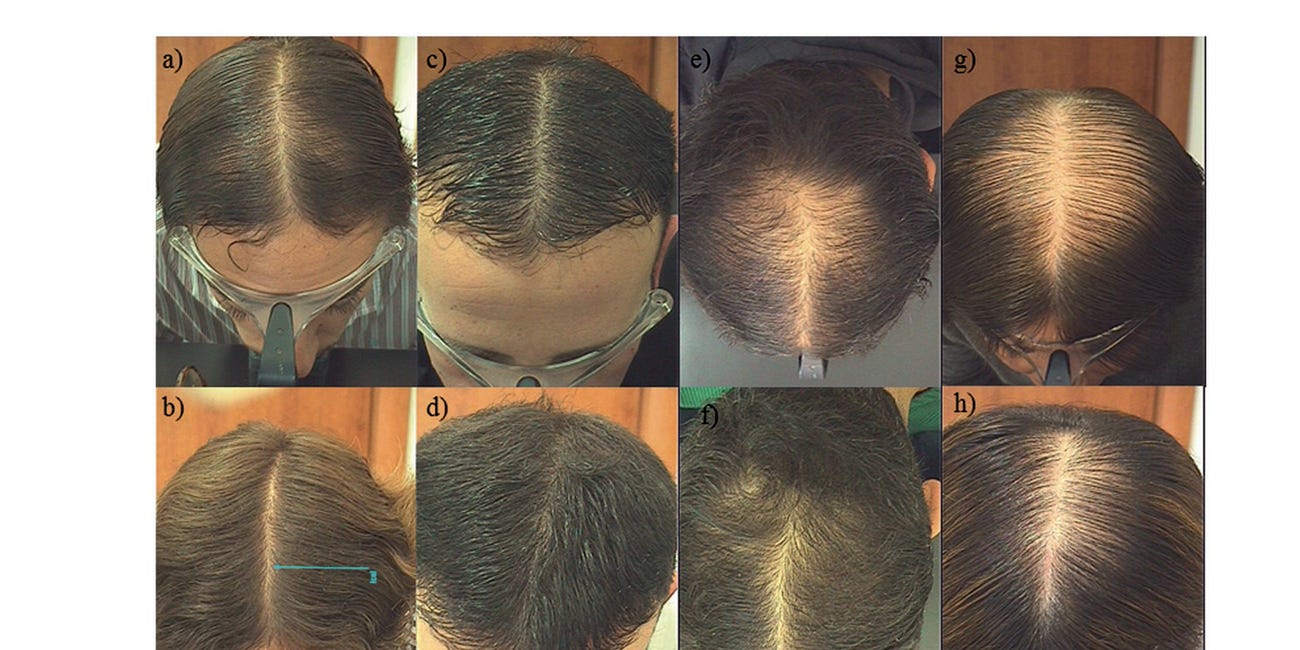
Histamine intolerance is one of medicine’s grand mysteries.It’s etiology is not known, and patients afflicted are rarely documented to recover from their ailment. Its diffuse presentation includes many symptoms, which implies that excessive histamine is actually an “umbrella diagnosis” for several underlying problems.
+many more, click this to access the full archive

References
1.https://pmc.ncbi.nlm.nih.gov/articles/PMC6471396/
2.https://pmc.ncbi.nlm.nih.gov/articles/PMC5121944/
3.https://pmc.ncbi.nlm.nih.gov/articles/PMC6313131/
4.https://pmc.ncbi.nlm.nih.gov/articles/PMC4588083/
5.https://pmc.ncbi.nlm.nih.gov/articles/PMC7215955/
6.https://pmc.ncbi.nlm.nih.gov/articles/PMC6313131/
7.https://pmc.ncbi.nlm.nih.gov/articles/PMC7080964/
8.https://pubmed.ncbi.nlm.nih.gov/27067014/
9.https://pmc.ncbi.nlm.nih.gov/articles/PMC4259177/
Additional references:
10.https://pmc.ncbi.nlm.nih.gov/articles/PMC4259177/
https://pmc.ncbi.nlm.nih.gov/articles/PMC4259177/
https://pmc.ncbi.nlm.nih.gov/articles/PMC5641835/
https://www.researchgate.net/publication/338250852_Possible_link_between_D-lactic_acid_and_schizophrenia_some_commonality_in_symptoms
https://journals.physiology.org/doi/full/10.1152/ajpcell.00261.2017
https://pubmed.ncbi.nlm.nih.gov/17393330/
Comments
Nothing yet. Say the first thing.
Sign in to join the conversation.