

Vitamin D is actually a hormone (steroid) and not a vitamin, as our bodies can synthesize vitamin D from UVB rays from the sun and convert it into its active form which then acts as a hormone in the body.
It’s very difficult to get all our vitamin D from food sources alone, and we should only rely on food sources/supplementation during a vitamin D winter, when getting vitamin D from the sun is not possible, such as during cloudy days, winter and indoor jobs, as sunlight is our best and most potent source of this hormone vitamin.
Healthy levels of vitamin D should range from 35ng/ml and higher. As the sun rays hit us, 7-dehydrocholesterol in our skin is converted into vitamin D3.
It then enters the circulation of the blood stream and is transported to the liver where it is hydroxylated to form 25-hydroxyvitamin D3 (calcidiol a.k.a. 25(OH)D, the inactive form). 25(OH)D then requires a further hydroxylation in the kidneys by the enzyme 25-hydroxyvitamin D-1α-hydroxylase (CYP27B1) to be converted into its active form, namely, 1,25-dihydroxyvitamin D (calcitriol a.k.a. 1,25(OH)D).
Calcitriol is the most potent form of vitamin D and performs most of it’s physiological actions in this form. The production of calcitriol in the kidneys is regulated by a few factors, namely, serum phosphorus, calcium, parathyroid hormone (PTH), fibroblast growth factor 23 (FGF-23), and calcitriol itself (negative feedback loop).
Few other tissue other than the kidneys also contain the enzyme, 1-α-hydroxylase, that converts 25(OH)D to 1.25(OH)D, such as a few glands, skin, bones and immune cells. 25(OH)D levels in the body are regulated by enzymes that increase or decrease its concentration, and it would be impossible to get vitamin D toxicity from sunlight alone. Toxicity is possible however with supplementation.
Vitamin D binds to its receptor (VDR) and dimerizes (combine with a similar molecule to form a dimer) with the retinoid X receptor (RXR), which is a retinoic acid (vitamin A) receptor. Vitamin A and D work in synergy throughout the body. Without sufficient vitamin A, vitamin D is unable to properly fulfill its functions.
Other factors that increase vitamin D receptors are vitamin D itself, retinoic acid (vitamin A), zinc and the R-5020 (a progesterone receptor agonist).
20-30 minutes of whole-body exposure to sunlight can produce between 10,000 IU and 20,000 IU of Vitamin D depending on season, sunscreen, time of day and race (the color of your skin). Wearing a synthetic sunscreen reduces vitamin D synthesis in the skin by more than 90%.
The perfect time to get sun exposure for vitamin D would be in the middle of the day, between 10 am and 3 pm. I advise putting on coconut oil before going out into the sun as this will serve as a natural sunscreen. Another natural alternative would be cold pressed olive oil as both these oils will not prevent the vitamin D formation and absorption by the skin.
Vitamin D is probably best known for bone metabolism and calcium absorption. In a vitamin D deficient state, only 10–15% of dietary calcium and about 60% of phosphorus are absorbed. This will lead to low calcium and phosphorous levels, which will increase parathyroid hormone (PTH) to increase calcium levels. A minimum of 32ng/ml of vitamin D levels are needed in order to optimize calcium absorption, as chronic elevated PTH can be real detrimental to your health.
Vitamin D receptors are found in every tissue in the body where it performs its functions as
anti-proliferation and induces terminal differentiation (which is anti-tumor and cancer)
anti-angiogenesis (excessive blood vessel formation)
stimulates insulin production
inhibits renin production (thus inhibits aldosterone production)
stimulates macrophage cathelicidin production (powerful anti-microbial activity and immune booster)
A meta-analysis published in 2007 showed that vitamin D supplementation was associated with significantly reduced mortality. Other roles of vitamin D include protecting against cancer, heart disease, fractures and falls (by increasing muscle strength, balance and bones and collagen matrix strength), hypertension, autoimmune diseases (prevents infection and strengthens immunity by activating T and B lymphocytes), influenza, type-2 diabetes (improves insulin sensitivity) and depression.
I have found that when my mood is a bit low, plenty of sunshine kicks my mood back up and the following day, bad symptoms such as anhedonia are gone. Sunlight will help you go strong.
Vitamin D is directly involved in steroidogenesis, by binding to vitamin D receptors (VDR) as well as to VDR/RXR (vitamin A) receptor complexes to upregulate steroidogenic genes (CYP11A1, HSD3B2, CYP19A1, CYP3A4 and SRD5A1). (Vitamin D works in synergy with vitamin A in steroidogenesis).
Vitamin D is positively associated with total testosterone (TT), free testosterone (fT) and lower SHBG. Increases seen for TT are between 17.8% to 25% and 20% to 22% for fT depending on BMI, nutrition status, vitamin D level and supplemental dose.
Vitamin D further enhances the actions of androgens (e.g. DHT) by inhibiting their deactivation from androgen receptors by inhibiting the glucuronidation (a mechanism that inactivates and eliminates substances) of DHT, resulting in an accumulation of DHT to exert a more powerful effect.
1,25(OH)D levels furthermore showed a 2 fold increase in androgen receptors as well as an increased androgen affinity to their receptors.
A significant correlation between serum IGF-1 and vitamin D have been found. An increase as much as 31.3ng/ml in IGF-1 where seen after supplementing with 7 000IU vitamin D/day for 12 weeks. Also, as 25(OH)D increases, so does IGFBP-3 – which is the transport protein for IGF-1 – leading to more IGF-1 transport to muscle for anabolic activity.
a) This study found out that vitamin D and testosterone levels were correlated. Men with sufficient vitamin D levels had significantly higher testosterone levels and lower SHBG count, than men who had insufficient amounts of the vitamin (or hormone) in their blood serum.
b) This study found out that when healthy male participants take 3332 IU’s of vitamin D daily for a year, they end up having 25.2% more testosterone on average when compared to placebo.
c) This study found out that older men who supplement with vitamin D, are less likely to have low testosterone levels than men who are not supplementing with the “bone vitamin”.
d) In this Australian study, the researchers found out that in older men, low vitamin D status is associated with low free testosterone and increased fracture risk.
e) This study examined the already proven positive association between vitamin D and testosterone levels. They had 1362 male subjects, and the results show that vitamin D has a linear positive association with serum total and free testosterone levels. However when the amount of vitamin D in serum goes above ~80 nmol/L (pretty much optimal), the increase in testosterone plateaus. Meaning that vitamin D more than likely does increase testosterone levels, but it won’t help if you are already in the optimal range of vitamin D (which is definitely not where most men are).
f) It’s actually better to get your vitamin D from sunlight exposure, at least if you believe the results of this 1939 study from Dr. Abraham Myerson, which showed that five days of UV light exposure to men’s chest area, increased total testosterone levels by ~120%. When the genitals were exposed to UV radiation for the same amount of time, the increase in testosterone skyrocketed to ~200%.
g) There is also some evidence that bright light exposure signals the brain to release luteinizing hormone (LH), which triggers testicular Leydig cells to produce testosterone. So being out in the sun for that vitamin D is definitely not a bad idea.
e) In a few studies, it has been noted that in both; humans and animals, blood vitamin D levels are positively associated with sperm quality and motility (study, study, study).
The results of vitamin D and testosterone studies tell us that:
Men with low vitamin D levels are much more likely to have low testosterone levels when compared to men with adequate amounts of the vitamin.
Healthy men who decide to supplement with low dose vitamin D can expect to have around 25% more testosterone in their bloodstream after a year of supplementation.
Deficiency in vitamin D has been shown to cause significant elevations in SHBG levels and thus, lowered levels of free-testosterone
If your serum vitamin D levels are already in the optimal range, you might not get a testosterone boosting benefit from extra supplementation.
UV light exposure seems to skyrocket testosterone production, especially if you expose your genitals to the sun rays.
So I guess we can conclude that vitamin D is really a testosterone booster, at least the science seems to support this idea from multiple viewpoints.
Vitamin D is inversely correlated with adiposity. It’s able to decrease leptin, resistin and inflammation (inhibiting NF-κB signaling and cytokines such as IL-1, IL-6, IL-8, IL-12 and TNFα), it also increases adiponectin (which increase fat oxidation, insulin sensitivity and reduce inflammation), boosts thyroid, metabolism and uncoupling protein (UCP).
1,25(OH)D controls the expression of UCP and is also able to increase thyroid hormones. As vitamin D deficiency is associated with hypothyroidism, metabolism will be slower and UCP will be less due to low thyroid hormones. UCP ‘leak’ protons, which enables the mitochondria to burn energy faster to make up for the ‘loss’ of energy, thus increasing fat/energy burned, hence speeding up your metabolism.
Vitamin D deficiency has been linked to a higher prevalence of thyroid autoimmunity in certain populations, including children, adolescents, and obese individuals.
Vitamin D has also been shown to decrease TSH levels which is thought to be the result of an increase in thyroid hormone levels. People with higher vitamin D levels also have higher T3.
I teach this in T3 Optimisation
More vitamin D = more thyroid hormones + UCP = faster metabolism = more fat burned.
Calcitriol lowers estrogen in three ways.
By reducing the levels of prostaglandins (PGs), which are major stimulators of aromatase transcription.
Directly decreasing the expression of aromatase.
Down-regulating the expression of estrogen receptor alpha (ERα) and thereby attenuates estrogen signaling.
Corticosteroids (cortisone) can reduce calcium absorption, which results in impaired vitamin D metabolism, which will lead to increased PTH. Cortisol will also increase aromatase, stimulate fat synthesis and inhibit muscle protein synthesis, to name a few.
A 40% decrease in cortisol is seen when supplementing with 2000IU of vitamin D a day from just 2 weeks.
Vitamin D upregulates the synthesis of neurotrophins, such as neural growth factor (NGF), neurotrophin 3 (NT3), and glial cell line-derived neurotrophic factor (GDNF), whereas neurotrophin 4 (NT4) is downregulated. Vitamin D helps with the development and growth of the brain, as well as exerts neuro-protective and anti-inflammatory (decrease IL-6 and TNF-α in microglial cells) properties.
It’s been found that adequate vitamin D decreases age related brain decline and significantly improves learning, information processing and memory ability (forming and recall) by increasing synaptic transmissions, nerve growth and neurotransmitter synthesis. Resulting in faster thinking and processing as well as mental clarity.
Vitamin D also decreases pain (increases pain tolerance and reduces chronic pain) and depressions, while improving sleep onset and sleep quality, by increasing inhibitory neurotransmitters such as GABA.
Vitamin D is also a neuroactive steroid. 1,25(OH)D significantly increases the production of tyrosine hydroxylase (TH), the rate-limiting enzyme in dopamine synthesis A vitamin D deficiency might lead to restless leg syndrome due to depleted or low dopamine levels. Dopamine also inhibits prolactin secretion, suppresses its gene expression and increases testosterone synthesis.
Vitamin D receptors are found in human skeletal muscles as well as satellite cells (which regulate muscle growth). Vitamin D is directly involved in muscle protein synthesis (by increasing gene transcription of mRNA), ATP production, cross bridge formation, strength, exercise capacity, and physical performance. A deficiency is known to cause muscle weakness and atrophy specific in type II muscle fibers. Vitamin D increases serum calcium which is important for muscle contraction and also muscle protein signalling.
It would also appear that VO2max increases as vitamin D levels increase and is speculated that it might be due to:
“the CYP enzymes that activate vitamin D3 into 1,25-dihydroxyvitamin D3 have heme-containing proteins and could potentially affect the binding affinity of oxygen to hemoglobin”
Vitamin D speeds up recovery and muscle growth by:
attenuating inflammation directly post-workout
improving mitochondrial function
increasing the differentiation and proliferation (rapid multiplication) in muscles
inhibiting myostatin (an inhibitor of muscle growth) and its mRNA gene expression
promoting myogenic differentiation by increasing IGF-I and follistatin expression (follistatin inhibits myostatin)
a) Fat malabsorption in the gut might cause a vitamin D deficiency, so fix your digestive health first, and when supplementing take vitamin D with a fatty meal as it’s a fat soluble ‘hormone’. Only applicable on dietary/supplemental vitamin D.
b) Best time to get your vitamin D from direct sunlight would be between 10am and 3pm in the spring, summer, and fall. Your skin quickly adjusts after spending a few days in the sun, due to how much vitamin D it synthesized and absorbs by changing the melanin on your skin. It’s a fine tune mechanism to protect you and also ensures optimal vitamin D levels are met while preventing toxicity.
c) Large doses of vitamin D (10 000IU to 100 000IU+) might be used short term to fix a deficiency.
d) Vitamin D2 (from plant sources) is only a 5th to a 10th as effective as D3, and has a lower affinity than D3 to vitamin D binding protein. So it might result in more free D2 in the circulation that can lead to toxicity, as vitamin D2 can bind anywhere as it is not transported with a binding protein for a specific reason. Vitamin A also protects against any potential toxicity from vitamin D. As vitamin D levels increase, so does the demand for vitamin A. Hence, a high vitamin D dose can lead to a vitamin A deficiency if adequate vitamin A isn’t ingested. Also be sure to consume adequate amounts of vitamin K2 as A, D, K and E all work together to prevent toxicity and disease, such as kidney stones, tissue calcification, cancer, etc…
e) Magnesium is an extremely important component for vitamin D function. Magnesium is a cofactor for vitamin D synthesis (to its active form), transport, and activation at receptors.
f) Zinc is another important mineral, not only involved in forming and giving structure to vitamin D receptors, but it also increases the rate at which vitamin D activates the expression of genes.
g) 1000IU+ a day of vitamin D3 might be a good place to start, depending on your current vitamin D levels, so check your levels first before determining your vitamin D dose.
h) Good dietary sources of vitamin D include seafood and animal sources, amongst of which areanglerfish liver (4400IU), herrings (1100IU), dairy from free range cows (40IU) and free range – pasture eggs (120IU).
Vitamin D works in synergy with some minerals and is antagonistic so others. Before you want to supplement with vitamin D, first check out if you have the following in check.
Vitamin D synergists: Magnesium, boron, selenium, vitamin C, E, A (dose dependent)
Vitamin D antagonists: Calcium, strontium, cadmium, vitamin K, A (dose dependent), alcohol, steroids
For example, if you already have high levels of calcium, it might be unwise to take extra vitamin D, unless you also take calcium antagonists, like vitamin C or vitamin K2 (which helps to place calcium in the bone and not in the soft tissue)
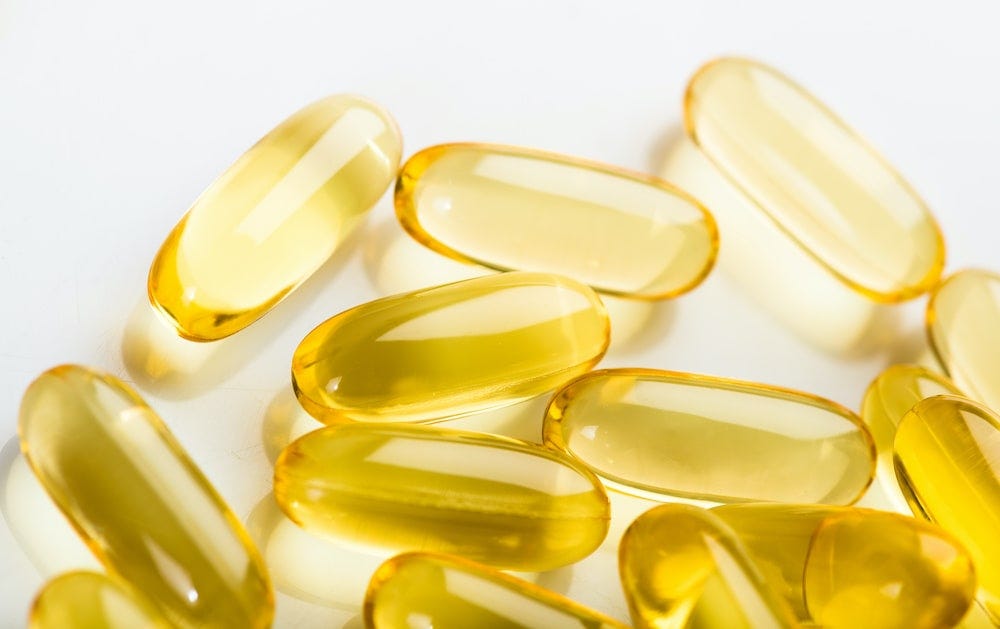
Good supplements include:
Vitamin D – 5000IU per serving, 240 servings
Vitamin D is a testosterone and T3 booster, but if your vitamin D levels are already optimal (most people don’t fall into this category), then extra supplementation won’t help.
It’s also known for its ability to increase lifespan, it improves cardiovascular health, and it even maintains bone health when taken along with calcium and vitamin K2.
So if you’re not already living in an overly sunny place, then supplementation with high-quality vitamin D3 supplement might just be a wise decision.
Thank you for reading.
With love.
-Moosa
ps. if you want to go deeper, the premium archive is there when you’re ready.
no pressure. the option’s always there when you’re ready.
most people won’t go that far.
the ones who do tend to be different for it.
link is below. click this to upgrade or try the button below.
check out some premium posts:
Premium Posts
Vitamin E Supplementation Guide
·
Jun 6
vitamin E is a blanket term for a group of compounds called tocopherols and tocotrienols. These compounds occur naturally in various foods and are stored within the human body.
+many more, click this to access the full archive

References:
1.https://pmc.ncbi.nlm.nih.gov/articles/PMC3356951/#ref36
2.https://pmc.ncbi.nlm.nih.gov/articles/PMC3356951/#ref6
3.https://pmc.ncbi.nlm.nih.gov/articles/PMC3356951/#ref14
4.https://pmc.ncbi.nlm.nih.gov/articles/PMC3356951/#ref7
5.https://pmc.ncbi.nlm.nih.gov/articles/PMC3712348/
6.https://pmc.ncbi.nlm.nih.gov/articles/PMC4504177/
7.https://pubmed.ncbi.nlm.nih.gov/18351428/
Comments
Nothing yet. Say the first thing.
Sign in to join the conversation.