
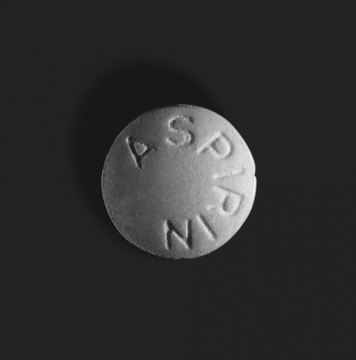
Salicylic acid and its derivatives/metabolites have so many benefits, yet many people have been fearmongered of some “side effects” that aspirin is thought to cause.
In this guide I’m reviewing those side effects, look at the evidence and see if it’s real or not. I’ll be addressing:
Aspirin and intestinal bleeding
Bleeding risk in general
Is aspirin really harmful to the mitochondria?
What I’ll also be covering:
How aspirin influences T3, dopamine, cortisol, estrogen and prolactin
Aspirin on erectile function
Aspirin on hairloss
Determining the correct dose of aspirin
Summary
"If a newly discovered substance had aspirin's anti-infective, anti-cancer, anti-stress, antioxidant and anti-inflammatory actions it would be the most researched substance in history." - Raymond Peat, PhD
Read that quote one more time.
In 1828, the active ingredient salicin (SA derivative) of the willow tree was isolated which is known to be converted to salicylic acid upon ingestion. Another natural salicylate, called methyl salicylate (MeSA), is found in wintergreen, birch tree, mango, meadowsweet, guelder-rose, and is used as analgesic medicine (for joint and muscular pain) and fragrance.
In 1897, Felix Hoffman, a German chemist working for the Bayer company, was able to modify salicylic acid to create acetylsalicylic acid, which was named aspirin. Before aspirin was made, sodium salicylate was used by arthritic patients to keep inflammation at bay. After aspirin was made, many switched to aspirin because they thought it had higher efficiency, which turned out to not be the case.
Before other NSAIDs were made, most people used aspirin in small and large doses for all kinds of ailments. After other NSAIDs were made, such as paracetamol, massive campaigns were launched to fearmonger aspirin to promote paracetamol sales.
Because of many unfound concerns about aspirin, I decided to create this guide to put things straight.
free subscribers we part ways here, click this if you’re looking to upgrade or try the button below
paid subscribers let’s get into this.
One of the most common fears with aspirin is the risk of intestinal bleeding (or just too much blood thinning).
Aspirin is thought to cause intestinal bleeding through inhibition of COX as well as lowering glycine in the intestine (the last one is more of speculation). For the latter reason, many aspirin supplements in Russia for example combine aspirin with glycine in a 1:1 ratio.
Sodium salicylate, which isn’t a very strong COX inhibitor, doesn’t cause intestinal bleeding and actually has gastroprotective effects against other NSAIDs, ethanol or toxins. “In experimental animals, sodium salicylate not only lacks ulcerogenicity (Glenn et al., 1979; Whittle et al., 1980), but
can even prevent gastric mucosal damage induced by various stimuli such as indomethacin, aspirin, or ethanol”
Although sodium salicylate is still slightly gut-irritating, it doesn’t cause bleeding or at least only in very few of the patients that take it. In fact, doses of 1.5-2g x2 daily of salicylate are safe on the gut and don’t cause bleeding.
Buffered, soluble forms of acetylsalicylates caused gastrointestinal bleeding in more than 50% of patients. However, enteric-coated and intravenous forms resulted in significantly less gastrointestinal bleeding
But don’t envision vicious bleeding, rather think about temporary micro bleeding.
This temporary micro bleeding actually has benefits believe it or not. “…progressive iron loss from mucosal microbleeds, previously considered only as an undesirable side effect, could be a mechanism of cancer prevention from prolonged aspirin use, even in the relatively short term”
And regardless of a little bleeding, it isn’t fatal. “With our study showing that there is no increased risk of death from stomach bleeding in people who take regular aspirin.”
So all in all, intestinal bleeding goes as follows: aspirin ≥ buffered aspirin > enteric-coated aspirin > sodium salicylate
Although this study found that approximately 70% experience micro bleeding from aspirin , this study found that only 0.48–3.64 cases per 1000 experienced bleeding with low dose (75–325 mg/day) aspirin, which is far less than the first study.
and this is where it gets interesting.
Comments
Nothing yet. Say the first thing.
Sign in to join the conversation.