
Author’s note: I know it’s very late to send this, but I thought it was still worth doing, even though most of this is probably old news now. Better late than never.
In this edition…
There’s nothing about what happened between Elon and Trump.
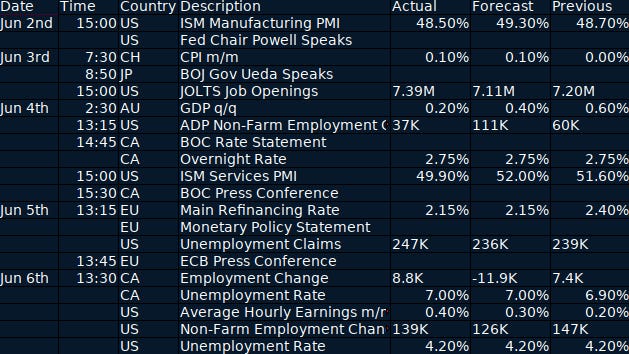
The main takeaway from last week’s slew of data was the blowout NFP figure, which the market took and ran with. This disconcerted some who pointed out that the data, while good on paper, hid some signs of labor market weakness. First of all, revisions showed that employers added a combined 95,000 fewer jobs in March and April than previously estimated. Also, while the unemployment rate remained steady, it masked a 696,000 drop in employed people according to the household survey, which was the result of a decline in the labor force participation rate from 62.6% to 62.4%. But it is believed that the NFP is a better survey because it can capture the effects of undocumented immigrants, which the household survey can’t. A study by the NY Fed found weak statistical significance of this effect, but their results relied on a complicated estimation procedure that had wide error margins. So it’s just wiser to take the NFP as gospel for now.
The NFP figure was a surprise because earlier in the week, ADP figures had shown the slowest hiring pace in two years, and unemployment claims had risen to a seven-month high.
Author’s note: Didn’t manage to put together last week’s comments by central bankers. It takes quite a long time, and I’m trying to write a script for it. I hope I have it done by the next edition.
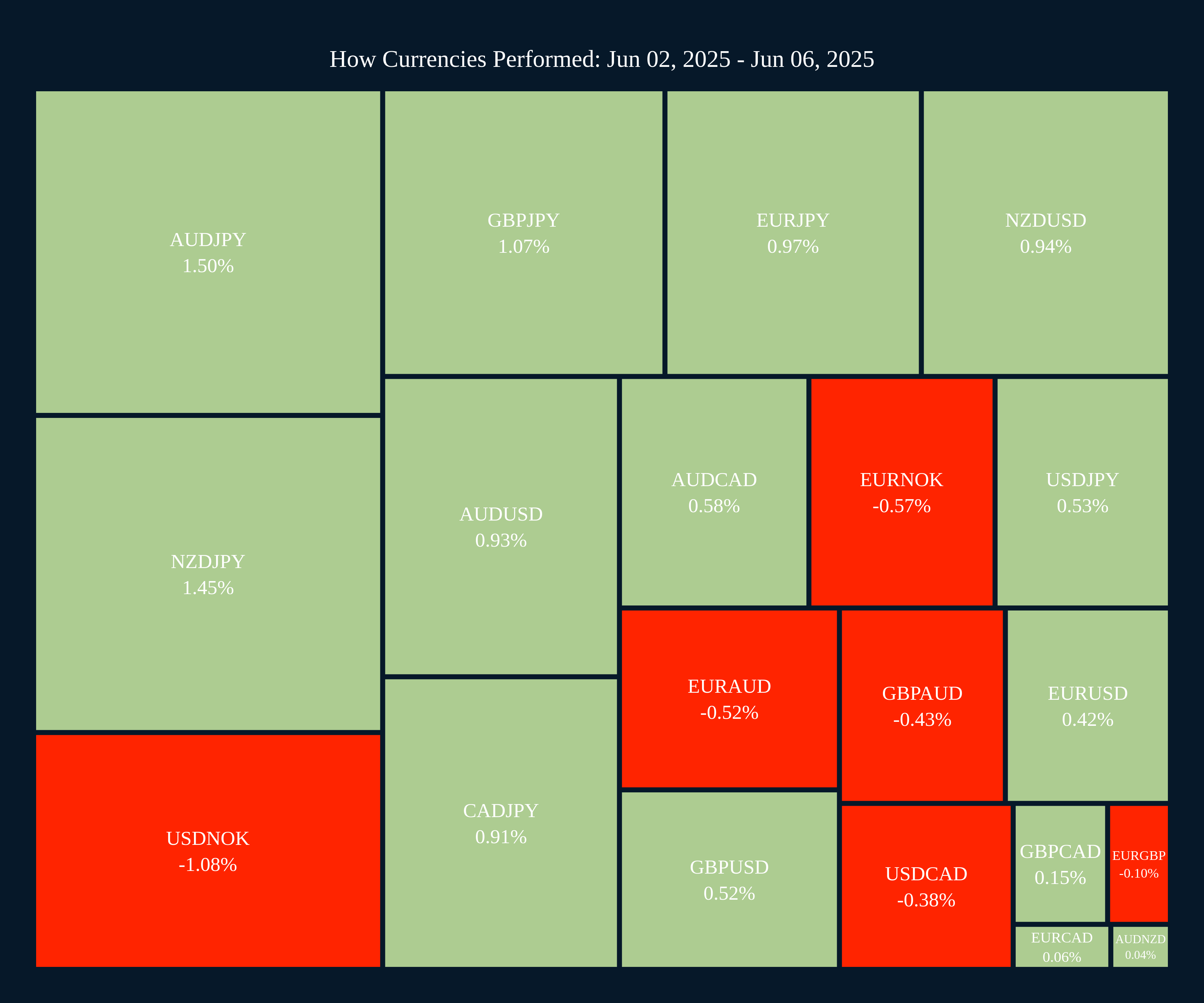
Here’s how currencies performed last week. Yen underperformed after Japanese bonds caught a bid despite a poor 30-year auction.
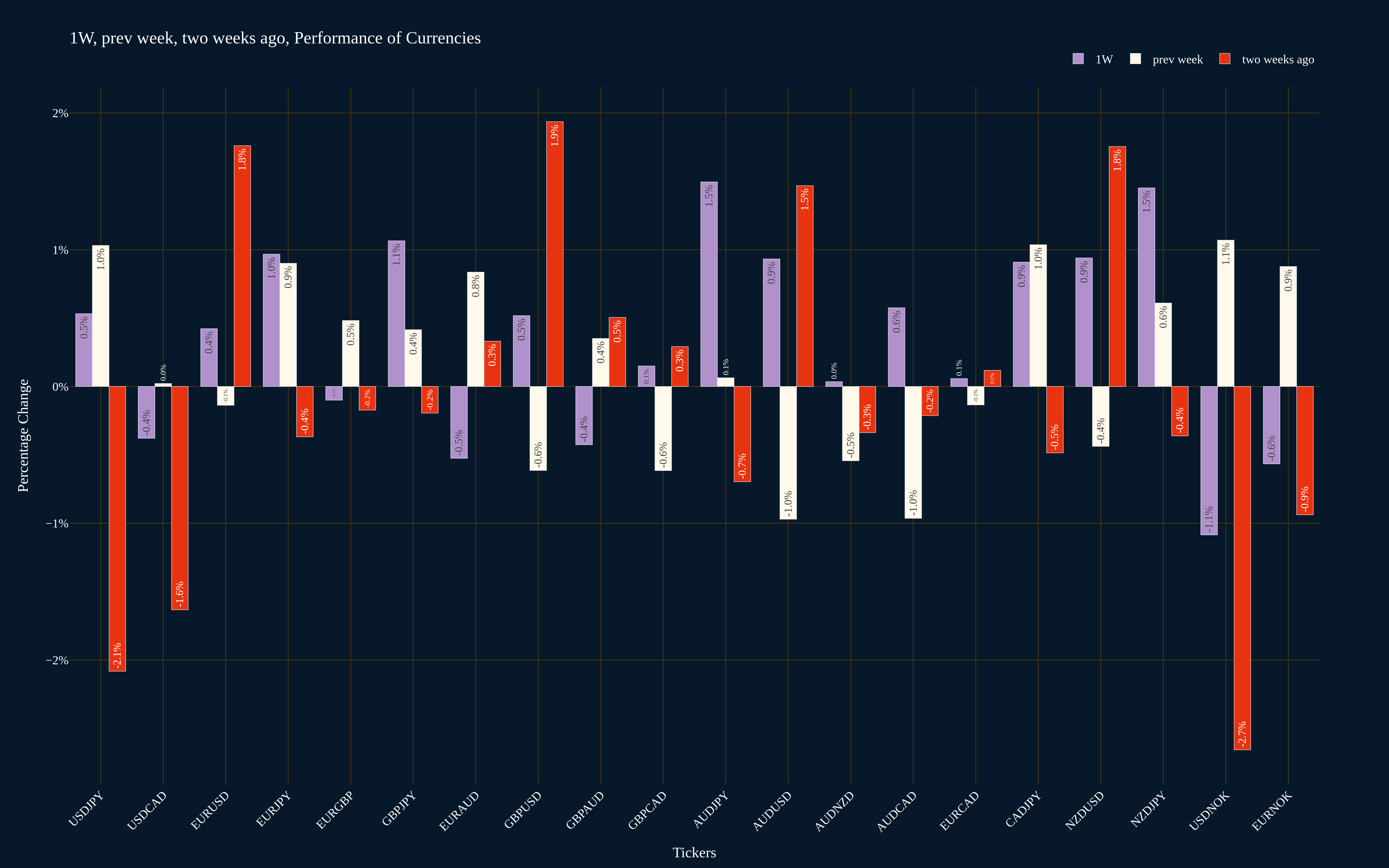
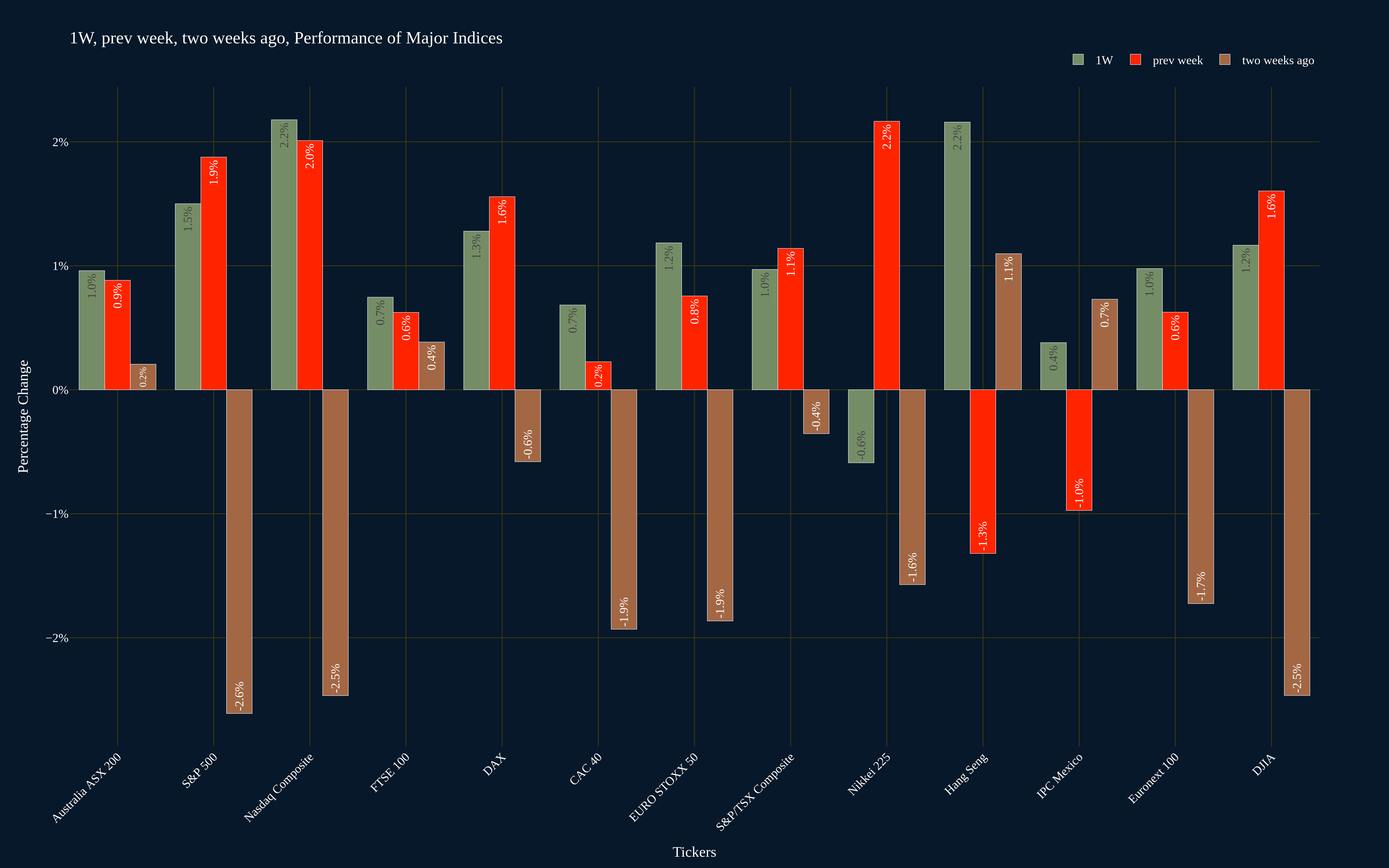
Here’s a week-by-week comparison for the last three weeks.
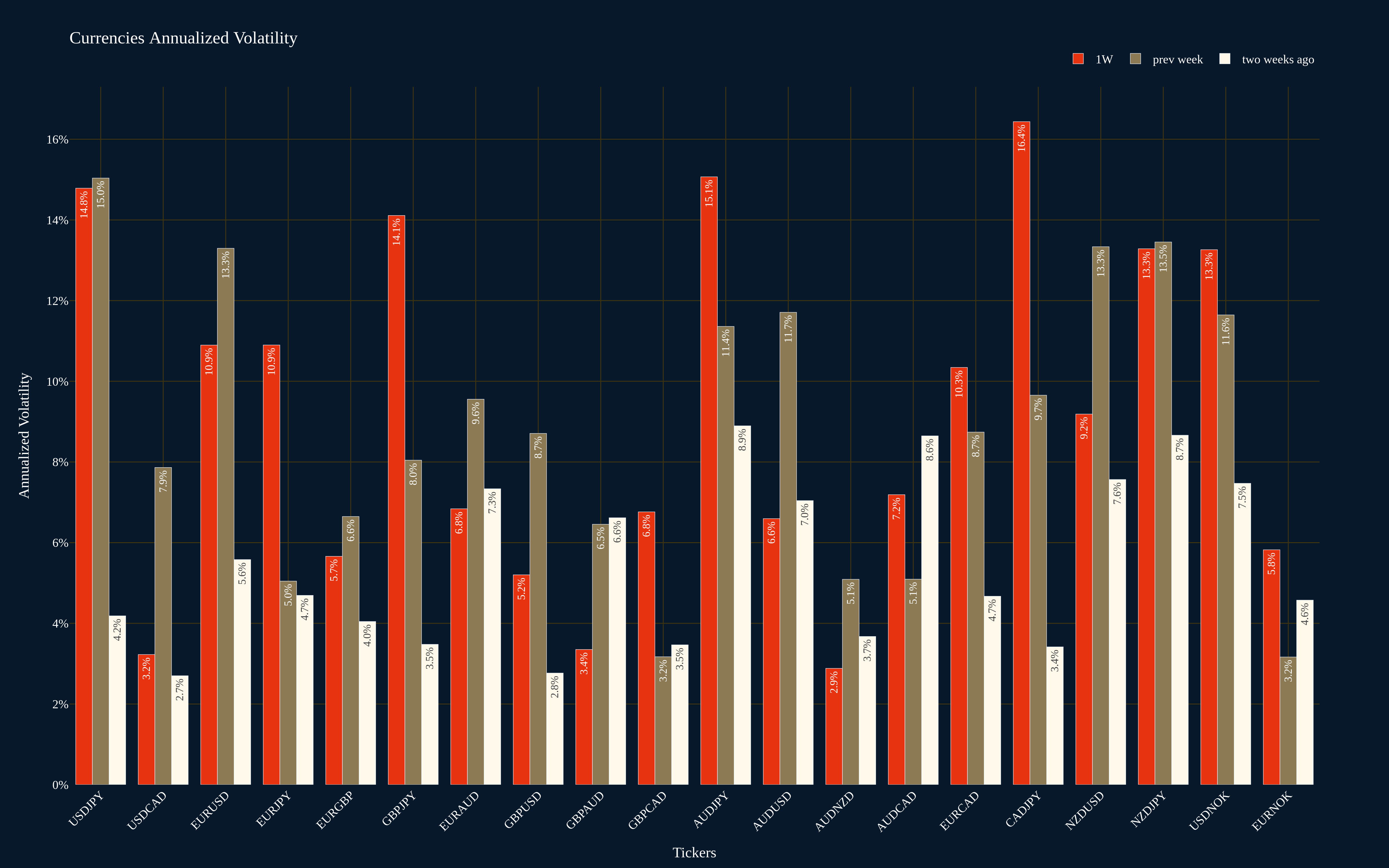
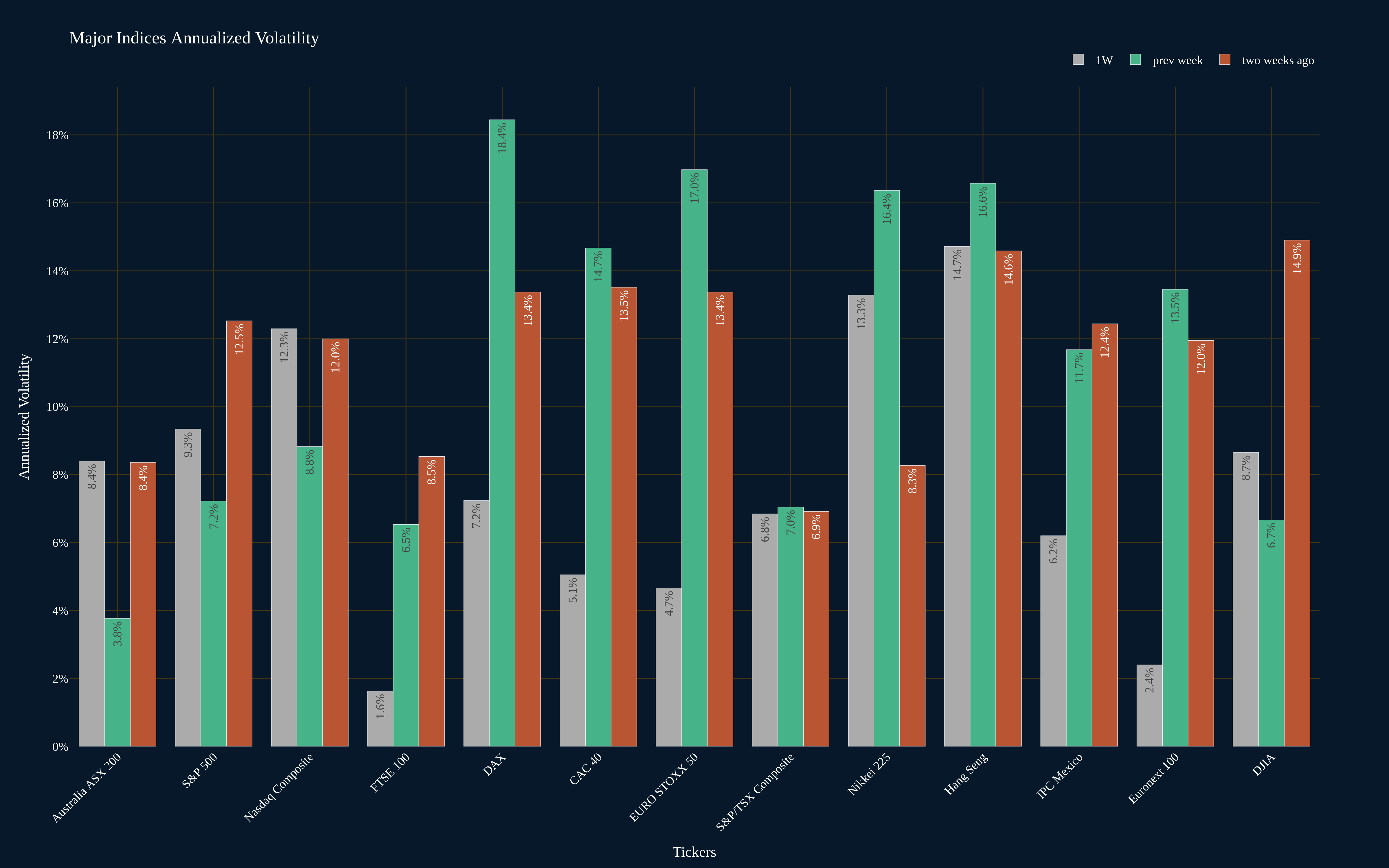
And a similar week-by-week volatility comparison.
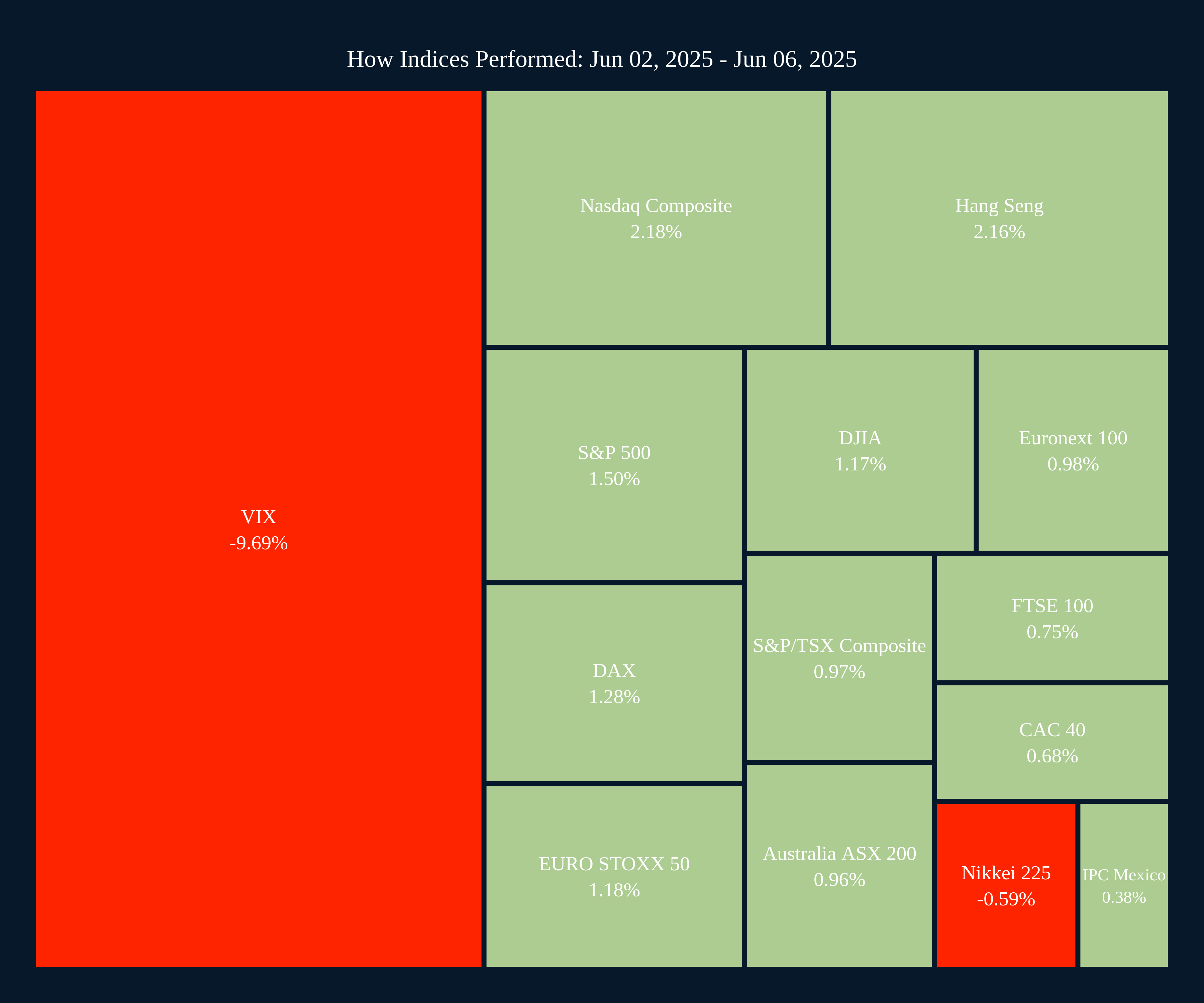
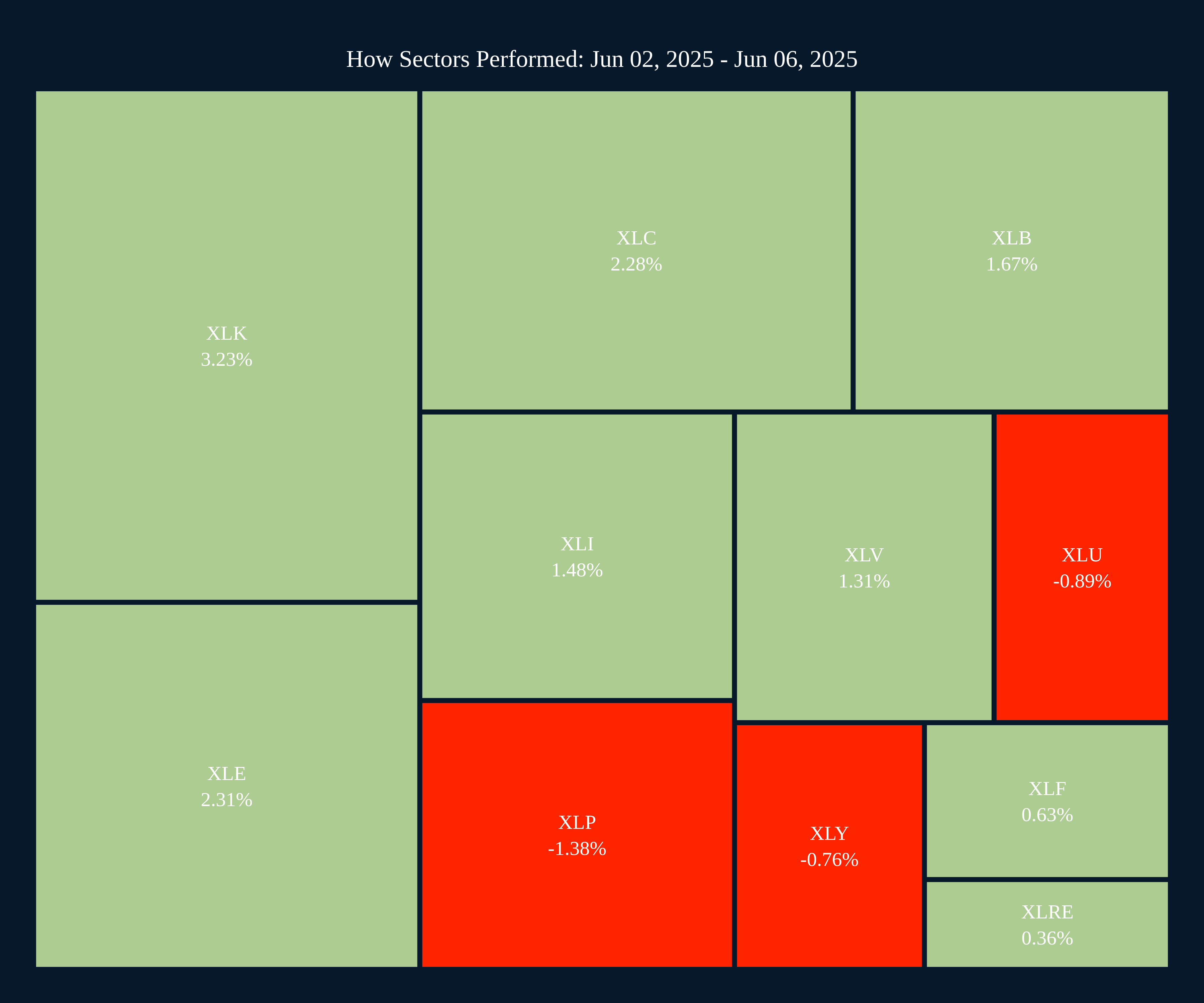
Stocks closed the week on a positive note after Friday’s post-NFP rally, which was mostly led by tech stocks. The Nasdaq was the best-performing index, up 2.18% last week.
Why tech stocks performed well, according to GS’s John Flood.
Investors continue to ask if these stocks are overvalued.You even get the word “bubble” thrown around. We see it differently. These companies just reported outstanding earnings, beating estimates by 13%. With rising earnings and falling stock prices, valuations are becoming much more reasonable. We’ve seen the Mag 7 valuation premium fall dramatically. These companies are also set up well from an economic perspective. They are less reliant on economic growth, which means they can become defensive during uncertain times. — John Flood, Head of Americas Equities Sales Trading, Goldman Sachs
Stocks up, VIX down shows that risk-on is fully back, and this is confirmed by indicators like StateStreet’s institutional investor risk-appetite gauge, which is back near pre-DeepSeek rout levels.
If you believe the AI theme is back, then this tech-led rally has further room. Companies like Apple, Amazon, and Google have further room for gains.
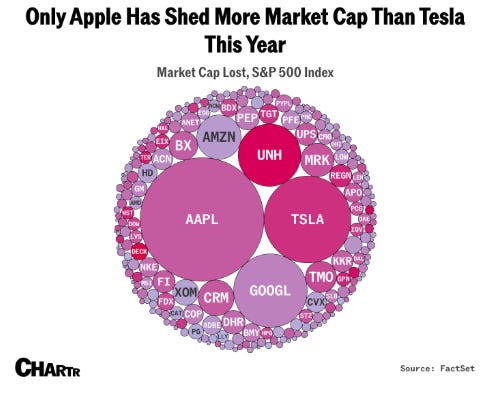
Apple recently got downgraded by an analyst from Needham, who prefers Google and Amazon. In her own words:
“Apple does not own a Cloud business so this becomes a cost center, rather than a new revenue and margin upside driver, which should result in a valuation discount to Google and Amazon over time” — Laura Martin, Needham analyst via IBD
While many say the AI theme is back, I think Laura’s comment shows that people are starting to see how different companies can benefit from it, separating the wheat from the chaff. So this time it’s a bit different. FactSet data shows, for example, that fewer companies are citing “AI'“ on their earnings calls.
It is interesting to note the number of S&P 500 companies citing “AI” on earnings calls declined by 14% quarter-over-quarter (210 vs. 243). Eight of the eleven sectors recorded a quarter-over-quarter decrease in the number of companies citing “AI” on their earnings calls, led by the Industrials (-7) and Consumer Staples (-6) sectors. - John Butters for Factset
Another reason the rally could continue is pointed out by JPMorgan, which is being called the ‘dual equity pain trade’. The argument is that institutional investors sold in April to retail and corporate buyers, and a lot of capital exited US stocks in favor of other places like the EU. These two factors support the idea of big money chasing the market up.
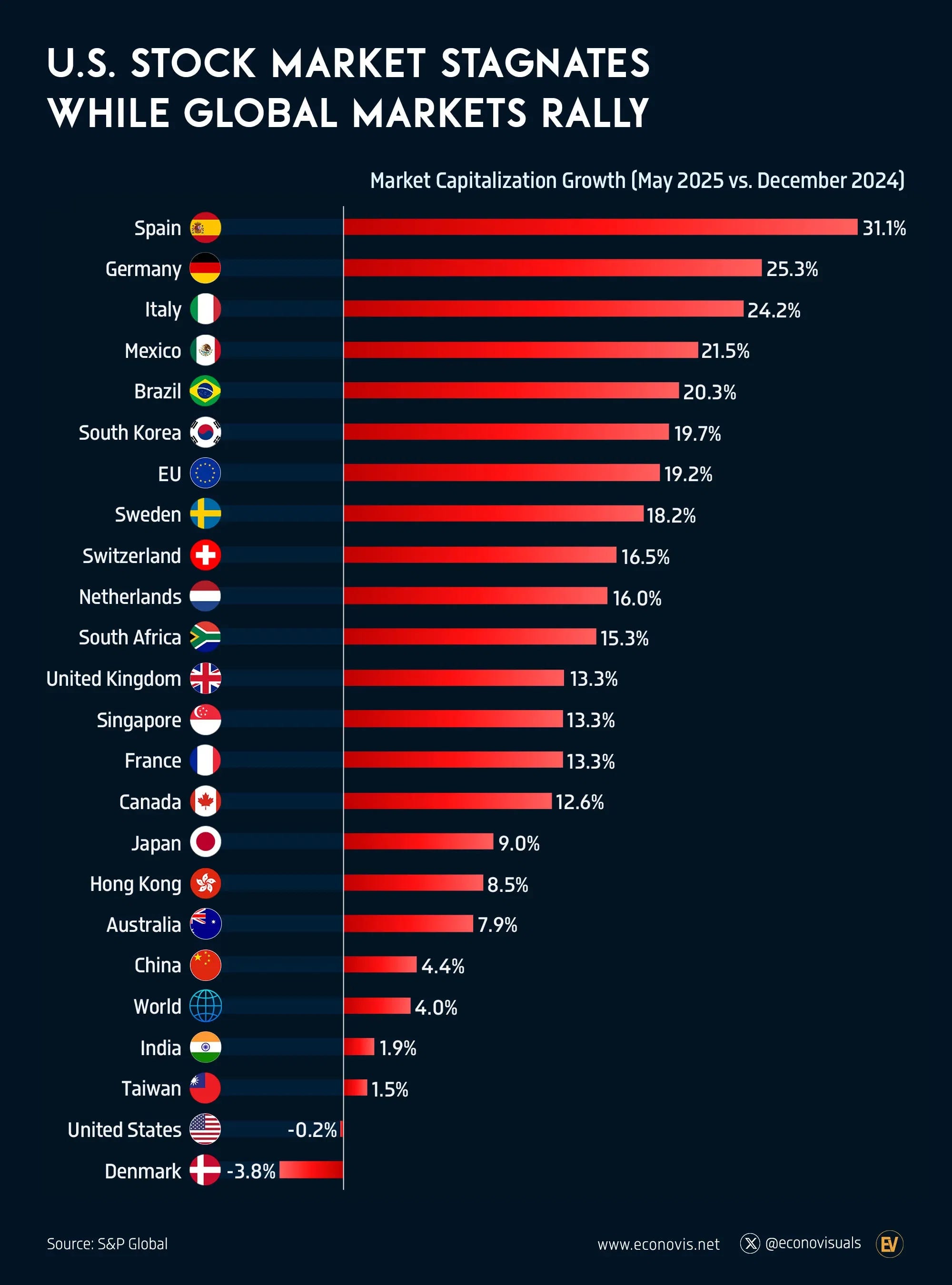
There’s some weight to this idea. The chart below shows how stock markets in different countries performed Jan-May. US stocks are slightly down while RoW stocks are up.
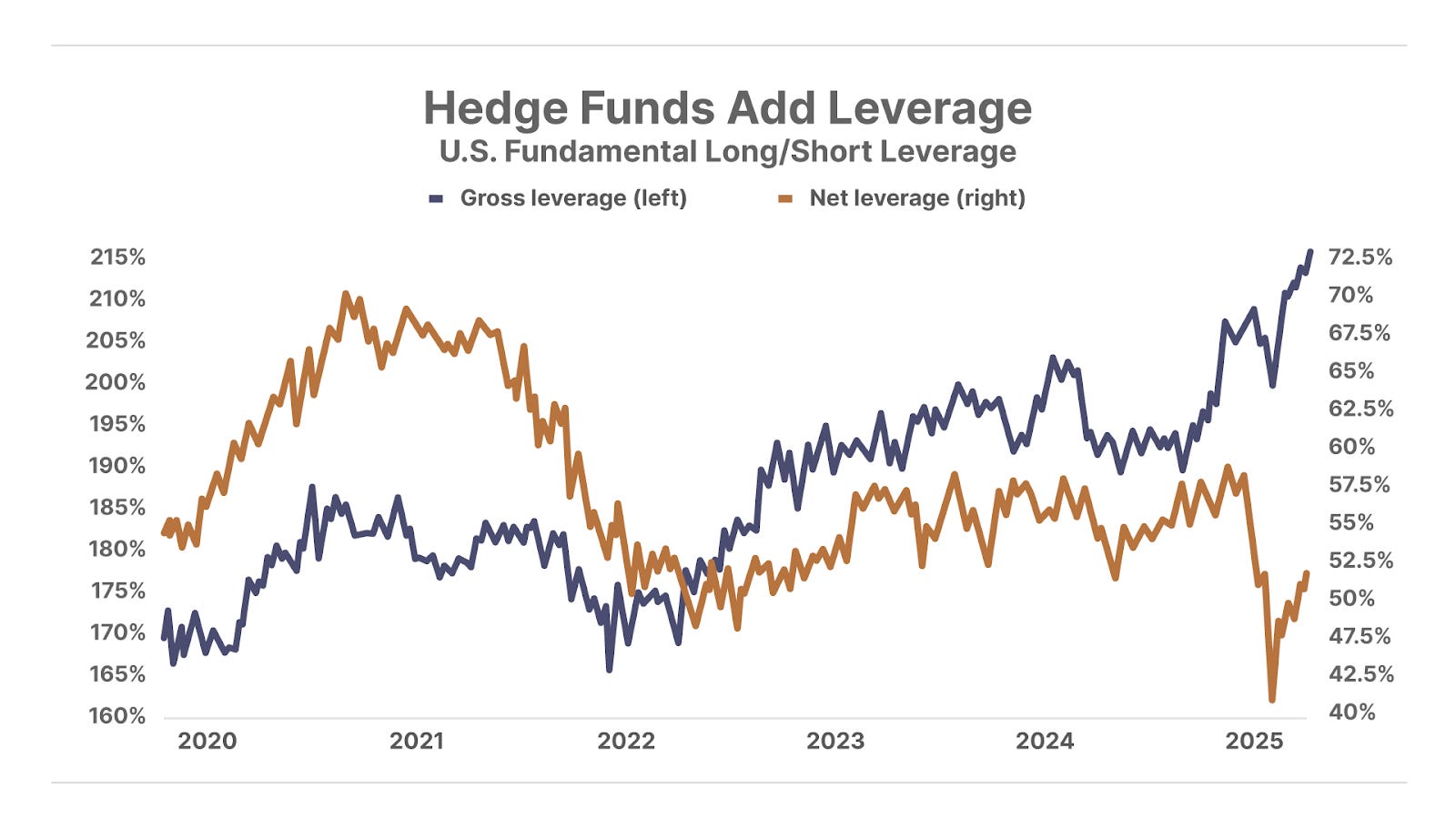
The only big money in stocks seems to be speculative, as the chart below shows.
Furthermore, if you believe Mag 7 is back, then retail is underinvested despite the rally.
Now that tariff worries have subsided and rates have steadily declined, small-cap stocks also have room to rally. Bloomberg reports that June is a good time (60% of the time) to buy small-caps based on seasonality data going back to 1990.
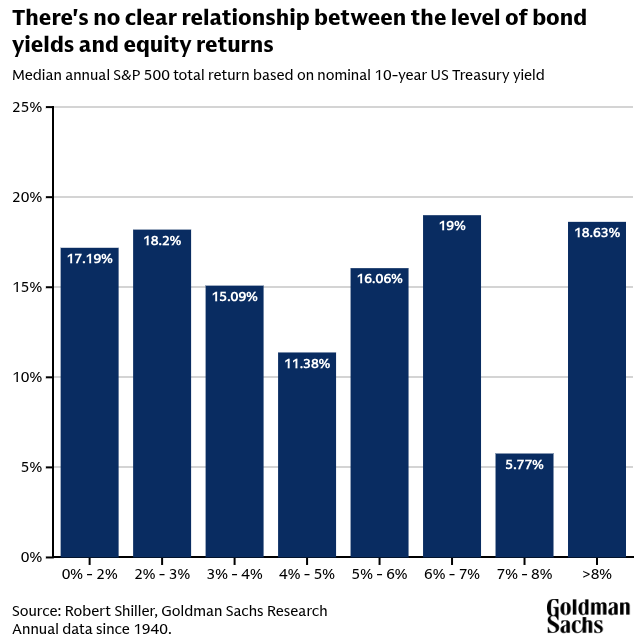
One of the potential headwinds to this rally is rising yields. The higher yields go, the more stocks lose their fundamental value, making them more overvalued. But GS data shows that rates need to go really high before that becomes a factor.
Comments
Nothing yet. Say the first thing.
Sign in to join the conversation.