
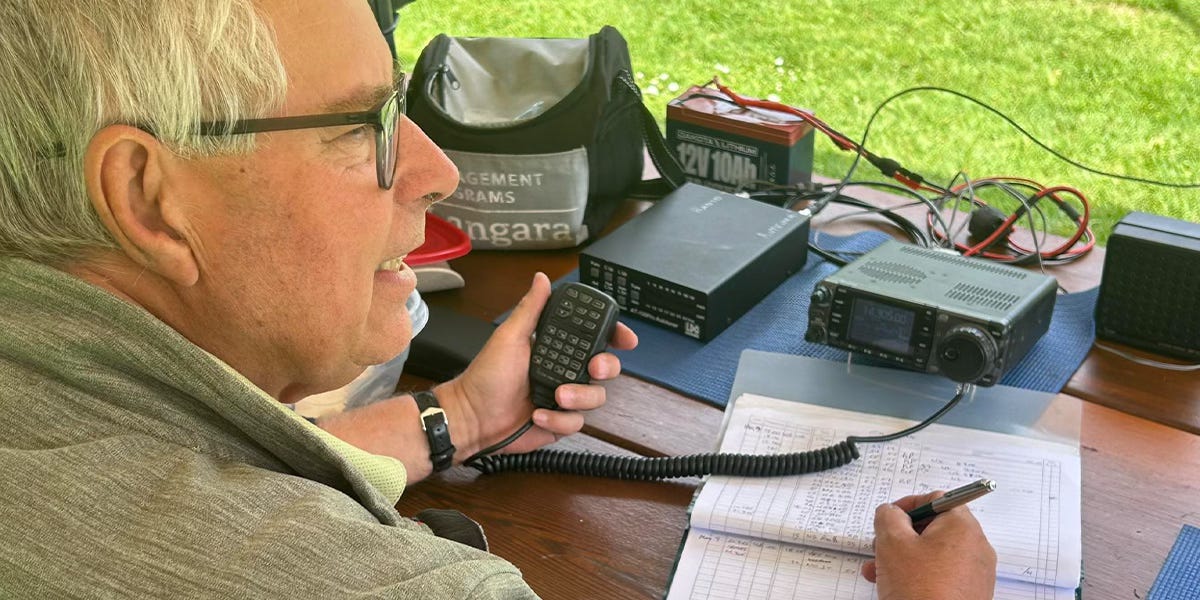
Just after sunrise, a portable antenna rises beside a picnic table somewhere in America. A coax connector tightens. A radio face lights up. A callsign cuts through the noise floor. Within seconds, operators from across the country, and increasingly across the world, begin calling back.
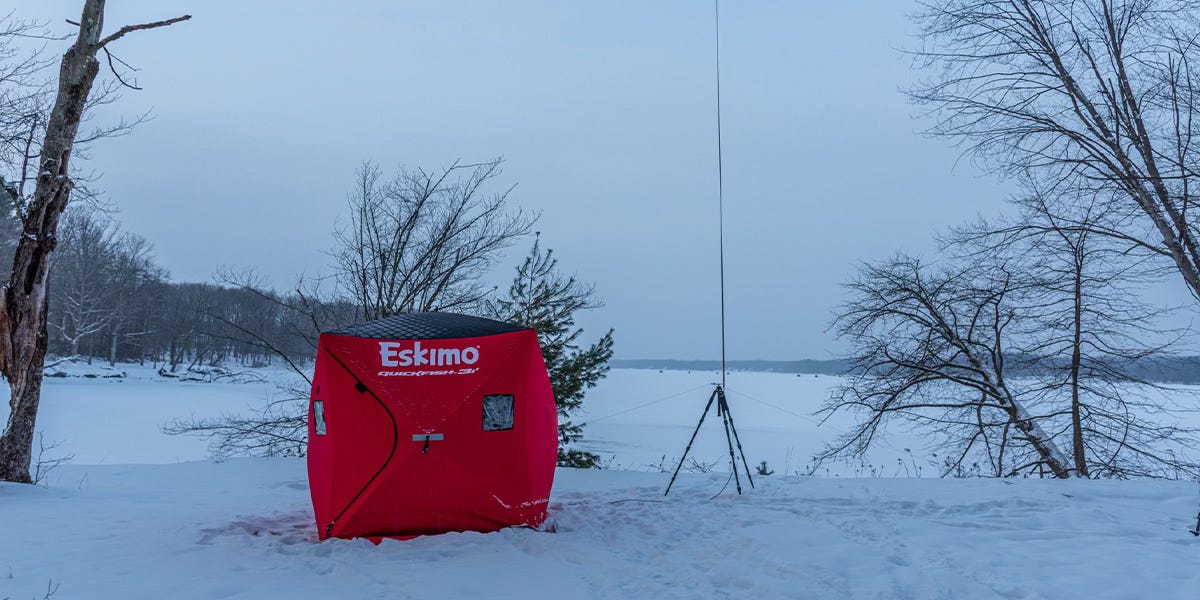
For many amateur radio operators, this ritual has become as familiar as morning coffee. A folding table. A wire in a tree. A radio powered by a lithium battery. Sometimes snow on the ground. Sometimes blistering summer heat. Sometimes a rare national park. Sometimes a small state wildlife area miles from the nearest town.
Ten years ago, Parks on the Air was little more than an idea shared among a handful of operators disappointed to see the ARRL’s wildly successful National Parks on the Air (NPOTA) event come to an end. Today, it has become one of the largest grassroots movements in amateur radio, with nearly 50 million QSOs logged, more than 85,000 registered parks, and operators active across 236 entities.
This spring, as Parks on the Air prepares for another massive showing at the Dayton Hamvention, the organization finds itself at a turning point, not because activity is slowing down, but because it continues to grow far beyond what anyone imagined when it began.
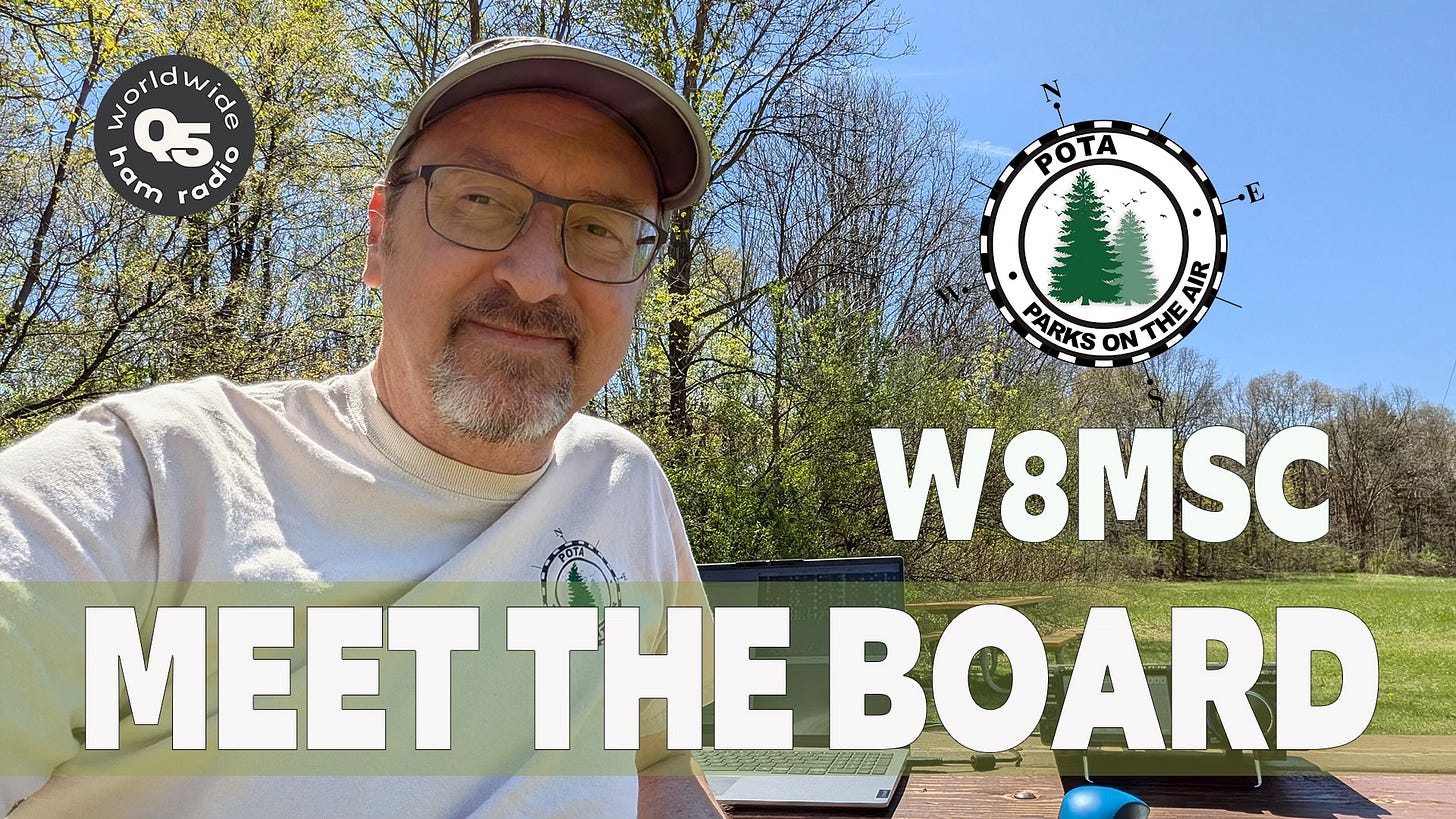
Over the past several months, Q5 interviewed four voices deeply connected to that future: board members Mark Torigian K8MST, John Ford AB0O, Mike Case W8MSC, and, in an unusual reversal, this writer himself, interviewed by Jim Davis N8JRD. Taken together, the conversations reveal something larger than a successful operating program. They tell the story of a hobby rediscovering momentum.
Like many of amateur radio’s best ideas, Parks on the Air wasn’t created inside a conference room or built from a strategic business plan. It emerged because a group of operators didn’t want something fun to disappear.
In 2016, the ARRL launched National Parks on the Air, a yearlong event celebrating the centennial of the National Park Service. Portable operators flooded parks across the United States. Hunters chased activators from home stations. For thousands of operators, it was their first real exposure to modern portable HF operating.
Then NPOTA ended.
For operators like Mike Case, W8MSC, the end of the program created an obvious question: what came next? Case had already fallen in love with portable operating through Field Day. “I love the outdoors,” he said. “I camp, I hike. So the idea of combining ham radio and my love of the outdoors was, to me, it was a no-brainer.”
As NPOTA wound down, conversations began among a small group of operators that included Jason Johnston W3AAX, Thom Martin W8TAM, and Case himself. They weren’t trying to build a global organization. They were trying to preserve the excitement they had just experienced.
The earliest version of Parks on the Air ran, quite literally, on a server sitting in a basement. “We thought if maybe a thousand people from the NPOTA community bought into our little program, we would consider that a success,” Case recalled.
Instead, it exploded.
If there’s one theme repeated across every interview with the board, it’s that no one expected Parks on the Air to become this large.
When Mark Torigian K8MST joined amateur radio during the COVID years, he heard the same refrain many newcomers heard at the time: ham radio was supposedly fading away. Then he discovered Parks on the Air.
“Everybody was saying ham radio is a dying hobby,” he said. “But POTA was there.”

The numbers now tell a very different story. In 2025 alone, activators generated more than 15 million QSOs. During peak weekends, spotting pages scroll continuously with activations from parks around the world. POTA activity now rivals major contests in both scale and energy.
One statistic still surprises even longtime operators: Parks on the Air regularly processes more than a million QSOs in a single month. Torigian compares that to Field Day. “Field Day in the United States gets 1.5 million QSOs in a three-day event,” he said. “POTA does it in one month. Every month.”
What makes the accomplishment even more remarkable is that the entire system is still powered entirely by volunteers. Over 200 people worldwide maintain the infrastructure, handle mapping, support activators, review parks, process data, and keep the organization functioning day after day.
That reality shapes nearly every challenge the organization now faces.
To activators, Parks on the Air can feel wonderfully simple. Drive to a park. Set up an antenna. Get spotted. Make contacts. Upload a log.
Behind the scenes, however, sits a surprisingly complicated global infrastructure.
John Ford AB0O understands that complexity better than almost anyone. Ford oversees North American mapping for Parks on the Air, coordinating roughly 60 volunteer mapping representatives responsible for maintaining park databases across the United States, Canada, and surrounding regions.
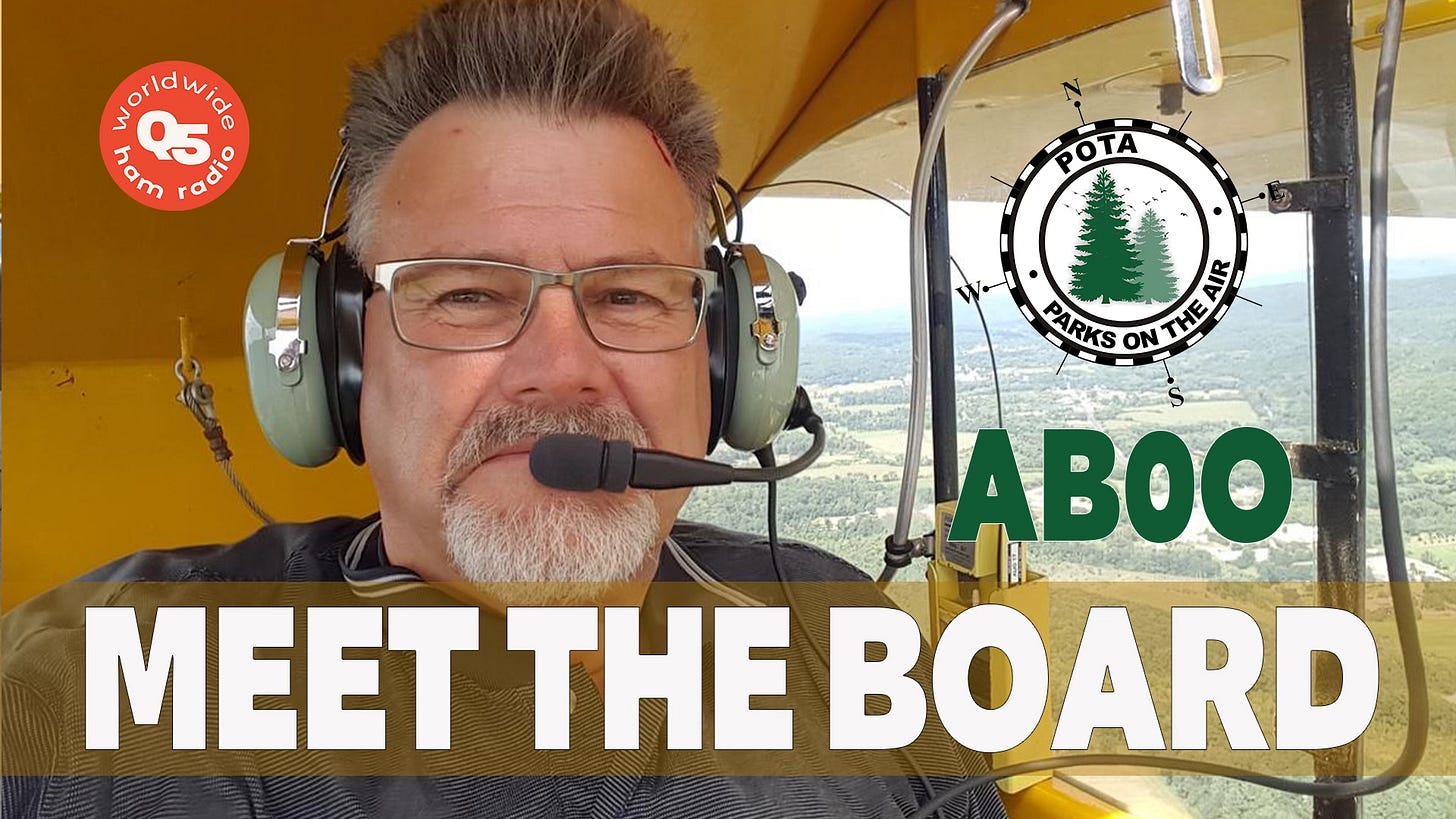
That means dealing with hundreds of government agencies, constantly changing land designations, and wildly different park systems spread across multiple countries. “In North America, we have over 200 different agencies at the federal and state level looking after parks,” Ford explained. “Now go worldwide.”
The challenge isn’t simply adding more parks. It’s building rules and systems that work internationally. Early versions of Parks on the Air were heavily American in structure, focused primarily on federal and state park systems. As participation spread globally, the organization had to rethink how parks were defined and qualified across countries with completely different governmental structures.
At the same time, another major effort has quietly unfolded behind the scenes: a complete overhaul of the aging software infrastructure that powers POTA itself.
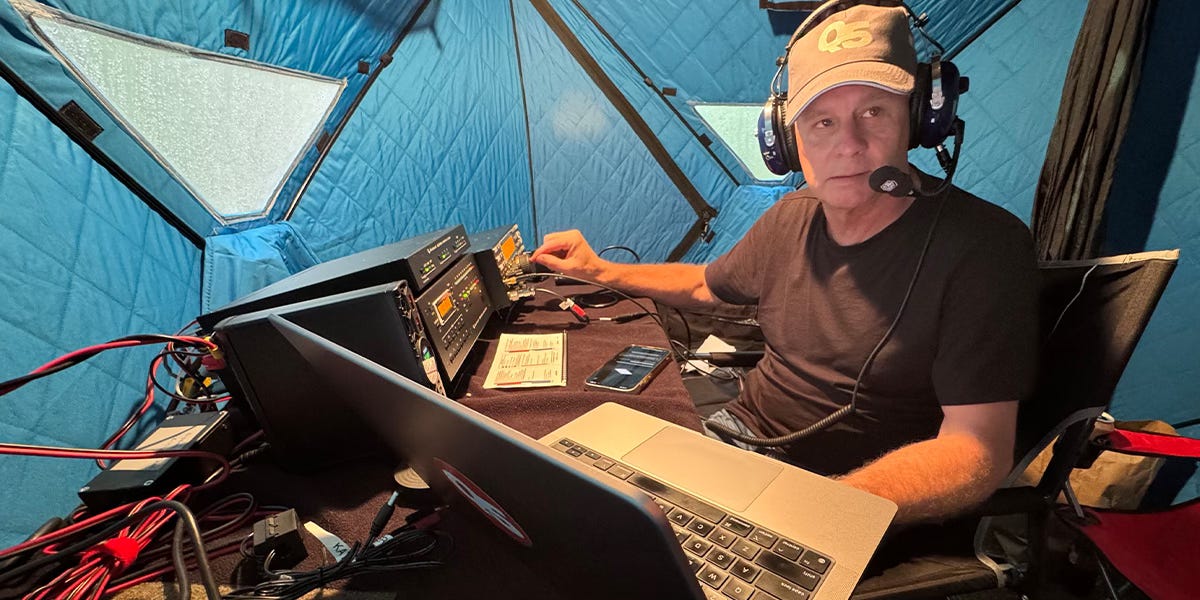
The original system survived years of explosive growth, something many of the people closest to it still describe with a mixture of pride and disbelief. “It’s amazing that it’s still working,” Torigian said of the original architecture.
Now, under the leadership of developer James Linden VE3JLN and a growing volunteer team, Parks on the Air is building what board members jokingly refer to as “POTA 3.0” or “4.0”—a fundamentally redesigned platform intended to support the next decade of growth.
The goals sound deceptively simple: faster award processing, improved mapping, better administrative tools, more scalable databases, and stronger volunteer support. But beneath all of those technical objectives lies something more important: stability.
The board repeatedly returns to the same phrase—program integrity.
As Parks on the Air grew, it inherited something every successful radio sport eventually faces: controversy.
Questions emerged about multi-park activations (n-fers), park boundaries, operating standards, and interpretations of the rules. To longtime board members like Ford and Torigian, the issue is clarity.
“If everybody can’t read a rule and say, ‘I understand what that means,’ then you need to work on it,” Torigian said.
Ford described what he calls “crowdsourced rules”—informal interpretations that spread online and slowly begin replacing official guidance. The board’s response is not to radically reinvent Parks on the Air, but instead to make the existing rules clearer, simpler, and easier to understand internationally.
That emphasis on transparency appears repeatedly across all four interviews.
For years, Parks on the Air functioned more like a startup than a traditional organization. Decisions were often informal. Documentation was scattered. Governance structures were minimal because the system simply grew faster than anyone anticipated.
The newly formed board is now trying to build the framework necessary for the next chapter. That includes bylaws, officer roles, financial systems, volunteer training, and long-term planning. Most operators will never notice any of it—which is exactly the point.
Spend enough time around Parks on the Air and a pattern begins to emerge. The operators arriving at parks are not all seasoned DXers or contest veterans. Many are brand new hams. Others are returning after decades away from the hobby. Some simply wanted an excuse to get outside with a radio.
That last group includes this writer.
After a 40-year absence from amateur radio, it was portable operating—and specifically Parks on the Air—that pulled me fully back into the hobby. That story turns out not to be unusual.
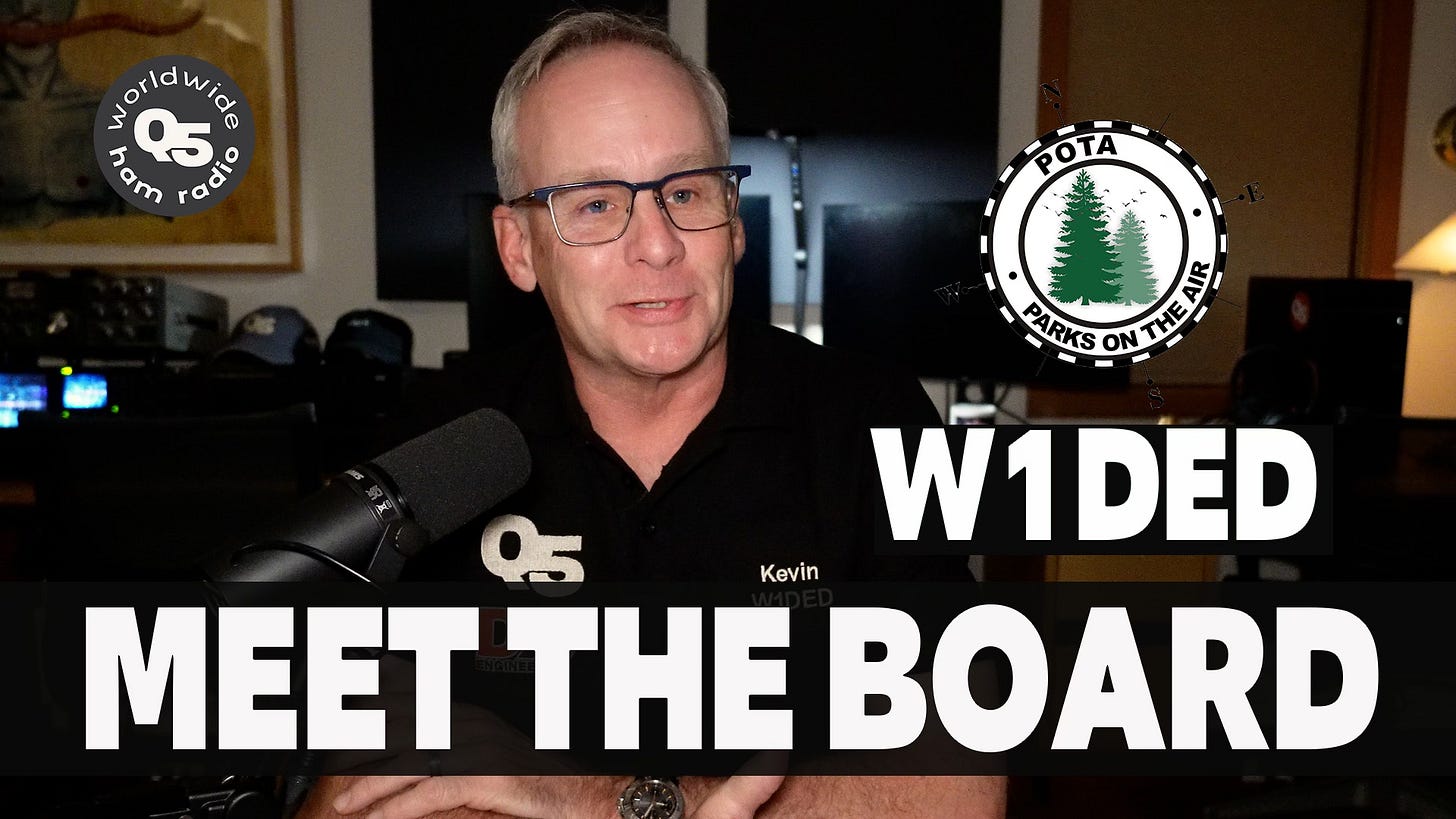
POTA has become an entry point, a training ground, a social network, and a reason for thousands of operators to finally try HF radio. It has also become something deeper for many participants: practical field experience disguised as recreation.
“We’re training ourselves,” Torigian said. “If there’s floods or earthquakes or rainstorms and hurricanes, we can mobilize very fast.”
Portable operators learn to improvise power systems, deploy antennas quickly, troubleshoot RF problems in the field, and communicate under imperfect conditions, not because they have to, but because it’s enjoyable.
That may be the most important thing Parks on the Air accidentally rediscovered. For years, amateur radio often struggled to explain itself to newcomers in practical terms. POTA solved that problem almost unintentionally.
It gave people a reason to get on the air.
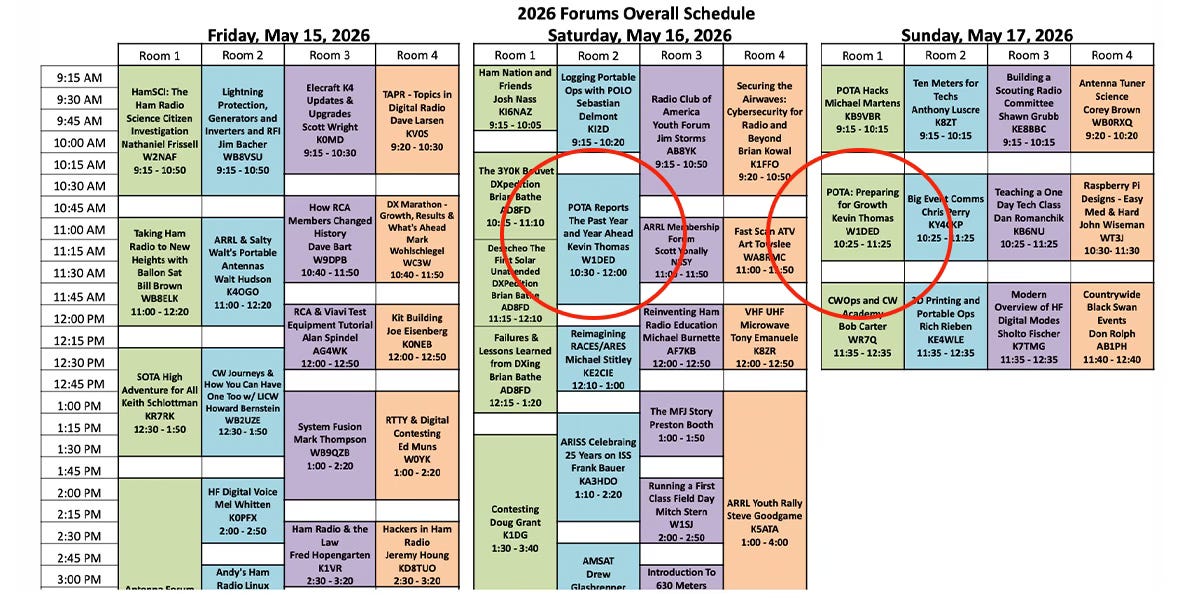
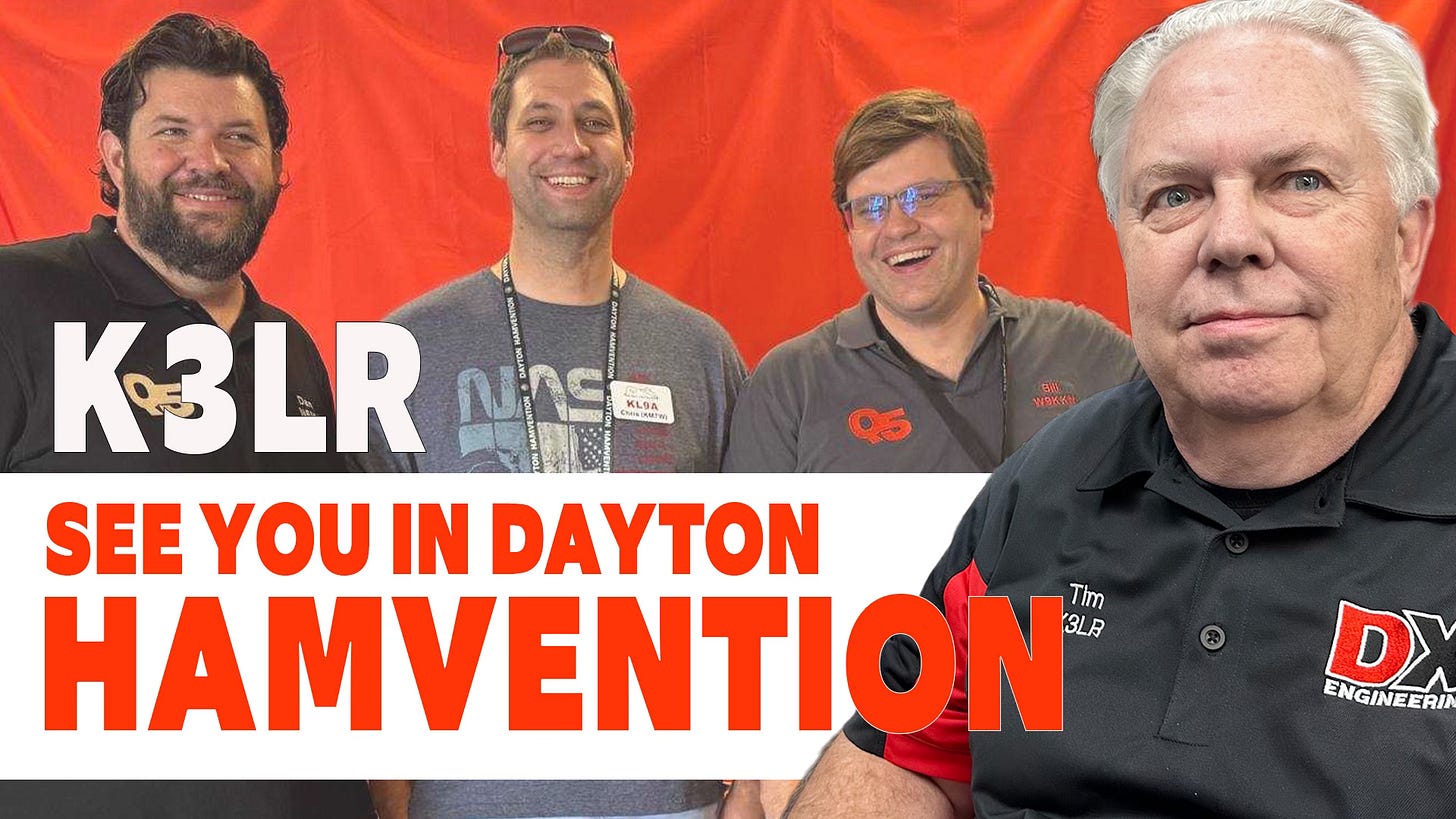
Later this month, many of the voices behind Parks on the Air will gather at the Dayton Hamvention. Two POTA forums are planned: one featuring the board answering questions directly from operators, and another focused on the future software platform currently under development.
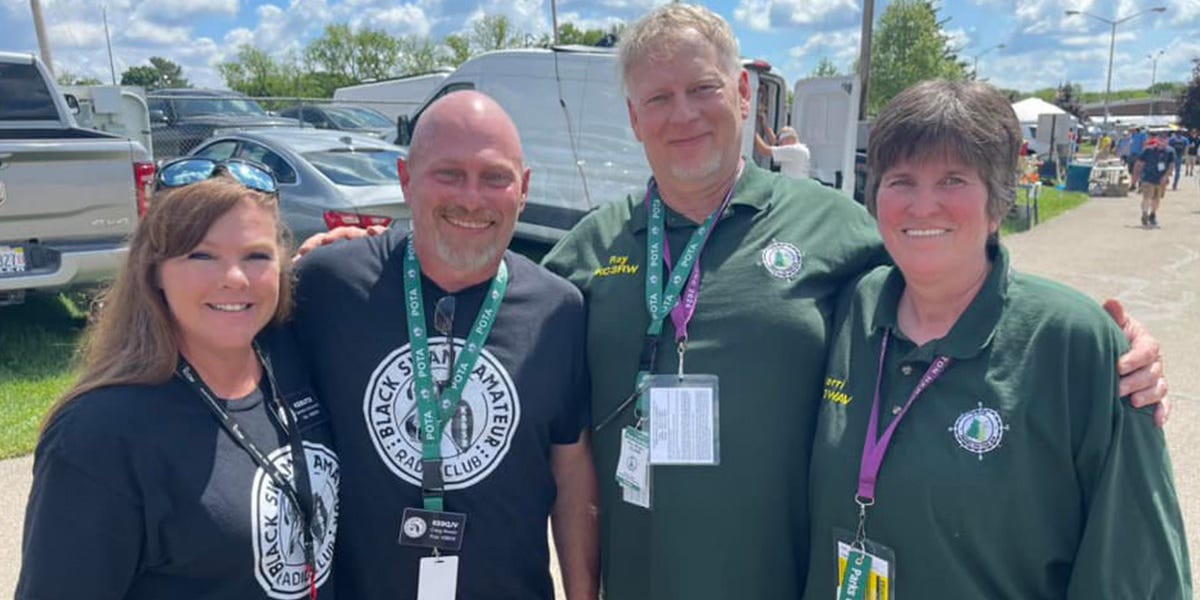
The organization will also maintain a large flea market presence staffed entirely by volunteers. For many operators, it will be the first opportunity to meet the people quietly maintaining one of amateur radio’s fastest-growing movements.
And maybe that’s the real story of Parks on the Air. Not awards. Not statistics. Not software.
It’s volunteers building something together—one activation, one contact, and one park at a time.
Interviews with the remaining Parks on the Air board members coming soon.
Rick Parent W0ZAP, Thom Martin W8TAM and Tom Suggs N4MTE
Learn more about the Dayton Hamvention here:
If you’d like more Parks on the Air content, watch these:
Florida QSO Party from the Everglades | N3QE, Tina & POTA
Parks on the Air Meets Contesting: Dean N6DE
Parks on the Air's Explosive Growth and the Next Chapter
Young Gun of POTA: Si WD5JR’s Ham Radio Journey
Black Swamp Radio Club Is Changing the Game: Sandy KE8UTX and Craig KE8QJV
POTA Legend in the Making: Les KI5GTR on Activating, Contesting, and Going All-In
1,000 Contacts in a Frozen Tent: K3KLB’s Winter Field Day
Georgia State Parks on the Air: Claude AC4SH
Your Next POTA Antenna: Mike W5REZ and the REZ Antenna Startup
General KQ4IGV: Annabel Hiraldo Charges Ahead with Parks on the Air
POTA Activations, Ham Radio Meetups & Dayton Hamvention: KB3WAV & KC3RW
A Story of Ham Radio Camaraderie: Fran Kelly KC1NDQ
Back to Ham Radio via Parks on the Air: Dan Muntz WD4DAN
US Navy (Ret.) Beau Turner KH7FC is POTA Active
Cross-Country Ham Radio Road Trip: Parks on the Air Dev Team Volunteer Gets on the Air
Volunteer POTA Developers Create a World Class System:Thom Martin W8TAM
Ham Radio Activation of Barbados for Parks on the Air: Chris Billings 8P9CB
Papa POTA Promotes Ham Radio in the Dominican Republic: David Lama HI8D
J8NKI Ham Radio Holiday DXpedition to St Vincent & the Grenadines
Volunteerism in Ham Radio: K4NYM and his Parks on the Air Story
Activate Parks on the Air (POTA) in Scotland with Ham Radio Operator Iliyas MM0MMN
Teaching the Next Generation of Ham Radio Operators: Vicki AD3I
The Parks on the Air Activator We All Hoped For: Add Hawaii to your POTA Worked All States Award
Parks on the Air at St. John in the US Virgin Islands with Ham Radio Operator NJ4Z
POTA Activating Every Day Without Fail: Meet WC1N
Ham Radio Operator W6ZD Has Activated More Parks on the Air (POTA) Than Anyone in 2022
Q5 Worldwide Ham Radio is brought to you by DX Engineering, supporting amateur radio operators worldwide with the gear, antennas, and expertise to help you get on the air and stay there. Whether you’re activating a park, chasing DX, building a contest station, or just getting started, DX Engineering has become a trusted resource for operators across every corner of the hobby.

Comments
Nothing yet. Say the first thing.
Sign in to join the conversation.