
Public Discourse is the Witherspoon Institute’s online journal of religion, education, and culture. If you enjoy our work, please subscribe to receive our (free) daily and/or weekly essays, or better yet, share this newsletter with a friend.
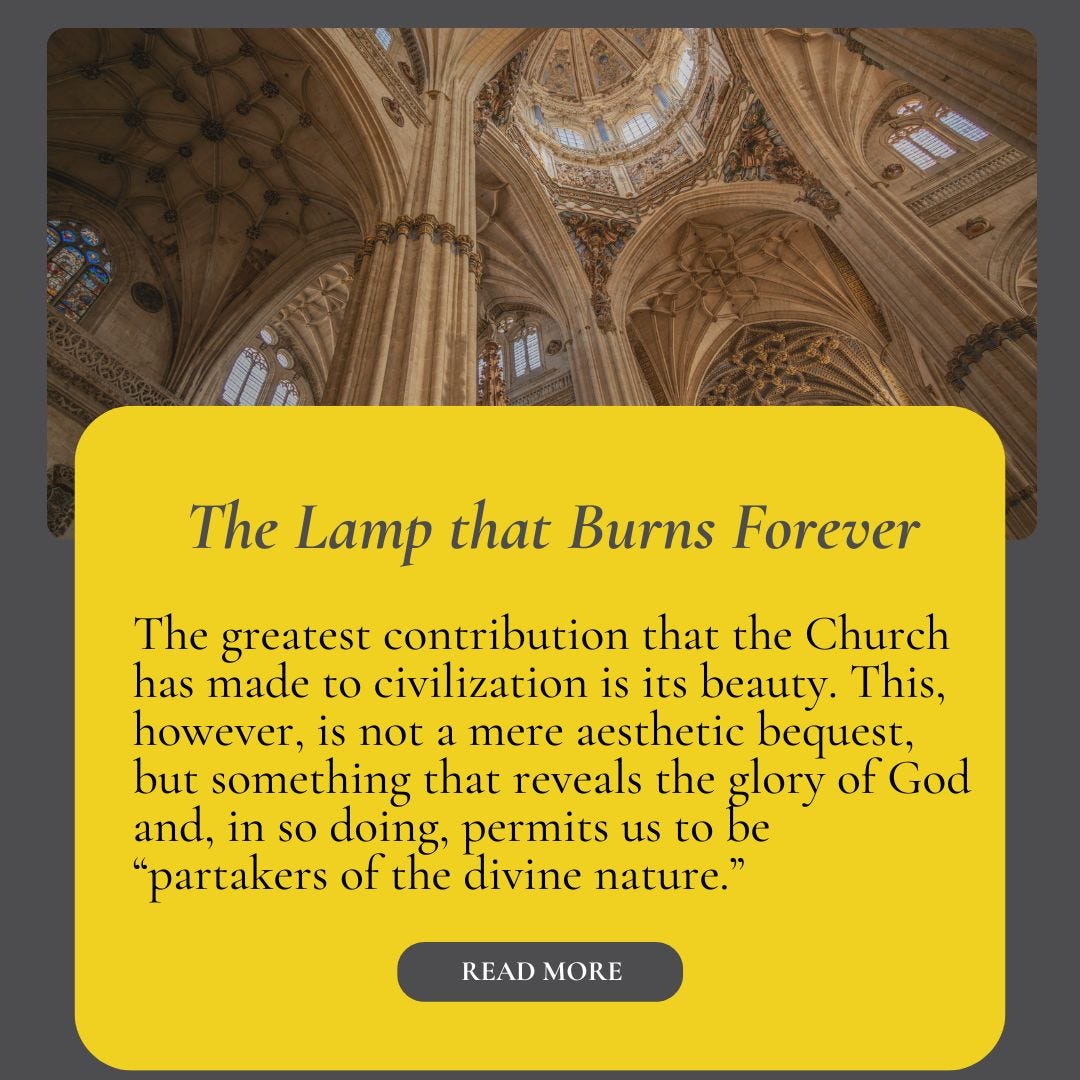
Returning PD author Mark Dooley reflects on what we lose when beauty becomes unnecessary:
We might say that the fundamental objective of architecture is to reconcile: a beautifully planned village will always have a church that celebrates the reconciliation between God and man that was won on Calvary. Moreover, its streets will be lined with houses that symbolize identity amid difference. In other words, to build in defiance of the street is to shatter identity in favor of difference. It is to alienate neighbor from neighbor and to champion the “I” over the “we.” It is to scream that my taste far outweighs the importance of living in harmony with those who share a common homestead. It is to opt for estrangement over belonging, disruption over reconciliation, and ego over community.
You can read the rest of Mark’s essay here.
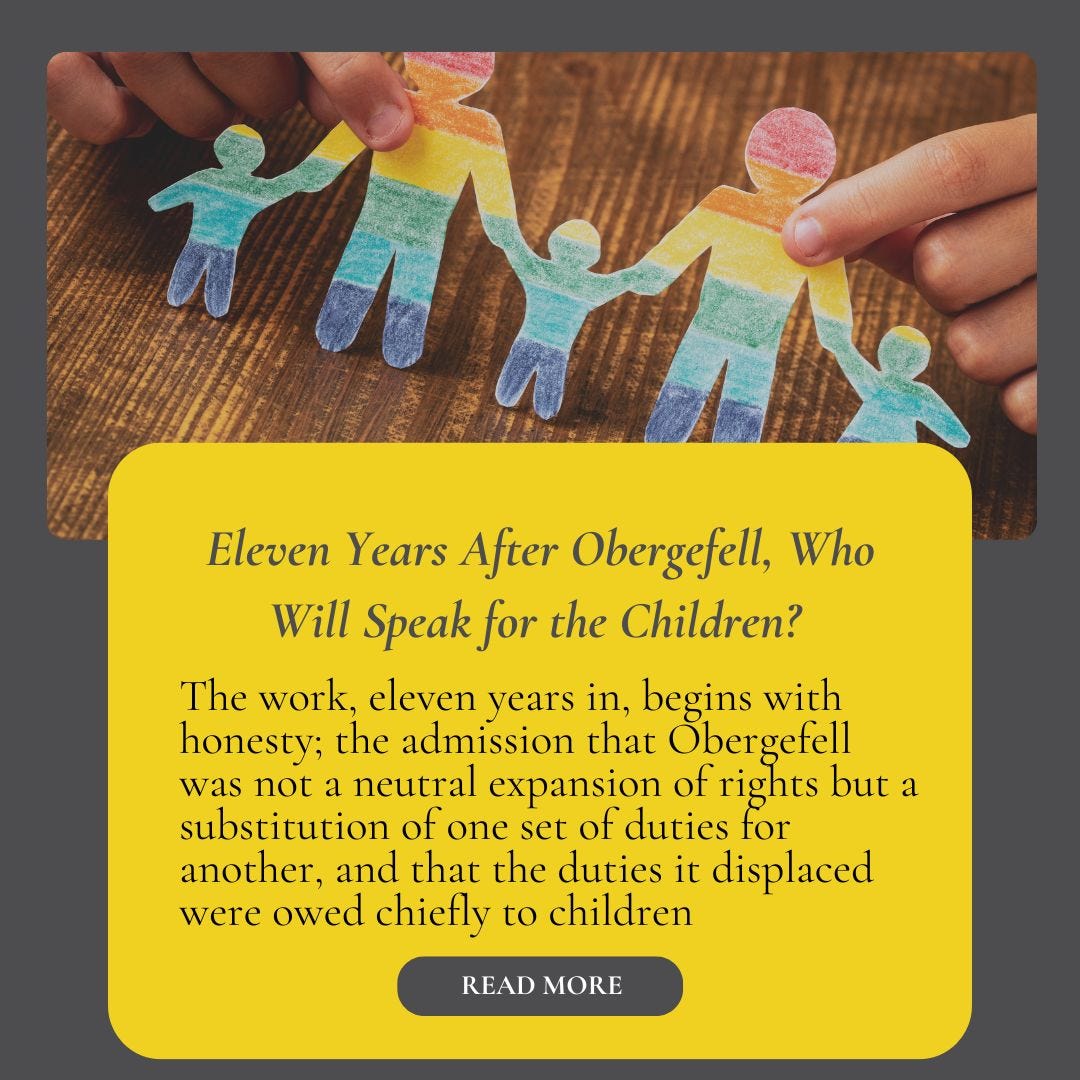
Joseph D’Angelo considers the long-term impact of the Court’s controversial decision on the well-being of children:
The question was never whether gay Americans were owed dignity; of course, they were and are. The serious question was whether a child’s interest in her own mother and father could survive a legal regime constructed on the premise that neither is essential.
You can read Joseph’s full essay here.
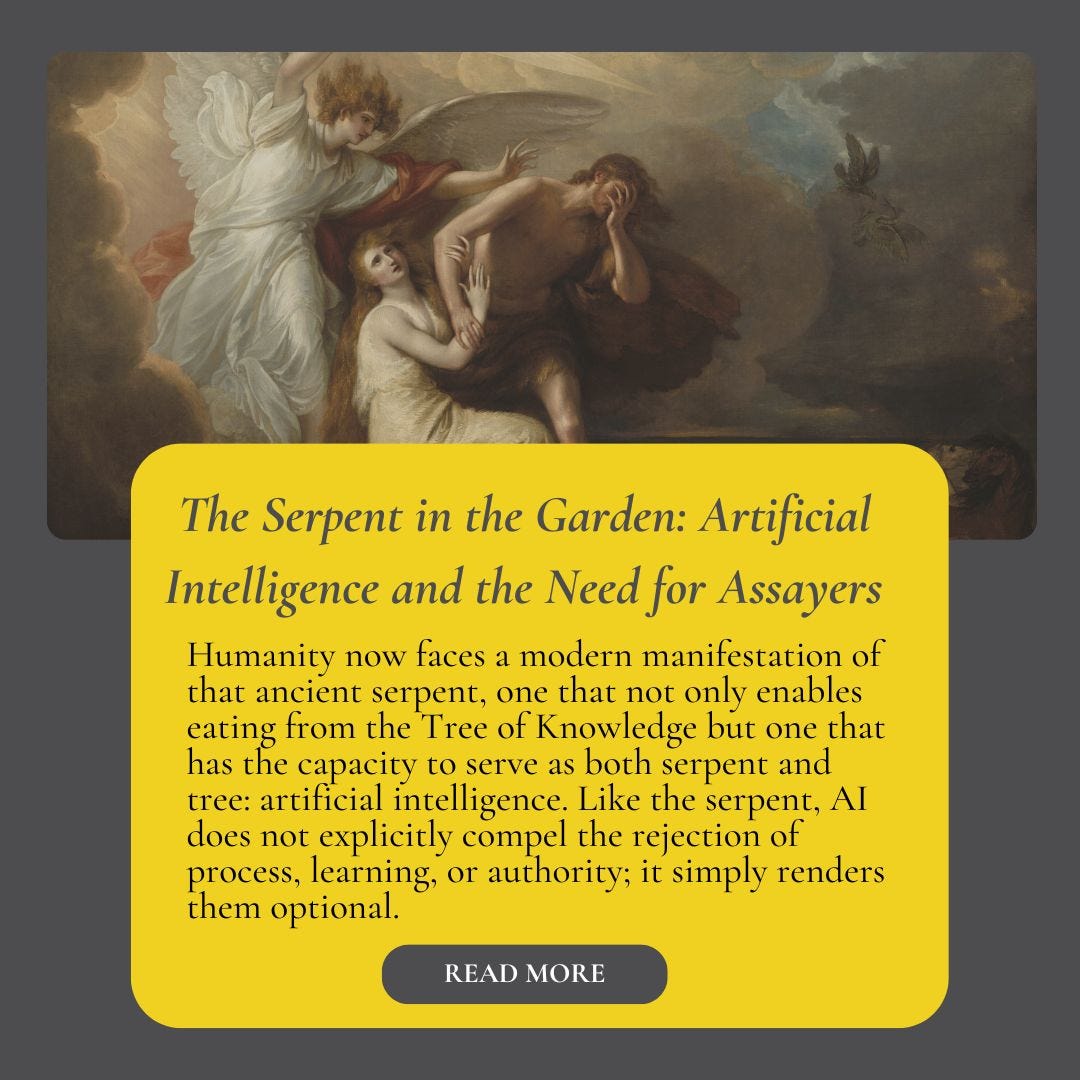
Nathan B. Williams reflects on a few ways to use AI wisely while mitigating its deleterious effects:
Yuval Levin’s call for institutional renewal is not just relevant in the age of AI. It is urgent. Levin argues that many of the social problems facing society today originate from the replacement of formative institutions with performative platforms. AI can intensify this problem even further: it can accelerate the bypassing of institutions as well as amplify the magnitude of performative voices. When performance replaces formation, competence is simulated rather than cultivated. Thus, if these institutions continue to decay, the human capacity to serve as assayers will continue to diminish.
Therefore, we have a choice before us. One path leads to the illusion of capability: fool’s gold. The other path leads to genuine capability amplified beyond what was previously thought possible: true gold.
Consider a use of AI that is a part of many of our day-to-day lives: autopilot in commercial aviation. We board the plane, go through the safety instructions, take-off, drink a ginger ale, and land. We never think about the autopilot. We trust it not because the technology is infallible, but because we trust the pilots, the assayers, in the cockpit. Those pilots have earned our trust; they have gone through an institution, earned their pilot’s license, completed rigorous training, and continue to be tested to ensure competence. We trust the tool because we trust the wielder, the formed human in the loop.
You can read the fully essay here.
You can now listen to PD articles on the go! Just click the “listen” button at the start of each article to enjoy PD on your morning commute.
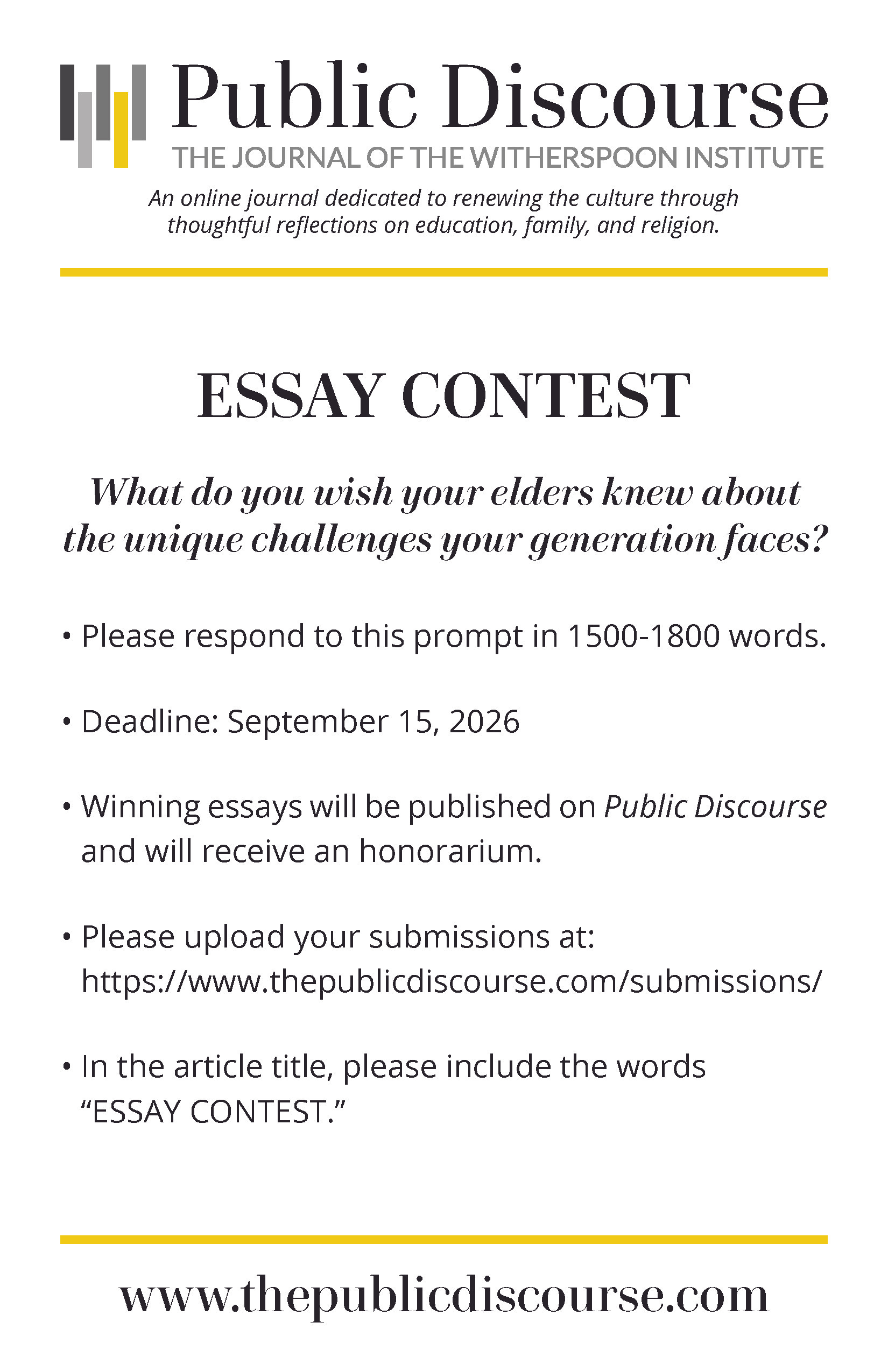
Our high school essay contest is returning for its second year! Please share with any emerging young writers. The first, second, and third-place essays will be published in PD in October.
Until next time, thanks for reading!
If you enjoy this newsletter, subscribe to receive our (free) daily and weekly essay drops!
No posts
Comments
Nothing yet. Say the first thing.
Sign in to join the conversation.