

I have personally been extremely inspired by buffers growth journey.
This is soelly because they didn’t reinvent the wheel. Just leveraged content marketing and found growth organically.
So let’s dive down further to see how did Buffer start and what it did for growth!
Buffer’s growth journey is marked by smart content marketing, transparency, and community building. Founded in 2010 by Joel Gascoigne and Leo Widrich, Buffer started as a simple tweet scheduling tool and grew into a platform with over 77,000 paying customers. Here’s a breakdown of their growth and strategies:
TL;DR:
Initial Phase:
Built MVP in 7 weeks.
Joel partnered with Leo for marketing.
Shared product on forums to get feedback.
Early Growth:
Leo’s guest blogging spree drove traffic.
First $1,000 MRR in a few months.
Freemium model attracted early users.
Scaling Content and Community:
Launched Buffer Blog and Podcast.
Engaged with users on social media.
Started transparency initiatives (open blog series).
Reaching $10,000 MRR:
Successful freemium model.
Integrated with tools like WordPress and Zapier.
Invested in customer support.
Scaling to Over $1 Million ARR:
Continuous product improvement.
Expanded content marketing efforts.
Strong brand messaging focused on simplicity and transparency.
Current Stage:
Scaled team and operations.
Maintained transparency and remote work culture.
Continued innovation and adaptation.
Let’s get into the details of the strategies and step-by step approach on how Buffer started and grew.
Buffer’s growth journey is all about smart content marketing, being transparent, and building a community.
From a simple idea, Buffer grew into a platform with over 77,000 paying customers.
Buffer was founded in 2010 by Joel Gascoigne and Leo Widrich, who actually started with a simple goal: to make scheduling tweets easier.
Joel was frustrated with the existing tools and so he built a very basic version of Buffer.
He wasn’t a marketing guy so after getting some initial positive feedback, he teamed up with Leo Widrich, who brought marketing and growth expertise to the table.
Together, their vision was to create a tool that would not only simplify social media management but also provide immense value through content and community.
1. The Initial Phase: Building the MVP and Early Adoption
Concept and MVP Development (2010): Joel designed the initial version of Buffer over seven weeks in Birmingham, UK. This MVP was nothing but a twitter scheduling tool that allowed his users to schedule tweets at optimal times.
In order to validate the idea, Joel shared it on forums like Hacker News and sought feedback from potential users.
Tip: Start with a simple version of your product and get feedback early. Don’t wait for it to be perfect.
Partnership with Leo Widrich: Joel realised he needed someone to help him market his product so he partnered with Leo Widrich. Leo’s role was pivotal in spreading Buffer’s story through content marketing and guest blogging.(Read on to know how)
2. Early Growth: Content Marketing and First $1,000
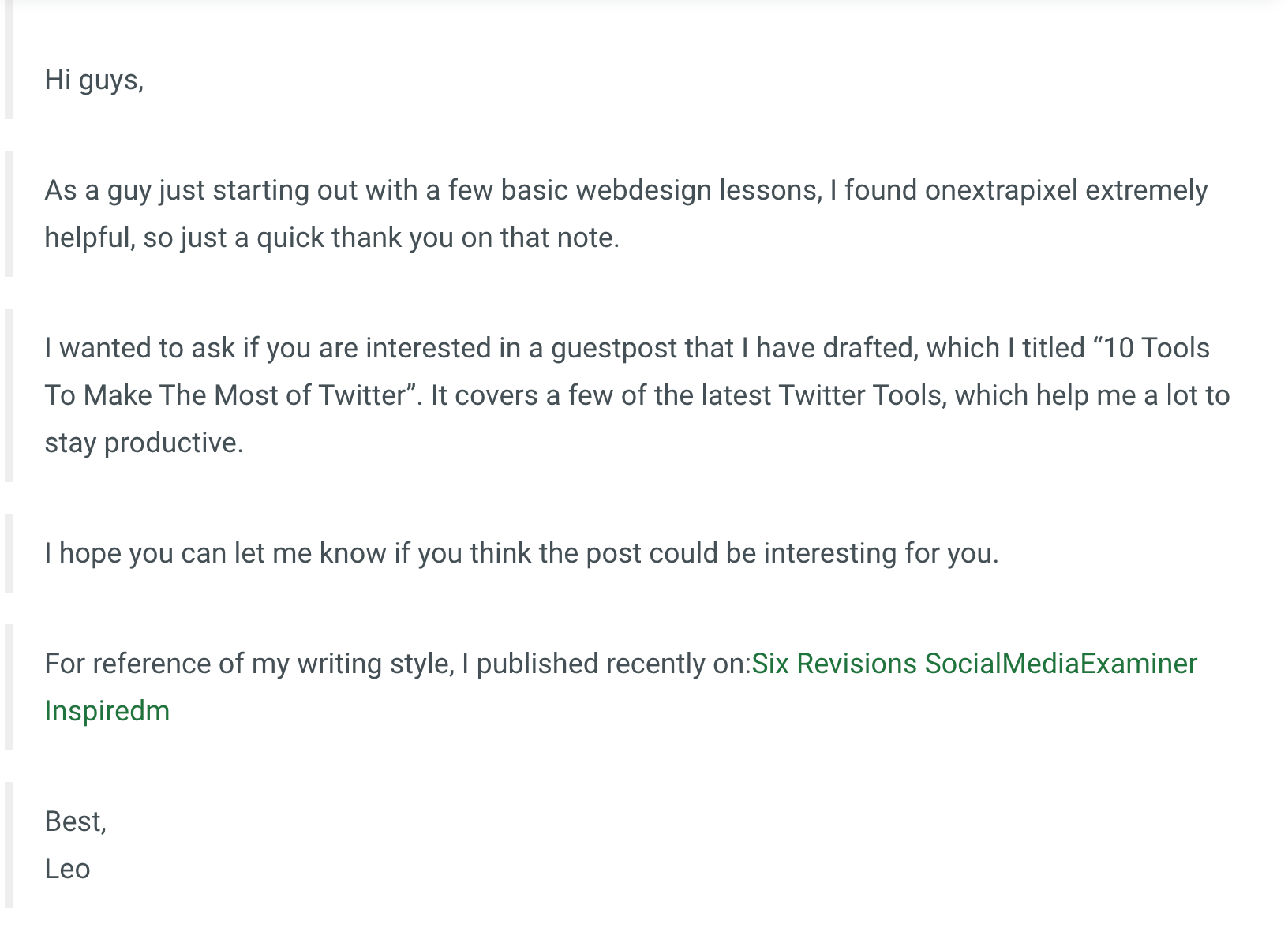
Guest Blogging Blitz: As soon as Leo got onboarded,he went on a guest blogging spree.
He wrote around 150 posts in nine months. Insane inst’it?
His guest posts covered topics like social media, productivity, and startup insights. All these posts drove significant traffic to Buffer’s site which eventually helped them build an email list of potential users.These guests posts helped Leo acquire around 100,000 users and his content marketing accounted for over 70% of their daily signups.
Below is what he wrote in his guest post outreach!

First Paying Customers: Within the first few months itself, they started seeing traction.
By January 2011, they had around 100 paying customers, hitting their first $1,000 in monthly recurring revenue (MRR). This early success validated their freemium model and content strategy.
Suggestion: Start with a freemium model to attract users. If they like your product, they’ll be more likely to pay for extra features.
3. Scaling Content Marketing and Community Engagement
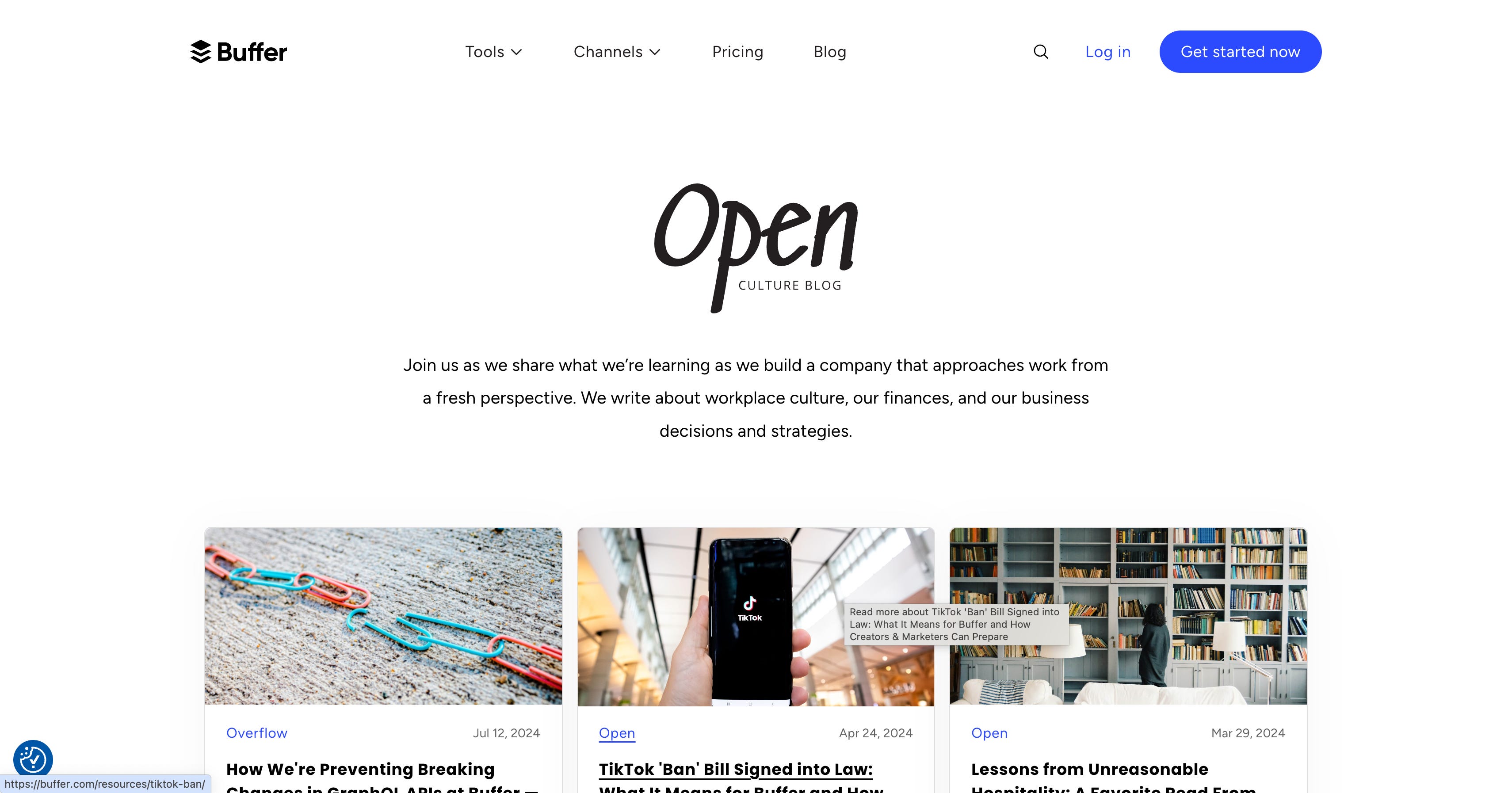
Buffer Blog & Podcast Launch (2011): Buffer then launched its blog, focusing on high-quality, data-driven content. Articles like "The Ideal Length of Everything Online" and their podcast on "The Science of Social Media" went viral, which ended up attracting a larger audience and establishing Buffer as an authority in social media marketing.
Social Media Engagement: The founders and the team were actively engaging with its audience on social media, responding to comments, joining discussions, and sharing user-generated content.
This interaction helped build a loyal community around the brand.
Transparency Initiatives: Buffer also started an “open blog series” where they regularly shared revenue, user metrics, and even salaries publicly.
This was a key strategy to build trust with users and also helped position Buffer as an open and honest company.
Tip: Share your journey, ups & downs publicly. This helps create trust and transparency
4. Reaching $10,000 MRR and Beyond
Freemium Model Success: Buffer had a freemium model that formed a major resource for driving growth, with providing valuable features that enabled many free users converting to paid plans.
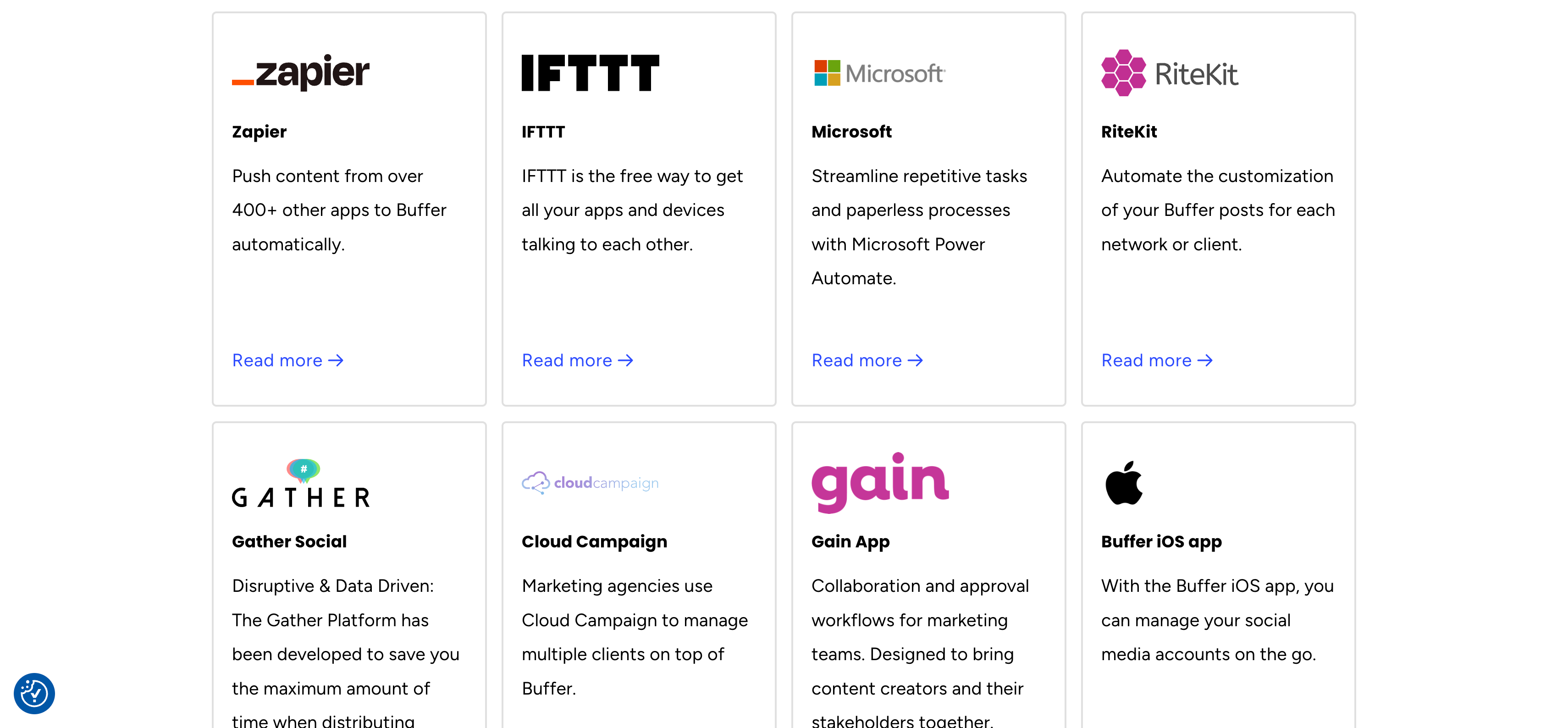
Strategic Partnerships and Integrations: Buffer also integrated with popular tools like WordPress, Pocket, and Zapier, enhancing its functionality and appeal. These integrations made Buffer even more versatile and attracted users who were already using these tools.
Leverage other platform audience to reach a wider audience and provide value
Customer Support and Advocacy: Buffer invested heavily in customer support, ensuring users had a positive experience. Satisfied customers often became advocates, referring Buffer to their networks and driving organic growth.
Suggestion: Make your free version valuable enough to hook users, and they’ll be more likely to upgrade.
5. Scaling to Over $1 Million ARR
Product Iteration and Improvement: The team continuously refined its product based on user feedback and market trends. Regular updates and new features kept the product relevant and valuable.
Expanding Content Marketing: The team then expanded its content efforts, experimenting with various formats, including long-form articles, podcasts, case studies, and infographics. This attracted a broader audience and kept existing users engaged as well.
Building a Strong Brand: Buffer’s consistent brand messaging and values resonated with its audience. The focus on simplicity, transparency, and community building helped them stand out in a crowded market.
6. Current Stage: Continuous Growth and Evolution
Scaling Team and Operations: As Buffer started to grow, it scaled its team and operations to handle the increasing user base.
The company however maintained a strong culture of transparency with it’s open blog concept where they regularly shared about salaries, revenue, culture etc and also adopted remote work, attracting top talent aligned with their values.
Innovating and Adapting: Buffer continues to innovate, exploring new features and market opportunities. The company remains committed to its core values and focuses on providing value to its users through continuous improvement and engagement.
Value-Driven Content Marketing: High-quality, consistent, and data-driven content can establish authority and drive organic traffic.
Transparency Builds Trust: Openness about company metrics, salaries, and challenges fosters trust and loyalty among users and employees. if starting out, just start building in public and be open & transparent about your progress.
Community Engagement: Actively engaging with the community through social media, events, and excellent customer support can turn users into advocates.
User-Centric Product Development: A user-friendly product with a freemium model can drive organic growth and high retention rates.
Strategic Partnerships: Integrations and collaborations with popular tools and influencers can expand reach and enhance product value.
Buffer's journey is a testament to the power of strategic content marketing, transparency, and community building. As someone who is treading the path of content marketing, I find buffer’s journey as a benchmark for my own content marketing journey.
Tell me what do you think? Have you implemented a content marketing strategy yet for your business?
If you are stuck in building a marketing strategy for your business, book a 1:1 call with me and let me help you out in your marketing journey
Comments
Nothing yet. Say the first thing.
Sign in to join the conversation.