
On April 21st, Queen Máxima visited Cleantech Park Arnhem to mark the city’s recognition as SME city of 2026. One highlight was a stop at Plantics, where CEO Wridzer Bakker demonstrated how agricultural residues are turned into a circular bio-resin, combined with hemp fibers and pressed into products ranging from building panels to designer furniture. The Queen even sat in a chair by renowned designer Joris Laarman made entirely from Plantics’ bio-resin.
Plantics’ material replaces toxic, petroleum-based resins with a fully re-activatable alternative, making it a genuinely circular solution for construction and furniture manufacturing.
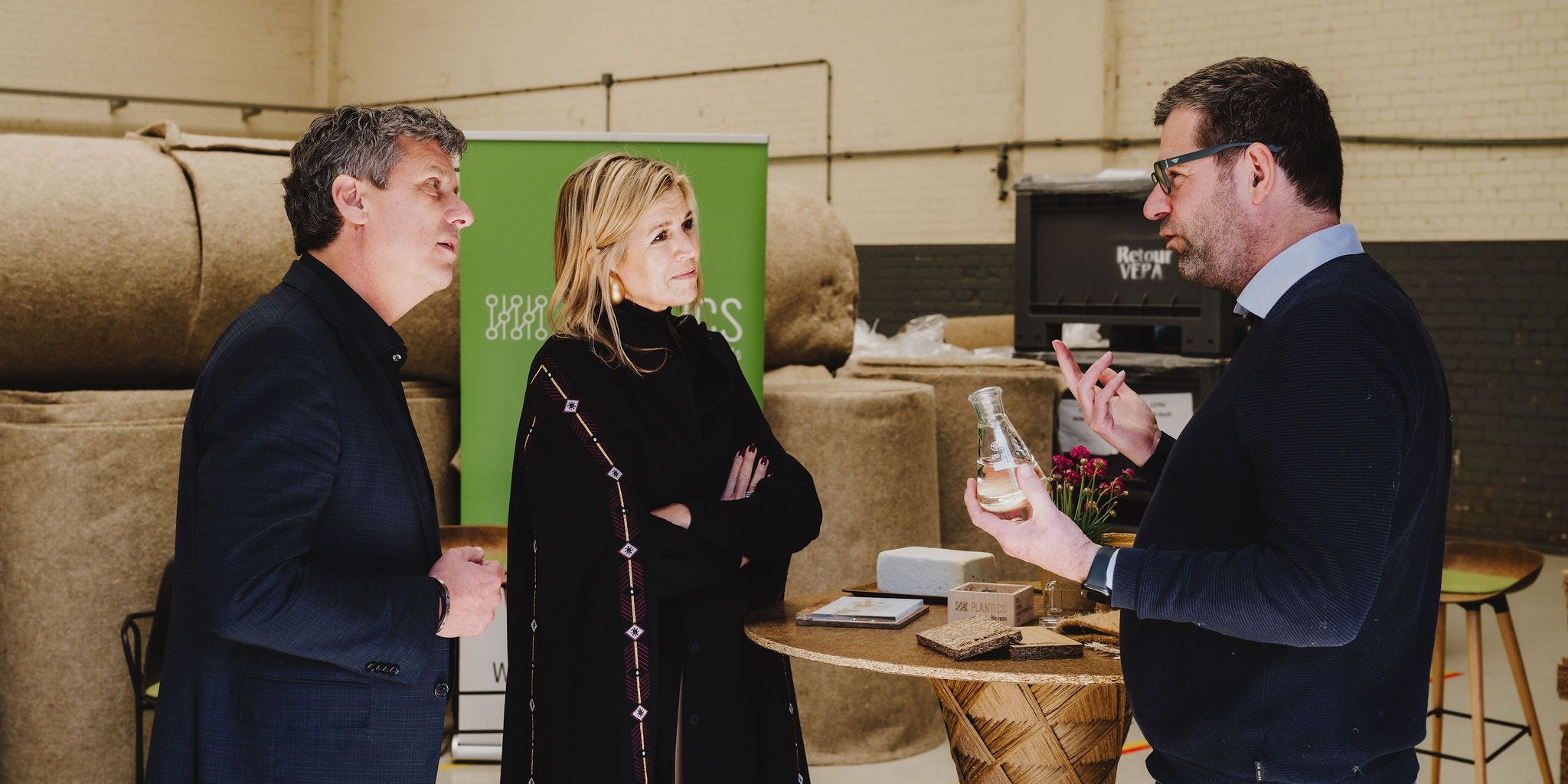
PDC has been involved with Plantics since 2017. As shareholder of the scale-up we’ve been involved in many aspects of the company. Plantics biomaterials are based on a revolutionary invention by the University of Amsterdam that resulted in the first 100% bio-based thermoset resins in the world for new circular composites, foams, and coatings. Plantics won the “Renewable Material of the Year 2021” Innovation Award!
Our Prosyn.ai software is a classic ‘expert system’, a rule based, heuristic software application that helps to determine applicable technologies for a wide array of chemical process challenges. Over the past few years, this established functionality has been expanded with the integration of various dialogue based AI applications, as a complementary sidekick.
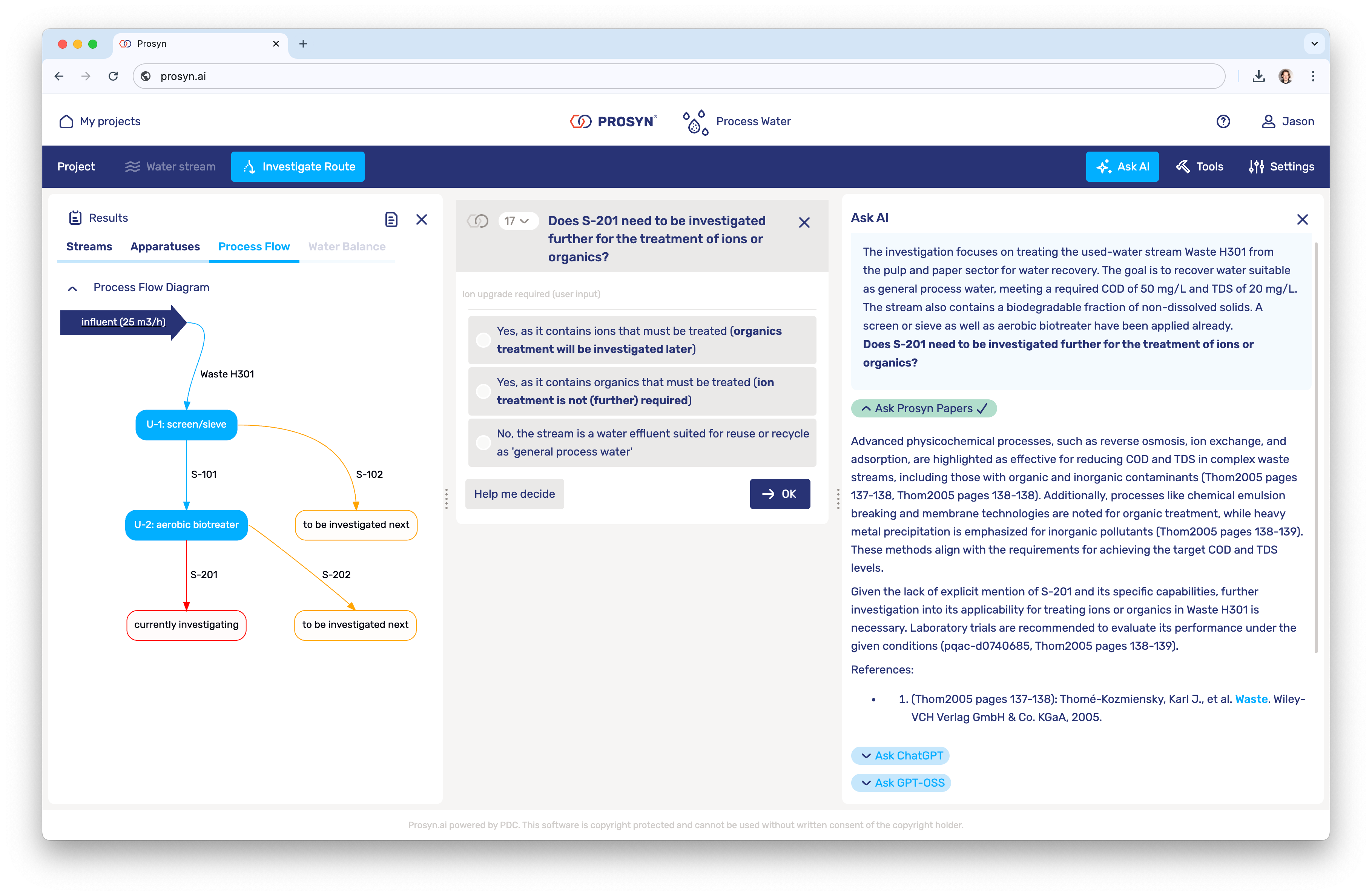
In addition to public Large Language Models, one of these integrations is scoped to our own internal knowledge base of collected literature, our so called Prosyn Papers. This combination of rule-based context and LLM querying, not only provides additional guidance through the rule based Q+A process, but also helps our conceptual design process with better insights and alternative solutions.
The aim of the PROMOFER project is to improve the efficiency of the PHBV and 2,3-BDO fermentation and downstream processes, while valorizing lignocellulosic biomass and food industry waste. These biobased materials are to be transformed into high-value application products. PDC performs the conceptual process design of different fermentation and downstream separation processes, followed by the life cycle costing and environmental life cycle assessment.
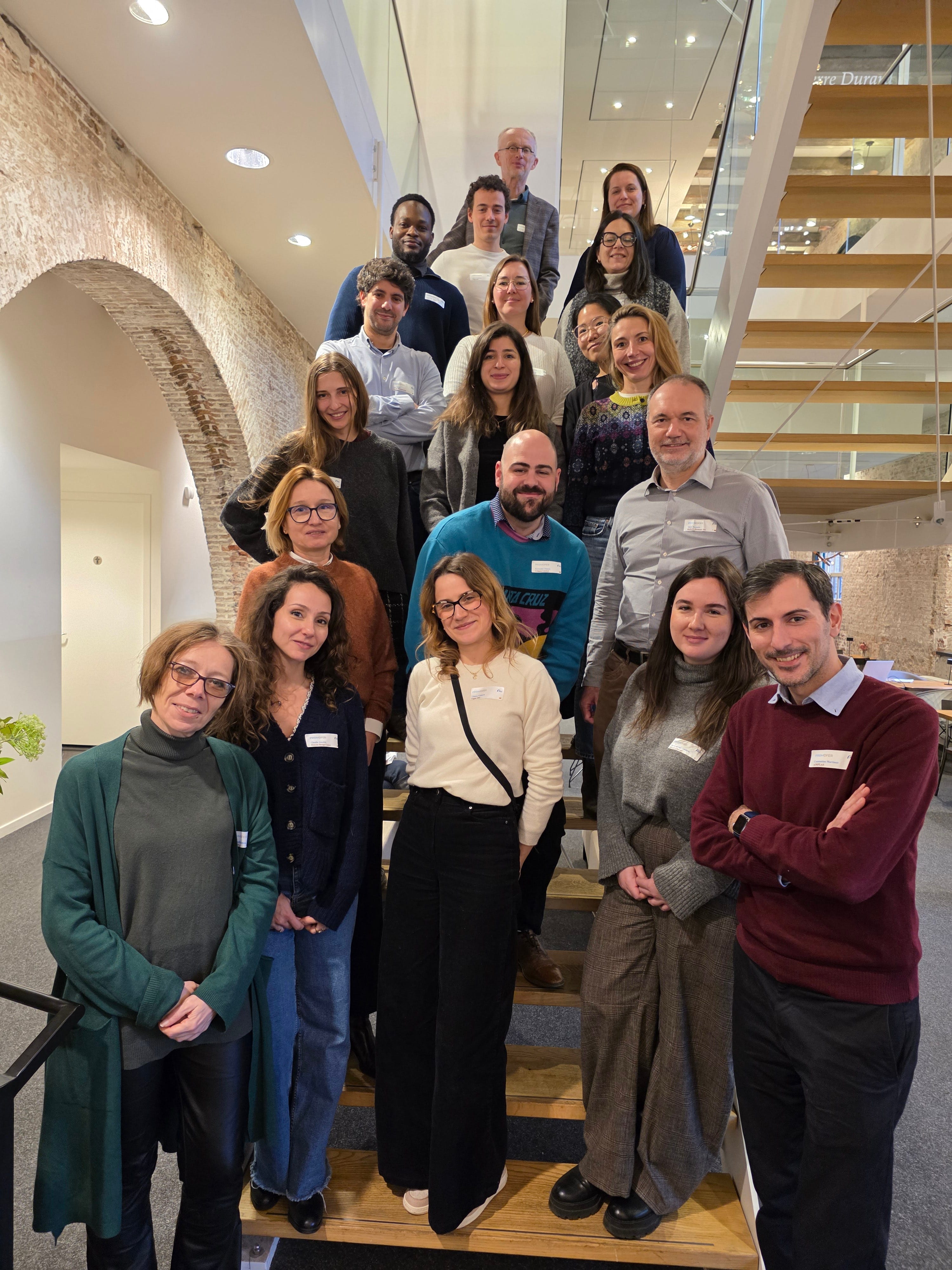
On January 28, PDC hosted the PROMOFER M18 meeting in Breda, the Netherlands, welcoming all 13 consortium partners from seven European countries. The session offered a detailed overview of our progress and generated valuable discussions on next steps.
We have collected, characterized and pretreated over 35 batches of agricultural and food-industry waste; optimized pretreatment and impurity-removal protocols; and isolated and characterized microbial strains for PHBV and 2,3-BDO production, enhancing them through adaptive laboratory evolution and metabolic engineering. Preliminary designs for production, recovery, purification and scale-up of both fermentation processes remain on track. PHBV formulations are now entering validation for packaging and agricultural use, while planning continues for 2,3-BDO testing, PU-fabric prototyping and safety assessments. Stakeholder surveys, user profiling, dissemination and exploitation activities also advance in parallel, with a business plan now rolling out.
As the project advances, our increasingly refined insights strengthen collaboration and drive us toward our goals.
Fatty amines (FAs) are key components in industries such as cosmetics, detergents, coatings, and agriculture. While global demand continues to grow, conventional FA production faces environmental, scalability, and efficiency challenges. FLEXIZYME addresses these limitations by developing a flexible and cost-efficient biotechnological platform for production of primary FAs from fat- and protein-rich side streams.
The project combines advanced enzyme engineering, bioinformatics and artificial intelligence, along with innovative reactor monitoring and process integration, to enable greener and more scalable FA production.
Through a holistic, circular approach spanning upstream, midstream, and downstream operations, FLEXIZYME contributes to the transition towards environmentally friendly industrial biotechnology. The platform will be validated in cosmetic, detergent, and agricultural applications. Techno-economic (TEA) and life-cycle (LCA) assessments will be carried out to evaluate economic and environmental performance. PDC plays a key role in leading and contributing to these analyses.
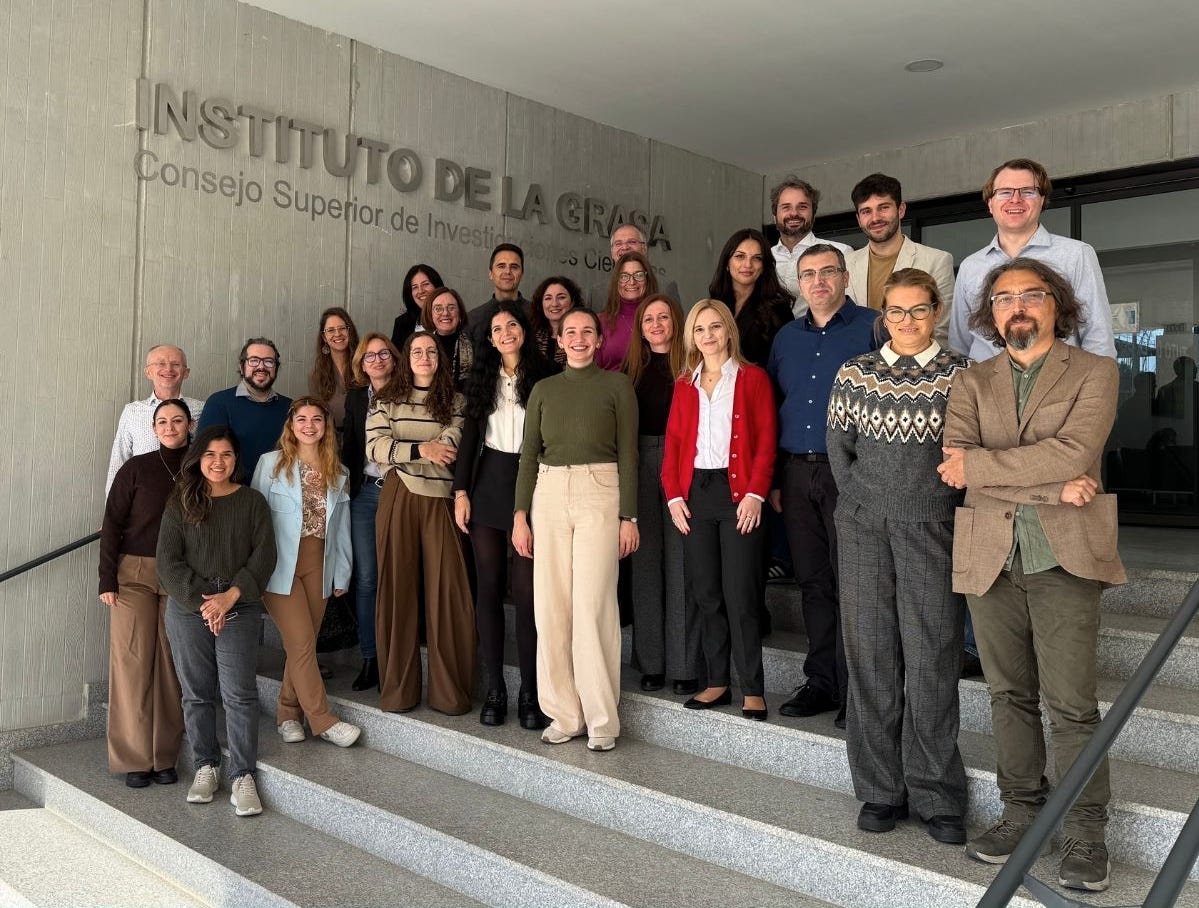
Back in December, the consortium gathered in Sevilla at the Instituto de la Grasa for an update meeting on all work packages and shape the next phase of the project.
We are PDC. We are an international team of conceptual process design experts with a strong reputation in the industry. Our mission is to help create a lower carbon footprint and a more sustainable process industry.
As a process design innovator with close to 40 years of experience, PDC understands how to support and lead teams through the uncertainties of the conceptual process design flow to reach innovative solutions. The methods we share have, over the years, helped us quickly and effectively design solutions to a wide range of challenges.
No posts
Comments
Nothing yet. Say the first thing.
Sign in to join the conversation.