
Why has sport suddenly started to make so much sense in our lives?
We can see a deeply human duality that has fuelled the market buzz around sports. On one hand, sports have become a space for self-connection. They play a key role in empowering people to make important decisions, and shaping their personal, love and professional lives. On the other hand, sports have become our ‘third place’, fulfilling some of the most basic human needs: social connections and a sense of identity and belonging. Much like swifties, little monsters and crypto bros, sports have become a cult that unites people – a modern religion for a lonely world, as cultural theorist Matt Klein stated.
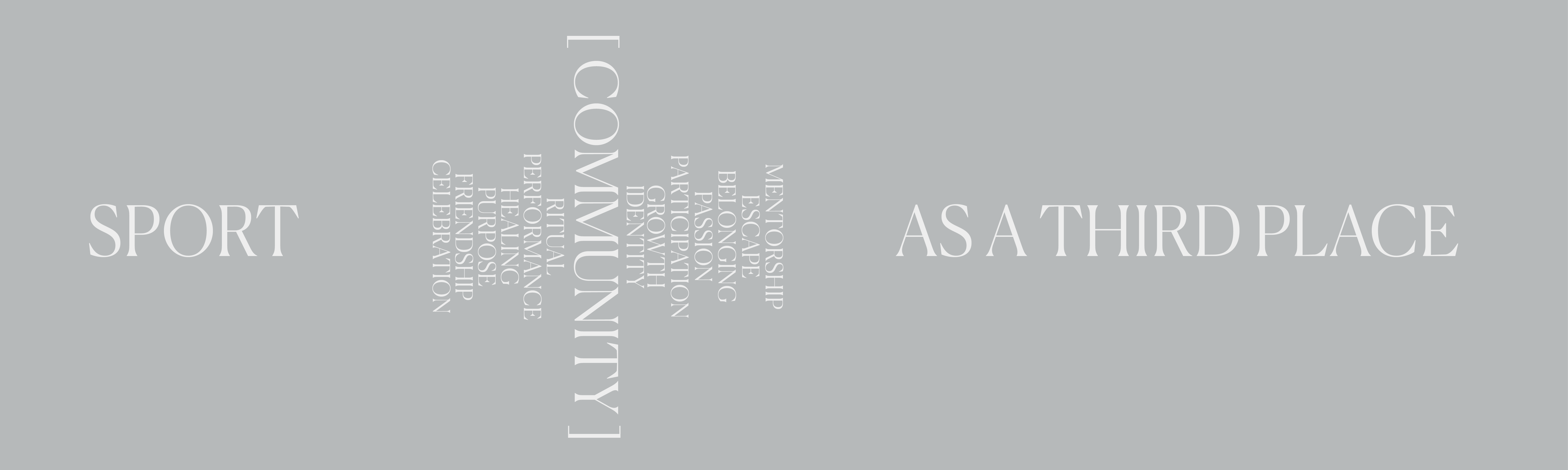
Sports as our third place
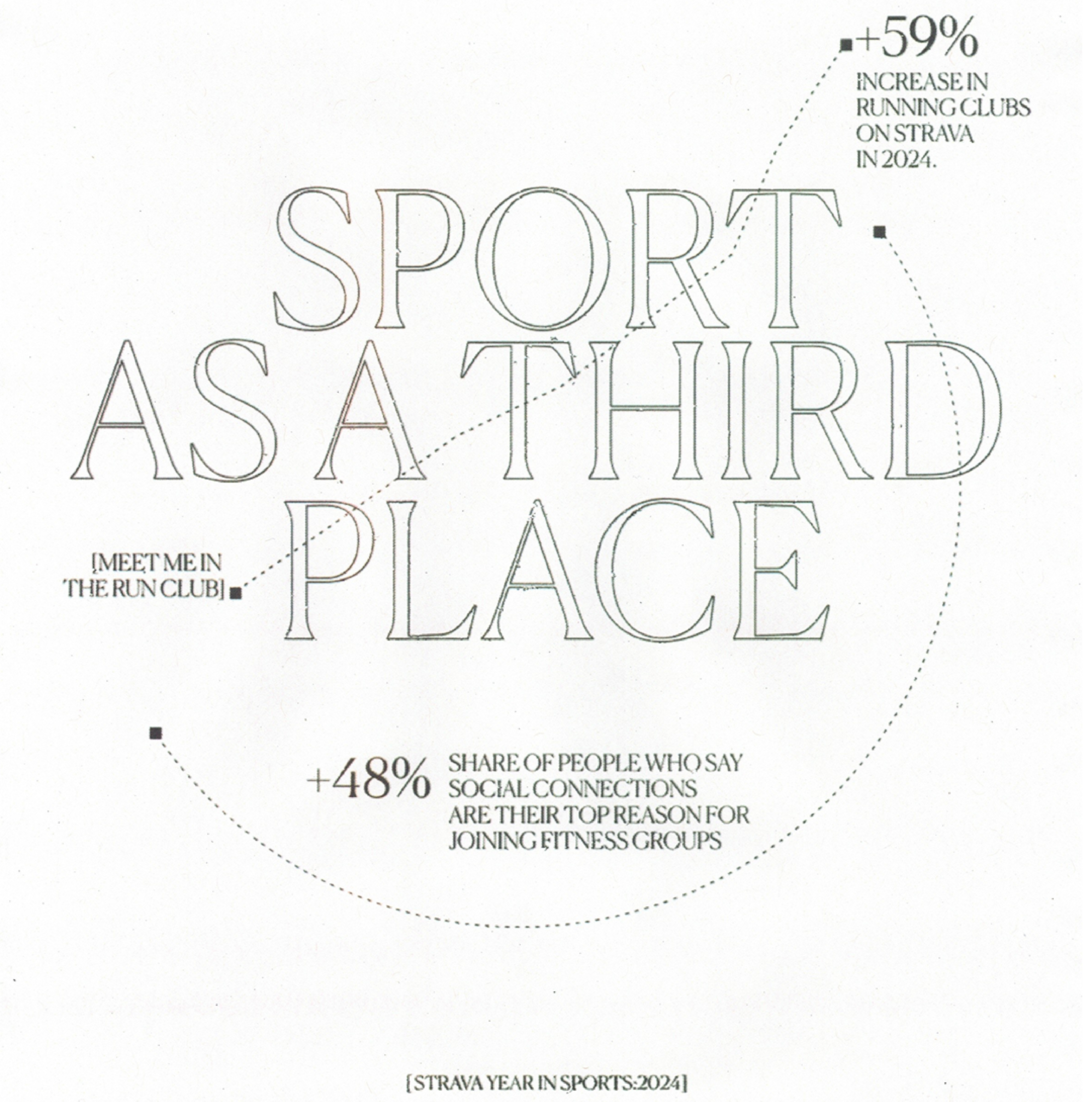
Where insecurity becomes the norm, sport serves as a tool to create meaning for ourselves in a world that often feels senseless. To keep up with their physical and mental health, suddenly everybody started joining running clubs. Beyond these benefits of sports, people are also looking to make new connections – and who knows, maybe even their better half. Strava became the new Tinder, with new features on the app allowing users to slide into each other’s DMs in search of a match.
“A broader shift towards sports as lifestyle expressions rather than mere activities. People aren’t just looking for functional apparel; they want stories, values and a sense of belonging.”
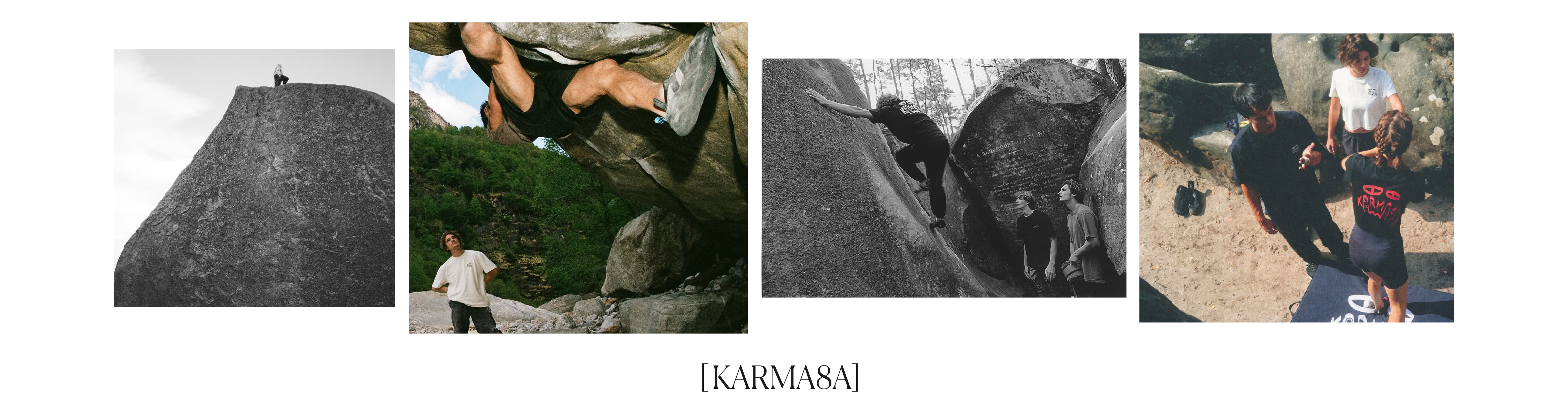
We asked Eliza Cumming, head of training at Dopamine Studio in Berlin, how she works the community aspect of sports in her classes, especially in the FLINTA-only ones. The answer show us sport’s deep cultural and sociological roots:
“I started building the FLINTA classes to empower people, specially through boxing. I want people to feel like they can take up space and not be so selfconscious about that. So, I try to push people to be a bit more unapologetic and just comfortable in their own power. Fitness is still a really male space, even if a class if made up of mostly women and femmes it can still feel super male-dominated. Cis-men are just more used to take up space. It comes naturally to them to speak up, to ask questions, ask for feedback and generally just put themselves out there. Specially when we’re working with a combat sport, like boxing. With the FLINTA classes I make an opportunity for more people to show up for themselves and to feel powerful in their own bodies.”
Sports as a belief system
Sport is not only a mere physical activity anymore. It has become a ritual endowed with values, visions, empowerment and deeper human connections. It became a new belief system, adapting various common aspects of religious rituals. They give greater meaning to our lives through strong communities that share common ideas and life experiences with each other.
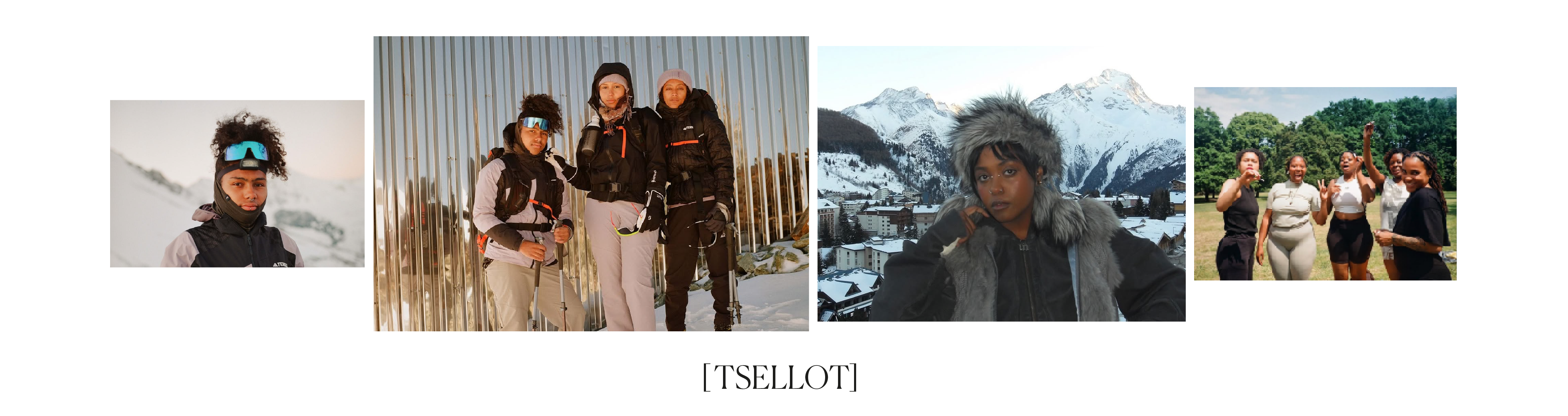
“I once took a group of three women for a four thousand meter mountain climb. I didn’t realise how hard it would be and as soon as we had our first stop, we had a conversation. In my head I was freaking out because I didn’t know if I could make it. One of them said ‘to be honest, especially as a black woman, I always feel the need to push forward and excel and be the best, even in my everyday life. I’m not used to saying ' I can’t’ and respecting my boundaries’. Literally the next day, they did that. Everybody was so happy and proud of themselves. Some people would say they fail but actually we achieved more than we could have imagined just by respecting our boundaries”. TSellot, founder of 03BLACKCANARY from Berlin.
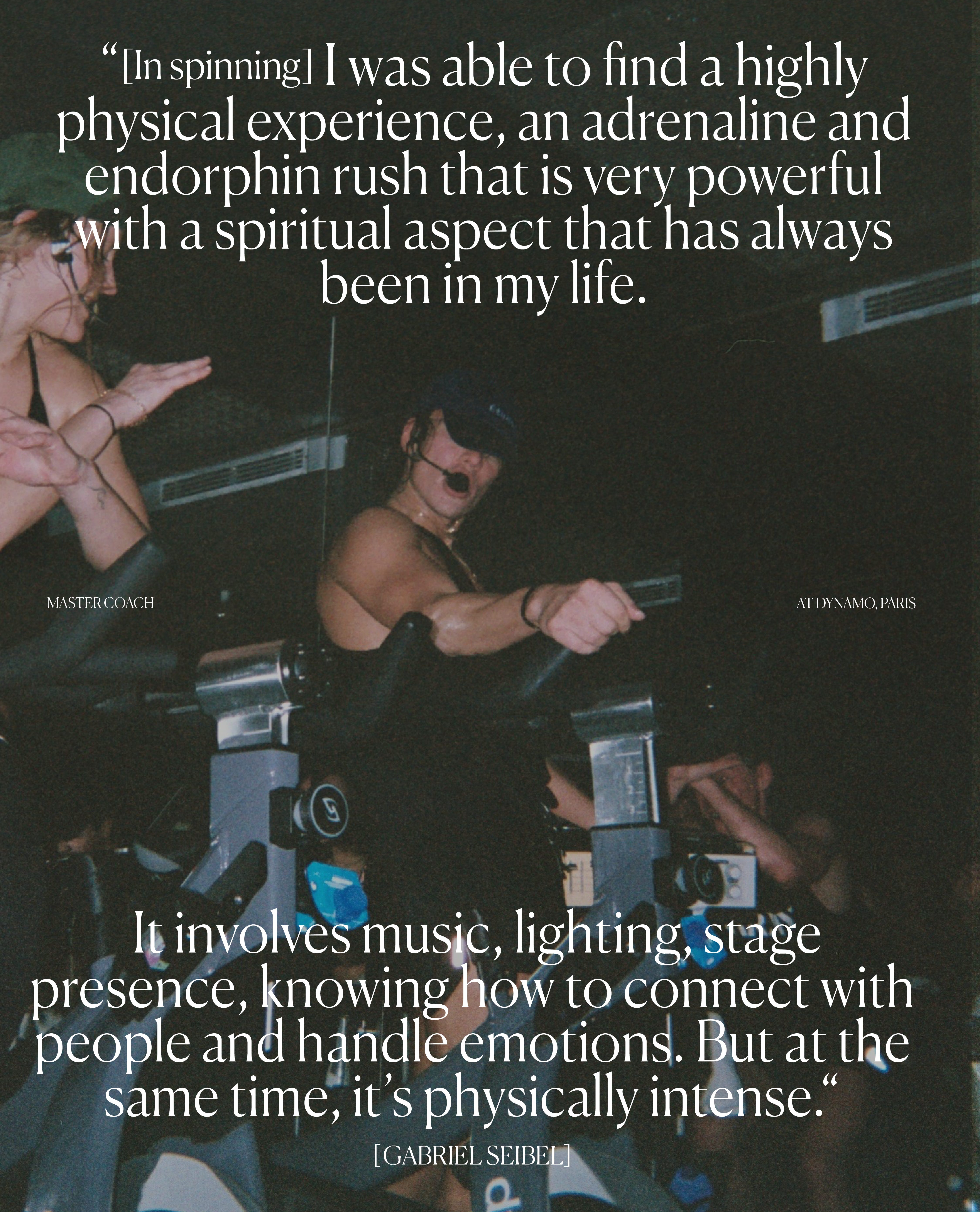
“People call it a sport, but I don’t really see it that way. To me, it’s more of a creative experience – something physical, yes, but it’s more like a creative practice, almost a kind of trance, you know? It involves music, lighting, stage presence, knowing how to connect with people and handle emotions. But at the same time, it’s physically intense.” Gabriel Seibel, Master Coach @ Dynamo Paris
“The aesthetic motivation [to practise sports] will never disappear, of course. But next to it, there are so many other motivations now. From a woman’s perspective, there was always this idea we had to be small, skinny, take up as little space as possible. And now, I think women are sick of that narrative. They want to be loud, be seen, be strong, dominant, powerful. So the motivation has massively changed.” Eliza Cumming, Head of Training @ Dopamine Studio Berlin
What’s after the finish line?
Apparently, there’s no finish line to this movement. Although the sport peak in the cultural landscape might have passed – especially in the fashion field – its development has become more intrinsic to deeper human experiences. In this sense, sport has become one of the cores of our wellness-obsessed era, together with beauty and longevity.
No posts
Comments
Nothing yet. Say the first thing.
Sign in to join the conversation.