
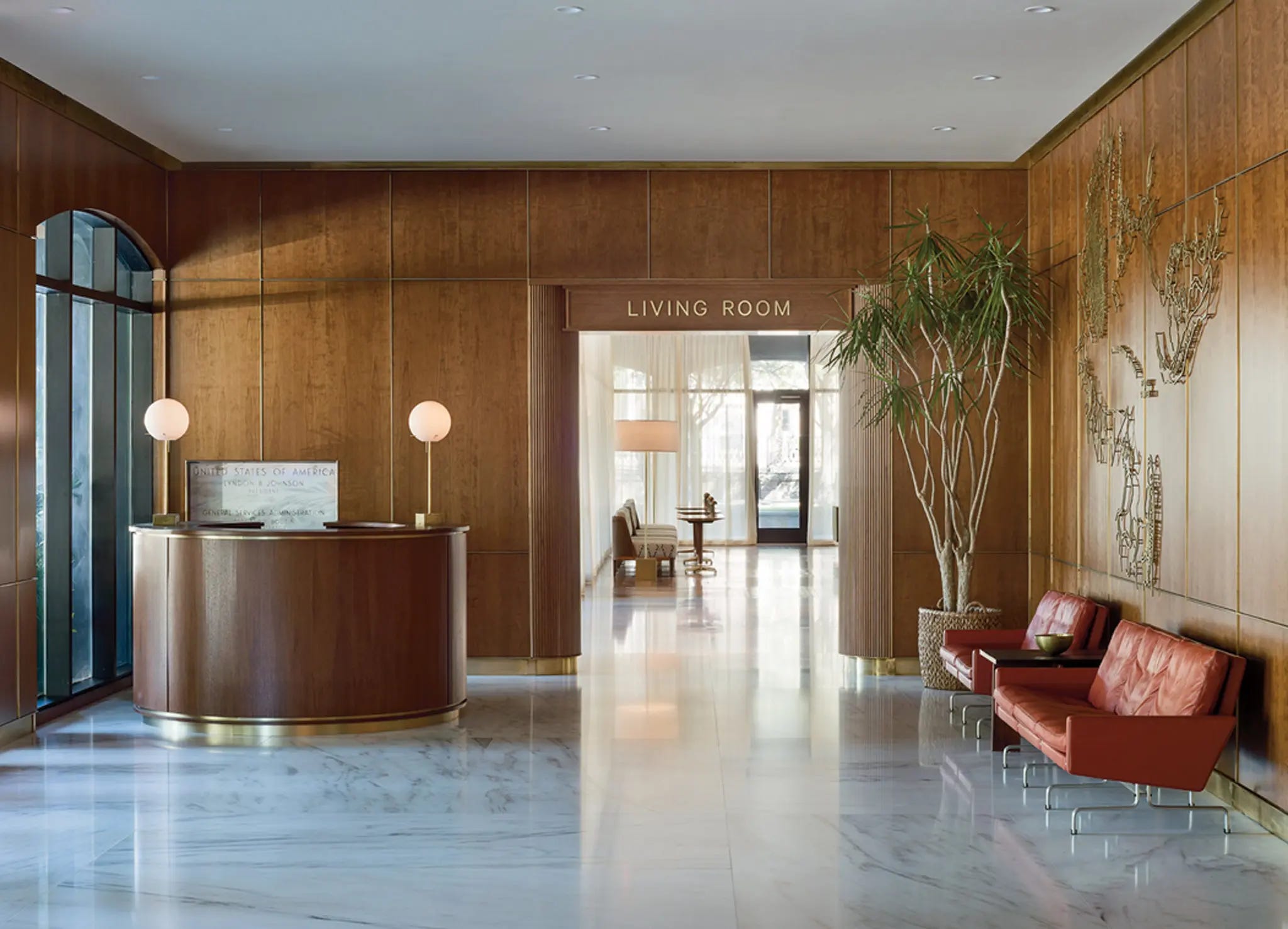
They say the client is always right. How do you give them what they want while also guiding them?
The client is the expert on their own life, business, or brand. They know how they want the space to feel and what they truly value. We are the experts in translating those feelings into form and space. We listen for the subtext, for the stories they tell, and distill it into a concept statement for the project. That way, when we present a design, even a daring one, it’s not just our idea, it’s the physical expression of a conversation they led.
When sourcing for a restaurant, how much do you have to consider wear and tear, compared to say a residential product?
Durability is essential in hospitality, but rather than hiding wear, we design with it in mind. Materials like solid wood, unlacquered brass, or natural leather are selected for their ability to age beautifully through use. It’s about embracing patina, not perfection.
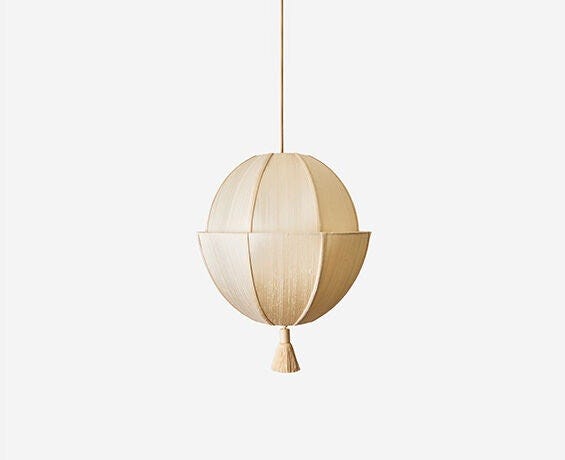
You have your own lighting line. What are a few lighting tips that a smaller, independent restaurant/ hotel operator can learn from a top- level design firm like yours?
In hospitality settings, a thoughtful mix of lighting types, materials, and placements is essential for both aesthetics and function. We recommend layering table, wall, and ceiling fixtures, and varying shade materials. Linen casts a softer glow than glass, for example. Eye level matters, and decorative lighting alone can often meet a space’s needs when well-balanced. Dimming is a must. We love to use TALA bulbs across our collection for their warm 2700K+ tone.
How often do clients insist on working with sustainable-minded products and makers, or is this an option you present to them when costing out a project?
Our goal is to create spaces with emotional durability—spaces that feel so right, they transcend typical renovation cycles. While clients don’t always use the word sustainable, they always ask for quality, durability, and a story.
When designing a hotel, how do you keep it uniform while perhaps instilling a few quirks here and there for character?
Even in a hotel, where consistency matters, we introduce variation through custom furnishings, layered materials, and unique accessories. Natural textures, handmade elements, and thoughtful art selections ensure each room feels distinct, like discovering a new story with every stay.
What’s uniquely rewarding about reimagining a historic property, like Canoe Place or The Dewberry, compared to working on a new build?
What’s most rewarding is that these buildings are the opposite of disposable. They come with layered histories waiting to be uncovered. It feels a bit like detective work: gathering clues and letting them guide the design. Our goal is to honor that past while making the space relevant for modern use. When done well, the intervention feels seamless, as if the building was always meant to live this way, simply carried forward into the present.
You’ve designed small NYC spaces like People’s, but also properties like Le Rock that have a much grander scale. How do you introduce a sense of intimacy?
At Le Rock, every detail was considered, and the attention given to small, tactile moments lends a sense of intimacy to the space— which comes from knowing there was a person, a maker, behind each element in the space.
You have two home bases. What can a designer learn from spending time in Charleston that might not be apparent to them working in New York City?
Charleston’s softer, more leisure- oriented lifestyle deeply influences the way we design. The climate and pace of life encourage a casual yet elevated aesthetic, with materials chosen for their natural responsiveness. While both cities are steeped in architectural history, Charleston’s connection to nature stands out. Clients often prioritize seamless indoor-outdoor living as a core part of how they experience their home.
How do you put into context for clients the level of craft required to make your Lantern Pendant?
Our fixtures are heirloom quality, made by hand by a dedicated team of fabricators in Virginia. We work tirelessly to develop, maintain, and service our lighting clients with a lifetime guarantee. The quality, craft, execution, and level of customer service you receive from Workstead is paramount to big-box outlets where trend and disposability are prioritized over quality, service, and a commitment to long-term relationships.
Read Crafted Vol. 1-4 here.
No posts
Comments
Nothing yet. Say the first thing.
Sign in to join the conversation.