
Real linen—the soft, breathable stuff you want to swaddle yourself in during the warmer months—is not woven from cotton, but the flax plant. It is one of the oldest fabrics in modern civilization, dating back thousands of years to ancient Egypt. And, yet, it never feels old. It’s always in style, whether as the primary fabric in a casually creased suit or in a snow-white linen tea towel, carefully draped over a bar.
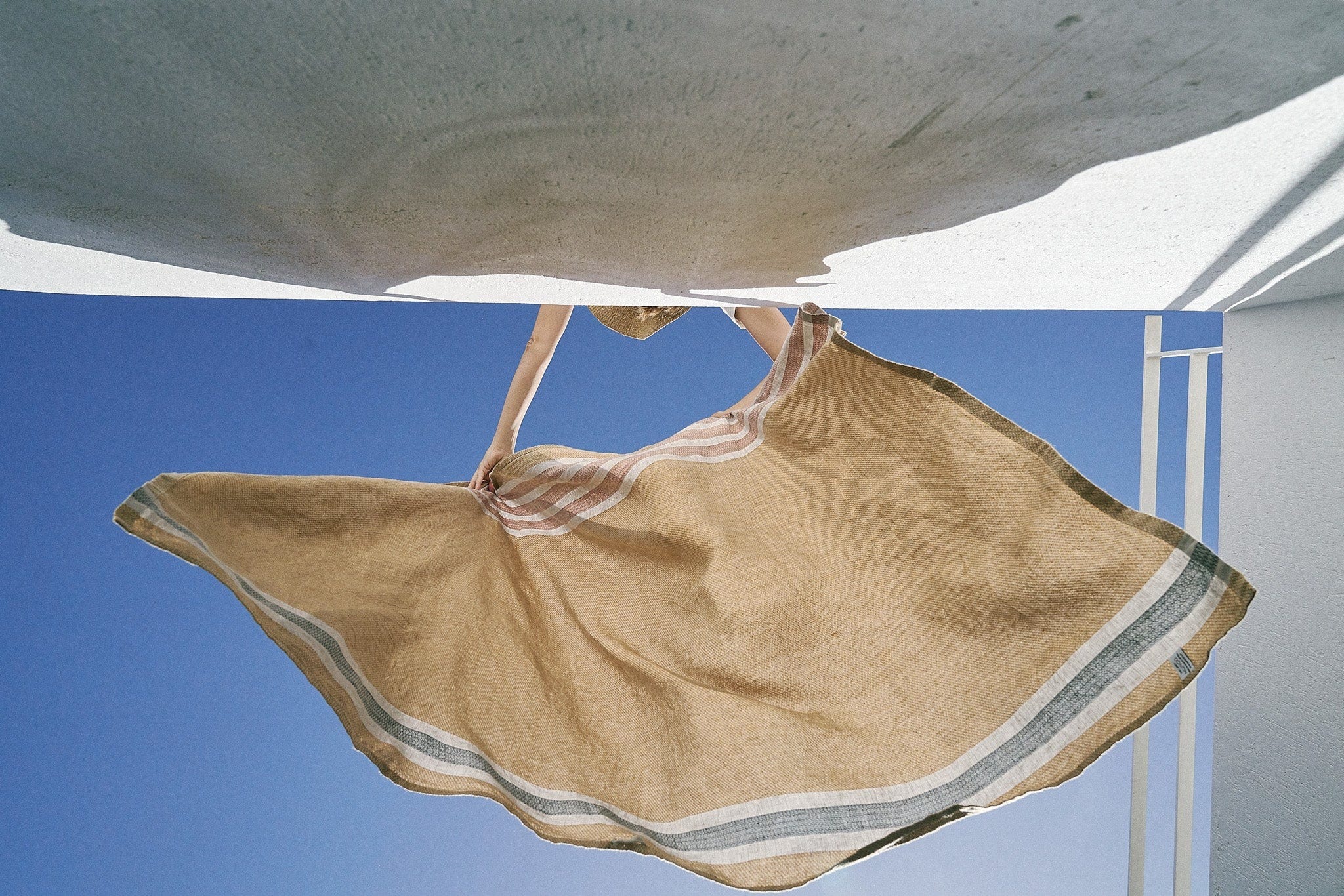
There is an old-world charm and durability to linen that modern fabrics simply can’t replicate. Because of the natural strengths of flax fibers, linen can be machine washed and tumble dried and, if you so prefer, pressed to perfection. Because it is loosely woven, it invites air flow, allowing you to stay dry.
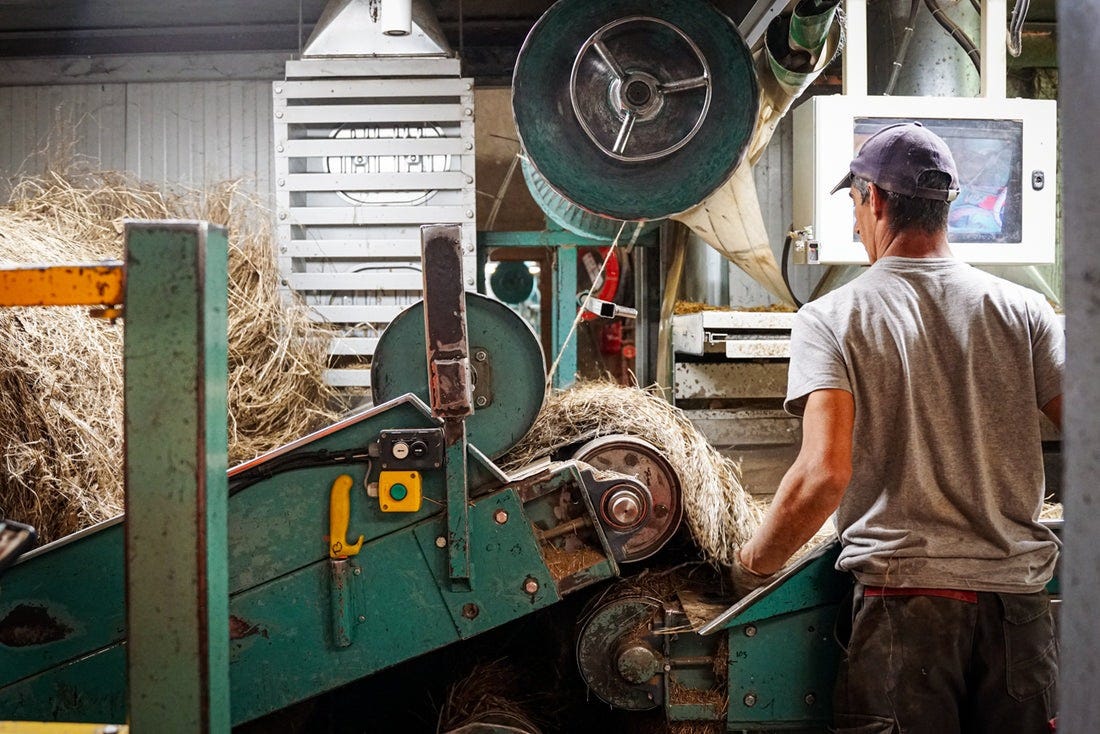
Turning flax into linen begins with the retting process, when flax stalks are soaked to separate the fibers from the woody core and outer skin. The fiber then undergoes scutching (or beating), which readies it to be spun into yarn.
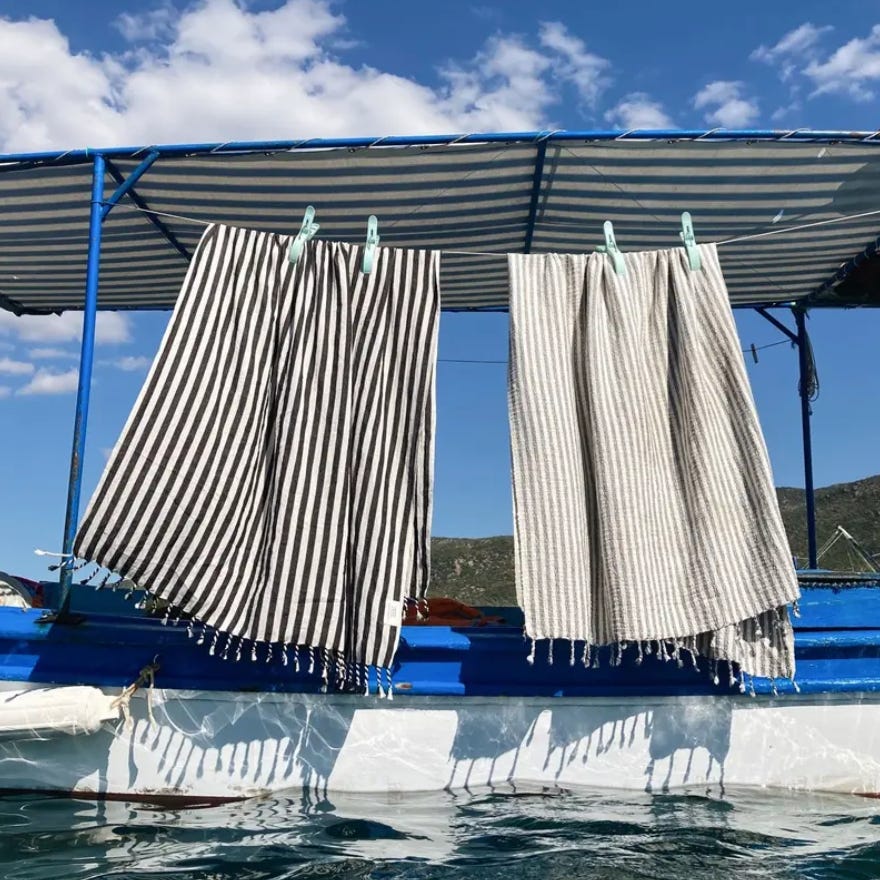
When you think of linen, you might imagine a marbled palazzo in Sicily or a breeze-filled villa on the Bosphorus in Turkey, neatly stacked napkins, a pair of billowy, post-swim trousers, a pile of towels for drying off. It signals taste that money can’t buy. As the woven creations on this page demonstrate, linen lends itself to hand-stitching and intricate lattices. It’s not about being showy or fancy, but instead a lasting elegance. That’s what linen always has been and always will be.
Discover more stories from Powered by People
This is just one story from our Crafted Journal, spotlighting the brands and ideas driving responsible retail forward.
No posts
Comments
Nothing yet. Say the first thing.
Sign in to join the conversation.