
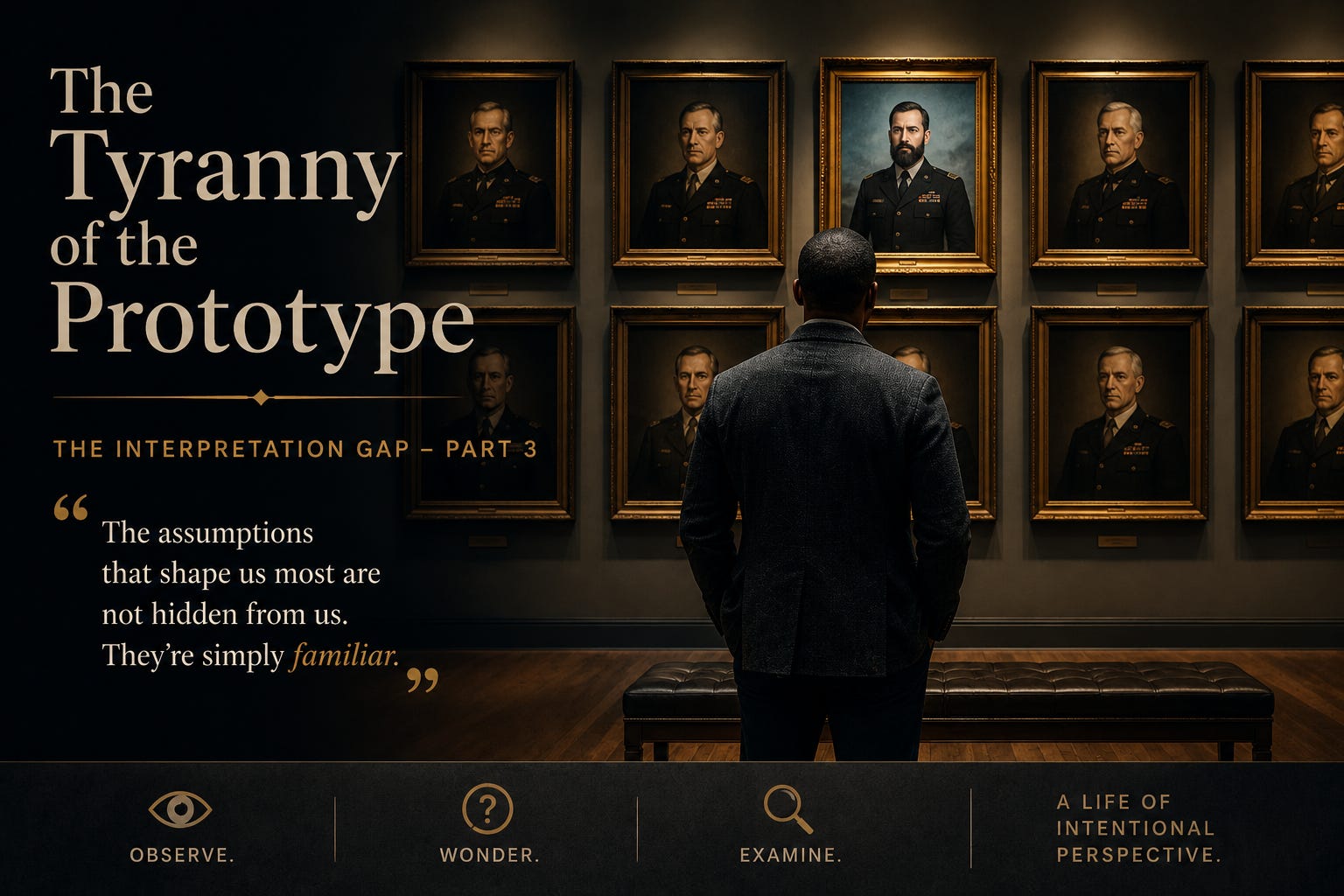
A few weeks ago, I saw something I had never seen before in more than two decades around the military.
An active duty lieutenant colonel with a full beard.
If you have served in the United States military, you already know why that caught my attention. Facial hair of any kind remains uncommon among active duty officers, and a full beard on a senior officer is unusual enough to be noticed immediately. Even where exceptions are permitted, they are not always well received, whether because of military tradition, professional expectations, or the broader political conversations surrounding them.
So yes, I noticed.
Not because I was unfamiliar with the reality.
Because I was very familiar with it.
My first thought was immediate.
I didn’t know that was possible.
That reaction stayed with me.
I knew the policies had changed. I knew exceptions existed. I also knew that seeing an officer with a beard, particularly a lieutenant colonel, was still far from ordinary.
So why had the moment surprised me as much as it did?
The answer had less to do with the officer than with the picture I had been carrying for years. Somewhere along the way, my experience had taught me what a senior military officer looked like. That picture had served me well for a long time.
Until reality introduced me to someone who did not fit it.
Experience is a faithful teacher.
It just isn’t always the final one.
That realization stayed with me for several days until another experience, one that seemed completely unrelated, brought it back into focus.
I had an important meeting coming up. There were documents to print, videos to finish, and more than a few moving pieces that all needed to come together. I spent the better part of the day preparing, not because I expected problems, but because preparation is often the best way to prevent them.
When the moment came, everything worked.
The documents printed exactly as they should.
The files opened.
Nothing crashed.
Nothing had to be reworked.
It was almost anticlimactic.
Then I caught myself.
Part of me had been waiting for something to go wrong.
Not because I wanted it to.
Because I had come to expect it.
After enough years of adapting to last-minute changes, unexpected interruptions, and systems that didn’t always cooperate, smooth had started to feel unusual.
The printer wasn’t revealing a problem with the printer. It was revealing a prototype in me.
That sentence has stayed with me because it connected two moments that, on the surface, had nothing to do with one another. One challenged my picture of military leadership. The other challenged a picture I had of how life tends to work.
Both revealed the same thing.
Some of the assumptions that shape us most are not hidden from us.
They’re just familiar.
We stop examining them, and it’s not because they have earned unquestioned authority, but it’s actually because they’ve been with us for so long that they begin to feel like reality itself.
Not every prototype is built from wisdom. Some are built from repetition. Others are formed by environments that taught us how to survive. Over time, those patterns become expectations, and those expectations begin shaping the way we interpret people, leadership, relationships, and even ourselves.
The problem isn’t that we have prototypes.
The problem is forgetting they are prototypes.
Samuel had a picture of what a king should look like. Eliab fit the picture. God reminded Samuel that the picture wasn’t the problem. The assumption that the picture told the whole story was.
The people of Israel carried a prototype of the coming Messiah as well. When Jesus arrived, many rejected Him, not because they lacked information, but because reality refused to fit the picture they had come to trust.
I wonder how often we do the same.
How many opportunities have I overlooked because they didn’t resemble the picture I expected?
How many people have surprised me because I confused familiarity with truth?
How many moments of peace have felt strange because I had grown accustomed to disruption and chaos?
Awareness is where the work begins, not where it ends.
Bringing our assumptions into the light isn’t the ultimate goal. It’s an invitation. Once we can see them, we can ask whether they still deserve the authority we’ve given them.
Perhaps wisdom is less about collecting better answers and more about having the courage to revisit the assumptions that have been answering our questions all along.
What assumption has become so familiar that I no longer think to examine it?
If I brought it into the light today, would it still deserve the authority I’ve given it?
Thanks for reading The Positive Perspectives Blog! This post is public, so feel free to share it.
No posts
Comments
Nothing yet. Say the first thing.
Sign in to join the conversation.