
Gone Girl (2014) remains a gripping, masterfully crafted thriller even a decade after its release. David Fincher’s direction, coupled with Gillian Flynn’s sharp screenplay (adapted from her own novel), elevates the story beyond the page, making it one of the best psychological thrillers of its time. The film’s meticulous cinematography, haunting score by Trent Reznor and Atticus Ross, and razor-sharp pacing keep it fresh, engaging, and rewatchable.
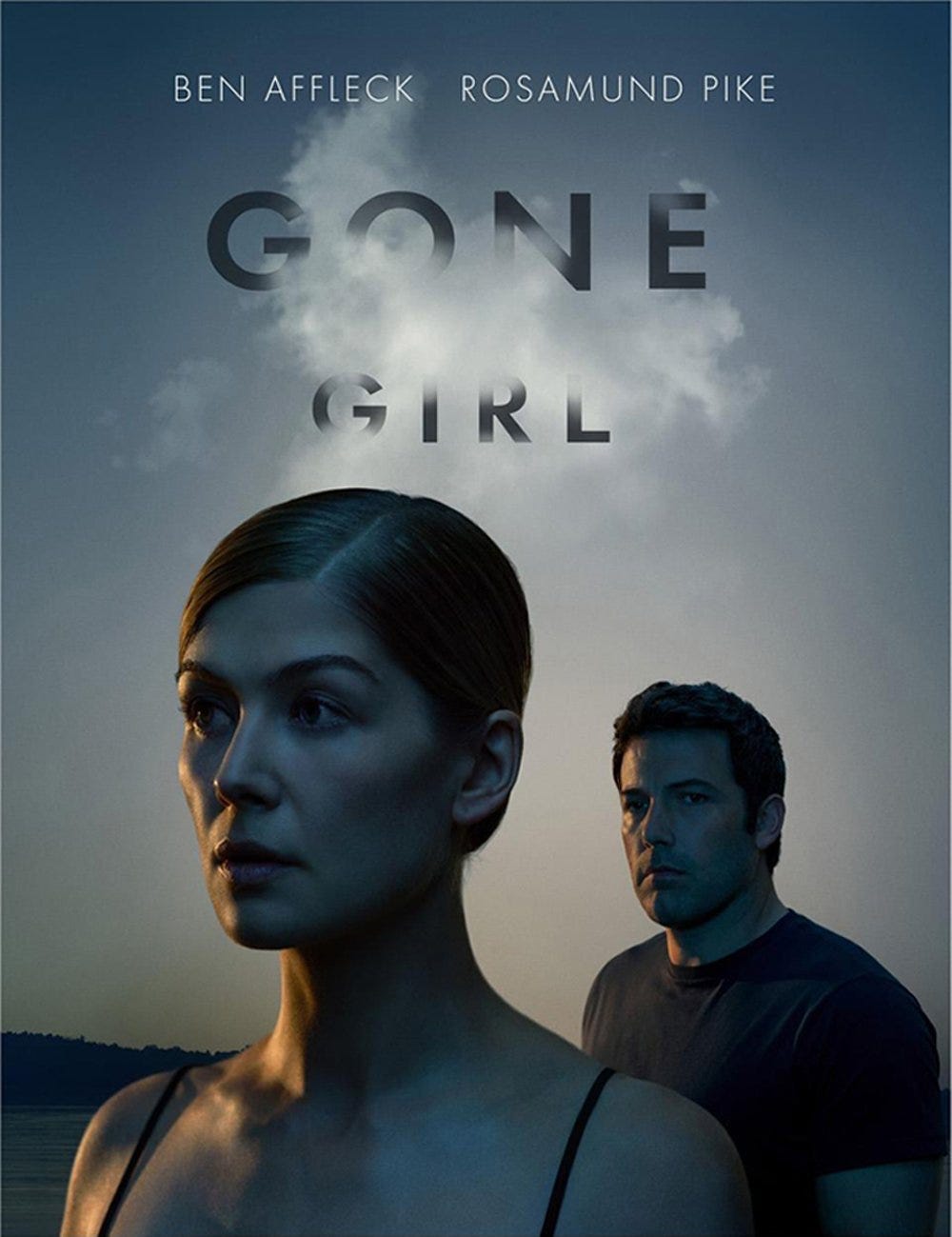
One of the biggest reasons the film holds up so well is the casting. Rosamund Pike’s portrayal of Amy Dunne is chillingly perfect. She embodies Amy’s intelligence, cold precision, and terrifying manipulative power in a way that makes her feel larger than life. Ben Affleck, often criticised for being wooden, actually works brilliantly as Nick Dunne—a man whose smug cluelessness and passive selfishness make him both pathetic and suspicious. Their performances add a depth and realism that the book doesn’t fully achieve, making the psychological warfare between them even more compelling.
In contrast, the book—while still a strong thriller—hasn’t aged as well. For one, its cultural commentary on media sensationalism and gender roles felt groundbreaking in 2012 but now reads as a little on-the-nose. The film, with its visual storytelling, conveys these themes in a more nuanced, unsettling way. Additionally, Flynn’s writing style, particularly Amy’s infamous “Cool Girl” monologue, was impactful at the time but now feels a bit over-explained—whereas Pike’s delivery in the film makes it feel like a quiet revelation rather than a thesis statement.
Another point where the book falters compared to the movie is in the pacing. The novel’s structure—split between Nick’s present-day perspective and Amy’s diary entries—works well initially but drags in places. The film streamlines this, cutting unnecessary exposition and letting performances and visuals do the heavy lifting. Even the big twist, Amy’s return, feels sharper and more horrifying on screen.
The movie also does a better job of making Amy feel like a fully realized character. In the book, she sometimes reads more like a collection of plot twists than a person, while Pike imbues her with a terrifying yet mesmerising presence. The same goes for Nick—Affleck makes him just likable (and pathetic) enough that we understand why Amy was drawn to him initially, even as we see why she despises him.
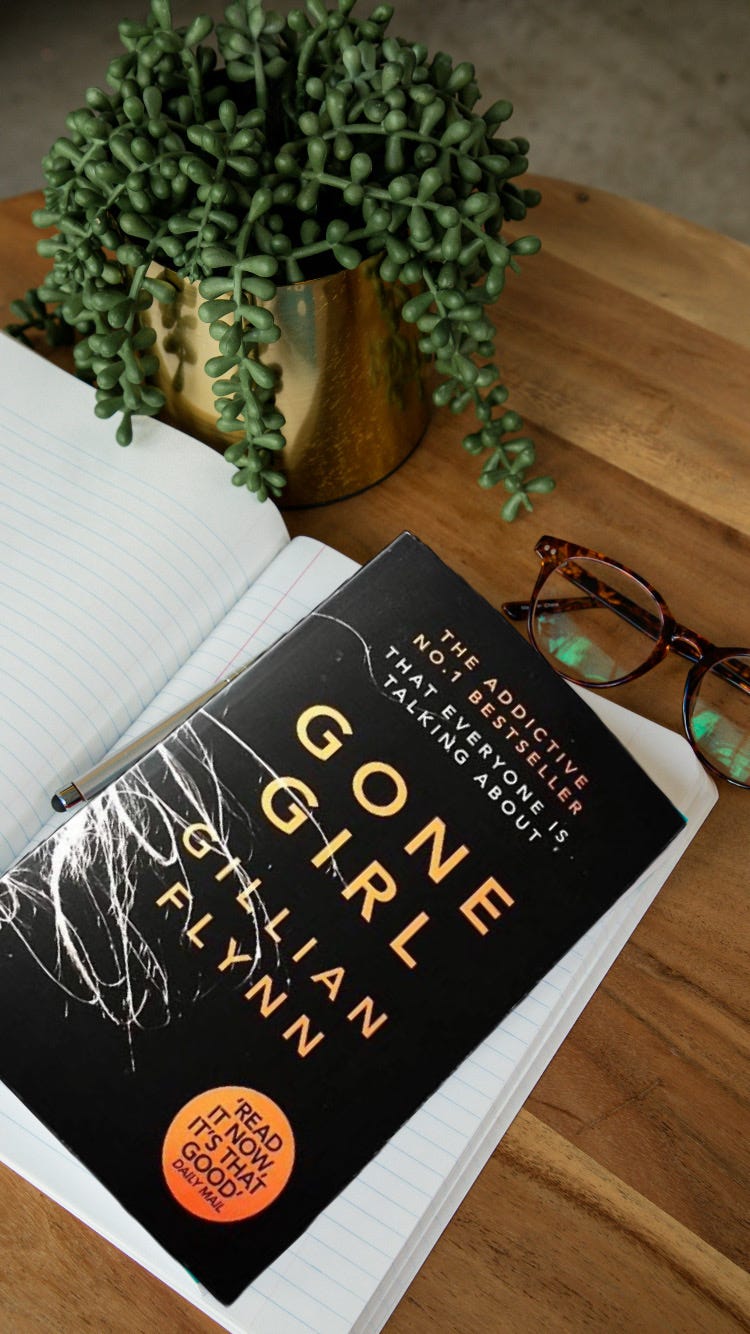
Ultimately, while the book was an excellent read, the film surpasses it by tightening the narrative, deepening the characters, and delivering an unforgettable cinematic experience. Watching Gone Girl today still feels thrilling, disturbing, and relevant—while the book, in hindsight, doesn’t quite measure up to the film’s brilliance.
No posts
Comments
Nothing yet. Say the first thing.
Sign in to join the conversation.