
I can’t remember how many people asked me the same question before I left for Naples: Why?” Then came the familiar clichés: it’s dirty, unsafe, chaotic, loud. There are so many beautiful places in Italy, why would you choose Naples?
And that’s exactly the point. I wanted to experience the city for myself, beyond the stereotypes. I wanted to get to know the real Naples.
That’s not something you can do in a weekend. In fact, even a week isn’t nearly enough. But a week is long enough for your perspective to shift.
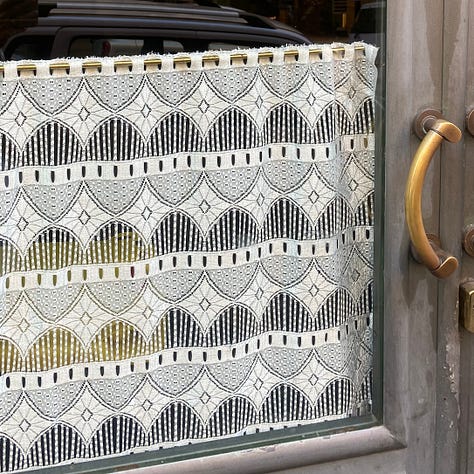
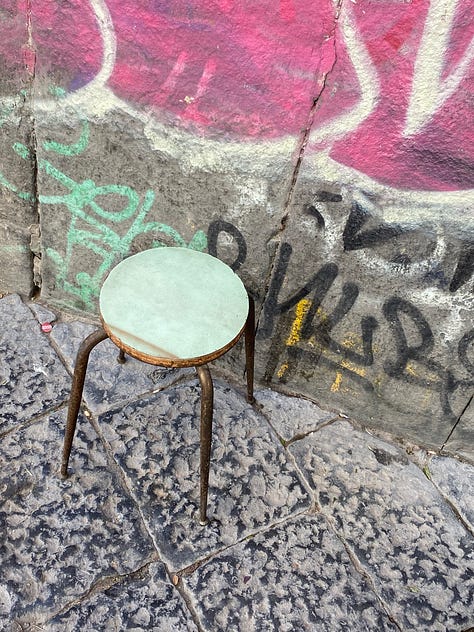
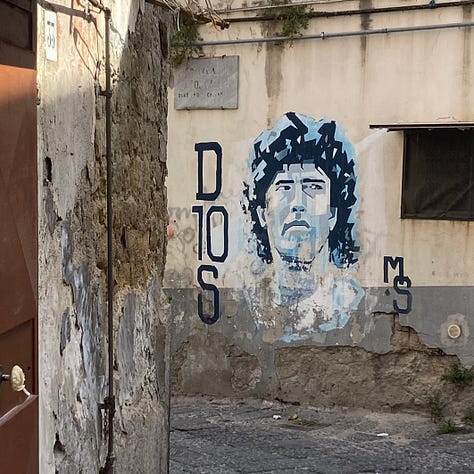
When I first arrived, I felt overwhelmed. Crossing the street seemed almost impossible, and finding places that felt like “mine” was surprisingly difficult. But little by little, the city began to make sense. By the end of the week, I simply stepped into the road and the traffic stopped. I knew the barista at the coffee bar where I started every morning. I began to understand the character of the different neighbourhoods, each with its own rhythm, history and culture.
Naples hadn’t changed. I had.
And that’s perhaps the greatest reward of staying somewhere long enough: a place slowly reveals itself, one conversation, one coffee and one street crossing at a time.
I think the key is to stay somewhere that feels like home, a place where you can imagine yourself living, if only for a little while. For me, there was no better base than Plinius Little Gem No. 048.
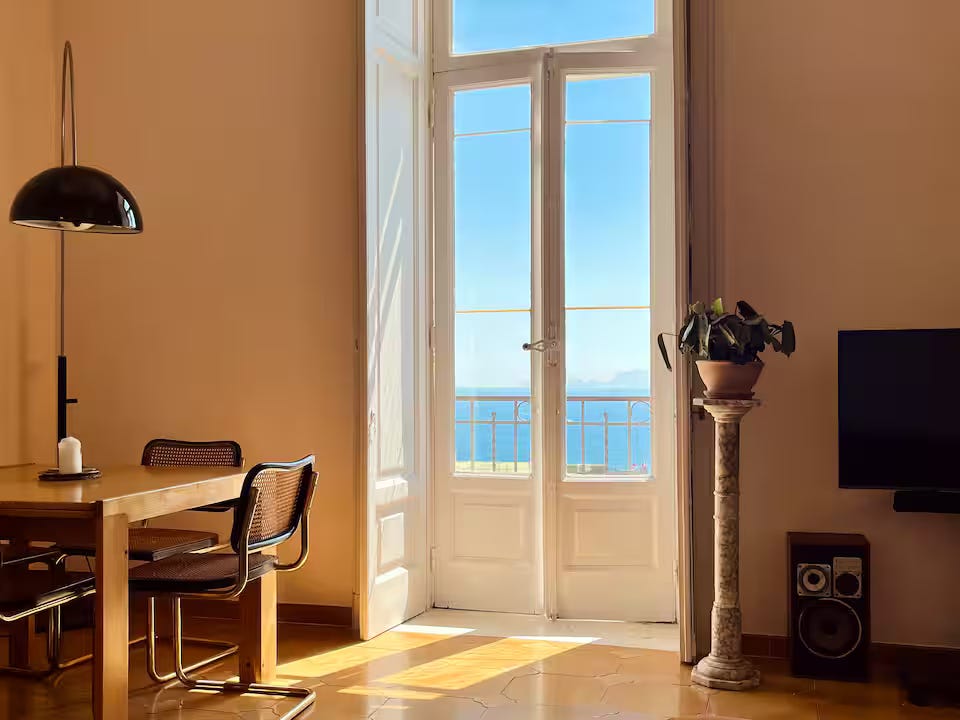
From there, I explored Naples one neighbourhood at a time. I wandered without a checklist, lingered over my morning coffee, got lost in side streets, and slowly began to understand the city’s rhythm. The famous sights became less important than the small daily rituals: greeting the baristas, recognising familiar faces, discovering a bakery around the corner, and finding those places you instinctively return to.
That’s when a city starts to reveal itself. Not when you’ve ticked off every landmark, but when, for a brief moment, it begins to feel a little like home.
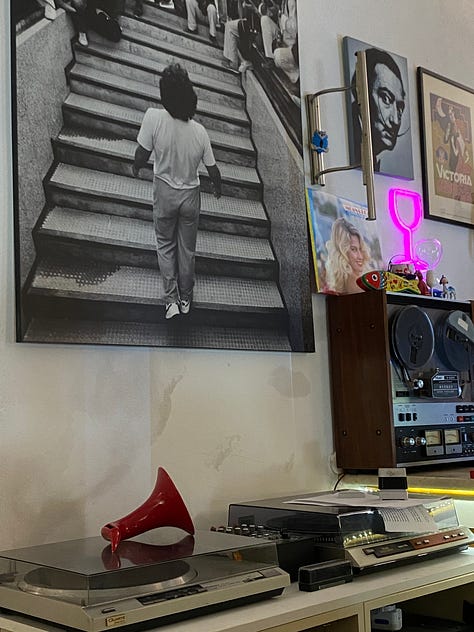
He’s everywhere.

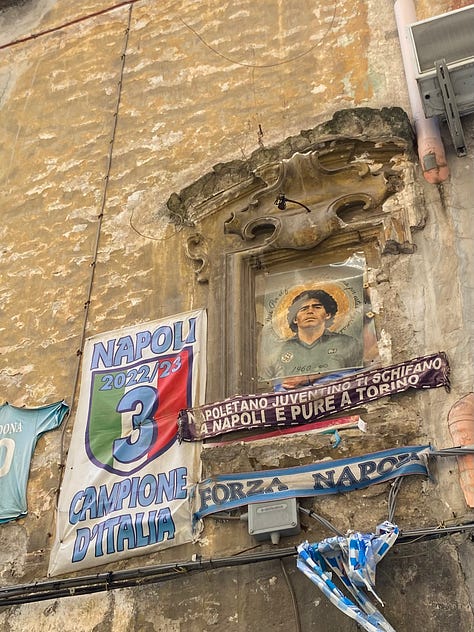
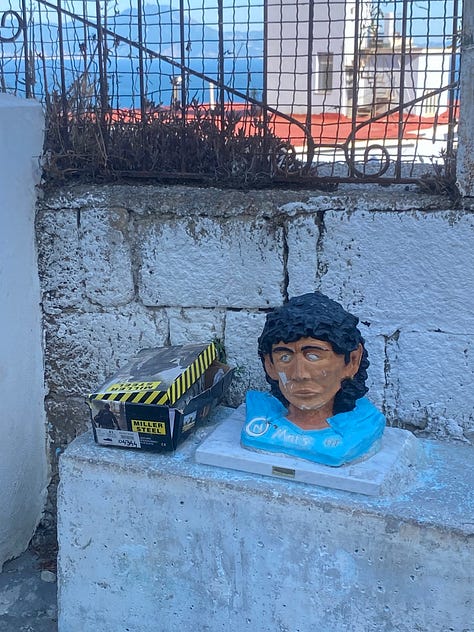
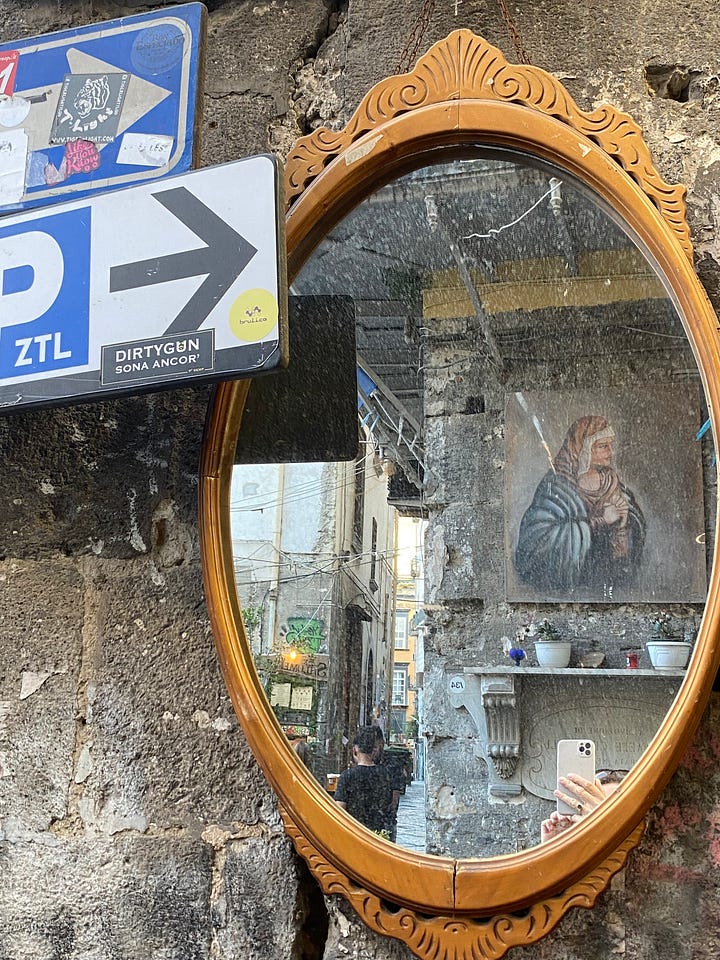
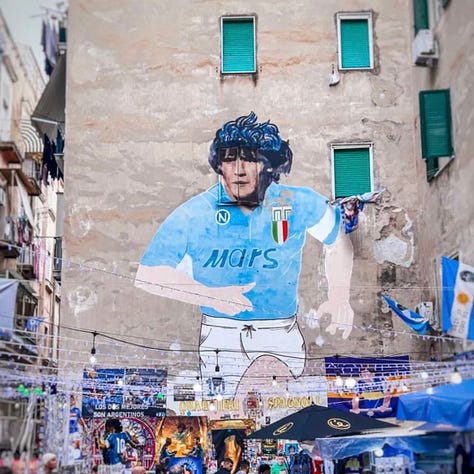
More saint than football player here in Napoli, Maradona’s presence is woven into the fabric of Naples. On almost every corner, every stairwell and every narrow neighbourhood street, you’ll find a shrine: candles, faded scarves, blue and white paint, a photograph watched over like an icon.
He doesn’t feel remembered here. He feels present.
Antico Caffè Principe
A true Neapolitan institution, Antico Caffè Principe has been serving coffee and pastries for generations. Stop by for a quick espresso at the bar or settle in for breakfast while watching the city wake up. It’s an everyday Naples kind of place.
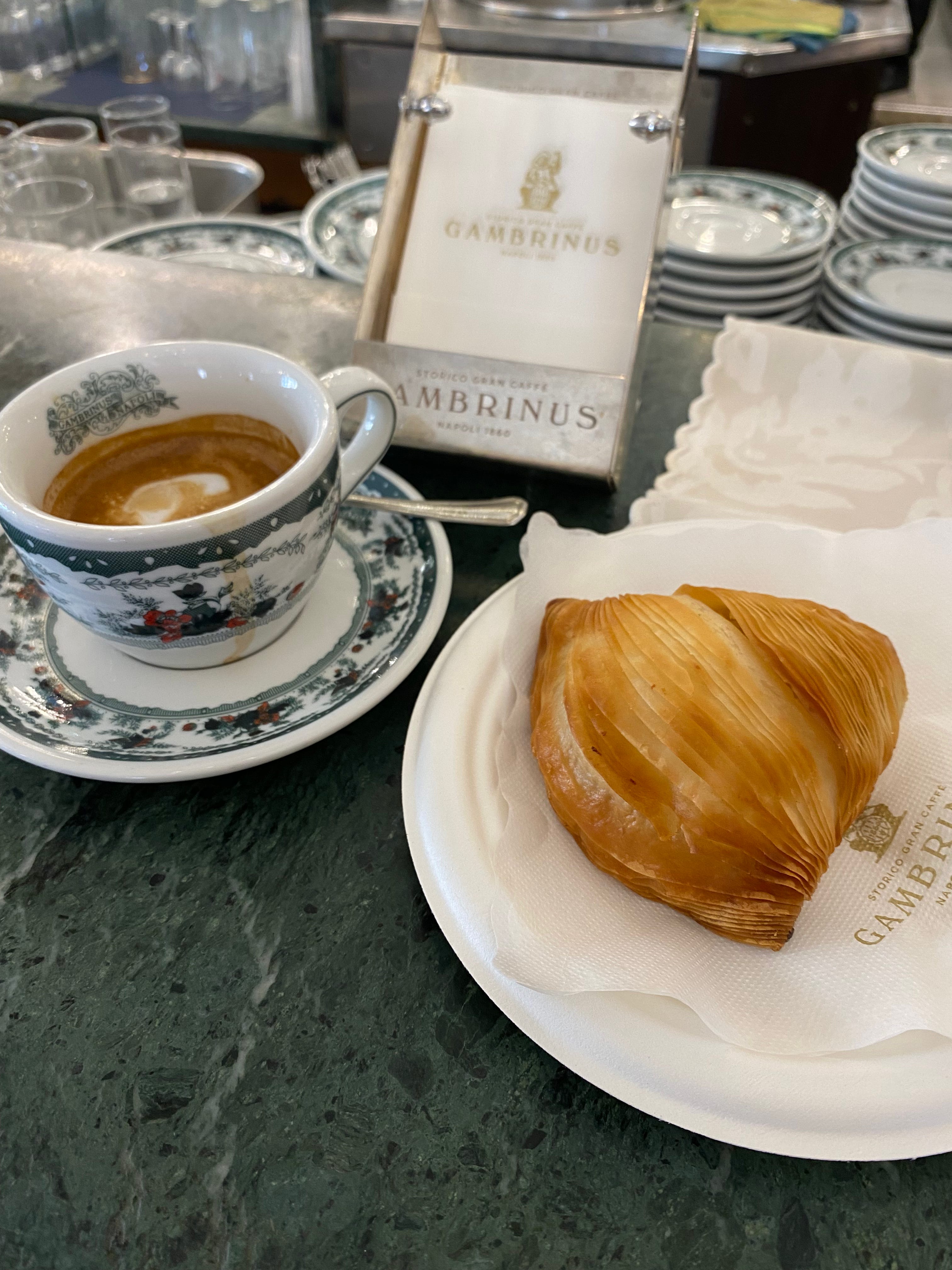
Gran Caffè Gambrinus
A coffee at Gran Caffè Gambrinus is almost a rite of passage. Open since 1860, it has welcomed everyone from writers and artists to politicians and royalty. Step inside and you’ll find Belle Époque interiors of marble, frescoes and mirrors. Yes, it’s popular with visitors, but standing at the bar still feels wonderfully local. And whatever you do, don’t leave without ordering a sfogliatella.
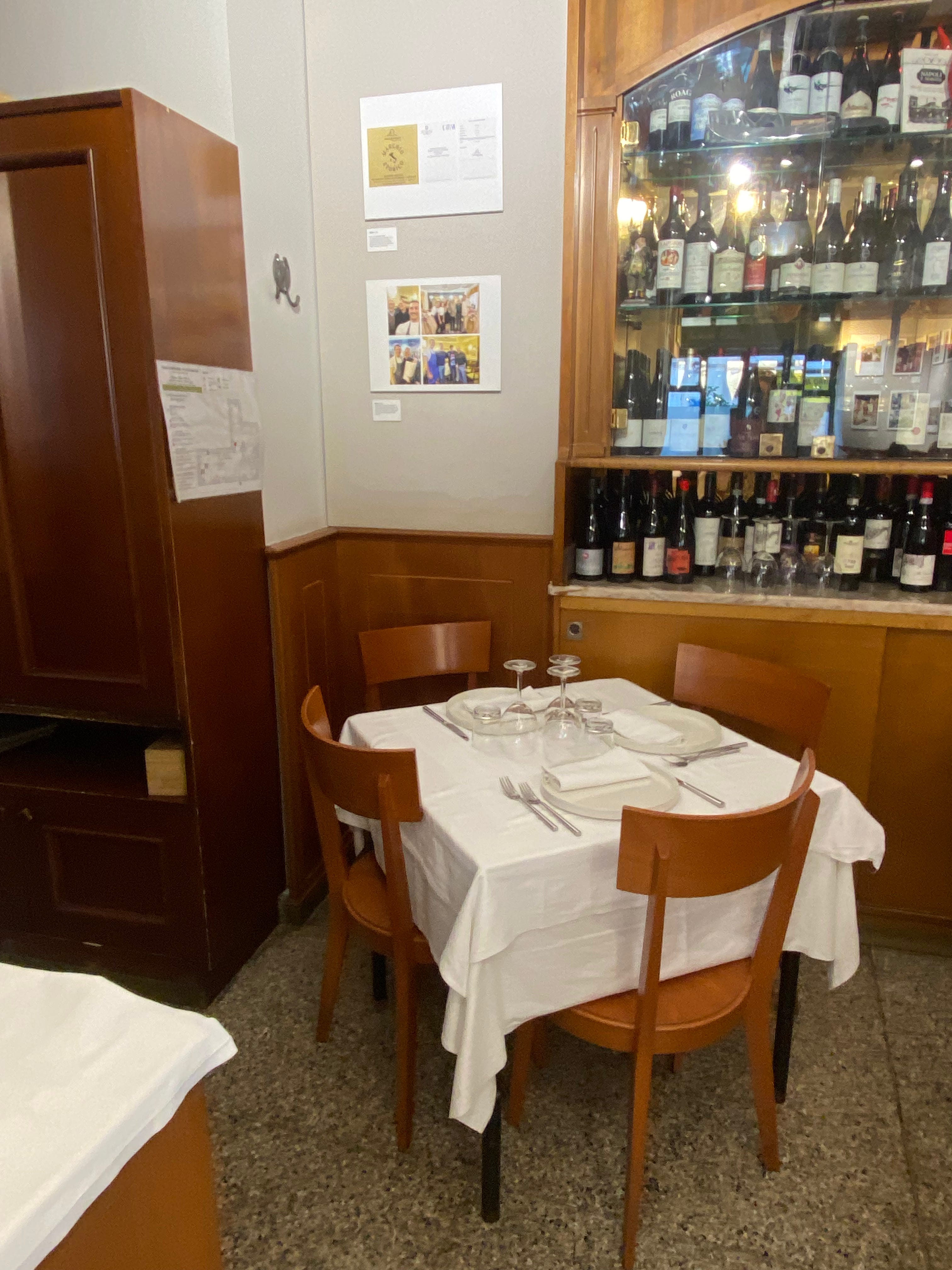
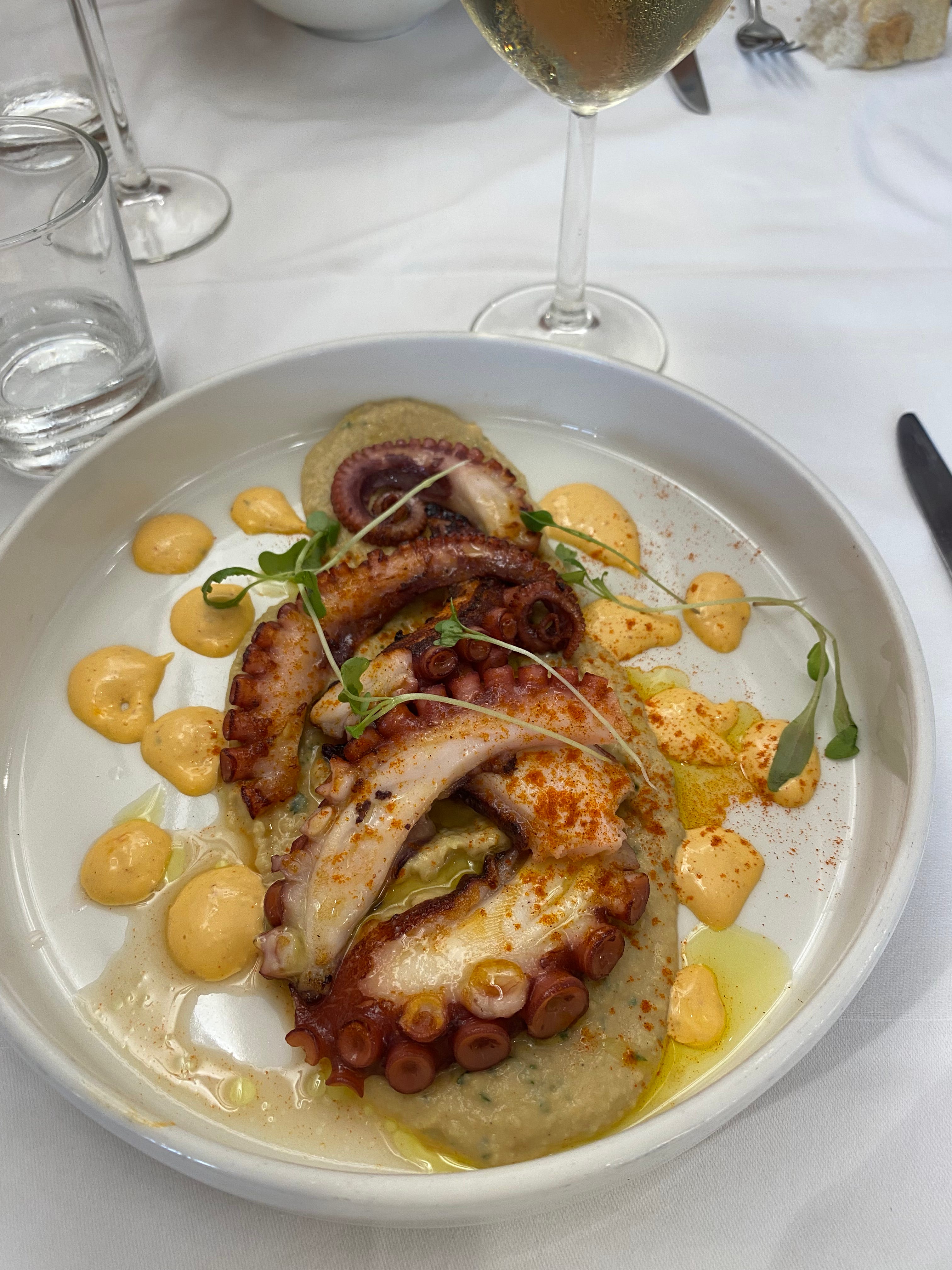
I always keep an eye out for restaurants recognised by Slow Food. Not because they’re fashionable, but because they usually share the same philosophy: local ingredients, recipes that have stood the test of time, and a genuine connection to the region.
Mimì alla Ferrovia
Mimì alla Ferrovia has been part of Naples since 1943. Michele started working here in 1944 at just eleven years old and never left. Decades later, the restaurant is still known for staying true to itself; never chasing trends, just quietly refining what it has always done best.
Taverna a Santa Chiara (Slow Food)
Just around the corner from the Basilica di Santa Chiara, this small osteria celebrates Neapolitan food traditions. The menu draws on Slow Food Presidia and regional ingredients that are becoming increasingly rare, giving classic recipes a thoughtful, contemporary touch without losing their roots.
Ristorante AL 53
Overlooking Piazza Dante since 1890, AL 53 is one of those restaurants that has become part of the neighbourhood. Locals, artists and lovers of traditional Neapolitan cooking have been coming here for generations, served in an informal setting that feels unchanged by passing trends.
Trattoria San Ferdinando (Slow Food)
Just behind Teatro San Carlo, this is one of those places where theatre-goers, musicians and Neapolitan families have crossed paths for decades. The Bruno family has been part of Naples’ food scene for more than seventy years, with a menu that changes with the market and a genuine respect for local producers.
Osteria della Mattonella
It’s impossible not to notice the vintage 18th-century tiles that cover the walls and gave this family-run trattoria its name. Open since 1978, it’s one of those places that has never felt the need to reinvent itself. The menu remains firmly rooted in Neapolitan classics, the house wine is poured from a simple carafe, and every plate is served on hand-painted ceramics from Vietri sul Mare. The result feels less like a restaurant and more like an evening in someone’s home.
Vineria Cap’Alice (Slow Food)
Right in the heart of Chiaia, Cap’Alice strikes a balance between contemporary and deeply Neapolitan. The menu follows the sea, with whatever has been landed that day shaping the dishes, while local vegetables and regional recipes keep it firmly rooted in Campania. A place where tradition quietly evolves rather than stands still.
Osteria Donna Teresa (Slow Food)
There aren’t many places where more than a century of family cooking still feels so natural. Opened in 1913, this small osteria in Vomero follows the seasons, sources ingredients from the family’s land near Caserta and continues to serve the Neapolitan classics that have defined it for generations.
L’Antiquario
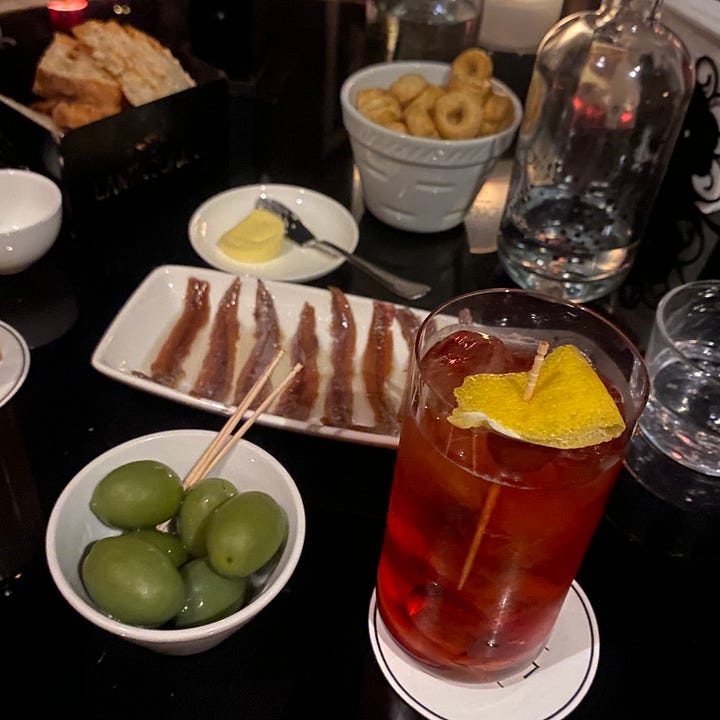
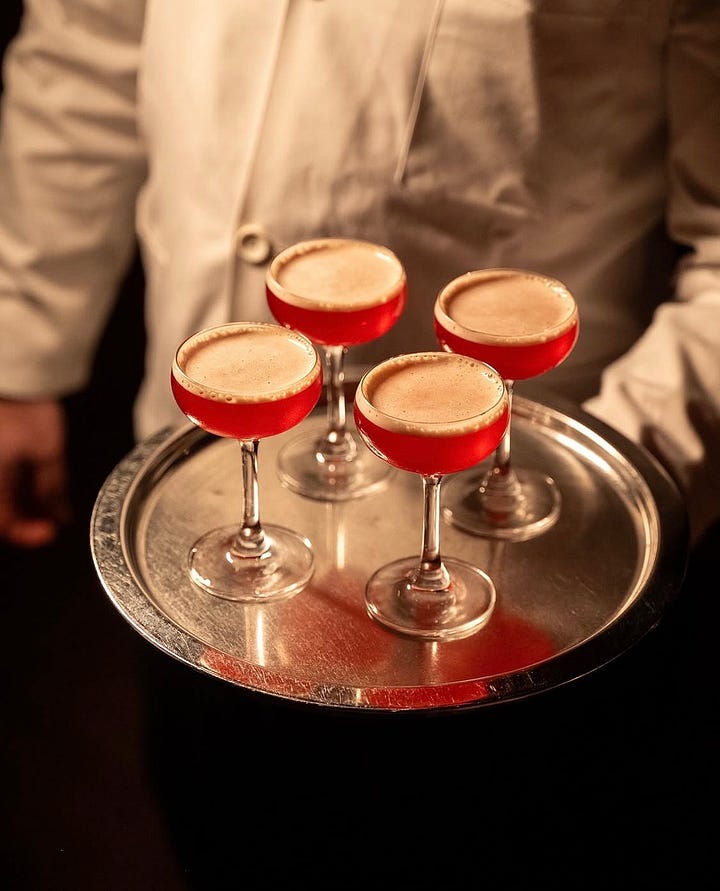
Hidden behind an unassuming façade, L’Antiquario is a speakeasy-inspired cocktail bar wrapped in Art Nouveau wallpaper. Classic cocktails sit alongside inventive creations, all prepared with remarkable attention to detail. If you’re there on a Wednesday, stay for the live jazz.
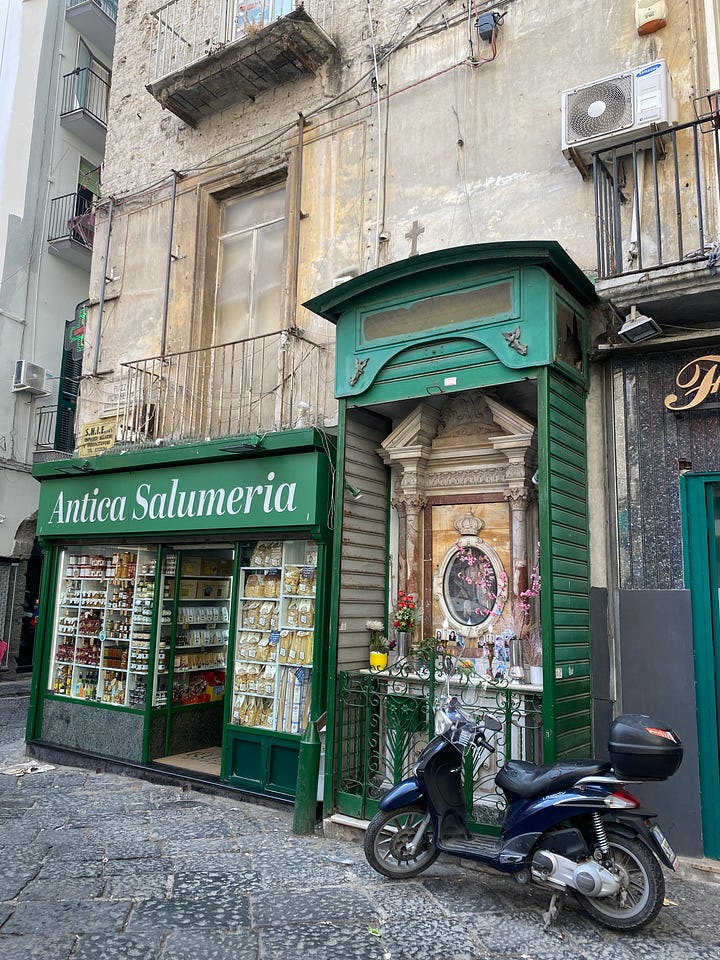
Antica Salumeria Russo Salvatore
A traditional neighbourhood salumeria where you’ll find cured meats, cheeses and carefully selected local produce. The kind of shop that’s becoming increasingly rare.
Pasticceria Pintauro
One of Naples’ best-known bakeries and the place to try a freshly baked sfogliatella.
Castiglione Antonio
A tiny greengrocer overflowing with beautiful seasonal fruit and vegetables.
Don Ciccio
A wonderful neighbourhood fishmonger showcasing the day’s catch.
Gicu Srl
A small supermarket with an excellent selection of quality regional products.
Pio Monte della Misericordia
From the outside, you would never guess what hangs inside. This 17th-century church is home to Caravaggio’s The Seven Works of Mercy, painted especially for the chapel where it still hangs today. Seeing the masterpiece in its original setting is far more powerful than viewing it in a museum.
Fondazione Morra Greco
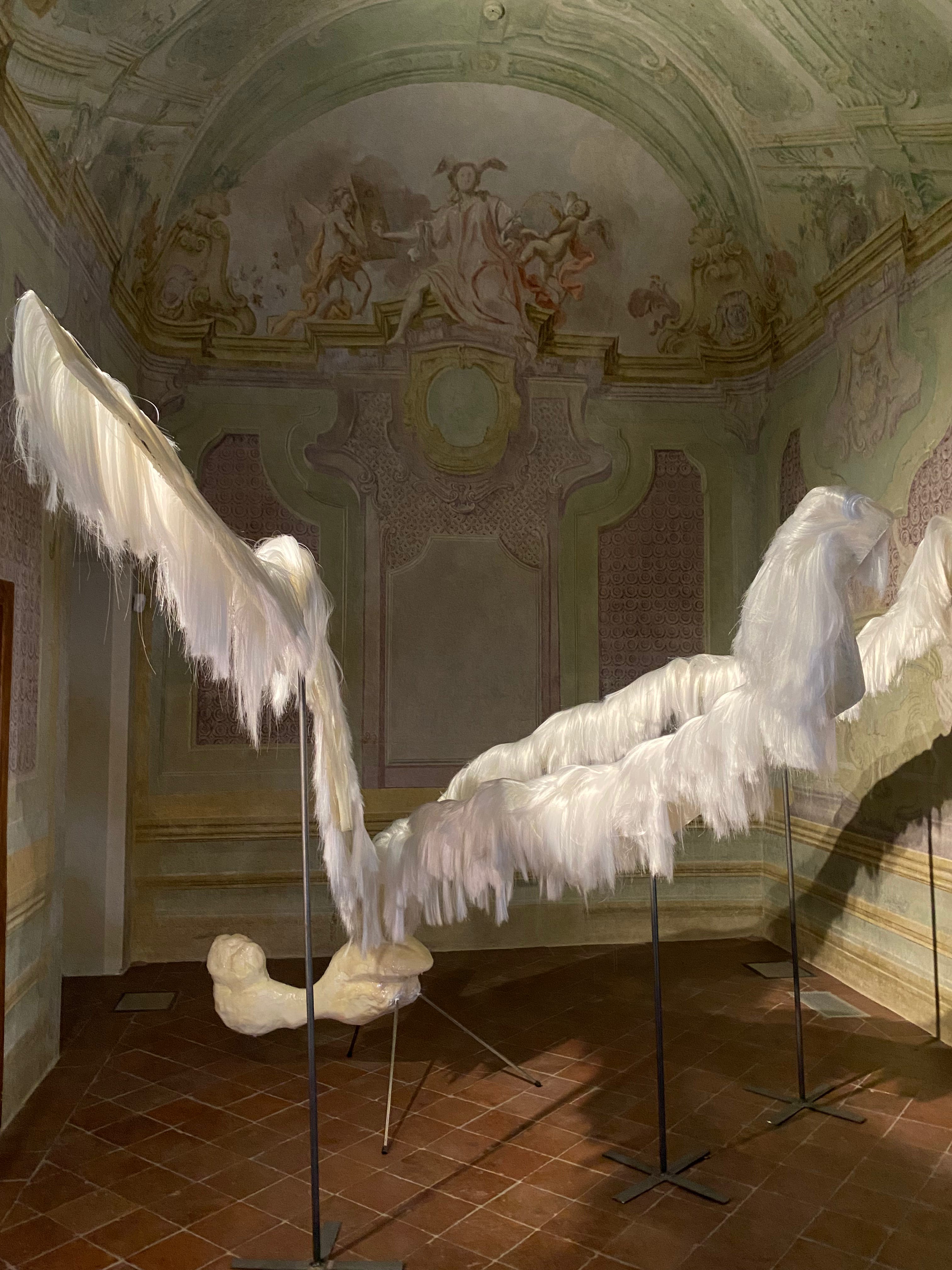
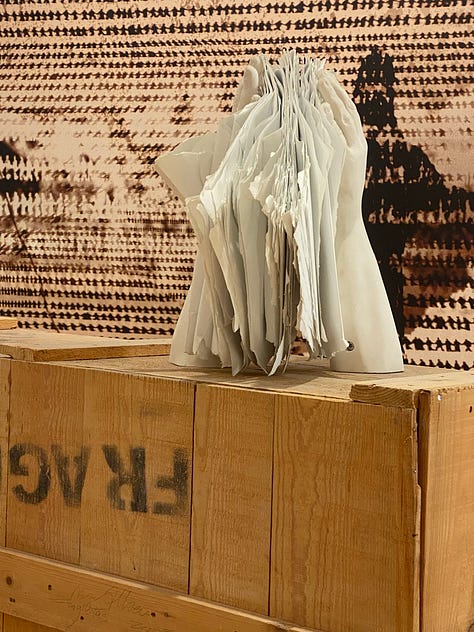
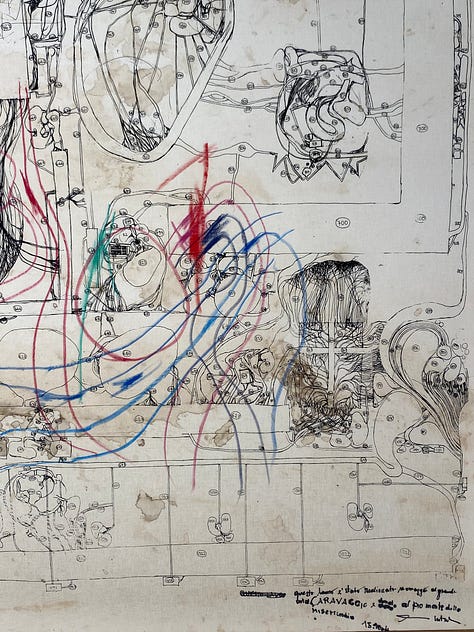
Housed in an 18th-century palazzo, this contemporary art foundation is one of Naples’ most interesting cultural spaces. I love the contrast between the historic architecture and the ever-changing exhibitions by international artists. Even if contemporary art isn’t usually your thing, the building alone is worth the visit.
Casa Cometa
Part gallery, part design store, Casa Cometa brings together a thoughtful collection of ceramics, objects, textiles and books by independent makers. It’s one of those places where you pop in for a quick look and leave with a notebook full of ideas or, if you’re lucky, a carefully wrapped piece to take home.
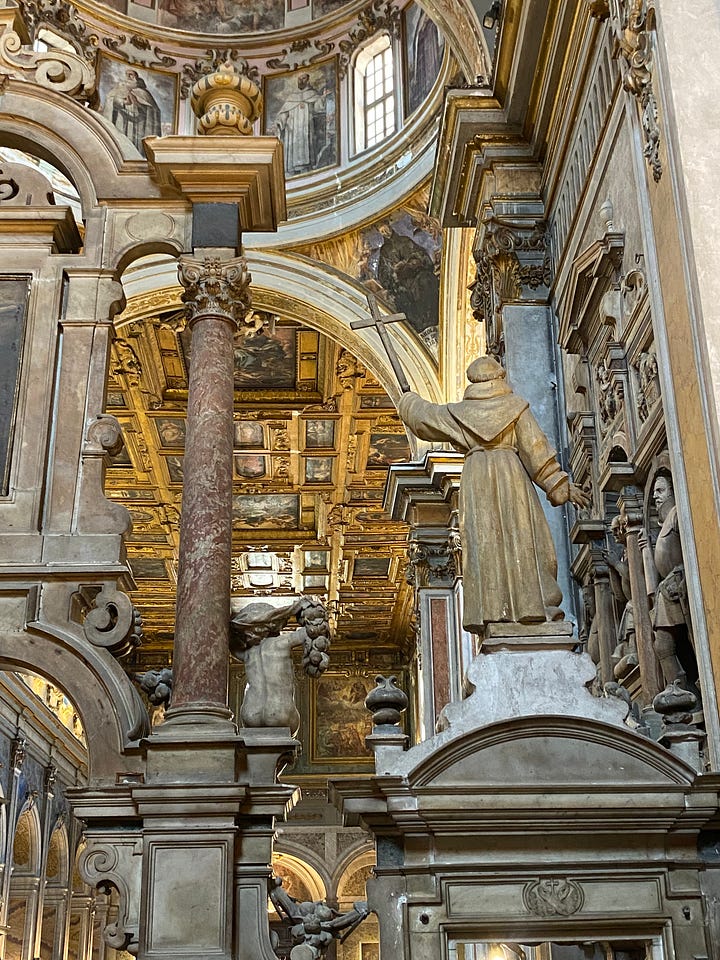
Duomo di Napoli
What makes the Duomo unique isn’t only its architecture, but its deep connection to the people of Naples. It feels less like a monument and more like the spiritual heart of the city.

Sansevero Chapel
Home to the extraordinary Cristo Velato (Veiled Christ), one of the most remarkable marble sculptures ever created. The delicate veil appears almost transparent, draped so convincingly over Christ’s body that it’s hard to believe it was carved from a single block of marble.
Complesso Monumentale dei Girolamini
Rather than a single church, this vast 16th-century complex brings together a church, two peaceful cloisters, an art gallery and the historic Girolamini Library—one of the oldest public libraries in Italy.
Galleria Umberto I
Built in the late 19th century, this elegant shopping arcade is one of Naples’ architectural landmarks. Look up to admire its soaring glass-and-iron dome, intricate mosaic floor and the beautiful natural light that fills the space. Even if you’re not shopping, it’s worth walking through simply to appreciate the craftsmanship of the building.
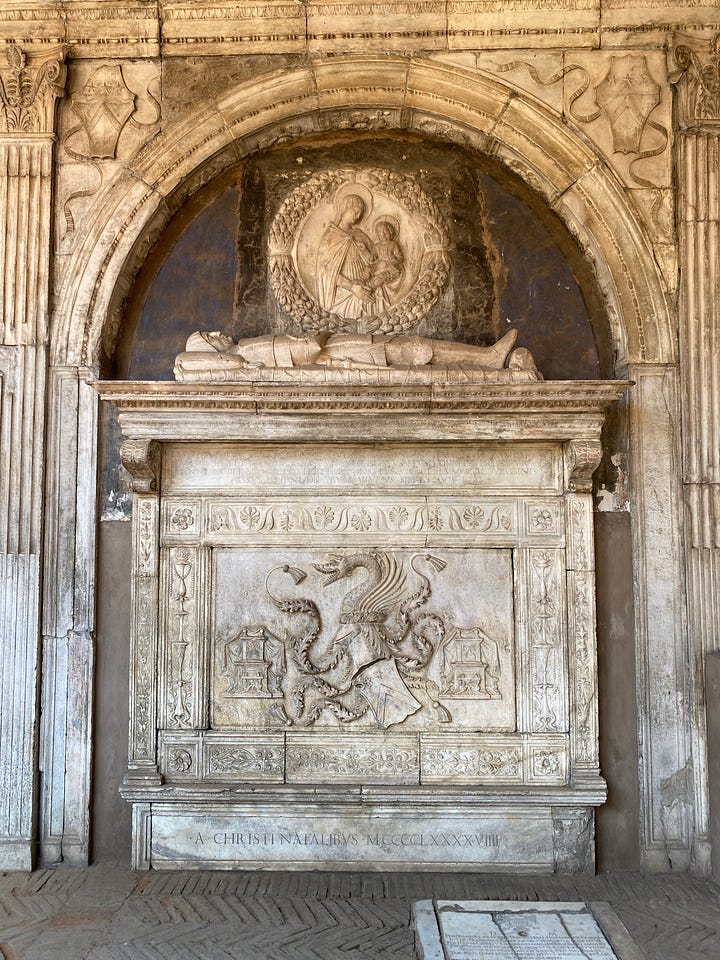
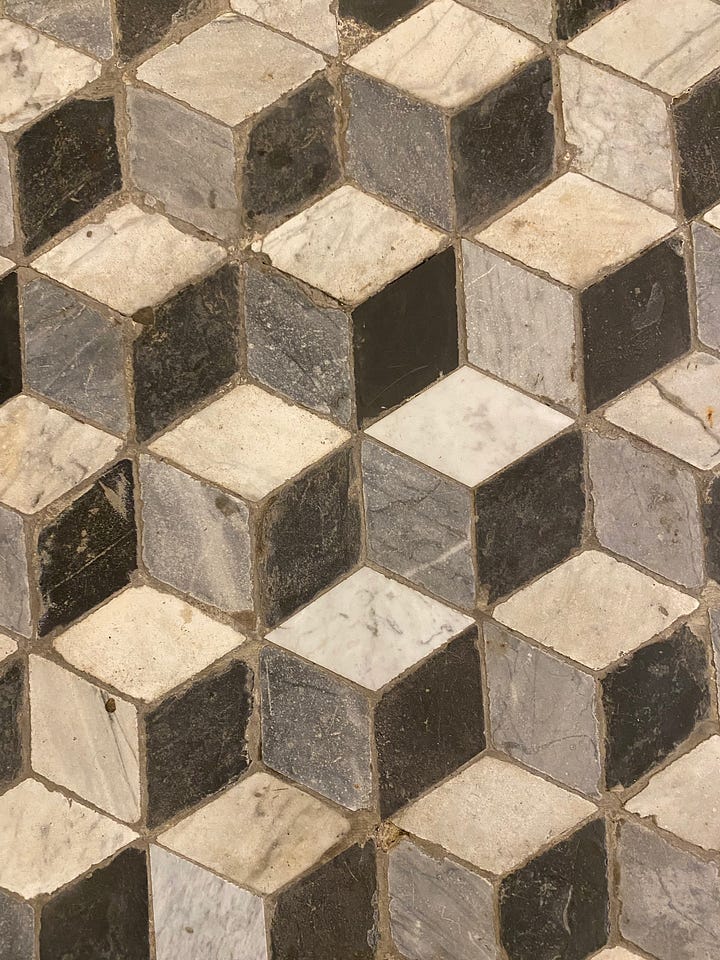
Santa Maria la Nova
Unexpectedly quiet, this vast church is filled with frescoes, marble chapels and an extraordinary cloister. Most visitors seek it out because of one enduring theory: that Vlad the Impaler—the ruler who inspired Bram Stoker’s Dracula—is buried here. Whether true or not, it adds another layer of intrigue to one of Naples’ most impressive churches.
Borgo Santa Lucia
Go early, before the city fully wakes up. Fishermen prepare their boats, neighbours stop to chat outside cafés, and the view stretches across the bay towards Castel dell’Ovo. It feels worlds away from the busy seafront along Via Partenope.
Rione Sanità
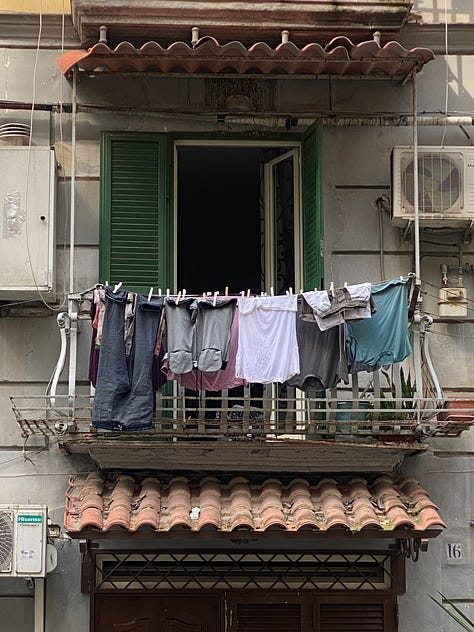
For years, visitors avoided this neighbourhood; today it’s increasingly celebrated for its history and strong sense of community. Laundry hangs between buildings, scooters weave through the streets, and daily life unfolds in the open. Stop for a coffee, wander the markets and simply observe. It’s one of the best places to experience everyday Naples.
The Staircases of Vomero
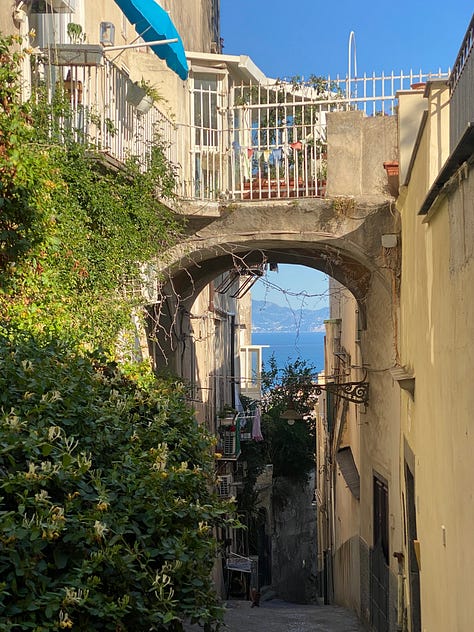
Skip the funicular and walk one of the ancient staircases linking the historic centre with Vomero. Along the way you’ll pass hidden gardens, shrines, apartment courtyards and viewpoints that rarely appear in guidebooks. It’s one of my favourite ways to understand how Naples climbs the hillside.
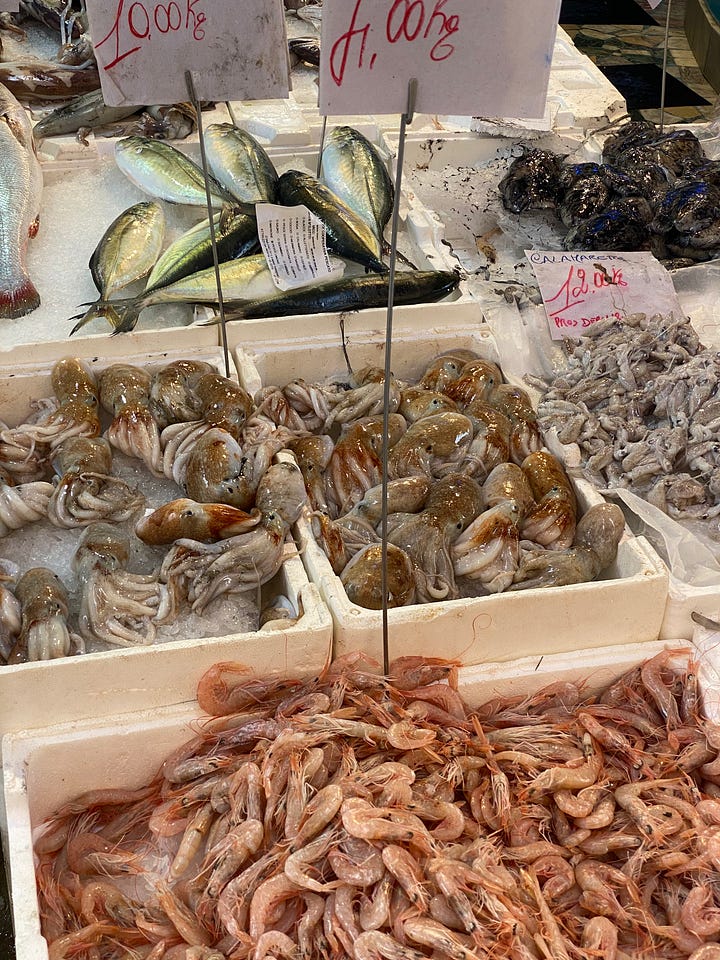
Pignasecca Market
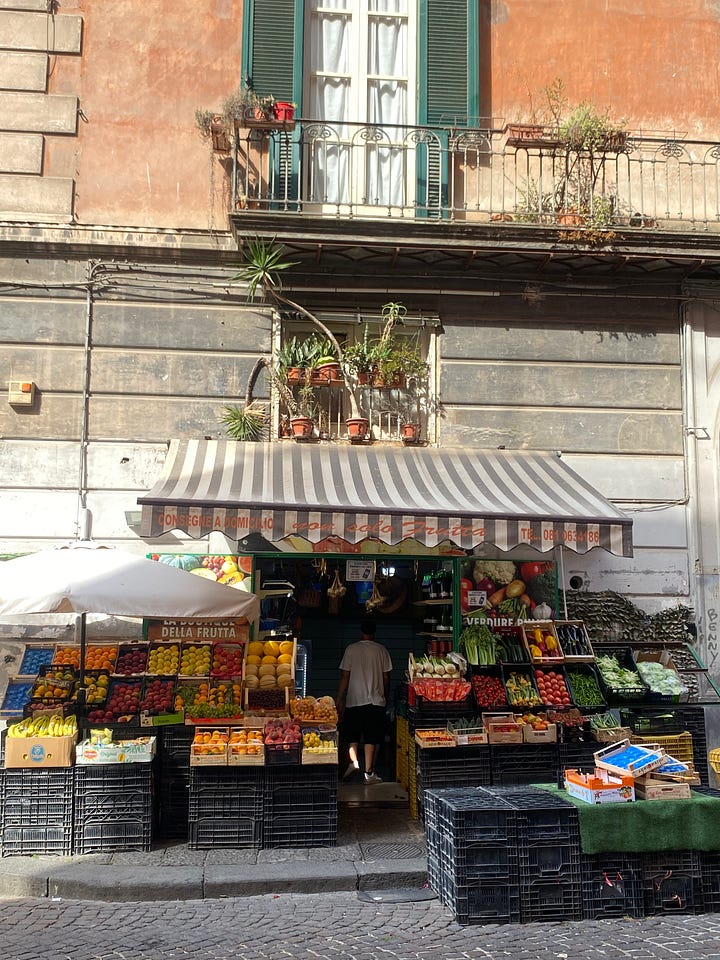
Forget the souvenir shops. This is where fishmongers shout the day’s prices, stalls overflow with seasonal vegetables and Neapolitan grandmothers shop for lunch. Go between 10 and 11 in the morning and wander without a plan.
Friggitoria Osteria Mediterranea
For lunch with a view of the sea, head to Friggitoria Osteria Mediterranea.
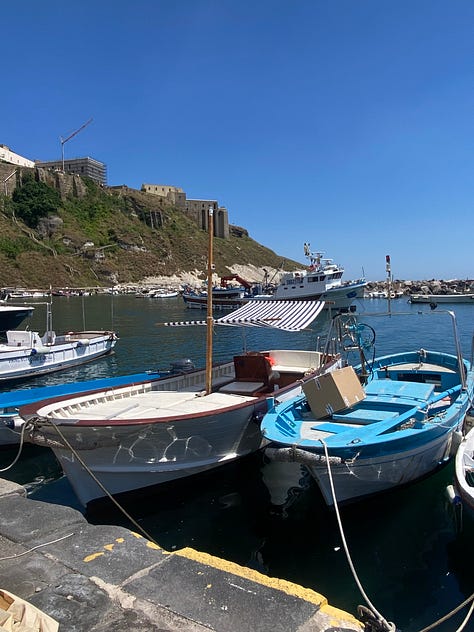
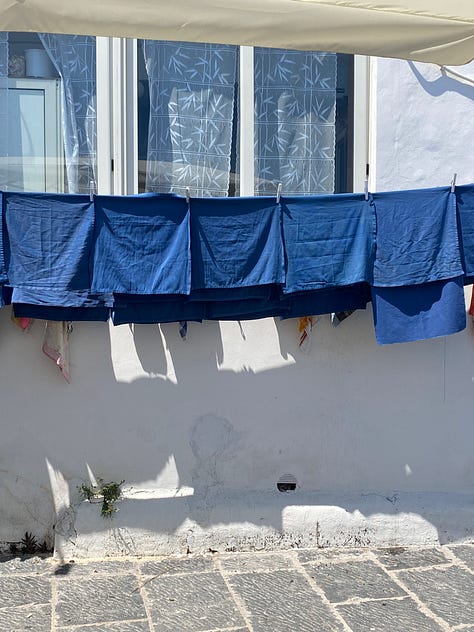
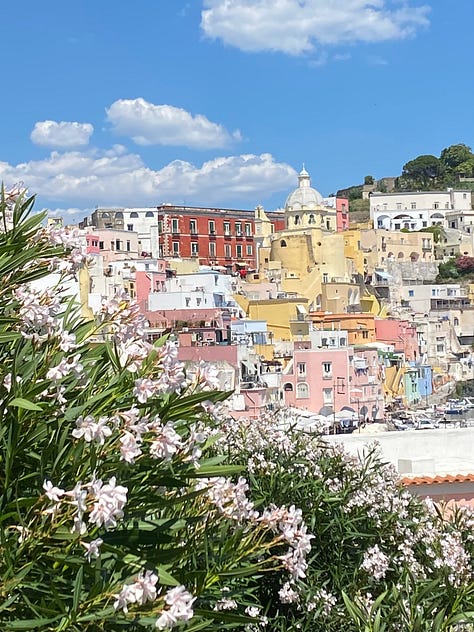
Procida
Take the ferry to Procida, spend a few hours at the beach, then have lunch at Osteria Caracale, housed in a former boat warehouse in an ancient fishing village overlooking the island’s charming 17th-century harbour.
Marechiaro at Sunset
Tucked into the Posillipo hillside, Marechiaro is a tiny fishing hamlet that still feels worlds away from the bustle of Naples. The road down is steep, but you’ll be rewarded with old fishermen’s houses, small seafood restaurants and one of the city’s most beautiful sunset views across the bay. In the 1960s, Marechiaro became synonymous with La Dolce Vita, attracting film stars, writers and artists who came here to linger over long lunches by the water.
I didn’t find the Naples I expected. I found one that made me want to come back.
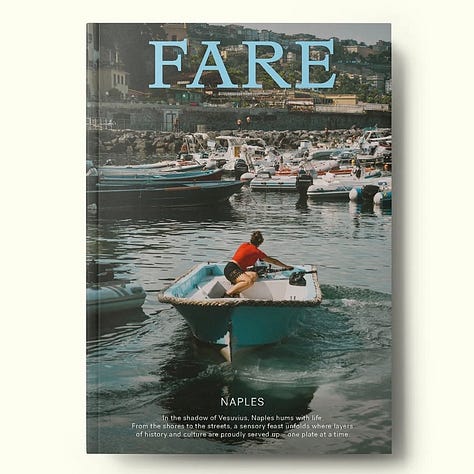
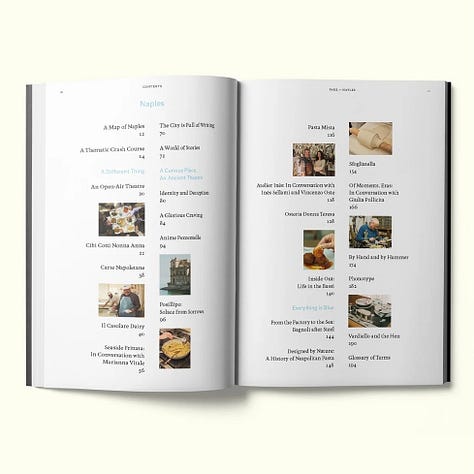
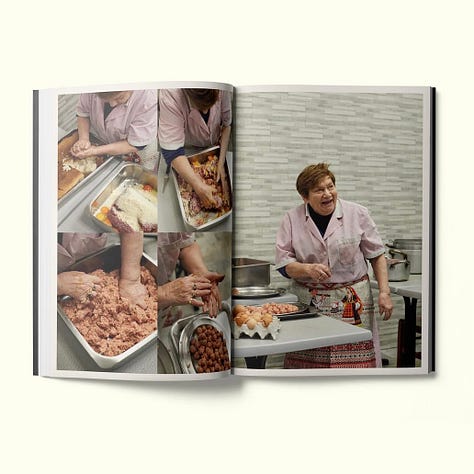
One last tip before you go to Napels… get a copy of Fare Magazine | No. 015 | Napels
Comments
Nothing yet. Say the first thing.
Sign in to join the conversation.