
It surprises people when I tell them that one of my favourite places to spend part of July or August isn’t a secluded farmhouse or an undiscovered hilltop village, but Lucca.
As someone who spends much of the year searching for places that feel quiet and untouched, choosing one of Tuscany’s best-known cities seems almost contradictory. Yet every summer I find myself returning.
The secret lies in knowing how to experience it.
Most visitors arrive for the day. They stroll along Via Fillungo, climb the Guinigi Tower, have lunch on Piazza dell’Anfiteatro and continue their journey through Tuscany. Stay a little longer, however, and another Lucca slowly reveals itself.
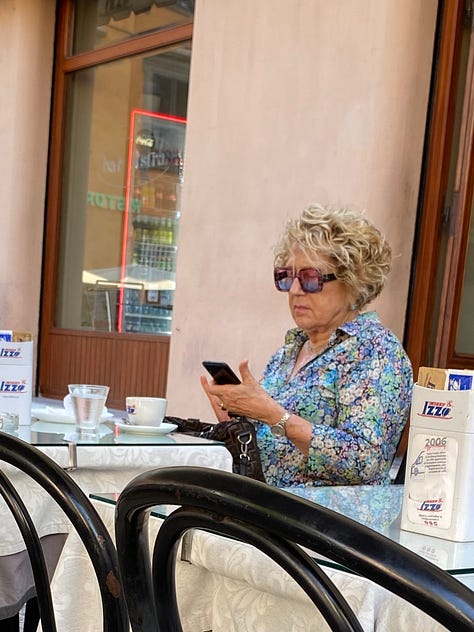
Beyond the busiest streets, neighbourhood cafés know your coffee order by the second morning. Small enotecas fill with locals as the evening cools. Independent food shops tempt you with things to take home for dinner, or ingredients for tomorrow’s picnic at the beach. Quiet piazzas become extensions of people’s living rooms.
It has become something of a summer tradition for me: Italian lessons at LIS Lucca.
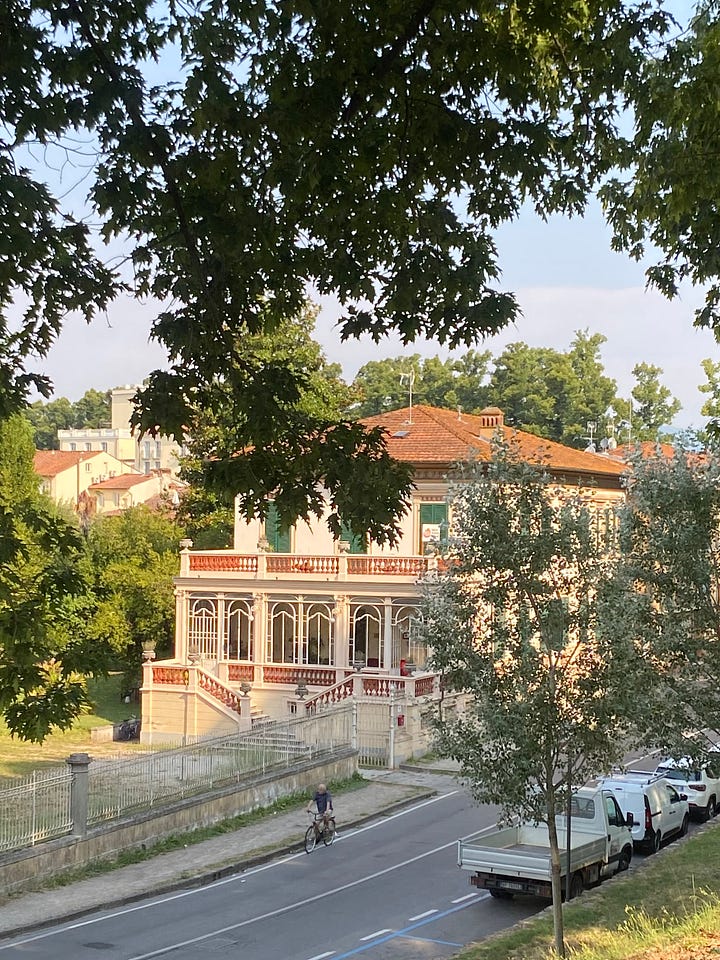
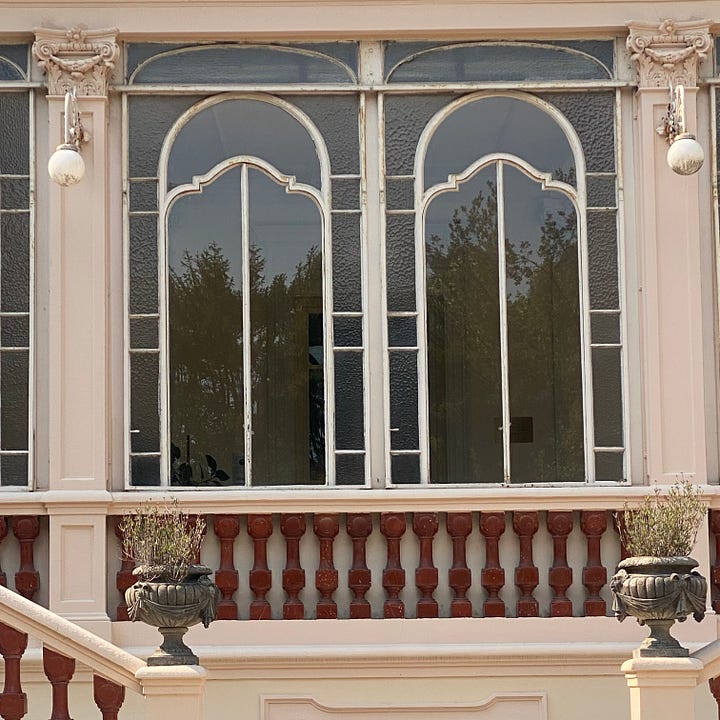
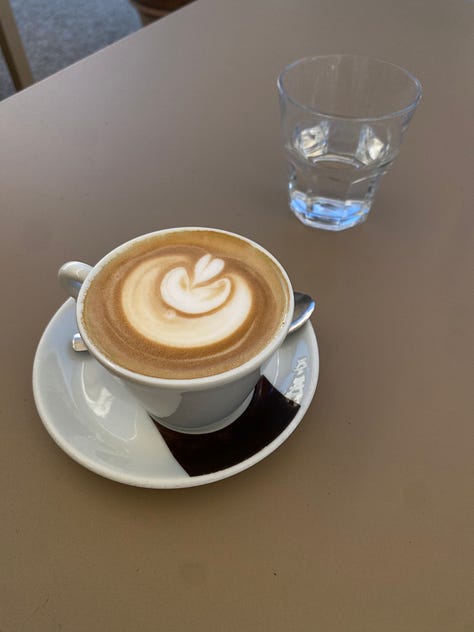
Every Monday begins with a placement test before everyone is assigned to the right class. My days quickly settle into a rhythm that is remarkably easy to slip into. An early run on top of the Renaissance walls (4.2 kilometres) beneath rows of plane trees, followed by a quick espresso standing at the bar, and then class from 9am until 1pm.
We stay in a small apartment just two minutes from the school, which makes everyday life wonderfully uncomplicated. After class there is always time for a long lunch before escaping the afternoon heat indoors with a little homework.
By late afternoon, the day begins again.
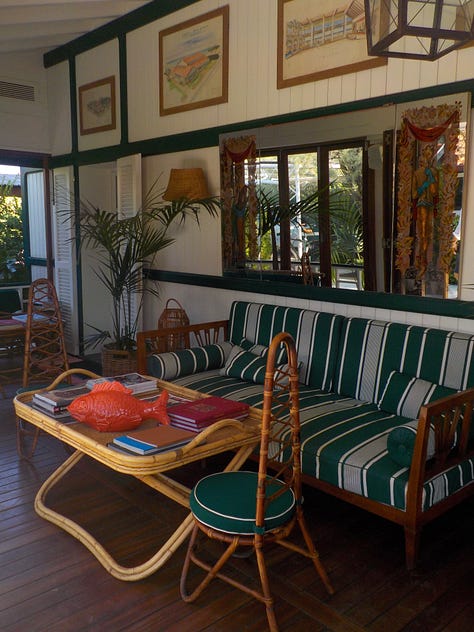
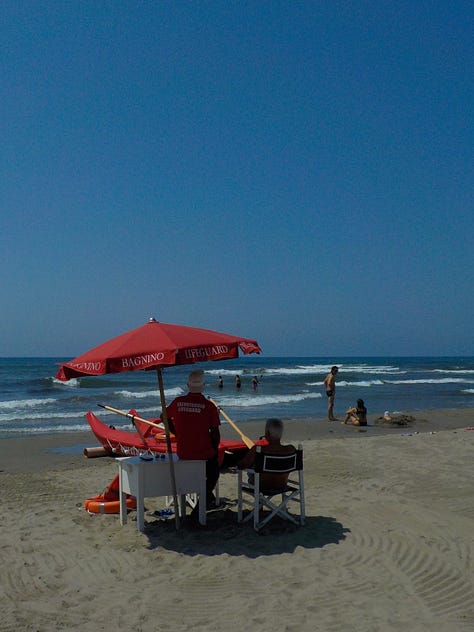
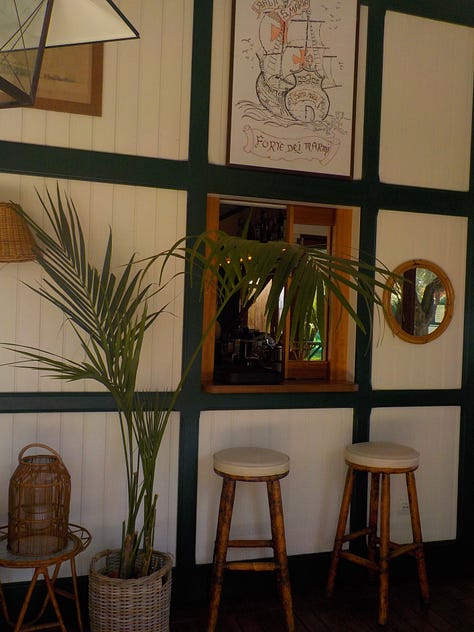
Within half an hour I can be swimming in the sea at Forte dei Marmi or on one of the quieter beaches along the Versilia coast. On other days I head towards the Apuan Alps for cooler air and hiking trails. Sometimes I take the train to Florence for a morning immersed in art, returning to Lucca in time for an aperitivo.
Few places offer this combination so effortlessly.
Learning Italian here feels different too. The language doesn’t stay inside the classroom. It continues at the coffee bar, in the market, over lunch, in the conversations you overhear. Ordering vegetables for dinner, asking for another scoop of gelato alla nocciola, chatting to a shopkeeper, every small interaction becomes part of the lesson.
What I appreciate most is that Lucca doesn’t demand your attention.
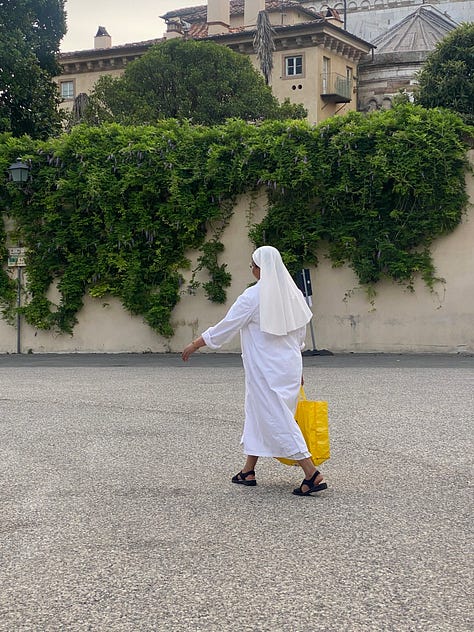
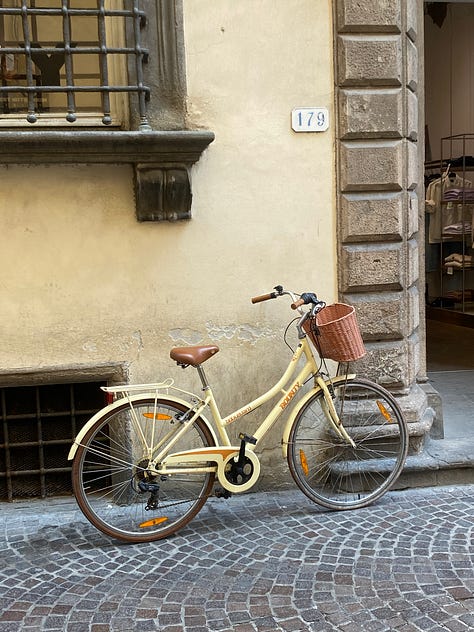
There are elegant boutiques, beautiful churches and streets that can be wonderfully busy in the middle of the day. But turn one corner and the pace changes. Laundry hangs between shuttered windows. Neighbours stop to talk. Children cycle across the piazza. Someone is watering plants from a balcony.
It is a city large enough to have excellent restaurants, independent shops, cinemas and theatres, yet compact enough that after a few days you begin to feel less like a visitor and more like a temporary local.
And perhaps that is what keeps drawing me back.
Not discovering somewhere nobody else has found, but discovering how to experience somewhere well.
Here are the places I return to every summer.
Cartoleria Biagioni: A beautiful old-fashioned stationery and art-supply shop. The sort of place where I can happily spend ten minutes looking at paper, notebooks and pencils I didn’t really need.
Ortofrutta Lucca Centro: A little fruit and vegetable shop for the everyday things that make staying in Lucca feel more like living there: good tomatoes, peaches, basil and whatever happens to look best that morning.
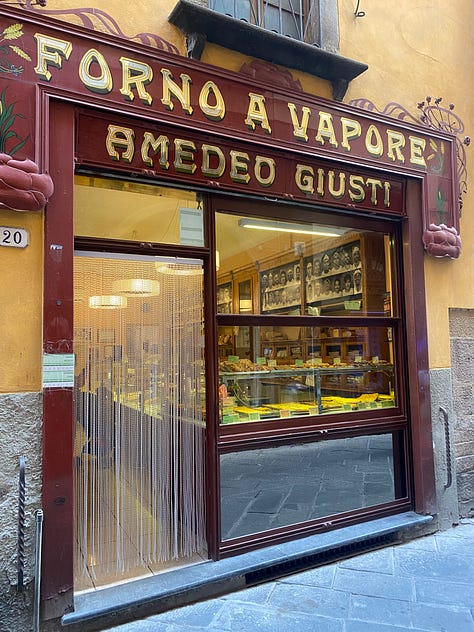
Forno Vapore Amedeo Giusti: One of my favourite stops for bread. I particularly love the hazelnut bread, while their focaccia pretty good as well.
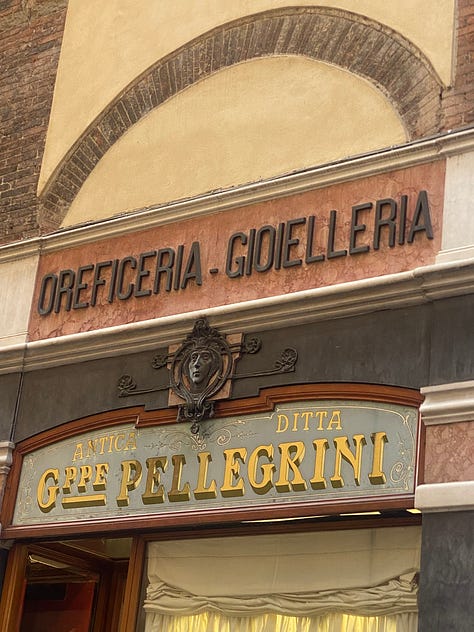
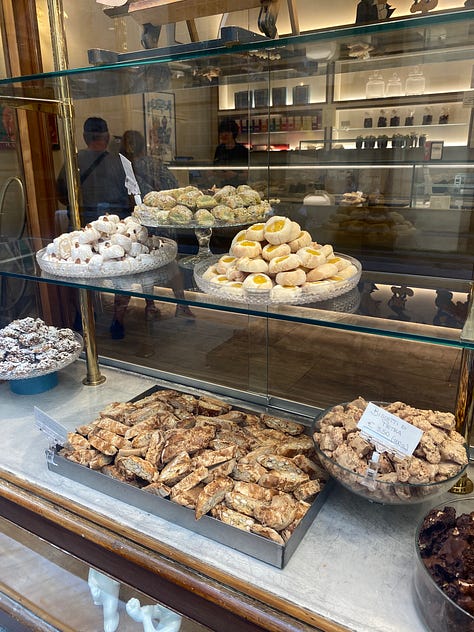
Buccellato Taddeucci: A Lucca institution, and a lovely place for coffee. Sit at one of the tiny tables outside or, if there is space, stand at the little bar inside. Try the buccellato, the sweet bread that has been made in Lucca for generations.
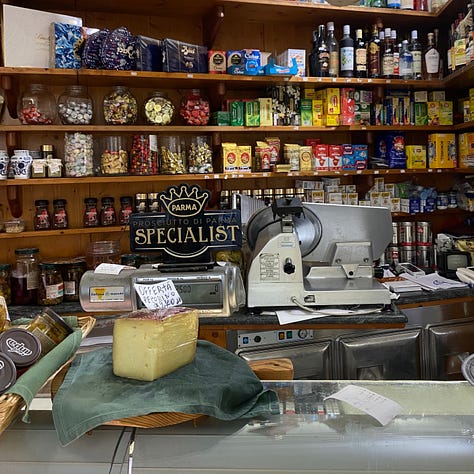
Latteria Santa Croce: A tiny shop filled with fresh pasta, cheeses and other Italian essentials. I like places like this much more than a supermarket.
Cuccori: Another small, old-fashioned food shop, particularly good for meat and fresh pasta.
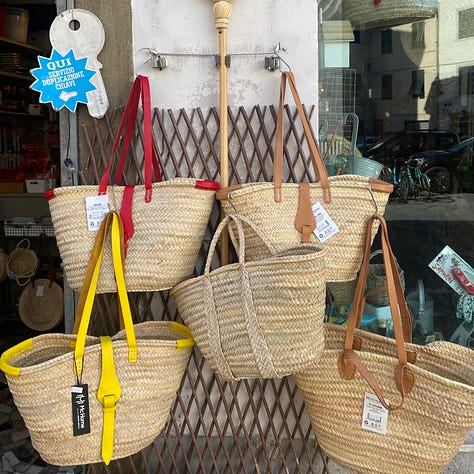
Ferramenta Nei Borghi: Perhaps it is just me, but I love Italian ferramenta. You go in for something practical and come out wondering why you suddenly need another wicker basket, a pair of garden shears and a wooden-handled brush.
Mercatino Franchising, San Concordio: An indoor flea market where you can find everything from glasses and kitchenware to clothes and furniture. Never go with a list; half the fun is seeing what you weren’t looking for.
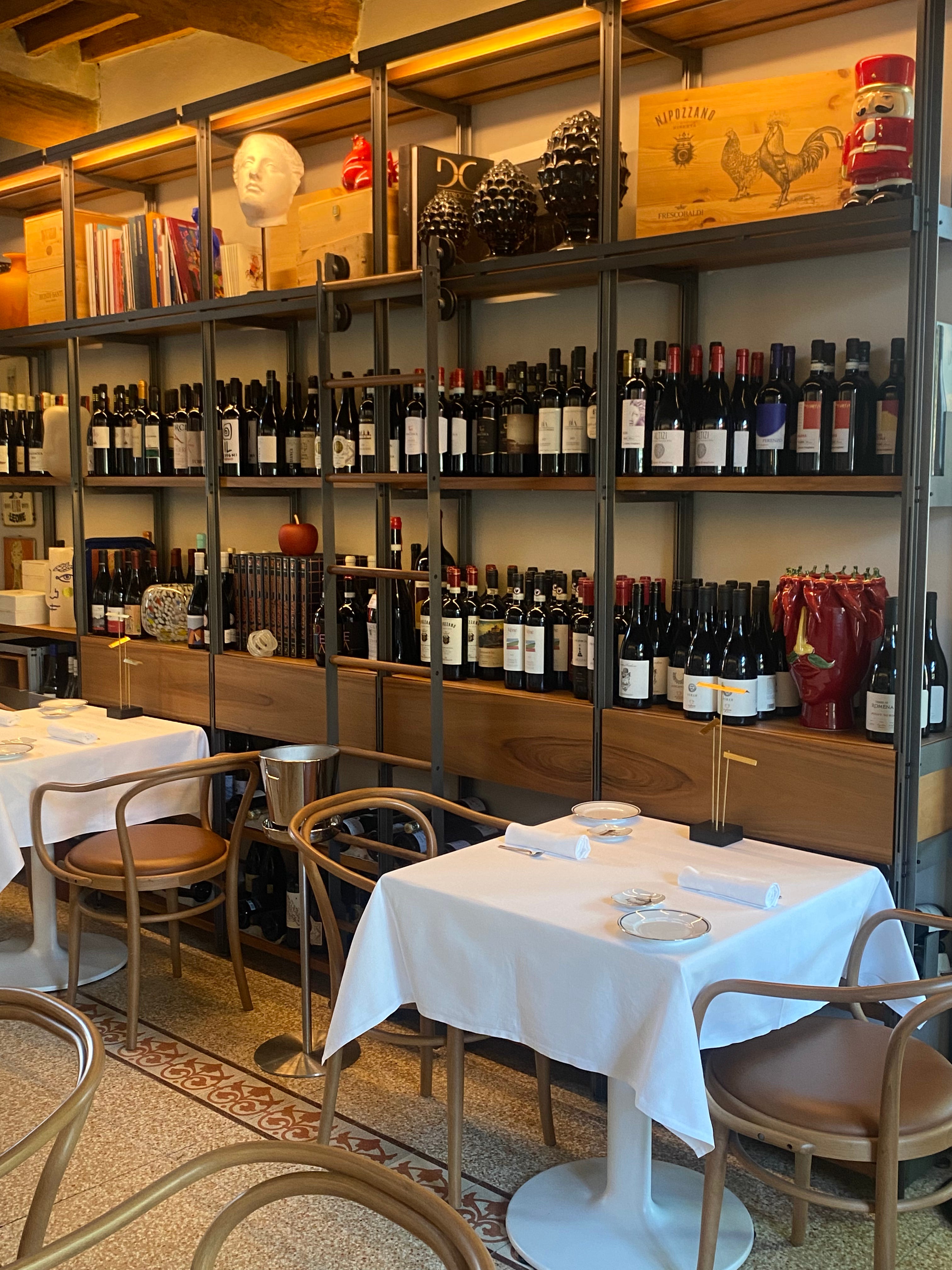
Osteria Miranda: My absolute favourite in Lucca. Chef Giulio Gurgugli takes traditional Tuscan cooking in a more contemporary direction, without losing sight of where it comes from. It is creative, warm and quietly elegant, and somewhere I return to every time I’m in town.
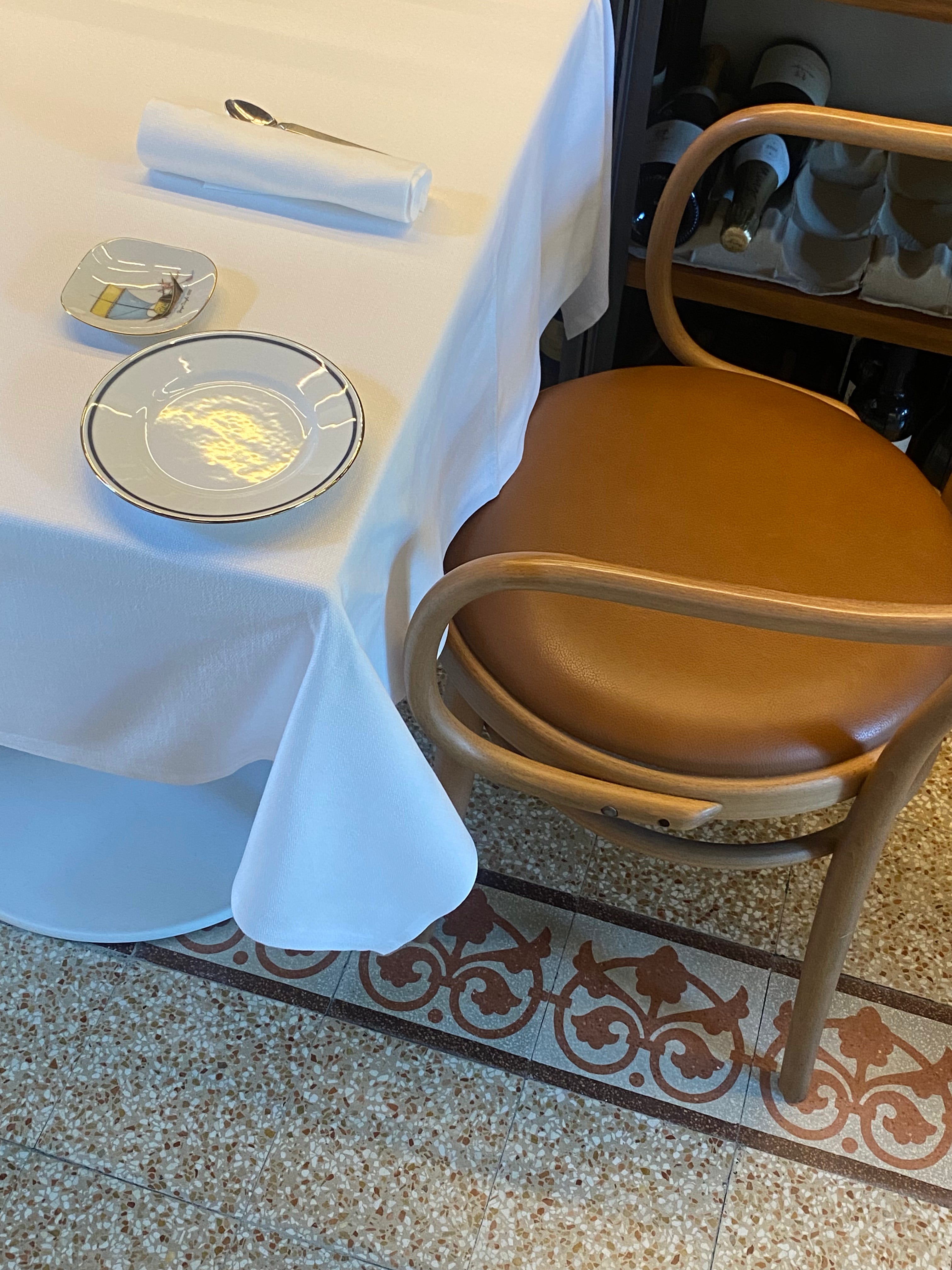
Gigi Trattoria: An old-school Lucca trattoria and Slow Food favourite. I particularly like sitting inside, surrounded by the vintage tiles and slightly faded Italian charm. The cooking is traditional and unfussy, exactly what you want from a place like this.
Ristorante Giglio: A Lucca institution, set inside an elegant palazzo overlooking Piazza del Giglio. The cooking is rooted in Tuscan and Italian tradition but given a more contemporary touch. It has also been recognised by the Michelin Guide.
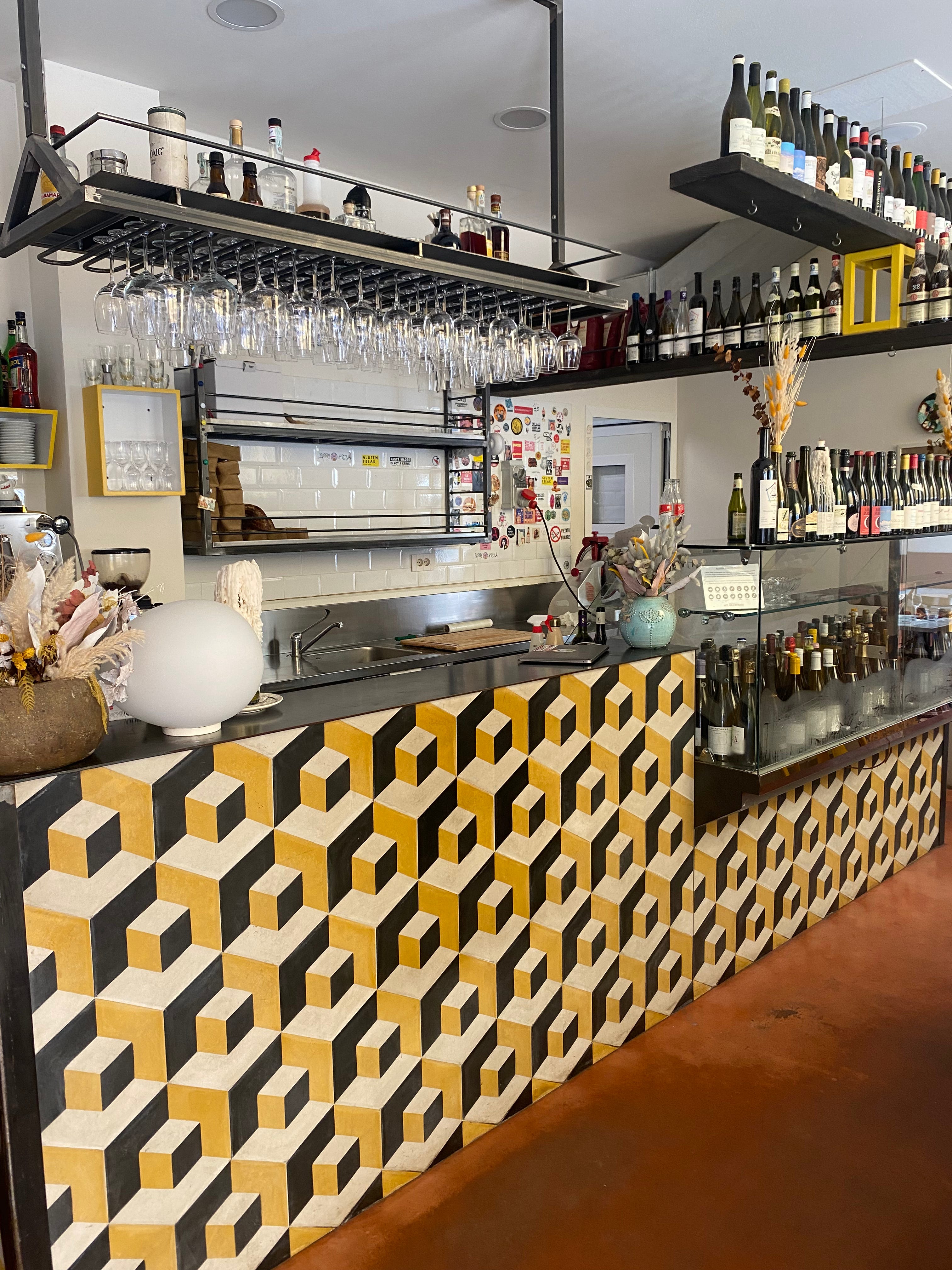
Gigliola: A lively little place for natural wine, good bread, and small plates. There is something slightly chaotic and very convivial about it, the kind of place where you stop for a glass of wine and end up staying for dinner.
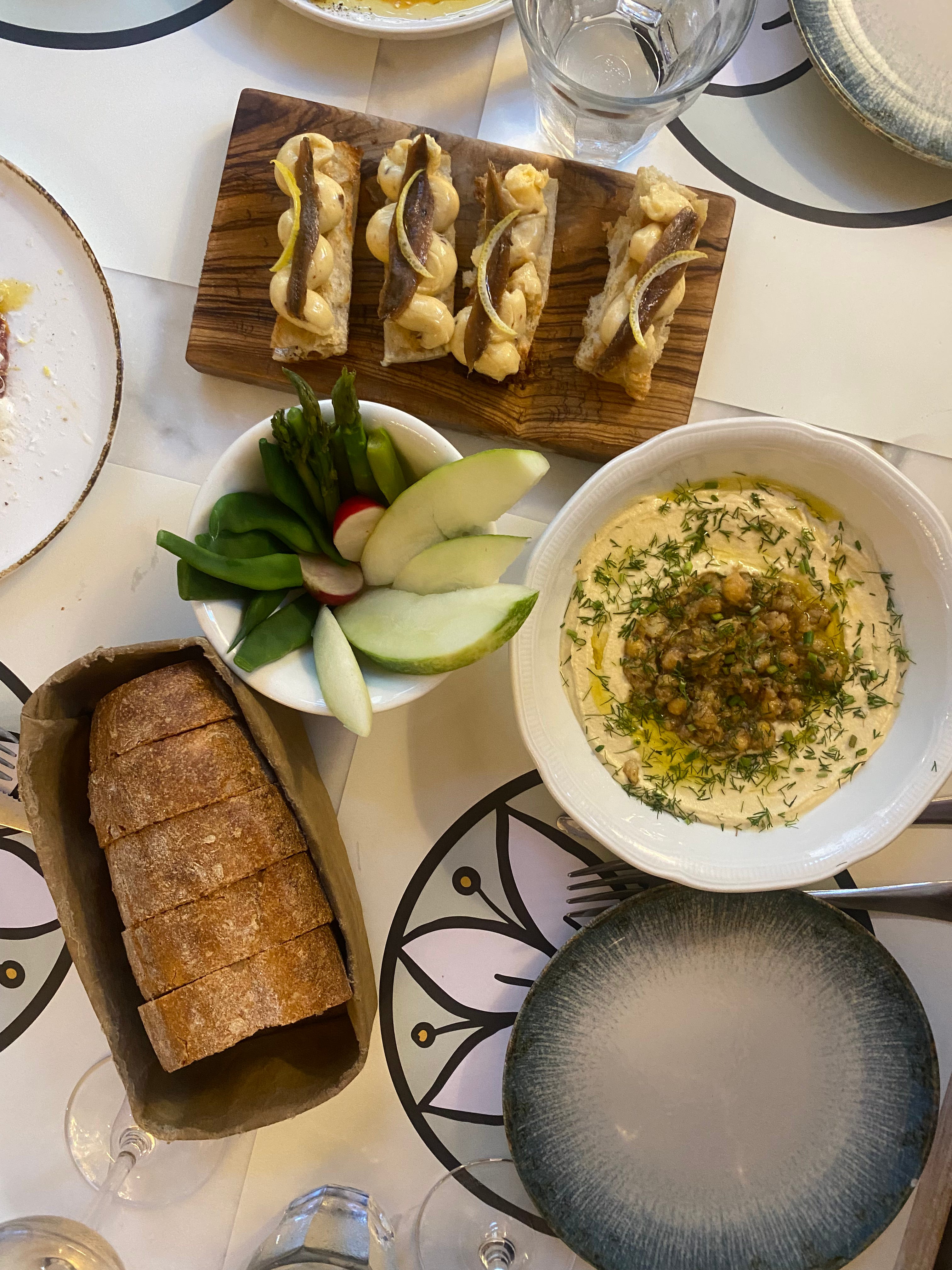
Osteria Dal Manzo: A warm, unpretentious osteria with homemade pasta, beautifully prepared meat and a small terrace outside.
Nida: Sometimes you crave something completely different. Just outside the city walls, Nida serves Japanese food inspired by chef Masaki Kuroda’s childhood memories, from sashimi and gyoza to ramen. A local favourite, and a welcome change after several days of Tuscan cooking.
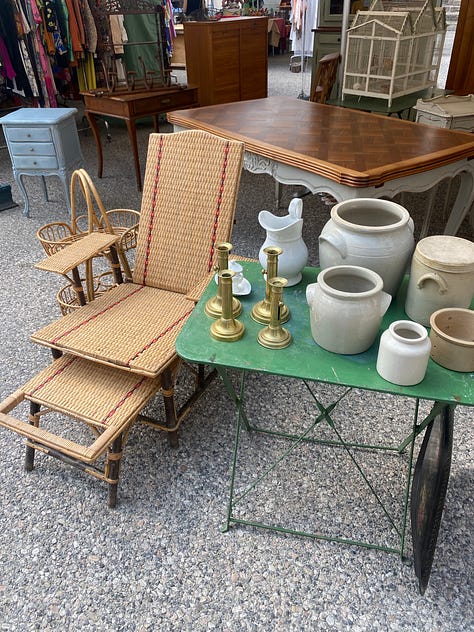
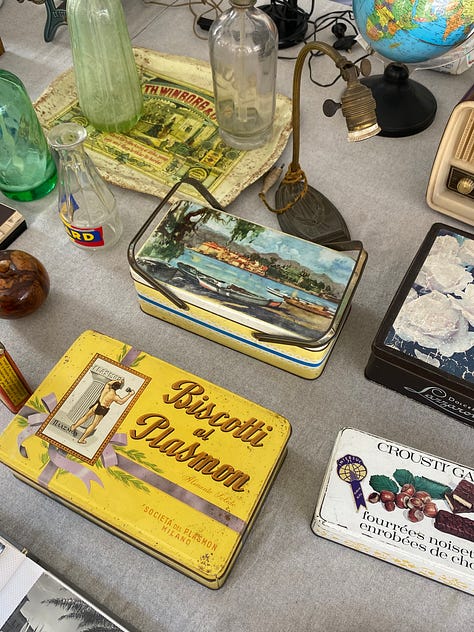
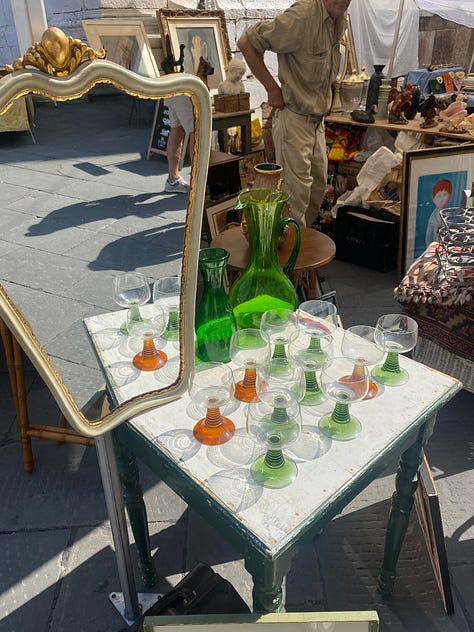
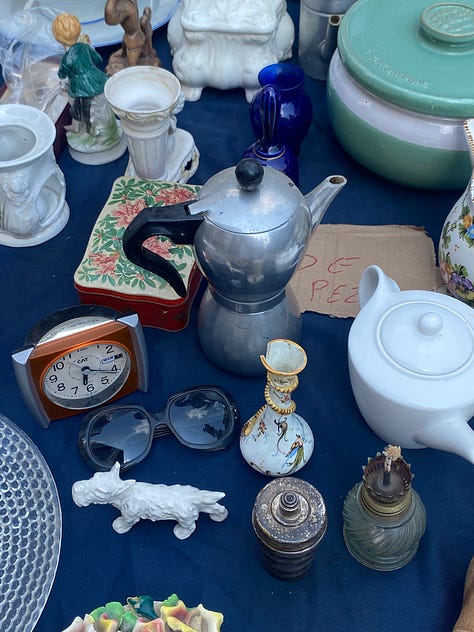
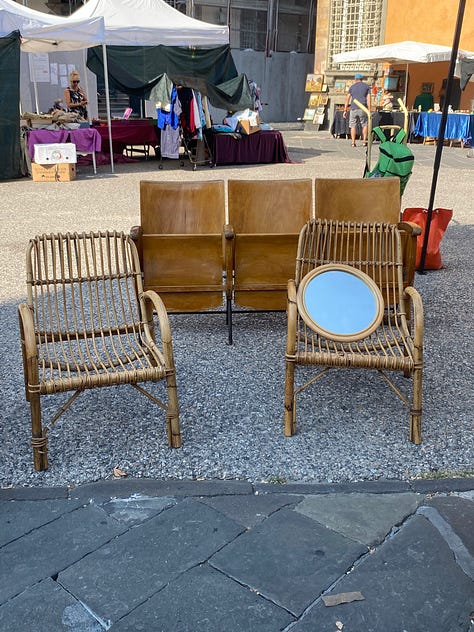
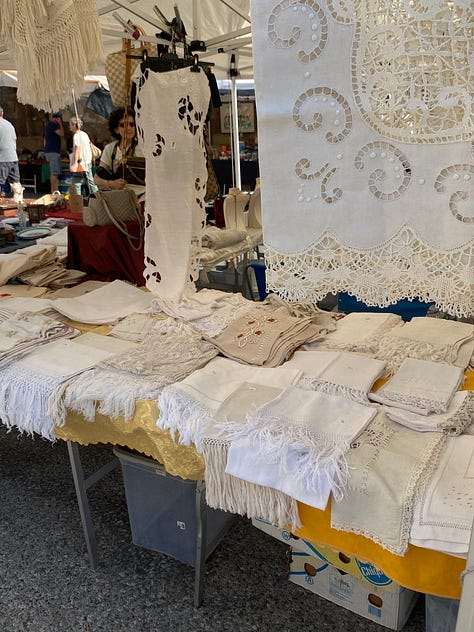
Mercato dell’Antiquariato: Held on the third weekend of every month, this is one of my favourite times to wander through Lucca. The streets around the cathedral fill with stalls of vintage furniture, old ceramics, paintings, linen bed sheets, silver, books and all sorts of beautiful things with a past. Exactly the sort of market where I always find something I didn’t know I was looking for.
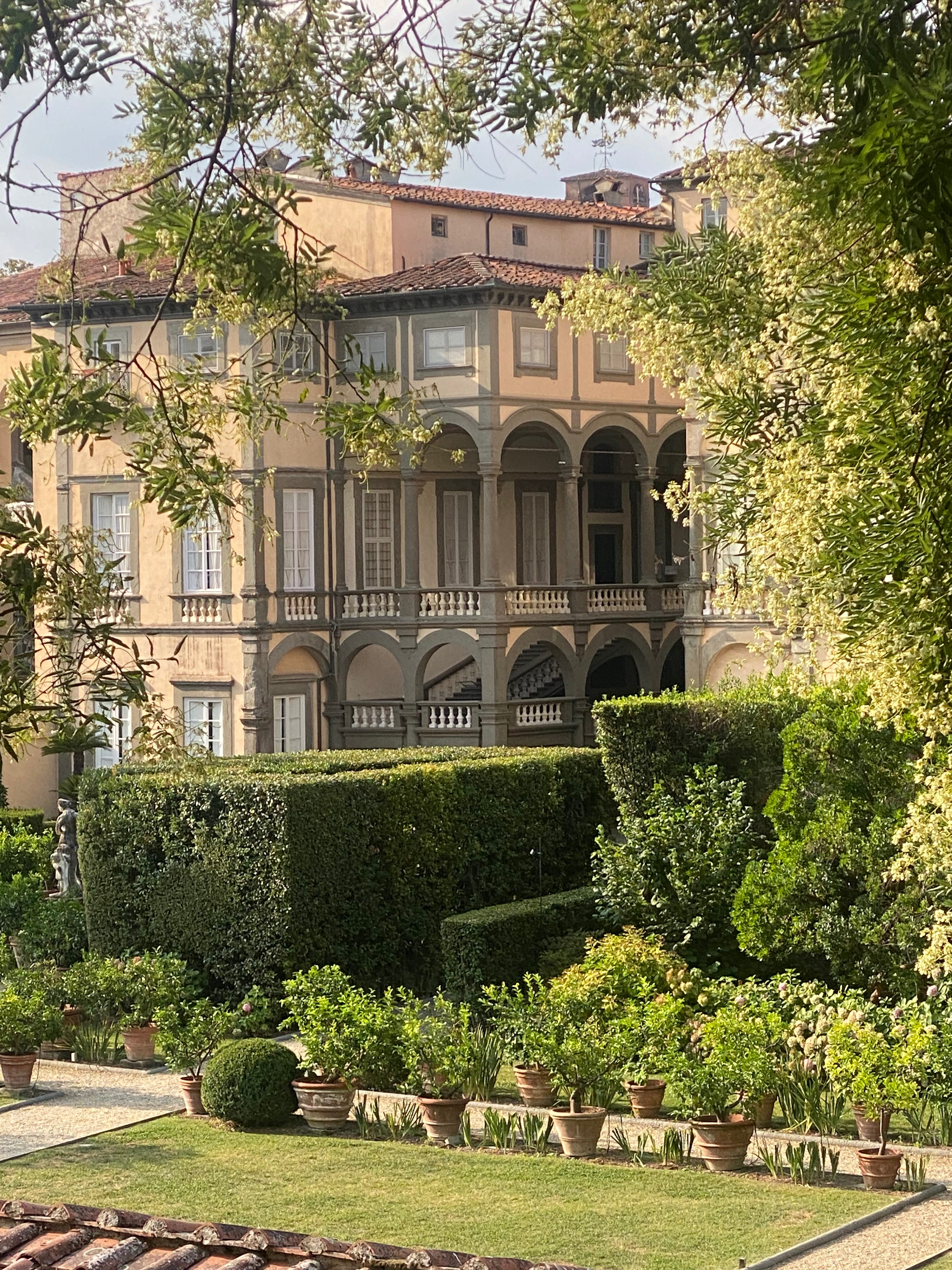
Palazzo Pfanner: One of Lucca’s most beautiful palazzi, with an elegant garden, grand staircase and views towards the rooftops of the city. It was also used as a filming location for The Portrait of a Lady with Nicole Kidman.
Teatro del Giglio: Lucca’s historic theatre, dating back to the 17th century. It remains a working theatre today, with opera, concerts, theatre and dance throughout the year. Even when there isn’t a performance, the building itself is worth seeing.
Lucca Summer Festival: One of the things I love about summer in Lucca is that the city manages to combine its extraordinary history with a surprisingly international music scene. The festival brings major artists into the historic centre; the 2026 programme includes Jamiroquai, John Legend, David Byrne, Ludovico Einaudi, Katy Perry and Tom Jones. There is something rather wonderful about hearing music of this scale surrounded by medieval streets.
Puccini Festival : Held every summer in Torre del Lago, just outside Lucca, this is best known for its open-air opera performances, but the programme extends beyond Puccini. We went to a wonderful evening of film music featuring Ennio Morricone and Nino Rota, including some of Morricone’s unforgettable spaghetti-western scores. For me, it was one of those unexpected evenings that makes a summer in Italy memorable.
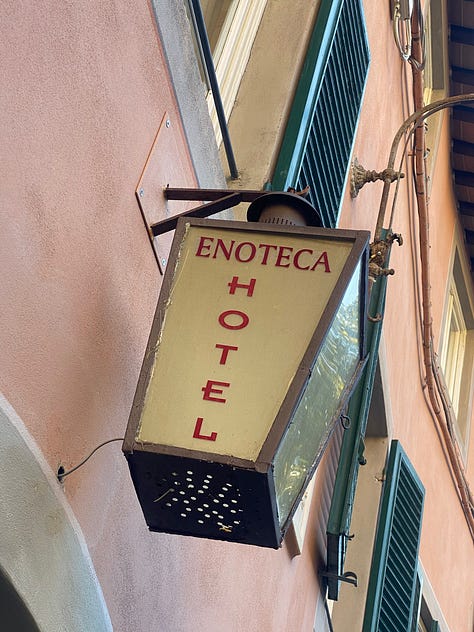
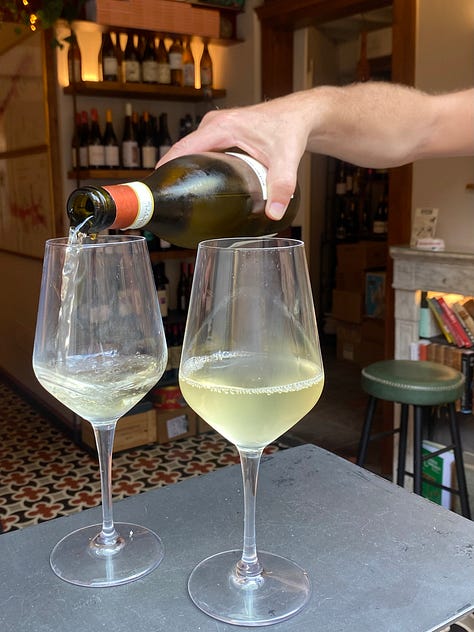
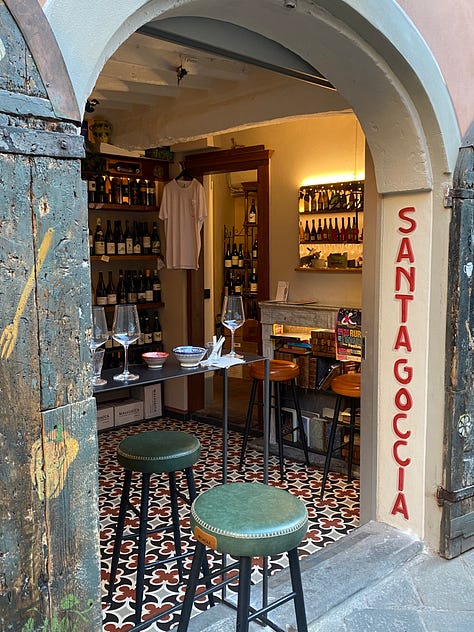
Santa Goccia Vineria: My favourite wine bar in Lucca, partly because it feels so unpretentious. We sit at the bar, order a glass of Stella di Lemmen and a few small plates, and always have a nice evening here.
Undici Undici : For a Negroni on the terrace, overlooking the fountain and church. Go in the early evening, when the light softens and Lucca starts to shift from day into night.
Enoteca Vanni: A tiny wine shop with a rather extraordinary cellar below. Descend underground and you’ll find thousands of bottles of old and vintage wine. It is the sort of place where buying a bottle suddenly feels like discovering a piece of Lucca’s history.
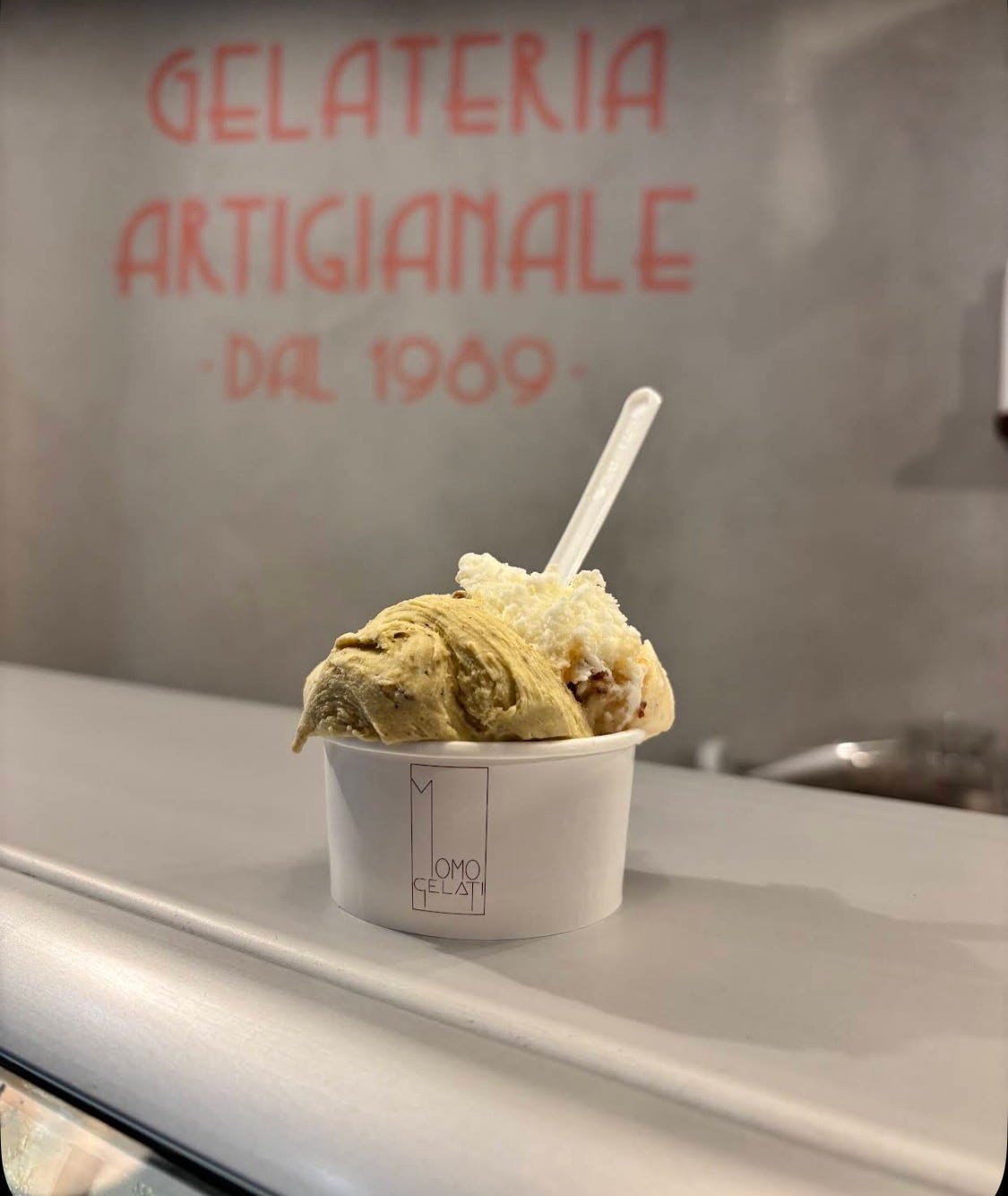
Momo Gelati: It’s the kind of gelateria you might easily miss if you’re sticking to the main streets, but well worth seeking out for a quiet gelato stop among the locals.
Some of my favourite discoveries are the places that make you wonder how you didn’t know about them before.
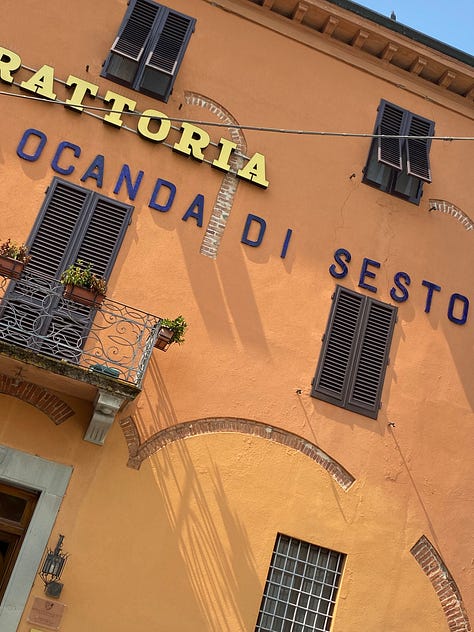
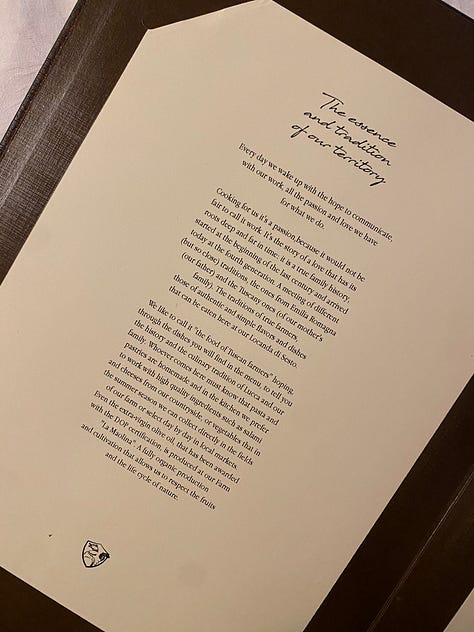
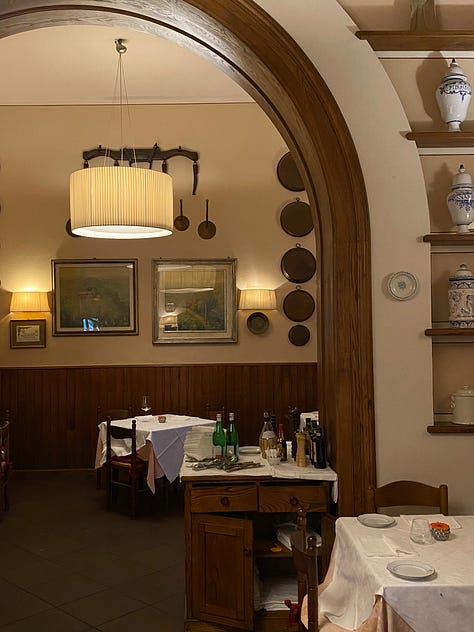
Antica Locanda di Sesto: Close to Lucca, yet it feels miles away. Hidden in a tiny village, the restaurant has the atmosphere of a place that has always been there: the cooking is rooted in the traditions of local farming families, the flavours are simple and familiar. Inside, the restaurant has retained its old-world character, with little seeming to have changed over the years.
Trattoria da Luciano: A Slow Food restaurant tucked away in the mountains above Forte dei Marmi, in a tiny hamlet with spectacular views towards the Mediterranean. The cooking is seasonal, the room has barely changed sinds the 1960s and the tables are filled with locals, from nonni to young families.
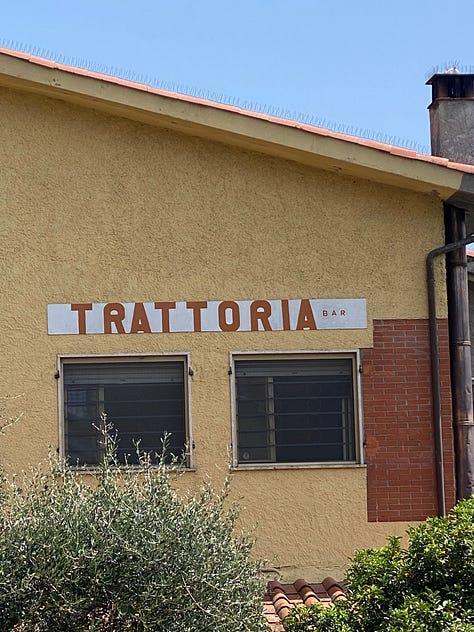
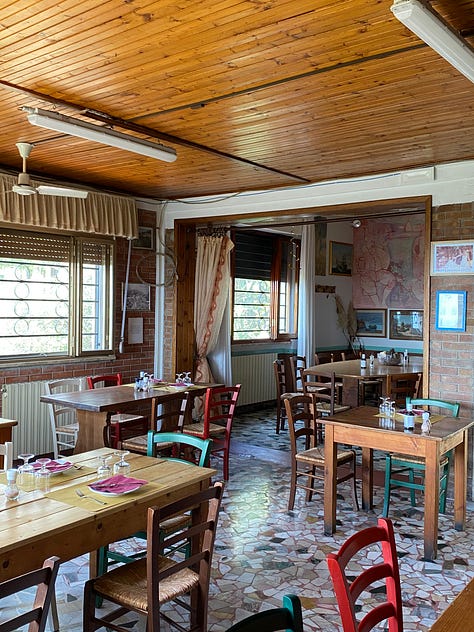
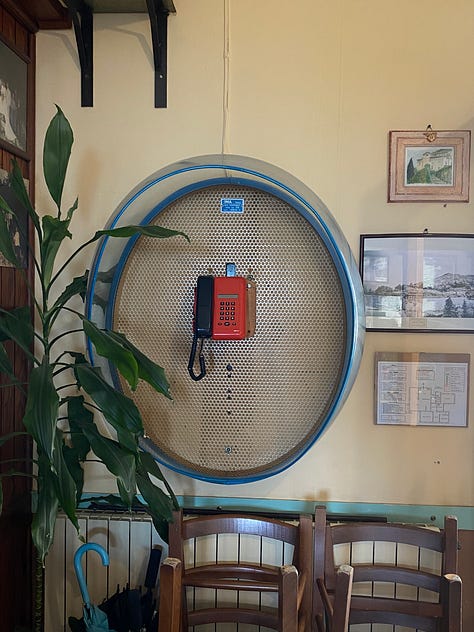
It is the kind of place you drive a little further for, and are very glad you did.
Next week: Versilia — including Forte dei Marmi.
Comments
Nothing yet. Say the first thing.
Sign in to join the conversation.