
Welcome to "Donut Break the Internet", Donutz Digital’s weekly newsletter dedicated to digital marketing news. Here, you'll find a roundup of must-know updates, practical tips, and in-depth analyses on marketing.
This week's Donutz:
Fun vs. competent: social media’s dilemma 😅
AI search optimization = SEO 🤖
ChatGPT is getting warmer 😮
The ad industry’s quiet anxiety about AI & privacy 🧠
If you haven’t already, make sure to subscribe! Until then, enjoy your read. 🚀
Science Says tackles a tension many brands feel daily: should you sound competent or fun on social media?
The short answer: you don’t get to choose, you need both.
The article explains that audiences subconsciously evaluate brands on two axes: warmth (are you likable, relatable?) and competence (do you know what you’re doing?).
Brands that lean too hard into humor risk looking unserious, brands that over-index on expertise often come off as cold or boring. The sweet spot is “playful authority”: content that shows mastery without sounding like a lecture.
Think clear opinions, simplified explanations, and humor that supports the message rather than replacing it.
Importantly, this balance shifts by platform. LinkedIn rewards visible competence with light personality, while TikTok and Instagram tolerate more humor, but still punish nonsense.
The real danger isn’t being boring, it’s being confusing. If people can’t quickly tell what you’re good at, the algorithm (and your audience) moves on.
Read: How to be competent vs fun on socials

Google’s latest stance: optimizing for AI-powered search experiences is the same as doing traditional SEO.
According to Google, there’s no secret checklist for AI Overviews, generative answers, or conversational search.
The fundamentals still apply: high-quality content, clear structure, strong E-E-A-T signals, and pages that genuinely answer user intent.
Translation: if you’re chasing “AI hacks,” you’re probably wasting time. That said, the context has changed. AI answers compress visibility: fewer links, fewer clicks, more zero-click experiences.
Google subtly encourages publishers to focus on depth, originality, and clarity, not keyword stuffing or speculative optimization tactics. The article also hints at a strategic subtext: Google wants to calm the market and keep SEO spending stable, even as the surface area of search shrinks.
SEO isn’t dying, it’s getting stricter. Donutz Digital helps you build content that survives AI compression.
Read: Google says doing optimization for AI search is ‘the same’ as doing SEO for traditional search
There’s an OpenAI update to ChatGPT’s “personality,” emphasizing warmth, enthusiasm, and emotional responsiveness. The goal: make interactions feel more human, encouraging longer conversations and higher trust.
This isn’t about factual accuracy, it’s about experience design. OpenAI explicitly tuned how ChatGPT acknowledges users, shows encouragement, and mirrors conversational energy.
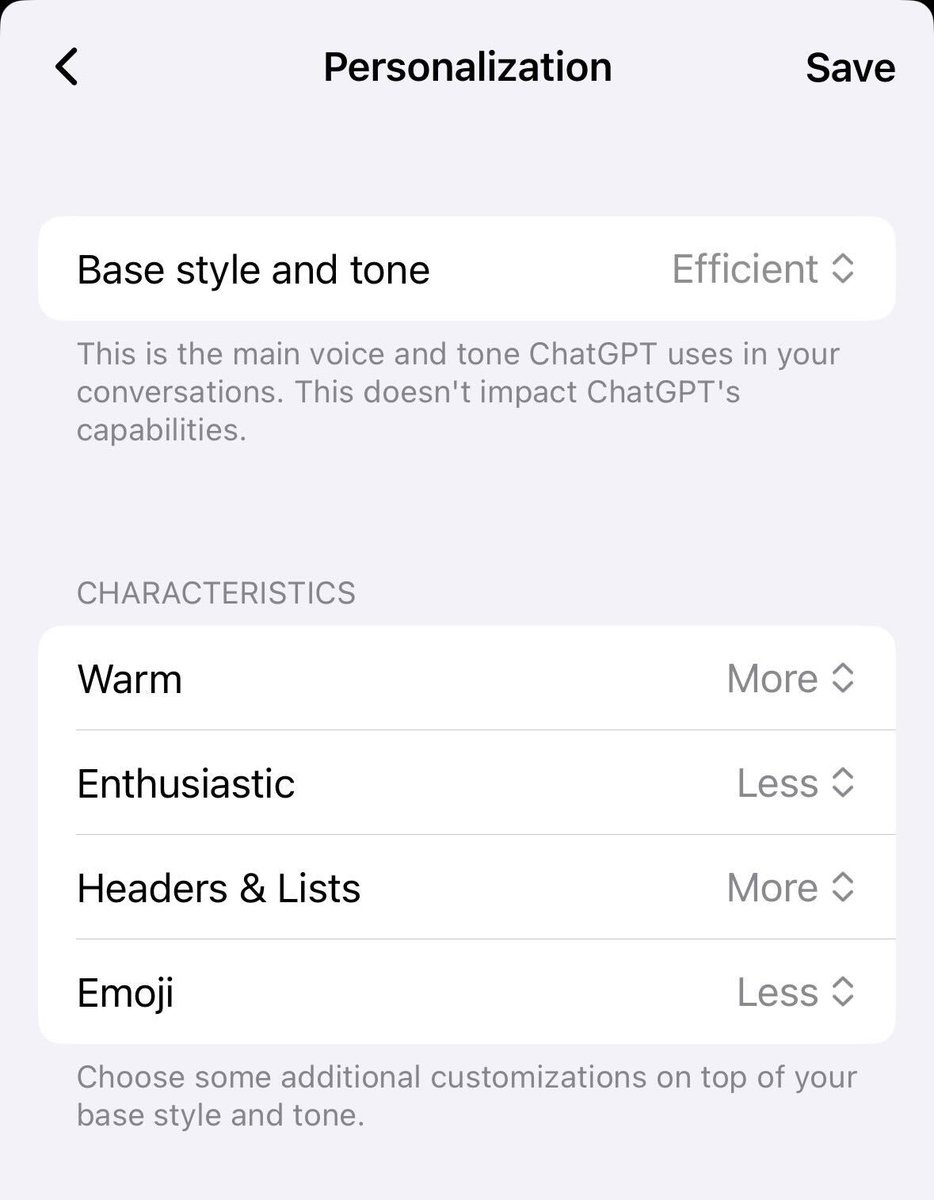
While subtle, these changes matter: users tend to rate helpfulness higher when a system sounds engaged, even if the information is identical. For brands, this is a preview of what AI interfaces will expect from your content.
Flat, robotic copy won’t match the tone users are getting from assistants. At the same time, OpenAI is walking a fine line, avoiding over-personification that could blur emotional dependency.
Read: ChatGPT will now let you pick how nice it is
The Current surveyed 15 leaders across advertising, tech, and media to gauge what’s really kept the industry up at night in 2025.
The answers converge on three themes: AI acceleration, signal loss, and regulatory uncertainty.
While AI promises efficiency and personalization, executives worry about black-box decisioning, brand safety, and loss of differentiation as everyone uses similar tools.
Privacy remains unresolved: Google’s Privacy Sandbox hasn’t delivered clarity, and marketers still lack confidence in post-cookie measurement. Several leaders note a widening gap between what platforms promise and what brands can prove.
There’s also cultural fatigue, teams are overwhelmed by constant change without stable frameworks. The takeaway isn’t panic, but realism: the industry is moving fast without consensus on standards, ethics, or long-term measurement.
Read: 15 things the ad industry lost in 2025
Thanks for reading! If you enjoyed this newsletter, share it with your network.
Make sure to subscribe to stay updated on our next editions. Have questions, topic suggestions, or insights to share? Reach out, we value your feedback!
Carla from Donutz Digital 🍩
No posts
Comments
Nothing yet. Say the first thing.
Sign in to join the conversation.