
PAC would like to express their deepest thanks to Dr. Sam Akbar and Pan Macmillin for this exclusive excerpt from The Odyssey Mindset: 7 Timeless Lessons on Resilience, Strength, And Purpose.

Dawn rises blood-red over the smouldering ruins of Troy. The proud towers of this once-magnificent city are gone, reduced to ash and rubble. Troy’s mighty warriors are dead; her women and children enslaved. The acrid smell of smoke and death hangs heavy in the air.
After ten long years of brutal siege, the Greeks have finally won. Their cause? To reclaim Helen, wife of the Spartan king Menelaus, from the Trojans. Whether she fled willingly with the handsome Trojan prince Paris or was taken by force, no longer matters. The insult has been avenged. Agamemnon, the most powerful of the Greek kings, rallied the armies of Greece to restore his brother Menelaus’ honour. They poured from their thousand ships onto the beaches below Troy and there they stayed for a decade. Now the war is over. It is time for the victors to prepare their black-hulled ships for their nostos – the journey back home.
Among the hive of activity on the beach, stands Odysseus, king of Ithaca. Known not for brute strength, but for his cunning mind and silver tongue, he watches as his crew make ready to sail. Brains, not brawn, ended this war. It was Odysseus, with his penchant for clever schemes, who had come up with the idea of the Trojan Horse. Descending silently from the horse while the oblivious Trojans slept, the Greeks brought the war to its gruesome conclusion, slaughtering the inhabitants of Troy inside their own city walls. Without Odysseus’ scheme, the Greek armies might yet have spent another ten years turning the plains Troy red with their blood. Odysseus has seen enough of Troy to last him a lifetime. He wants only to return home to his kingdom on the island of Ithaca, and his beloved wife Penelope and son Telemachus, whom he left as an infant twenty years ago. Impatient to begin his journey home, he strides purposefully through the debris left on the shore by the departing Greek army and boards his ship. Home, he tells himself is within reach. He allows himself a brief smile as the ships begin to pull away, leaving Troy’s crumbling walls like blackened and broken teeth on horizon.
But, as so often is the case for heroes and indeed for the rest of us, life has other plans. What should be a short trip home from the coast of Turkey to the island of Ithaca in the west of Greece instead becomes a ten-year struggle through the Mediterranean. This is how we get the word ‘odyssey’ – the journey of Odysseus to get home. It is a mission of struggle, loss, adaptation and transformation; this kind of nostos was not one Odysseus expected or wanted. It is a tale that takes the characters, and the reader, not only on a journey across time and location, but more importantly, on an odyssey within themselves. And just like its eponymous hero, it is a tale of twists and turns. It, too, is complicated.
Odysseus is broken time and time again; he loses all his crew, not one of them surviving to reach Ithaca. When he himself finally arrives on Ithaca, he faces his biggest challenge of all: he must defeat the suitors who have taken up residence in his palace, depleting his stores and wealth, all the while circling his wife Penelope to force her into marriage with one of them, while also plotting his son Telemachus’ death. The home he longed for is not the same as what he left behind. And nor is he the man who left; he has been changed by the challenges he has endured. How will a man who has been gone for twenty years integrate back into his life again?
This is how profound change arrives in our lives. It does not knock meekly at the door but bursts through the walls. It comes as the diagnosis that alters everything. A sudden redundancy. The discovery of a betrayal. The shocking, unexpected death of someone we love. Equally, change can be positive but still demand psychological flexibility and resilience from us: a big promotion at work, relocating to another country, beginning a new relationship, finally committing to running your own business, watching your children leaving home to start their own lives or returning to work after a long absence. These are all the calls to your own personal odyssey.
John Lennon popularized the quote ‘Life is what happens when you are busy making other plans’. It is in the waiting that real life takes place. Growth and change happen as you progress towards your goal but achieving that goal cannot always be controlled. How you choose to face the ups and downs, the twists and turns, can be controlled. You can choose how you meet the road ahead of you.
It is in these moments, when ‘life happens’ that we encounter the timeless and fundamental challenge that not only Odysseus, but also his wife Penelope, and son Telemachus encounter: how do we face a daunting situation, whether positive or negative, in a way that keeps us moving forward?
Odysseus has to accept that his journey home is not going to be straightforward; there are times when he doubts he will even survive and times he wishes he had died at Troy; Penelope has to accept that the suitors are not going away; Telemachus has to accept that only he can take action to find out what happened to Odysseus and start becoming a man himself.
The modern odysseys that we face are many and varied, good and bad: Big life shifts demand that we too must find a dual capacity: to accept the challenge and take action. Life strips away the illusion of total control over our circumstances; it disabuses us of the belief that the outcomes of our endeavours are guaranteed. Yet there is a paradox too. Our lack of control over events starkly highlights the only thing we can control: our responses to them.
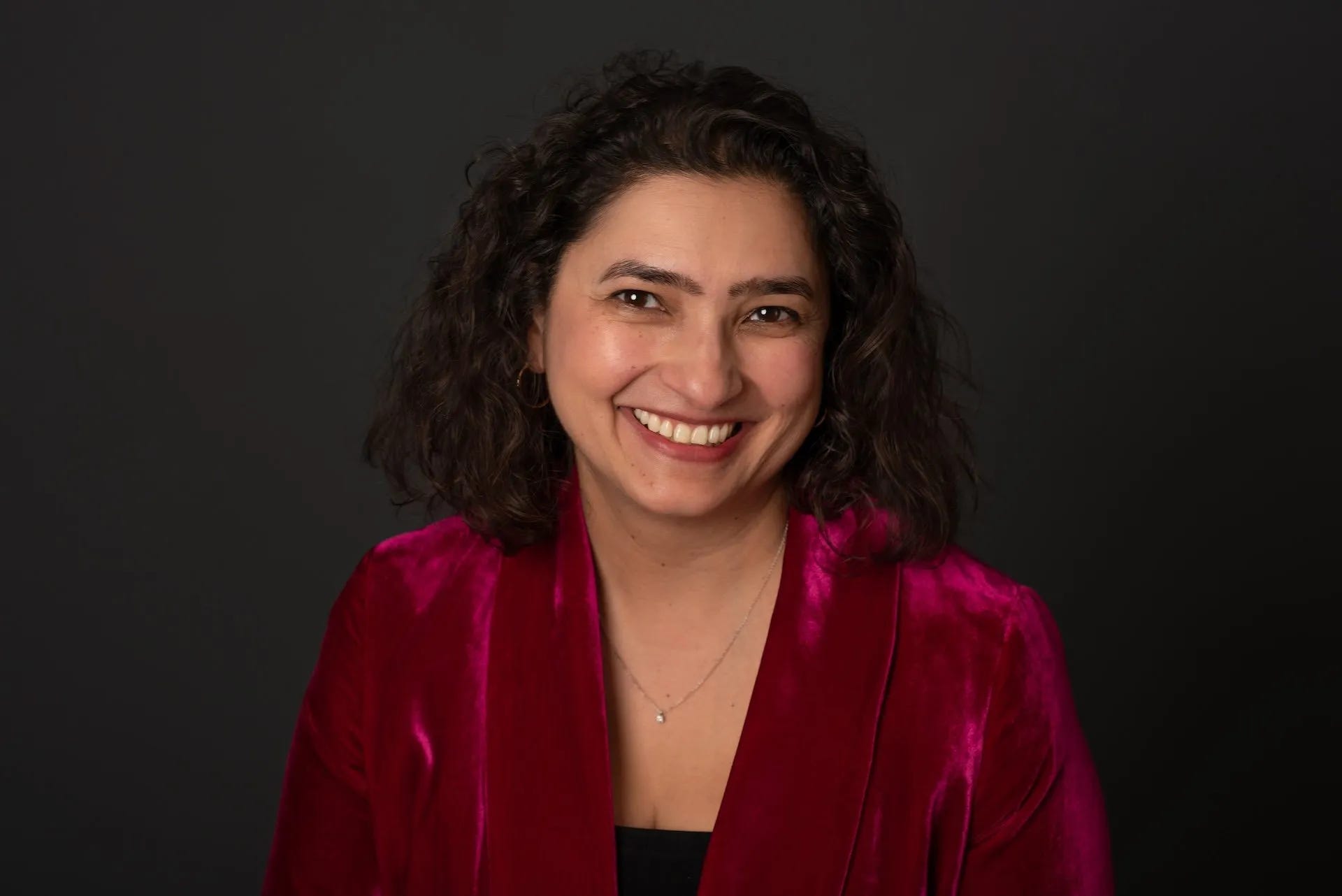
Dr. Sam Akbar is a Classicist and Psychologist who reframes ancient works and wisdom to help people live better in the 21st century. By bridging the gap between the philosophical insights of antiquity and the rigors of modern psychology, Dr Sam provides audiences with a unique toolkit for resilience, clarity, and purpose.
No posts
Comments
Nothing yet. Say the first thing.
Sign in to join the conversation.