

The Department of Homeland Security has achieved what aviation experts once considered impossible: spending $464 million on ten used airplanes and transforming most of them into extremely expensive lawn ornaments.
Somewhere, a child has left a toy jet in the backyard.
The child has demonstrated better fleet management.
The planes were purchased through a no-bid contract because, officials said, they were urgently needed for deportation flights.
Urgently, in government dialect, apparently means: skip competition, open the national wallet with garden shears, buy first, and discover afterwards that you lack the people required to fly what you bought.
Seven older Boeing 737s have largely sat at an airport in Lake Charles, Louisiana, undergoing what the department calls maintenance checks.
An internal document offered a less aerodynamic explanation: the agency lacked the necessary staff to operate them.
This is like buying ten restaurants during a famine and then remembering you have no cooks.
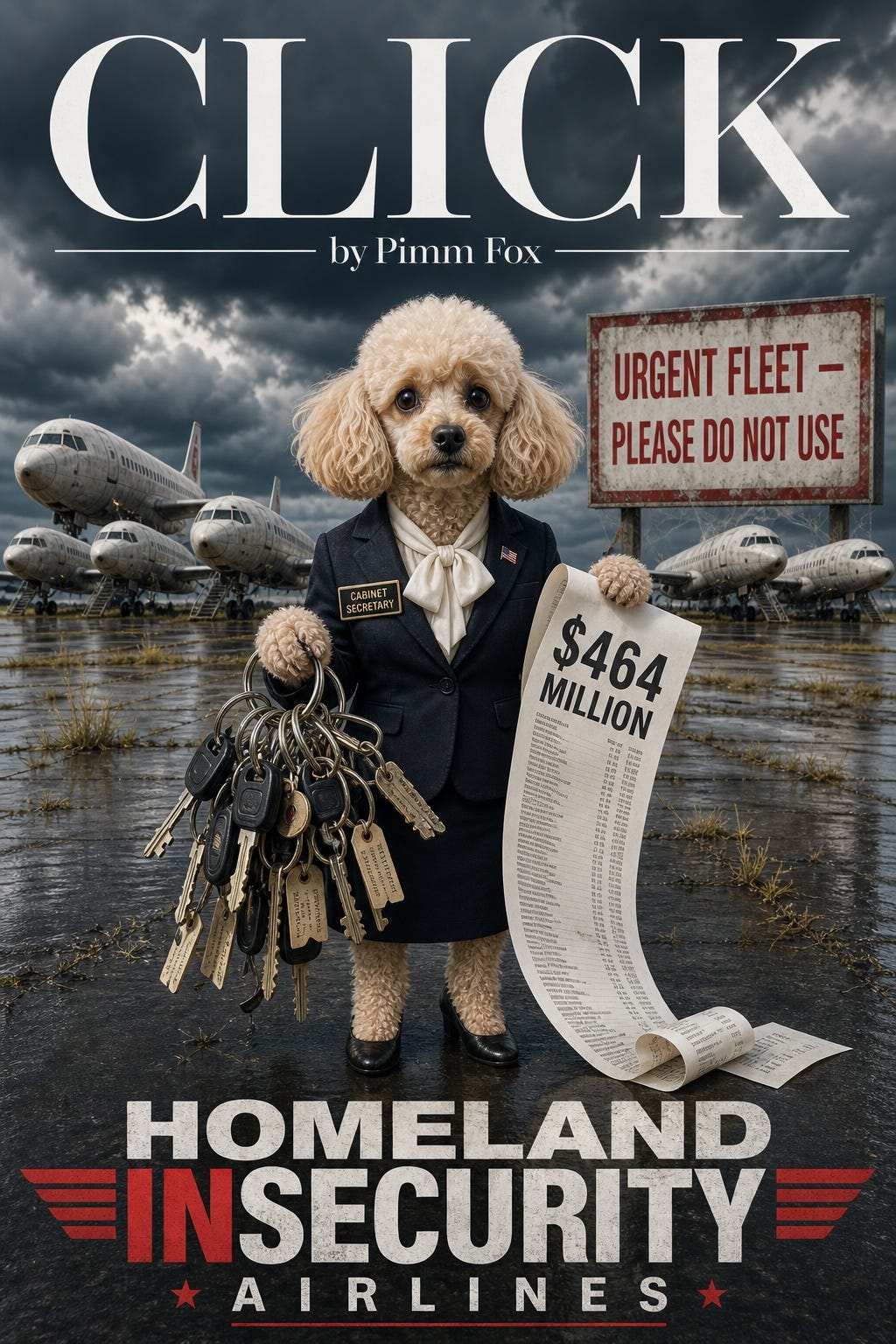
The remaining three aircraft are luxury business jets, because nothing communicates the grim efficiency of mass deportation like polished wood veneer and a seat that reclines farther than congressional responsibility.
Mere months after acquiring them, Homeland Security reportedly explored lending or leasing two to other agencies, including one for FBI Director Kash Patel. The emergency fleet had become a federal aircraft swap meet before the new-car smell had surrendered.
Responsibility, naturally, has already boarded another flight.
Homeland Security says the contract was made and approved before Secretary Markwayne Mullin took office, pointing toward former Secretary Kristi Noem.
Noem’s spokeswoman points back toward Mullin, noting that the purchase was finalized under him.
Contract records say its value increased by $303 million on Mullin’s swearing-in day.
The contractor, Daedalus Aviation Corporation, is led by a chairman who had donated to a political committee supporting Noem.
Perhaps Daedalus was the perfect mythological name: fly too close to power, melt the procurement manual, and invoice the sun.

Meanwhile, ICE already paid private contractors to operate charter flights and could use military and Coast Guard aircraft.
Former acting ICE director John Sandweg said owning a fleet would not have been among his top 10 needs for increasing deportations.
But lists are cumbersome, and apparently nobody at Homeland Security reached item one: “Can anyone fly these things?”
The department invoked “unusual and compelling urgency,” an exemption intended for circumstances in which delay could cause serious injury.
It refused to reveal the injury, citing national security.
Evidently the secret threat was competitive bidding.
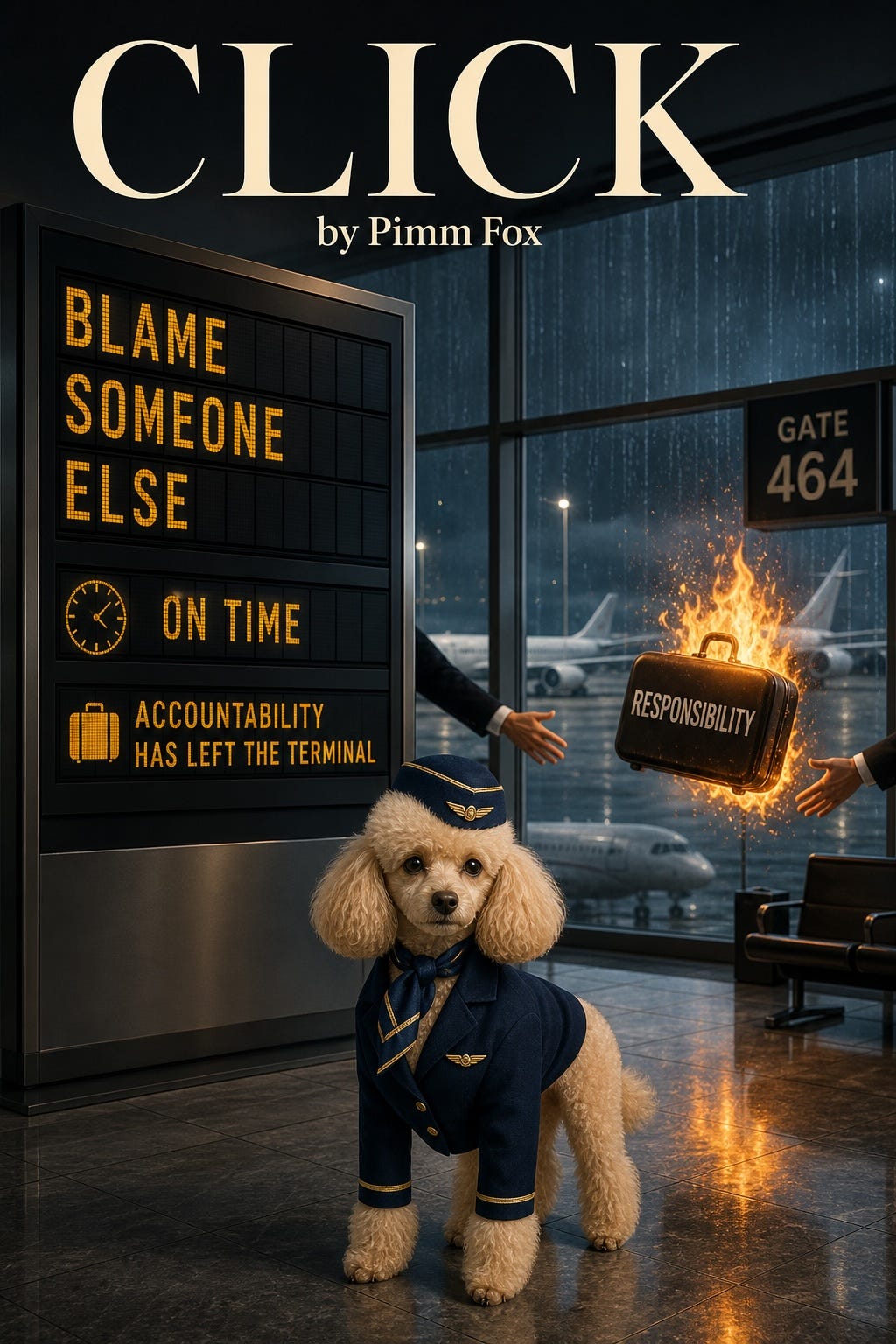
This was no isolated turbulence. Homeland Security has invoked urgency for more than $29 billion across roughly 500 contracts during Trump’s second term.
It also bought warehouses for more than $700 million, then began selling or giving seven away after reversing course.
The department is not administering policy; it is holding an estate sale before the furniture arrives.
Who will be held responsible?
Most likely gravity.
In Washington, every fiasco receives a runway, every explanation gets clearance, and every invoice lands directly in the public’s lap, waiting helplessly.
The planes may eventually fly.
The excuses already have — first class, nonstop, and fueled by the inexhaustible American taxpayer.
No posts
Comments
Nothing yet. Say the first thing.
Sign in to join the conversation.