
Papers I read and summarized

Research on how children and parents meet AI and social robots, one paper at a time: what each study asked, what it found, and why it was worth reading. Trust and attachment, how brains respond to machines that talk, what changes when a chatbot joins story time, and where the research is still guessing.
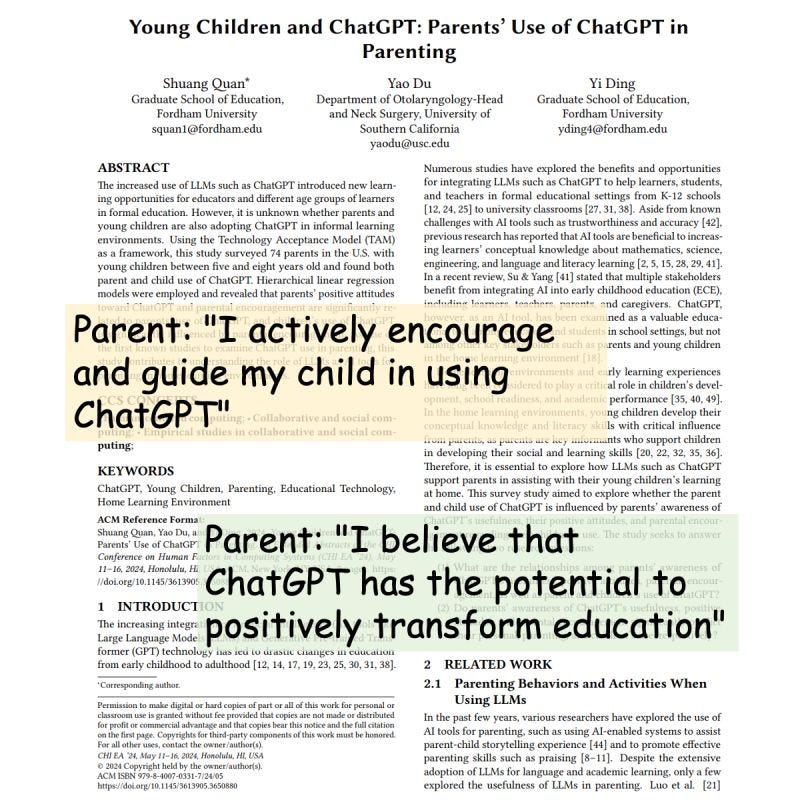
1. Young Children and ChatGPT: Parents' Use of ChatGPT in Parenting
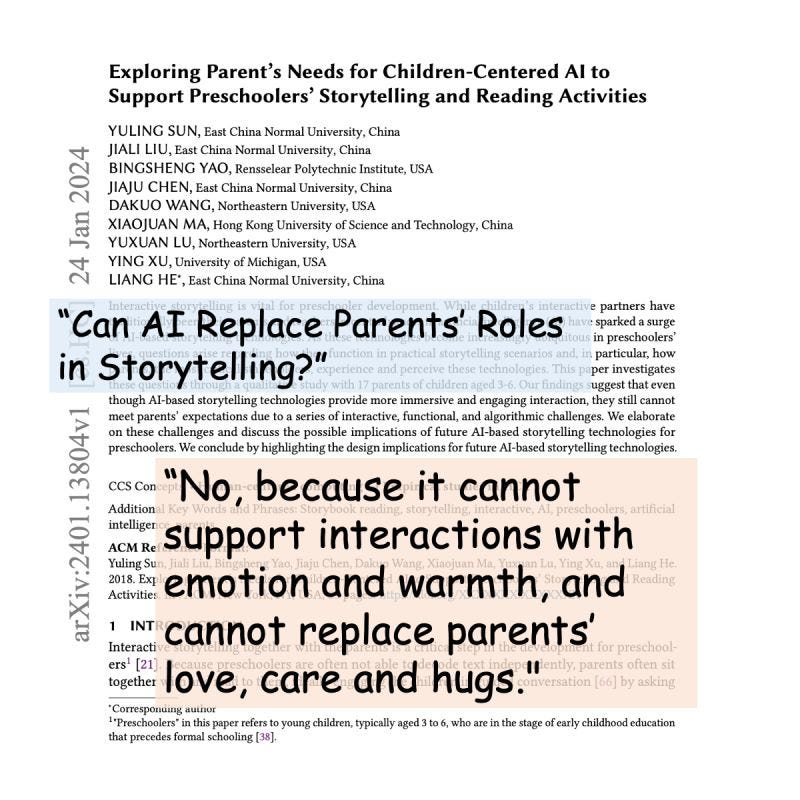
2. Exploring Parent's Needs for Children-Centered AI to Support Preschoolers' Storytelling and Reading Activities
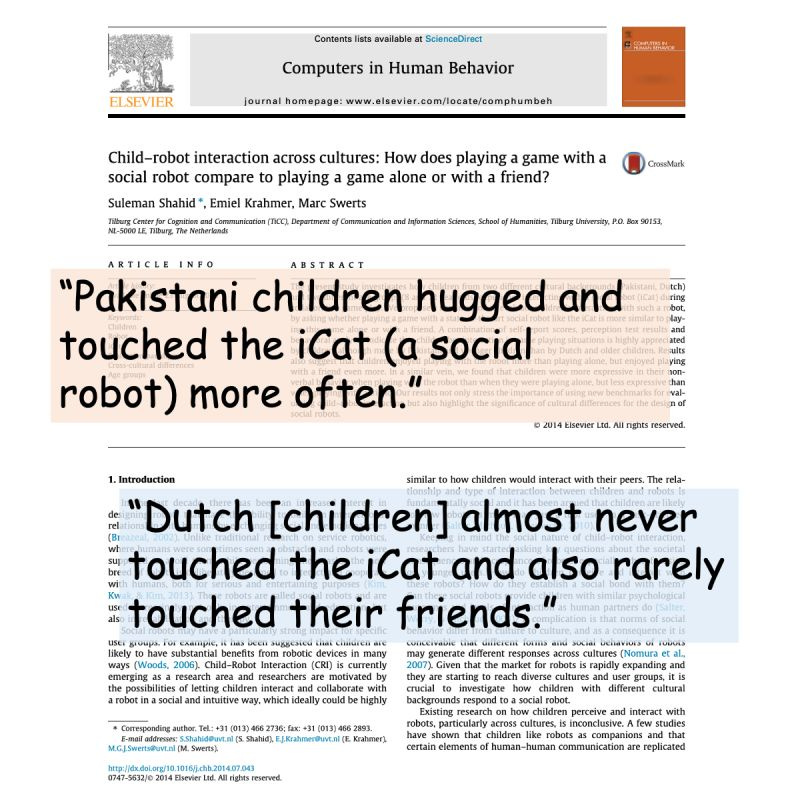
3. Child–Robot Interaction Across Cultures: How Does Playing a Game With a Social Robot Compare to Playing a Game Alone or With a Friend?
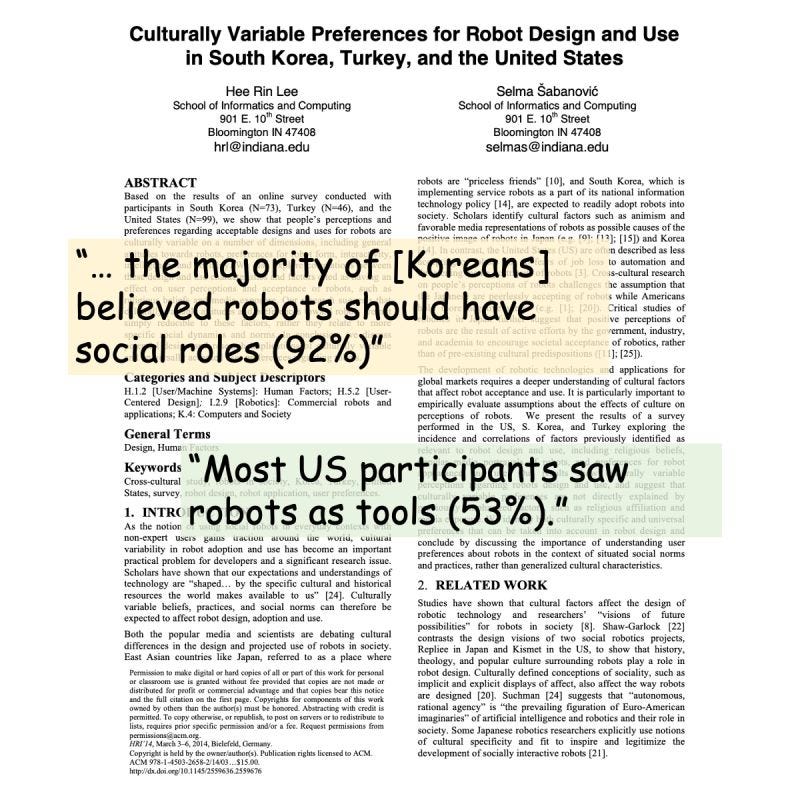
4. Culturally Variable Preferences for Robot Design and Use in South Korea, Turkey, and the United States
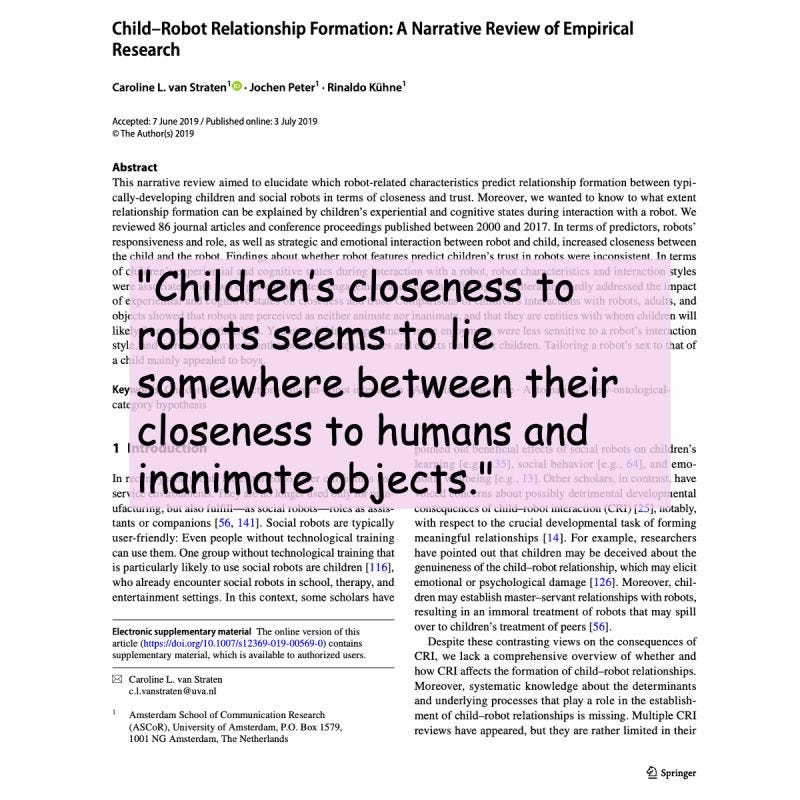
5. Child–robot relationship formation: A narrative review of empirical research
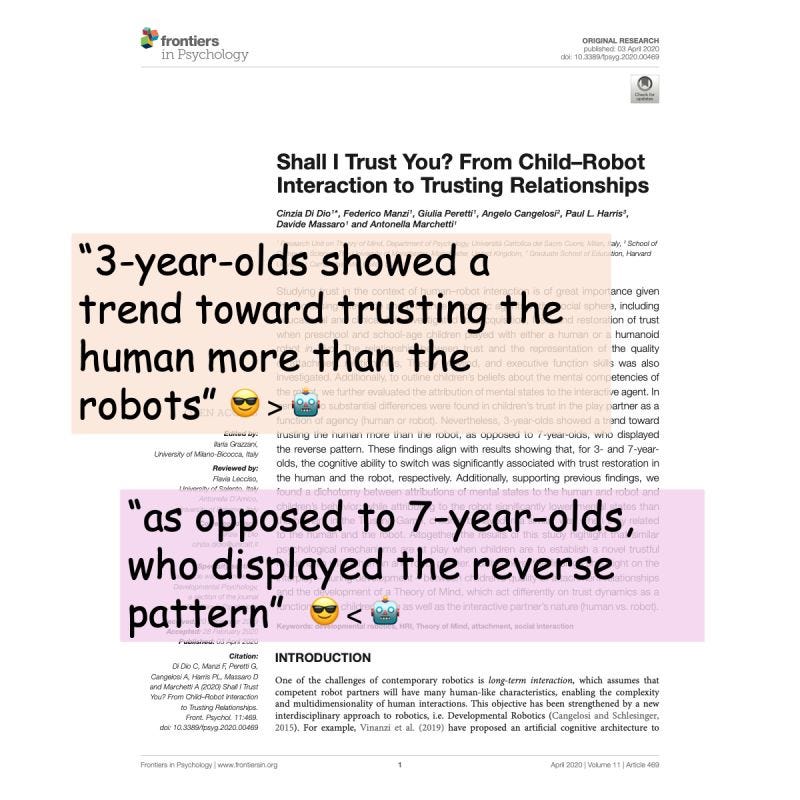
6. Shall I Trust You? From Child–Robot Interaction to Trusting Relationships
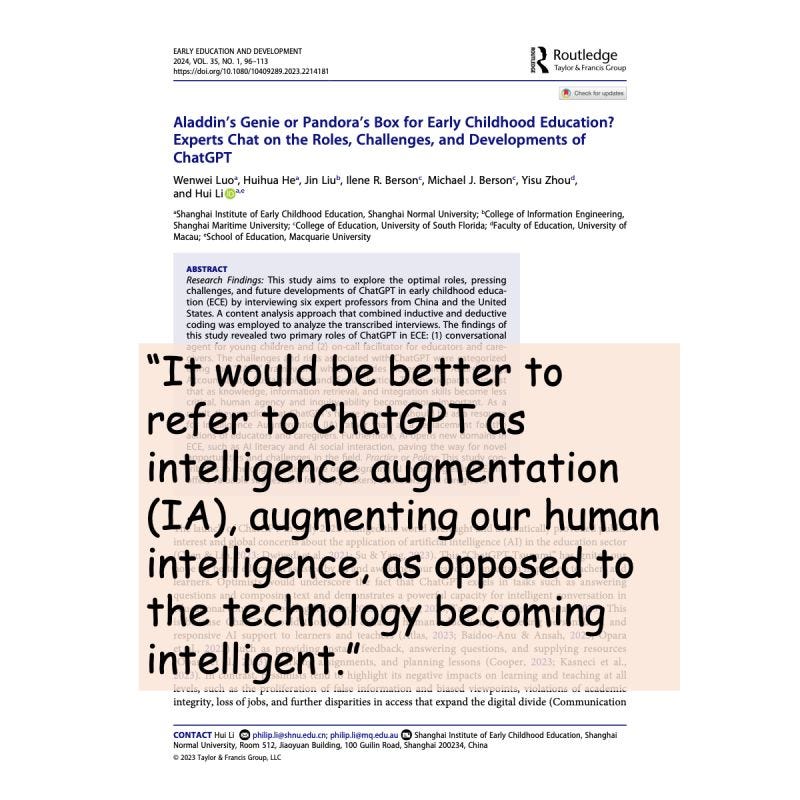
7. Aladdin’s Genie or Pandora’s Box for early childhood education? Experts chat on the roles, challenges, and developments of ChatGPT
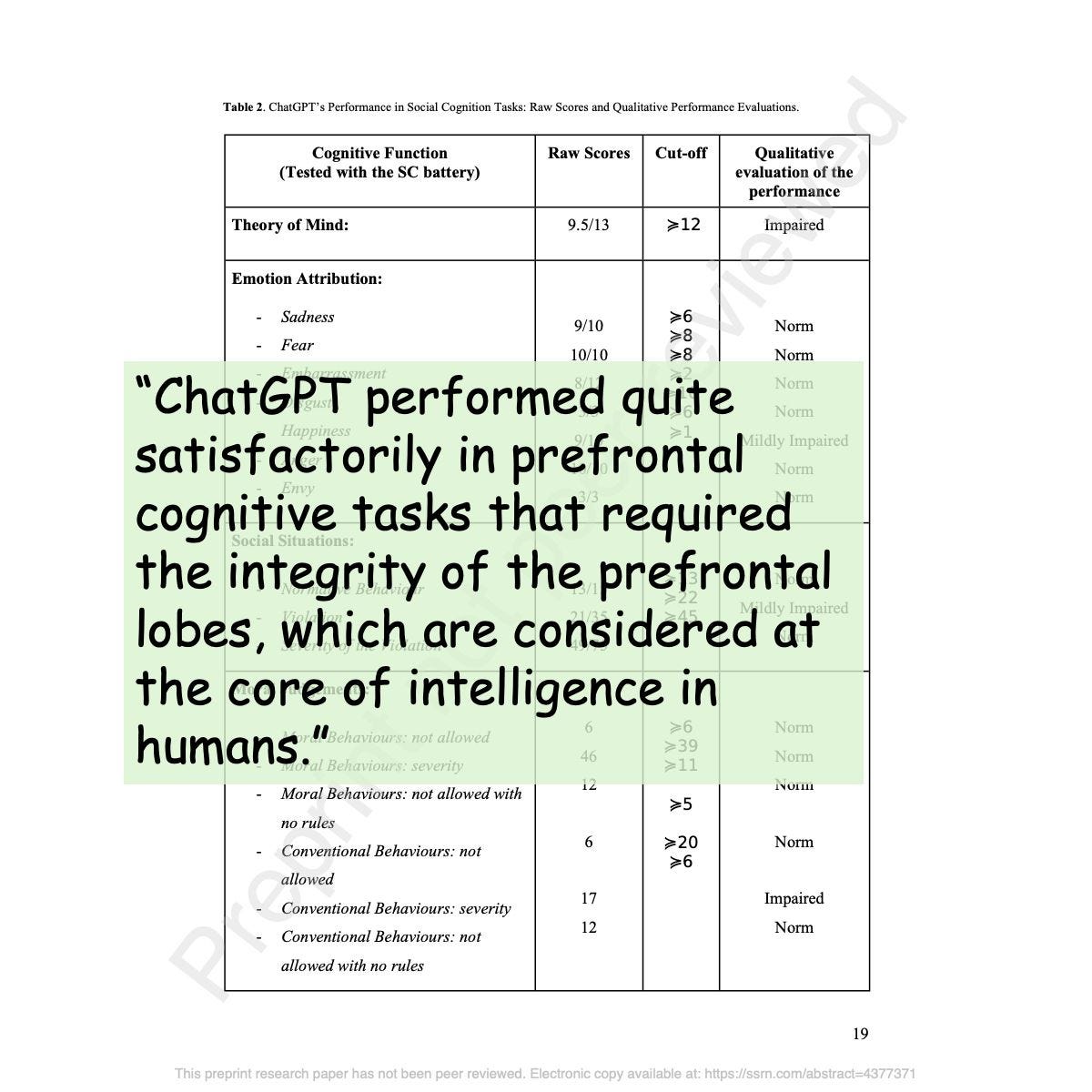
8. Challenging ChatGPT 'Intelligence' with human tools: a neuropsychological investigation on prefrontal functioning of a large language model
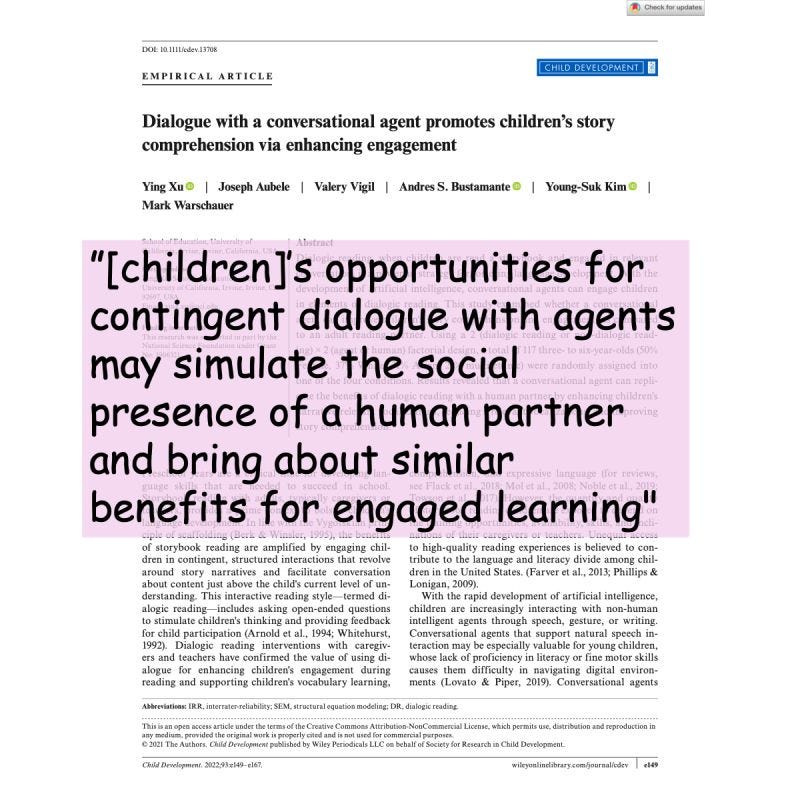
9. Dialogue with a Conversational Agent Promotes Children's Story Comprehension via Enhancing Engagement
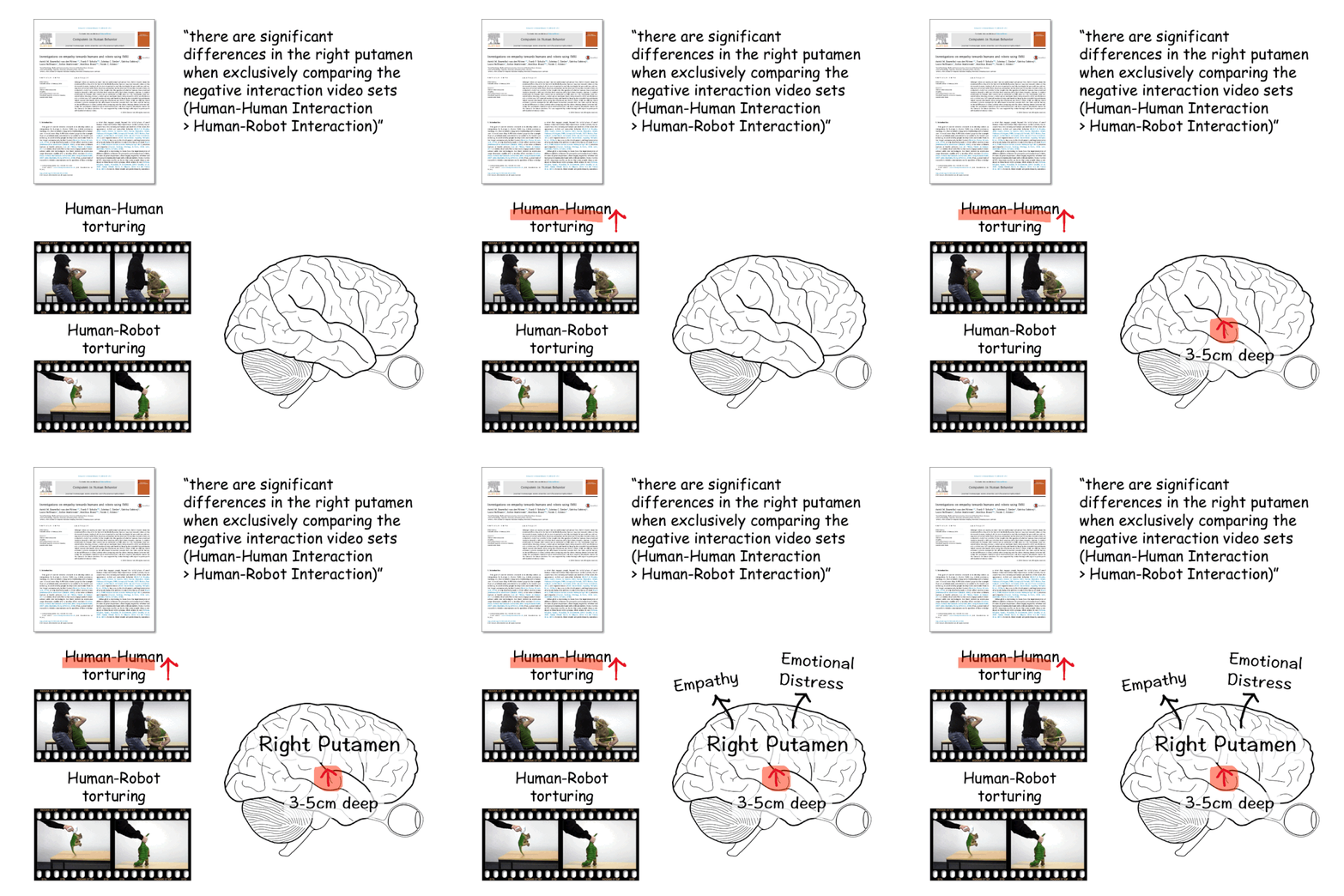
10. Investigation on Empathy Towards Humans and Robots using fMRI
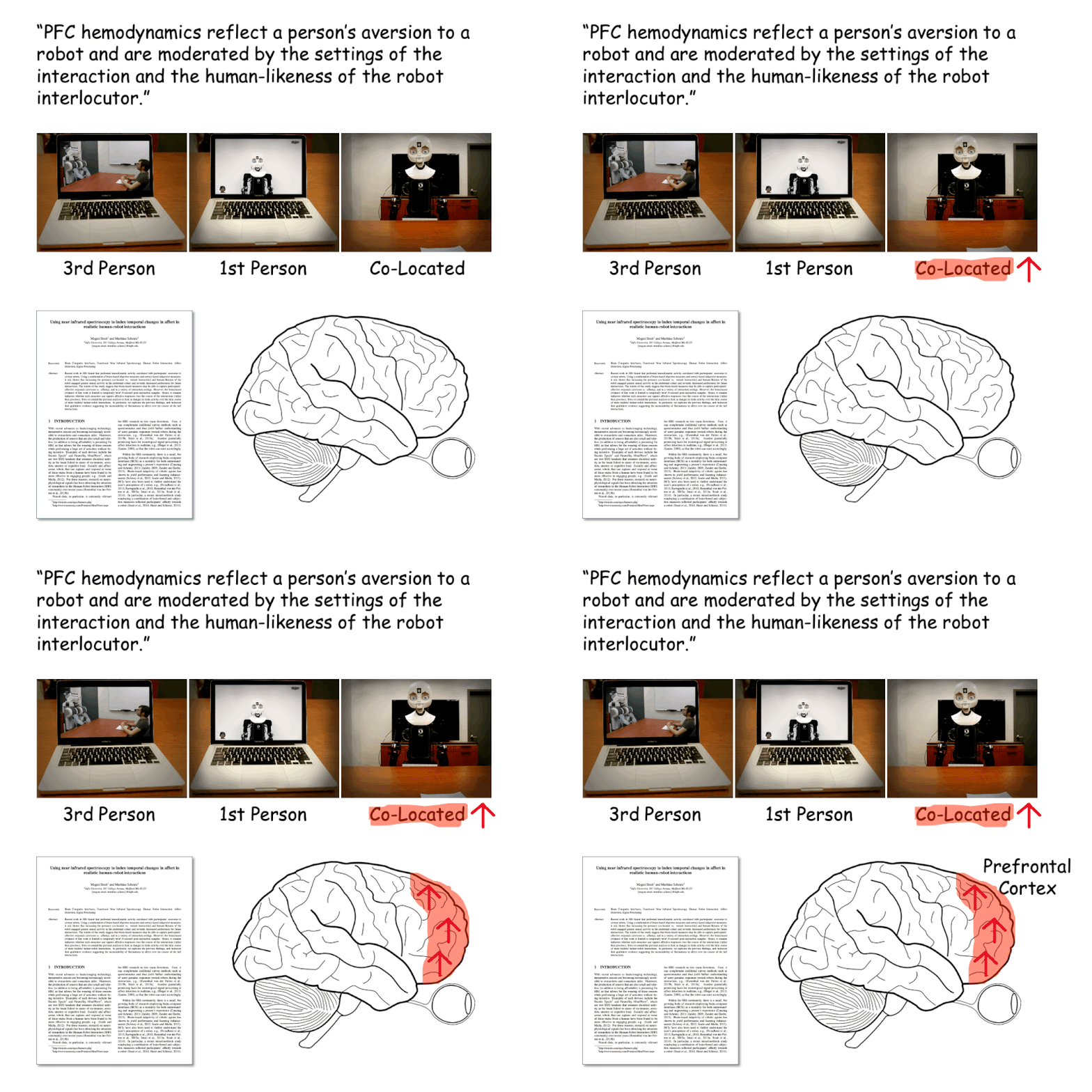
11. Using Near Infrared Spectroscopy to Index Temporal Changes in Affect in Realistic Human-Robot Interactions
12. "Robovie, you'll have to go into the closet now": Children's social and moral relationships with a humanoid robot

13. The Now and Future of ChatGPT and GPT in Psychiatry

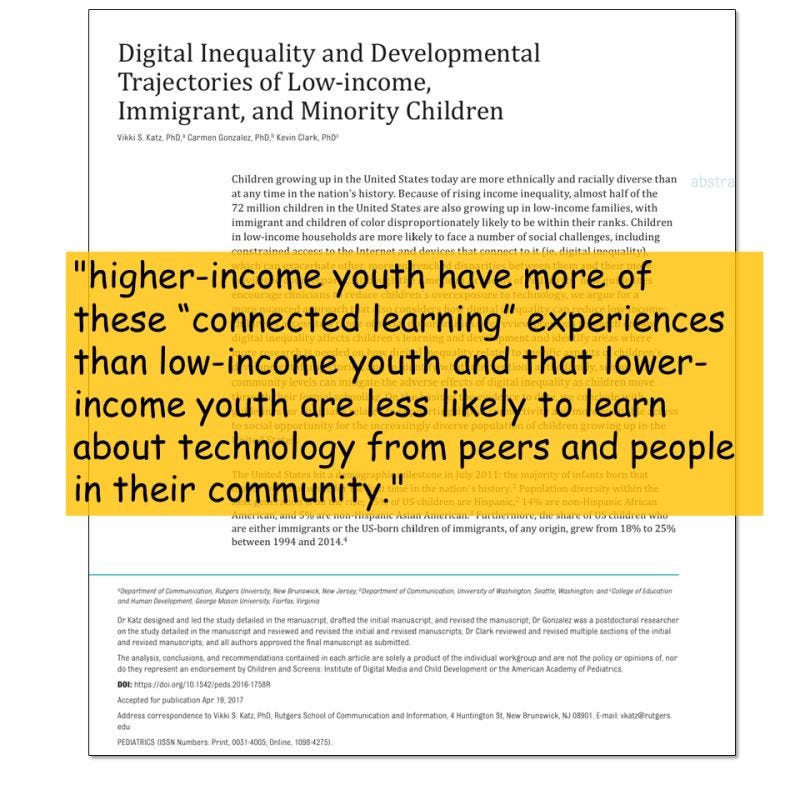
14. Digital Inequality and Developmental Trajectories of Low-income, Immigrant, and Minority Children
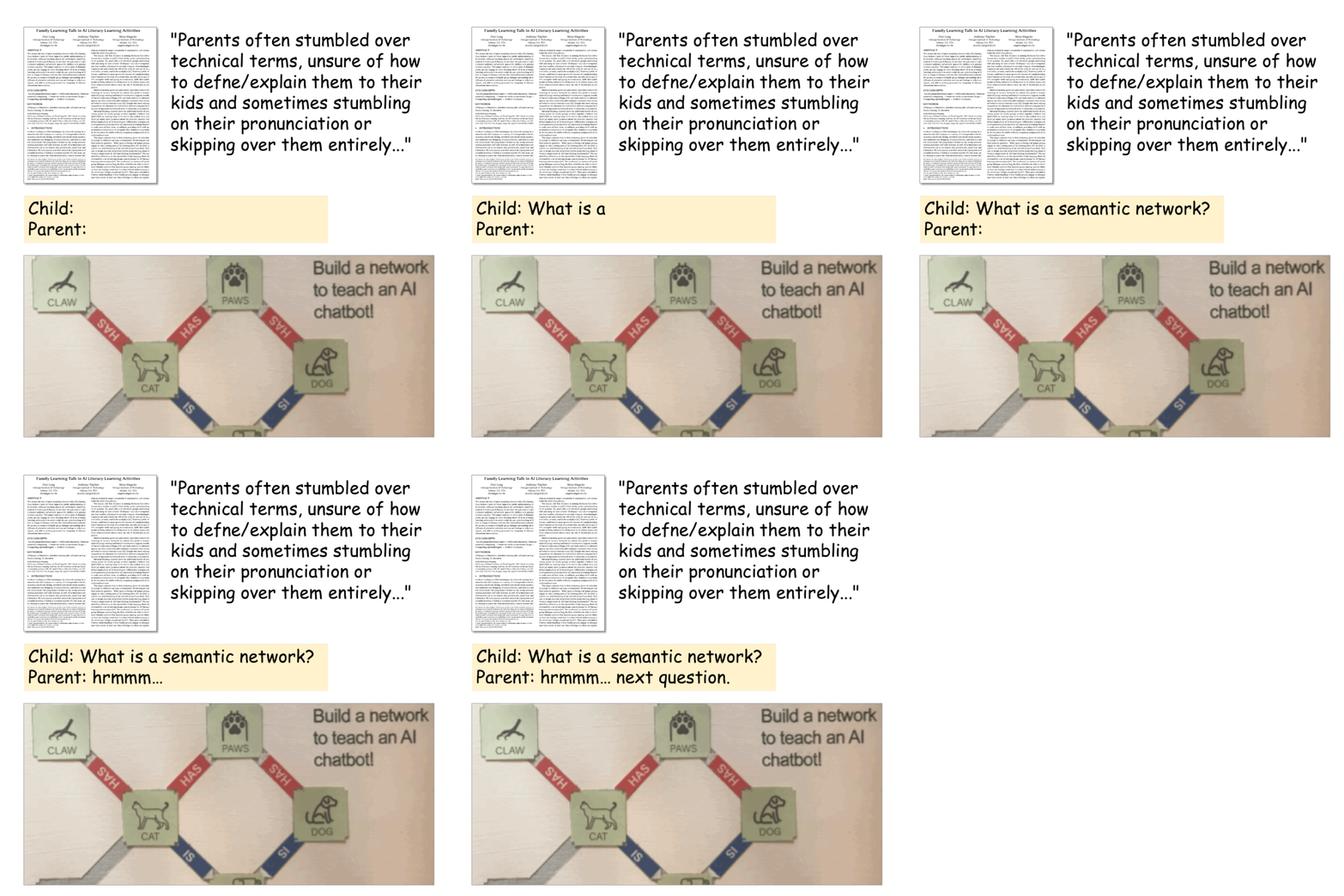
15. Family Learning Talk in AI Literacy Learning Activities
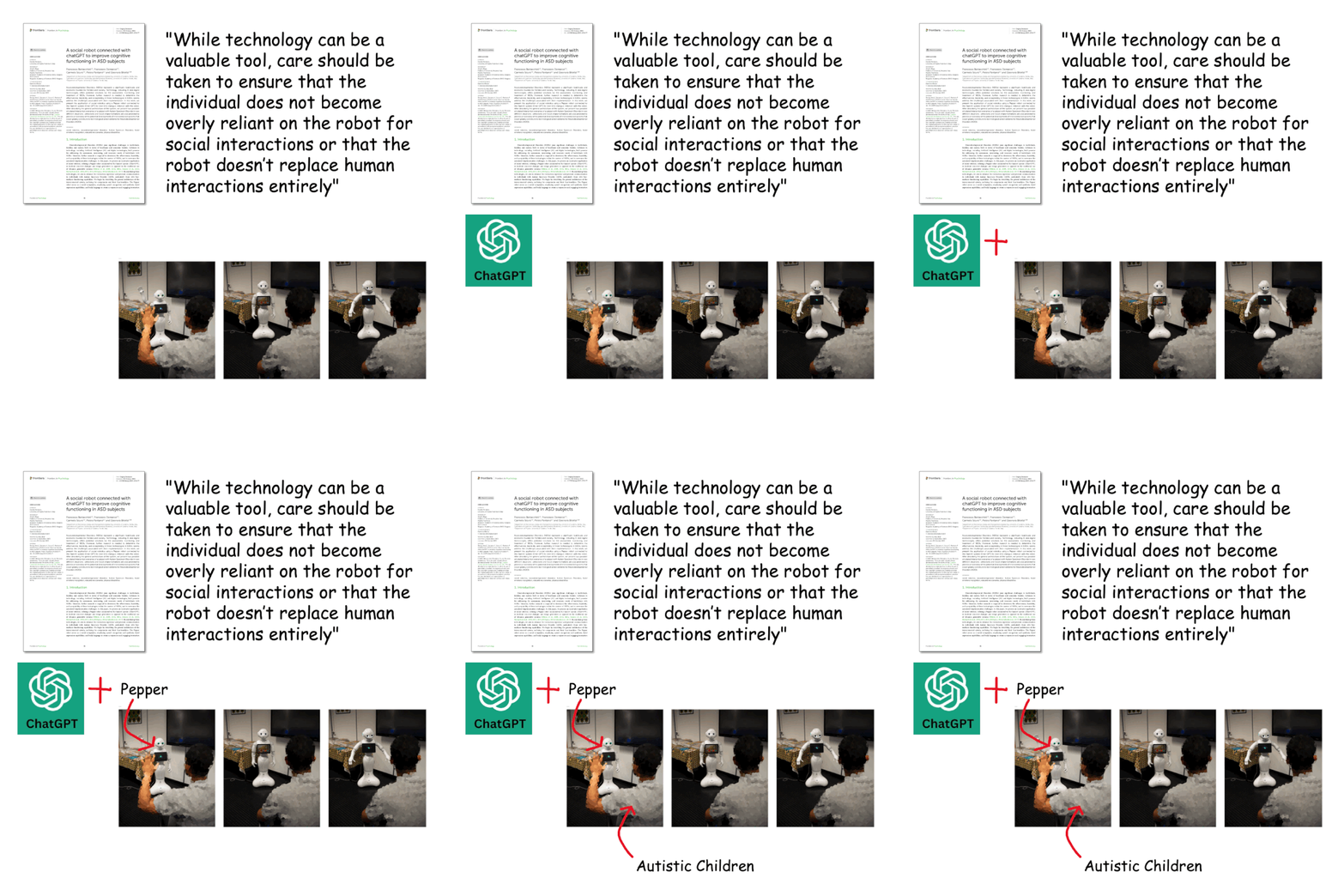
16. A Social Robot Connected with ChatGPT to Improve Cognitive Functioning in ASD Subjects
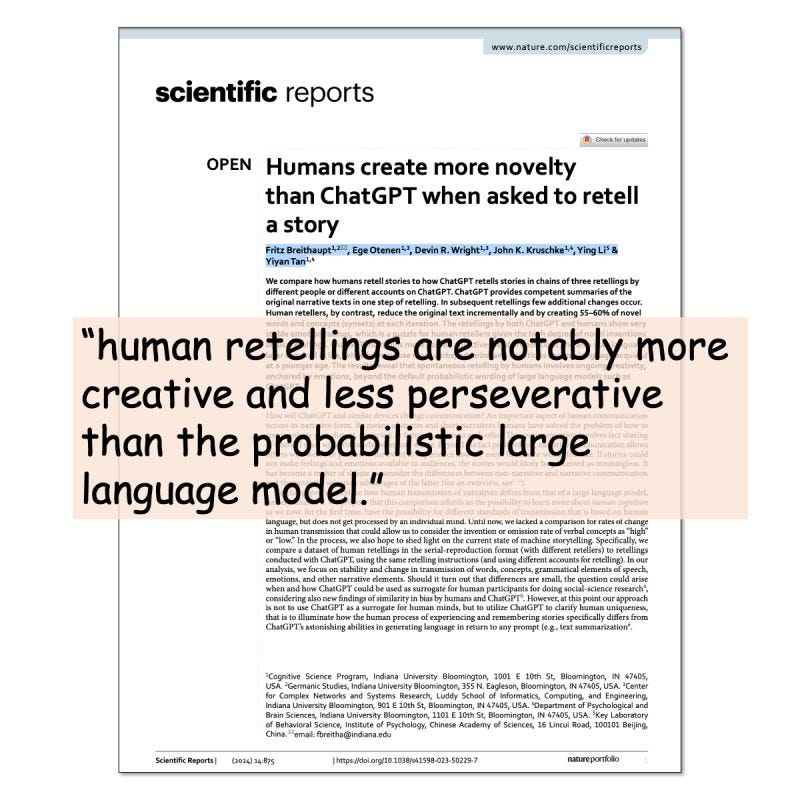
17. Humans Create More Novelty Than ChatGPT When Asked to Retell a Story
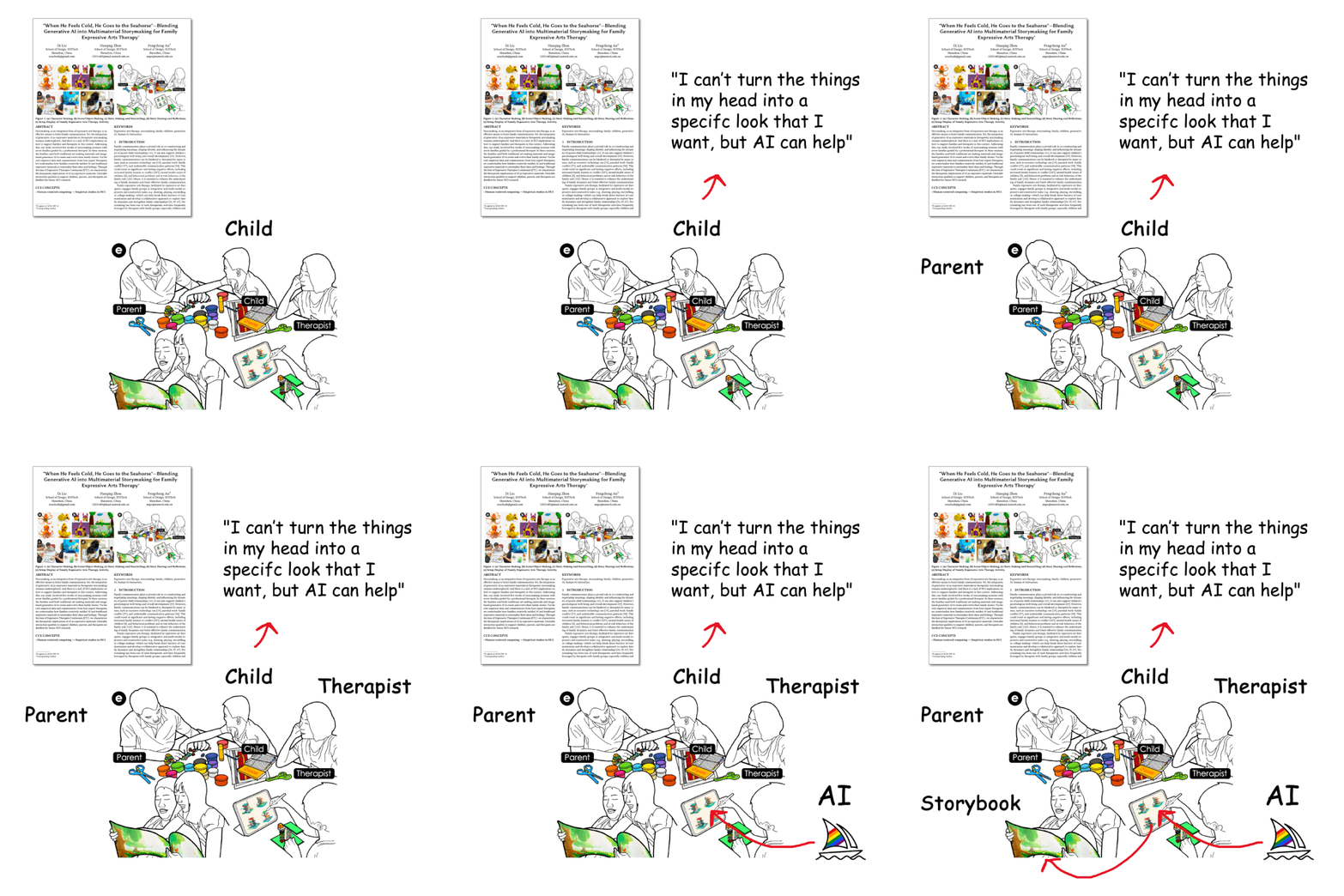
18. When He Feels Cold, He Goes to the Seahorse—Blending Generative AI into Multimaterial Storymaking for Family Expressive Arts Therapy
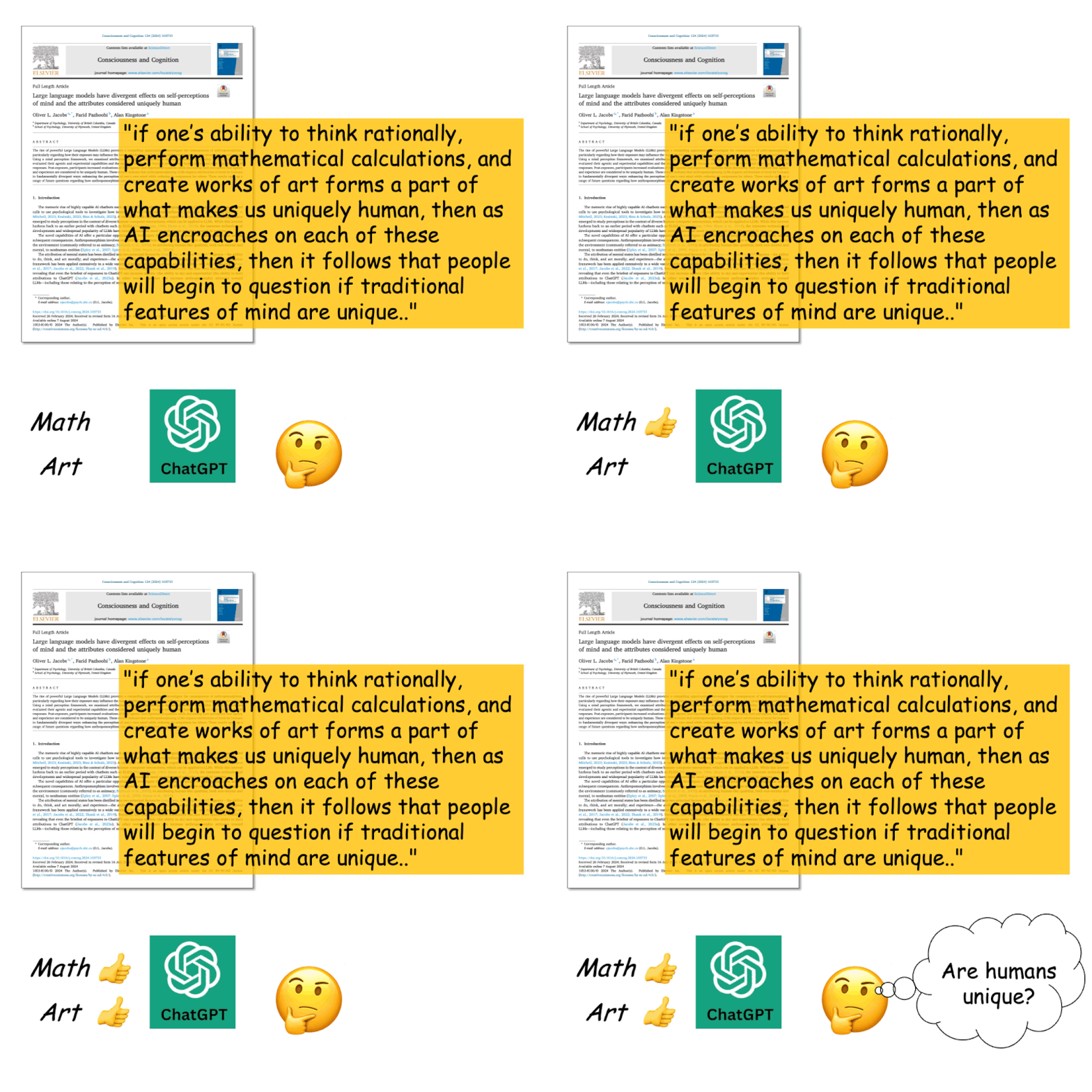
19. Large Language Models Have Divergent Effects on Self-Perceptions of Mind and the Attributes Considered Uniquely Human
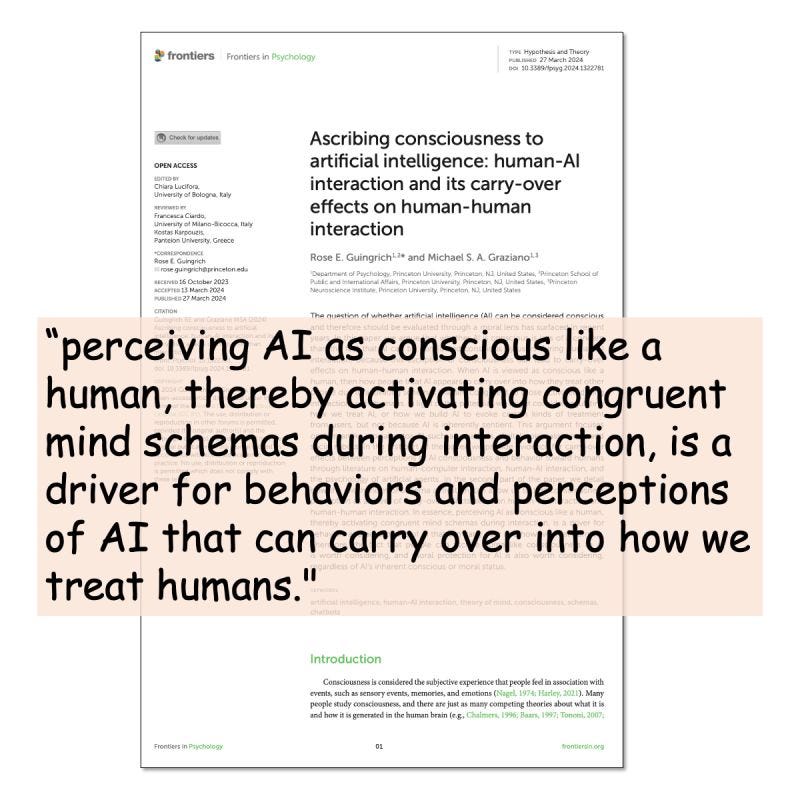
20. Ascribing Consciousness to Artificial Intelligence: Human-AI Interaction and its Carry-Over Effects on Human-Human Interaction
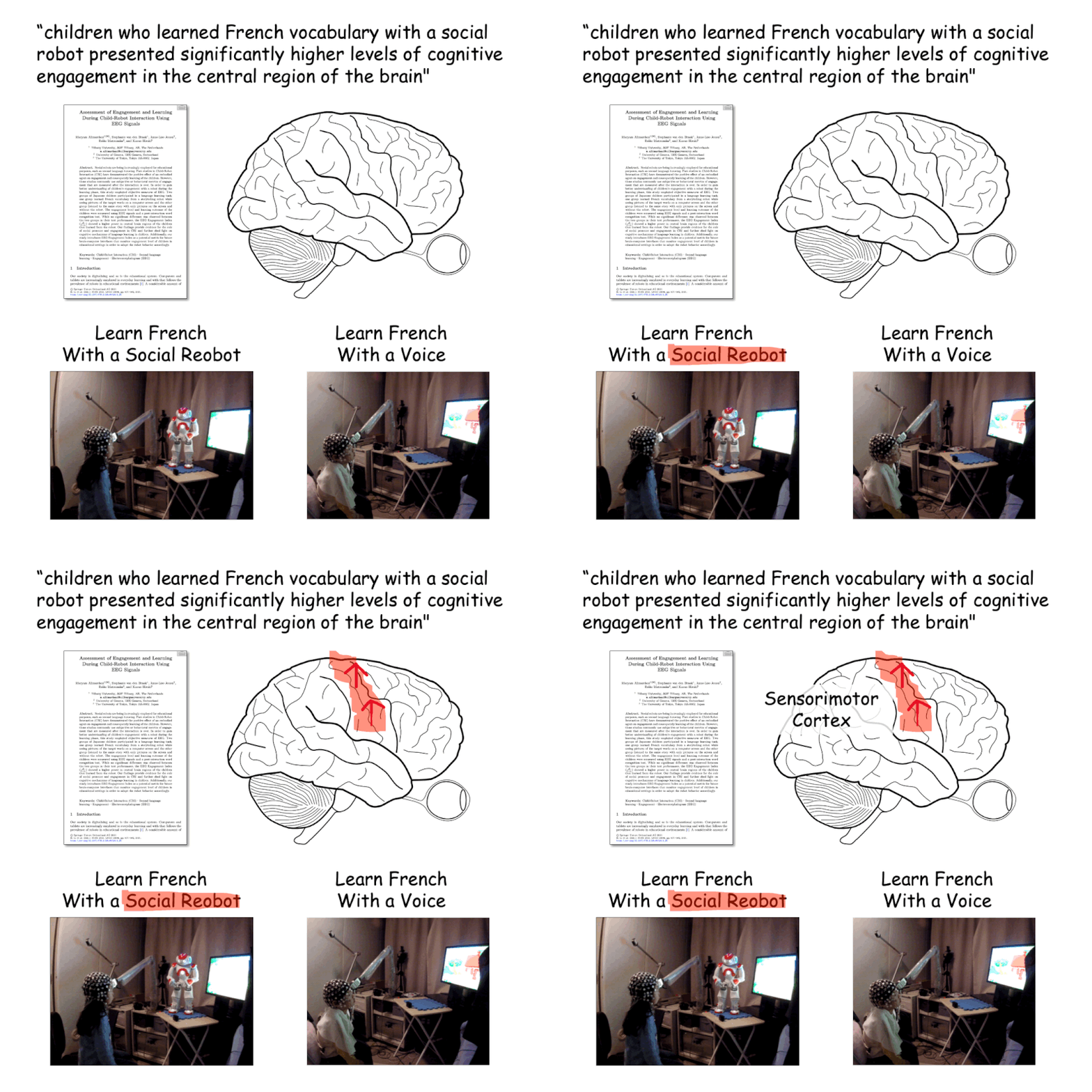
21. Assessment of Engagement and Learning During Child-Robot Interaction using EEG Signals
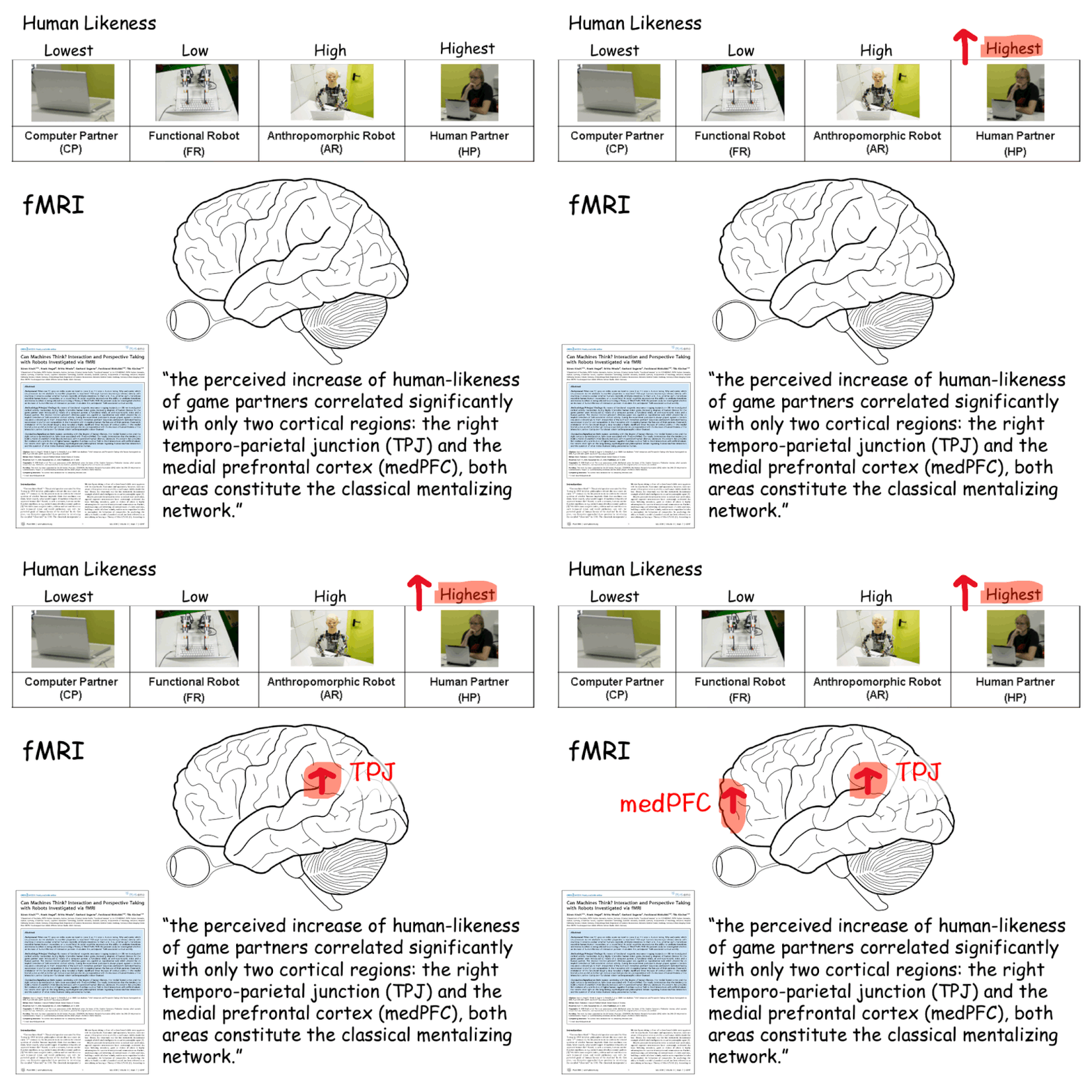
22. Can Machines Think? Interaction and Perspective Taking with Robots Investigated via fMRI
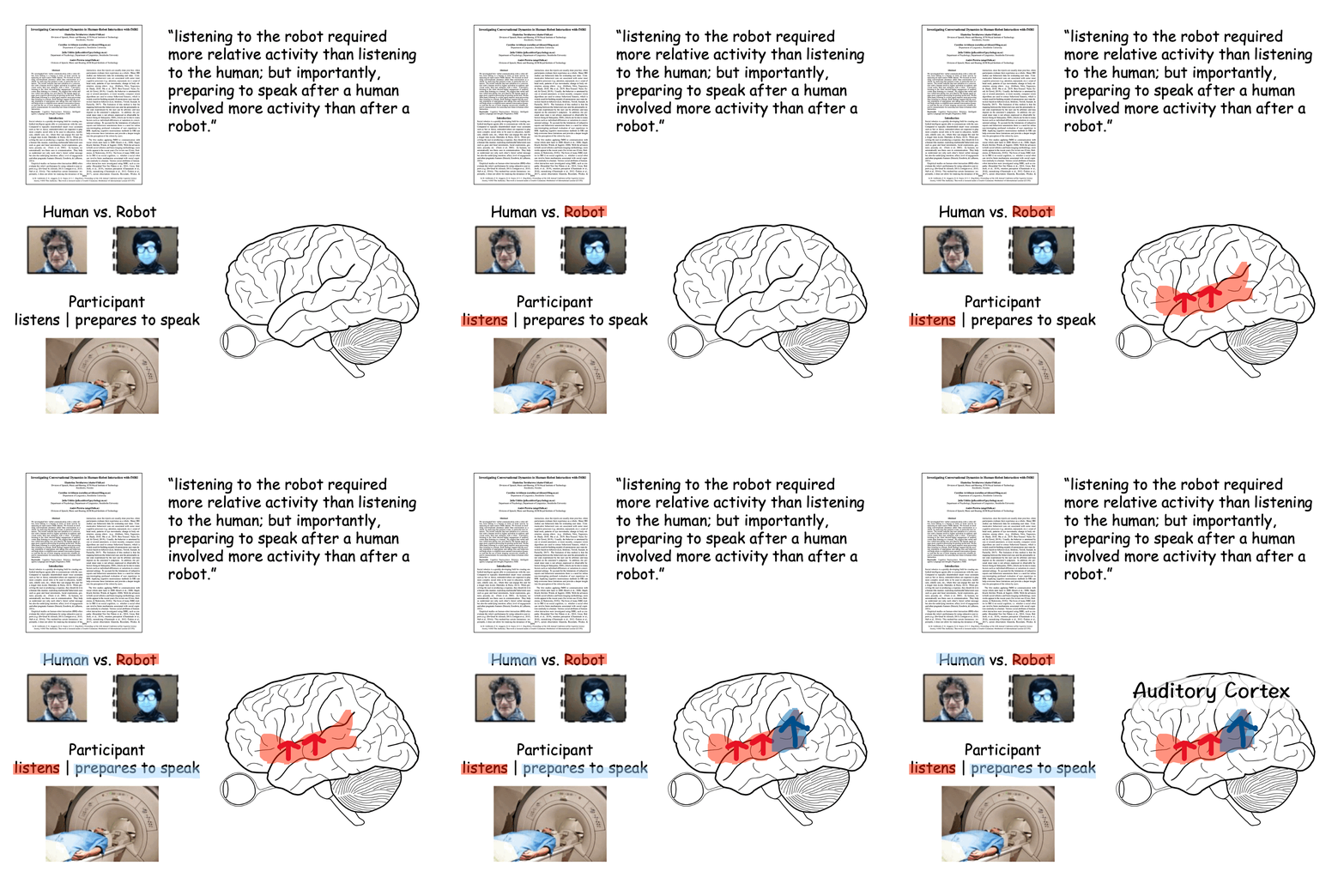
23. Investigating Conversational Dynamics in Human-Robot Interaction with fMRI
24. "Rosita Reads With My Family": Developing A Bilingual Conversational Agent to Support Parent-Child Shared Reading

No posts
Comments
Nothing yet. Say the first thing.
Sign in to join the conversation.