
Every week, founders come to me with this problem:
“We used to get a lot of leads from SEO, but it has drastically decreased in the past 3 months, what should we do?”
They often add this:
“We used to get 10 leads per week from SEO, now it’s more like 5 per month”
“The SEO leadgen used to be predictable, but now it’s uneven”
“We need an alternative, we’re thinking about content”
So in this newsletter, I’m going to talk about:
The shift from SEO to Social Content
And more specifically:
What’s happening with SEO?!
The “great repurposing era” starts now
How to maximize the ROI of your content with repurposing
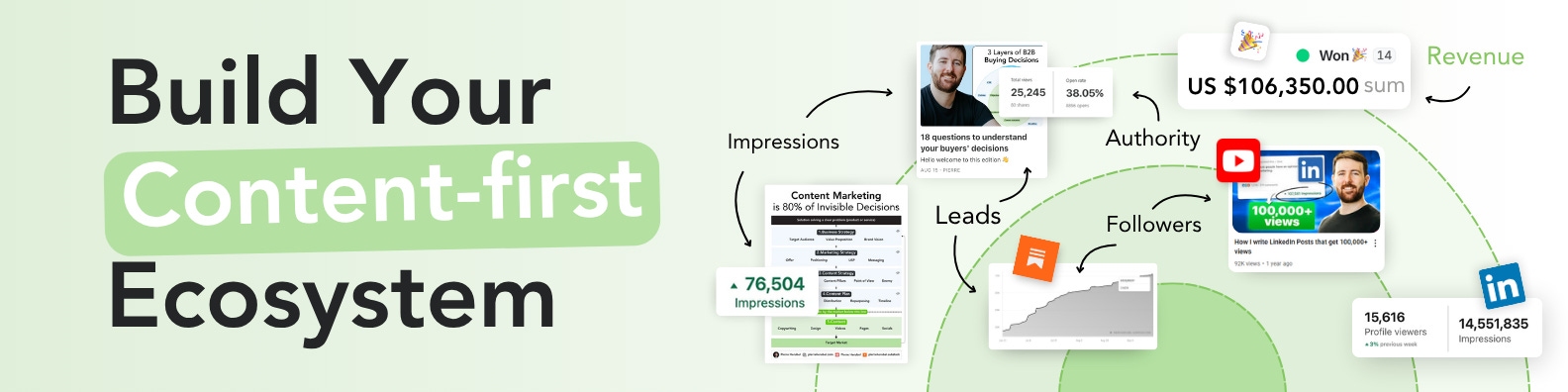
You might have tried B2B content, juggling bursts of motivation, AI content, and copied viral templates. But you haven’t found a long-term strategy that grows your brand and revenue.
Build your entire content-to-revenue system with my flagship program: 7 modules, plug-and-play templates, weekly Q&A calls, and a community of B2B founders building their content engine.
→ Build your content system and get direct feedback from me
Disclaimer: this is not an anti SEO newsletter. I still think it’s a good strategy, especially if you have an SEO + AEO strategy for the long term.
I wrote about this in Nov 08, 2023 in my “B2B Marketing Playbook” before the AI marketing madness. Therefore, even before AI, people were consuming less and less blog content as they preferred asking peers in communities or on social media. This was accentuated during Covid with online communities and webinars.
People now use AI overviews to get fast answers instead of browsing your websites.
Google AI Overviews now show up in nearly 55% of all Google searches, becoming a common part of everyday browsing.
Ranking #1 on Google Now Delivers 58% fewer clicks than it used to (Gravitate Analysis Finds)
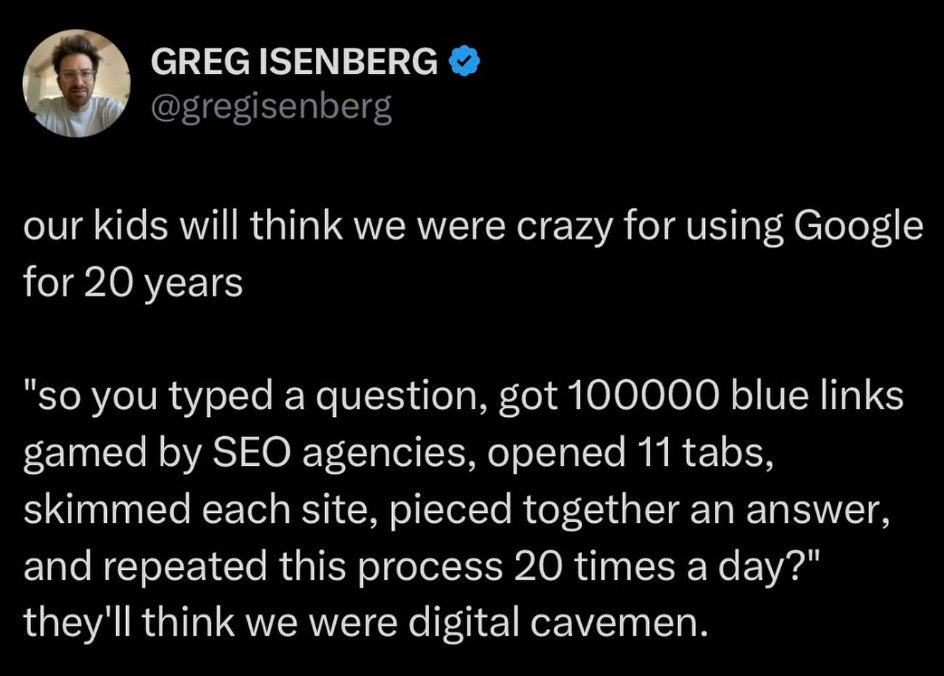
I really love this tweet from Greg Isenberg that describes this major shift well:
Today, 89% of B2B buyers rely on GenAI tools like ChatGPT, Gemini, and Perplexity across all stages of their purchasing journey. Personally, I use Claude to search for potential tools that match my workflows or exact context, it’s like a B2B personal shopper that knows everything about my business.
You have two ways to react to this situation:
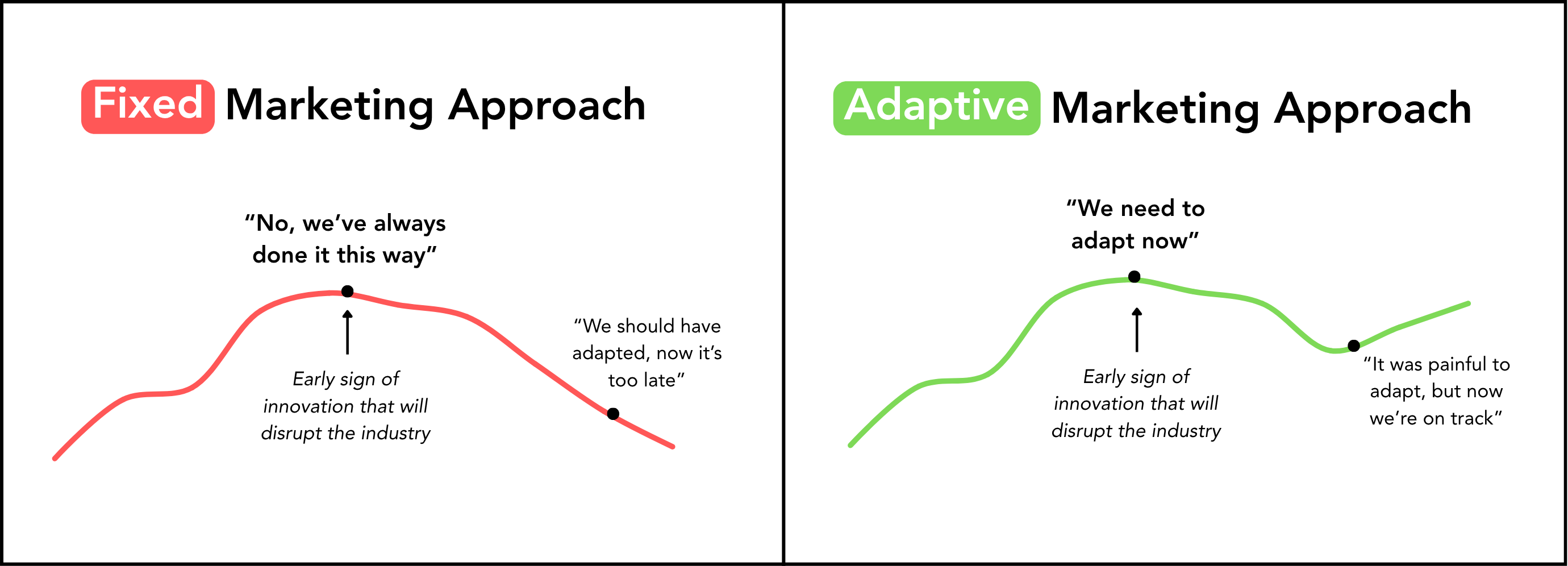
We're entering a new era in B2B Marketing that I'm calling "the great repurposing". All the investment made in SEO in the past 20 years will be repurposed into other types of content.
→ “We used to get a lot of leads from SEO, but it has drastically decreased in the past 3 months, what should we do?”
I always answer with a more optimistic approach: they already have all the resources ready to repurpose into social content.
Case studies that can become carousels
TOFU articles that make great long-form videos
Stats and facts that can feed thought leadership
Industry reports that can be turned into a dozen infographics.
In other words, they already have the foundations for a strong content engine.
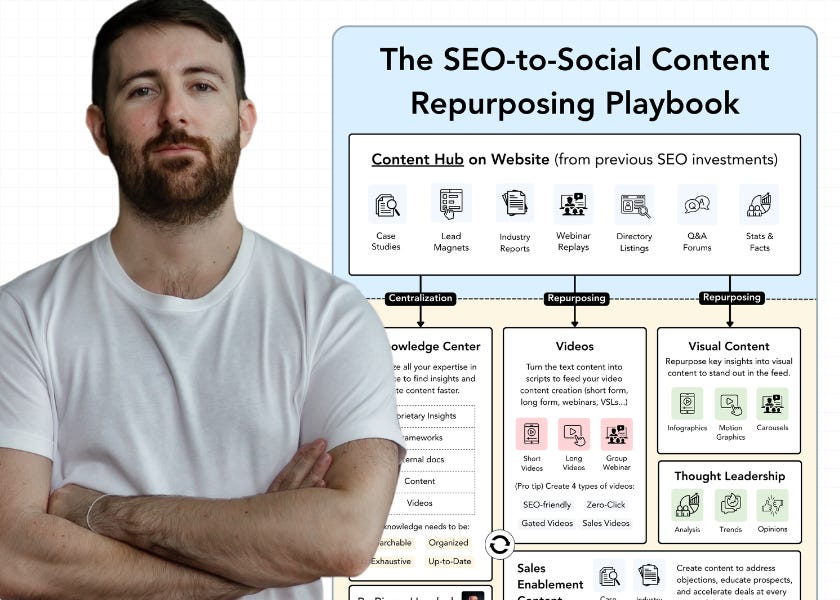
Here is the SEO content that can be repurposed:
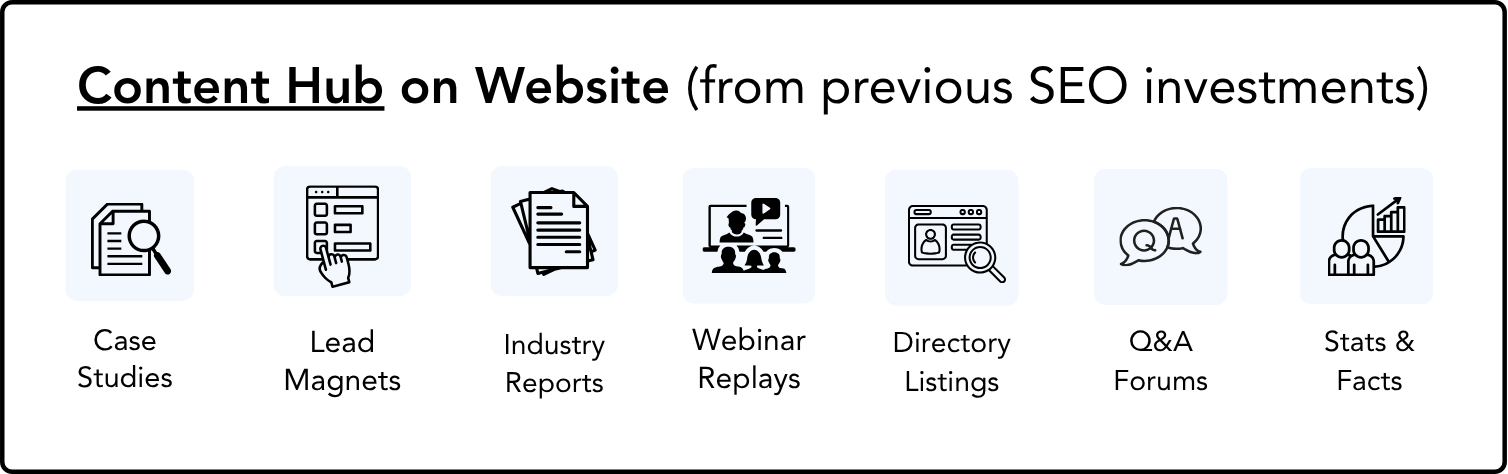
The bottom line: if you’ve built a strong content hub, you’re starting your social content strategy with great foundations.
So when it comes to content creation, the path forward is clear. First, turn the entire content hub into a searchable AI knowledge center. Then, create a repurposing factory with a content strategist, a copywriter, and a designer. Finally, build the internal function and discipline to ship zero-click content, gated content, and sales-enablement content every week.
Turn their entire content hub into a searchable AI knowledge center.
Create a repurposing factory with a content strategist, a copywriter, and a designer.
Build an internal function and discipline to ship zero-click content, gated content, and sales-enablement content weekly.
Here is the type of content that can be repurposed from SEO:
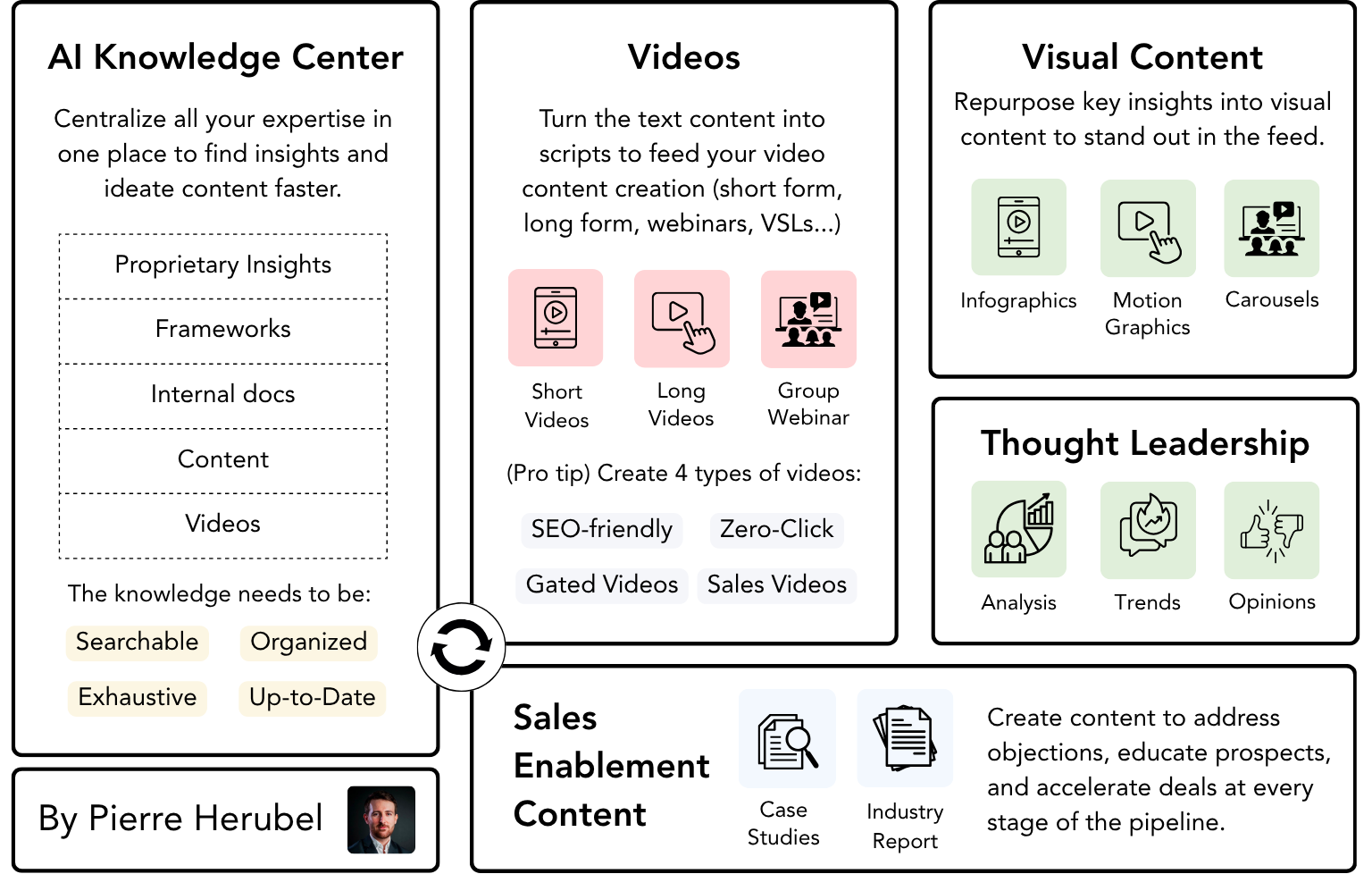
Your content hub is full of assets that can each produce 5 to 10 new pieces of content. The only thing missing is a weekly process that turns them into social content, and here is how I set it up:
Absorb your entire content hub and turn it into a knowledge center
Map your knowledge, create an index, identify your main assets
Install your repurposing workflows (examples below)
Start repurposing
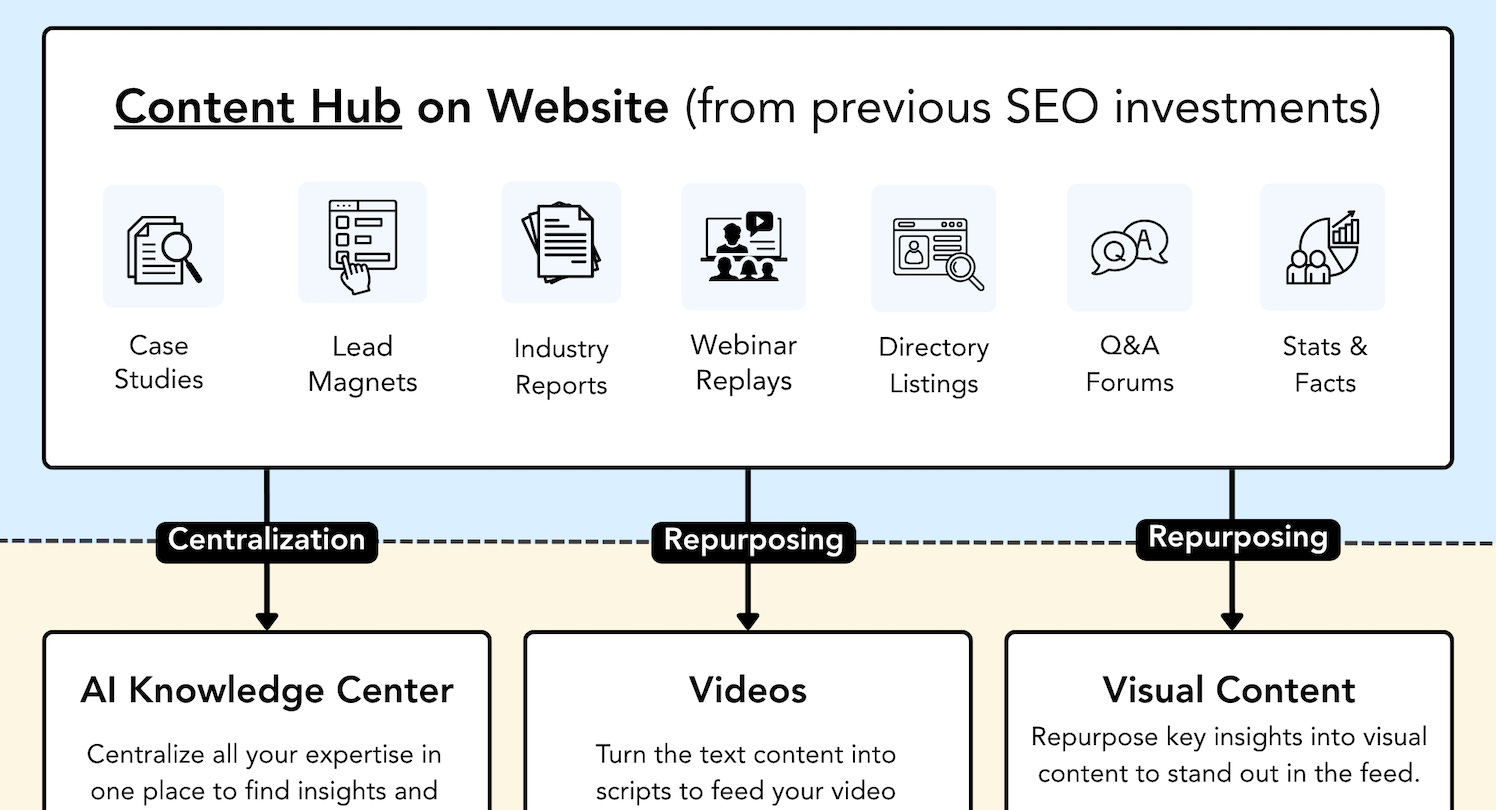
These workflows are the core of what I call a repurposing factory. Each one takes an asset you already own and converts it into a format your audience actually consumes. You don’t need all five from day one. Pick the two that match your strongest existing assets, run them weekly for a month, then add the next one.
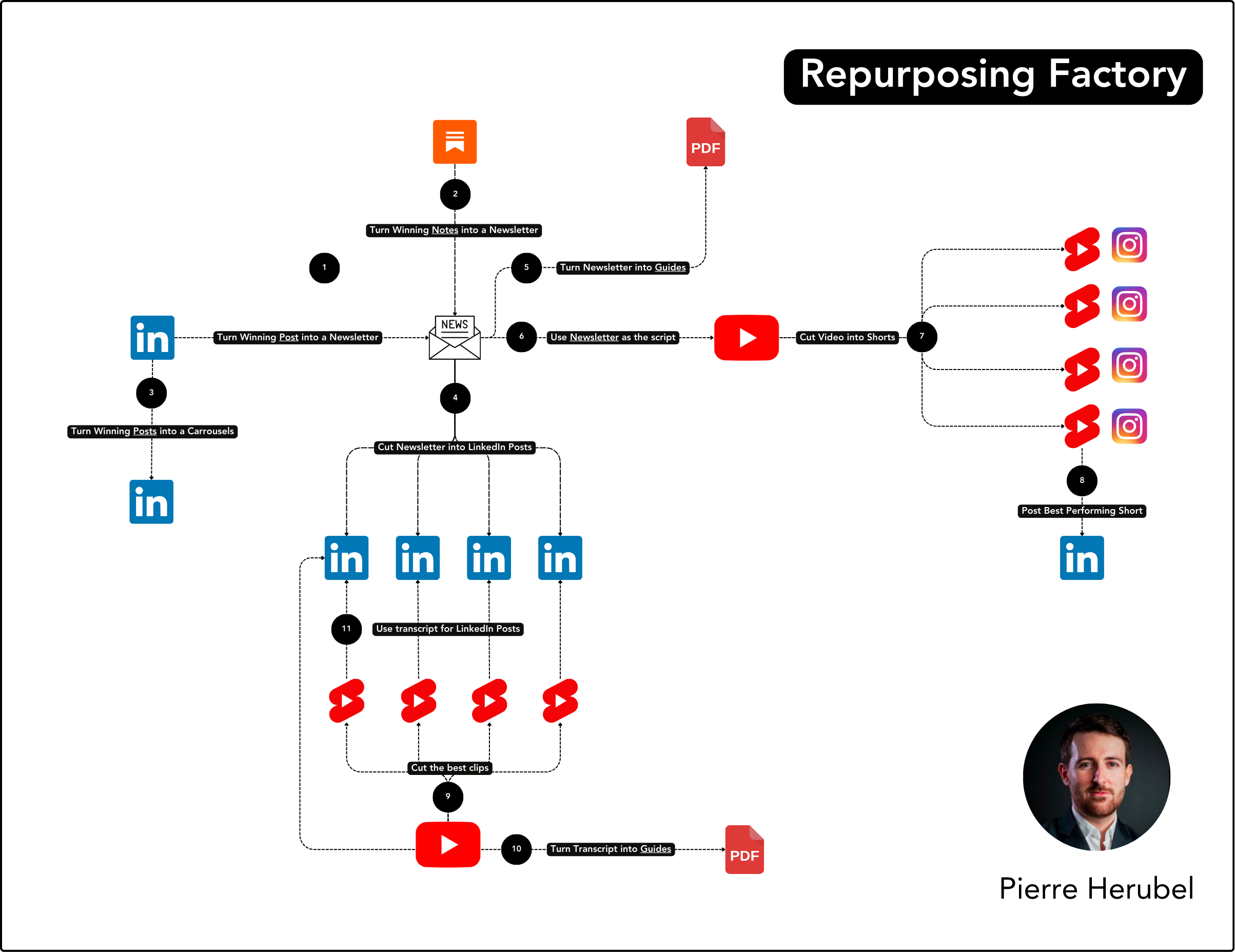
Repurposing workflow 1 - Case study → Carousel
Case studies are your strongest proof, but most buyers never read them. A carousel turns the full story into a swipeable format.
Repurposing workflow 2 - Report → Infographic
An infographic extracts the 3 to 5 most surprising data points and makes them visual. It is the fastest way to give a second life to research your team spent weeks producing.
Repurposing workflow 3 - TOFU Article → YouTube Video
A top-of-funnel article already contains the structure of a good video: a problem, a promise, and steps. Instead of writing a script from scratch, you record the article's outline on camera.
Repurposing workflow 4 - Statistics → Thought leadership posts
A thought leadership post starts with the stat, then adds your interpretation: what it means, why it happens, and what to do about it.
Repurposing workflow 5 - Q&As → Short video
Every question from sales calls, comments, or webinars is a ready-made video topic. Answer one question per video in under 60 seconds.
Start with the first step this week: absorb your content hub into a knowledge center and build the index. That single afternoon of work unlocks every workflow in this newsletter. The businesses that built content hubs over the past 20 years are sitting on their next 3 years of social content.
You’ll get the full system I use to turn one validated idea into an entire content ecosystem across LinkedIn, Substack, YouTube, Shorts, and guides.
→ Build your content system and get direct feedback from me
No posts
Comments
Nothing yet. Say the first thing.
Sign in to join the conversation.