
There will be a moment on your photography journey when it all comes together, and you enter the maturity phase of your work.
You become less drawn to random, fleeting snapshots and more interested in discovering the meaning of your work.
What were all those pictures of family and scenery about?
You’re less reactive and begin to envision.
And part of that vision is the desire to create a body of work.
Photography is unusual in this way. Where a painter might spend hours on a single piece, we can create thousands of frames in the same time. Volume is part of the medium. But maturity isn’t found in the volume. It’s found in discovering patterns across our vast volume of work.
And when we begin to see those patterns, the individual frame starts to matter differently. It’s no longer just a keeper; it’s part of something larger. A body of work that reveals and invites.
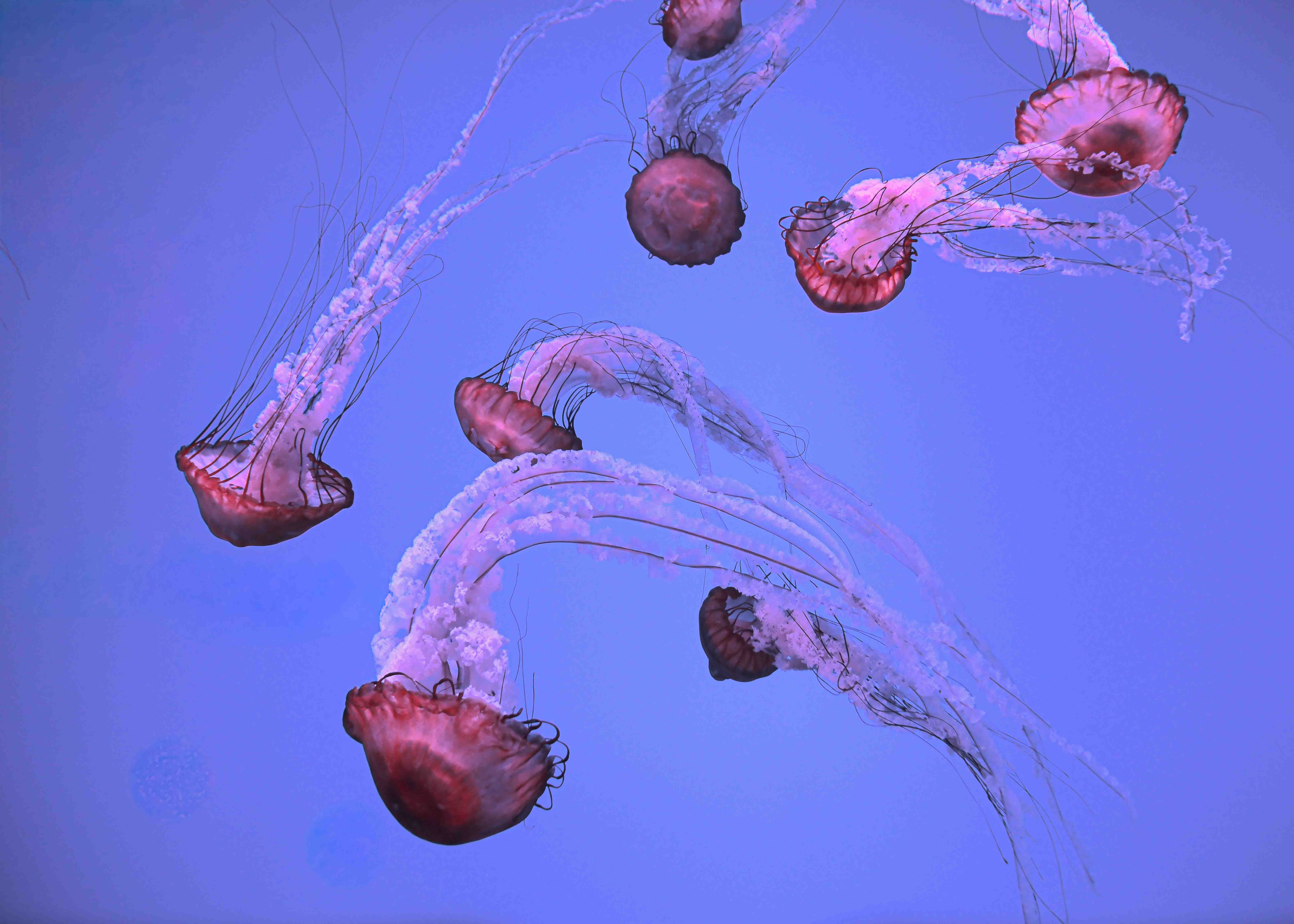
I’d been to the aquarium ten years ago and was eager to return and photograph it again.
The first time, it was about the excitement of it all. Sharks, movement, the thrill of capturing something.
This time felt different.
The place hadn’t really changed—but I had.
I still found myself pausing in front of the tanks, but I wasn’t drawn to the subjects in the same way. It wasn’t the shark’s teeth or the species that held my attention. It was something harder to name.
Back home, as I sifted through the images, it clicked.
The photographs I kept returning to weren’t about what I had photographed—but how. Lines. Tonal contrast. Movement.
In other words, the elements and principles of art.
The first time, I hadn’t been speaking, I’d been capturing. But this time I knew, even if only intuitively, that in order to have photos that reflected something beyond my own snap-happy wonder, I needed a visual language to help them speak.
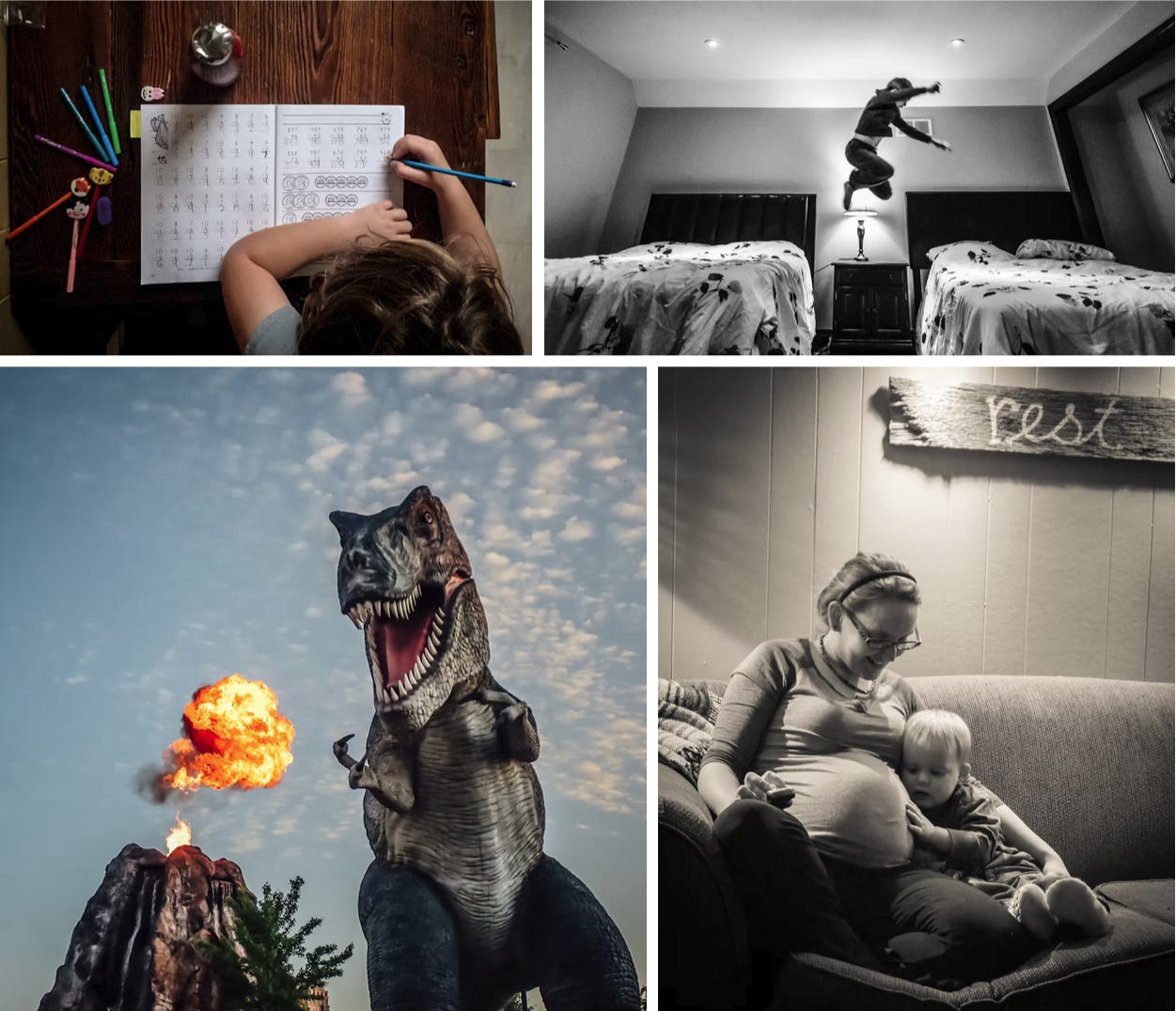
The elements and principles are everywhere. In an aquarium, in my kids’ drawings, in abstract art hanging in hotel lobbies. The subject changes—but the visual language doesn’t.
If you’ve been following the Elements and Principles of Art series, this is what it looks like on a Tuesday afternoon in the real world.
Whether you’re here for camera settings, gear choices, creative exercises, or ideas for building a body of work, feel free to jump to the part you’re most interested in. The article is highly skimmable.
Take a look at the Elements and Principles of Art series.
Notice where this visual language is already showing up in your work, in your photography, and in how you see.
Look for patterns. Across years, or across the last six weeks.
That’s where it starts.
You never really know what you’ll get until you get there.
And when something unexpected reveals itself, it’s a different kind of surprise.
Not the kind that catches you off guard, but the kind that delights you.
Mat Coker writes from Canada, where he lives with his wife and four kids.
He teaches photography through his writing, occasional college courses, and personal coaching.
He started with a point-and-shoot film camera at ten, went on to accidentally build a family photography business, and is still searching for a hard drive big enough to hold it all.
Comments
Nothing yet. Say the first thing.
Sign in to join the conversation.