

Below is the seventh entry in the “Reading Hellworld” series, reviewing some of the discussion on imperialism, hegemony, and crisis summarized in the book’s final chapter. In addition to rehashing the basic argument and gesturing toward an associated article in Specter, I attempt to clarify some of the common misunderstandings of the imperial order that the chapter is implicitly poised against. The reason that I want to spend time on this topic in particular is that, in doing a variety of interviews and book launch events, I’ve found that questions on the nature of imperialism have been particularly common, likely due to the return of “anti-imperialism” as a driving political current in socialist circles in North America.
Below, I therefore make particular note of how the alienated appearance of imperialism tends to generate not a singular “campism” but instead several “camps” of anti-imperialism that all fall short in different ways, each proving unable to account for the actual dynamics of imperial violence and its connection to the megastructures of capital – not to mention serving to disguise impotent political practice in their own local situations. Nonetheless, as one of the realms in which the raw domination inherent to capitalist society is laid bare, imperialist inequities tend to serve as key moments of political awakening. I therefore emphasize here, as in various interviews, that we should avoid shaming young, recently radicalized people for holding such positions and, instead of explicitly polemicizing against such positions, we are better served by stressing questions of local political strategy and encouraging better theoretical development across the board. As always, remember that these entries are nothing more than rough notes written in a stream-of-consciousness format rather than polished articles. They include typos and somewhat sudden transitions, and several of the arguments made aren’t necessarily wrapped up in any clean fashion.
The final chapter of Hellworld, “Hill of Ash,” appraises overall trends in imperial violence and rising warfare globally, opening with an overview of the genocide in Gaza and a look at the data on rising armed conflict and increasing military spending across the world. On the one hand, this is intended to capture an aleatory sense of horror: “…the warscape of Gaza is not an isolated event but serves instead as a sort of social hieroglyphic conveying the intuition that we lie on the precipice of some terrible transformation yet to come.”[1] On the other, these examples also illustrate the larger theory of crisis illustrated throughout the book and made explicit in this final chapter:
…what appear to be many nodes in a polycrisis are in fact localized swells of that more general, underlying crisis long described by communist thinkers: an extended tendency toward systemic breakdown visible in recurrent economic downturns and emerging from intrinsic instabilities (in classical parlance, ‘contradictions’) in the valorization process, which then rapidly scale up to threaten social reproduction as a whole. Though the roots of this breakdown tendency trace back to various constraints placed on the production, flow, and realization of value – not because these characteristics are more fundamental in some ahistorical sense but simply because they are made to take on a material priority in capitalist society – it also exceeds the conventional image of ‘economic’ crisis visible in the bursting of asset bubbles or the oscillation of the business cycle. These economic contradictions are merely moments in which broader socioecological instabilities are expressed, which is precisely why they generate, in the foreground, the ‘political’ crises that drive increases in civil strife and armed conflict and, in the background long run ‘environmental’ crises that register the impact of these social-metabolic flows within both local ecosystems and global biogeochemical cycles.[2]
In the rest of the chapter, I examine in more detail the violent management of certain supply chains as global shifts in production and financial architectures condition new geographies of extraction, linking these to the question of whether US hegemony is decaying and, if so, what the consequences of such a decay would be.
Many of the basic arguments were later summarized in my piece for Spectre, “A Tale of Two Ports,” where I cast a critical light on the standard narratives of “China in Africa” mobilized by both the liberal left and the right. As in Hellworld, the article draws on Marini’s variant of dependency theory, with an emphasis on the role played by “subimperial” dynamics in the overall structure of hegemonic power, which both bolsters that power and produces centrifugal forces pulling it apart. In the African context:
…the ascent of Asia and the gradual decline of the wealthiest countries’ direct investments in Africa do not represent the decay of US hegemony, but instead its strengthening through the agglomeration of new, subimperial power centers operating within an increasingly variegated global market that is nonetheless integrated under the power of lead firms and the state institutions that serve them. Yet the same process of agglomeration also generates and aggravates intraelite conflict within the very hegemonic hierarchy that it serves to bolster. The rise of new geographies of capital accumulation across Asia rooted in the Pacific Rim manufacturing complex—itself drawing on new “logistical” infrastructures of extraction being implanted throughout Africa—therefore signals the slow simmering-over of a fraternal conflict within this order itself. Rather than the mere “rise of China” as an outside challenger to the United States, we find instead that hegemony is eroded in its very deployment, generating a complex confluence of chaotic competing interests as power is delegated to the peripheries.[3]
In the Spectre piece, this is a stand-alone analysis derived from data on trade, investment, financial, geopolitical, and migration dynamics across the continent. In Hellworld, however, it follows from the earlier, more elaborate appraisal of supply chain structure laid out in the book’s first half, as well as the theories of intraclass conflict gestured to in the second half’s case studies on Hong Kong, Thailand, and in the global history of the developmental state.
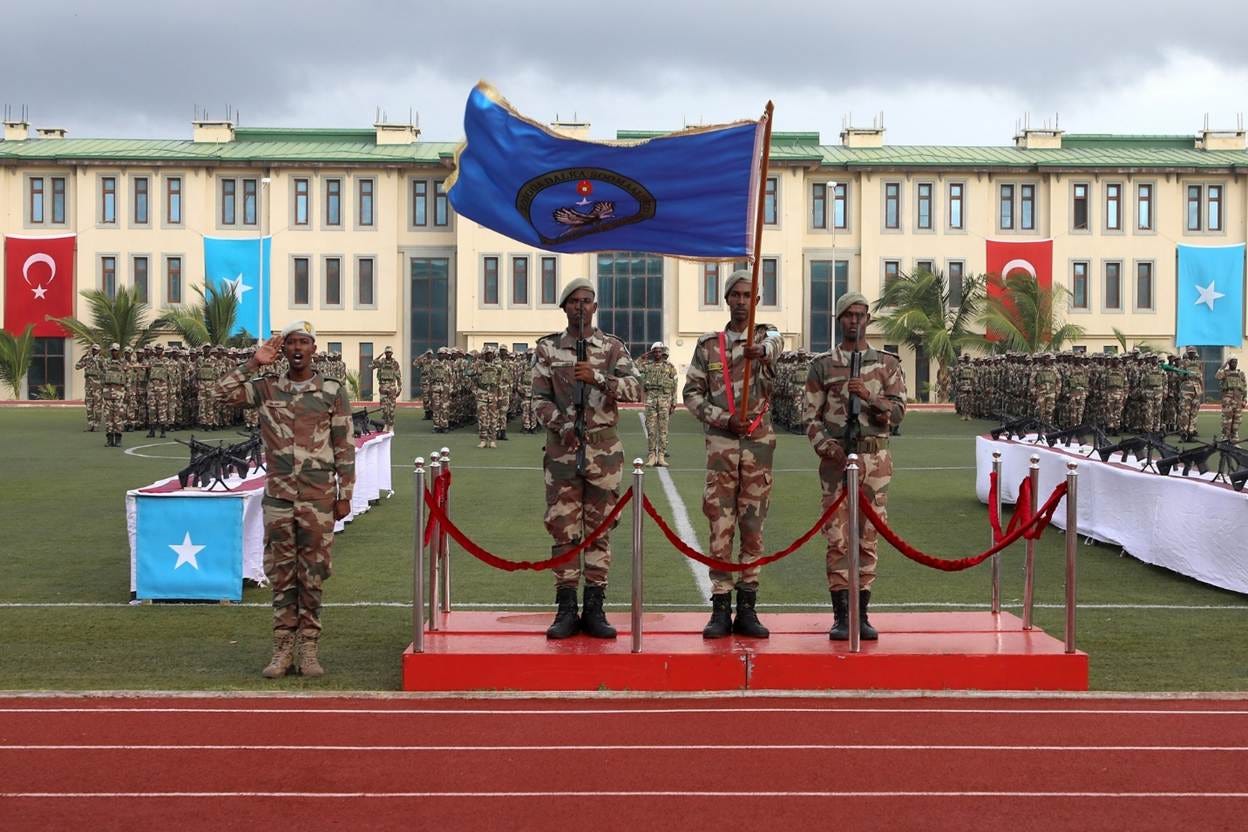
The basic idea is that the increasingly delegated and intricate subcontracting structures that have defined planetary production for the last three decades, if not longer, have reinforced the imperial power of the US but, in so doing, they have also provided a foundation for ascendant blocs of capital, placing competitive strains on the structure of US hegemony that then only accelerate the tendency toward further delegation of power.[4] The most recent geopolitical pivots of the US indicate precisely this, as the Trump administration has attempted to reconsolidate regional power in the Americas – in a certain sense attempting a retreat to the Monroe Doctrine sphere of influence – vastly amplifying dependence on missile and drone strikes (first canonized in Obama’s foreign policy), all while demanding that allies follow the Israeli model by proactively financing their own militarization (ideally via purchase agreements with US defense firms).
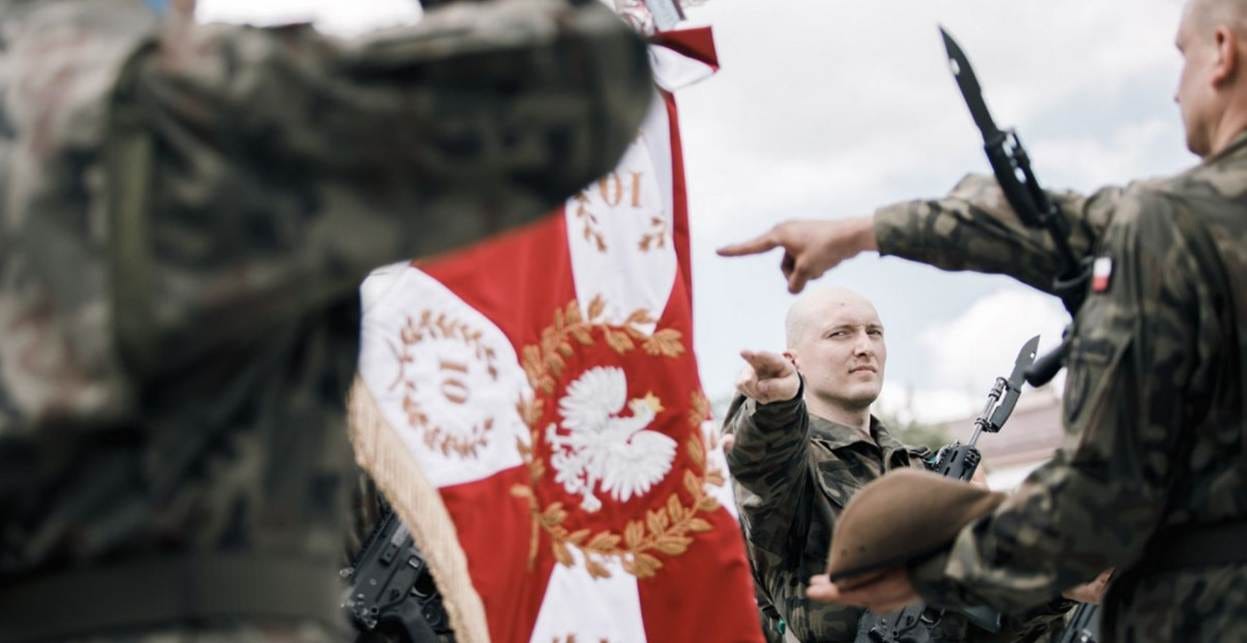
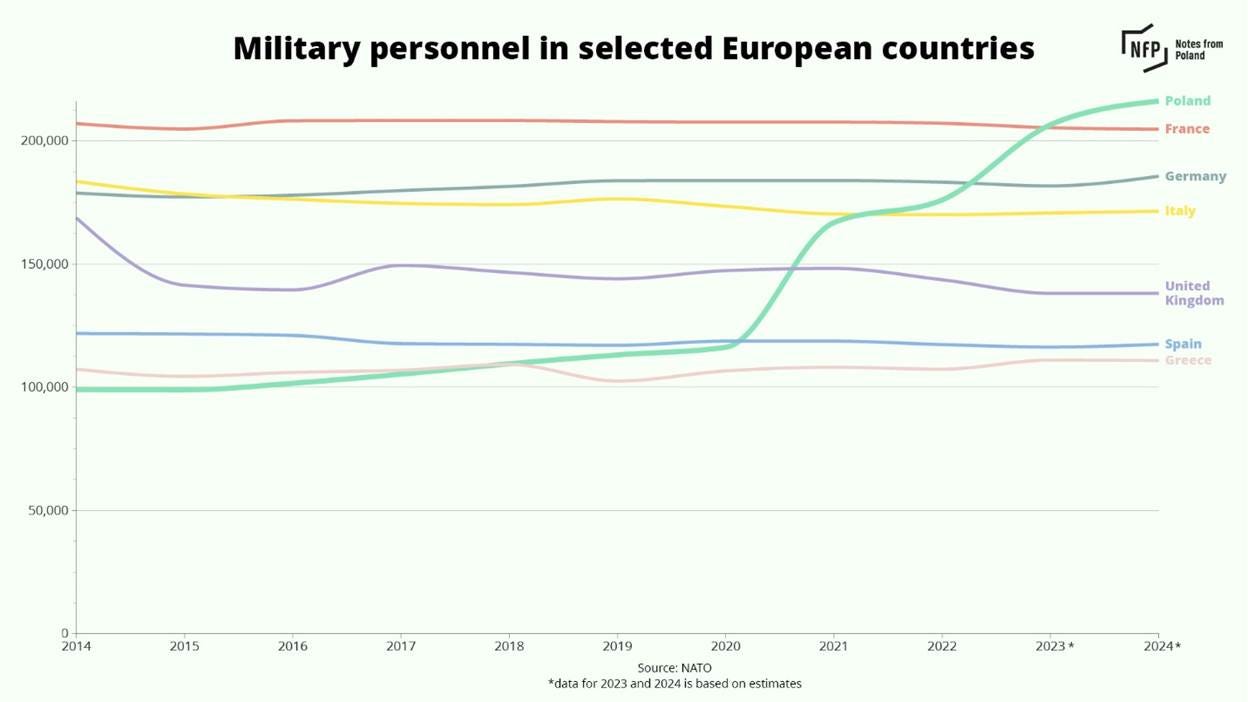
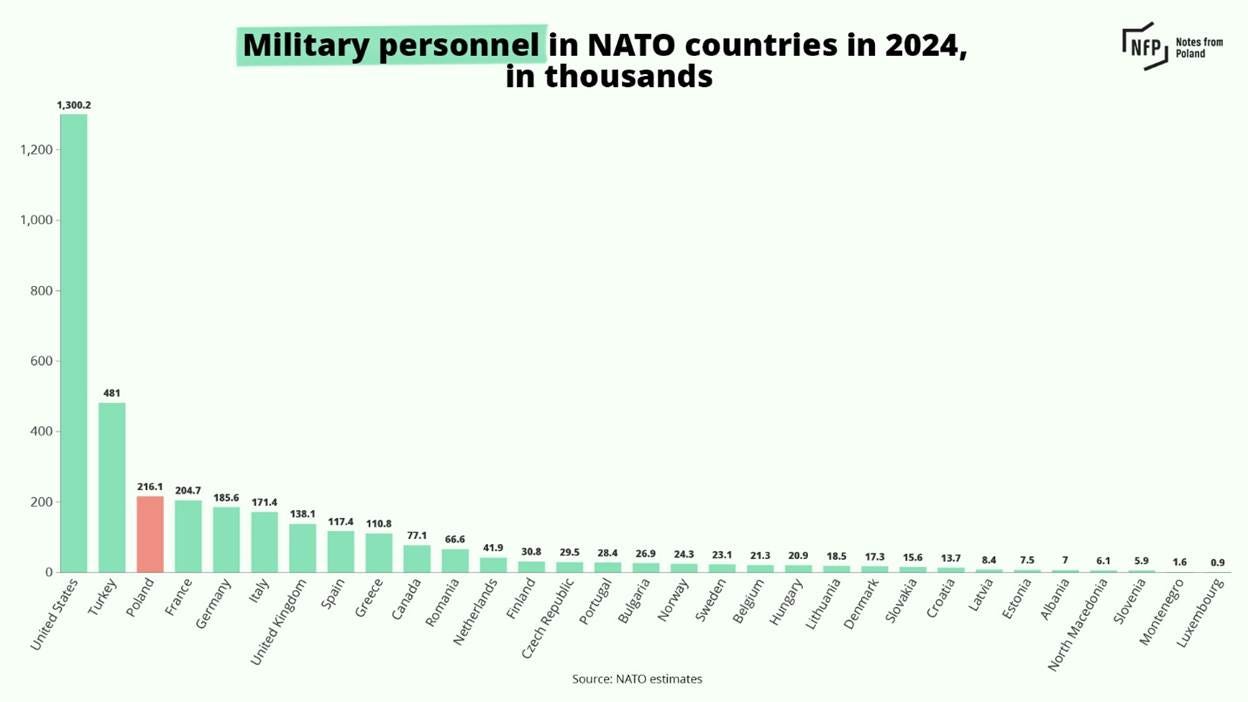
In one respect, the naivete of this program has been abundantly demonstrated by the de facto US defeat in Iran. In another, the genocidal rampage of Israel not only in Gaza but now into Syria and Lebanon as well – quite clearly aiming at consolidating power across “Greater Israel” to expand the settler-colonial project – shows the risk of such delegation. Similar trends can be seen across a range of lesser “sub-imperial” powers propped up by US support and now demonstrating greater and greater degrees of geopolitical independence, as is visible in the machinations of Saudi Arabia, the UAE, and Turkey across the region and, as I demonstrate both Hellworld and the Spectre piece, across Africa as well. Within the “condominium of core states,” the rearmament of Germany and Japan, alongside rapid increases in military spending in Poland and Finland, not to mention the intentional adoption of an Israeli-inspired militarization model by the new rightwing government in Taiwan, all bode poorly for the fate of the world.
")
One of the key arguments of the book’s final chapter is that, at the ideological level, the secular crisis dynamics of capitalist society produce a colloquial image of “polycrisis” that recognizes the basic trend but is unable to properly theorize it, relying instead on an empiricist method that essentially functions as little more than an arbitrary sorting mechanism – i.e. you have “environmental” crises, “political” crises, “public health” crises, “economic” crises, etc., all of which may bang against one another when they’re in direct contact within a given polity or supply chain but which otherwise lack any fascial system linking each to the others. In the same fashion, the cooperative-competitive hierarchy of global production generates real imperial inequities maintained by real deployments of violence which nonetheless appear in an alienated form as a mere geopolitical contest between polities (each of which appears as distinct “society” or even “civlizations”) rather than as the zoning of a single, materially integrated global society. As in other forms of ideological reification, this alienated appearance carries a certain weight precisely because everyone is forced to behave as if it were actually the case. Geopolitical decisions do, in fact, lead to violent imperial interventions, and are, in fact, conducted by political leaders who see themselves helming polities operating within an interstate system designed to manage the inherent struggle between nations. Similarly, from the proletarian perspective, the national boundaries that divide labor markets are salient limits constricting mobility and systematically exposing certain populations to greater amounts of violence.
Crucially, within socialist circles, this reified misunderstanding of the structure of imperialism is perpetuated in both “left” and “right” variants. To the right, we find the campist presumption that imperialism is simply equivalent to the imposition of American power or culture and, given that imperialism constitutes the “primary contradiction” of contemporary capitalism (it’s never clear what the hell a “primary contradiction” is in these accounts, why it would necessarily exist, or why you’d need to align all your tactical decisions with this fact), any nation positioned against that power, however marginally, must be supported, and most local organizing activity ought to be oriented around this support for distant powers. In the stronger variant favored by many contemporary Marcyist-Losurdists, distance from and hostility to the US sphere of influence can even be correlated with the degree to which a nation can be seen as an example of “really existing socialism.”
One of the strange consequences of this political orientation is a simultaneous aversion to studying, building solidarity with, or materially supporting class conflicts in many of the world’s largest manufacturing hubs, such that the very factories producing the value that will ultimately filter up to lead firms like Apple are themselves treated as assets of the socialist project. Usually, this is paired with an extremely extroverted local political practice focused more on discursively cheerleading foreign states and less on engaging in any sort of partisan organizing in a domestic context. At worst, this position can quickly devolve into an essentially para-fascist politics pitting some distant collection of “proletarian nations” against the prevailing imperial power. In this case, one’s political fidelity is proven not through any sort of organizing or any participation in class struggle but instead through effectively anti-communist campaigns of doxxing and even physically attacking partisans in local political scenes who do not adhere to the same perverted politics. As I’ve mentioned in various interviews, it is this (anti-)organizational aspect that should be the target of critique, rather than the theoretical shortcomings of any given (mis)understanding of the nature of imperialism.
Meanwhile, to the left, we find an anti-campist position that nonetheless draws from the same basic framework, taking at face value the alienated appearance of imperialism as a struggle between nations and simply dissolving this image down into a chaotic tableau of “inter-imperialist” conflicts. In this account, it is possible to speak of many distinct imperialisms linked to different national blocs of capital warring against one another in their attempts to exploit larger portions of the global population and appropriate greater shares of the “free gifts” proffered by the Earth system. Though different imperialist forces can be arranged according to a kind of power scale and distinguished from one another by qualitative features – which not coincidentally are usually identical to those used in liberal political science and international relations theory (i.e. an “authoritarian” form of “Chinese” imperialism versus a “democratic” form of “European” imperialism) – the “inter-imperialist conflict” account completely fails to grasp both the higher-level cooperative integration of the planetary production and its lower-level fragmentation, as national blocs of capital are in fact synthetic entities continually being built and rebuilt from warring subsidiary fractions of capital. At worst, in attempting to prove the imperialist activities of subaltern blocs of capital, the anti-campists will often buy into ideological talking points promulgated by US geopolitical interests or even offer solidarity to rightwing forces within local political milieus (in Hong Kong and Ukraine, for example), effectively becoming “useful idiots” for the very imperial power they ostensibly oppose.
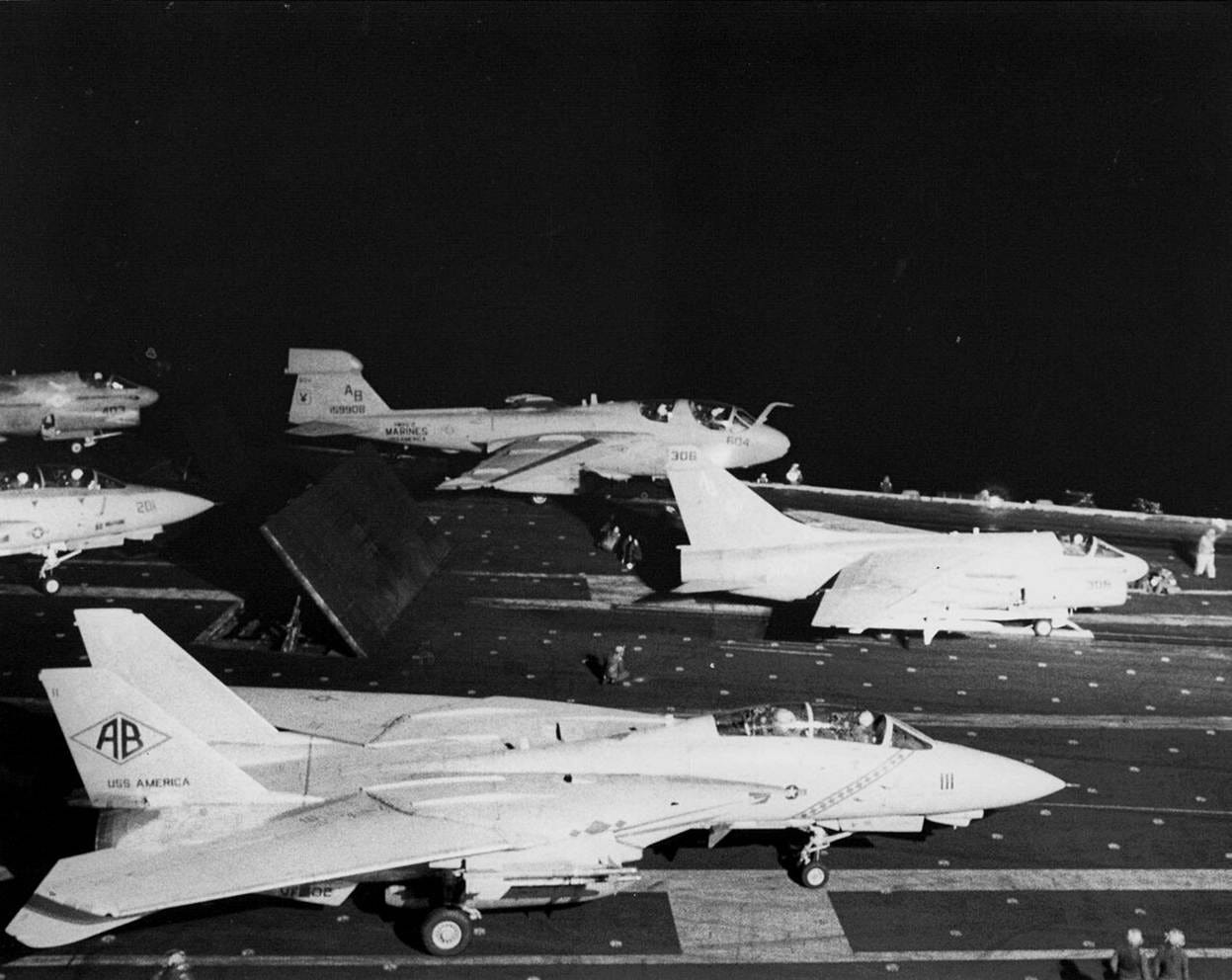
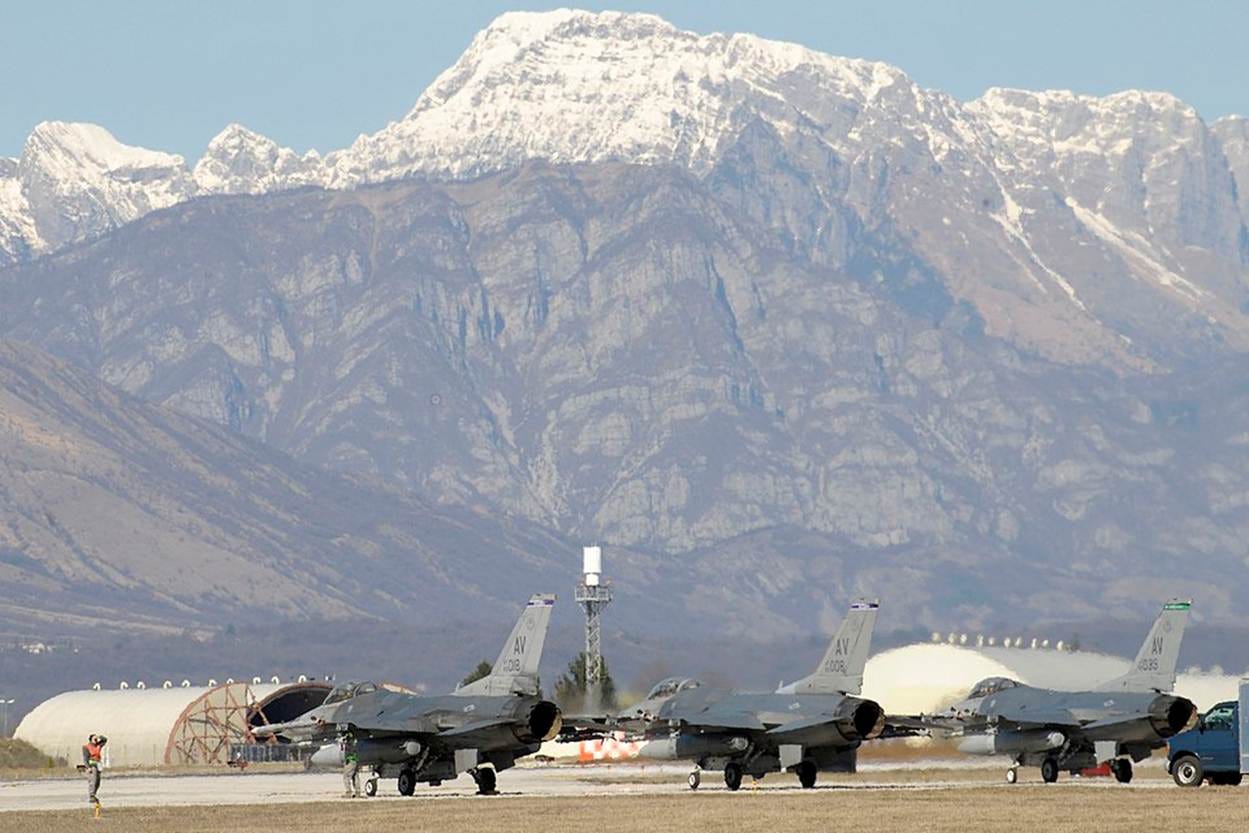
Again, both positions are sustained by the fact that these alienated appearances are “real” in a certain sense: imperial action reinforces the power of American firms and this power is sustained and manifested, in part, through American cultural dominance; similarly, US military might quite clearly sustains and shapes the inequalities evident in the structure of global trade and investment; meanwhile, ascendant blocs of capital tend to contain genuinely progressive features (used as proof of their “non-capitalist” nature), since they are buoyed by developmental booms that rapidly increase wages and enable the implementation of standard liberal social welfare systems; nonetheless, on the ground, other blocs of capital linked to other national projects deploy their own power in a fashion that mirrors higher-order imperialism at lower scales; and, of course, these actions are often couched in anti-imperialist terms, especially insofar as they operate in opposition to American power (or at least seem to). Altogether, any of these features can be shuffled to form either the rightist or leftist variant of alienated anti-imperialism.
Over the long run, hegemonic power not only seems to shift “between countries,” as it were – from the Dutch to the British to the Americans – but also scales up as it does so. Each new hegemonic power is not simply a new “country” helming the global market (this is the Listian view, not the Marxist one) or even a new national bloc of capitalists but is instead the reinvention of hegemonic power itself, rooted in more expansive forms of corporate organization and new international infrastructures for statecraft and macroeconomic management, all of which must be dynamically updated and maintained, continually reshaping the details of the imperial division of labor even while preserving its basic polarity.
Dissecting this alienated appearance first requires understanding that the apex power within the imperial system is, ultimately, the total social capital itself. However, like any demonic power, capital must be embodied in a pandemonium of specific capitals which are both arranged in a hierarchy of power and continually driven to destabilize this very hierarchy by the contradictory dynamics of capitalist society itself, which induces the subdivision and resynthesizing of capital via statecraft, sectoral openings (especially new product lines that require new infrastructural meshes, like machine learning models today), or various forms of expansion into new realms of life (which may manifest in geographic, cultural, demographic, etc. terms). As part 2 of the book demonstrates in detail, hegemony is not an incidental choice or historical accident but instead a structural necessity, fundamentally defined by the military and macroeconomic infrastructures that maintain the foundation of the global market and the property system more generally – and often defend it against the very interests of specific capitals – all of which is then synthesized and expressed through a loosely coherent political-ideological identity associated with whatever core blocs of capital have positioned their governmental institutions as stewards of the system as a whole.
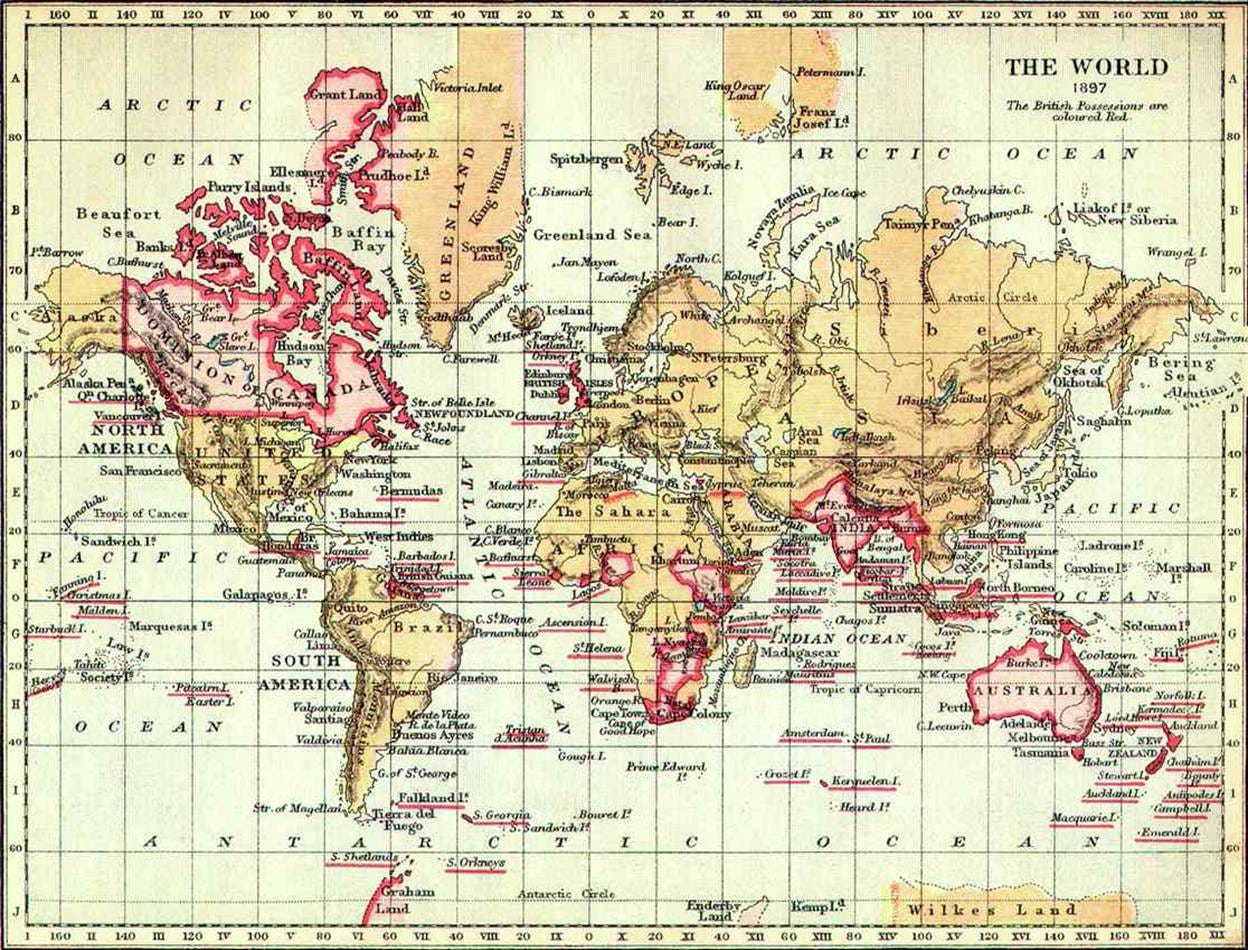
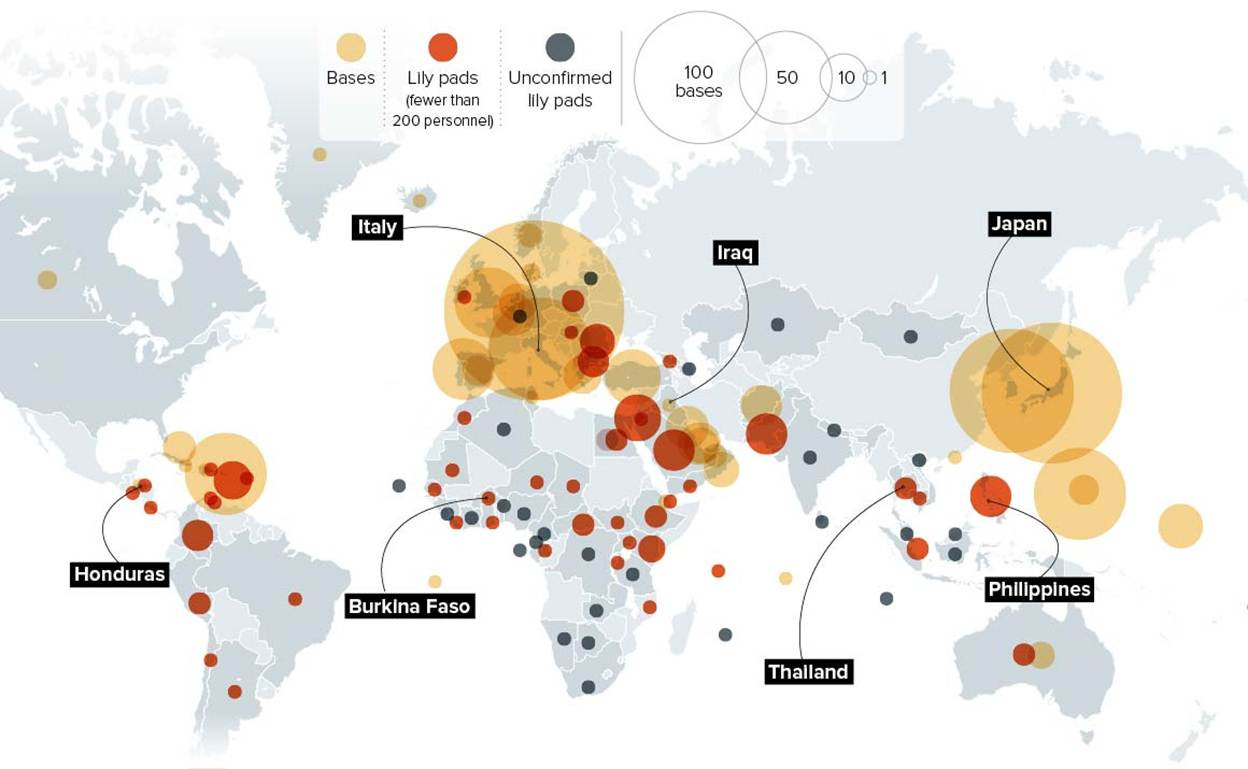
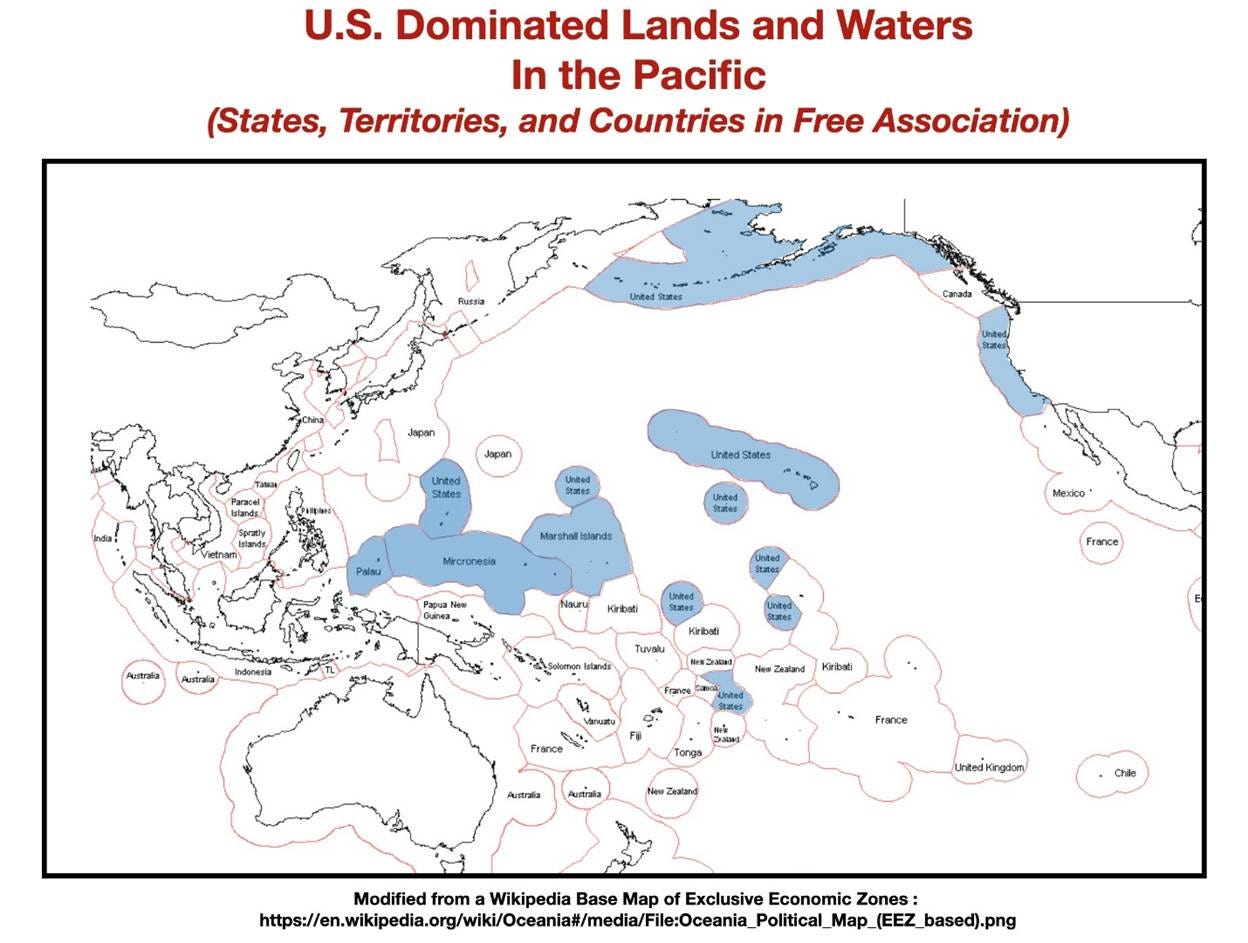
Thus, hegemony is rooted in control over the de facto global currency and the global military, which then requires institutional elaborations into coherent interstate structures. In this fashion, hegemonic power necessarily allows but is not reducible to special seignorage privileges, extra-territorial rights over land and water, and the ability to extract unique forms of military rent. Meanwhile, over the long run, hegemonic power not only seems to shift “between countries,” as it were – from the Dutch to the British to the Americans – but also scales up as it does so. Each new hegemonic power is not simply a new “country” helming the global market (this is the Listian view, not the Marxist one) or even a new national bloc of capitalists but is instead the reinvention of hegemonic power itself, rooted in more expansive forms of corporate organization and new international infrastructures for statecraft and macroeconomic management, all of which must be dynamically updated and maintained, continually reshaping the details of the imperial division of labor even while preserving its basic polarity. For this reason, what we usually call a hegemonic “shift” is better described as a dynamic scaling of hegemonic power that gradually recenters it (geographically, sectorally, culturally, etc.) while also progressively expanding its scope.
This dynamism is both what keeps that imperial order intact despite (in fact, through) recurrent crises and what provides the opening for hegemonic shifts, as the development of the forces of production and the ensuing aggravation of the system’s inherent conflicts poses problems that are increasingly unsolvable by means of the preexisting mechanisms of hegemonic power, resulting in an “interregnum” of expanding war and crisis that can only be solved through the stuttering imposition of new regimes of power and the experimental discovery of new mechanisms for managing social reproduction. For example, as the gold-sterling system and old colonial hierarchy broke down at the beginning of the 20th century, the solution was not an immediate transfer of power from the UK to the US – or, as initially seemed likely, to new industrial powers like Germany – but instead a stumbling process of collective reinvention-through-crisis that eventually resulted in a new (probable, but by no means preordained) postwar order centered on US military-monetary mechanisms and led by US firms but embodied in a more adequately global system of anti-communist development and liberal trade within a multistate system composed of ostensibly independent nations.

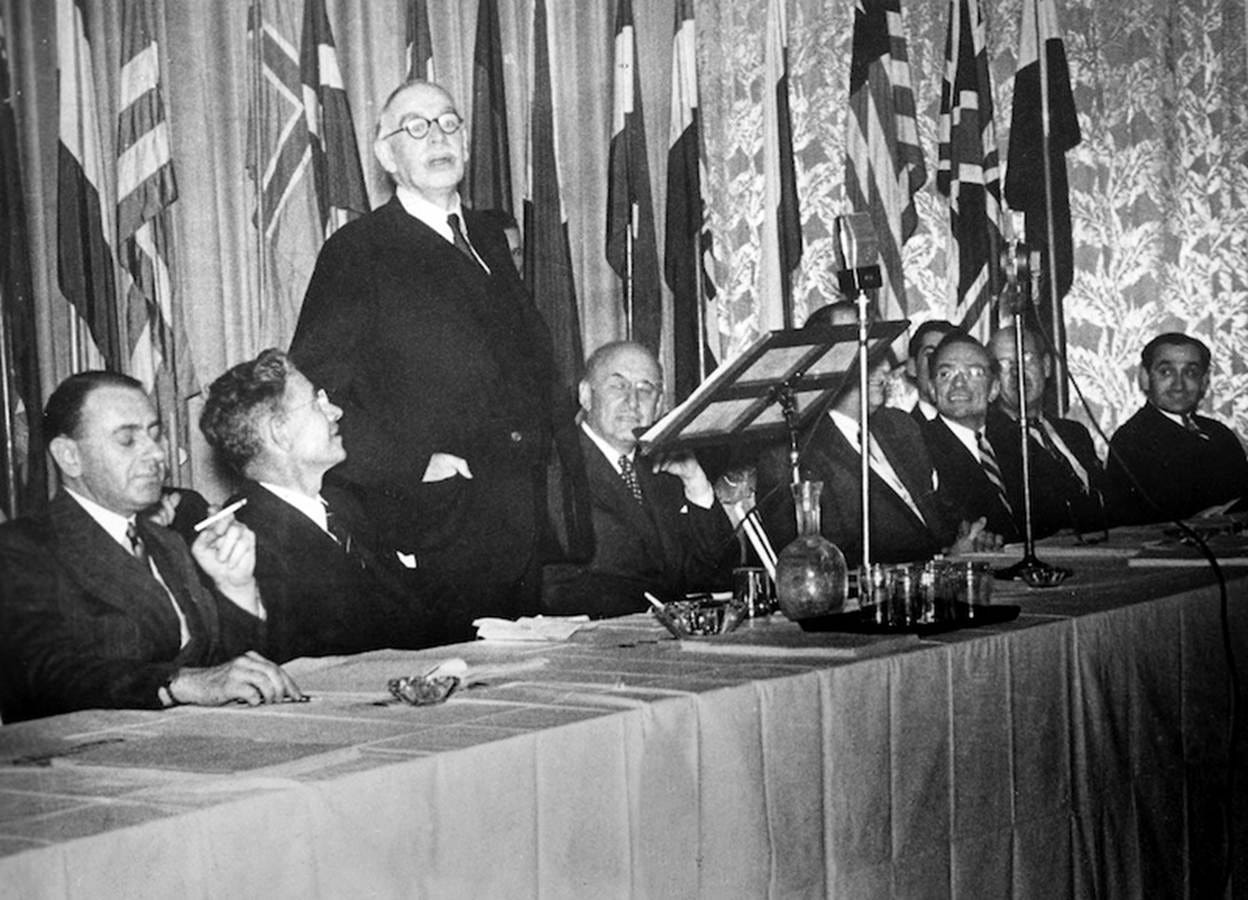
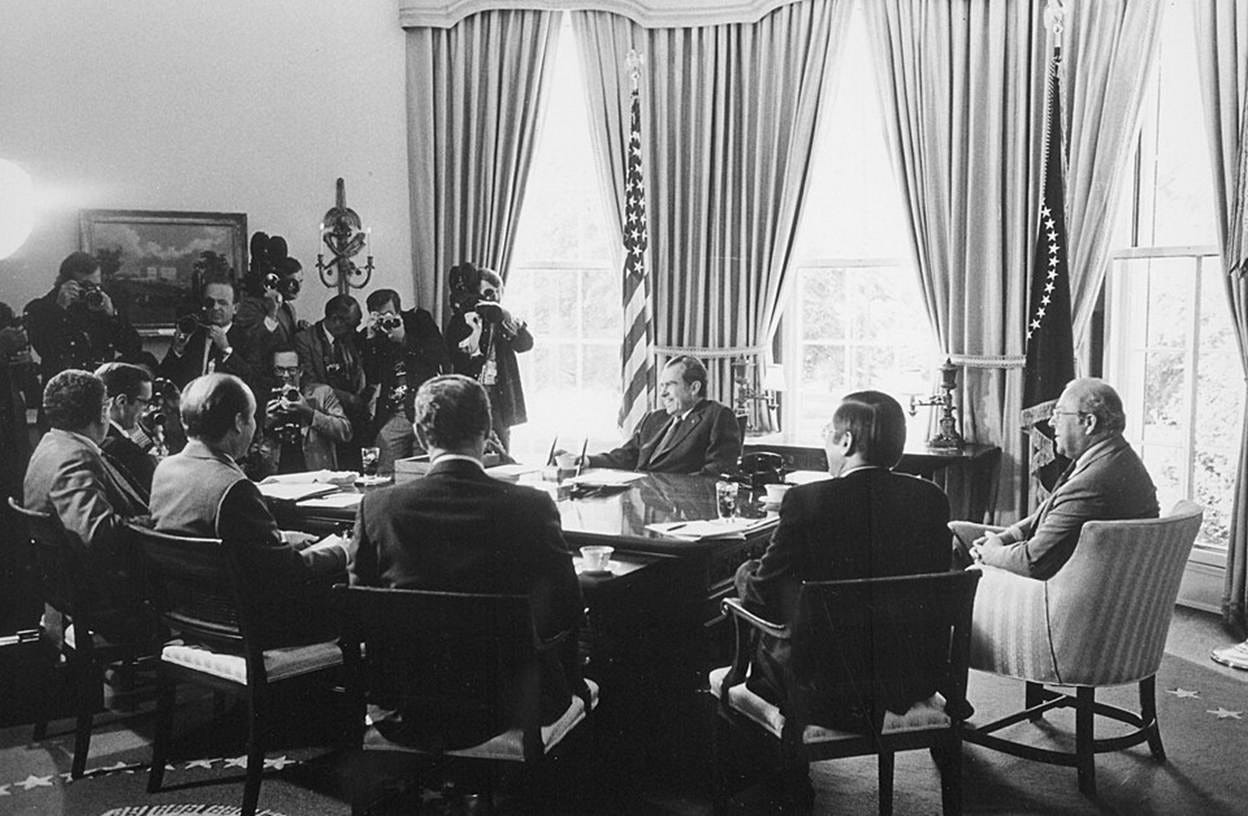
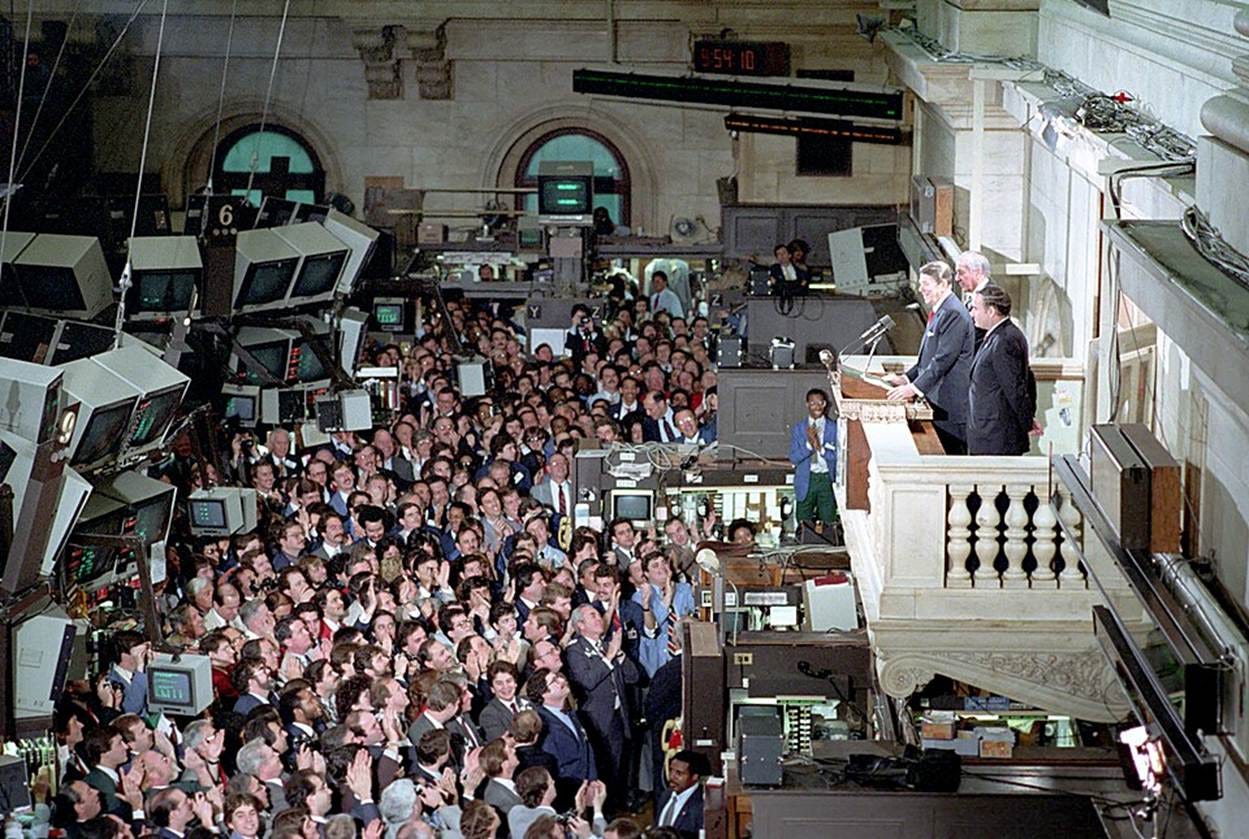
Moreover, this system itself had to be repeatedly reinvented, most notably via the shift to the dollar standard and the package of “neoliberal” institutional arrangements that arose in the wake of the crisis in the ‘70s. There is, in other words, no structural guarantee that hegemonic power can be effectively transferred in the first place and, even if transferred, hegemony itself is a dynamic structure requiring continual reinvention to be maintained. In both the book and the Spectre piece I repeatedly refer to a claim made by Samir Amin shortly after the collapse of the USSR and the bursting of the Japanese bubble. As described in the Spectre article:
what we may be seeing is not so much a clear-cut hegemonic transition as the decay of hegemony in the absence of either a successor or a revolutionary socialist alternative, resulting instead in an “empire of chaos” wherein the basic mechanics of the imperial order will be lubricated with continual violence, global trade will slowly fragment into warring regional blocs, and first proxy and then increasingly direct military conflict between these blocs will again become common.[5]
And, in the book, these conditions are illuminated in relation to the civil war in Sudan and the series of coups across the Sahel:
The Sahel might, in fact, be the first window into the ‘Empire of Chaos’ foreseen by Amin: US air strikes destroy the region’s loadbearing powers without even the pretence of any reconstruction, inducing massive displacement and drawing in an array of ‘non-state actors’ specializing in mercenary force. Aspiring sub-imperial powers like the Saudis and Emiratis then use the opening to recruit mercenaries for proxy conflicts in places like Yemen, who return home with the connections and training to extend those conflicts across North Africa. Meanwhile, local militias and foreign-funded military ventures such as the Wagner group enter the field as essentially private firms, hired to protect local industrial sites and incentivized to extort money from whoever is weakest. In so doing, their actions imply murky geopolitical links to distant powers.[6]
The chapter quoted above makes clear that this is neither a case of the “final crisis” arriving at last nor simply an instance of institutional mismanagement but is, instead, the very early stages of a new process of hegemonic re-scaling induced by the general law of capitalist accumulation playing out in time and space. In short, the long-run crisis tendencies of capitalism are intricately connected to this imperial subdivision, which is inherently structured by hegemonic rule.
For this same reason, even if appearing in an alienated form, imperial dynamics are frequently the first and most obvious sign that all is not as it seems within the liberal order. Imperial violence is therefore often a key moment in an individual’s political awakening. Today, for example, the genocide in Gaza is quite obviously serving this function for an entire generation of youth, leading to growing political consciousness that must rapidly bootstrap itself up through a series of increasingly intricate and incisive appraisals of the nature of imperialism and its connection with capital if it is to remain a vital current of thought. Usually, this operates something like:
awareness of imperialism as “unfair” and purely geopolitical force within the liberal order, often portrayed as an instance of the strong or cruel preying on the weak, perhaps driven by some sort of religious or political ideology – a position common among both progressive liberals and anti-interventionist forces on the right;
awareness of some sort of “unfairness” inherent in the liberal order itself and therefore the beginning of a critique of capitalism as such (usually after discovering the close links between lead firms and imperial dynamics) but still focused on “greedy”, “monopoly,” or otherwise “bad” companies that somehow deviate from the norm, such that “crony,” “monopoly,” or “neoliberal” capitalism appears to be the problem rather than capitalism as such, a position common among populists, democratic socialists and anarcho-liberals;
awareness of capitalism as a system that is inherently imperial while still remaining committed to the idea that modes of production can be separated by national borders, and thus “capitalist imperialism” becomes a designator for certain nations and not others, engendering the more primitive campist position of “good socialist countries vs. bad capitalist countries” and the equally primitive anti-campist position of “inter-imperialist struggle” between culturally-coded flavors of capitalism, as well as simplistic vitalist theories of secession;
awareness that capitalism is inherently global and structured by intricate planetary supply chains while still retaining a geopolitical sense of imperialism and an institutionalist understanding of the state, allowing for the more advanced campist position of “fighting capitalism from within” (closer to that actually promoted in Chinese Marxist theory and similar in kind to that advanced by the Latin American socialist theory once associated with Chavismo), the more advanced anti-campist stances seen in academic political economy/ecology (i.e. the “varieties of capitalism” school) as well as the offshoots of both positions in labor organizing circles and among the “smarter” democratic socialist types – in other words “rightist” deviations that are nonetheless proto-communist;
awareness that capitalism is inherently global and so is imperialism, that different imperialist powers are expressions of different fractions of capital embodying the uneven zoning of value, and that this social fabric penetrates into every facet of life, leading to the false idea of total subsumption, which alternately results in various forms of quietist escapism (ranging from retreat into the depths of the academy to retreat into the depths of the forest) and an adventurist obsession with the pure potentiality of mass political ruptures and/or the insurrectionary disposition of total social war, or, in certain cases, an ultra-leftist idealism committed to faith in the functionally impossible emergence of a single international formal party of the working-class capable of bridging any and all national divides an operating in frictionless unison – in other words “leftist” deviations that are nonetheless proto-communist;
awareness that capitalism is inherently global and so is imperialism, that different imperialist powers are synthetic expressions of different grouped-together fractions of capital (also always in internal conflict with one another) embodying the uneven zoning of value, that this social fabric penetrates into every facet of life, and that it is therefore possible to organize a partisan force (irreducible to a single formal party) within and against society at any of its locales, so long as this party has the ability to generalize across the larger social fabric and (theoretically and practically) retains its fidelity to constituting fundamentally communist social forms – once at this point, the field of political consciousness is relatively open, advancing in various experimental directions, each attempting to articulate the same common task.
An individual’s position is liable to shift somewhat chaotically when presented with novel political events, regardless of how firmly that person seems to “believe” something at the theoretical level. In other words, intellectual “camps” are highly fungible and tend to be largely performative affairs that must be verified in action. Any given “level” of consciousness is only able to be stably reproduced when one operates within a given community of belief that consistently reproduces and ideally develops that belief in practice.
Though this seems to be a bit too teleological, we can nonetheless acknowledge that there is genuinely a degree to which certain understandings of the world are more correct than others, that this correctness can be evidenced by historical trends and verified through accurate prediction of immediate futures, and that individuals will be pushed to intellectually adopt more and more “advanced” positions given the right circumstances – namely: circumstances in which abstract theoretical notions take on a practical weight. But this is not merely an intellectual procedure, nor is it quite so linear. Elements of more advanced positions will be articulated in reduced forms throughout, and even those who “ascend” to a certain higher level of awareness can just as easily be thrown back down into more simplistic accounts, given the right conditions. Ultimately, the movement between these various camps of consciousness is conditioned by practical concerns within the collective political project, which then encourages the turn to certain theoretical toolsets.
Similarly, individual consciousness is not quite as robust as we tend to assume. An individual’s position is liable to shift somewhat chaotically when presented with novel political events, regardless of how firmly that person seems to “believe” something at the theoretical level. In other words, intellectual “camps” are highly fungible and tend to be largely performative affairs that must be verified in action. Any given “level” of consciousness is only able to be stably reproduced when one operates within a given community of belief that consistently reproduces and ideally develops that belief in practice. We thereby return to one of the fundamental theses of Hellworld: rather than mechanistic transitive relationship between social position and political consciousness in which a “revolutionary subject” is inherently linked to some special demographic group, local forms of intellectual awareness are moments in the larger, conflictual process through which certain forms of inherently collective productive and political subjectivity take shape. Though this always occurs within particular zones of society, and certain locations are more likely to producer certain forms of consciousness – sometimes producing the appearance of transitivity – the probabilistic field of each zone is also an expression of dynamics cascading across society as a whole.
What is notable today is the proliferation, however alienated, of a certain “anti-imperialist” spirit among young people within the wealthiest countries, many of whom are actively seeking out communist theory to better articulate their own political intuitions. At root, the emergence of these many anti-imperialist camps evinces a deeper awareness not only of the local failings of capitalist society but also of its global scope, the hegemonic role played by the US, and the current tensions in that hegemonic structure. Moreover, despite a tendency to replace a Marxian understanding of the class struggle with a Listian “struggle of nations,” the various camps of anti-imperialism correctly observe the central role played by questions of production and the intensive engine of value that lies at the heart of capitalist society, rather than pretending that capitalism is simply a disguised form of extensive plunder, or “extractivism” pretending to be something else – a position that was common among the autonomist-inflected “New Anarhcism” of gen X and the millennial Marxists). Similarly, a major benefit of this new trend of thought is the stress it puts on the role played by the forces of production in the construction of communism and in the rectification of global inequities. Though this focus tends to degenerate into an effectively liberal form of developmentalism, it is nonetheless correct in spirit, pointing toward the material necessities of building a communist society which, as Nick Chavez and I argue, has no choice but to meticulously work through concrete questions of production.
Thanks for reading The Planetary Factory! This post is public so feel free to share it.
[1] Hellworld, p.696
[2] ibid p.698
[3] Phil A. Neel, “A Tale of Two Ports”, Spectre, 23 March 2025.
[4] Nor is this anything new. Elsewhere in Hellworld, I demonstrate a similar pattern driving earlier hegemonic shifts, each of which has also marked a scaling-up of social reproductive infrastructure
[5] Phil A. Neel, “A Tale of Two Ports”, Spectre, 23 March 2025.
[6] Hellworld, p.731
No posts
Comments
Nothing yet. Say the first thing.
Sign in to join the conversation.