
Kurt Vonnegut’s semi-fictional autobiography Slaughterhouse 5, published in 1969, repeatedly relived the bombing of Dresden inside the walls of the city’s slaughterhouse. Dresden, known as the “Florence on the Elbe, came under attack by the Allied forces who unleashed an aerial bombing campaign that laid waste to the city and its civilian population. Vonnegut, along with his fellow American POWs survived the inferno by taking refuge in an underground meat-freezer. Human cruelty knows no bounds, but surviving inside a slaughterhouse would be an irony not lost on a writer like Kurt Vonnegut.
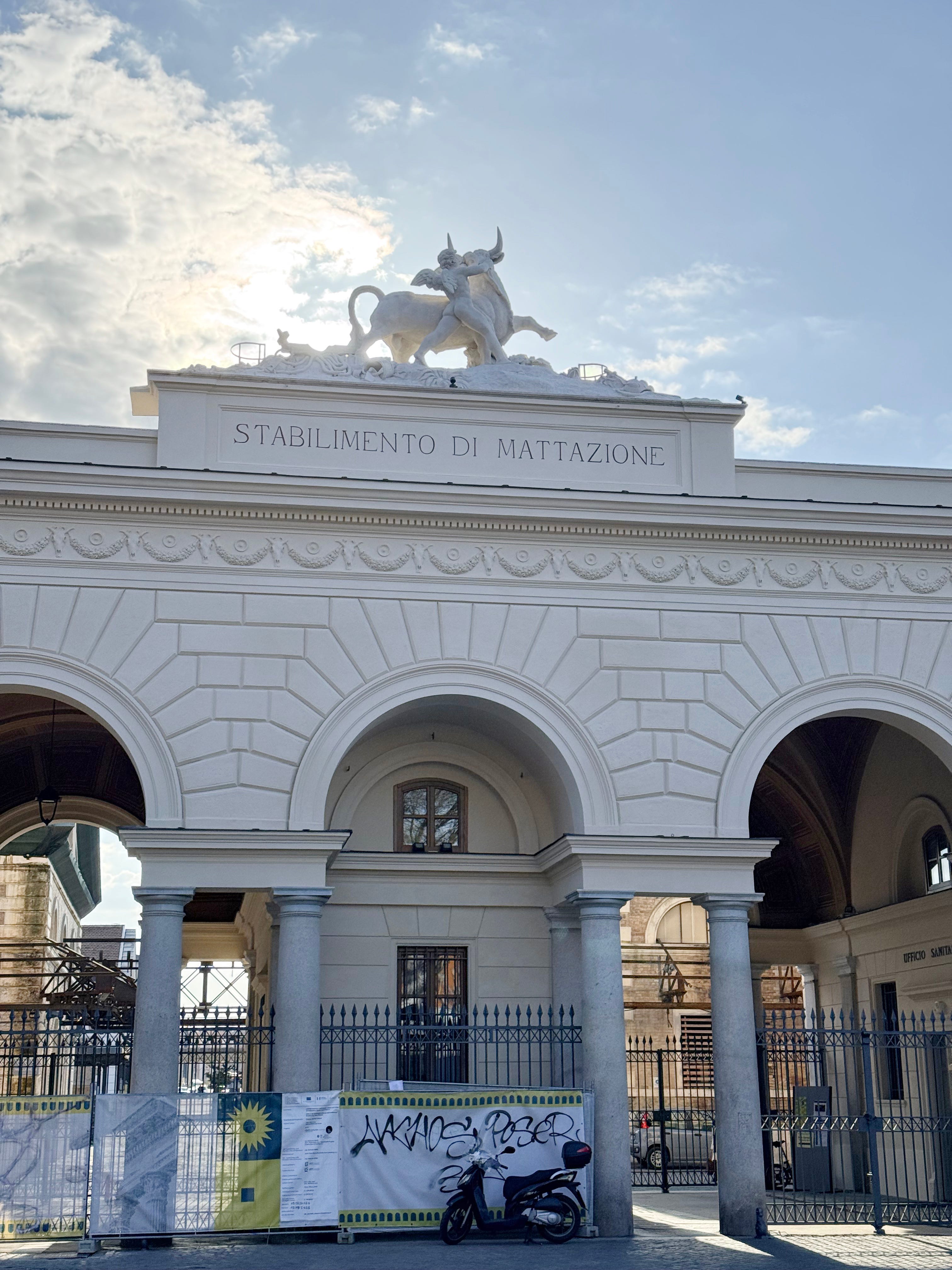
Rome’s former slaughterhouse, the ex-Mattatoio, has an similarly ubiquitous past. At the time of its completion in 1891 it was one of the most advanced industrialized meat processing plants in Italy. Like most slaughterhouses from this period there were cattle pens, animal stalls, sanitary and veterinary quarters, and meat processing stations interconnected with a well oiled overhead rail network that moved animal carcasses from one end of the complex to the other.
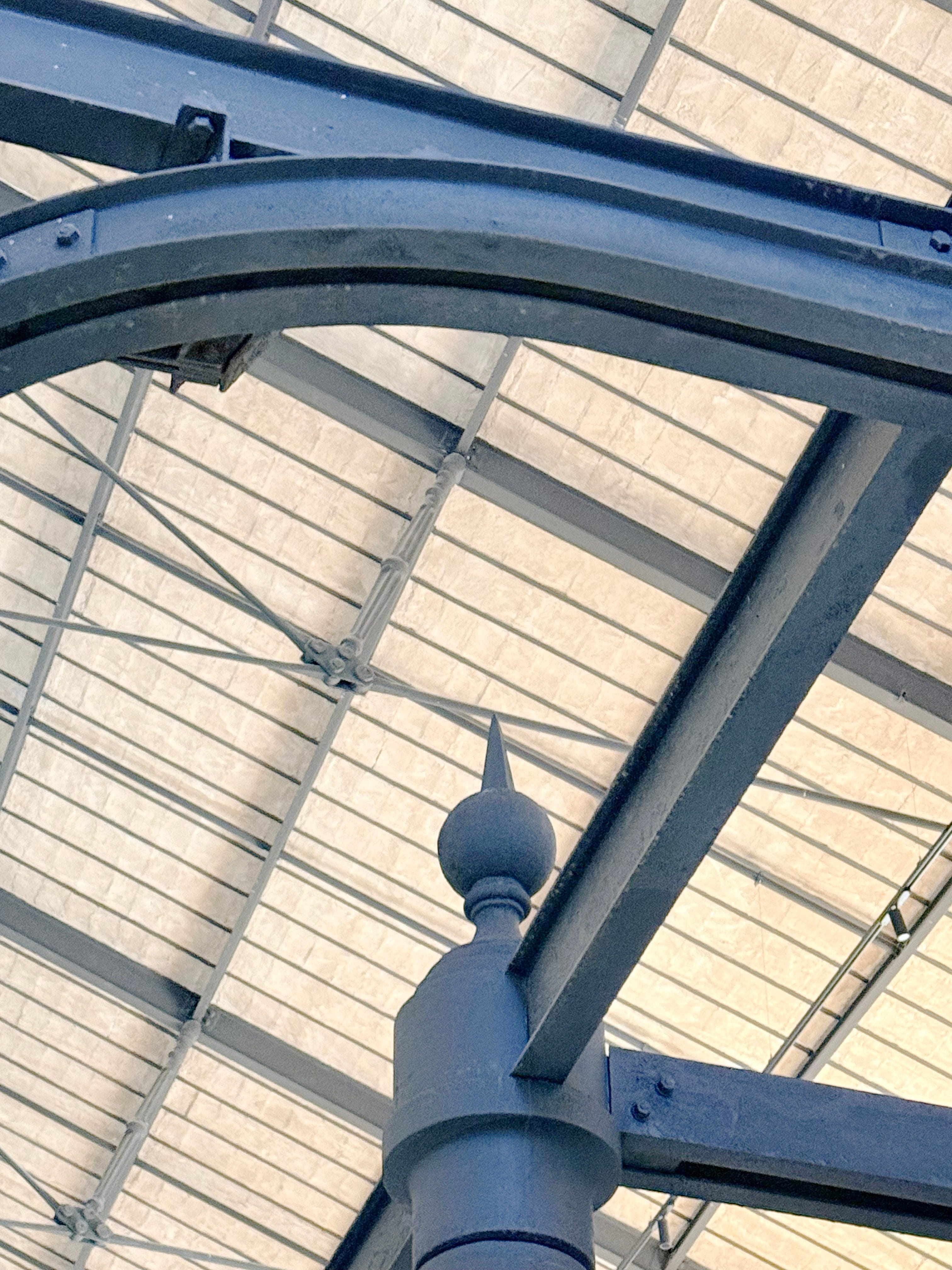
The ex-Mattatoio’s architecture is monumental in style, a classical iron bound structure, decorated with heroic sculptural representations of oxen and swine. The buildings and animal holding areas, as a sort of morbid reminder, continue to display their original name plaques calling out their specific purposes. Animals follow function.
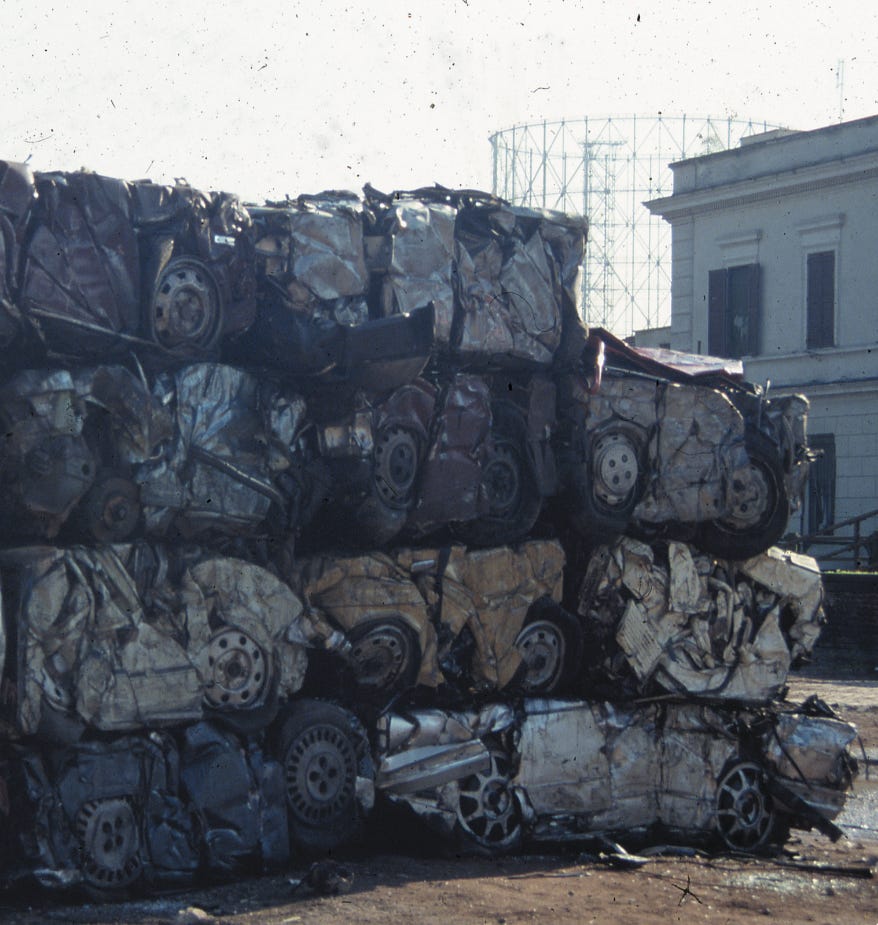
By the 1970’s the slaughterhouse fell into decline, no longer up to modern sanitary standards, while the stained but majestic architecture fell into disrepair. It closed for good in 1975. Abandoned, the vast complex became a walled off terrain vague in the heart of the capital. But then something else began to happen: a natural wilderness took back the site while a ragtag army of radicals, opportunists and outcasts found welcome refuge in these areas of abandonment.
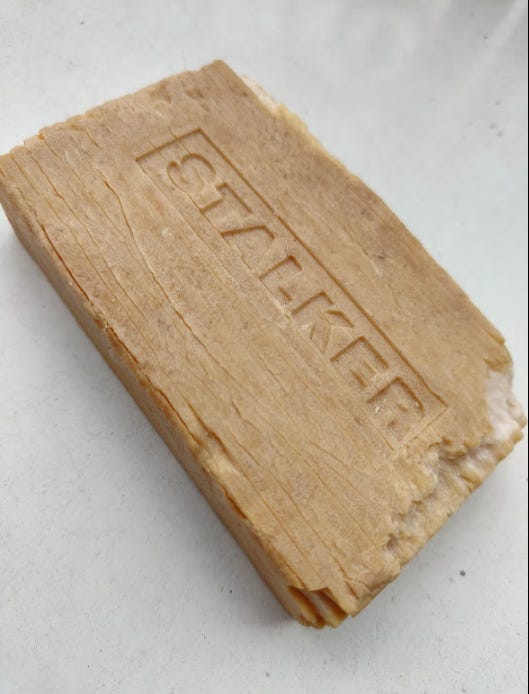
When I first set foot on the grounds of the ex-Mattatoio in 1997 the area felt like an unusual safe-haven insulated from the hustle and bustle of Rome. I was invited by the urban arts group Stalker to join in on a performative action they were setting up in a leftover space between slaughterhouse buildings. I met the group when I was compiling material for Suburban Discipline, an anthology about marginal cultures for Storefront for Art and Architecture in New York. Stalker’s project for “Riciclart” the sponsors of the event, was called “Soap Opera,” and consisted of the production of bars of soap made from animal fat.
There was a sense during this period in the nineties that anything could happen in these ex-slaughterhouse yards. It felt like the ex-Mattatoio was on the cusp of great change: standing here among the abandoned buildings at one end and the Campo Boario at the other, the enclosed grounds seemed to embody a true Foucauldian heterotopia— an enclave onto its own—where new cultural expressions were fermenting across it’s surfaces. Entire buildings were occupied by youth organizations celebrating alternative lifestyles, like the Villaggio Globale, where you could find shelves filled with Marxist and Maoist literature, or grab a cheap meal. There was an important Rom Calderash encampment specializing in silver restoration, Somali squats, an area for the horse and carriage trade, a Kurdish refuge called the Ararat, and just about anything and everything in between. It was truly a place off the grid, a bit like Christiania in Copenhagen, a vibrant place without rules or regulations. *
And in effect back then debates were raging over just what kind of future was in store for this marginalized area inside the heart of Rome. Many people were militating for something that would retain its special non-aligned character, while there was of course the looming threat of commercialization on the horizon, as various speculators were bent on converting the ex-Mattatoio into an immense shopping mall and food court. By the early 2000’s a series of compromises produced La Citta dell’ Altra Economia — City of an Alternative Economy, an organic style marketplace and public park, with spaces for public events. Also during this period the newly founded public university Roma Tre introduced its architecture faculty into the area, reclaiming a number of former slaughterhouse buildings for lecture halls, classrooms, studio spaces, library and workshops. MACRO museum also planted a satellite gallery inside these grounds, which seems to have been the impetus behind the ex-Mattatoio’s evolution into its current manifestation as the Città delle Arti, Rome’s consolidation of the slaughterhouse site into a new “City of the Arts.”
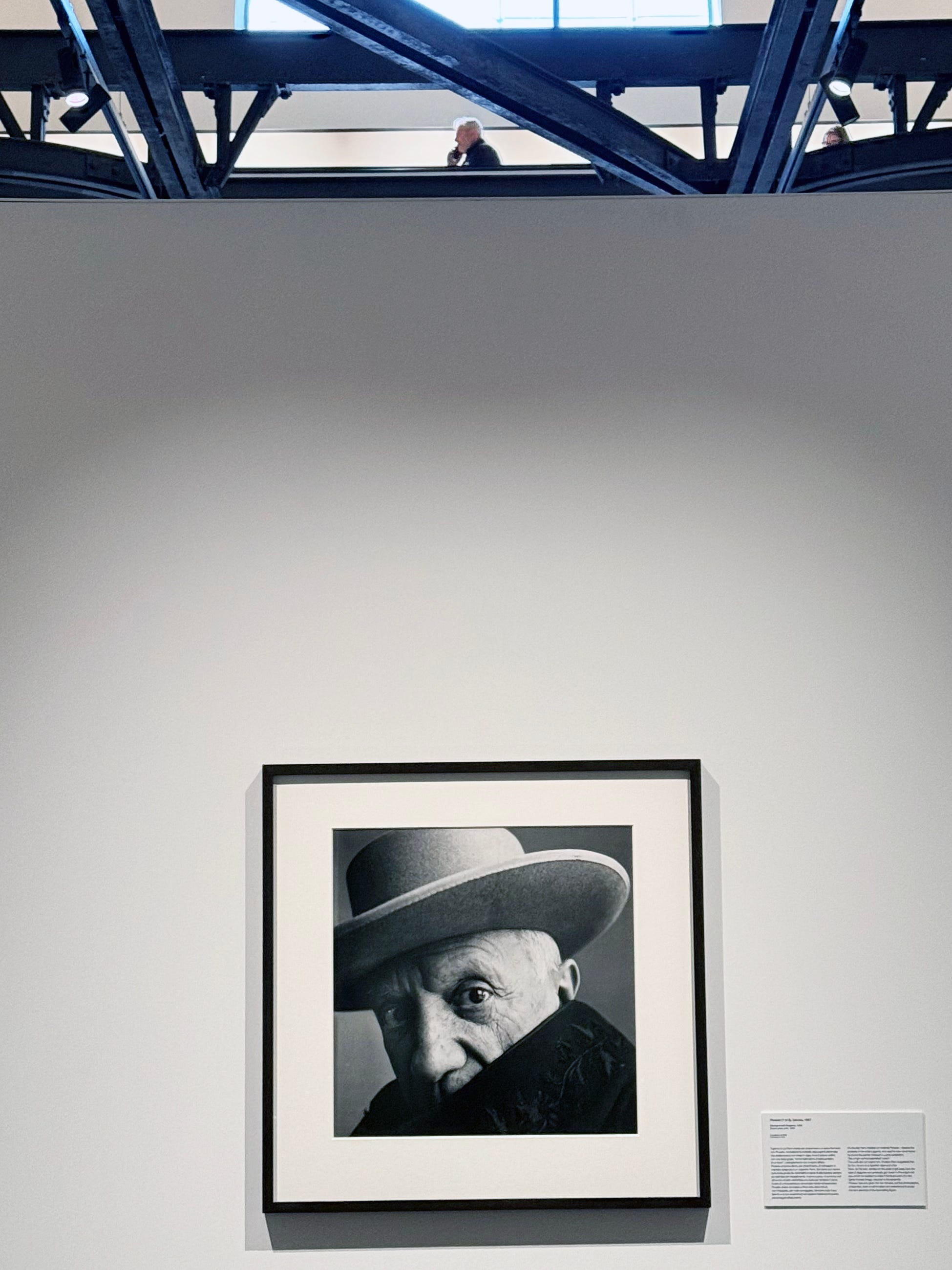
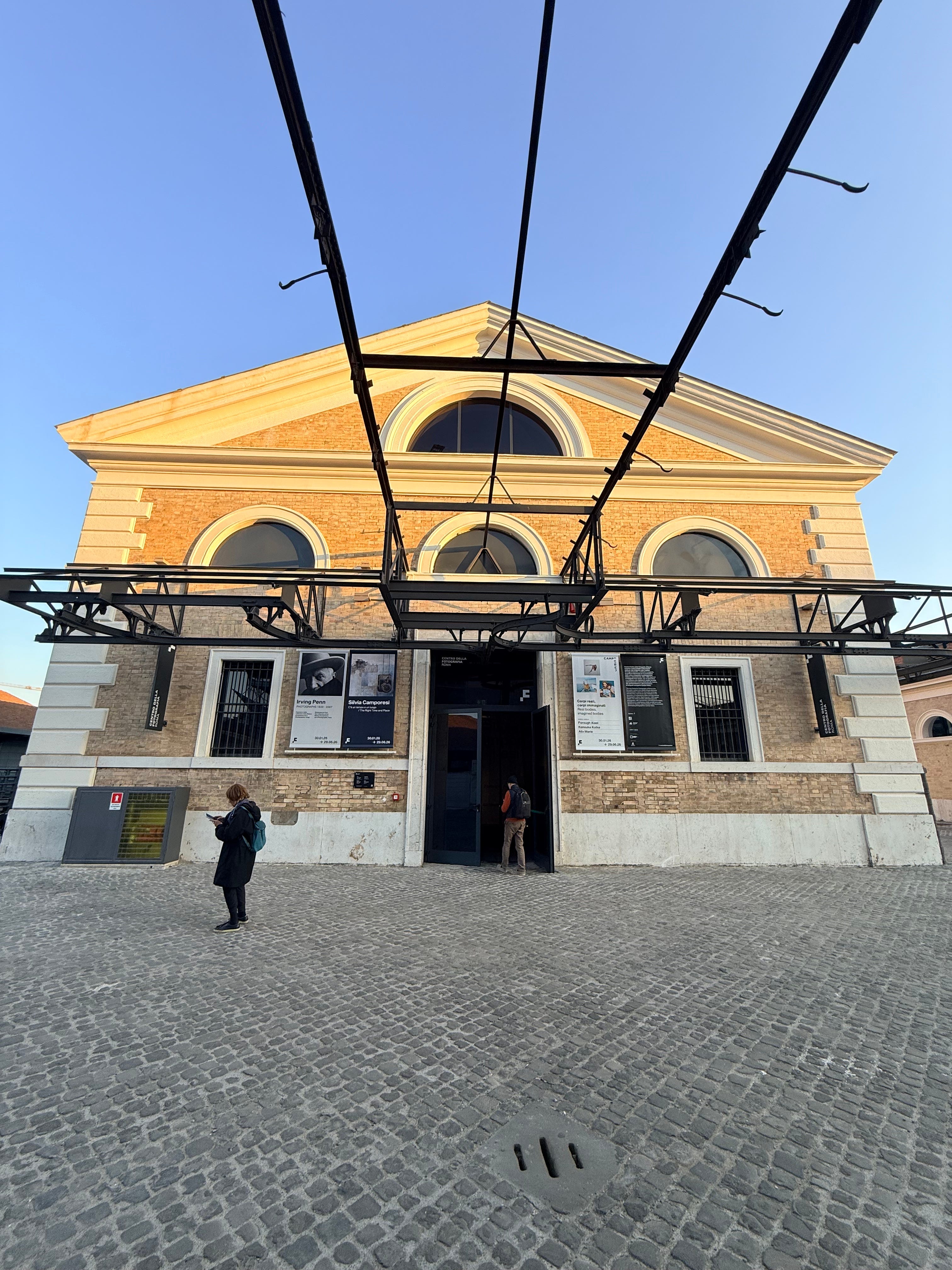
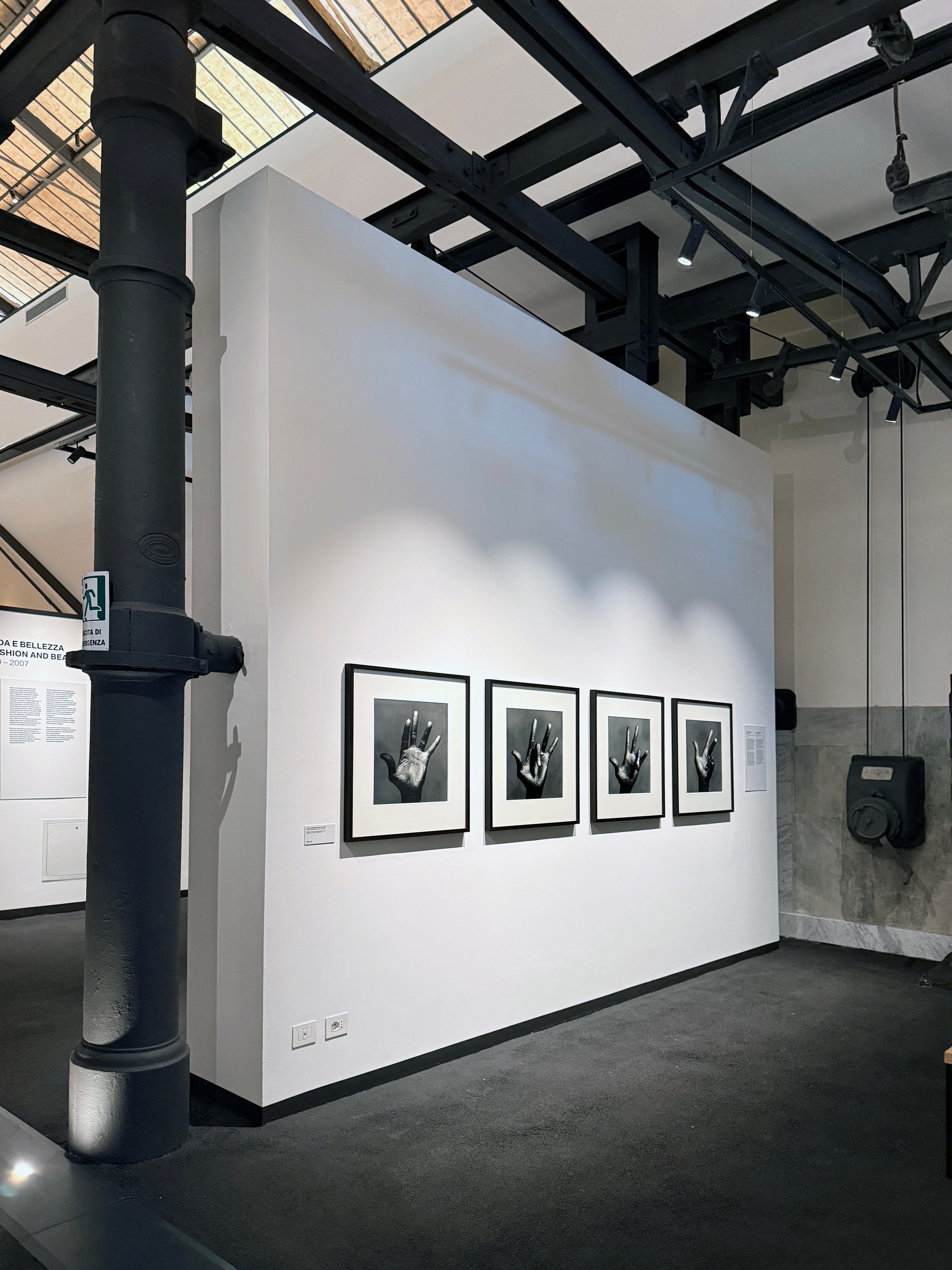
Which brings me to this latest dish on Rome’s cultural menu, the newly inaugurated Centro della Fotografia di Roma. There is no doubt that a public museum dedicated to photography in Rome was long overdue. The Centro opened to great fanfare at the end of this January with the lead exhibition featuring Irving Penn, one of the great iconic photographers of the 20th century. The Penn exhibition, organized by the Paris based La Maison Européenne de la Photographie (MEP) comes off to some extent as a pre-packaged spectacle, though there are a few concessions to Penn’s time spent in Rome. His first experience in the Italian capital was as an ambulance driver in 1945, though he would really make his mark when he came back for Vogue in 1948 to photograph Rome’s cultural elites inside the famed Caffè Greco, now sadly shuttered.
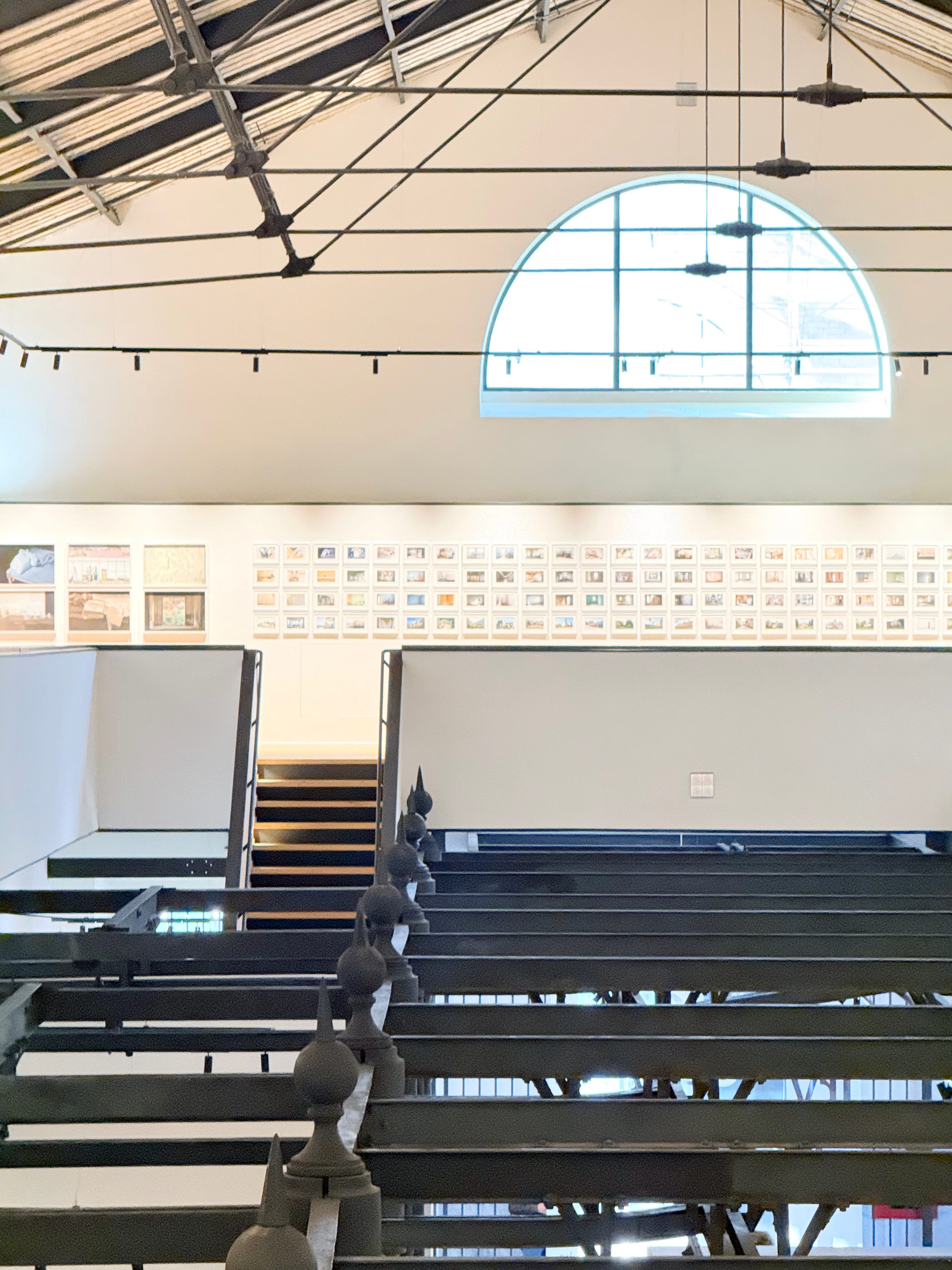
Instead, the exhibition in the immense open gallery space upstairs: C’è un tempo e un luogo, (The Right Time and Place) by the Italian photographer Silvia Camporesi, curated by Federica Muzzarelli, is inspired by a line taken from Peter Weir’s 1975 film Picnic at Hanging Rock. Trained as a philosopher before committing to a career in photography, Camporesi’s vast collection of images on display is compelling because she reveals through her work not just an incredible eye for the uncanny and the disruptive, but also a sincere intent to document the very processes she undertakes in order to produce these haunting works. While clearly Irving Penn’s portraits remain crowd pleasers, Silvia Camporesi’s show speaks far more the present, about time and place.
I ran into a friend, who works at the ICCD, the Central Institute for Catalogue and Documentation, Italy’s National photography archive, and asked him if there had been or if there is any ongoing cooperation between their institution and this new Centro della Fotografia. We were in the local supermarket, wedged between the carrots and tomatoes, and he looked up at me with a smile and shrugged his shoulders. “No…” my friend offered, “…his institution wasn’t involved in any way with the ex-mattatoio project”
I couldn’t help but think that the Centro della Fotografia—located as it is in one of the most intriguing spaces within the city of Rome—could have dedicated more of its energy to documenting the very world that it now finds itself part of. Why not? Slaughterhouses, if we think back to Kurt Vonnegut, take on many different lives.
* The intermediary history of the ex-Mattatoio- Campo Boario from the time it shut down as a working slaughterhouse and until the mid 2000s when its transformation into a cultural nexus was more or less irreversible deserves more than this short newsletter. During this period there were real street battles fought against evictions and forceful police actions, along with frequent popular demonstrations of solidarity and resistance. An overview of this history would definitely merit its own exposé.
The book Suburban Discipline, was co-edited with Tam Miller and published by Princeton Architectural Press/Storefront Books in New York, in 1997.
No posts
Comments
Nothing yet. Say the first thing.
Sign in to join the conversation.