
“I never sleep, my mind doesn’t sleep.”
“If it’s a weekend, I don’t go to bed. I’m either out or on my play station.”
“I’m more of a night person.”
“When you’ve lived a life with not a lot of opportunities and abuse, it affects the human whether that’s bad sleep schedules or traumatic responses and stuff.”
“For me, it is very difficult to exist sometimes, let alone get out of bed.”
“For the last three weeks, I’ve gone to sleep about four o’clock?”
“My sleeping pattern is not very great, so it will vary from anywhere between four in the morning to like eight in the morning.”
Just some of the responses from the workshops we held with young Neets across the UK.
But what genuinely shocked us was that the real late nighters were not just the 18, 20 or 24-year-olds who were out partying or no longer living at home, it was the 12 and 13 year olds we met in schools. “Well after midnight” was the consensus among one group of 12 year-olds in Clacton about their usual bedtime.
The generation of teenagers who are emerging now are getting less sleep than any before them. There is a growing amount of data to back this up.
A study by Health Behaviour in School-Aged Children (HBSC) (the longest running international study that focuses on the health behaviour and social context of young people) found that 3 in 10 adolescents reported not having enough sleep to feel awake and concentrate on schoolwork during the day (34% in 2022, up from 23% in 2014). As a result they were more likely to report: low mental health, more schoolwork pressure, lower liking of school, lower school belonging and lower school safety. Four in 10 reported getting less than 8.5 hours sleep on school nights (42%, down from 71% in 2014). More than half reported difficulty sleeping at least once a week in the last six months (55%, up from 34% in 2014).
In one experiment, 50 healthy 14–17-year-olds experienced five nights with only 6.5 hours in bed, and another period with 10 hours in bed. When sleep-restricted, the teenagers reported significantly more “anger and hostility, anxiety and tension, confusion and fatigue, alongside poorer emotional regulation and greater irritability/oppositional behaviour.”
Another study provided the first evidence that shortened sleep duration is a causal contributor to the mood disturbances frequently experienced by adolescents with ADHD, particularly as observed by parents.
A study published in the leading medical journal JAMA Pediatrics, found that among 657 adolescents, more than half used their phones between midnight and 4am. Of all the pieces of data this one strikes me as the most dramatic.
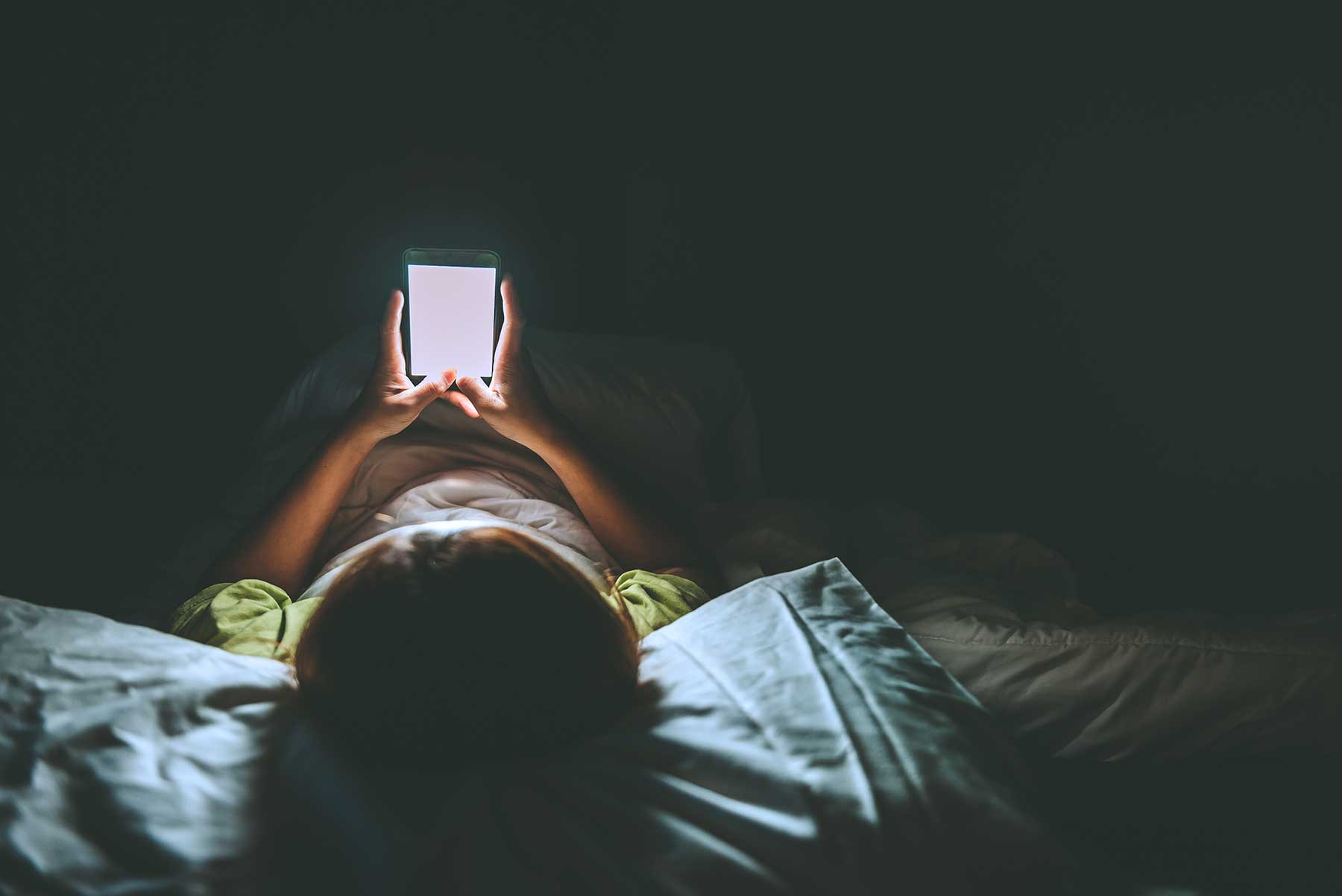
The phone cries out to you: gaming, messaging friends, waiting to see whether someone replies, checking likes, scrolling emotionally compelling material, switching constantly between apps. The call of the screen. The endless scrolling at night - what some have called ‘bed rotting’. And none of the young people we spoke to said their parents confiscated the phones at night or restricted their usage.
For this generation, growing up with social media and multiple screens in the bedroom, there is no off switch; they are always on. The smartphone has abolished the end of the day. Your friends follow you into the bedroom. Sleep is a snack between online activities, not an extended period of rest.
For a bedroom generation, spending hours, days, weeks, months, in some cases years in their bedroom, lying on their bed, bedtime ceases to have any meaning at all.
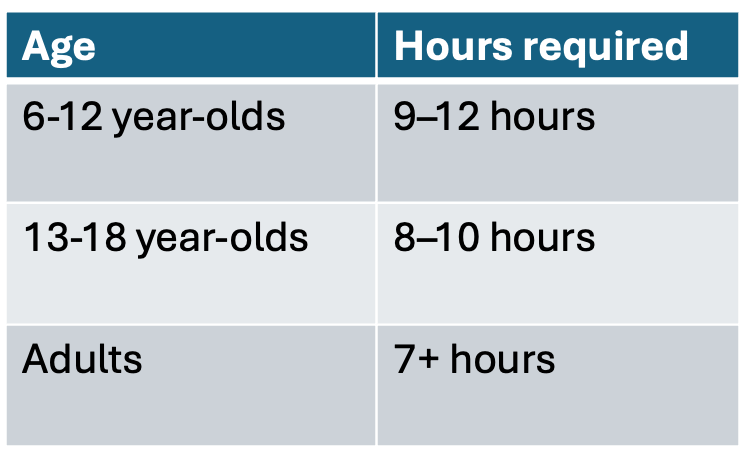
This is a reminder of the amount of sleep we should be having, according to the experts:
The authors of Generation Sleepless: Why Tweens and Teens Aren’t Sleeping Enough and How We Can Help Them, Heather Turgeon & Julie Wright, describe it, in the context of the United States, like this:
A “perfect storm” of shifting biology, academic pressure, early high school start times, and a misconception that sleep is dispensable rather than essential has been steadily chipping away at teen sleep. But while that storm has been brewing for decades, the explosion of technology has taken this storm to Category 5 hurricane levels. The smartphone is getting harder and harder to put down. Technology is ever more brilliant at keeping teens engaged and connected (teen sleep took a notable dip after 2011 as the smartphone gained popularity). Meanwhile, the academic load on students continues to increase and kids are being prepped for college applications when they’ve barely stopped playing tag on the playground. Like never before, teens’ sleep is being stolen from all sides.
It is this combination of increasingly early starts at school, the adolescent body clock making teenagers ‘night owls’ and the allure of the smartphone, that means a young person is constantly alert and unable to relax.
Turgeon and Wright describe the harm to adolescents.
To make matters worse, adolescence is a stage of life when proper sleep is vital and game changing, to a degree that few of us fully appreciate. But the truth is, a teenager’s brain is going through an equally important stage of growth (with potentially more life-altering and consequential outcomes). Adolescence is an awe-inspiring and pivotal developmental phase, when the brain undergoes massive reorganisation and growth, and much of that vital work happens during sleep. Missing sleep raises the risk of mental health issues, heightens teen stress at a neurochemical level, makes athletes more accident prone, and causes the brain’s memory storage to malfunction, which short-circuits learning and academic success. When sleep is missing, the ripple effects on mental and physical health are tremendous and exponential
Sleep supports attention, processing speed, executive functioning and emotional regulation - the kind of cognitive functions teenagers need in classrooms. Crucially, it also helps you remember what you have been taught in school. The irony of this is that diligent students who stay up late to revise, are also damaging the ability to remember the very content they are cramming.
When they are under 10 parents often have a clear routine for children: bath, reading a story, bedtime, lights out. Though, of course, many who are working night shifts, have several children to juggle, or are under a lot of pressure, understandably find this difficult.
But as they become teenagers, some parents give more autonomy to their children. By the age of 13 or 14, bedtime is more of a negotiation. But now, with smartphones, that calculation has become very different. We give teenagers autonomy over sleep at precisely the point when they are biologically least equipped to manage an attention machine sitting beside their bed.
Putting it more dramatically, parents wouldn’t let a 14-year-old decide for themselves whether to go to school, drink alcohol every night or eat nothing but sweets. Yet millions of us have effectively decided that whether they sleep or not is their own business. And that’s because for many, taking away screens from your child too often causes the kind of fight you can do without at the end of a long day. The on-going battle with screen time has become one of the most miserable parts of parenting.
And this is not just a teenage thing. Lack of sleep affects school and it also has a huge impact on work as well. How can a young Neet be ‘work ready’ if they haven’t had any sleep?
There was of course no golden age of beautifully rested young people. Children have always stayed up later than they should. I know this from my own childhood. Thinking back to when I was about 11 or 12, my bedtime was around 8pm and I would snuggle down with my most important possession: a tiny, portable Philips radio. This provided all the entertainment anyone could possibly want - and also kept me awake. I could listen to two things that I loved. The football commentary and the LBC phone in. The football was the adrenaline-filled, edge-of-your-duvet, mid-week fixture with the expert commentator painting a magical picture of the on-field antics. That finished at about 9.45pm. And then, if I could keep myself awake, at 10pm there was the thrill of the LBC late-night phone in. The charismatic, argumentative presenter and the slightly mad, slightly drunk, slightly weird callers angling for a fight. It was the cut and thrust of those radio debates that gave me my first glimpse of the world of politics and current affairs.

So late nights have always been common. But now, the innocent pocket radio has been replaced by the siren calls of the shiny, interactive screen and the pressure not to leave your friends hanging when they message you after midnight.
As a headteacher, I talked about sleep to students a bit, but was reluctant to get too involved in a child’s home life or to question the choices made by hard-pressed parents.
But it’s now reached a stage when things have to change.
The concept of bedtime, of all screens being out of the bedroom, of a period of genuine rest and recovery must be restored if we are to improve the mental health of young people. Many of us have tried as adults and know how hard it is. The ban on social media might help for under 16s.
For the sake of the next generation, a generation with growing mental health concerns, more neurodiversity, more exam pressure, and a Neet crisis, a good night’s sleep must no longer be an occasional luxury, but something taken seriously by every child - and parent.
Comments
Nothing yet. Say the first thing.
Sign in to join the conversation.