
The remains of the old Doubleday buildings sit along the main north/south thoroughfare of the incorporated village, a short walk from the southern border.
Doubleday was a sombre, stately presence, contributing to the intersection of art and commerce.
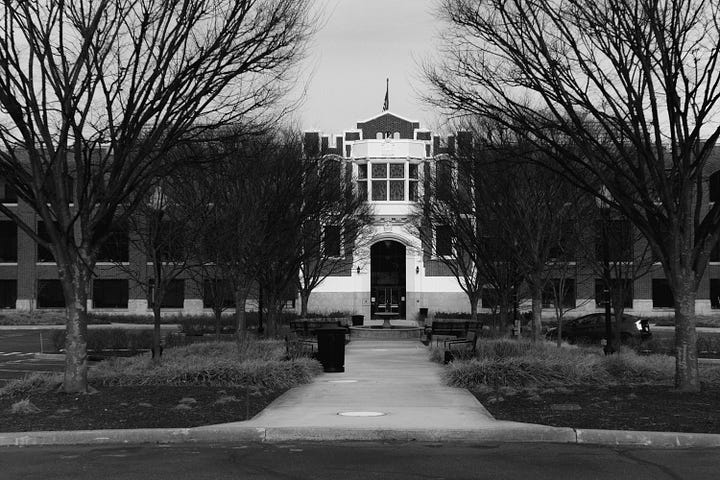
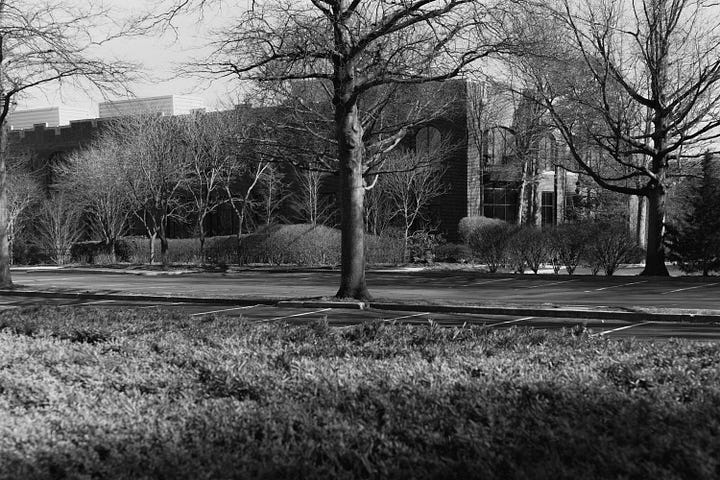
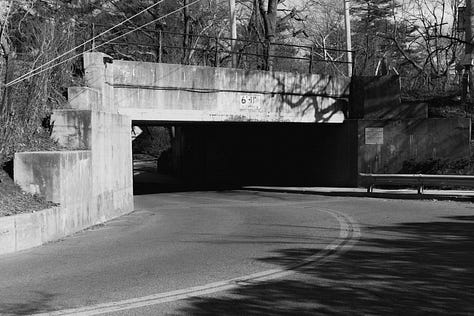
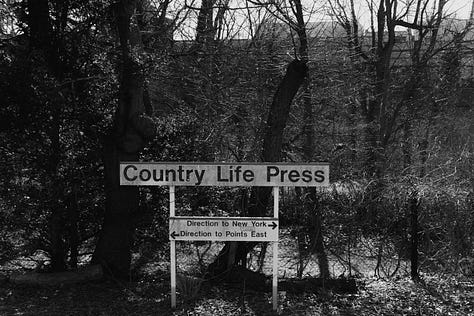
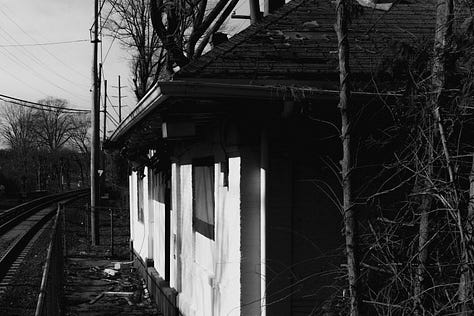
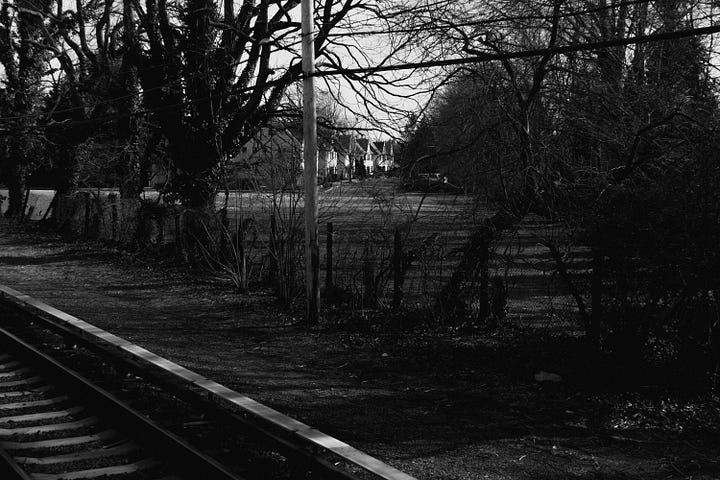
Behind the west-fronting facades, tracks curve southward toward the Country Life Press train station, once a dedicated stop on the line for the company’s books and personnel, before continuing to the terminal in Hempstead.
In a pocket of development adjacent to the tracks, tucked just north of the border is a cluster of secluded cottage-like homes.
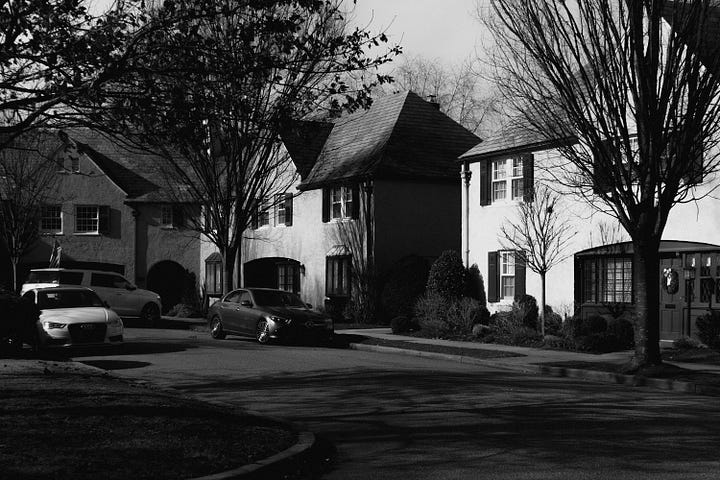
Five minutes after you emerge on foot from the enclave of semi-curved drives and cross the border, there is an old gas station on the corner that heralds a strip of car dealerships.
I’m calling it old, because I remember looking up to see Pegasus soar across its tall signage as my father drove us in our blue Pontiac past the triangular lot that still juts into the intersection.
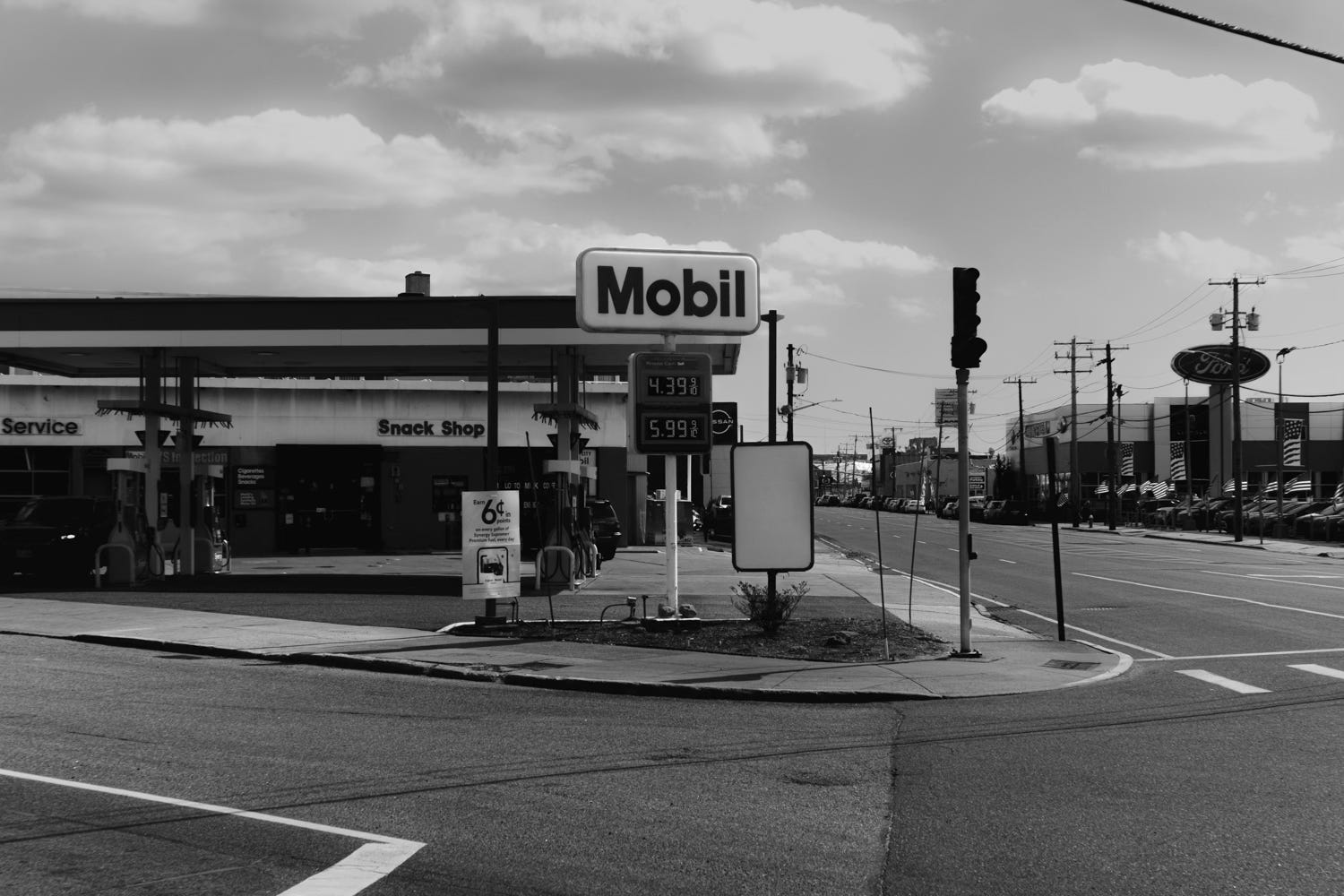
I loved my illustrated books of Greek mythology and I loved seeing the winged horse on that corner gas station.
When I was older and opened Ray Bradbury’s Fahrenheit 451, I took a small bit of pride in seeing the Doubleday imprint at the bottom of the title page.
Comments
Nothing yet. Say the first thing.
Sign in to join the conversation.