
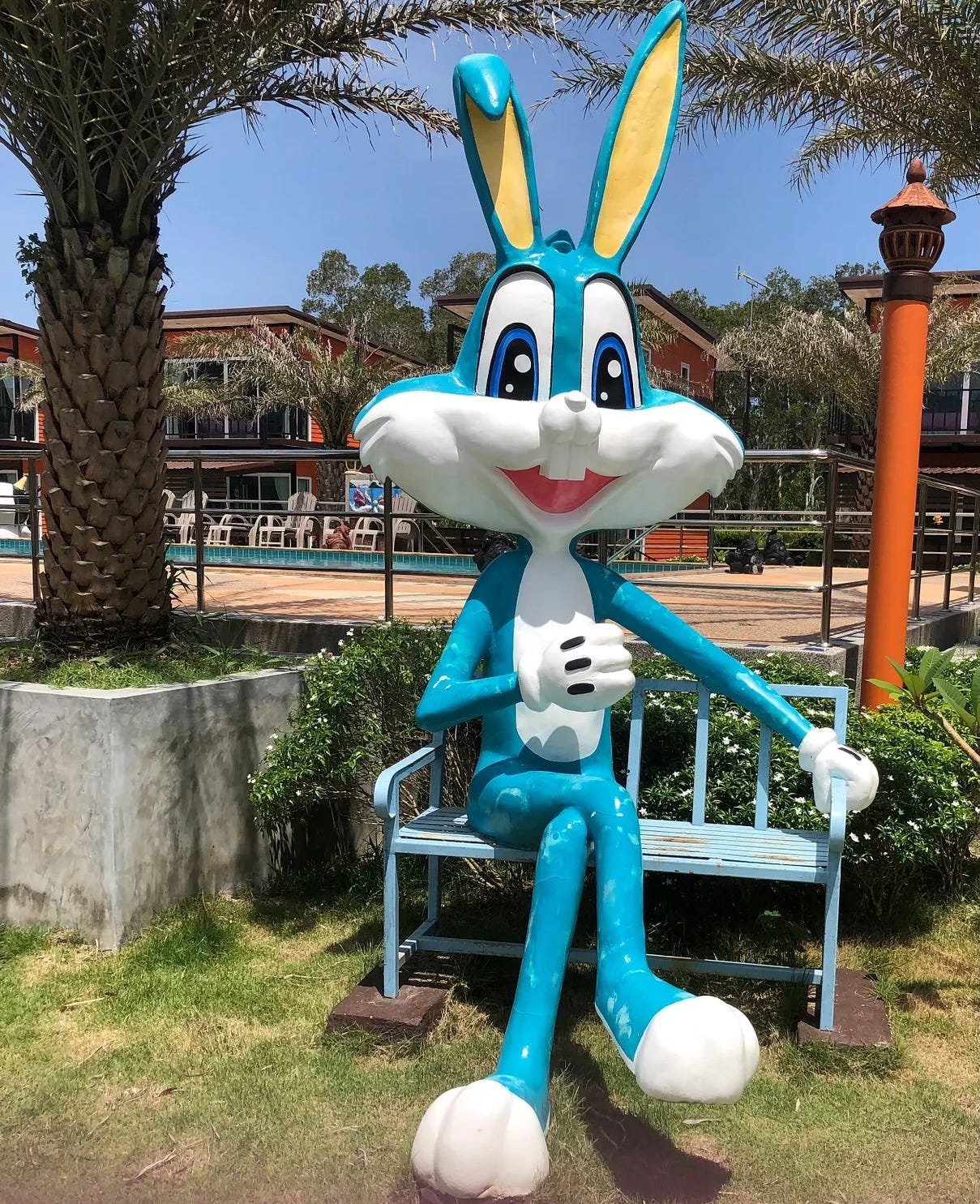
To most people, summer means freedom, relaxation, and a chance to slow down and connect with others. While the specific meaning varies by age, lifestyle, and culture, it universally represents a distinct shift in daily rhythm and energy.
Summer brings long, sunny days that allow for more time spent outside, walking, swimming, hiking, camping, and spending time in nature. Sunset is late evening, and the sun rises before we wake up. A huge contrast to the dark winter months when we wake up and get off work in the dark.
Summer is prime time for vacations, barbecues, patio gatherings, music festivals, celebrations, events, and road trips. The season brings back our childhood memories of ice cream, late sunsets, campfires, and care-free days. People spend time in backyards, on porches, and in parks. We wear less clothing, so we feel lighter and more energetic.
Have I lulled you into summer bliss? Wake up, the bliss is elusive this summer.
This year it feels different. People aren’t as happy and carefree. On the surface they do try to be, but there is something in the air that is hard to pinpoint. People seem to be worried, and there is a sense of fear and depression in the air. Factors like persistent digital connectivity, chronic stress, and a lack of real-world community are taking a toll on many. Mood swings are prevalent and few are happy. And even less are finding fulfilment in their lives.
It’s my conversations that got me noticing the shift. People are talking about their issues and challenges more than ever. Hesitation is gone when it comes to reaching out for advice. It’s like people feel if they tell everyone they encounter all about their problems, they will find a solution.
Money is a big worry. Costs are rising, and for those watching their spending, it’s more difficult than ever. Over time appliances, homes, cars, and other big-ticket items wear out. Now people are trying to make do with their car running on two cylinders (like I’m doing), and cutting their grass with that old-fashioned rotary mower found in the back of the garage. Many are altering clothing instead of buying replacements. Health care, along with health issues, is always part of the discussion.
Most of my conversations with others are about how to get ‘more life out of something’ that is long overdue for retirement in the dumpster. The conversations are actually interesting and open the door for follow-ups. “Let me know how you get on with it” is now the standard “see you next time.”
We are building new relationships and, along with them, new ways to approach our challenges. In times of uncertainty, people who used to have nothing in common, are forming bonds. Together they are working it out, and searching for solutions with new ways to approach things. Our lives are far from boring. We all want advice and insight into reducing costs, being more efficient, staying and getting healthier, and feeling more in control of our lives.

This summer control is a big issue. Or I more accurately, the lack of control in so many aspects of our lives is weighing heavier than before. Especially with us older folks who are trying to enjoy our newfound retirement freedom. It doesn’t feel that free. Between failing health and so many things breaking down, a sense of gloom does feel more prevalent.
The rising costs, political uncertainty around the world, and erratic weather are nothing like the seasonal norm. People are uneasy. No wonder this summer feels different.
Or is life just getting to us more than it used to? Maybe it’s always been like this, and we took things in stride. I don’t know the answer, but I do know one thing.
Sure, there are stresses, challenges, and problems that seem bigger than ever before. But have you noticed that life continues despite them?
Summer 2026 feels different. People seem to be more worried and less carefree than in years past. Yet summer still offers us something valuable. Longer days encourage us outdoors. We spend more time in our gardens, on our decks, and walking the pathways. We gather at festivals, fairs, and concerts. We reconnect with neighbours, friends, and nature.
Of course, the days aren’t actually longer. They are still 24 hours long. But more hours of sunlight make them feel longer. And perhaps that’s what we need this year. Not solutions to every problem, but a little more light, a little more time outdoors, and a few more opportunities to enjoy the season while it’s here.
It’s all good
Most of you know I’m a distance walker. Probably the result of being a marathoner for so long. I ran for decades, always without a watch. I didn’t care how long it took, I simply loved running. I think I completed around 27 full marathons, the same number of halves, and umpteen 10Ks. I love being out there for a long time, so transitioning to walking seemed natural.
These days I love my long walks and want longer ones. Two hours is a normal walk, and on Sundays, my favourite walking day, I’m out there for up to four hours. It’s my special day and I look forward to it every week. I won’t go into all my rituals, but I have them. I say this so you’ll understand that it isn’t a hobby. It’s part of my life.
Lately, I’ve been thinking about doing a long-distance multi-day walk. I could head into the Gatineau Hills outside Ottawa and walk for days, or do something similar in Thailand. But what really appeals to me is an established route, something well known in walking circles.
In the United States there’s the Appalachian Trail on the East Coast and the Pacific Crest Trail on the West Coast. The latter appeals to me because I love the desert and the vastness of the landscape. But there are long stretches without facilities and that’s probably not practical for this 72-year-old. I also looked at the many long-distance walks in the UK, but they seem a little too crowded and trendy for my taste.
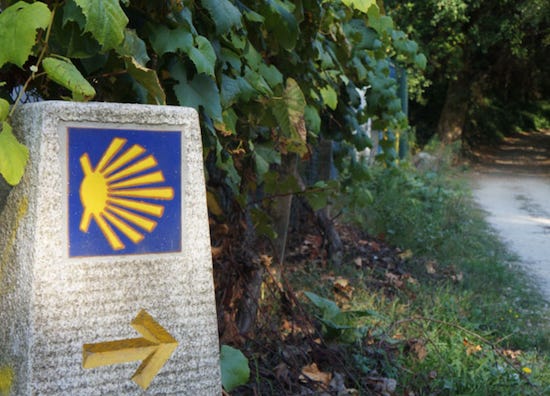
My search eventually moved to continental Europe and the Camino de Santiago. The endless possibilities of this multi-route walk intrigued me. I could choose the distance, the country, the level of difficulty, and the elevation. The last one is important because I’m afraid of heights. Just ask the people who had to rescue me from the top of Sunshine Village in Banff, after I froze getting off the ski lift.
A few months ago, I wouldn’t have considered walking hundreds of kilometres across Portugal and Spain. Now I’m not so sure.
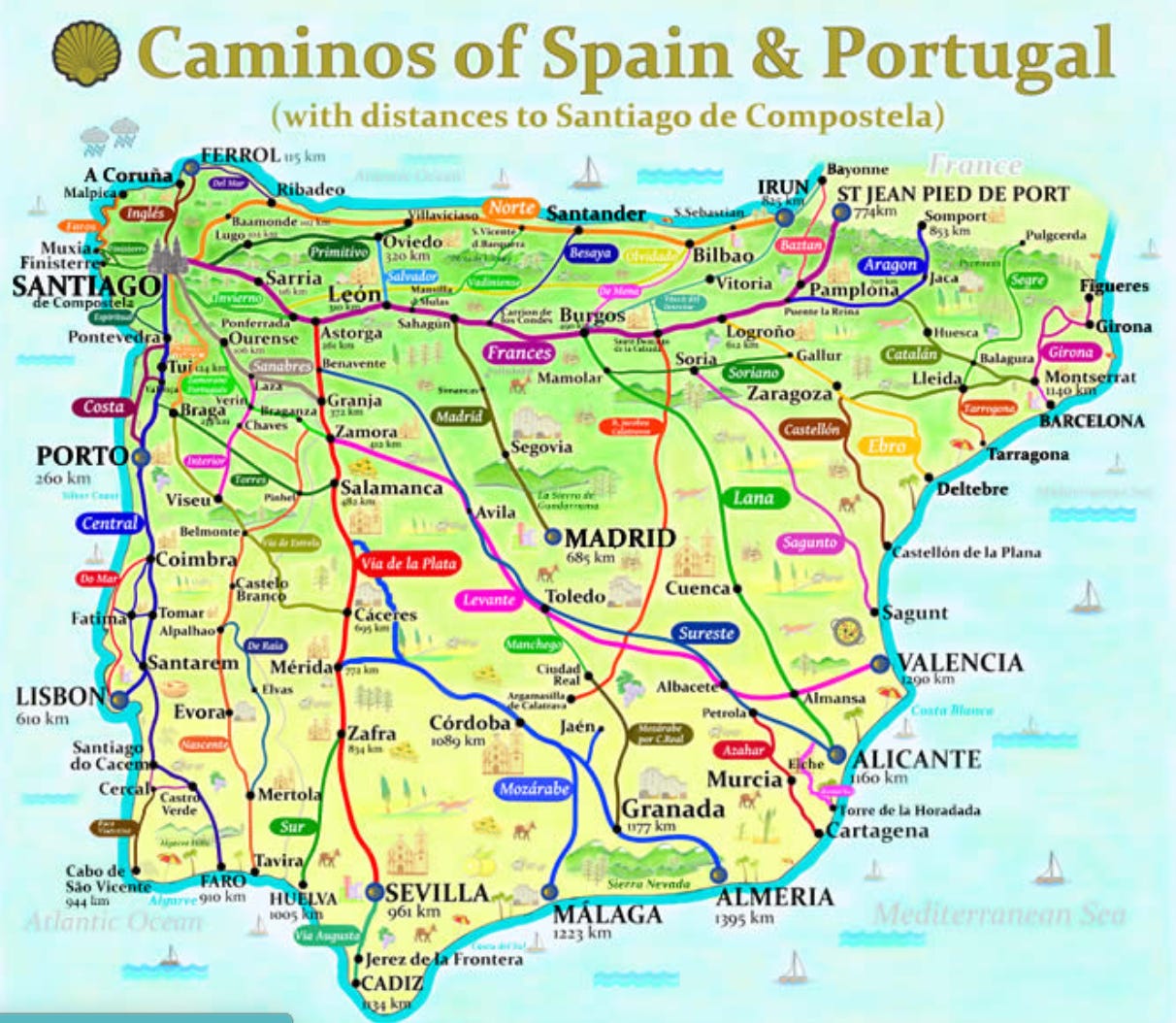
I’m seriously considering walking the Camino de Santiago. And looking at the Portuguese Route from Porto in Portugal, to Santiago de Compostela in northern Spain. The fun part is I’ll do it a few days after my 73rd birthday in October. It’s about 260 kilometres and would take around two weeks.
There are plenty of pros and cons, so I’m working through them to figure it all out. Once that’s done, I’ll make my decision.
It’s crazy how some ideas that seemed ridiculous in the past, now feel perfectly reasonable.
Is there something you’re considering that would have seemed completely unreasonable a few years ago? I’d love to hear about it.
If you know someone who might enjoy these reflections on retirement, reinvention, and life after 60, please share this newsletter with them.
Lately I’ve been noticing something interesting. More and more people seem to be repairing, adapting, and making do with what they already have rather than replacing it. Cars are staying on the road longer, clothing is being altered instead of discarded, and old household items are being given a second life.
At first glance it might seem like a response to rising costs, but I think there’s more to it than that. In my next newsletter, I’ll explore why so many of us are changing our relationship with the things we own, and what this shift might say about us and the times we’re living in.
See you next time…
No posts
Comments
Nothing yet. Say the first thing.
Sign in to join the conversation.