
It’s April!
I hope everyone had a lovely tax day, Earth day, and feels more confident about the direction of the planet. Certainly no concerns there!
Now that it’s spring, we’re interested in the theme of new beginnings and re-birth. That’s why we’re headed back to the basics this month. Plus, we’ve got lots of partnerships that we’re ready to share, as well as insights into where our creator people are getting hung up. Keep going for all our updates and places to get involved. But first, let’s grab your take on the real issues: were creators wronged at Coachella this year?
Val
VP, Influencer & Partner
Getting rejected from a campaign almost never comes with an honest answer. “We’ve decided to move in a different direction.” Cool. Which direction? And why not me?
I hear you, but the reasons usually boil down to the same deciding factors. So this month, I asked the team to pull the curtain back and share the most common reasons we’ve passed on creators.
It’s your Bio. If your bio says “influencer,” “content creator,” or “UGC creator”… please delete it. Immediately. It tells us very little about you and leads us to assume you don’t have a strong community under your belt. If you have a profession, a particular interest or niche, lead with that instead. “Nurse,” “teacher,” “runner,” “new mom,” “city planner” - these are the keywords you need to be prioritizing in your bio. It also makes it easier for us to find you when we come across a campaign that needs your kind of expertise.
It’s your Feed. Brands and agencies are making snap decisions about your feed. At a glance, we should understand what content you make and why you’re good at it. Simple things go a long way here: clean, intentional thumbnails on your Reels or Shorts, the occasional text overlay so I know what I’m clicking into, or really just some sense of organization on your profile.
But don’t swing too far the other way, either. Hyper-curated feeds with heavy filters or color palettes tend to give us the ick.
It’s the Amount of Products. If I land on your page and it’s all just sponsored content, I’m out✌️. Even if everything isn’t technically an ad, a caption full of @tags signals the same thing. It feels too transactional and I can’t wrap my head around what person in their right mind would follow a creator that ONLY posts branded content. Be sure that your feed is primarily organic content, with thoughtful partnerships sprinkled in.
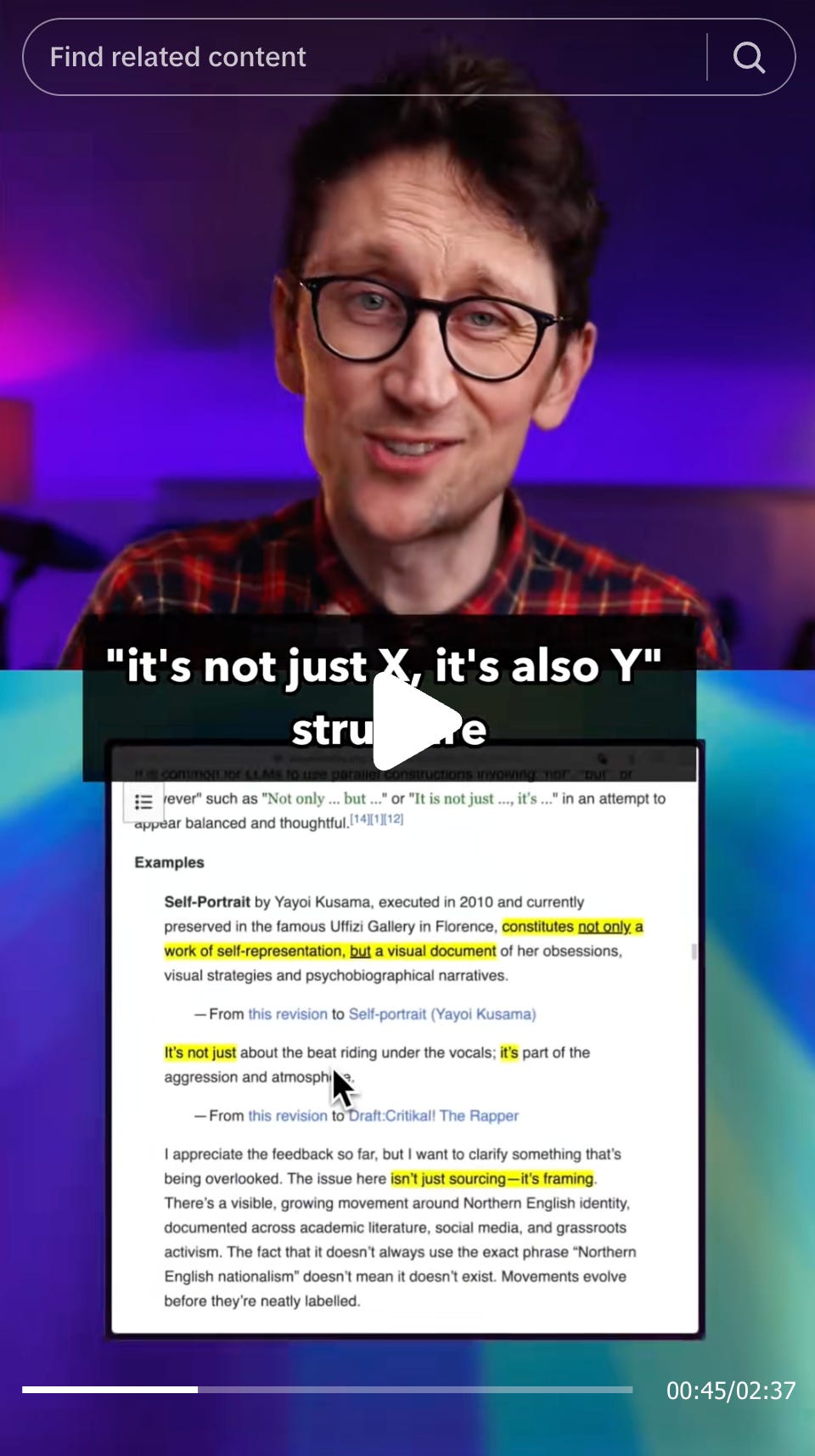
It’s ChatGPT. It’s not you, it’s ChatGPT. I hate to flag this one to creators because we chose you out of love and admiration for your style. When you come to us with a piece of content that ChatGPT co-authored, it’s disappointing. We aren’t looking for a perfect concept or script, you just need to sound like a human, or better yet, yourself.
Also, you should expect the same in return. If a brand or agency comes to you with a creative direction or brief that feels totally AI written, you should push back (more on this later). If you want to pinpoint AI in writing, check out this video from @willfrancis24
It’s Your Ratio. Not a dealbreaker, but it matters. If you’re applying for Instagram work and your page is 100% video (or 100% static), it feels incomplete. Show your versatility, or take advantage of all the things a platform has to offer.
Also: if your IG grid looks like a modeling or photography portfolio, that can work against you. Brands want to see a real person or personality on the page.
It’s your Posting Frequency. Again, this one is pretty straightforward, but requires you to really plan your feed and get into the habit of making a posting schedule.
Posting 3 + times a day on any given platform → this feels spammy!
Posting once a month → this feels like you’re inactive!
Brands don’t want their post buried immediately after it gets published, and they don’t want to be the post that signals your return to the internet after a long hiatus.
It’s your Comment Section. Last piece on your profile, but we know what real engagement looks like folks. And we 100% know that if it’s all emojis or generic comments, it’s clear to us an engagement pod is at work.
Please note this is not just a red flag to our team, it’s an immediate disqualification from future opportunities.
Now let’s talk about profile’s analytics because this is where a lot of rejections tend to stem from, even if you may not realize it. Here’s what could be holding you back:
Location: Your audience is primarily based in the “wrong” place. We look to see your top cities to ensure that a decent percentage of your audience is based in the region (city or state) where the product, service, or event is available. Oftentimes if your audience is largely based outside of their target region, it’s clear to the brand that your audience isn’t going to benefit from the message.
Gender: Your audience is the wrong gender skew. Unfortunately for the ladies there’s a heavy bias against those with followings that are primarily men. After all, women account for 85% of all consumer purchases, and a strong male audience may make us think that your audience is a bit too lustful for their taste.
Age Range: Your audience is the wrong age range. Again, it ultimately depends on what your sponsor is promoting, but some campaigns have very strategic preferences for who they broadcast their message to. A Get Out the Vote campaign may look for creators with a younger audience (18-24 years old), for example, since research shows that younger people tend to be low propensity voters. However, they may not advertise that as a requirement.
Major mismatches in your audience analytics are tough to combat as a creator because it’s ultimately outside of your control. Nevertheless, who’s actually following you may be different from who the brand is trying to reach, and even if they think you’re great, they still might pass.
In short, most campaign rejections aren’t about you “not being good enough.” They’re about prioritizing creators who are creative, consistent, and have an audience that the brand or agency is looking to tap into.
Let’s flip it around for a second. Brands too are often scratching their heads to determine why creators’ submissions aren’t quite hitting the mark when their drafts are turned in, or performing the way they would have hoped when they make their way to the internet.
At People First, we see it all the time. A strong creator under delivers, or a campaign doesn’t land the way we thought it up in the boardroom. The instinct is to blame timing, the algorithm, or say the creator’s audience wasn’t the right fit.
But when you trace it back, the brief we gave to the creator never actually set the participants up to succeed. What I find is that the brief was built from a marketer’s perspective, not a creator’s.
The Information is Hard to Access: What do I mean by this? Well, for context, at People First, we know that 75% of our users are accessing the Creative Brief on their mobile device. So when they go to access our materials, we ensure that the briefs have hierarchy, breathing room, and visual cues along the way.
We should understand that creators are skimming for information, so be sure to adapt your briefs in a way that’s tailored to how creators are actually accessing the information. Pro Tip: If your brief is 10+ pages long, it’s time to trim it down.
Throw Away Words and Phrases: Then there’s the way brands struggle to describe what they’re actually looking for. Words like “authentic,” “relatable,” and “personable” get thrown around constantly as ways to help guide creators in the right direction, but they’re pretty meaningless if that’s all you have to say. What does “authentic” actually look like in practice? And how do you expect creators to balance that “authenticity” when you provide a list of talking points that’s the length of Chile.
The Brief Lacks a Voice: So many briefs are painfully bland, like they were produced by a piece of melba toast. They’re flat, overly formal, and pretty dull. Ironically, the same brands will turn around and ask for content that feels more human, unscripted, and full of personality. You can’t expect that energy in return if your brief reads like the back of a cleaning product.
The Brief isn’t Very Inviting: What I tend to struggle with is when a brief lacks any sense of collaboration. Briefs are meant to be a starting point. They intentionally maintain gaps throughout them so that creators can think, adapt, or bring their own perspective. They ask questions, they offer prompts, they guide without over-explaining. You’re hiring them to translate your goal into something that actually works well for their audience. So, be sure your brief has prompts: questions for the creator to respond to in their own way and frame their thinking.
It’s All About YOU! A lot of briefs also spend way too much time talking about the brand. I know we love to talk about ourselves, buttttt long sections about the company, the mission, the product features….😴 Yeah, sadly, most of it isn’t useful when creators go to sit down and film and they’re asked to give the video a personal touch. Give creators just enough context to understand what matters, what absolutely needs to be incorporated, a link to resources that they can have on hand. Then let them do their job. The brief should not read like an About Me page!
You Forgot Something: Whoops! Then on the other hand, you also see briefs that are missing vital pieces of information, or even wrong or outdated information! Again, this may be a result of assumptions being made, or bias that everyone thinks the same way you do. Other times it’s because the campaign is built around something that’s happening in real time, e.g., a piece of legislation that could pass (i.e., gutting the CLCPA), and information that was true yesterday is no longer relevant today. My advice is to say the obvious things first: show the product, film vertically, and conclude by directing people to visit XYZ. If your campaign is changing in real time, share a link to view the document (so that no one who sees it can edit it), rather than PDFs, which need to be resent every time new information becomes available.
The brief is the one-stop-shop for all the necessary information. If you forget to add something to your brief, you got your facts wrong, or simply didn’t provide the preferred answer, well that’s too damn bad! If the creator successfully delivered using the materials that were given, you’re going to find yourself in a pickle when you ask for that reshoot! You also shouldn’t expect to meet that “tentpole” moment on time if you’re stuck requesting a mountain of revisions.
Browse our current campaign listings and apply to the ones that feel like a fit for you. Heads up: Some campaigns may only be available to users in certain regions.
California Can’t Afford More of the Same: The California primaries are coming up, and as we approach the June 2, 2026 primary, we’re inviting supporters in California to join our coalition to amplify one candidate’s vision for the state.
Voter Dollars: Influence for Everyone: Frustrated that politicians listen more to wealthy donors than to voters? Join our Voter Dollars campaign - a plan to get Dark Money out of politics and make voters the donors who fund campaigns.
People For Affordable Energy: Utility bills are increasing, and most of us have no idea why. We’re inviting local community advocates – issue-driven parents, educators, local and regional activists, local business owners – based in Pennsylvania, New Jersey, Illinois, and Maryland, to educate their neighbors on what utility companies are trying to do that would make utility bills rise even more.
Made for Us: Americans across the political spectrum believe in protecting the democratic process. Yet every year, concerns about election integrity rise, causing participation in elections to fall. That’s why we’re calling on The People; creators who understand the importance of civic engagement and can effectively educate others around election processes.
April is Earth Month: If you’re based in New England, partner with the Conservation Law Foundation to help support the work they’re doing to not only protect the environment, but protect the very legislation that ensures our federal government respects the rights of our planet. Apply to make UGC content or in-feed content!
Moms for Moms: This Mother’s Day, we’re partnering with moms, parents, and caregivers who can articulate how access to safe water helps moms care for their families, keep their children healthy, and build more stable futures for moms across the globe. Please contact Kendall@peoplefirst.cc for more information on our partnership with Water.org.
Your Personal Health Companion: Are you someone who’s passionate about taking charge of your health, but often find it hard to get clear, trusted guidance? If so, we’d love for you to join our campaign and be among the first to experience Verily Me, a free app that provides personalized health recommendations from licensed providers.
Every Vote In! If you’re based in California, join our campaign to help ensure your community gets registered to vote in time for the June primary election.
Central Valley Voices. Creators across the Central Valley play a key role in shaping how local stories are told and shared. We’re partnering with Central Valley Journalism Collaborative to bring together creators based in Modesto and across the broader Central Valley to join a virtual convening. Participants will connect with other creators and newsroom partners to share perspectives, learn new approaches, and explore how to grow their impact beyond in-feed content. Please contact Dawn for more information.
Build for Community: We’re looking for Californians to share their perspective on Solano County’s housing and union job initiatives. Email us to tell your story and help shape California’s economic future. Please contact Liat Salem for more information.
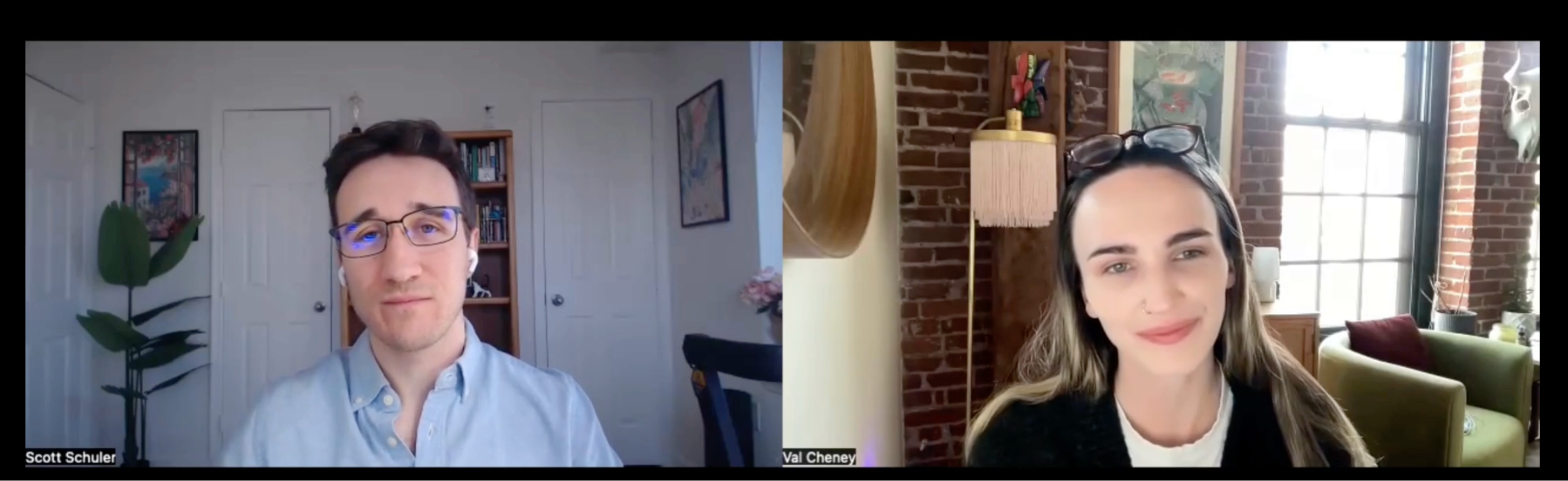
This month I got to sit down with my friend Scott Schuler on our community’s latest podcast: Oops! I’m an Influencer. Together, we chatted about what it’s like going from someone that identified with being “news-avoidant” to becoming deeply ingrained with issue advocacy. Further, Scott delves into messaging that’s winning digital strategists over, as well as actually persuading voters in a meaningful way ahead of the upcoming primaries.
That’s all I have for now, but if you’re hankering for more insights from our team, check out our sister-stacks:
Influencer Impact: Strategist Edition where Ryan Davis and Nicole Dunger break down why follower counts don’t matter anymore.
The Month in Digital where Ryan Davis breaks down all the digital updates you missed last month.
Until next month,
People First
No posts
Comments
Nothing yet. Say the first thing.
Sign in to join the conversation.