
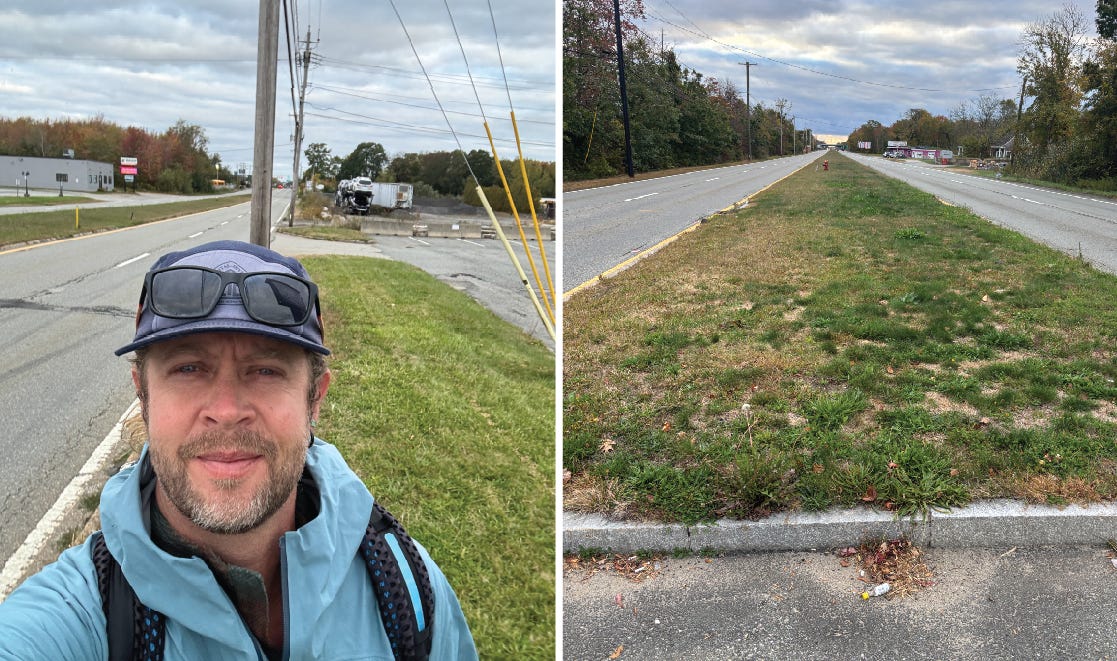
As some of you know, I’m currently taking two weeks to walk from Providence to Provincetown. The 150-mile + walk started on Friday, October 10th immediately after working alongside AARP Rhode Island and America Walks to help launch their debut Walktober project which includes a wide range of October walking/rolling events.
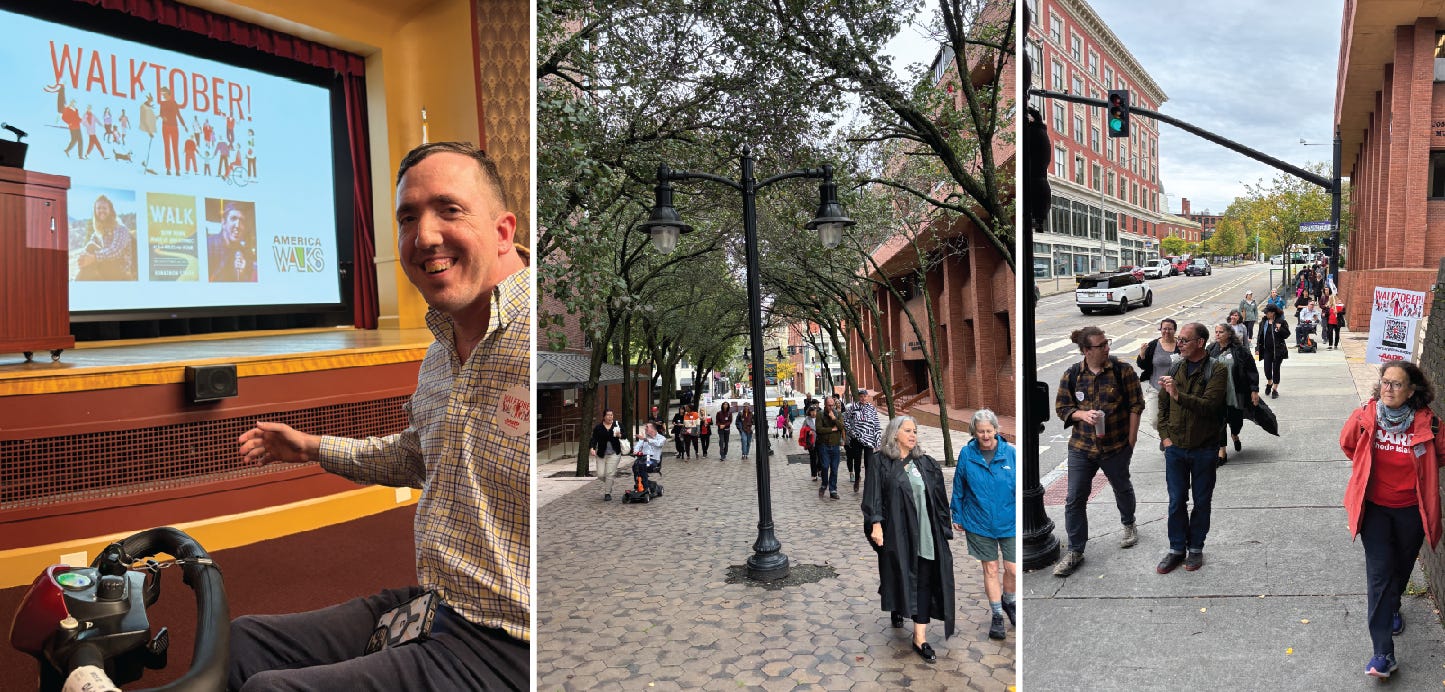
My first day out of Providence was mostly along the East Bay Bike Path. It was a beautiful, tree-covered route that skirted large bodies of water all the way to Bristol, RI. Day two was different.
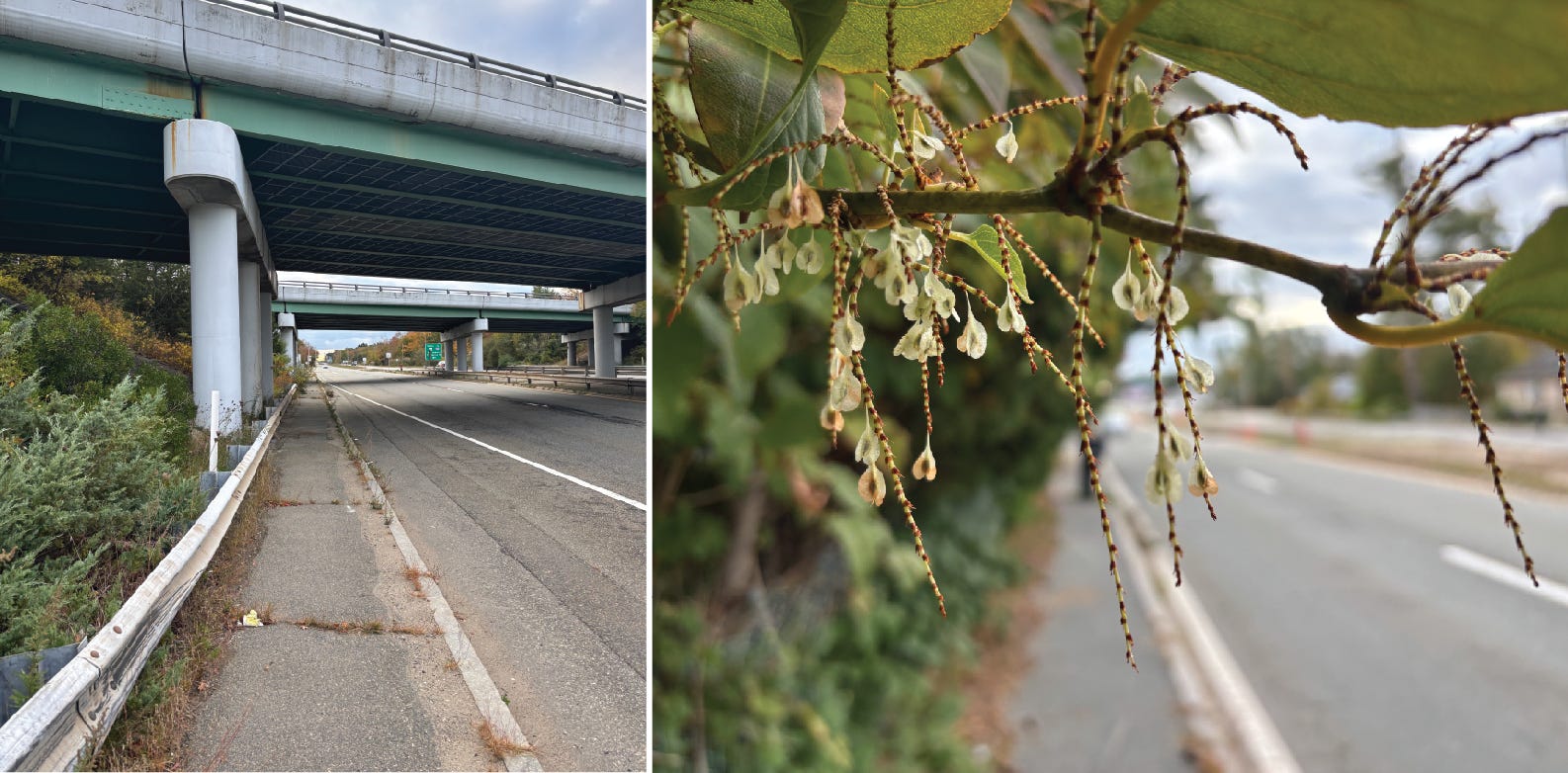
And. It is not unique. State highways are known for their endless disconnect to anyone moving outside of cars. Before I go on, please consider how often I hear the following, “maybe don’t walk on highways then?”, or “nothing about highways will change, focus on main streets!”, or “highways are made for moving cars, focus on places where people live!”.
Three screenshots along my state highway bus route noting land use:
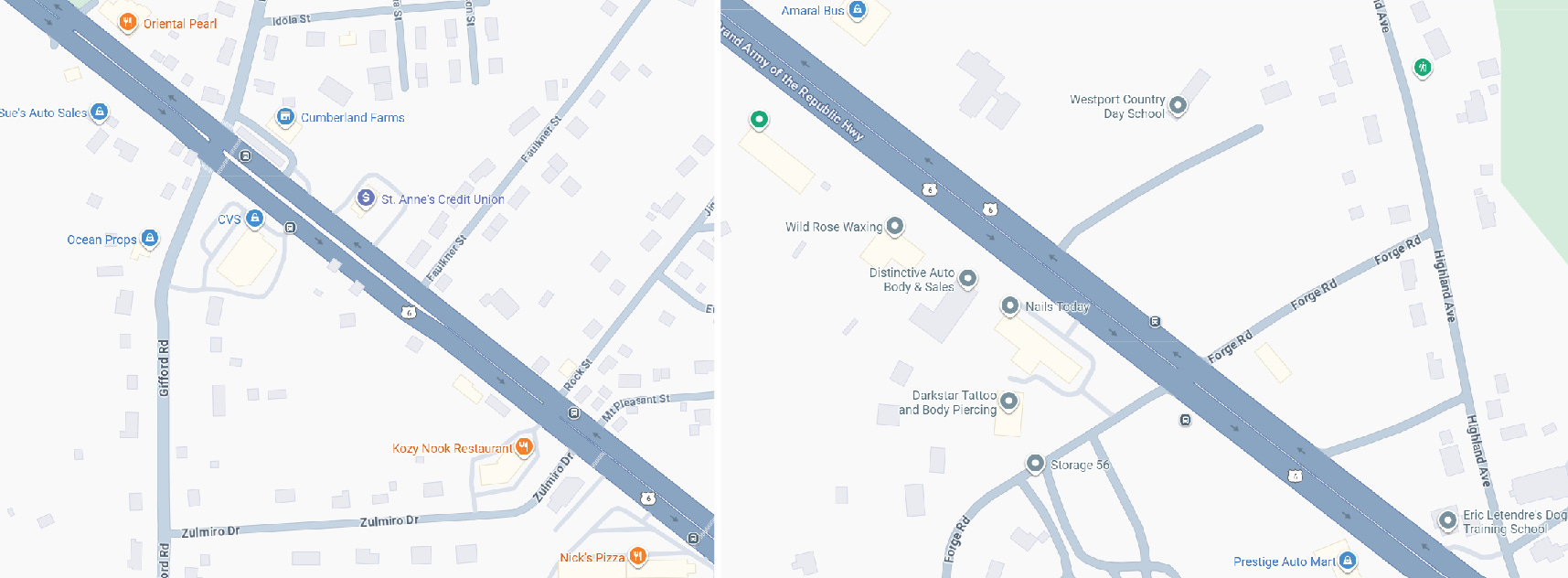
Where are people coming from? Where are they going? To school? To the bus? To work? To pick up their prescription?
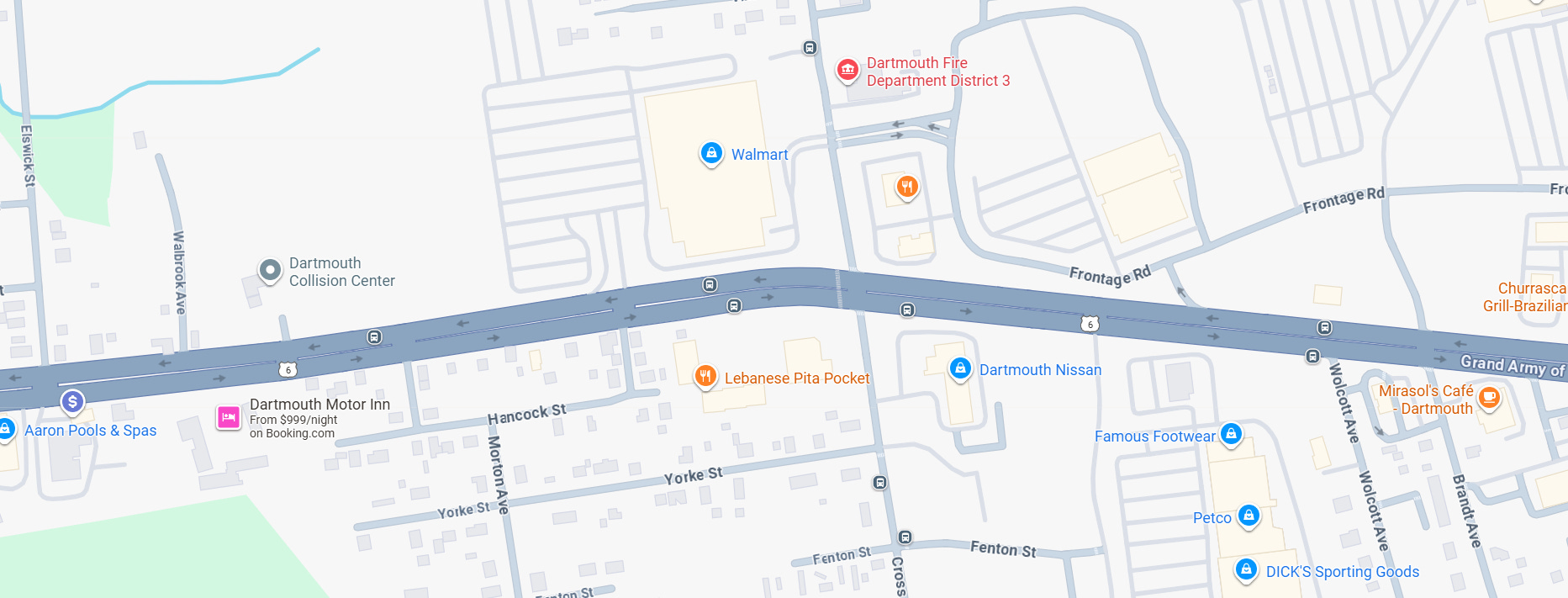
It is quite a disconnect to assume that because it is a highway, everyone drives. Millions of people can’t drive. Millions of people don’t WANT to drive for every single trip. Protecting high speed car traffic ripping through places where people work and live is terrible for public health, social connection, and our planet.
Note two bus stops along the route. Most of them looked like this.
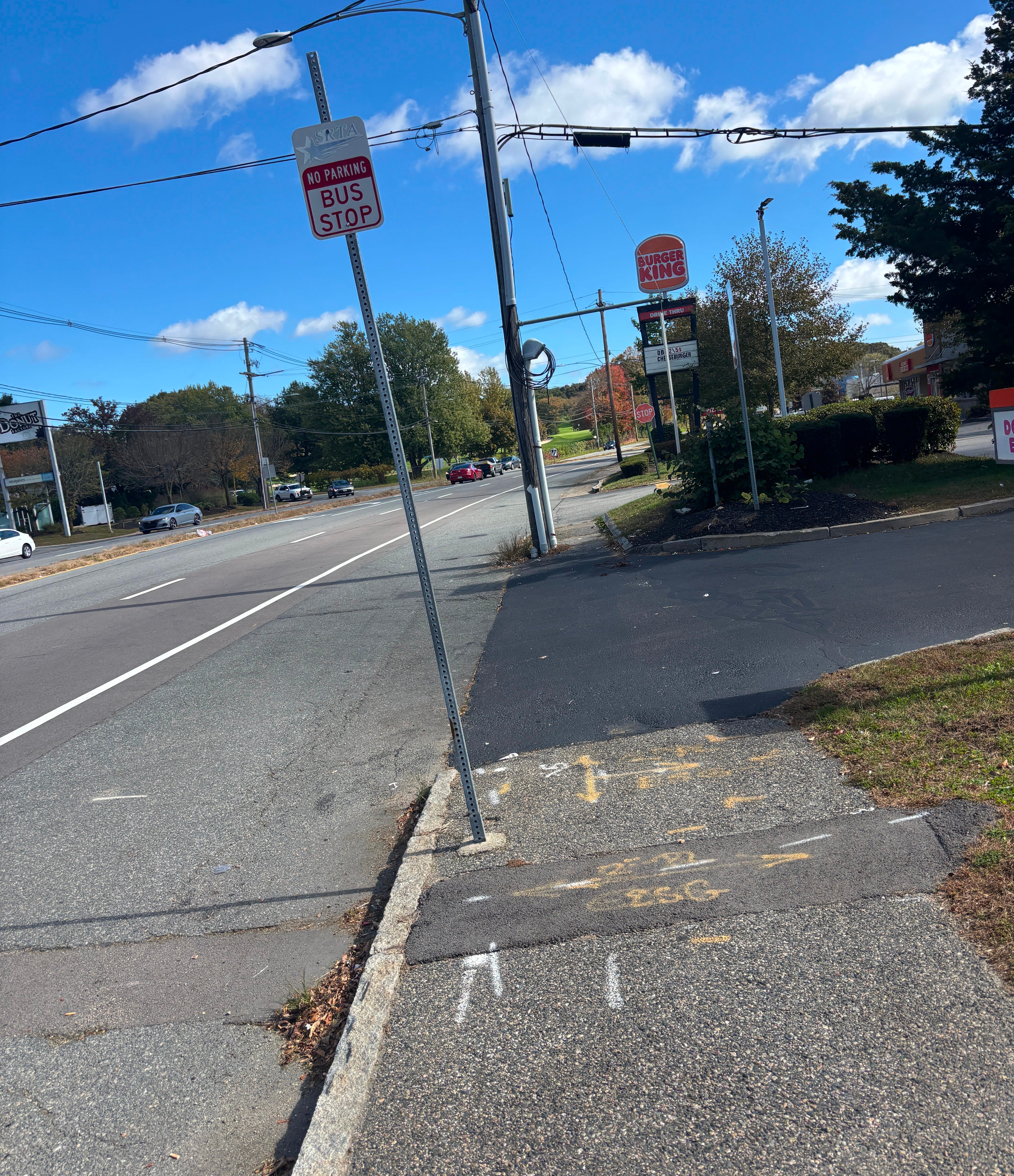
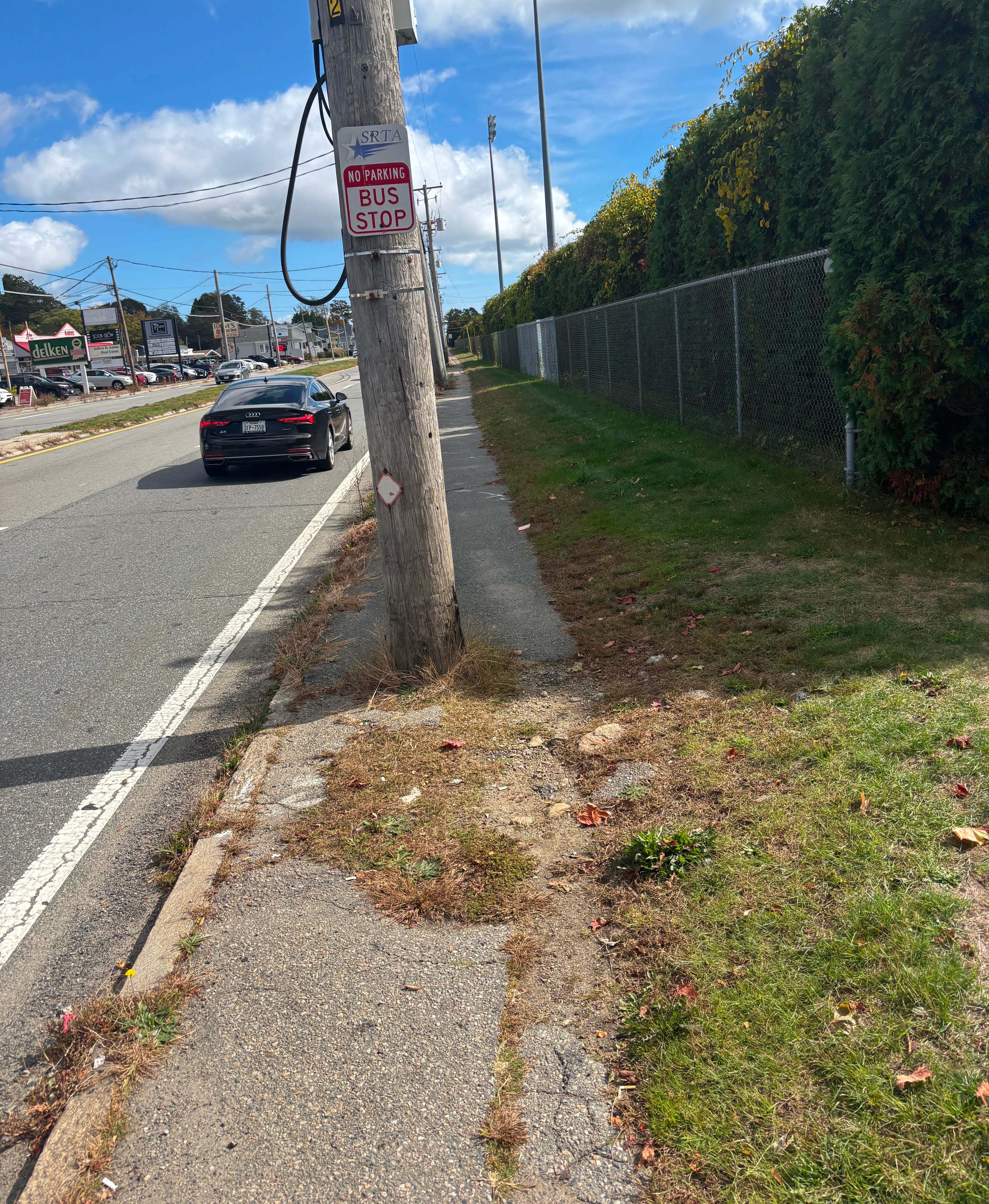
Unless you absolutely have to, what would invite you to take transit in these areas? Do you feel safe? Are they accessible? How often does the bus come? What if it’s late? A storm? Can you use the restroom?
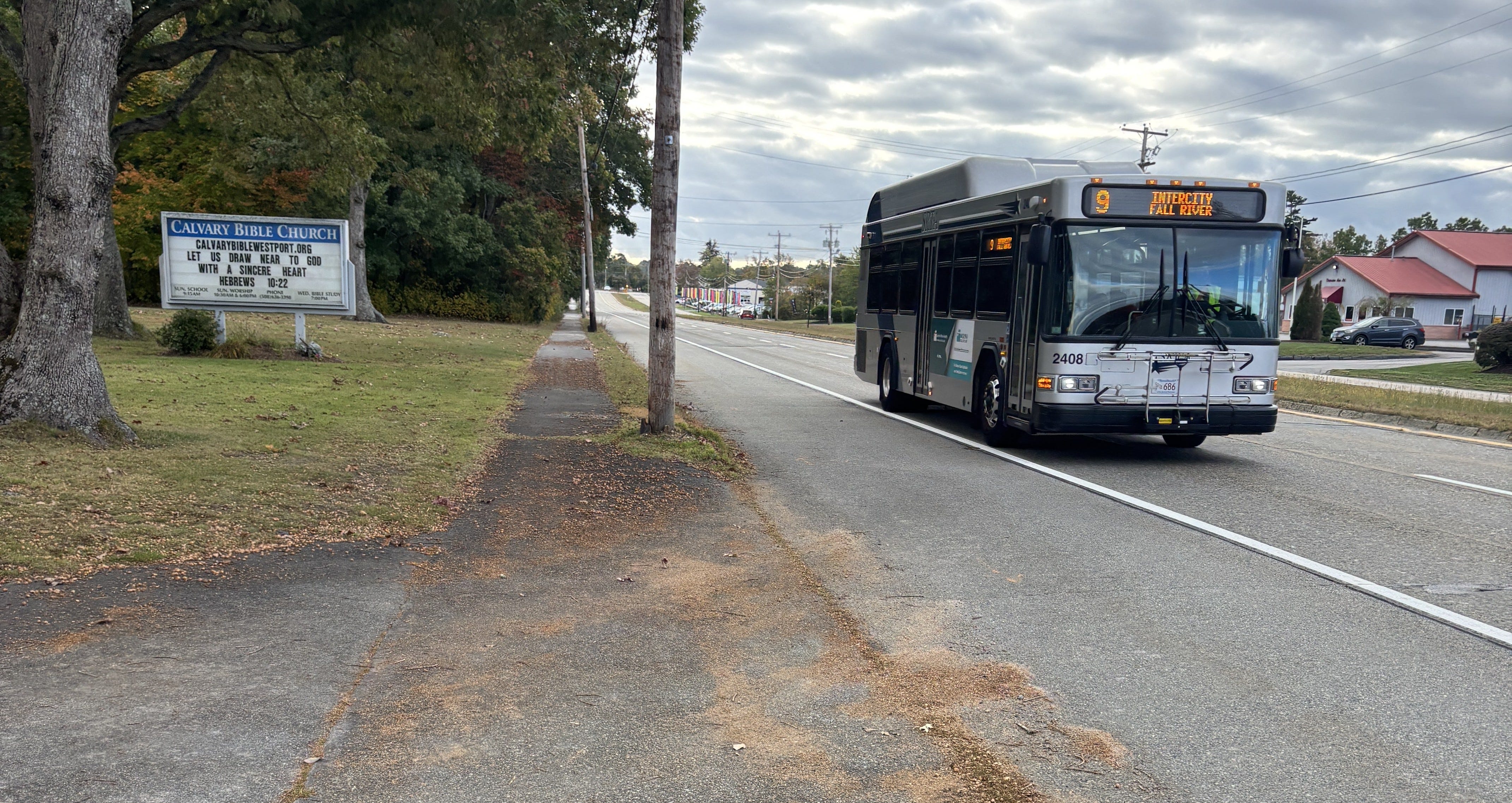
Facts remain. People ARE out here. People ARE using transit. Kids and families ARE risking their lives every day while crossing state highways. There ARE practical origins and destinations (land use) ON state highways. Are you in Massachusetts? Consider getting more involved with Walk Massachusetts (WalkMass).
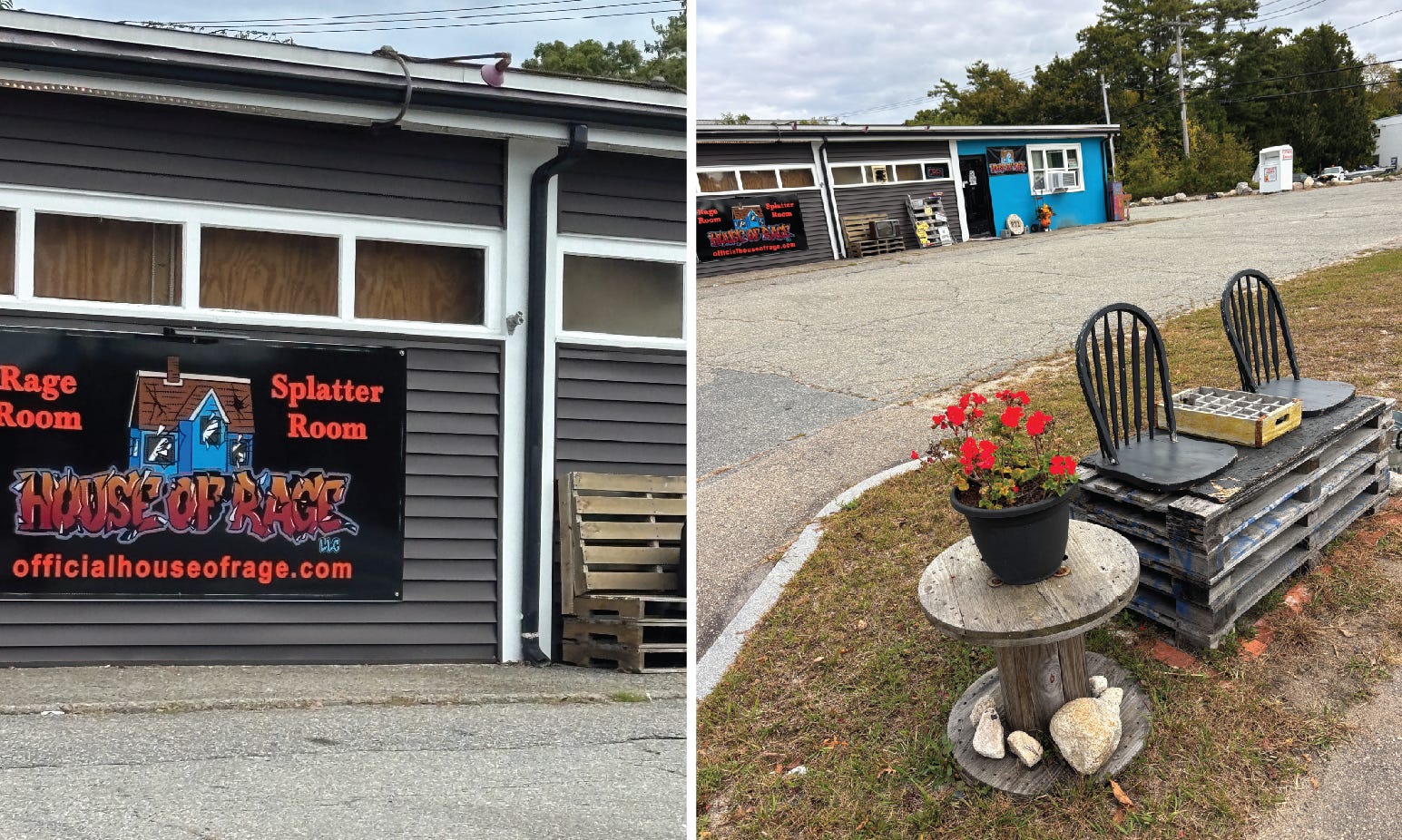
Perhaps houses of worship could learn a few things from the House of Rage? It made my heart happy to see this creative, repurposed bus stop along state highway 6. A trash can. Potted flowers. An arm rest? Beautiful.
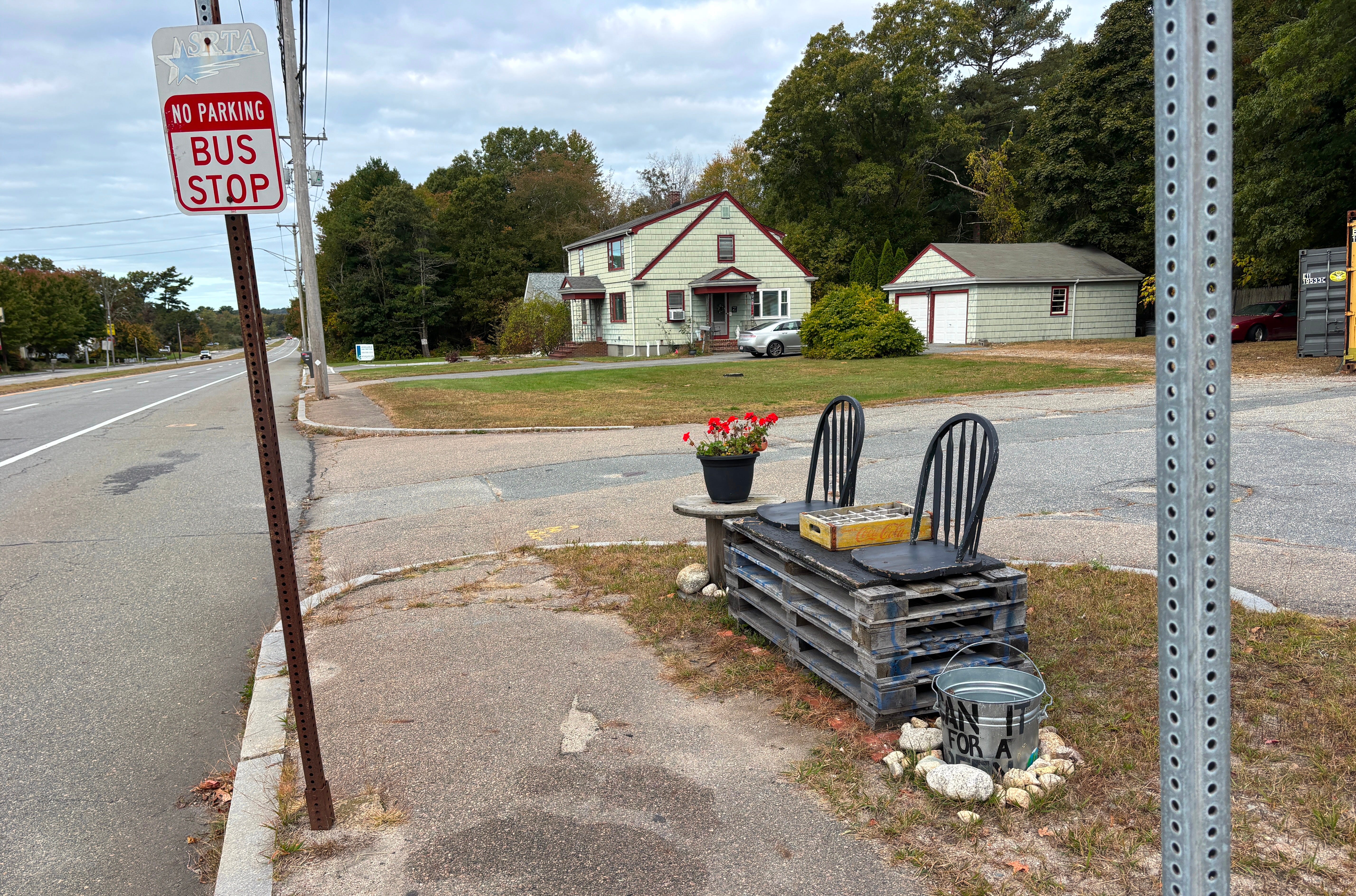
Whether we create welcoming bus stop areas in front of our homes and businesses or engage elected leaders to prioritize transit frequency, comfort, and access, it all helps.
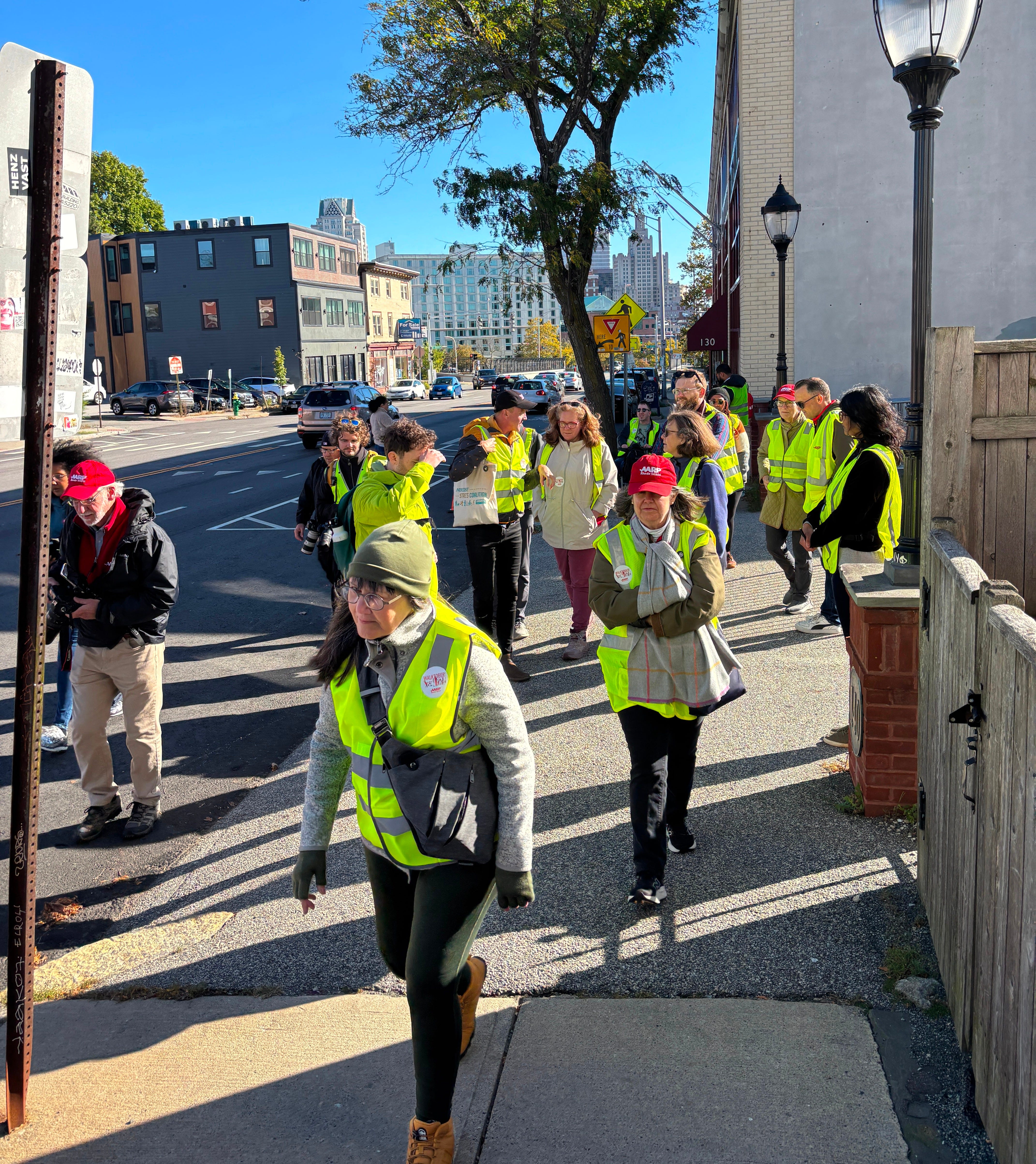
Lived experience is imperative to mobility justice advocacy. If decisions on transportation outside the car are made primarily (or only) with a driving perspective, funding and policy to improve pedestrian, bike, and transit infrastructure will continue to be neglected. We need people feeling it and not just thinking about it. It is one of the many reasons I support the Week Without Driving project.
Do you have state highways with bus routes that rip through places where people live, work, and go to school? Please share in the comments and consider sharing this article with your state representatives. You may also consider inviting them out for a walk/roll to help them experience it. Thanks for moving with me!
Visit @jstallz on Instagram or read my monthly update email here to see more photo stories from my PVD2PTown walk.
No posts
Comments
Nothing yet. Say the first thing.
Sign in to join the conversation.