
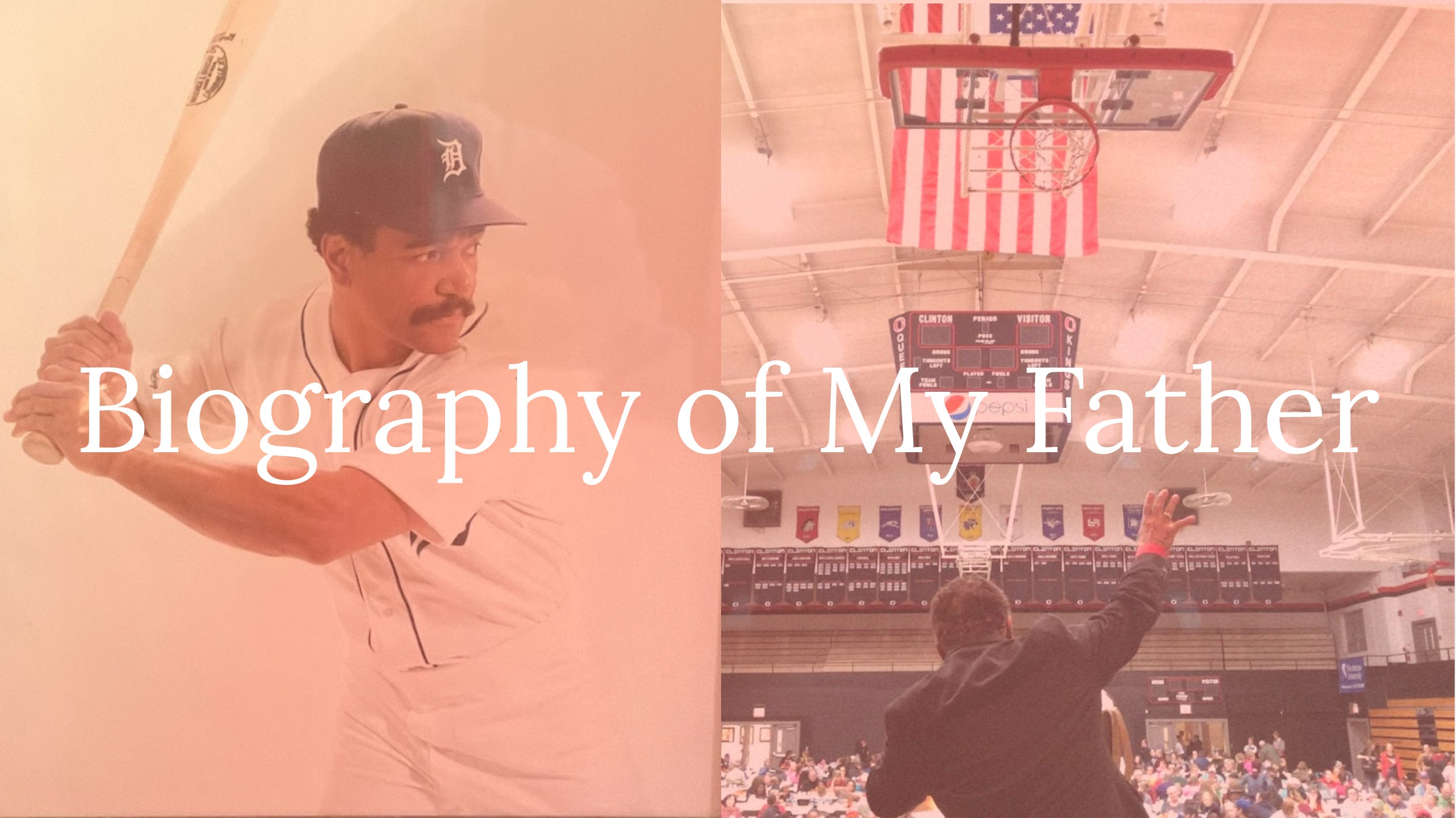
I grew up in a homeless shelter.
But not because I was homeless.
My father started one the year I was born.
For as long as I can remember, he has been the standard by which I measure what is right from wrong. Principled without rigidity, strong without spectacle, and unwavering in his commitment to seeking truth and doing what is right in the service of the greater good.
His integrity is not situational. It is absolute, almost unbelievably so. Profoundly stable throughout my entire life.
In a world that often rewards expediency and ease, he has leaned toward our greatest adversities and human suffering — steady and uncompromising in his dedication to his beliefs and virtues, a lifelong servant to humanity.
Ever the scientist, I have searched, at times critically, for cracks in that consistency.
I have found none.
Today, he remains my greatest reminder of the human spirit and a permanent source of light — not because he is perfect, but because his character does not flicker with circumstance. When the world grows reckless or volatile, when the unimaginable tragedy strikes, he remains anchored to virtues that do not bend.
This biography reflects the public dimension of his life’s remarkable journey. What it does not fully capture is the man behind his work, the man who raised me as a father, mentor, and so much more. Suffice it to say, I cannot imagine better. That story, though, is for another day.
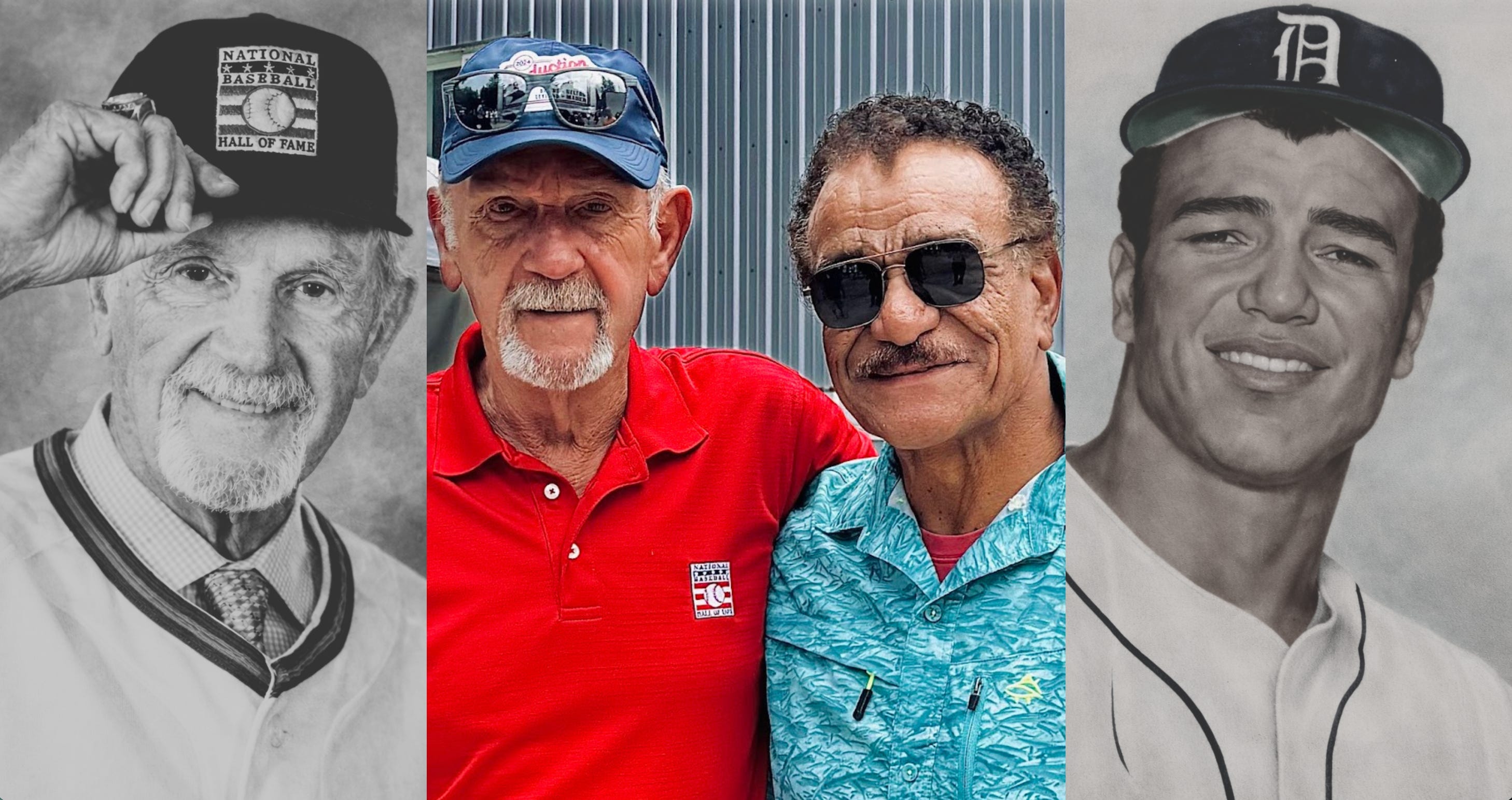
My father Ray Gimenez with his lifelong mentor Jim Leyland at the National Baseball Hall of Fame induction ceremony in Cooperstown, New York, on July 21, 2024. Leyland was officially enshrined as a member of the Hall of Fame’s Class of 2024 after a 22-season managerial career in Major League Baseball, during which he amassed 1,769 wins, led teams to six division titles and three pennants, and won the 1997 World Series with the Florida Marlins. His election by the Contemporary Baseball Era Committee recognizes his enduring impact on the sport and cements his place among its all-time great managers.
By the time Jim Leyland was inducted into the National Baseball Hall of Fame, much of his legend had already hardened into American sports lore: the gravel-voiced manager, the Marlboro Reds, the fierce loyalty to his players, the insistence on effort over polish. What rarely survives in such narratives are the quieter figures—young men who passed briefly through the same developmental crucible, never reaching the majors, but whose lives were nonetheless shaped, indelibly, by the game.
Ramon “Ray” Gimenez is one of them.
Drafted by the Detroit Tigers in 1971, my father entered professional baseball at a time when the minor leagues were less forgiving and far less visible. There were no social media highlights, no analytics departments, no fallback narratives prepared in advance. A player either advanced—or he didn’t.
For him, this starkness felt familiar. He had grown up in a household shaped by abrupt rupture and forced adaptation, where effort was assumed and stability never guaranteed.
He had talent enough to sustain a multi-year minor league career, playing primarily in the Midwest League with the Clinton Pilots during the early 1970s. He was an outfielder by trade, a disciplined presence, and by accounts from the period, a respected teammate.
It was during this time that he played under Jim Leyland, then a young and demanding manager in the Tigers’ system, years before Pittsburgh, Florida, Detroit, and Cooperstown. Leyland was known even then for his intolerance of excuses and his insistence that baseball, at its core, was a test of character. For my father, that ethic would outlast the sport itself.
He never reached the major leagues. And yet, by his mid-twenties, he made a decision that would prove far more radical than chasing another season in Class A ball: he walked away.
For someone whose family had already learned how to leave a life behind without theatrics, departure did not signify failure. It signaled clarity. What followed was not a retreat from ambition, but a reorientation of it.
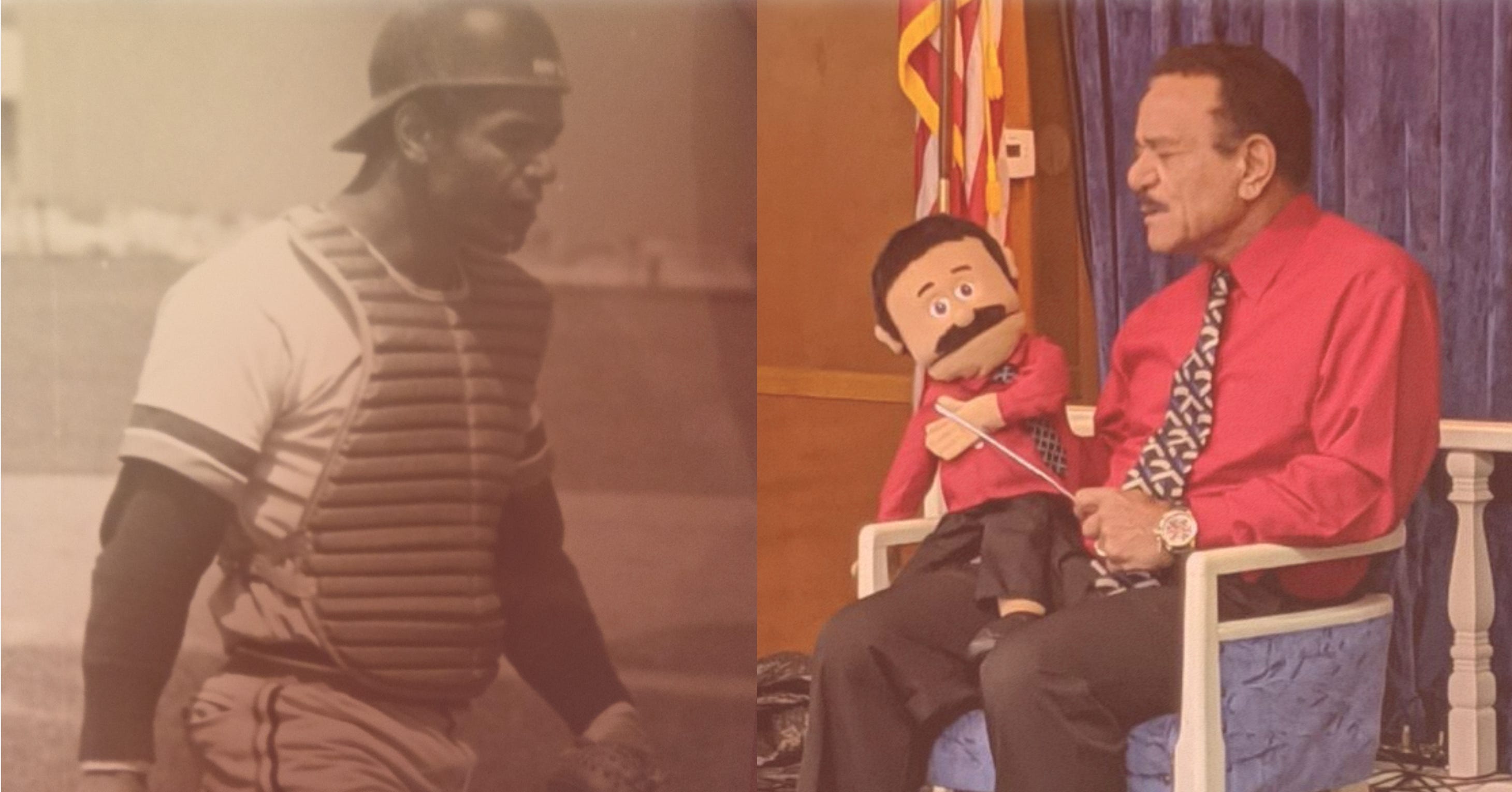
Born in Havana, Cuba, my father immigrated to the United States with his family in 1961, amid the upheaval following the Castro regime’s consolidation of power. Like many families of that era, theirs was divided by circumstance. One sibling escaped later, under far more precarious conditions—a reminder that exile is rarely singular or evenly distributed.
The early pairing of loss and reconstruction—of homeland severed and identity rebuilt—would later echo through his ministry.
After leaving professional baseball, he pursued theological education at the Berean School of the Bible in Springfield, Missouri, graduating in 1980. Two years later, he founded the Church of the Good Shepherd in Clinton, Iowa, the same town where he had once played professional baseball. The symmetry was not accidental. Clinton had given him his first adult identity; now he would give something back.
His ministry expanded quickly beyond the walls of a single congregation. Ordained through Open Bible Churches, he rose to become National Director of Hispanic Ministries, helping to establish approximately twenty Hispanic churches across the United States. His work sat at the intersection of faith, immigration, and cultural translation—spaces often neglected or misunderstood within American religious institutions.
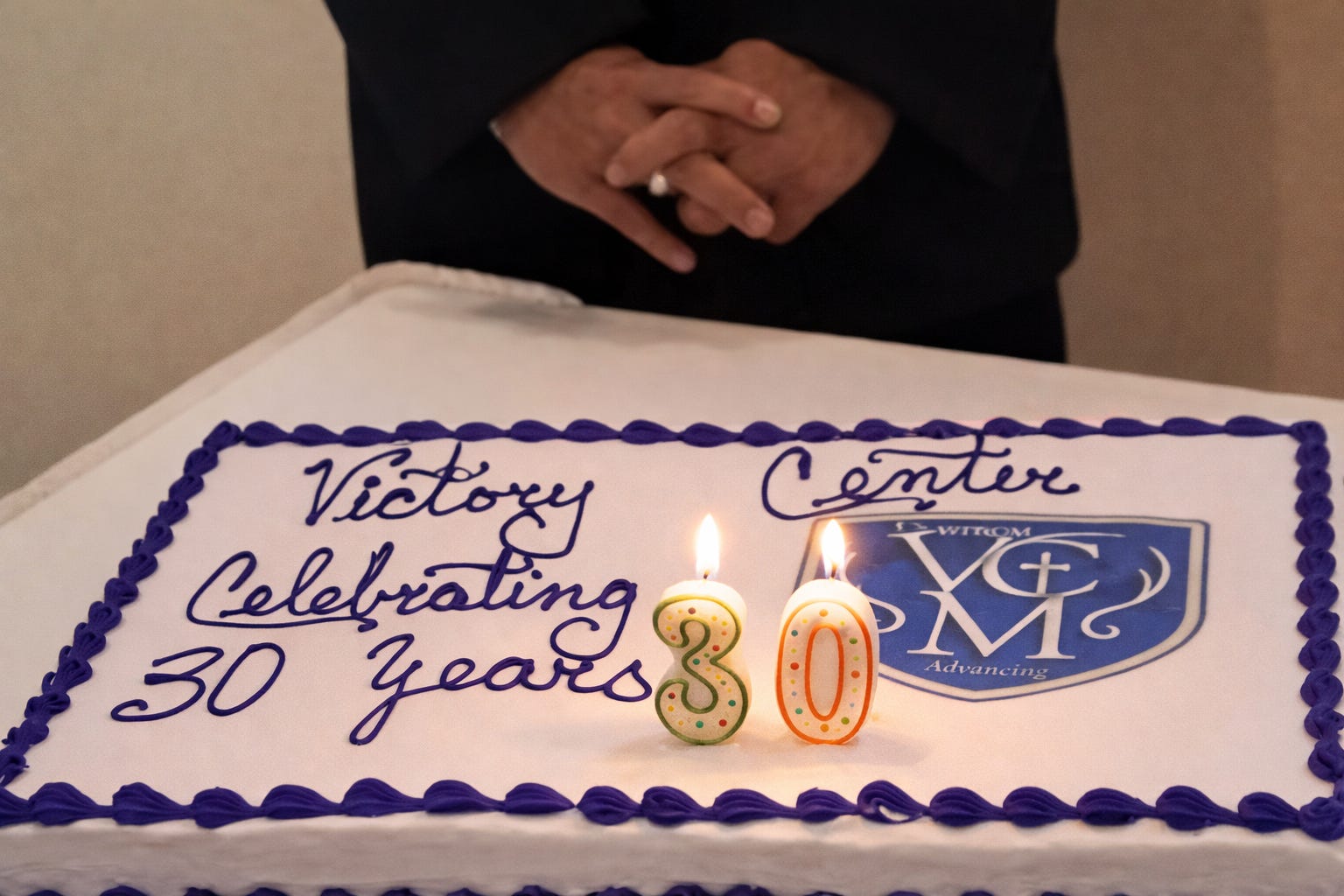
In 1987, he founded Victory Center Ministries, including the Victory Center Rescue Mission in Clinton. The mission provided food, shelter, addiction recovery support, and spiritual counseling to individuals experiencing homelessness—many of whom existed well outside the margins of civic concern. The organization grew into a registered 501(c)(3), with him serving as chairman and executive leader for decades.
This was not symbolic charity. It was operational, unglamorous, and persistent.

My father’s ministry eventually extended far beyond Iowa. Through Victory Center Ministries International and his work with apostolic leadership networks, he engaged in missionary and humanitarian efforts across Latin America, the Caribbean, Africa, and Southeast Asia—including Haiti, South Africa, the Dominican Republic, Kenya, the Philippines, and beyond.
Among these efforts were repeated returns to Cuba—not as a native son reclaiming a past, but as a dedicated servant attentive to present need. Decades after leaving, he reentered the country not to resolve history, but to serve within it.
His roles included church planting, pastoral training, disaster relief, food and medical distribution, funding orphanages, and leadership development in regions where institutional infrastructure was fragile or absent. Within the International Coalition of Apostolic Leaders, he served as an ambassador to multiple countries, working to build cooperative networks among local pastors rather than impose centralized control.
Those who worked with him describe a leader marked less by charisma than by endurance—someone accustomed to showing up repeatedly, in difficult conditions, without expectation of recognition.
My father is the patriarch of a large, multigenerational family, with seven children, four stepchildren, and more than twenty grandchildren. He is cherished and admired by us all.
If baseball once trained him to think in seasons and statistics, ministry taught him to think in decades and lineage.
He has received community recognition for his service, including civic awards honoring his humanitarian impact. But his reputation rests less on accolades than on continuity: the rare figure who did not reinvent himself through reinvention, but through fidelity—to place, to people, and to purpose.
Perhaps it is no coincidence that a life begun in displacement came to be defined by steadiness, or that someone trained early to rebuild without guarantees would spend decades doing exactly that for others.
In the American imagination, careers are often judged by how far one climbs within a single system.
Ramon “Ray” Gimenez’s life resists that metric. His story suggests a different accounting: that influence doesn’t have to be loud to be lasting; that a life diverted is not a life diminished; and that the disciplines learned on a baseball field—patience, resilience, humility before failure—may ultimately find their fullest expression far from the stadium.
At seventy-five, my father stands as a reminder that not all success is sensationalized, and not all legacies wear uniforms. Some are built one meal, one sermon, one act of service at a time—long after the crowd has gone home.
Dad,
From the bottom of my heart and the depths of my soul.
I love you. I respect you. I adore you.
I admire you more than I could ever put into words.
I look up to you and will be forever inspired by your grace.
I am proud. Deeply proud to be your son.
Thank you for showing me (not just telling me) that a man can choose his character no matter what life puts in front of him.
Your love, your light, your courage, your kindness, and your unwavering commitment to doing what’s right in the service of something GREATER made me who I am.
I carry you with me always.
May Your Light Shine.
Sincerely.
Paul
Comments
Nothing yet. Say the first thing.
Sign in to join the conversation.