
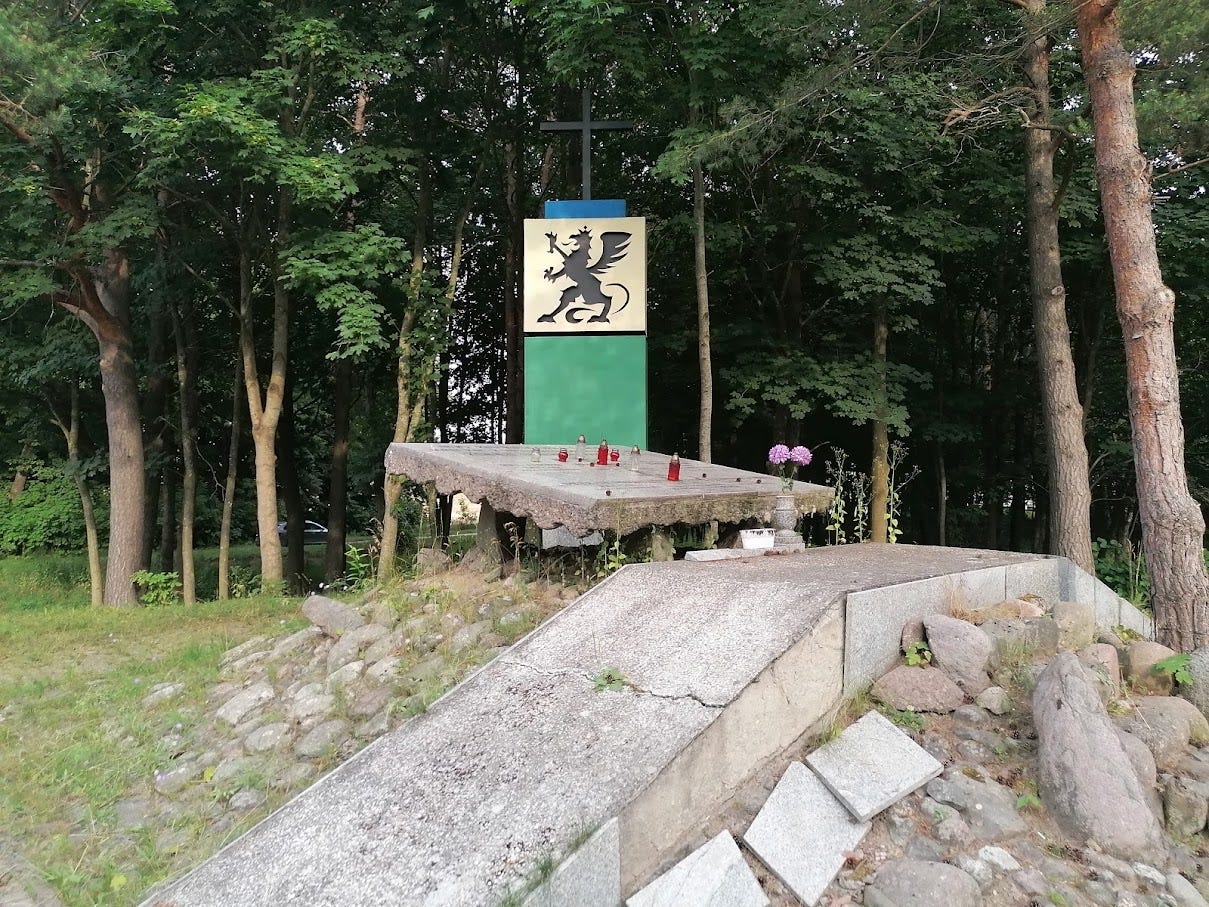
A West Slavic ethnic group traditionally located in Pomerania near the Baltic coast, the Kashubian people are a people who were witnesses to some of the most momentous events of Central European history. All through this period, they retained a unique language and cultural identity that persisted despite external attempts to destroy them. According to lore and genealogical research, small Slavic communities were present in the territory of Pomerania when large numbers of Germanic people began moving eastward in what was known as the Ostsiedlung. Many of these Slavic Pomeranians assimilated into German culture, but a core of them remained and kept their language and identity. These people became known as Kashubians.
The Kashubian language is a West Slavic language witha lot of similarities to Polish and some German influences as well. Culturally, Kashubians have a lot in common with Poles. For instance, they are mainly Catholic. However, some differences set them apart. For instance, Pussy Willows were treated as sacred charms that could prevent lightning strikes, protect animals, and encourage honey production. They were believed to bring health and good fortune to people as well, and it was traditional for one pussy willow bud to be swallowed on Palm Sunday to promote good health. Additionally, Kashubian pottery had its own style that was undertaken by village artisans in Pomerania.
During the years of the Polish-Lithuanian Commonwealth, they had considerable cultural and religious freedom, as well as limited self-government. However, Pomerania was annexed by Prussia during the Partition of 1772. This led to the forced Germanization of the Kashubians, a process that greatly harmed their language and culture. The only way that Kashubians could advance in Prussian or German society was by joining the military, an idea that many were reluctant to do. They resisted Germanization by singing songs in their native language and continuing to practice cultural traditions. Florian Ceynowa, a Kashubian activist, fought for cultural autonomy during the years of the German Empire.
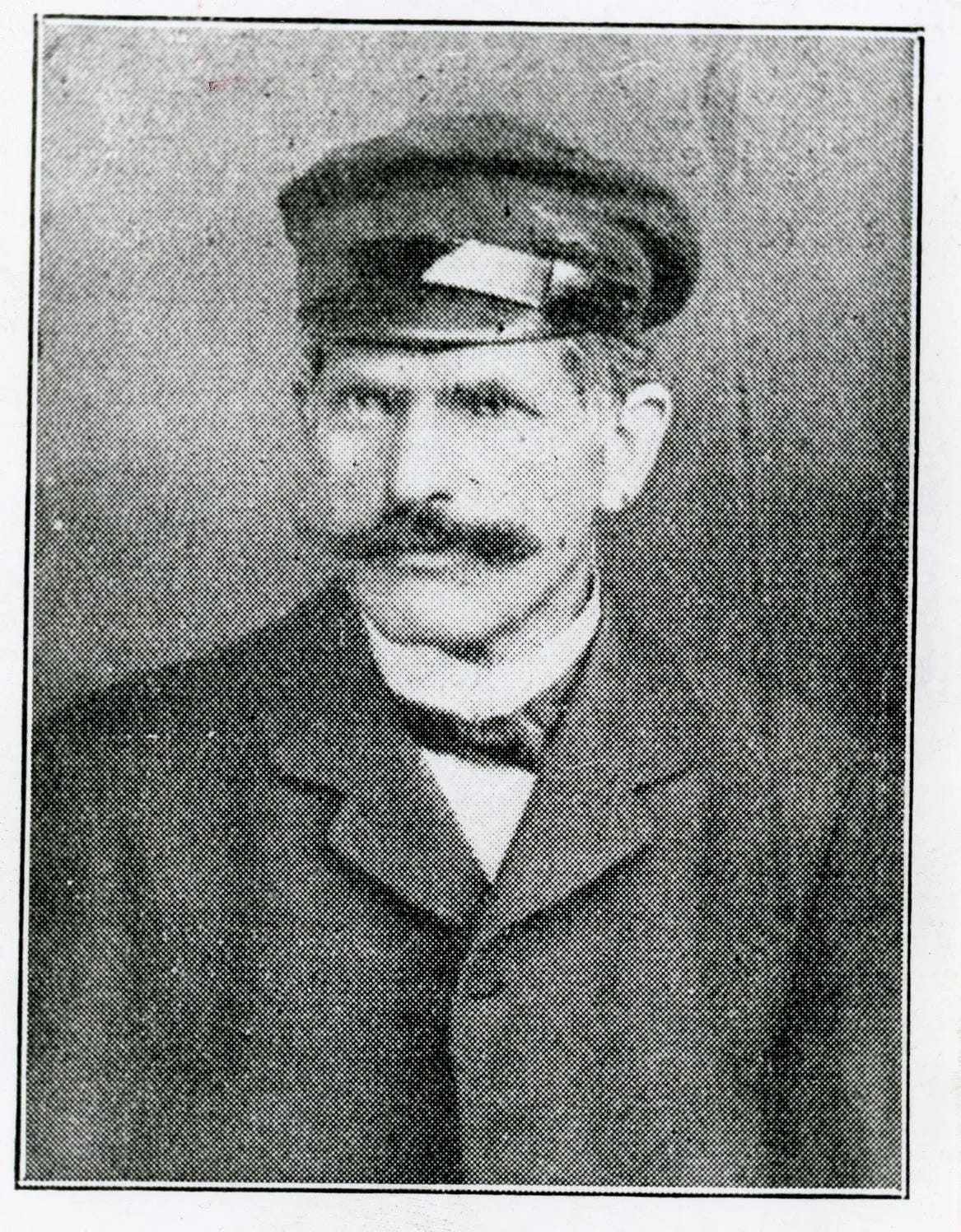
In the aftermath of WWI, the new Polish Republic demanded access to the Baltic Sea when Weimar Germany refused to give up East Prussia. This led to parts of Pomerania becoming part of Poland, while some other parts of the territory remained under German rule. Most Kashubians came under Polish rule, while some remained in German territory or the Free City of Danzig. At the urging of activists such as Antoni Abraham and Tomasz Rogala, Kashubians became fully integrated into the new Polish state, although worries about forced assimilation persisted.
In the 1920s and 1930s, Kashubians faced serious difficulties in both Polish and German societies. Polish administrators in Pomerania could not deal with the intricate nature of ethnic relations in the region. Polonization was also harmful to the Kashubian language. In Germany and Danzig, it was worse. The Weimar and Nazi governments pursued the same Germanization policies that Prussia and Imperial Germany had conducted. Being a minority in Danzig meant that the Kashubians were vulnerable to the city administration’s ordinances that restricted their culture. Kashubians saw themselves under siege as the clouds darkened in the late 1930s.
Sources:
https://www.inyourpocket.com/kashubia/who-are-the-kashubians_70079f#google_vignette
https://www.hist.cam.ac.uk/project/german-influence-medieval-period
https://pomorskie.travel/en/articles/kaszebsko-mowa-few-words-about-the-kashubian-language/
https://bambenek.org/kashubia/the-kashubian-culture/
https://pomorskie.travel/en/articles/kashubians-pottery/
https://polishmuseumwinona.org/what-is-a-kashubian/#:~:text=Kashubian%20History,Mennonite%20religions%20after%20the%20Enlightenment.
https://polishmuseumwinona.org/wp-content/uploads/2023/07/in-search-of-kashubia-part-1.pdf
https://pantheon.world/profile/person/Florian_Ceynowa
https://link.springer.com/chapter/10.1007/978-3-030-41575-4_6#:~:text=Abstract,as%20their%20different%20identity%20politics.
https://research-repository.st-andrews.ac.uk/handle/10023/5936#:~:text=Poland%20was%20established%20as%20a,to%20observe%20such%20provisions%20itself.
https://www.jstor.org/stable/10.5406/polishreview.64.2.0079
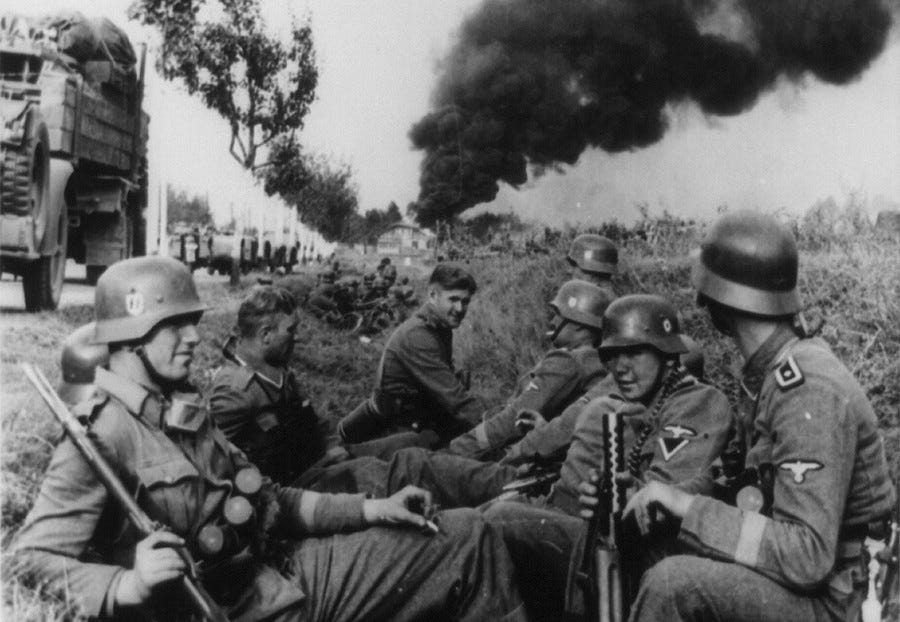
Due to its precarious geographic position, Pomerania was very vulnerable to a German assault. On its eastern border was Danzig and East Prussia, with a formidable German garrison. To its west was northeast Germany proper. Part of Case White, the German plan to conquer Poland, involved advancing swiftly through Pomerania towards Warsaw and cutting off Polish access to the sea. In East Prussia, the 3rd Army was to attack southwards and link up with the 4th Army marching from northeast Germany. Additionally, the German Kriegsmarine (navy) would bombard Polish fortifications on the Westerplatte peninsula.
Defending this area was the Polish ‘Pomorze’ Army as well as several coastal defense units. Kashubians were enlisted or drafted to serve throughout the Polish military as was required and many of them ended up in these forces. As many as tens of thousands of Kashubians served in the Polish military during the September campaign. Primarily, they were found in Land Coastal Defense units because these formations were recruited locally. In a cruel paradox, some Kashubians were found in the German ranks too, such as officers like SS General Erich von dem Bach-Zelewski and Wehrmacht Field Marshal Erich von Manstein.
Before the invasion, the Germans drew up lists of Polish citizens that needed to be eliminated as part of the plan of conquest. This included Kashubian activists and intelligentsia. When the Germans invaded, hundreds of thousands of people tried to flee Pomerania alongside retreating Polish forces, but they were caught in an encirclement and forced to surrender. Many Kashubians paid a bitter price as their homes became a battleground. Much of the garrisons of Westerplatte and the Hel peninsula were comprised of Kashubians and they were forced to surrender after a series of ruthless German assaults. The garrison on Hel particularly suffered as they held out until October 2nd. The pain and suffering of the Kashubians would not end with the defeat of 1939.
Sources:
https://www.nationalww2museum.org/war/articles/invasion-poland-september-1939
https://sztetl.org.pl/en/glossary/armies-polish-military-forces-1939
http://niehorster.org/029_poland/1939/navy/coast-def_sea.html
https://historica.fandom.com/wiki/Erich_von_Manstein
https://polandatwartours.com/nazi-germanys-war-on-polish-intellectuals-intelligenzaktion-and-ab-aktion/
https://1september39.com/39e/articles/2221,The-Third-Reich-invasion-of-Poland-and-the-crimes-of-German-operational-groups-i.html
https://www.intopoland.com/what-to-see/world-war-ii/westerplatte.html
https://www.thesecondworldwar.org/invasion-of-poland/baltic-coast/hel-peninsula
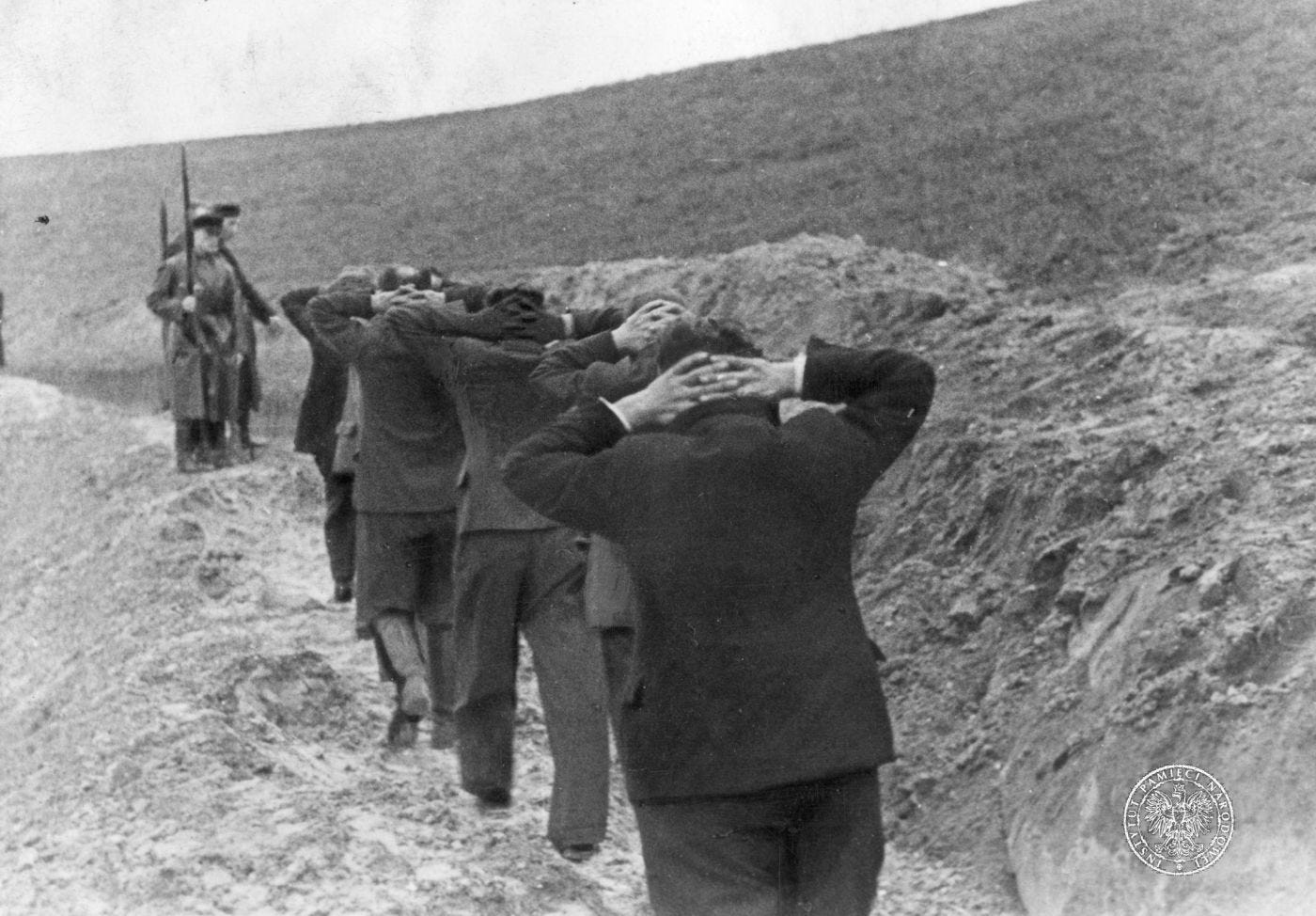
Germany had plans for the territory it controlled in Poland. Large swaths of land in the western and northern parts of the country were to be annexed into Greater Germany, while a strip of territory in the center of the country would be placed under German military rule. Pomerania was one of the territories annexed by Berlin. Meanwhile, German officials planned to decapitate Polish civil society in the territories it controlled through an operation known as the Intelligenzaktion. German Gauleiter Albert Forster authorized German Wehrmacht, SS, and police units to round up and kill as many Polish intellectuals, religious officials, governing officials, and other important people as they could find. This included much of the Kashubian middle and upper classes.
From September 1939 to early 1940, the Germans slaughtered as many as 50,000 people in Pomerania. At approximately 400 locations across the voivodeship, the Germans drove Polish prisoners marked for death to spots in the woods and shot them by firing squad. These massacres were carried out primarily by the SS and Volksdeutscher Selbstschutz, units of local ethnic Germans. Massacres like these took place all over occupied Poland, but in Pomerania, it was the Kashubian intelligentsia that bore the brunt. In places like the Piaśnica Forest, Mniszek, and Bydgoszcz, thousands of people were driven to unmarked graves and shot down in cold blood. Many of these corpses were dug up in 1944 as the Soviets advanced on Berlin.
The killings of the Kashubian intelligentsia proved devastating for the community in later years. Without the organized leadership needed to withstand the pressures of the German occupation, many Kashubians truly did not know what to do. A number of them were willing to collaborate with the occupiers to avoid being gunned down or deported. The development of an organized resistance movement was also delayed by these atrocities. The Jews of Pomerania were mostly driven out of the territory in 1940, while these massacres took place. When the Holocaust in Poland began in earnest in 1942, many of the Polish intelligentsia who could have helped Jews and Roma had already been killed, making much of the German task harder.
Sources:
https://www.facinghistory.org/resource-library/dividing-poland-its-people
https://polishnews.com/intelligenzaktion
https://www.jstor.org/stable/10.5406/polishreview.64.2.0079
https://digital.csic.es/bitstream/10261/388379/1/Pomeranian-Crime.pdf
https://www.sciencespo.fr/mass-violence-war-massacre-resistance/en/document/chronology-mass-violence-poland-1918-1948.html#:~:text=September%201939%E2%80%93Spring%201940:%20’Radical%20Purification’&text=On%202%20September%2C%20near%20Gda%C5%84sk,%2C%202007:%2056)***%20.
https://link.springer.com/article/10.1007/s10761-023-00718-2#:~:text=In%201944%2C%20as%20part%20of,crime%20and%20its%20cover%2Dup.
https://www.jewishgen.org/databases/holocaust/0188_lublin_Stettin.html
https://encyclopedia.ushmm.org/content/en/article/operation-reinhard-einsatz-reinhard
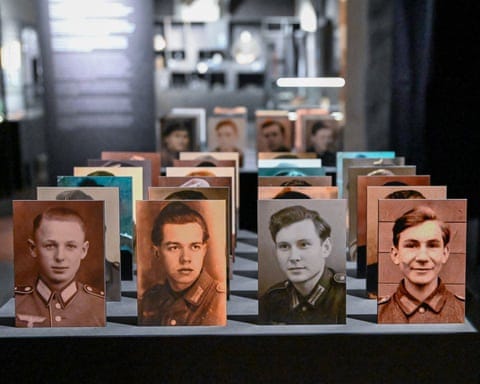
Despite the Germans slaughtering much of the Kashubian intelligentsia, many senior Nazis convinced themselves that the Kashubian people were actually of Germanic stock and that they could be assimilated into German society. As part of the Nazi effort to forcibly integrate western Poland into the Reich, the Germans created a Volksliste, or German Peoples’ List, to identify who was an ethnic German as opposed to the Slavic, Roma, or Jewish people in Poland. Most Kashubians were required to sign documents claiming that they were of German ancestry. Refusal could mean execution or deportation to the Stutthof concentration camp.
By 1941 and 1942, thousands of Kashubian men were being conscripted into the Wehrmacht. As many as one in four military-aged men in Pomerania were conscripted into Germany’s military. This process was very traumatic for many families who had sons in both the Polish resistance and the military in exile and the Wehrmacht. Refusals and desertions were common despite the consequences. For instance, Józef Tusk, the grandfather of the current Polish Prime Minister Donald Tusk, was conscripted into a Wehrmacht grenadier battalion after being imprisoned in the Neuengamme concentration camp. He deserted to the Western Allies after four months.
While some fought for Germany until the end, others deserted en masse, like Tusk, when they got the chance. The Polish I and II Corps, serving with the Allies in Italy and Northwest Europe, boosted its ranks with 90,000 Polish people forced into German service who subsequently deserted. Kashubians featured prominently amongst these deserters, as they were disproportionately recruited into German service.
Kashubians were also among the throngs of people forced into labor for the Nazis. The Organization Todt was the Reich’s Labor Service and it relied heavily on workers from around Germany’s empire to build infrastructure and fortifications. As many as 2.3 million Polish citizens were forced to work for the Germans. This included thousands of Kashubians not considered fit for military service. These workers were treated horrendously, sometimes being considered akin to slaves. If they were not required to work for the war effort, they were sent to be servants for wealthy German or Austrian families.
Sources:
https://zapisyterroru.pl/dlibra/context?id=context6
https://link.springer.com/chapter/10.1007/978-3-030-41575-4_6#:~:text=The%20Nazi%20authorities%20also%20began%20to%20implement,the%20third%20category%2C%20those%20suitable%20for%20Germanization.
https://neweasterneurope.eu/2019/03/18/kashubian-poles-struggling-with-the-fifth-column-label/#:~:text=It%20is%20hard%20not%20to,organisation%20in%20the%20Pomeranian%20region.
https://fullfact.org/online/Donald-Tusk-grandfather/
https://www.dw.com/en/nazi-germany-military-poland-soliders-wehrmacht-history-v2/a-73867717#:~:text=Almost%2090%2C000%20Polish%20Wehrmacht%20soldiers,dominated%20by%20the%20center%2C%20Warsaw.
https://wwv.yadvashem.org/odot_pdf/Microsoft%20Word%20-%205807.pdf
https://www.porta-polonica.de/en/atlas-of-remembrance-places/polish-forced-labourers-reichsautobahn-rhine-region-ordeal-faced
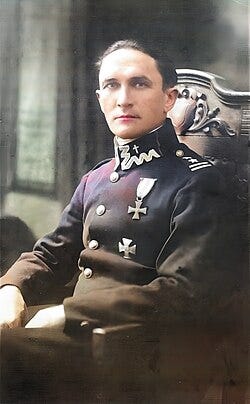
Pomerania saw an intense resistance movement develop in response to German atrocities and forced mobilization. While the Polish resistance in Pomerania did not receive the same glamor as the Maquis or even the Polish Home Army’s main force in Warsaw, the Pomeranian partisans proved to be very dangerous for the German forces occupying the area. Remnants of the Polish military that survived the 1939 collapse and some intelligentsia who avoided the Nazi death squads formed partisan bands in the woods. These bands coalesced into the Secret Military Organization “Kashubian Griffin”. When additional men and women of different backgrounds joined, the organization rebranded as the Pomeranian Griffin.
German ruthlessness and brutality helped propel more Pomeranian residents into the organization. The Griffin operated in cellular size and used a network of bunkers and farm hideouts in the Polish woodlands to plan and conduct operations. By 1943, the Griffin was merged into the Polish Home Army and had around 20,000 members in its ranks, with a wider network of people supporting them. Despite the merger with Warsaw, the Pomeranians maintained a wide degree of autonomy due to their familiarity with the conditions in the voivodeship. Under the leadership of men such as Lt. Józef Dambek and Father Józef Wrycza, the Pomeranian partisans struck critical German posts in the area, staged ambushes on Wehrmacht and SS patrols, and hunted down any Polish citizen who collaborated.
The Allies happily used information gained by the underground to help identify targets for bombing or sabotage. The Pomeranian Griffin was very useful in this regard because it provided information about Germany’s V1 and V2 weapons programs. Many of the launch sites were located on the Baltic coast and a testing facility was located on the island of Peenemünde. Pomeranian resistance members, including the Kashubian Augustyn Muszyński, provided critical information about the testing on the island, which enabled the British to launch an air raid there.
As the war went on, the partisans expanded their operations beyond the woods and even created cells in cities like Danzig and Gdynia. Their actions become more noticeable and the Germans implemented a ruthless counterinsurgency to target them. They used informants from within the partisans’ ranks to sow discord and launched a series of raids on the Pomeranian woods to destroy the bunker system used by the Griffin. Villages were burned if the Germans suspected partisan activity, locals were taken hostage and executed, and Lt. Dambek was caught in an ambush and killed. Kashubian civil society was dealt another blow by these atrocities. Notwithstanding these blows, the partisans remained an operational force with thousands of members until the Soviets expelled the Germans from the territory in 1945. Many of them, including Father Wrycza, continued to fight the new Soviet-backed regime in Warsaw after the war ended due to their virulent anti-communism.
Sources:
https://military-history.fandom.com/wiki/Secret_Military_Organization
https://en.wikipedia.org/wiki/Pomeranian_Griffin
https://zawacka.pl/uploads/TheHomeArmy_2014_NET_ost.pdf
https://gryf.pomorskie.eu/zalozyciele/ks-pplk-jozef-wrycza-1884-1961-wspoltworca-prezes-rady-naczelnej-tajnej-organizacji-wojskowej-gryf-pomorski-ps-rawycz-delta/
https://www.porta-polonica.de/en/atlas-of-remembrance-places/peenemunde-poles-and-hitlers-secret-weapon-v2-rocket#:~:text=The%20V2%20rocket%2C%20Hitler’s%20miracle,Hitler’s%20missile%20centre%20was%20bombed.
https://www.militaryintelligencemuseum.org/history-of-mi/1943-operation-hydra#:~:text=Meanwhile%2C%20more%20reports%20on%20the,scientific%20analysis%20of%20their%20feasibility.
https://www.wojsko-polskie.pl/3fo/articles/aktualnosci-w/78-rocznica-smierci-kapitana-jozefa-dambka/#:~:text=We%20wszystkich%20dokumentach%20programowych%20zaakcentowane,%E2%80%9EGryf%20Pomorski%E2%80%9D%20zosta%C5%82%20zlikwidowany.&text=06.03.2022%20r.
https://gdansk.ipn.gov.pl/pl2/aktualnosci/209388,Upamietnienie-zalozycieli-TOW-Gryf-Kaszubski-Czarlino-10-listopada-2024.html#:~:text=Zamordowany%20w%20wyniku%20prowokacji%20gestapo,2.04.1945%20w%20KL%20Stutthof%20.&text=Klemens%20Bronk%20ps.,by%C5%82%20inwigilowany%20przez%20aparat%20bezpiecze%C5%84stwa.
https://www.doomedsoldiers.com/
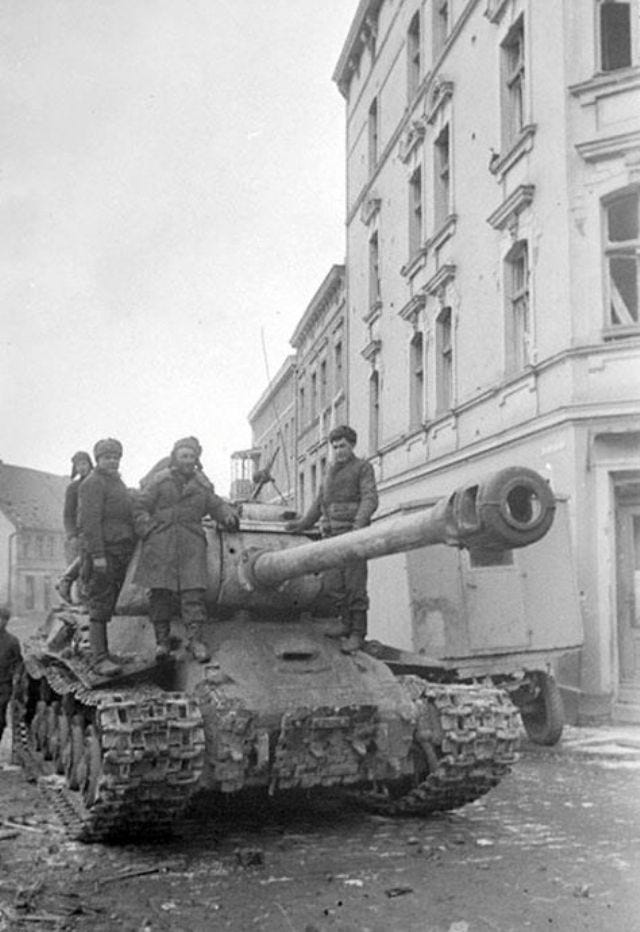
In February 1945, the Soviet 1st and 2nd Belorussian Fronts overran the Germans’ 2nd and 11th Armies in Pomerania with the aim of seizing the ports of Danzig (Gdansk) and Gdynia. The Pomeranian Griffin hoped to cooperate with the Soviets and the newly-formed Polish People’s Army. However, as the Soviets advanced into Pomerania, they and their Polish Communist partners treated the residents of the area, especially the Kashubians, as if they were all Nazi collaborators. The partisans were ruthlessly cracked down on. Additionally, the Soviets committed horrendous atrocities against Pomeranians, including mass rapes and executions.
The new Polish government, a puppet of the Soviet regime, announced that the Kashubian people were collectively responsible for acting as a ‘fifth column’ during the Nazi occupation. As a result, many of the surviving Kashubian intelligentsia were arrested by the authorities. Kashubian culture was cracked down upon and many were forcibly expelled from the country because they had signed the Volksliste. Most Kashubians were forced to identify as ethnic Poles, which undermined their unique ethnic identity, or identify as Germans, which would lead to their expulsion. Speaking Kashubian in public was banned and any attempt to engage in cultural practices underground could lead to arrest or execution. Efforts by ethnic Kashubians to fight the Germans were forgotten and the national narrative became that Pomerania was a hub of collaborators in occupied Poland.
The end of the Cold War led to a resurgence of Kashubian culture and identity. It also led to the introduction of an honest discussion in Polish society about what happened to this community. The partisans who fought the Nazis went from being objects of vilification to becoming national heroes. The story of forced conscription of Kashubians into the Wehrmacht and Organization Todt was discussed in a way that did not reflect the propaganda narratives of the Communist era. Nonetheless, wounds of the war remain in the psyche of Pomeranians. When Donald Tusk first ran for the Prime Minister, he faced a smear campaign from his opponents about his grandfather being forced into the Wehrmacht, even though he deserted to the Western Allies. Many Kashubian families suffered from the stigma of having family members do military service for Germany during the war, even if it was forced. The creation of the European Union, the reunification of Germany, and the introduction of Poland into the EU and NATO have gone a long way to heal the wounds between the two countries. However, the Kashubian people still face challenges in trying to define their stories due to their position as a community straddling a borderland.
Sources:
https://historica.fandom.com/wiki/East_Pomeranian_Offensive#:~:text=Previous,Group%20North%20as%20their%20opposition.
https://www.wikiwand.com/en/articles/Pomeranian_Griffin#:~:text=The%20remnants%20of%20the%20group,and%20the%20cursed%20soldiers%20members.
https://warfarehistorynetwork.com/article/wretched-misconduct-of-the-red-army/
https://neweasterneurope.eu/2019/03/18/kashubian-poles-struggling-with-the-fifth-column-label/
https://src-h.slav.hokudai.ac.jp/publictn/eurasia_border_review/ebr_v5n2/EBR_v5n2_35.pdf
https://lossi36.com/2023/09/08/at-a-crossroads-kashubians-in-poland-are-faced-with-a-demographic-dilemma/
https://memocracy.eu/static/5aa439bea115357b8a5a0bebfceb809e/Report-PL-HU-Final-July-2023-1.pdf
https://www.cbsnews.com/news/polish-candidate-denies-nazi-roots/
https://minorityrights.org/country/poland/
No posts
Comments
Nothing yet. Say the first thing.
Sign in to join the conversation.